






Quick Answer: Yes, you can have an STD without symptoms. Infections like chlamydia, herpes, and HIV often remain silent for months or years, making routine testing essential even when you feel completely fine.
The Illusion of Health: Why No Symptoms Doesn’t Equal No Risk
“But I feel normal.” That phrase alone keeps thousands of STDs spreading. In reality, some of the most common infections are specifically known for their stealth. According to the CDC, up to 70% of women and 50% of men with chlamydia never show symptoms. The same holds true for gonorrhea, which may present as mild irritation, if at all. Infections don’t need to scream to exist. In fact, the most dangerous ones often whisper, or say nothing at all.
Consider Herpes Simplex Virus 2 (HSV-2). You could be infected, never experience a visible sore, and still shed the virus through your skin periodically, unknowingly exposing your partner. And in early HIV cases, some people mistake mild symptoms like fatigue, sore throat, or a rash for seasonal illness. Others experience nothing.
When you trust symptoms as your early warning system, you're playing a dangerous game. You're letting silence make decisions your body isn’t equipped to handle alone.
Inside a Silent Infection: What the Body Hides and Why
Aliyah, 29, was three years into a monogamous relationship when a pelvic exam revealed she had trichomoniasis. She hadn’t experienced itching, odor, or discharge, none of the “classic signs.” Her partner swore he hadn’t cheated, and maybe he hadn’t. But someone had brought the infection into their relationship months or even years ago. And it had quietly thrived.
Why do some people never show symptoms? It often comes down to the body’s immune response and where the infection takes hold. Chlamydia can silently inflame the cervix or urethra, while HPV (human papillomavirus) can cause cellular changes without ever forming a wart. Even syphilis, a disease that once announced itself with dramatic sores and rashes, can slip by unnoticed during its earliest phase.
It’s not about strength or weakness. It’s about luck, immune variables, and timing. And you can’t test for luck.

People are also reading: Do Dental Dams Actually Work? A Sex-Positive Deep Dive
Comparing Symptomatic vs Asymptomatic STDs
Let’s break down which STDs are most likely to fly under the radar and how they compare to those that show up with early signs.
| STD | Common Early Symptoms | Chance of No Symptoms | Silent Risks |
|---|---|---|---|
| Chlamydia | Burning during urination, discharge | Very High | Infertility, PID |
| Gonorrhea | Painful urination, discharge | High | Joint pain, reproductive damage |
| Herpes | Blisters or sores | Moderate to High | Viral shedding, transmission risk |
| HPV | Genital warts (in some types) | Very High | Cervical cancer, throat cancer |
| HIV | Flu-like illness (early) | High | Immune damage, late diagnosis |
Table 1. Some STDs barely cause symptoms but carry significant long-term risk if left untreated.
Order Now $119.00 $294.00 Check Your STD Status in Minutes
Test at Home with Remedium
6-in-1 STD Test Kit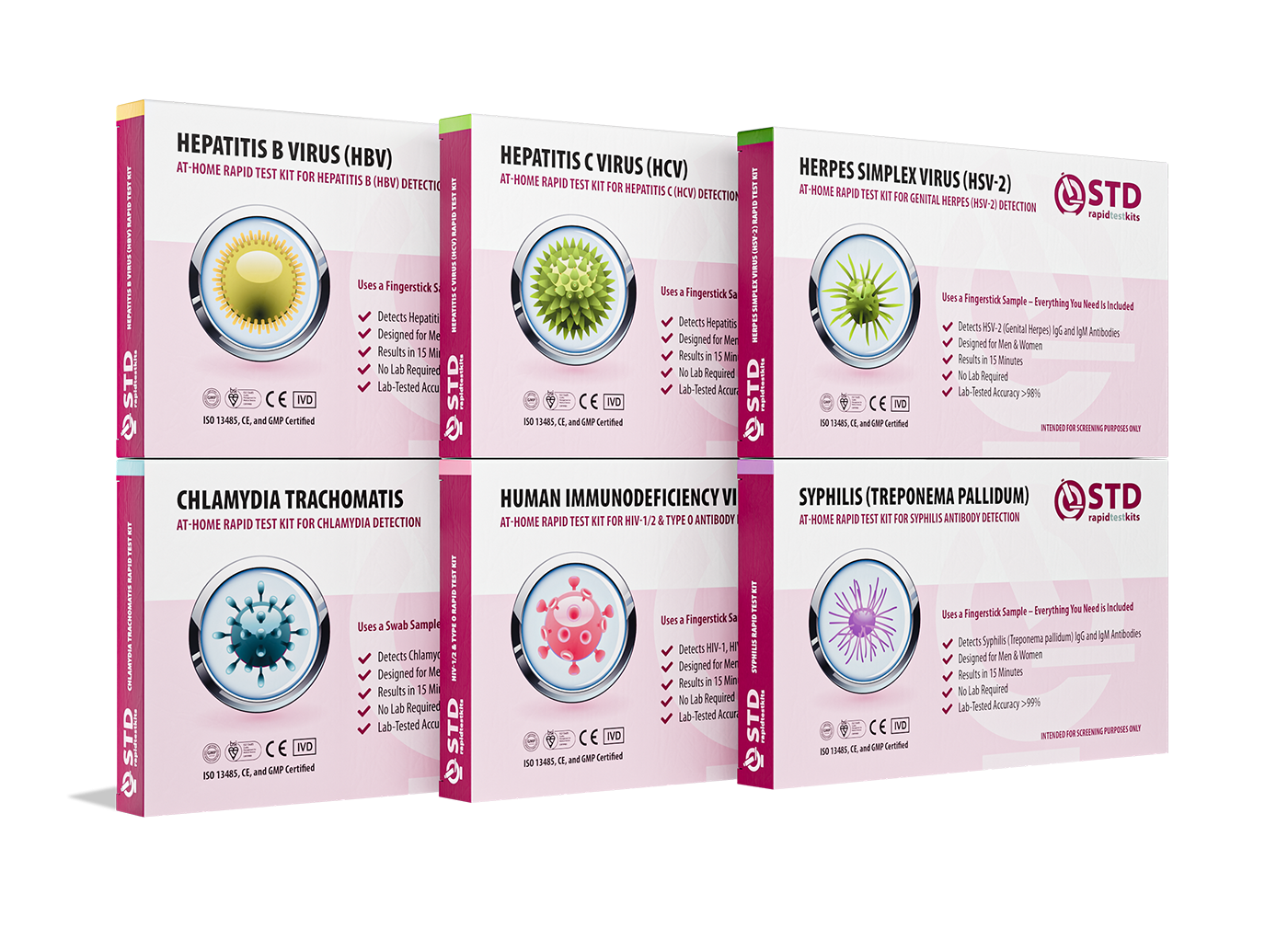
 For Men & Women
 Results in Minutes
 No Lab Needed
 Private & Discreet
For all 6 tests
When Silence Spreads: The Public Health Cost of Not Knowing
Let’s be blunt: asymptomatic STDs are a public health nightmare. Not just because they go unnoticed, but because people believe the absence of symptoms means absence of infection. That belief leads to skipped testing, delayed treatment, and partners left in the dark. Each person who avoids testing because they feel fine might unknowingly infect others who repeat the same pattern. The cycle continues.
The CDC reports that nearly 1 in 5 Americans has an STD. The most common, chlamydia, herpes, HPV, often present no symptoms at all. That’s not a failure of medicine. It’s a failure of education and stigma. We wait for something to hurt before we believe it’s real. That delay can cost fertility, relationships, and health.
One night with no symptoms doesn’t guarantee you're in the clear. A testing kit, however, can tell you something your body might never say on its own.
How Long Can You Carry an STD Without Knowing?
Devon got tested after a breakup, not because he felt sick, but because his new partner had asked. His last test was over a year ago. He assumed he was clean. When the results came in, he was shocked: he tested positive for gonorrhea. No symptoms. No pain. No clue. Based on the timing, he’d likely been carrying it for months, unaware.
Each STD has a different timeline for how long it can stay in the body undetected. That’s where two terms often get confused: incubation period and window period. The incubation period is how long it takes for symptoms to show (if they do). The window period is how long it takes before a test can detect the infection accurately. These timelines don’t always match.
| Infection | Incubation (Symptoms) | Window Period (Test Accuracy) | Can You Be Symptom-Free? |
|---|---|---|---|
| Chlamydia | 1–3 weeks | 7–14 days | Yes, often |
| Herpes (HSV-2) | 2–12 days (if symptomatic) | Up to 16 weeks for antibodies | Yes, in many cases |
| HIV | 2–6 weeks (flu-like symptoms) | 10–33 days (NAAT), 18–45 days (Ab/Ag) | Yes, especially early on |
| HPV | Weeks to years (if ever) | Variable (tests only for high-risk types) | Yes, very often |
| Trichomoniasis | 5–28 days | 5–7 days for detection | Yes, especially in men |
Table 2. Most people don’t realize that window periods and incubation aren’t the same, this is how STDs hide.
So yes, you can have an STD for weeks or even years and not know. That’s why a “one and done” approach to testing doesn’t work. If you’ve had any new partners since your last screening, a test, even if you feel fine, can stop a silent infection in its tracks.
When Should You Test If You Feel Fine?
Here’s the truth no one tells you: the absence of symptoms doesn’t delay the ability to test, but the timing of exposure does. If you test too early after a possible exposure, your results might not be reliable. But wait too long, and you could unknowingly pass something on.
If it’s been fewer than 7 days since a risky encounter, some infections may not be detectable yet. A reader named Karla wrote in: “I got tested four days after a one-night stand. It came back negative, but something still felt off.” She retested at 14 days, positive for trichomoniasis. That second test caught what the first missed. Her gut had been right. Her first result had simply come too early.
If you’ve passed the two-week mark, most tests will detect chlamydia, gonorrhea, and trichomoniasis. HIV and syphilis often require longer for full accuracy, up to 45–90 days depending on the method used. That’s why some labs offer follow-up testing, especially for recent exposures.
Testing timelines aren’t about morality. They’re about biology. And timing isn’t one-size-fits-all. That’s why testing regularly, especially with each new partner, is a far stronger protection plan than waiting for symptoms that might never come.
Feeling unsure where you stand? Peace of mind is one test away. Explore discreet STD test kits here.
At-Home Testing vs Clinic: Which Is Better for Asymptomatic Cases?
When you feel fine, it might feel awkward, or even unnecessary, to book a clinic visit. But skipping it altogether isn't your only option. At-home testing has made quiet STD screening more accessible than ever. You don’t need to explain yourself to a receptionist. You don’t need to wait for symptoms to justify it. You just need the test.
Consider Jamal, who lives in a rural town with no nearby clinic. After a casual partner mentioned an STD scare, he ordered a rapid test kit online. It arrived in discreet packaging, and within minutes of swabbing and waiting, he had his result. He followed up with a lab-based mail-in kit to confirm. No travel, no embarrassment, no delay.
At-home rapid kits are great for initial peace of mind. Mail-in lab tests offer slightly higher accuracy and broader detection panels. Clinics still have their place, especially for complex cases or treatments. But for most asymptomatic people, starting at home is better than waiting indefinitely.
STD Rapid Test Kits offers both rapid and lab-based options, confidential, convenient, and built for people who don’t want to wait for symptoms that may never come.
Should You Retest Even If You’re Asymptomatic?
Retesting often feels unnecessary if your first result was negative and you never developed symptoms. But that assumption can lead people to miss the window where their test might have turned positive. This is especially true in early-stage infections or after antibiotic treatment, where residual traces or reinfection are possibilities.
Let’s say you've just completed treatment for chlamydia. The recommendation isn’t just “you’re cured, move on.” The CDC suggests retesting in about 3 months, not because the treatment didn’t work, but because reinfection is so common. Especially if your partner wasn’t treated, or if you’re re-exposed without knowing.
Then there’s the case of Avery, a 24-year-old grad student. She’d tested negative at a campus clinic but wasn’t sure about the timing. A friend had told her about the testing window for HIV being longer, so she bought a second test kit online six weeks later. That one came back positive. Early testing had missed it. Retesting caught it in time for early treatment, something that drastically changes long-term outcomes.
If you’re ever in doubt, retesting is never overkill. It’s strategy. Especially for asymptomatic infections where your body isn’t giving you any clues, retesting becomes your way of staying ahead. Explore our discreet options to retest at home, without judgment or delay.
Talking to Partners When You Feel Fine But Test Positive
This is one of the hardest parts of asymptomatic STDs. How do you explain a positive result when you “don’t feel sick”? The conversation feels unfair, confusing, or even accusatory. But honesty here isn’t just damage control, it’s prevention.
Let’s ground this in a real moment. Sam, 36, had been seeing someone casually. They always used protection, but he decided to test before becoming exclusive. His gonorrhea result came back positive. He felt fine. No signs. No clue. Telling her was hard, especially because it meant backtracking the conversation they hadn’t fully had yet about exclusivity. But she appreciated the heads-up and got tested. She was positive too, and had also felt fine.
The talk isn’t about blame. It’s about care. Share your status calmly, let them know the infection is treatable or manageable, and offer resources. If you can, let them know how you’re handling treatment so they can mirror your plan. STDs aren’t moral failings, they’re medical situations that call for courage and compassion.

People are also reading: Why Antibiotics Can’t Save Us Anymore: The Rise of Untreatable Viral STIs
Your Privacy, Your Power
One of the biggest fears around STD testing, especially when you feel fine, is being judged. That’s where at-home testing changes the game. With discreet packaging, secure results, and no face-to-face disclosure unless you choose it, you get answers without the exposure.
Some people test while traveling and have kits shipped to a drop point. Others test at home while roommates are out. The control isn’t just about where you test, it’s about who knows, when, and how. At-home kits protect that control.
Our tests are packaged without any branding or STD references on the outside. Your results are confidential. Your data isn’t shared. You can test, get treated, and move forward on your own terms.
Whether you’re newly sexually active, between partners, or just listening to your gut, you deserve to know your status. And you deserve to do that in a way that feels safe.
Check Your STD Status in Minutes
Test at Home with Remedium8-in-1 STD Test Kit
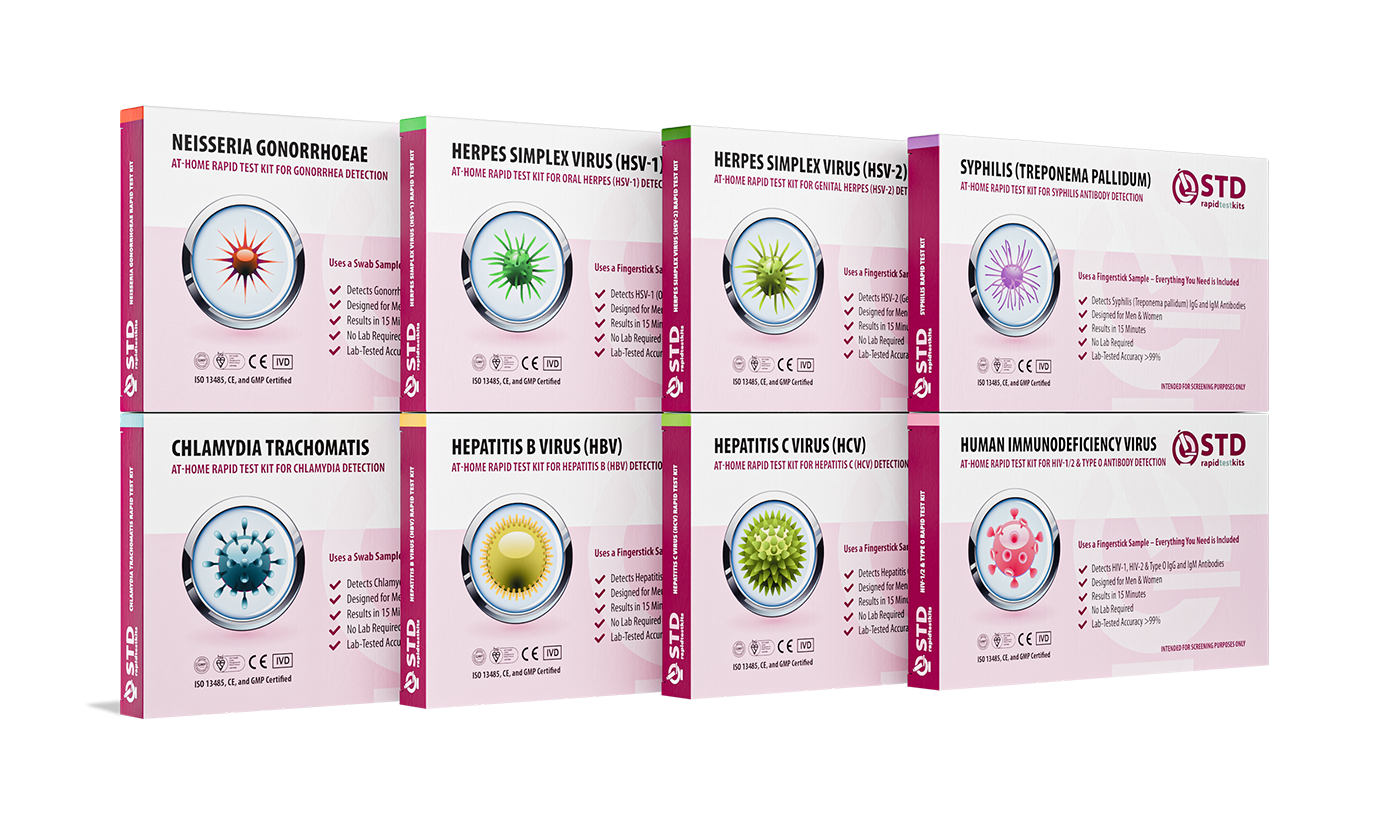 For Men & WomenResults in MinutesNo Lab NeededPrivate & Discreet
Order Now $149.00 $392.00
For all 8 tests
What If You Test Positive and Still Feel Fine?
Here’s what you do: you don’t panic. You don’t shame yourself. You don’t disappear into silence.
You take the next step.
Most STDs, yes, even the scary ones, are treatable or manageable. Chlamydia, gonorrhea, and trichomoniasis can be cured with antibiotics. Herpes and HIV can be managed with medication to reduce symptoms and prevent transmission. The key is acting early, even if your body hasn't sent up a red flag.
First, follow up with a confirmatory test if the first was a rapid or at-home result. Many labs offer discreet second testing. Then, start treatment through a provider or telehealth platform. And most importantly, let partners know.
Consider it this way: testing positive without symptoms is like catching a fire before the smoke alarms go off. You didn’t wait until your house was burning. You saved it in time.
Need to retest, or test a partner? Order another kit here. Fast. Confidential. Done on your terms.
FAQs
1. Can I really have an STD and not feel anything at all?
Absolutely. It’s wild, right? You could be walking around with chlamydia, herpes, or even HIV and feel totally normal. No pain. No weird discharge. Nothing that screams “infection.” That’s the trap. These infections are sneaky, and silence doesn’t mean safe.
2. If I don’t have symptoms, am I still contagious?
Yep. That’s the dangerous part. Herpes, for example, can spread even when there are no sores, just through skin contact. Chlamydia and gonorrhea can pass during sex even if you never felt a single symptom. If it’s in your body, it can move to someone else’s.
3. My partner says they’re “clean.” Should I still get tested?
Please do. “Clean” isn’t a vibe, it’s a recent lab result. So many people say that because they feel fine or got tested years ago. You don’t need to accuse anyone. Just take charge of your own health. Testing is self-respect, not suspicion.
4. How often should I get tested if I feel fine and use protection?
Condoms help a lot, but they’re not a forcefield. Some STDs, like HPV and herpes, can spread from skin-to-skin contact. If you’ve got new partners every few months, test every 3–6 months. Monogamous? At least once a year or whenever something changes. Don’t wait for a scare to get serious.
5. Why did my test come back negative… and then positive later?
You might’ve tested too early. Every STD has a different “window period”, basically how long it takes to show up on a test. For example, HIV might not show up until 18 to 45 days after exposure, depending on the test. Retesting a few weeks later can make all the difference.
6. I tested positive, but I still feel fine. Should I be worried?
Worried? No. Proactive? Yes. The goal is to catch infections before they cause damage, like infertility or chronic pain. Feeling fine just means you caught it early. That’s a win. Start treatment, let your partners know, and give yourself credit for doing the responsible thing.
7. Do I really have to tell someone I tested positive if I don’t feel sick?
Yes. You’re not passing on a secret, you’re passing on a chance for them to protect themselves. You can say something simple like, “Hey, I just got tested and something came back positive. I had no idea, so I wanted to give you a heads-up so you can get checked too.” That’s honesty, not shame.
8. Can I use an at-home test even if I don’t have symptoms?
100%. That’s actually what they’re perfect for. No awkward questions. No explaining to a doctor why you're “just checking.” You swab, test, and get answers, on your own time. If you’re exposed recently, just make sure you’re testing after the right window period so it’s accurate.
9. Is it possible to have more than one STD at once?
Yes, and it happens more often than people think. That’s why full panel testing is smart. Some infections like to ride together. You might catch chlamydia and gonorrhea from the same partner, or find out you’ve got HPV while testing for something else. Cover your bases.
10. I’m scared of what the result might say. What if I just… don’t test?
Totally get it. But here’s the truth: not knowing doesn’t protect you. It just delays what could’ve been an easy fix. Most STDs are treatable or manageable. And the sooner you know, the sooner you can stop it from spreading, or messing with your body behind the scenes. Courage now means less stress later.
You Deserve Answers, Not Assumptions
Let’s be real, assuming you’re “fine” just because you feel okay? That’s not peace of mind. That’s a guess. And when it comes to your sexual health, guessing is a gamble you don’t need to take.
Your body can hold onto an STD for weeks, months, even years without throwing up a single flag. But your life? Your relationships, your future family plans, your sense of security, they’re too important to risk on a hunch.
Whether you’re retesting, double-checking after a new partner, or just listening to that little voice that says, “Maybe I should,”, we’ve got you. Order your confidential at-home STD test here. No clinics. No judgment. Just clarity.
Because silence from your body doesn’t mean safety. And waiting for symptoms is waiting too long. You deserve the truth. On your terms.
How We Sourced This Article: We combined current guidance from leading medical organizations with peer-reviewed research and lived-experience reporting to make this guide practical, compassionate, and accurate.
Sources
2. Sexually transmitted infections (STIs) – WHO Fact Sheet
3. About Sexually Transmitted Infections (STIs) – CDC
4. Sexually Transmitted Infections – CDC
5. Sexually Transmitted Infections: Updates From the 2021 Guidelines – AAFP
6. Sexually Transmitted Infections – StatPearls (NCBI Bookshelf)
8. Asymptomatic STIs: Silent Risks Explained – Verywell Health
About the Author
Dr. F. David, MD is a board-certified infectious disease specialist focused on STI prevention, diagnosis, and treatment. He blends clinical precision with a no-nonsense, sex-positive approach and is committed to expanding access for readers in both urban and off-grid settings.
Reviewed by: Dr. L. Mireles, DO | Last medically reviewed: November 2025
This article is for informational purposes and does not replace medical advice.


