





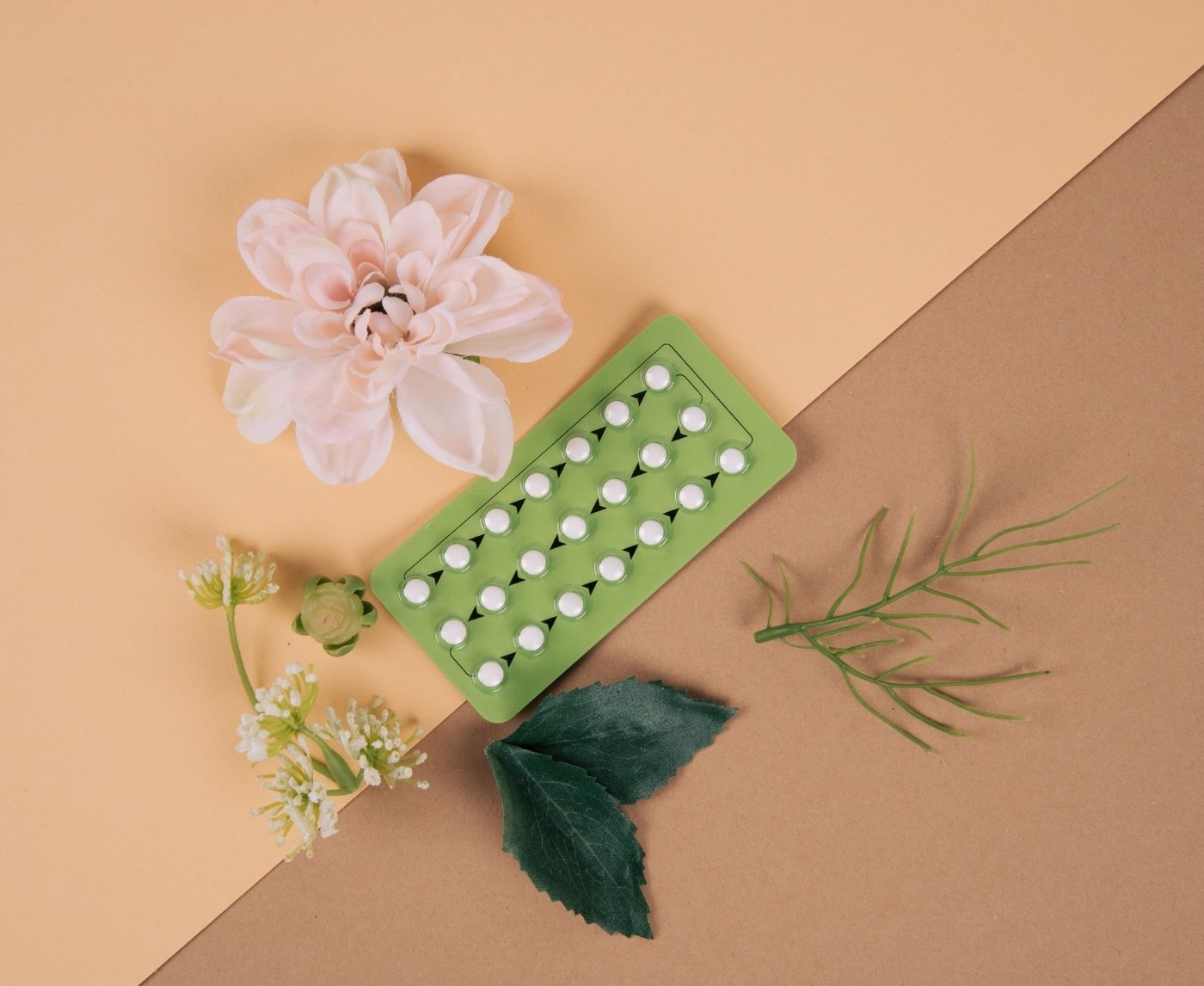

Quick Answer: Hormonal contraceptives, especially those containing estrogen or progesterone, can lower immune function in some people and may increase the frequency or severity of herpes outbreaks, especially in the first few months of use. This effect varies and is still being studied, but anecdotal and clinical evidence suggests a real connection for some.
This Isn’t in the Pamphlet, But It Happens
The connection between birth control and herpes outbreaks isn’t usually mentioned in your OB/GYN’s office, much less on the glossy pharmacy handout that comes with your pills. Yet Reddit threads, sex-positive blogs, and herpes support groups are full of stories: people with well-controlled herpes suddenly experiencing multiple flare-ups within weeks of starting the pill, patch, or a hormonal IUD.
For many, it’s not just the return of physical symptoms, it’s the emotional toll. One reader described it like “my body betrayed me right when I thought I was doing something responsible.” The timing feels too precise to be coincidence. And it turns out, there’s some science to back that gut feeling.
Several studies have explored how sex hormones interact with the immune system, and while the research isn’t all conclusive, there's a growing body of evidence that synthetic estrogen and progesterone can dampen the body’s ability to suppress dormant infections, like herpes simplex virus (HSV-2).
What Science Says About Hormones and Herpes Reactivation
To understand why herpes might flare after you start birth control, you have to understand how herpes works. Once someone contracts HSV-1 or HSV-2, the virus lives in the body for life, hiding in nerve cells near the base of the spine or trigeminal ganglia. Outbreaks happen when the immune system stops actively suppressing the virus, allowing it to replicate and travel along nerves to the skin.
Several factors can weaken this immune surveillance: stress, illness, sleep deprivation, and for some people, hormonal changes. Just like menstruation can trigger a herpes outbreak in many people, starting or changing a hormonal contraceptive might have a similar destabilizing effect.
Research published in the Journal of Virology found that progesterone can directly influence viral reactivation by suppressing immune cell activity. Other studies have observed that synthetic hormones may interfere with natural killer (NK) cell function, one of the body’s main defense mechanisms against herpes outbreaks.
| Hormone | Common in | Possible Effect on Herpes |
|---|---|---|
| Estrogen | Combined oral contraceptives | May lower certain immune responses, especially mucosal defenses |
| Progesterone | Progestin-only pills, hormonal IUDs, implants | Linked to reactivation of latent HSV in animal and human models |
Table 1. Hormonal agents in contraceptives and their suspected role in HSV flare-ups
People are also reading: What No One Tells You About STDs and Hookup Culture
Ali’s Story Isn’t Rare, Here’s Why It’s So Hard to Prove
Ali wasn’t imagining things. Neither were the dozens of people who reported similar stories. But there’s a reason this connection is often brushed aside by clinicians: there’s not enough long-term, large-sample research to definitively link hormonal contraception to herpes recurrence. The herpes stigma doesn’t help either, many patients don’t even report flare-ups, let alone connect them to hormonal changes.
Medical providers often prioritize pregnancy prevention over other effects, especially if side effects aren't life-threatening. For someone already living with herpes, though, a new outbreak, especially one that feels more severe than usual, can feel like a punch to the gut. And when that outbreak lines up perfectly with the first week of taking a new pill? It’s understandable to want answers.
In a 2020 study from the University of Washington, researchers examined immune alterations caused by depot medroxyprogesterone acetate (DMPA), a long-acting contraceptive injection, and noted a decrease in mucosal immune barriers that normally help suppress STIs. While this study didn’t focus on herpes specifically, it gives us a strong clue: hormonal contraception can influence viral susceptibility and symptom patterns.
Check Your STD Status in Minutes
Test at Home with Remedium8-in-1 STD Test Kit
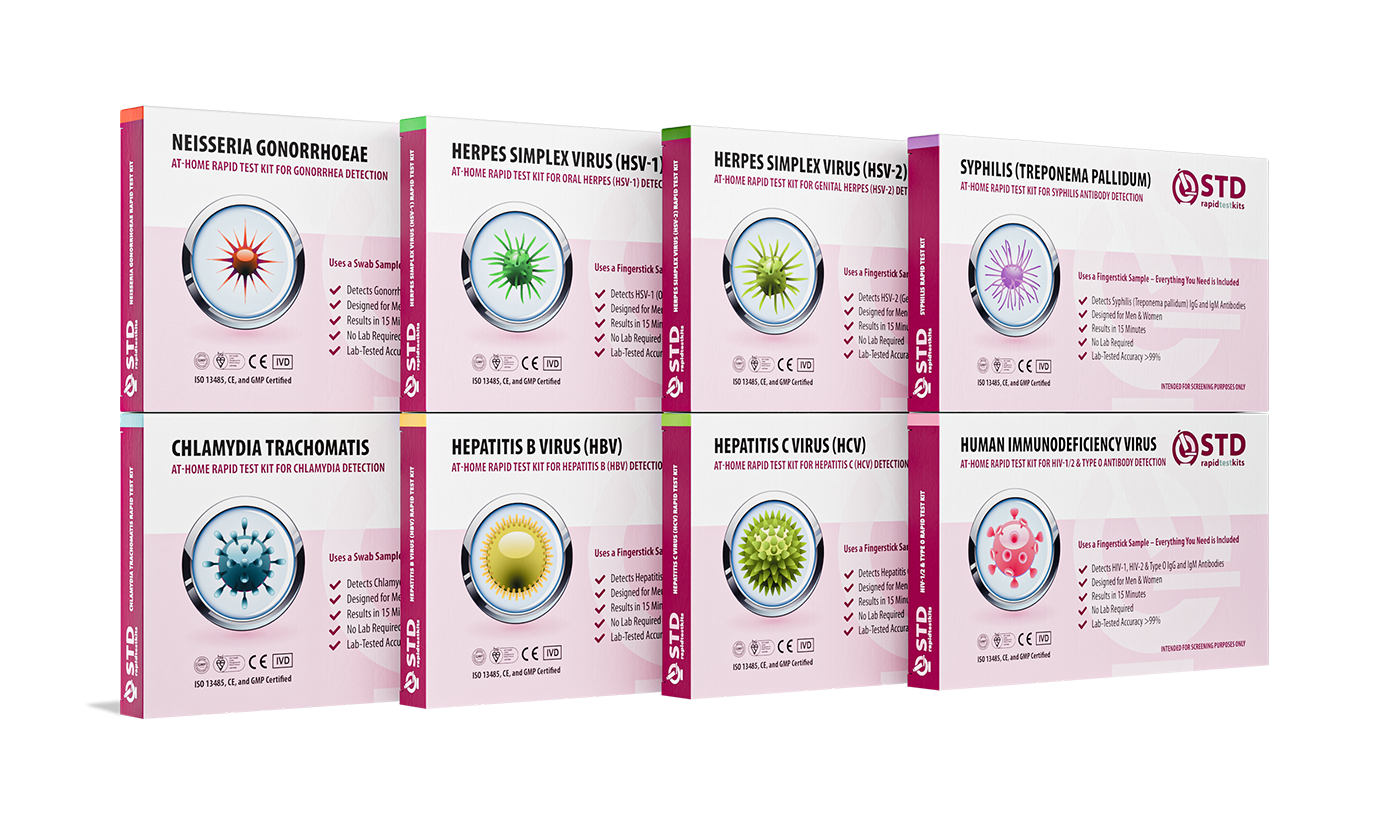
 For Men & Women
 Results in Minutes
 No Lab Needed
 Private & Discreet
Order Now $149.00 $392.00
For all 8 tests
When Your Body Sends Mixed Messages
For people already dealing with herpes, the early signs of a flare-up are often unmistakable: tingling, heat, sensitivity, and maybe a tiny rash or crack in the skin. However, those indicators may become hazy once hormonal birth control is started. Some people have symptoms that resemble an outbreak but never get worse. Others feel itchy or inflamed without visible sores. Still others mistake a yeast infection or BV for herpes and vice versa.
This symptom overlap can make everything harder to interpret, and harder to talk about. Was that mild discharge just the new pill adjusting your cycle? Or is it an asymptomatic HSV shedding episode? And if it is shedding, does that mean you’re contagious even without sores?
The internal monologue becomes endless. Sam, 29, described it as “an invisible war happening in my pelvis, and I had no idea which side was winning.” That uncertainty can lead to unnecessary shame, missed treatment opportunities, or anxiety-fueled Googling at 2 a.m.
| Symptom | Possible Cause | Hormonal Link? |
|---|---|---|
| Tingling or burning without sores | Prodrome phase of herpes OR hormonal irritation | Yes – progesterone shifts can cause nerve sensitivity |
| Increased vaginal discharge | Common side effect of estrogen or early herpes flare | Yes – especially with pill or ring |
| Itching or dryness | Hormone-induced pH changes, early HSV, or yeast | Yes – hormone-related vaginal ecosystem changes |
Table 2. Common symptoms after starting hormonal birth control, and what might be causing them
What About Non-Hormonal Methods? Are They “Safer” for People With Herpes?
For people who’ve experienced herpes flares tied to hormonal shifts, switching to a non-hormonal method can be a game-changer. Copper IUDs, condoms, diaphragms, and fertility awareness methods don’t interfere with your endocrine system, and for some, that’s enough to restore balance.
However, it’s important not to demonize hormonal birth control outright. Many people with HSV use it without issue. The trick is tuning into your own body. If outbreaks start after you begin a new method, and you’re not under more stress, sick, or dealing with other known triggers, it’s worth talking to your provider about a potential link.
Sarah, 34, switched from a progestin-only pill to a copper IUD after four intense flare-ups in one month. “I haven’t had an outbreak in almost a year since,” she said. “And for the first time in ages, I trust my body again.”
Let’s Talk About Suppressive Therapy, And Why It Matters More With Hormones
Suppressive antiviral therapy isn’t just for people who have frequent outbreaks. It’s also useful when other factors, like hormones, increase the chances of viral shedding. Daily medication like valacyclovir (Valtrex) can reduce outbreaks by over 70% and lower the risk of transmission to partners.
If you're starting or changing hormonal contraception and worried about flare-ups, a temporary course of suppressive therapy might help your body adjust. In fact, some OB/GYNs proactively suggest a short antiviral cycle during the first few months of pill use to offset immune disruption. It’s not a permanent fix, but for many, it creates breathing room while the body recalibrates.
Pairing suppressive meds with stress reduction, good sleep, and nutrition can further reduce outbreak frequency. And while that may sound basic, herpes thrives on imbalance, whether hormonal or lifestyle-based.
Why Hormones + Stress = Herpes Flare Fuel
It’s not just the hormones. It’s the timing. During already stressful times, new relationships, significant life changes, postpartum recuperation, or following an STD scare, people frequently start or switch birth control. That stress, combined with immune modulation from hormones, creates the perfect storm for an outbreak.
The herpes virus doesn’t care about your intentions. It doesn’t know you’re trying to be responsible or regain control of your reproductive health. It simply responds to opportunity. And when your cortisol levels spike and your estrogen or progesterone ratios suddenly shift? That’s its window.
One peer-reviewed study in Sexually Transmitted Diseases Journal confirmed that women experiencing high psychosocial stress were significantly more likely to report herpes outbreaks, regardless of hormonal status. Add in a contraceptive switch, and you’ve got multiple biological layers colliding in real time.
This doesn’t mean you’re doomed to flare-ups every time your life gets intense or you adjust your birth control. It means awareness is your ally. Tracking symptoms alongside cycle changes, mood, and life events can reveal patterns you can act on.
Case Snapshot: Two Birth Control Journeys, Two Different Outcomes
Nia, 24: Started a combined estrogen-progestin pill and experienced her first outbreak in over a year. Her doctor said it was likely unrelated, but after stopping the pill two months later, she returned to baseline. “I realized I was trading one kind of control for another,” she said.
Elena, 31: Also started the pill, but paired it with daily valacyclovir and stress management therapy. She had one minor outbreak early on, then stabilized. “The meds gave me a buffer,” she shared. “Now I can use the pill without constant dread.”
The takeaway? Neither of them was wrong. But they needed different support plans, and their outcomes depended on recognizing the herpes-hormone link and responding with options, not shame.
People are also reading: Why Lube Is Both a Protector and a Risk (Yes, Really)
Can You Test for Herpes During a Hormonal Flare-Up?
This is one of the most common (and confusing) questions: If I’m having symptoms that might be herpes, but I just started birth control, should I test now or wait?
If you’ve never been diagnosed with herpes and are experiencing new symptoms (sores, blisters, tingling, or unusual pain), testing is appropriate right away. If possible, get a swab PCR test of any active lesions within 48 hours. That’s the gold standard for detecting a current outbreak.
If no sores are present, a blood test (IgG) can tell you if you have HSV-1 or HSV-2 antibodies. But these tests don’t show when you were infected, and results can be confusing during the window period (the time after infection but before antibodies appear). If you’re newly exposed, it can take 4–12 weeks for a blood test to show positive.
And if you already know you have herpes and you’re flaring after starting birth control? You don’t need to retest unless something feels medically different. The priority is outbreak management and prevention of further transmission.
Wondering if your symptoms are herpes or something else entirely? Our homepage has discreet options to help you test from home, without judgment, clinic waits, or awkward conversations.
Check Your STD Status in Minutes
Test at Home with Remedium7-in-1 STD Test Kit
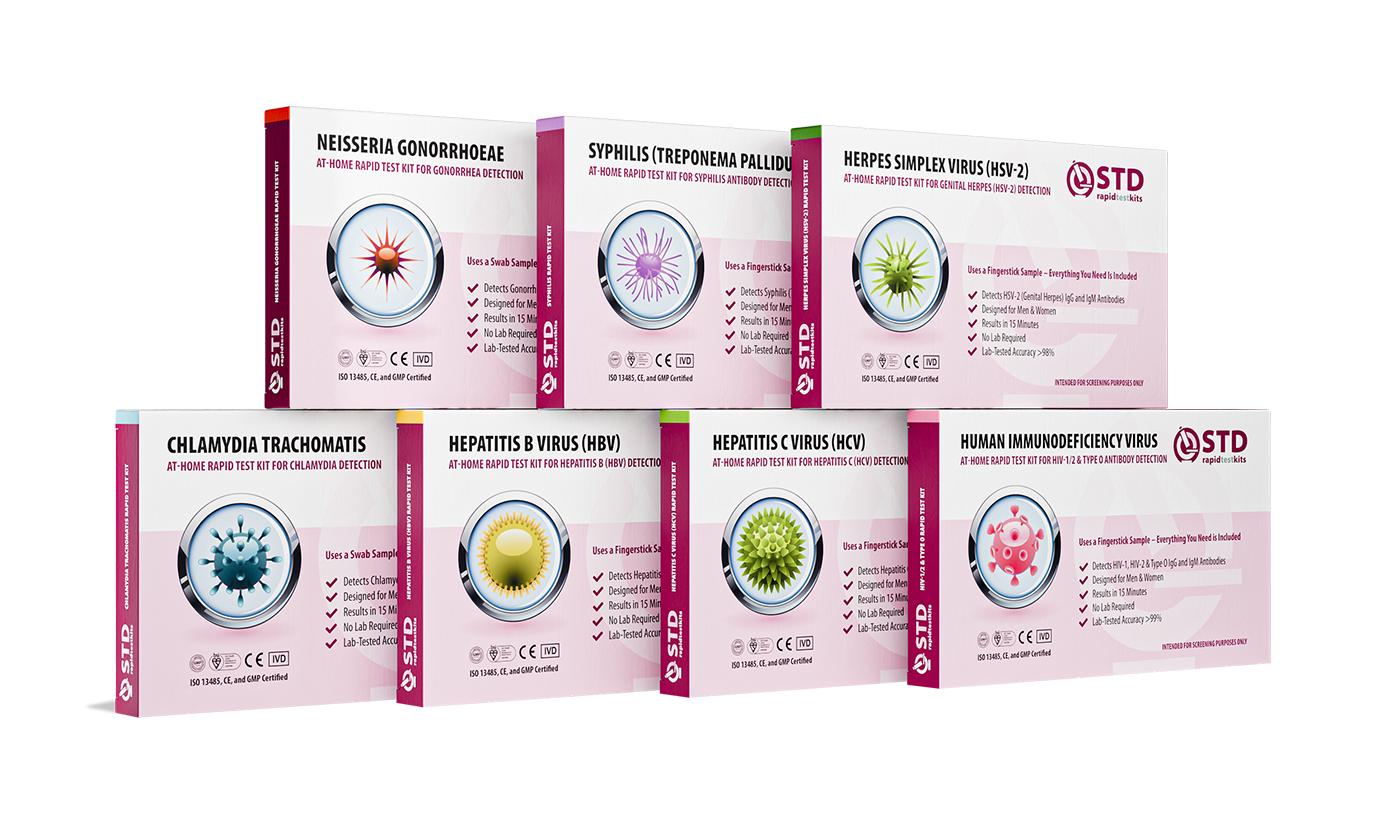 For Men & WomenResults in MinutesNo Lab NeededPrivate & Discreet
Order Now $129.00 $343.00
For all 7 tests
Herpes Isn’t Your Fault, And Neither Is Hormonal Sensitivity
Here’s what no one tells you when you get a herpes diagnosis: it’s not just a skin condition. It’s a hormonal, neurological, psychological, and social rollercoaster, and for people with vulvas, that ride can get rougher with hormonal contraception.
But this isn’t about blame. It’s about body literacy. You’re allowed to want control over your fertility and comfort in your skin. You’re allowed to prioritize both sexual autonomy and symptom management. If the birth control you’re using doesn’t support that balance, it’s okay to switch. It’s okay to experiment. It’s okay to advocate for yourself, even if your provider shrugs off your concerns.
And if you’re in that limbo now, scared to keep using the pill, scared to stop it, scared to get another outbreak, pause. Breathe. You’re doing something courageous: listening to your body.
FAQs
1. Can the pill really trigger herpes outbreaks, or am I just unlucky?
You’re not imagining it. For some people, starting hormonal birth control messes with their immune rhythm just enough to wake a sleeping virus. It's not guaranteed, but it’s also not rare. If your outbreak showed up right after popping your first pack, that timing might be more than coincidence.
2. Is it dangerous to keep using birth control if I have herpes?
Dangerous? No. But tolerable? That depends. Plenty of people with HSV use hormonal contraception without issues. Others feel like their body starts misfiring after they switch methods. If you're flaring more often and nothing else changed, it’s okay to rethink your options, it’s not overreacting; it’s observing.
3. Does every type of birth control affect herpes the same way?
Nope. A copper IUD works very differently than a progestin-only pill. Estrogen and progesterone can each influence the immune system in different ways. Some folks flare with the pill but are fine on the ring. Others ditch hormones entirely and feel their body exhale in relief. There's no universal rule, just your experience.
4. What if I’m itchy or sore but don’t see any sores?
Ah, the classic herpes mind game. Tingling, rawness, or heat with no visible blister can still be a prodrome, a warning sign that the virus is active under the surface. Or it could be a hormonal side effect. Or a yeast imbalance. Confused? Yeah, that’s fair. That’s why tracking patterns (and sometimes testing) matters.
5. How soon after starting birth control could symptoms show up?
Sometimes within days. Seriously. The immune shift can happen fast, especially if you're sensitive to hormonal changes in general (think mood swings, migraines, or period changes). We’ve seen cases where the first outbreak in years arrived within a week of starting a new pill.
6. Should I stop my birth control if I get a flare-up?
Not necessarily. But pause and pay attention. One outbreak doesn’t always mean the method’s wrong for you. Still, if it becomes a pattern, it might be time to experiment, with medical backup. This is your body, not a loyalty contract with your pharmacy.
7. Is there anything I can do to avoid a flare when starting the pill?
Yes. Some people preemptively start suppressive antivirals like valacyclovir when switching contraceptives. Others up their self-care game: more sleep, less stress, gentle exercise. You’re not just surviving, you’re giving your body fewer reasons to tip into outbreak mode.
8. Can I still test for herpes while adjusting to birth control?
Absolutely. If you’re new to HSV and dealing with mystery symptoms, get tested. A swab of an active sore is best (within 48 hours), but blood tests can help too, just know they aren’t perfect, especially early on. Already diagnosed? You don’t need to retest unless something feels different.
9. Why does stress make it all worse?
Because stress is herpes’ best friend. Add hormones into that chaos cocktail and boom, you’ve got flare fuel. Your body’s too busy managing cortisol to keep viruses in check. This is why outbreaks show up right after breakups, job changes, or yes, starting a new pill.
10. Can I still have a good sex life if birth control triggers my outbreaks?
Hell yes. But you may have to find the right combo: the right contraceptive, the right suppression plan, the right partner who understands herpes isn’t a red flag, it’s just a thing. You deserve pleasure and safety, no compromises. This isn’t about fear. It’s about choosing what works for you.
You Deserve Answers, Not Assumptions
If you’ve felt dismissed, confused, or overwhelmed by herpes symptoms after starting the pill, you’re not overreacting, you’re paying attention. Hormones affect everything from your skin to your immunity to your sex life, and your experience is valid even if it doesn’t show up in the textbook.
Whether you’re dealing with new flare-ups or just want to make the most informed decision about birth control, start with clarity. This at-home combo test kit gives you lab-grade results from the privacy of your home, no waiting rooms, no judgment.
How We Sourced This Article: We combined current guidance from leading medical organizations with peer-reviewed research and lived-experience reporting to make this guide practical, compassionate, and accurate.
Sources
1. Planned Parenthood: Herpes Overview
2. ABOUT GENITAL HERPES | Centers for Disease Control and Prevention
4. Herpes Simplex Virus – STI Treatment Guidelines | CDC
5. Herpes Simplex Virus – Fact Sheet | World Health Organization
7. Female sex hormones inhibit the function of HSV‑specific CD8+ T cells (Hendricks RL et al.)
About the Author
Dr. F. David, MD is a board-certified infectious disease specialist focused on STI prevention, diagnosis, and treatment. He is dedicated to increasing accessibility for readers in both urban and off-grid contexts and combines clinical accuracy with a straightforward, sex-positive approach.
Reviewed by: Dr. Anika S., MPH | Last medically reviewed: November 2025
This article is for informational purposes and does not replace medical advice.


