Why Lube Is Both a Protector and a Risk (Yes, Really)
What to look for on the label before opening a new bottle.




- Water- and silicone-based lubricants labeled iso-osmolar reduce friction and condom breakage. Oil-based, sugary, or high-osmolality formulas can damage mucosal tissue and raise STI risk.
- Rectal tissue does not self-lubricate, so skipping lube during receptive anal sex is one of the highest-risk choices for HIV and syphilis transmission documented in epidemiological data.
Published: August 2025 | Last updated: May 2026 | Editorial review and quality control: Martina N.
Lubricant gets framed two ways in sexual-health conversations, and both framings are partly true. Used well, it makes condoms last longer, reduces tissue trauma during friction, and lowers the chance an STI finds an entry point into vulnerable mucosal tissue. Used carelessly, the wrong formula can damage the same tissue it was supposed to protect, raise infection risk, and even compromise the barrier method you trusted to keep you safe.
This guide walks through what the research actually says about lube and STIs: which formulations support safer sex, which ones quietly work against you, and how to read a label without needing a chemistry degree. For most people the answer turns out to be simple. The label and the formula matter more than the marketing copy on the front of the bottle, and a few non-negotiables (no oil with latex, no sugar near mucosal tissue, plenty of compatible lube during anal sex) cover the majority of the risk.
How Lube Reduces STD Risk
The protective effect of lube is mechanical, not chemical. Friction during sex creates microtears in vaginal, anal, and oral tissue. Microtears are exactly what they sound like, very small breaks in the epithelial layer that pathogens such as HIV, herpes simplex, and syphilis use as entry points. A few drops of body-safe lubricant cut friction, reduce tearing, and keep that mucosal barrier intact for the duration of the encounter.
Lube also keeps condoms working the way they are supposed to. Friction degrades latex over the course of a single session; without enough lubrication, condoms slip more, break more, and stop offering reliable protection. Adding a water- or silicone-based product alongside the condom keeps the barrier intact. The CDC's safer-sex guidance and Planned Parenthood's lube guidance both recommend using a compatible lubricant alongside any condom, especially for anal sex where rectal tissue is more vulnerable.
Lube acts as a layer that makes barrier methods and your own tissue work better, rather than functioning as a barrier on its own. The benefit shows up in two measurable ways: condoms break less often, and mucosal tissue takes fewer micro-injuries that pathogens can exploit.
HIV: targets immune cells exposed by broken epithelium. Receptive anal sex without a condom carries the highest per-act risk because rectal tissue is rich in target cells and tears easily.
Herpes simplex (HSV-1 and HSV-2): transmits through direct contact with broken or thin mucosal skin, including during asymptomatic shedding when no sore is visible.
Syphilis (Treponema pallidum): enters through tiny breaks in mucosal tissue. The primary chancre forms at the entry site, which is part of why oral and anal exposures can produce sores far from the genitals.
When the Wrong Lube Quietly Raises Your Risk
Most people read a flavor and a brand, not an ingredient list. That is where the trouble starts. Three properties of a lubricant matter more than the marketing copy on the front of the bottle: osmolality, sugar content, and oil content.
Osmolality describes how concentrated a fluid's dissolved particles are compared to your own cells. Healthy vaginal and rectal fluids sit in a narrow range, generally between 250 and 350 mOsm/kg. Many drugstore lubes are well above that range, sometimes four to thirty times higher. When a hyperosmolar lube touches mucosal tissue, water is pulled out of the surface cells. Those cells shrivel, lift away, and leave the underlying tissue exposed. Peer-reviewed research on lubricant osmolality, including a World Health Organization technical review of personal lubricants, identifies this epithelial damage as a plausible mechanism for increased STI susceptibility, particularly during receptive anal sex.
Sugars and glycerin feed the wrong organisms. Glycerin is metabolized into glucose, which Candida and certain bacteria thrive on. Flavored and warming lubes are common offenders, often combining sugar alcohols with osmolality already on the high end. The result is a kit of triggers for bacterial vaginosis and yeast infections, neither of which is an STI but both of which can mimic one and irritate already inflamed tissue.
The answer is to choose iso-osmolar, glycerin-free, paraben-free formulas rather than giving up on lube altogether, ideally ones with the WHO-recommended osmolality printed on the label. Sliquid Sassy, Good Clean Love Almost Naked, and YES WB are commonly cited examples that have historically met the WHO range, though formulations change, so check the current label rather than relying on a brand reputation.
Oil-Based Lubes Plus Latex Condoms: A Combination to Avoid
Coconut oil, baby oil, petroleum jelly, lotion, and food-grade oils all share one chemistry problem when they meet a latex or polyurethane condom. The oil weakens the polymer chains, and the condom can lose integrity within minutes of contact. Sometimes that means a visible split. Often it means a microscopic permeability change you cannot see, which lets fluid pass through during sex without an obvious failure.
The Mayo Clinic and most condom manufacturers state the rule plainly: only water-based or silicone-based lubricants are safe with latex condoms. Polyisoprene condoms follow the same rule. Polyurethane condoms have similar incompatibilities. The only condom material that tolerates oils is lambskin, which does not protect against HIV or other viruses and is therefore not relevant to STI prevention.
Coconut oil keeps showing up in wellness writing as a natural option. It is fine for solo external play. It is not fine with a condom, and for many people it is not fine for vaginal use either, because its fatty-acid profile can disrupt vaginal flora and contribute to recurrent yeast infections or bacterial vaginosis. If you want a natural-leaning option that works with condoms, look at simple water-based lubes labeled compatible with latex; that compatibility label matters more than the word natural on the bottle.
| Safe with latex condoms | Degrades latex condoms |
|---|---|
| Water-based lubricant | Coconut oil |
| Silicone-based lubricant | Petroleum jelly (Vaseline) |
| Iso-osmolar, glycerin-free formulas | Baby oil and mineral oil |
| Lubes specifically labeled condom-compatible | Body lotion, massage oil, hand cream |
| Polyisoprene-safe water and silicone formulas | Cooking oils (olive, sesame, butter) |
Anal Sex and Lube: Why Skipping It Raises HIV Risk
Rectal tissue does not produce its own lubrication. The lining is thinner than vaginal tissue, more easily torn, and densely populated with the cells HIV preferentially infects. Friction without lubrication tears that lining quickly, and tears in rectal tissue are one of the highest-efficiency routes for HIV transmission documented in the epidemiological literature.
Receptive anal intercourse without a condom and without lubrication carries the highest per-act HIV risk of any common sexual exposure, by a wide margin compared to vaginal or oral contact. The CDC's HIV risk pages publish per-act probability estimates that show this clearly. Adding lube dramatically reduces tissue trauma, though it does not eliminate the risk by itself; combined with a condom and PrEP, the residual risk on most encounters drops to near zero.
Practical guidance: use generously, reapply often, and pick a thicker silicone-based formula or a high-quality iso-osmolar water-based one if silicone is incompatible with your toy material. Silicone lubes last longer through a session and do not need topping up as often, which matters because the discomfort of dryness is itself a common cue that the protective layer has thinned. If you need a tactile reminder of when to reapply, notice the moment the glide stops feeling smooth, then add more before continuing.
For the same reason, condoms used during anal sex benefit from being thicker or specifically marketed for anal use, paired with a generous amount of compatible lube. The combined approach (a properly fitted condom plus enough compatible lube to keep the encounter smooth from start to finish) is more protective than either intervention on its own.
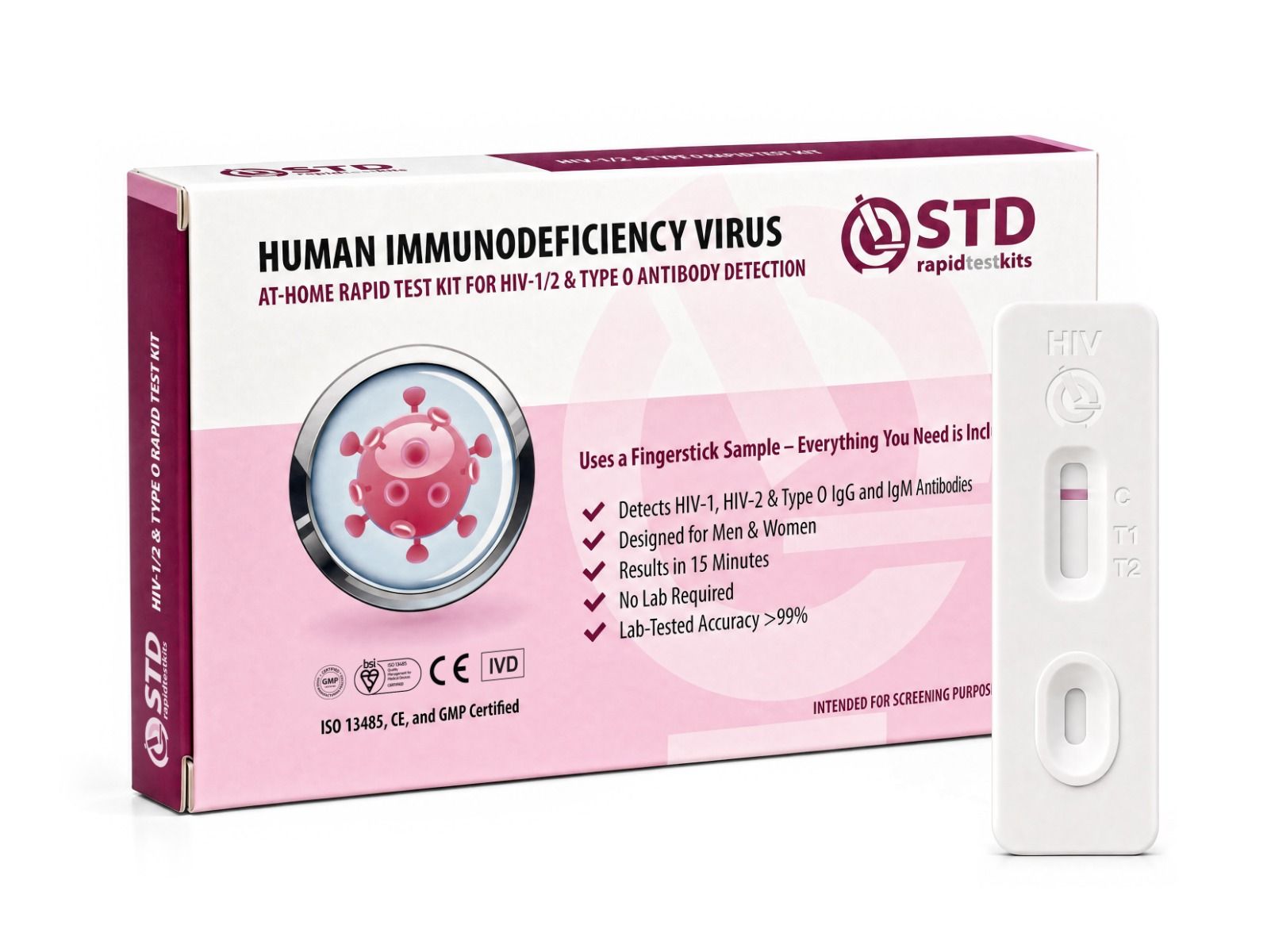
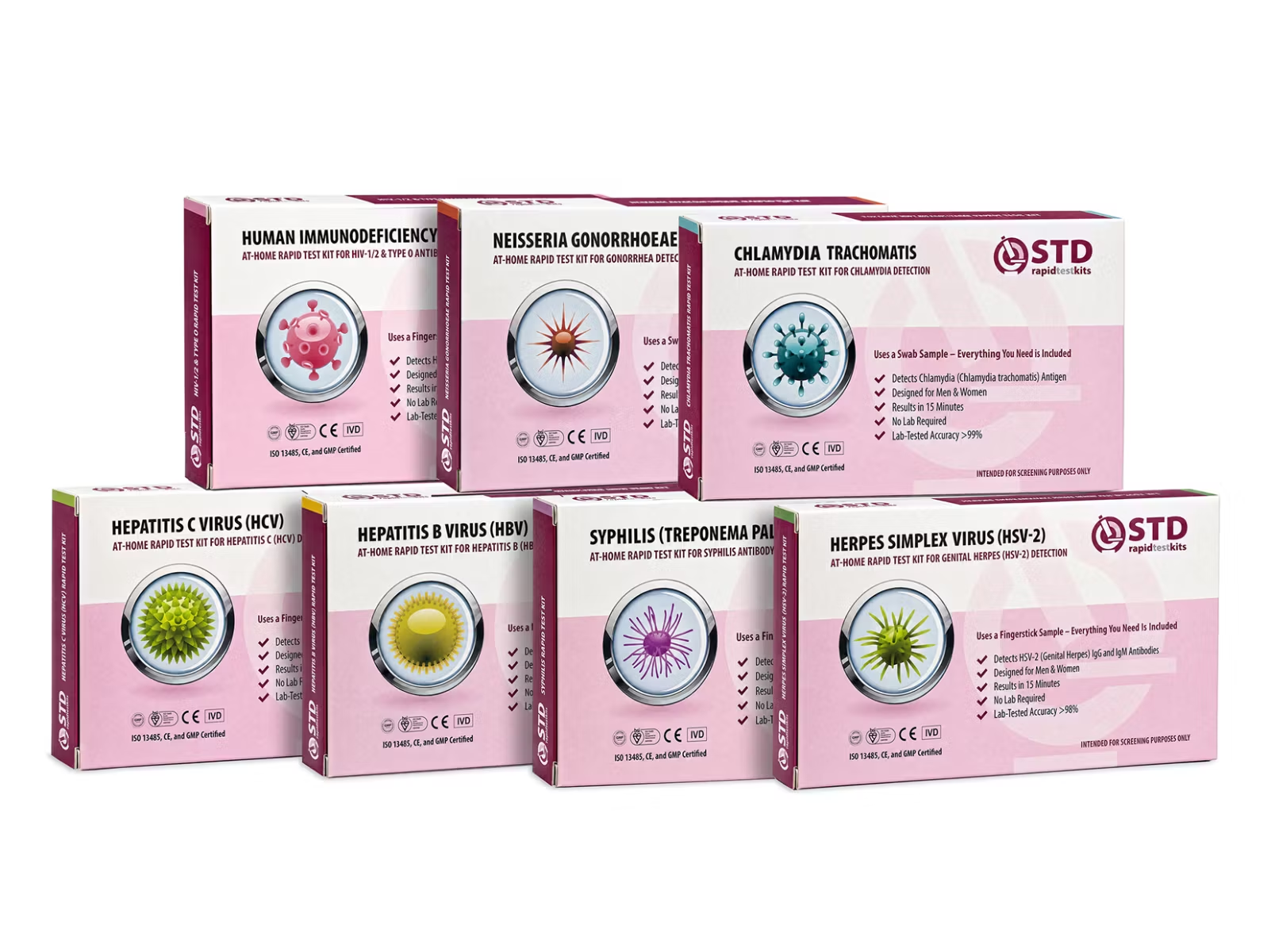
This article is published by stdrapidtestkits.com, which sells the at-home STI test kits referenced below. We recommend them when they fit the reader's concern, not as a default for every article.
Can Lube Prevent STDs? Setting Expectations Right
This is the question that deserves the most careful answer. No lube on its own prevents an STI. What the right lube does is reduce risk indirectly by minimizing skin trauma, improving condom performance, and protecting delicate mucosal tissue from tearing. The wrong lube does the opposite, exposing you to more risk rather than less.
Here is the simple rule of thumb most people can carry into a drugstore aisle:
- Helps reduce STI risk: water-based or silicone-based, iso-osmolar (WHO treats under 380 mOsm/kg as the ideal target, with 1200 mOsm/kg as the maximum acceptable threshold), glycerin-free, paraben-free, fragrance-free, condom-compatible.
- May increase STI risk: flavored, sugar-containing, glycerin-heavy, oil-based with latex, hyperosmolar (above 1200 mOsm/kg), warming or tingling formulas.
Using the wrong lube is not a moral failing; it is an information gap that the packaging itself often refuses to close. Most front labels do not mention osmolality, and ingredient lists are written in chemistry shorthand most shoppers cannot decode. That puts the burden on us to read past the branding and learn what our bodies need, the same way thoughtful skincare shoppers learned to read for fragrance and alcohol on serum labels.
Does lube prevent STDs?
No lubricant by itself blocks an STI. What the right lube does is reduce friction, prevent microtears in vulnerable mucosal tissue, and keep condoms intact through a full encounter. Those three effects together lower transmission risk for HIV, syphilis, herpes, and other infections that exploit broken epithelium. The wrong lube (sugary, high-osmolality, or oil with latex) can do the reverse, damaging tissue and raising risk. A water- or silicone-based formula that is iso-osmolar, glycerin-free, and condom-compatible delivers most of the benefit regardless of brand.
How to Choose a Body-Safe Lube
Shopping for lube does not have to feel like chemistry class, but the wrong ingredient list can quietly affect your sexual health for weeks after a single use. Here is what to look for the next time you replace a bottle.
First, match the lube to the protection method you actually use. If condoms are part of your routine, the bottle needs to say condom-compatible (water- or silicone-based). If you mostly use silicone toys, water-based is the safer pick because silicone lube can degrade silicone toys over time. If your sex is mostly solo and external, the rules are looser, but vaginal and rectal tissue still have the same sensitivity even when no partner is involved.
Second, scan the ingredient list with three criteria in mind: avoid sugar and glycerin (both feed yeast and bacteria), avoid parabens and fragrance (common irritants), and look for the words iso-osmolar or pH-balanced. The NHS and the WHO both highlight osmolality as the under-discussed property that separates a forgettable lube from one that quietly damages tissue.
Third, do not assume the natural label means safe. Many natural lubes contain plant oils that disrupt vaginal flora, or essential oils that irritate mucosal tissue. Check the actual ingredients, not the marketing.
Finally, accept that you may need to try two or three before finding one your body tolerates. People react differently to the same product. Burning, itching, or dryness within a few hours of use is your body's signal that the formula is wrong, and the right move is to switch products rather than push through.
When the Symptoms Aren't What You Think
If something feels off after sex, the symptoms can pull two ways. Some patterns are classic lube reactions or contact irritation. Others are early STI symptoms that genuinely warrant a test. Knowing the difference saves you a stressful week of waiting and a misplaced course of treatment.
Common lube-reaction patterns: itching, redness, mild swelling, or a stinging sensation that begins within hours of contact and resolves within a day or two of stopping the product. Irritation is usually localized to the contact area and does not spread. Recurring yeast infections or bacterial vaginosis after starting a new product also point to the lube as a likely contributor, especially if the formula contains glycerin, sugar, or a high osmolality.
Common early STI patterns: discharge that persists or smells different from your baseline, lesions or sores that develop over days, fever or swollen lymph nodes alongside genital symptoms, burning with urination that does not resolve. Herpes-like lesions can appear two to twelve days after exposure. Chlamydia and gonorrhea symptoms (when present) typically show up around one to three weeks after exposure, though many infections are silent.
The safe rule of thumb: if symptoms persist beyond 48 hours after stopping a suspected lube, or if you have had an unprotected exposure recently, get tested. A rapid at-home test takes the guessing game out of the equation faster than a clinic appointment in most cases, and rules in or out the most common infections so you can either treat or move on.
| Lube reaction | Early STI symptom |
|---|---|
| Begins within hours of contact | Develops over days to weeks after exposure |
| Localized to contact area, does not spread | May spread or include systemic symptoms |
| Resolves within 24 to 48 hours of stopping product | Persists or worsens over time |
| No fever or lymph-node swelling | May include fever, fatigue, swollen lymph nodes |
| Recurring with each new bottle of the same formula | Tied to a specific recent sexual exposure |
| Switch products and reassess | Test on the infection's window-period timeline |
Lube Notes for Oral Sex, Toys, and Period Sex
Oral STI transmission often gets left out of the safer-sex conversation, and lube is part of the reason. Flavored lubes are formulated for the mouth, but most contain sugar alcohols or chemical flavorings that irritate vaginal and rectal tissue if the same product migrates downstream. The cleanest practice is to use a flavored product for oral play and switch to an unflavored body-safe lube before any other contact. Dental dams or flavored condoms designed for oral use add a barrier where one is otherwise missing. Brushing or flossing within 30 minutes before oral sex creates microtears in your gums, so wait if you can.
Toy materials interact with lube in predictable ways. Silicone lube degrades silicone toys over time; water-based is the safe all-around choice for silicone. For glass, stainless steel, ceramic, or hard plastic toys, both water- and silicone-based lubes are fine. Clean toys with mild soap and water (or a toy-safe cleaner) after every use, and store them where they will not pick up bacteria. If you share toys, condoms over the toy plus thorough cleaning between users dramatically reduces infection transfer.
During your period, menstrual blood does not provide the same slickness as arousal-based vaginal fluids, and tissue is often more sensitive than at other times of the month. Lube still helps cut friction and prevent microtears. Silicone-based formulas tend to last longer through heavier flow without washing away; water-based options are easier to clean off afterward. Either is fine, the choice is mostly personal preference plus condom compatibility.

Testing After a Possible Exposure
If you recently had sex you are second-guessing (a condom failure, a partner's status that turned out different from what you expected, a session without lube where tissue felt damaged afterward), the right next step is to test on the right timeline rather than panicking. Each infection has its own window period before tests reliably detect it.
Common windows for at-home and clinic testing: chlamydia and gonorrhea swabs become reliable around two weeks after exposure. HIV antigen-antibody combo tests detect most infections by 18 to 45 days post-exposure. Syphilis blood tests typically turn positive at three to six weeks. HSV-2 antibody tests may take 6 to 12 weeks for reliable seroconversion in most people, with some individuals needing up to 6 months; the CDC's STI testing guidance describes these windows in more detail.
For most one-off exposure concerns, a combo at-home rapid test covers the highest-prevalence infections in a single shipment, so you are not making four separate decisions. If your first test is at the early end of a window, retesting at the longer end is good practice. And if you are seeing symptoms (lesions, persistent discharge, fever), do not wait for the window; see a clinician sooner.
FAQs
- Does lube prevent STDs?
- No lubricant by itself prevents an STI. The right lube reduces risk indirectly by cutting friction, preventing microtears in mucosal tissue, and helping condoms perform as intended. The wrong lube (sugary, high-osmolality, or oil-based with latex) can do the opposite and raise risk.
- Can lube cause yeast infections or bacterial vaginosis?
- Yes. Lubricants with glycerin, sugar, or high osmolality can disrupt vaginal flora and feed Candida or unwanted bacteria. Choose iso-osmolar, glycerin-free, paraben-free formulas, especially for vaginal use, and switch products if you notice repeated infections after a new bottle.
- Is flavored lube safe for partnered sex?
- Flavored lubes are formulated for the mouth and tongue, not for vaginal or rectal tissue. Most contain sugars, sweeteners, or added flavorings that irritate mucosal tissue and disrupt pH. Keep flavored lubes for oral play and switch to an unflavored body-safe formula before any other contact.
- Can lube break a condom?
- Oil-based products (coconut oil, petroleum jelly, baby oil, lotion, food oils) weaken latex and polyisoprene condoms within minutes. Use only water-based or silicone-based lubricants with latex or polyisoprene condoms; the same compatibility rule applies to most polyurethane condoms.
- What symptoms suggest a lube reaction rather than an STI?
- Lube reactions usually appear within hours of contact and resolve within a day or two of stopping the product: itching, redness, mild swelling, stinging at the contact site. STI symptoms more often emerge over days to weeks and can include lesions, persistent discharge, fever, or burning with urination. If symptoms persist beyond 48 hours, or if you had a recent unprotected exposure, test.
- Is lube necessary for anal sex?
- Yes. Rectal tissue does not produce its own lubrication, and friction tears the lining quickly. Skipping lube during receptive anal sex is one of the highest per-act HIV-risk choices documented in epidemiological data; a generous amount of a compatible lubricant is non-negotiable for safer anal sex.
- What is the safest lube for sensitive skin?
- Look for iso-osmolar formulas (WHO recommends under 380 mOsm/kg as the ideal; products above 1200 mOsm/kg are considered high-risk), glycerin-free, paraben-free, fragrance-free, with simple ingredient lists. Examples that have historically met those criteria include Sliquid Sassy, Good Clean Love Almost Naked, and YES WB, though formulations change, so re-check current labels rather than relying on a brand reputation.
- When should I test if I am worried about an STI from a recent exposure?
- Window periods vary by infection: chlamydia and gonorrhea swabs become reliable around two weeks after exposure; HIV antigen-antibody combo tests at 18 to 45 days; syphilis blood tests at three to six weeks; HSV-2 antibody tests at roughly 6 to 12 weeks, with some individuals needing longer (up to about 6 months). A combo at-home rapid kit screens the most common infections in a single shipment; for a recent exposure, retesting at the longer end of the window is good practice.
- U.S. Centers for Disease Control and Prevention. Sexually Transmitted Infections (STI) overview, prevention, screening, and testing-window guidance.
- U.S. Centers for Disease Control and Prevention. HIV transmission risk, per-act probabilities, and prevention strategies including condoms and PrEP.
- World Health Organization. Fact sheet on sexually transmitted infections, prevention, and transmission.
- NHS UK. Sexually transmitted infections (STIs), symptoms, testing, and prevention guidance.
- Mayo Clinic. Sexually transmitted diseases (STDs) overview, causes, and prevention.
- Planned Parenthood. Safer sex, condom use, and lubricant guidance for STI risk reduction.