






Quick Answer: Certain STDs like chlamydia, gonorrhea, and syphilis can inflame or damage male reproductive organs, leading to testosterone disruption, testicular pain, and even fertility issues, often without obvious early symptoms.
Why This Matters for Men Who Don’t Feel “Sick”
You don’t have to feel broken to be at risk. Many guys wait until something is visibly wrong with their penis before they consider testing. But by the time there’s swelling, discharge, or visible sores, the infection might already be affecting deeper systems, like the epididymis, prostate, or hormone pathways. The male reproductive tract isn’t just one pipe. It’s a network, and infections don’t always stay put.
Take Ryan, for example. He didn’t notice anything after a one-night stand, no rash, no bumps, no itch. A few weeks later, he began waking up drenched in sweat, irritable, and exhausted. He chalked it up to work stress until his doctor noticed his testosterone levels had crashed. The test that cracked the case? A positive result for gonorrhea.
STDs like gonorrhea and chlamydia often cause epididymitis, inflammation of the coiled tube behind your testicles where sperm matures. That inflammation can interfere with sperm production and hormone signaling, lowering testosterone and sometimes damaging fertility in the process.
What the Testicles Actually Do (And How STDs Get In)
Your testicles aren’t just sperm factories, they’re hormone engines. More than 95% of a man’s testosterone is produced in the Leydig cells inside the testes. When those cells get inflamed, squeezed by swelling, or scarred from prolonged infection, the entire testosterone-making process takes a hit.
But how do STDs reach that deep? Through the urethra, the same passageway for urine and ejaculation. Bacteria can ascend from the urethra into the vas deferens, then into the epididymis, and eventually trigger orchitis (inflammation of the testicles). This isn’t just hypothetical, it’s well documented, particularly with chlamydia and gonorrhea. And if both testicles are affected? That’s when hormonal disruption becomes more than just a passing side effect.
| Area Affected | STD Involvement | Possible Symptoms | Hormonal Impact |
|---|---|---|---|
| Urethra | Initial infection site for many STDs | Burning, discharge (may be absent) | None directly, but can spread upward |
| Epididymis | Inflamed by chlamydia, gonorrhea | Ache behind testicle, swelling | Disrupts sperm maturation |
| Testicle (Orchitis) | May follow epididymitis | Pain, redness, heavy feeling | Can reduce testosterone output |
| Hypothalamic Axis | Disrupted by chronic infection or stress | Fatigue, low libido, mood swings | System-wide hormonal imbalance |
People are also reading: Yes, Men Get HPV Too, And It’s More Dangerous Than You Think
When a Drop in Testosterone Isn’t Just Aging
“I thought I was just getting older,” said Jorge, 33. “I felt drained, couldn’t get it up, and gained weight out of nowhere. Turns out, it was leftover inflammation from a chlamydia infection I didn’t know I had.” His story is far more common than most men realize. Because testosterone gradually declines with age, many write off their symptoms as inevitable. But when that decline happens fast, or alongside testicular pain, it’s time to rule out hidden infections.
Even mild, untreated STDs can interfere with testosterone by creating local inflammation, triggering autoimmune reactions, or causing enough damage that testicle tissue functions below baseline. And testosterone isn’t just about erections or muscles, it affects your energy, memory, mood, and even heart health.
Medical research is starting to catch up. A study in the Journal of Clinical Endocrinology & Metabolism found that men with a history of gonorrhea were more likely to have low T, even after symptoms had resolved. Another NIH-backed review showed a significant drop in testosterone production following testicular inflammation caused by STDs.
And here’s the tricky part: most of the damage isn’t immediate. It builds. Sometimes silently.
Check Your STD Status in Minutes
Test at Home with Remedium7-in-1 STD Test Kit

 For Men & Women
 Results in Minutes
 No Lab Needed
 Private & Discreet
Order Now $129.00 $343.00
For all 7 tests
It Doesn’t Always Hurt, And That’s the Problem
We’re conditioned to believe that if something’s wrong “down there,” we’ll know. Burning pee. Swollen balls. Visible sores. But STDs in men don’t always follow that script. Many cases of chlamydia, gonorrhea, and even syphilis progress without obvious symptoms, or with ones subtle enough to ignore. That makes it easier to brush off testicle pain as “nothing,” and testosterone shifts as just stress or age.
In one Reddit thread, a man described feeling “off” for months before finally learning he had trichomoniasis. “My erections were weaker, I was moody, and my testicles felt like they were pulling,” he wrote. “I only got tested because my partner had weird discharge.”
That’s often how it happens. You don’t feel sick. You feel...off. Low energy. Lower libido. Slight pain during ejaculation or soreness in one testicle. Nothing that screams “STD.” But inside your reproductive system, inflammation might be brewing, one that affects your hormones long before you notice your body changing.
STD-Linked Conditions That Can Lower Testosterone
Testosterone doesn’t just shut off overnight. But certain infections can trigger chain reactions that lead to hormone disruption, even when caught late. Below are some of the most well-documented conditions triggered or worsened by untreated STDs that interfere with normal testosterone levels in men.
| Condition | Common STD Triggers | How It Affects Hormones |
|---|---|---|
| Epididymitis | Chlamydia, Gonorrhea | Can block sperm flow, trigger inflammation, reduce sperm output |
| Orchitis | Chlamydia, Syphilis, Mumps | Inflames the testes, damaging Leydig cells that produce testosterone |
| Prostatitis | Trichomoniasis, Chlamydia | Chronic pelvic inflammation affects hormonal feedback loops |
| Autoimmune Activation | Chronic untreated STD presence | Immune system attacks testicular tissue, disrupting hormone production |
| Stress Axis Disruption | Systemic infection or prolonged anxiety | Impacts hypothalamic-pituitary-gonadal axis, lowering testosterone output |
“I Got Treated Late, Is the Damage Permanent?”
Maybe you already got tested. Maybe you had gonorrhea last year, took the meds, and moved on. But lately, something feels off, sex drive, energy, even testicle sensitivity. It’s natural to wonder: did the STD cause lasting damage?
The good news is that treatment often stops the progression. If caught early, most STDs won’t permanently reduce testosterone or affect fertility. But if the infection had time to spread or inflame the testicles, some changes might linger. One study published in Andrology found that men with past infections had a statistically significant drop in total sperm count and testosterone, even after clinical recovery.
That doesn’t mean you’re doomed, just that retesting, hormone checks, and open conversations with your doctor matter more than ever. Many men don’t even know they had a problem until they try to conceive, or their mood crashes hard. And let’s be real, most primary care doctors aren’t asking about your sexual health unless you bring it up.
This is why retesting after treatment matters. Just because your discharge stopped or the ache faded doesn’t mean the system’s back in balance. The only way to know is to check again, especially if your energy or libido hasn’t bounced back.
If you’re wondering whether the treatment you took months ago really cleared things up, peace of mind is one test away. The Combo STD Home Test Kit is designed for exactly this: post-treatment checkups, silent symptoms, and discreet reassurance.
Can STDs Affect Fertility Too?
Yes, and the link is stronger than most men expect. Testosterone is part of the fertility equation, but not the whole story. Chlamydia and gonorrhea can scar the epididymis and vas deferens, blocking sperm flow. They can damage the quality of sperm itself. They can create testicular swelling that compresses the cells responsible for sperm production. In short? STDs don’t just impact what’s visible, they can alter what’s being made on the inside.
In fact, the CDC reports that undiagnosed STDs are a leading cause of infertility, not just in women, but in men. Often, the first time a man learns he had an infection is after a fertility workup reveals reduced sperm motility or hormone imbalance.
That’s not to say every STD leads to infertility, but if you’re planning to have kids, it’s one more reason to test even if you “feel fine.” Testosterone, sperm health, and long-term wellness are connected, and STDs can mess with all three without announcing themselves loudly.
What About Viral STDs? Can Herpes or HPV Affect Testosterone?
Bacterial STDs like chlamydia and gonorrhea are more likely to directly hurt the testicles and hormone production, but viral infections can also do this. Herpes and HPV don't usually lower testosterone directly, but they can cause stress responses, long-term inflammation, and even changes in the immune system, all of which can affect your hormonal balance in other ways.
Let’s break it down. When you’re dealing with a recurring outbreak of herpes, your body is in a near-constant state of immune response. That stress, especially when prolonged, can interfere with the hypothalamic-pituitary-gonadal (HPG) axis, the communication system your brain uses to tell your testicles when and how much testosterone to produce. You may not notice it right away, but some men experience mood drops, lower libido, and fatigue during or after outbreaks.
Meanwhile, HPV may not touch testosterone at all, but it can affect sexual confidence, anxiety levels, and physical comfort, which all play into the perceived symptoms of “low T.” A man dealing with genital warts or HPV-related stigma may withdraw sexually, stress more, and eat worse, all factors known to suppress testosterone.
Bottom line: viral STDs may not hit the testes directly, but the body-wide stress and immune reactions they provoke can absolutely mess with your hormones.

People are also reading: "I Thought It Was an Ingrown Hair”, Stories from the Syphilis Surge
What to Do If You’re Feeling “Off” But Don’t Know Why
Maybe you’ve been tired. Maybe your balls feel sore after sex. Maybe your sex drive vanished out of nowhere and you’re wondering if it’s just burnout. Here’s what to remember: STD-related hormonal changes don’t always scream. Sometimes they whisper, and by the time the signs get loud, the damage can take longer to undo.
If any of this sounds familiar, here’s your next best move: test. No clinic line, no waiting room, no judgment. Just clarity. And if your test comes back negative but you’re still off? Ask your doctor for a testosterone panel. It’s a simple blood test that can tell you whether your levels are in range. If they’re not, that could be your cue to recheck for past or missed infections and get your hormone system back on track.
One man shared on Twitter that after months of low libido, he finally tested and found a lingering chlamydia infection, despite having no discharge or burning. “I didn’t even feel sick,” he wrote. “But I felt better within two weeks of treatment. Like, mentally clearer, more awake. It was wild.”
This is what people mean when they say you deserve answers, not assumptions.
Check Your STD Status in Minutes
Test at Home with Remedium8-in-1 STD Test Kit
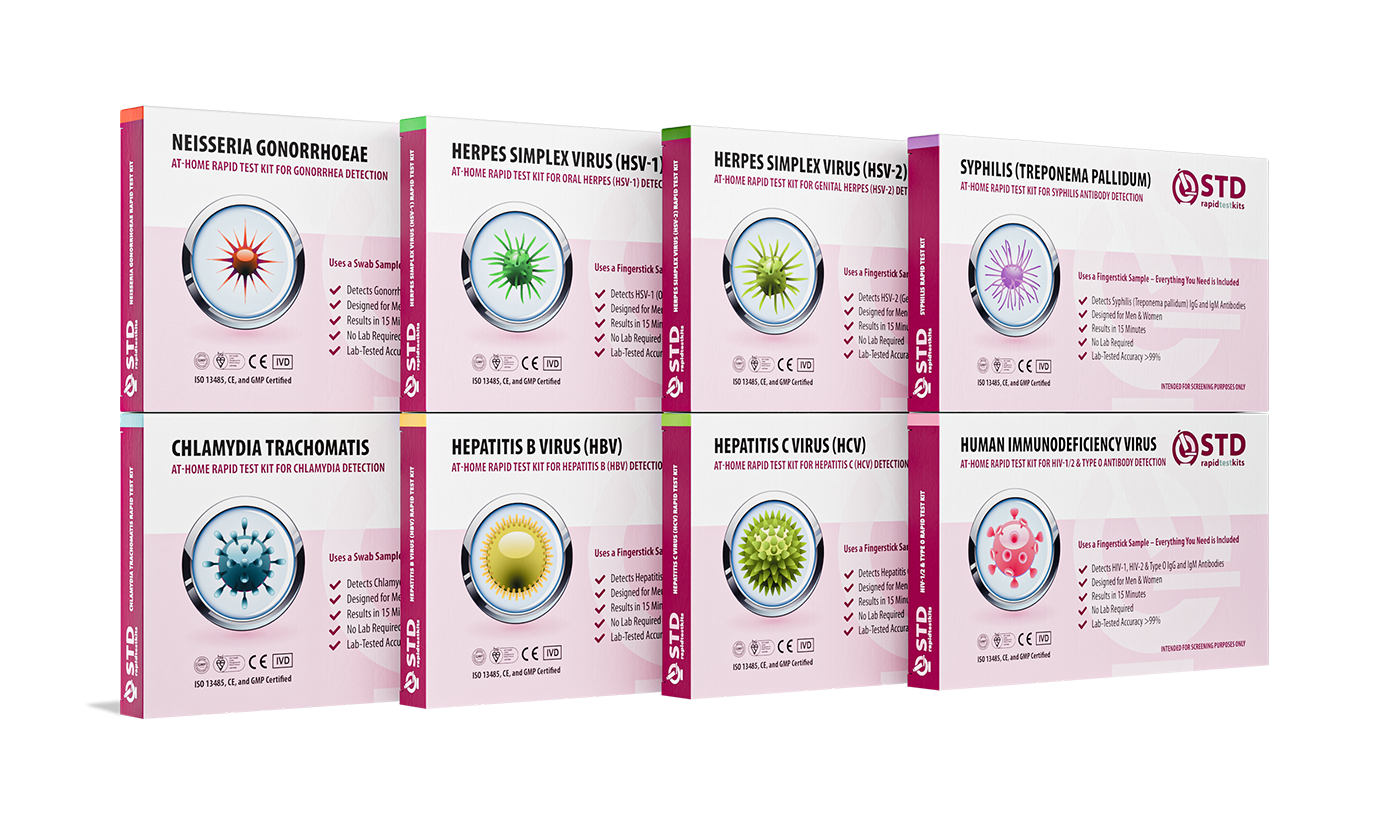 For Men & WomenResults in MinutesNo Lab NeededPrivate & Discreet
Order Now $149.00 $392.00
For all 8 tests
How At-Home STD Testing Can Catch Problems Before They Escalate
Let’s say you’re not ready to see a doctor. You don’t want to bring it up to a partner yet. You just want to know if something’s wrong, without the judgment, hassle, or paperwork. That’s exactly what at-home STD tests are for. And when it comes to infections that could be messing with your testosterone, timing matters.
Most rapid tests check for common infections like chlamydia, gonorrhea, syphilis, HIV, and trichomoniasis. The best time to test is typically 10 to 21 days after potential exposure, long enough for the infection to show up in your system, but early enough to treat it before long-term issues start. If you’ve already been treated in the past, a retest can confirm the infection didn’t come back.
Here’s the deal: knowing what’s going on inside your body doesn’t just protect your partners. It protects your hormones, your fertility, your mental health, and your peace of mind. If you’ve got that nagging feeling something’s off, trust it. STD Rapid Test Kits offers discreet, FDA-approved testing you can use from home, with fast results and no mailing required.
FAQs
1. Can an STD really mess with my testosterone?
Yep, and not just in rare cases. If an infection like chlamydia or gonorrhea gets into your epididymis or testicles, it can inflame the very cells that make testosterone. Sometimes it’s temporary. Sometimes it lingers. Either way, you won’t know unless you check.
2. I don’t have any discharge, does that mean I’m fine?
Not necessarily. Discharge is just one symptom, and it’s not even that common in men with chlamydia. A lot of guys walk around with infections that show up as nothing more than ball ache, low libido, or just “feeling off.” No drip doesn’t mean no problem.
3. Why are my balls sore but my STD test came back negative?
A few reasons. You might’ve tested too early. Or your symptoms might be caused by something like a prostate infection or non-STD epididymitis. But also? Some tests miss things. If it still hurts a few days later, retest or ask for a full urogenital checkup, not just STI screening.
4. How long after an STD can low T kick in?
It varies. Some guys notice changes within weeks of an untreated infection. Others don’t feel the hormonal drop until months later, usually when mood tanks, sex drive crashes, or workouts stop working. Testosterone dips rarely come with a calendar alert.
5. Can STDs affect my sperm too?
Oh yeah. Especially if they inflame the epididymis or cause scarring. Your testicles might still be making sperm, but the highway out could be blocked, or the quality can tank. Fertility specialists often find old STDs hiding behind unexplained low counts.
6. What about herpes or HPV? Do they mess with hormones too?
Not directly, no, they don’t inflame the testes the same way. But the stress from chronic outbreaks or anxiety around stigma can absolutely throw off your brain-hormone loop. Ever lost your sex drive during a tough breakup? Same system, different trigger.
7. I already had gonorrhea and took antibiotics. Could my T still be low?
Maybe. Treatment clears the infection, but it doesn’t always undo inflammation if the damage is done. If you're still feeling off, tired, foggy, moody, it’s worth getting a testosterone panel to be sure your hormones bounced back.
8. Is ball pain always a sign of an STD?
Not always, but it’s on the shortlist. It could be torsion (a twist), epididymitis (infection or inflammation), a hernia, or just a sex-induced strain. But if it hurts more than once or sticks around for days, testing is smarter than guessing.
9. What test should I use if I think an STD is affecting my testosterone?
Start with a broad STD panel, like the Combo STD Home Test Kit. It checks for the usual suspects quietly messing with your system. Then ask your doctor about a blood test for total and free testosterone to check hormone levels.
10. How do I even bring this up with a doctor without it being weird?
Easy script: “I’ve been feeling off, tired, low sex drive, some discomfort down there. I’d like to test for STDs and check my testosterone levels too.” Doctors have heard way wilder things. And if they act weird about it? That’s on them, not you.
You Deserve Answers, Not Assumptions
If you’ve been feeling off, tired, low sex drive, aching testicles, or just not yourself, don’t let shame keep you stuck. It’s not just in your head, and it might not be “just aging.” STDs can mess with more than your genitals. They can quietly affect your hormones, your mood, and your future fertility. But you don’t have to wait until it gets worse to find out.
Clarity is one test away. This at-home combo test kit checks for the most common STDs discreetly and quickly, no appointment, no lab trip, no judgment.
How We Sourced This Article: We combined current guidance from leading medical organizations with peer-reviewed research and lived-experience reporting to make this guide practical, compassionate, and accurate. In total, around fifteen references informed the writing; below, we’ve highlighted some of the most relevant and reader-friendly sources.
Sources
1. Long‑term consequences of sexually transmitted infections on male reproductive functions
2. CDC — Epididymitis STI Treatment Guidelines
3. Mayo Clinic — Epididymitis: Symptoms & causes
4. StatPearls (NCBI Bookshelf) — Orchitis
5. Are sexually transmitted infections associated with male infertility?
6. Cleveland Clinic — Orchitis: causes, symptoms & treatment
7. Harvard Health — Epididymitis and Orchitis A‑to‑Z
8. University Hospital Zurich (USZ) — Epididymitis and inflammation of the testicles
About the Author
Dr. F. David, MD is a board-certified infectious disease specialist focused on STI prevention, diagnosis, and treatment. He blends clinical precision with a no-nonsense, sex-positive approach and is committed to expanding access for readers in both urban and off-grid settings.
Reviewed by: Alex J. Morris, NP-C | Last medically reviewed: November 2025
This article is for informational purposes and does not replace medical advice.


