





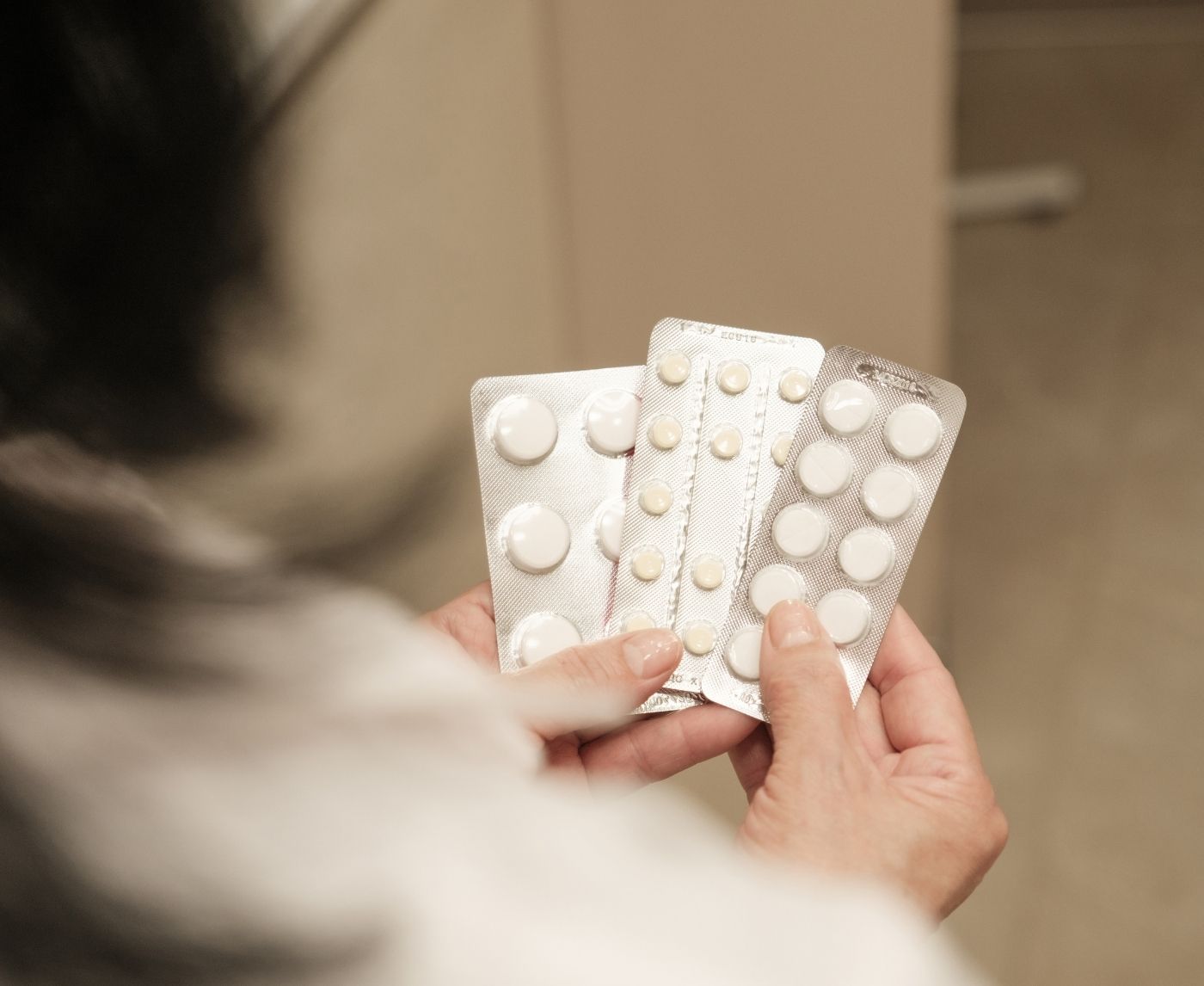

Quick Answer: One pill of azithromycin can still cure chlamydia in many cases, but doxycycline, a 7-day course, is now the preferred treatment due to better effectiveness and lower reinfection risk. Retesting is often needed to confirm clearance.
Why This Question Keeps Coming Up
Let’s start with why this even matters. For years, azithromycin was the go-to: a one-time, single dose that you could take and forget about. Clinics loved it. Patients loved it. But then the calls started coming in, “I still have symptoms.” Or worse: “I tested positive again.”
Now, guidelines are shifting. According to the CDC’s updated STD treatment guidance, doxycycline is now the first-line treatment for most chlamydia infections. Why? Because real-world data showed that one pill doesn't always do the trick, especially if rectal infection is involved, or if there's a high risk of reinfection.
And yet, many urgent care clinics and telehealth apps still prescribe azithromycin, especially for people who need fast solutions or can’t commit to a weeklong course. That means people are still asking: does it actually work?
Let’s Talk Pills: Azithromycin vs. Doxycycline
Meet Jasmine, 22. She got diagnosed at a walk-in clinic after a routine test, no symptoms. They handed her a pill in a paper cup, and she took it on the spot. A week later, her boyfriend confessed he hadn’t been tested. Two weeks later, she tested positive again. What happened?
This is where treatment choice matters. Doxycycline requires two pills a day for seven days. It’s a bit more effort. You need food, a routine, and ideally no vomiting. Azithromycin, on the other hand, is a one-and-done, but it’s not as bulletproof as we once hoped.
| Antibiotic | Dose & Duration | Effectiveness | When It’s Preferred |
|---|---|---|---|
| Doxycycline | 100mg twice daily for 7 days | 95–98% | All genital and rectal infections, especially in men who have sex with men (MSM) |
| Azithromycin | 1g (single dose) | 77–95% | When adherence to 7-day dosing is a concern |
Table 1. A comparison of the two main antibiotics used to treat chlamydia. Effectiveness can vary by site of infection and patient behavior post-treatment.
The takeaway? One pill can work, but only in specific situations, and sometimes, only if your partner gets treated too. Otherwise, it’s not a failure of the drug. It’s the reality of re-exposure and biological hiding spots.

People are also reading: Do I Need to Disclose an STD to a Travel Hookup?
Why Chlamydia Isn’t Always Where You Think
Here’s something that doesn’t get talked about enough: chlamydia doesn’t always stay in the genitals. It can infect the rectum without any anal sex. It can linger in the throat after oral. And unless your provider knows to test all three sites, infections can be missed, or under-treated.
Rectal chlamydia in particular is less responsive to azithromycin. A 2022 meta-analysis in the journal Sexually Transmitted Diseases found that rectal infections cleared at much higher rates with doxycycline. So if you were treated with azithromycin and your symptoms didn't go away, it might not be resistance. It might be an untreated site.
That’s why symptom checkers aren’t enough. And why “I feel fine” doesn’t mean you're in the clear. Silent infections are real, and they still spread.
The Clock Matters: Timing and Testing Windows
Let’s say you had unprotected sex Friday. You test Monday. Negative. But then, a week later, something starts to itch or burn. That first test wasn’t wrong, it was just too early. This is the concept of the window period: the time between exposure and when the infection shows up on a test.
Most NAAT tests (nucleic acid amplification tests, the gold standard) can pick up chlamydia 7 to 14 days post-exposure. Testing before that risks a false negative, even if you're infected. And if you take antibiotics before the infection has fully “settled,” you might kill some bacteria, but not all.
| Stage | Timeline After Exposure | Key Considerations |
|---|---|---|
| Window Period | 0–7 days | Infection may be present but not detectable |
| Detection Window | 7–14 days | NAAT tests become reliable |
| Peak Accuracy | 14+ days | Ideal time to test or confirm infection has cleared |
Table 2. Understanding the timing of infection detection helps avoid false negatives and incomplete treatment.
This is why retesting matters. The CDC recommends retesting for chlamydia three months after treatment. But if symptoms return sooner, test again, especially if you had sex with an untreated partner.
Check Your STD Status in Minutes
Test at Home with Remedium7-in-1 STD Test Kit

 For Men & Women
 Results in Minutes
 No Lab Needed
 Private & Discreet
Order Now $129.00 $343.00
For all 7 tests
What If Symptoms Don’t Go Away?
Let’s get real, this is the part that makes people panic. You took the antibiotics. You waited. But it still burns when you pee. Or you’re spotting after sex. Or that discharge came back. It’s easy to think, “the antibiotics failed,” but the story is rarely that simple.
One possibility is reinfection. This happens more often than you’d think. You got treated, but your partner didn’t. You hook up again. Boom, you're back where you started, and it can feel like the meds never worked. In reality, the medication cleared your infection. You just got a new one.
Another possibility is incomplete treatment. Maybe you took azithromycin, but your infection wasn’t genital, it was rectal. Or the bacteria load was higher than expected. Azithromycin doesn’t always fully penetrate all tissue types. That’s why doxycycline is considered more comprehensive now.
And then there’s misdiagnosis. Not everything that looks like chlamydia is chlamydia. Non-gonococcal urethritis (NGU), for instance, can mimic the same symptoms but be caused by other bacteria, like Mycoplasma genitalium or even chemical irritation from products. If your symptoms didn’t respond to standard antibiotics, you might be chasing the wrong culprit.
Take Elijah, 30. He took azithromycin after a positive urine test. But the discharge persisted. A second test showed no chlamydia, but a surprise positive for Mycoplasma. He needed a different antibiotic entirely. His words? “I felt like I was on a loop of shame and confusion until someone finally tested me properly.”
Retesting: When, Why, and How
So, you’ve taken your antibiotics. You’re waiting. Maybe you feel better, maybe you don’t. Should you test again?
The answer depends on what’s at stake. If you’re pregnant, planning to have sex with a new partner, or still having symptoms, yes, retest. Most experts recommend waiting at least three weeks before retesting to allow dead bacteria to clear your system. Testing too soon can give a false positive because NAAT tests are so sensitive they may detect residual genetic material.
Retesting is also vital if you’re in a high-risk category: multiple partners, untreated partners, men who have sex with men, or anyone whose exposure was recent and recurring.
And here’s something people often don’t realize: the at-home combo test kit is a reliable way to retest discreetly, especially if you’re uncomfortable returning to a clinic. It checks for multiple infections, which can help rule out cross-infections or coinfections that mimic each other.
Waiting can be torture, but guessing is worse. One reader emailed to say she had convinced herself she was cured until a new partner tested positive. She had never retested. The guilt was crushing. Don’t guess. Know.
Why One Pill Is Still Prescribed (Even Now)
If you’re wondering why azithromycin is still in circulation, you’re not alone. The answer lies in access, adherence, and logistics. A single pill is easy to take. For populations where follow-up is unlikely, such as those experiencing homelessness, or people using pop-up testing events, azithromycin offers a “better than nothing” solution.
In fact, the WHO and several global health organizations still include it in their treatment protocols for high-risk or resource-limited settings. But the shift is happening. Even telehealth apps are pivoting toward doxycycline when it’s safe to prescribe and follow up.
This doesn’t mean azithromycin is useless. But if you're getting a one-pill cure, ask the right questions: What type of infection is it? Will your partner be treated? Can you come back if symptoms persist?
Doctors aren’t trying to shortcut your care. They’re balancing access with best practice. But you deserve to know when “good enough” might not be good enough for you.
When to Worry (And When Not To)
There are times when symptoms linger even after treatment, but that doesn’t mean you’re doomed, or that the infection is raging inside you. Your body sometimes takes a while to heal, especially if inflammation was present. Post-infection urethritis is a thing, it can sting and burn for weeks after the bacteria are gone.
So how do you tell the difference between healing and failure? Time, testing, and honesty. If things are getting worse, not better, after a week or two, that’s your cue. If new symptoms show up, that’s your cue. And if your gut is screaming “something isn’t right,” listen to it.
Don’t let stigma or shame delay a follow-up. You wouldn’t ignore a broken bone because you already went to urgent care. You’d go back if it still hurt. This is no different.
If you're not sure where to turn, head back to the STD Rapid Test Kits homepage. You can discreetly order a combo test, get retested without judgment, and move forward without another clinic trip.
Will It Come Back? Reinfection and the Ping-Pong Problem
So many people think of chlamydia as a one-time thing. Take a pill, check the box, move on. But here's the reality: reinfection is incredibly common. Some studies estimate that up to 20% of people treated for chlamydia will get it again within a few months. And most of those cases? From untreated partners.
This isn’t just a “you problem.” It’s a couple problem. A situationship problem. A “we hooked up twice, but I still care” problem. If both partners aren’t treated, at the same time, you risk something called the ping-pong effect. You give it to them, they give it back. No one knows who started it, and everyone’s frustrated.
Here’s how it played out for Rhea, 27. She got treated at a Planned Parenthood clinic and told her partner. He swore he got tested too. A month later, she tested positive again. Turned out he had gone in, but never took the antibiotics. “I didn’t want to deal with the side effects,” he finally admitted. Rhea’s trust was gone. So was her peace of mind.
That’s why mutual treatment matters. Even if your partner has no symptoms. Even if they tested negative but too early. Even if you’re not sure what you are to each other. Reinfection doesn’t care about your labels.
Talking to Partners: Scripts That Don’t Suck
This part sucks. There’s no sugarcoating it. But it’s also where everything gets better.
Here’s one way to say it: “Hey, I found out I have chlamydia. I’ve already started treatment, but I wanted to let you know so you can get checked too. Even if you feel fine, it could be silent. I care enough to tell you, and I hope you’ll take care of yourself too.”
You don’t owe anyone your medical records. But you do owe yourself peace. And that starts with knowing you’ve done what you can to stop the cycle.
If the conversation feels impossible, anonymous notification services exist. Ask your local clinic or check the CDC’s partner services resources. There’s even an app called Let Them Know that sends anonymous texts or emails on your behalf.
Letting your partner know isn’t weakness. It’s a flex. It says you value health, honesty, and respect, even if things didn’t go the way you planned.

People are also reading: I Got Syphilis and I Wasn’t Even Having Sex
Can You Treat Chlamydia at Home?
Let’s talk logistics. Yes, chlamydia is curable. But getting there can feel harder than it should. Between clinic hours, transportation, stigma, and wait times, it’s no wonder people ask if they can just treat it at home.
The answer: sort of. You can’t just walk into a pharmacy and grab antibiotics without a prescription. But you can get tested from home and use that result to get prescribed treatment through telehealth platforms, or via your local health department in some cases. This route is legit, discreet, and growing fast.
This chlamydia test kit is FDA-approved for home use. It gives you fast results and, if positive, you can take that proof to a licensed provider and request treatment. No waiting room. No awkward small talk.
We’ve seen hundreds of readers reclaim their health this way, especially those in rural areas, queer communities, or anyone burned by a bad clinic experience. You don’t need to explain your sex life to get treated. You just need to know your status and what works.
Check Your STD Status in Minutes
Test at Home with RemediumChlamydia Test Kit
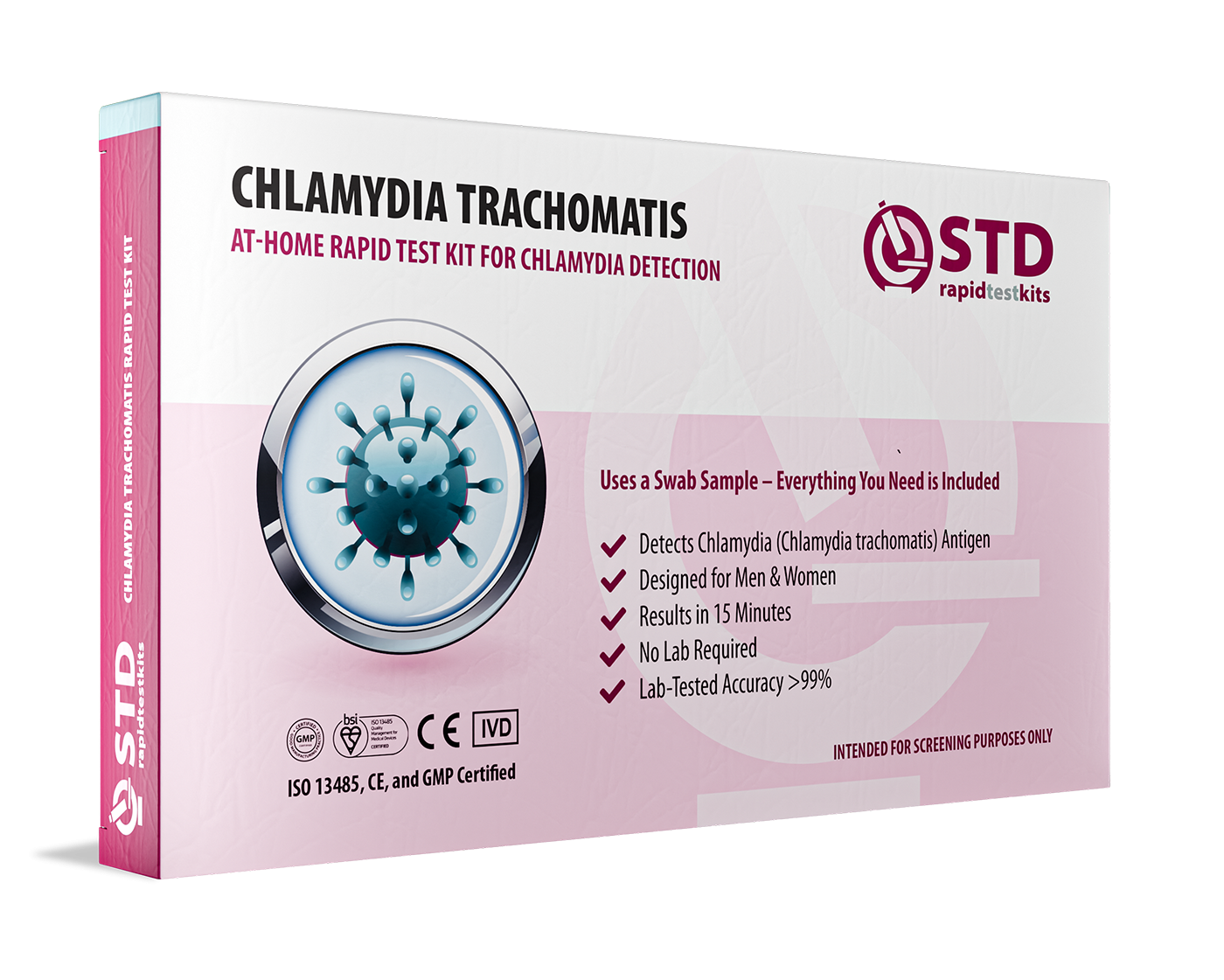 For Men & WomenResults in MinutesNo Lab NeededPrivate & Discreet
Order Now $33.99 $49.00
What Happens If You Don’t Treat It
This is the part no one wants to think about, but too many people end up here by accident.
Untreated chlamydia doesn’t just disappear. It can climb upward into the uterus or fallopian tubes, causing pelvic inflammatory disease (PID), which can lead to chronic pain or infertility. In men, it can cause epididymitis, painful inflammation near the testicles. It can also increase your risk of contracting HIV.
But all of this is preventable. Completely preventable. With the right treatment and follow-up, chlamydia can be a speed bump, not a roadblock.
If you’re scared to test because of what it might mean, flip it: what does it mean if you never test? Getting answers is the first act of self-care, and it puts you back in control.
FAQs
1. Is one pill really enough to cure chlamydia?
Sometimes, yes. That one pill, usually azithromycin, can work, especially if the infection is only in the genitals and caught early. But let’s be honest: medicine isn’t magic. For deeper or hidden infections (like in the rectum), or if there’s a high risk of reinfection, that one-pill promise might not hold up. That’s why doctors are leaning more on doxycycline now, it’s not as easy, but it works better in the long run.
2. What if I still feel symptoms after taking antibiotics?
You’re not crazy, and you're not alone. Sometimes the symptoms hang out longer than the infection. Other times, it's your body still inflamed or reacting to something else (like a co-infection or irritation). If it's been more than a week and things still feel off, test again. It's not a failure. It's just your body asking for a little more attention.
3. How soon can I have sex after taking the antibiotic?
The golden rule? Wait at least 7 days after finishing treatment, and make sure your partner has been treated too. If not, you’re playing chlamydia ping-pong. You might feel fine, but you’re still contagious during those first few days. Be kind to future you. Give it a week.
4. I took the pill, but I threw up later, do I need to retake it?
If you puked within 2 hours of taking azithromycin, there's a real chance your body didn’t absorb enough of the medicine. You’ll need to talk to your provider, they might prescribe another dose or switch you to the longer doxycycline route. Either way, don’t guess. Vomiting isn’t just annoying, it could mean you’re unprotected.
5. What’s better, doxycycline or azithromycin?
Think of it like this: azithromycin is the fast food of chlamydia treatment, quick and easy, but not always the most nutritious. Doxycycline is more like a solid home-cooked meal. It takes effort (twice a day for 7 days), but it gets the job done more reliably, especially for rectal infections or people with high reinfection risk.
6. Can chlamydia come back after treatment?
Yes, but not because it “reactivated.” If you test positive again, it’s either reinfection from a partner who wasn’t treated, or a missed site (like the rectum or throat). Think of it like weeds in a garden, if you don’t pull the roots, or if another seed gets in, you’re back at square one.
7. Do I really have to tell my partner?
Short answer: yes. Long answer: you owe it to yourself and them. STDs carry enough shame without us adding secrecy to the mix. You don’t have to deliver a TED Talk, just be direct, kind, and honest. “I tested positive. You should get checked too.” That’s it. If they ghost you after that, congratulations, you dodged something worse than chlamydia.
8. Can I treat chlamydia without going to a doctor?
You can avoid a waiting room, but you still need real treatment. At-home testing is legit, and you can get results and even prescriptions via telehealth in many places. But no, there’s no over-the-counter cure. Garlic, tea tree oil, or cranberry juice won’t cut it. (Yes, people try those. No, they don’t work.)
9. What if I didn’t get any symptoms at all?
That’s actually super common. Chlamydia is sneaky, most people have zero symptoms and only find out through routine testing. But it can still hurt you, especially your reproductive organs, even if you don't have any symptoms. That's why it's so important to get tested regularly. Just because you feel fine doesn't mean you're out of the woods.
10. Should I test again after treatment?
Yes. Always. The CDC recommends retesting about 3 months after treatment, even if you feel fine. If your symptoms come back sooner, test sooner. Testing again doesn’t mean you messed up, it means you care enough to make sure it’s gone for good.
You Deserve Answers, Not Assumptions
If you're here wondering whether one pill is enough, you're already ahead of the game. You’re asking questions, doing the work, and looking out for yourself, and your partners. That matters.
Modern treatment for chlamydia isn’t about guessing. It’s about finding what works for your body, your exposure, and your future. Whether that means a one-time dose or a week-long course, the goal is the same: get clear, get cured, and stay empowered.
Don’t wait and wonder, get the clarity you deserve. This at-home combo test kit checks for the most common STDs discreetly and quickly.
How We Sourced This Article: We combined current guidance from leading medical organizations with peer-reviewed research and lived-experience reporting to make this guide practical, compassionate, and accurate.
Sources
1. CDC STD Treatment Guidelines
2. Planned Parenthood: Chlamydia Overview
3. Chlamydial Infections — CDC STD Treatment Guidelines
4. WHO Guidelines for the Treatment of Chlamydia trachomatis
5. Azithromycin versus Doxycycline for Urogenital Chlamydia — NEJM
6. Adherence to New CDC Chlamydia Treatment Guidelines — PMC
7. Updated Treatment Recommendations for Chlamydia trachomatis — NCBI Bookshelf
8. Doxycycline or Azithromycin for Rectal Chlamydia Infection?
9. Doxycycline Adherence for the Management of Chlamydia — ScienceDirect
About the Author
Dr. F. David, MD is a board-certified infectious disease specialist focused on STI prevention, diagnosis, and treatment. He blends clinical precision with a no-nonsense, sex-positive approach and is committed to expanding access for readers in both urban and off-grid settings.
Reviewed by: Jessica N. Farrell, MPH | Last medically reviewed: November 2025
This article is meant to give you information, not to give you medical advice.


