






Quick Answer: A new study from Amsterdam UMC found that even when HIV meds are started immediately after infection, the immune system still ends up disrupted over time. This proves early treatment isn’t enough to eliminate long-term impact, making early, accurate testing and ongoing monitoring more essential than ever.
Early Isn’t Everything, Why Testing Still Has to Come First
This new study flips a common assumption on its head: that if you start HIV treatment early enough, your body dodges the worst. For a while, that looked true. The participants who got meds within days of infection had nearly normal immune responses at the 6-month mark. But by 12 months? Things changed. Their immune systems started acting like they were still in fight mode, suggesting that HIV leaves fingerprints behind, no matter how fast you act.
That’s why catching it early is only half the battle. The other half is knowing you were exposed in the first place. And let’s be honest, most people don’t. Symptoms are mild or nonexistent. You feel fine, so you assume you're fine. Until you’re not. That’s the trap. And that’s why testing matters more than ever, especially with infections that hide their damage behind the scenes.
Whether you're between partners, feeling off, or just playing it safe, testing is how you protect both your future self and the people you’re with. And with modern options like the HIV 1/2 Rapid Test Kit, you don’t even have to leave the house to do it.
People are also reading: HIV Symptoms But a Negative Test? When to Try Again
What Does an HIV Test Actually Look For?
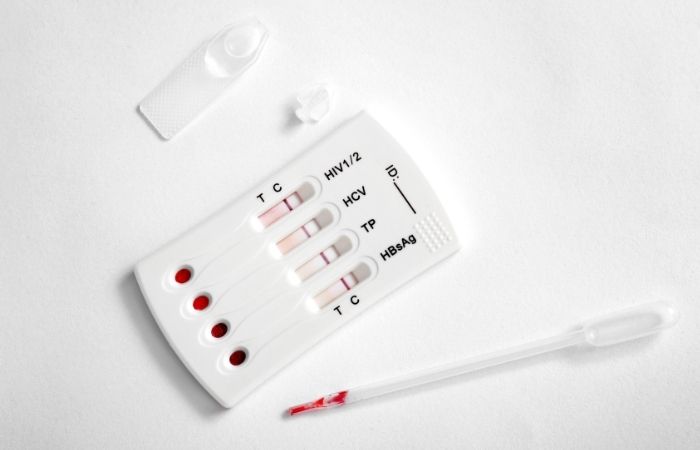
Contrary to popular belief, HIV tests don’t look for the virus itself, not always. Many detect the antibodies your body makes in response to it. Others pick up antigens (specifically p24, which shows up early after infection). The most sensitive tests, like NAAT/PCRs, detect the virus’s genetic material. Each one has a different strength, and a different ideal window after exposure.
At-home tests are usually antibody-based or a mix of antigen and antibody detection. They’re not quite as sensitive as lab tests, but they’re fast, easy to use, and extremely accurate if taken at the right time. Think of them as your first line of defense: the check-in that can tip you off before symptoms ever show up.
Timing Really Is Everything, Especially for Accuracy
The test you take, and when you take it, can change everything. That’s because HIV doesn’t show up right away, no matter how powerful the test. Your body needs time to respond. Testing too early might give you a false negative, even if you were infected. Here’s how that timing breaks down:
| Test Type | What It Detects | Sample Type | Earliest Reliable Time | Best Time to Test |
|---|---|---|---|---|
| Rapid Antibody Test | HIV antibodies | Blood or oral fluid | 3 weeks | 12+ weeks |
| Antigen/Antibody Combo | p24 antigen + antibodies | Blood | 2–3 weeks | 4–6 weeks |
| NAAT/PCR Lab Test | HIV RNA (viral load) | Blood | 10–14 days | 2–4 weeks |
Figure 1. Different HIV test types detect different parts of the infection timeline. Wait too little time, and even a great test might miss it.
What the Immune “Rebound” Really Means (And Why It Matters)
The Amsterdam UMC study is a big deal, not because it found that early treatment fails, but because it showed that HIV isn’t just about viral suppression. Sure, meds knock down the virus fast. But the immune system? It still gets thrown off its rhythm in the long haul. And that tells us something critical: even people who “caught it early” might still deal with complications down the road if they're not testing, monitoring, or retesting appropriately.
HIV plays a long game. The virus may go quiet after treatment, but the immune system doesn’t always bounce back for good. If you're not tracking exposure and testing regularly, you might not even know you’ve entered that game until your body starts showing signs, fatigue, inflammation, secondary infections. By then, you're behind.
Why Retesting Still Matters, Even After a Negative
If you test negative soon after a risky encounter, that's not a free pass to move on forever. It’s just a snapshot, one that might be missing half the picture. HIV can take weeks to become detectable depending on the test used and how your body responds. That’s why follow-up testing is crucial.
Let’s say you test negative on day 8 after exposure using a rapid antibody test. It’s too early. Your immune system hasn’t had time to respond, so the test might come back clean even if the virus is already in your system. Now fast-forward to day 30: your body’s sounding alarms, and a second test catches what the first missed.
Best practice? Retest between 4 to 6 weeks, and again at the 12-week mark if there’s any doubt. Especially if your exposure was high-risk, unprotected sex, partner with known status, or symptoms that scream something’s off.
“I Tested Early, and Got Burned”
Lucas, 27, hooked up with someone he met at a music festival. It was spontaneous, unprotected, and in the middle of a chaotic weekend. “I figured I’d just test when I got home,” he said. Five days later, he took an at-home HIV rapid test, it came back negative. “I thought I was good. I moved on.”
But two weeks later, things didn’t feel right. He had flu-like symptoms, night sweats, and a weird rash on his chest. Another test, this time at a clinic, came back positive. “It hit me like a truck,” he said. “I realized I’d tested too soon and let my guard down because I wanted to believe the best.”
Lucas isn’t alone. Early testing can give false reassurance if you don’t follow up. That’s why timing, and retesting, isn’t paranoia. It’s protection.
If your last test was rushed, incomplete, or just felt like a box-check, do yourself a favor and take control. This combo test kit covers multiple STDs, including HIV, and can help you get peace of mind that actually lasts longer than a single line on a strip.
Check Your STD Status in Minutes
Test at Home with RemediumHIV Rapid Test Kit
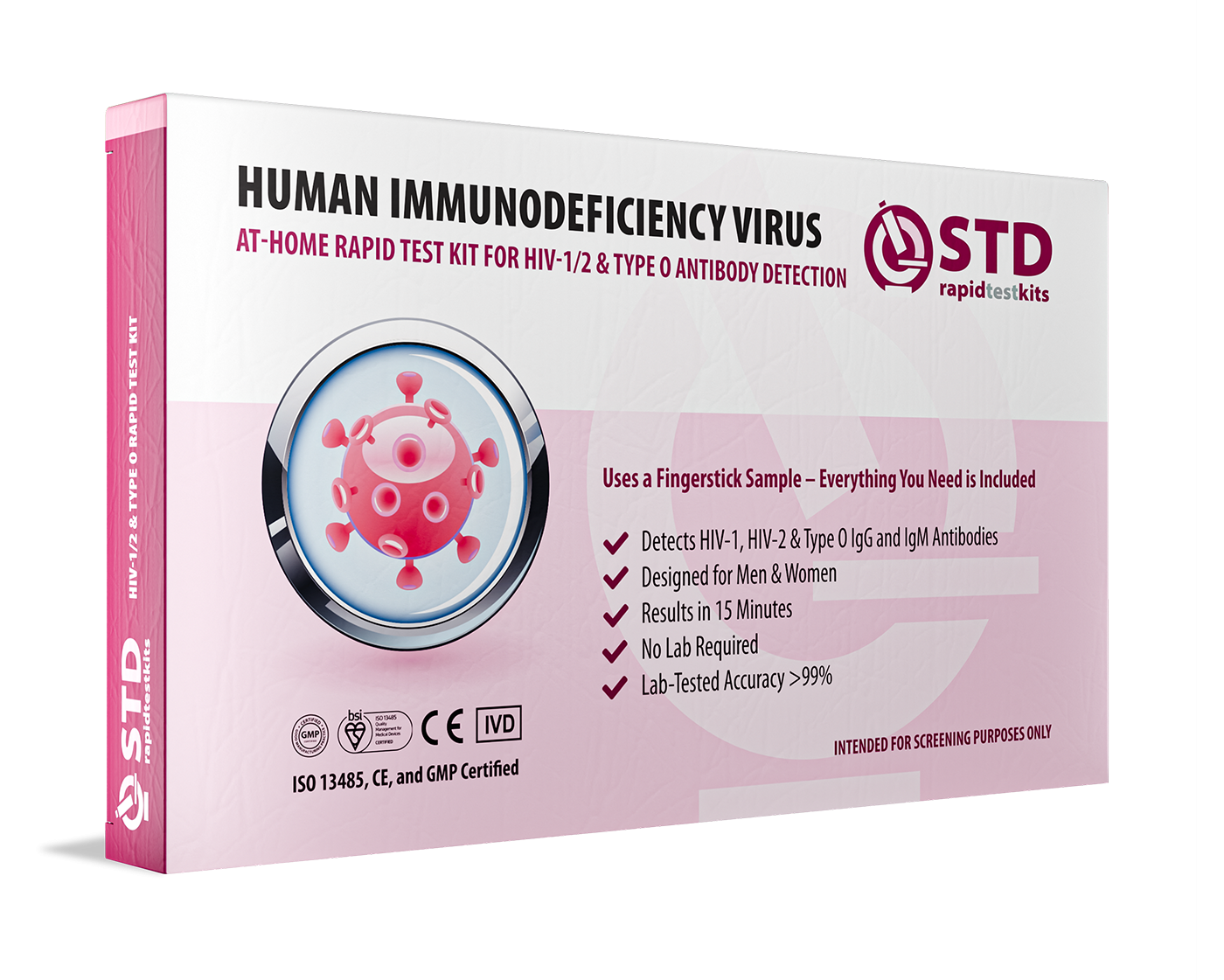
 For Men & Women
 Results in Minutes
 No Lab Needed
 Private & Discreet
Order Now $33.99 $49.00
How Long Should You Keep Testing?
The answer depends on your life. Are you in a monogamous relationship? Great, test annually. Are you sexually active with multiple partners or navigating dating apps? Every 3 months is the smart move. Got exposed last week? Test now and again in a month. Tested during a window period? Repeat at week 12.
This isn’t about paranoia. It’s about precision. HIV can go quiet for months while your immune system slowly unravels behind the scenes, like the study showed. But regular testing catches the quiet parts before they get loud. It gives you leverage before the virus gets one.
And if your test ever comes back positive? You’re not too late. You’re just earlier than most people ever get. Treatment today is lightyears ahead of what it was even a decade ago. But it all starts with one decision: test, and follow through.
Which HIV Test Kit Actually Fits Your Life?
Look, there’s no one-size-fits-all answer here. The best HIV test is the one that works with your lifestyle, your level of risk, and your mental bandwidth. If you’re someone who needs to know right now, a rapid test you can take in your bathroom might be your go-to. If you're the type who wants the most thorough, lab-analyzed breakdown with confirmatory results, a mail-in kit may be better.
Here’s the thing: most people aren’t testing at all, so if you’re even asking which test to use, you’re ahead of the curve. That said, picking the right kit can make the difference between peace of mind and false reassurance. Use this table to figure out what fits your situation:
| Kit Type | Ideal For | Speed | Sample | Accuracy (Post-Window) |
|---|---|---|---|---|
| Rapid HIV 1/2 Test | Need instant results, limited time, anxiety-heavy scenarios | 15–20 minutes | Fingerstick blood | High (if used 3+ weeks after exposure) |
| Combo 6-STD Kit | General screening, multiple partners, no symptoms but “what if” vibes | 15–25 minutes | Blood + urine | High (for multiple infections, not just HIV) |
| Mail-In Lab HIV/STD Panel | Need lab confirmation, post-treatment check, early exposure tracking | 2–5 days (plus shipping) | Blood, urine, or swabs | Very high (gold standard with professional analysis) |
Figure 2. Test kit selection depends more on your timeline and anxiety than anything else. Match the test to your moment.
Yes, You Can Test With a Partner (And It Doesn’t Have to Be Awkward)
There’s a weird myth that testing is something you do alone. Like it’s a secret, shame-soaked ritual you have to do under the cover of night. That’s BS. More and more couples are testing together, before sex, before ditching condoms, or just as a trust-building exercise. You don’t have to make it dramatic. Just grab a couple tests, some tea (or wine), and talk it through.
One of the most powerful things you can do in a new relationship is normalize testing as part of how you care for each other. Not as punishment, not as proof of guilt, but as shared responsibility. And with discreet shipping and at-home results, you can do the whole thing without ever dealing with a receptionist or clinic hours.
Why Testing Still Beats Guessing, Even If You’re on Meds
If you're on PrEP or already living with HIV and taking meds, it’s tempting to think you’ve got it covered. You’re “doing the right thing,” right? And you are. But here's the catch: that doesn’t mean you can skip testing entirely. In fact, regular testing becomes even more important, because it gives you feedback on whether your protection plan is actually working.
PrEP isn’t bulletproof. If you miss doses or start late after exposure, it can fail. And if you're already living with HIV, testing helps monitor not just your viral load, but also if you’ve picked up other STDs that could weaken your immune response. The study from Amsterdam UMC proves that the virus still impacts your immune system, even under treatment, so catching secondary issues early matters more than ever.
Think of testing as your performance review. It shows if your meds, prevention strategies, and habits are doing what you think they’re doing. No guessing. Just data, from your own body.

People are also reading: HIV or Syphilis? How to Tell If That Rash Means Something Serious
The Hidden Cost of Delayed Testing
Let’s say you don’t test. You feel fine. You assume you’re fine. Weeks turn into months. Then one day, your body starts misfiring, fatigue you can’t shake, swollen lymph nodes, unexplained weight loss. By the time you get tested, your immune system’s been under siege for months. That’s not drama, it’s how HIV works.
And then there’s the emotional side: the guilt spiral when you realize you might’ve unknowingly exposed others. The regret that hits when you hear, “We could’ve caught this earlier.” Delayed testing doesn’t just delay treatment, it delays relief. The longer you wait, the more your mind fills in the blanks with worst-case scenarios.
Here’s the truth: one test, taken at the right time, can save you from all of that. The earlier you know, the faster you stabilize, protect others, and get back in control.
Symptoms You Can’t Trust
HIV is sneaky. It often doesn’t show up with obvious symptoms, or it mimics everyday stuff like a cold, stress, or a rough week. That’s why relying on “how you feel” is risky. This table breaks down some of the most common early HIV symptoms, and why they’re so easy to ignore or misread.
| Symptom | Common Misdiagnosis | When to Consider HIV Testing |
|---|---|---|
| Low-grade fever | Cold, flu, stress | If it lasts more than a few days post-exposure or appears with rash/swollen nodes |
| Night sweats | Hormonal changes, anxiety | If frequent and paired with fatigue or unexplained weight loss |
| Fatigue | Work burnout, poor sleep | If it's sudden and doesn’t improve with rest or food |
| Skin rash | Allergies, heat rash | If it shows up on your trunk or spreads with no known cause |
| Swollen lymph nodes | Dental issue, cold | If multiple nodes are enlarged (neck, groin, armpit) with no infection confirmed |
Figure 3. HIV often hides in plain sight, masked by common symptoms that don’t raise alarms. Testing is the only way to know for sure.
FAQs
1. If HIV treatment starts early, isn’t that enough?
It helps a lot, but it’s not a free pass. The new study from Amsterdam UMC shows that even when meds start right after infection, the immune system still gets worn down over time. HIV doesn’t just vanish when your viral load drops. That’s why testing, monitoring, and staying in care matter just as much as starting early.
2. What if I don’t feel sick, should I still test?
Absolutely. HIV can hang out silently in your body for months (even years) before showing symptoms. Many people who feel totally fine are still infectious, and unaware. The only way to know your status is to test, especially after any unprotected sex, condom mishap, or new partner situation.
3. Can I use an at-home HIV test right after exposure?
You can, but it might not catch the virus yet. Most at-home tests detect antibodies, which don’t show up until 3–12 weeks after exposure. If you test early and it’s negative, don’t stop there. Retest at week 4 and again around week 12 to cover all your bases.
4. How often should I test if I’m on PrEP?
Every 3 months, minimum. PrEP is highly effective when taken consistently, but it’s not magic. Testing regularly helps confirm it’s working and ensures you haven’t been exposed to anything else, especially if you’ve had multiple partners or condomless sex.
5. What happens if my HIV test comes back positive?
You breathe. Then you confirm it with a second test, preferably at a clinic. If that’s also positive, you start treatment. Today’s meds are incredibly effective. Many people who test positive and start early reach an undetectable status, meaning they live normal lives and can’t transmit the virus sexually. This is not the 1980s. You’re not alone, and you’re not doomed.
6. Can I get HIV from someone who’s undetectable?
No. The science is clear: undetectable = untransmittable (U=U). If someone’s viral load is suppressed due to medication, they cannot pass the virus through sex. Testing still matters, but U=U is one of the best things to come out of HIV research in decades.
7. Do I need to test if I’m in a monogamous relationship?
If both of you have tested negative and remain monogamous, your risk is low. But if there’s been a break in monogamy, uncertainty about past exposures, or any doubt at all, testing is still a smart move. Think of it like resetting the clock with peace of mind.
8. Is HIV testing really private?
Yes. Especially with at-home kits. Most arrive in unmarked packaging, and your results never leave your hands unless you choose to share them. There’s no awkward waiting room, no “What brings you in today?” Just you, your test, and your truth.
9. What’s the difference between antibody, antigen, and RNA HIV tests?
These tests check the reaction of your body’s immunity and are very common, used even at home. The antigen tests look for fragments of the virus itself (the p24 protein), and these tests are capable of detecting the virus earlier. The RNA/NAAT tests check the genetic material of the virus and are the most sensitive tests.
10. Can I get tested with my partner?
You can, and you should. Testing together builds trust and creates space for real conversations. It’s a shared act of care, not suspicion. Many couples now treat it like a wellness check: a way to start fresh, no secrets, no guessing.
Test Like the Future Depends on It, Because It Does
What this new research reminds us is simple: HIV doesn't just go away when you start meds. It doesn't always show symptoms. And it doesn’t stop being a threat just because you're hoping for the best. Early treatment is powerful, but early detection is even more powerful. And the only way to detect early… is to test.
Skip the guesswork. Own your timeline. Protect your future. This rapid HIV test gives you answers in 15 minutes, at home, on your terms. It could be the smartest 15 minutes you spend all year.
How We Sourced This Article: We combined current clinical research with firsthand patient insights, CDC guidance, and peer-reviewed studies to make this guide clear, human, and trustworthy. In total, around fifteen references informed the writing; below, we’ve highlighted some of the most relevant and reader-friendly sources.
Sources
1. Early HIV drugs give immune system a brief reprieve before dysregulation returns, study finds | EATG
2. Neurological Complications of HIV Even With Successful Treatment | NINDS
3. Stages of HIV Infection | NIH HIVinfo
4. HIV Testing: How to Get Tested & What to Know | CDC
5. HIV/AIDS — Diagnosis & Treatment | Mayo Clinic
About the Author
Dr. F. David, MD is a board-certified infectious disease specialist who works to stop, diagnose, and treat STIs. He combines clinical accuracy with a straightforward, sex-positive attitude and wants to make his work available to more people, both in cities and in rural areas.
Reviewed by: Dr. Lana Siegel, MPH | Last medically reviewed: November 2025
This article is for informational purposes and does not replace medical advice.


