







Quick Answer: Gonorrhea spreads through oral, vaginal, and anal sex, as well as shared sex toys. even without symptoms. Condoms help, but aren’t foolproof. It’s often passed unknowingly by people who feel totally fine.
Who Gets Caught Off Guard. And Why?
Let’s talk about the most common group of people who end up stunned by a positive test result: folks who thought they played it safe. People who used protection “most of the time,” or only had oral. People who didn’t notice any symptoms. The truth? That’s exactly who gets gonorrhea. because the virus thrives on what people don’t know or don’t feel.
Take Luis, 26, who hooked up after a night out, used a condom for penetrative sex, but skipped protection during oral.
“I thought that was low risk,” he said. “I never felt a thing.”
Three weeks later, his new partner tested positive, and so did he. “I didn’t even know oral could give you STDs,” he admitted. You’re not alone, Luis. Most people don’t.
This guide is for anyone confused, freaked out, or feeling blindsided. You’re not dirty, reckless, or broken. you’re just missing the information you deserved to have.

People are also reading: STDs in Men: The Symptoms Most Guys Overlook Until It’s Too Late
The Sneaky Science of Gonorrhea Transmission
Gonorrhea is caused by the bacteria Neisseria gonorrhoeae, and it spreads when that bacteria gets from one person’s mucous membranes to another’s. Translation: it thrives in the moist linings of the genitals, rectum, throat, and eyes. and moves between them through sexual contact.
It doesn’t matter if the person has symptoms. In fact, the CDC notes that many people, especially women and people with pharyngeal (throat) infections, show zero signs of infection. but can still pass it on easily.
Here’s where it gets tricky: protection helps, but unless it’s used perfectly every time and for every type of sex (oral included), it doesn’t completely eliminate the risk. Add in shared toys, skipped dental dams, and partners who haven’t tested in a while? That’s a recipe for unintentional spread.
All the Ways Gonorrhea Can Spread (Yes, Even These)
Let’s break it down clearly. Here’s how gonorrhea actually passes from person to person. including routes most people never consider:
| Exposure Route | Risk Level | What Increases the Risk |
|---|---|---|
| Unprotected vaginal sex | High | No condom, unknown partner status, untreated infection |
| Unprotected anal sex | High | Rectal mucosa is sensitive and easily infected |
| Receiving oral sex | Medium | Partner has undiagnosed throat gonorrhea (often no symptoms) |
| Giving oral sex | Low to Medium | Contact with infected genitals or anus; increased if ejaculation occurs |
| Sharing sex toys | Medium | Toys not washed or covered between uses/partners |
| Skin-to-skin contact near genitals | Low | Possible if fluids are exchanged or contact is prolonged |
| Toilet seats, towels, swimming pools | None | These are myths. the bacteria can’t survive long outside the body |
Figure 1. Transmission risk pathways for gonorrhea based on exposure type. This chart reflects clinical research and CDC guidance on transmission dynamics.
The Role of Asymptomatic Spread: Silent but Contagious
Here’s the gut-punch reality: most people who spread gonorrhea don’t know they have it. Studies show that over 50% of cases in women, and a large portion of oral or rectal cases in all genders, are completely asymptomatic. That means they feel totally normal. no discharge, no burning, no clue.
This is why routine testing is crucial. Not because you’re sleeping around or doing anything wrong. but because waiting for symptoms isn’t enough. The World Health Organization emphasizes that asymptomatic STIs fuel global transmission. especially among young adults and men who have sex with men (MSM), two groups often under-tested.
Think of testing as maintenance, not damage control. You’re not admitting guilt. you’re preventing a silent chain reaction.
Oral Sex: The Most Underestimated Source of Gonorrhea
Most people don’t realize that gonorrhea thrives in the throat. In fact, pharyngeal gonorrhea is one of the most common forms of the infection, especially in people who give or receive oral sex regularly. The problem is simple: throat infections almost never cause symptoms. No sore throat. No redness. Nothing dramatic. Just silent bacteria waiting for the next hookup.
According to CDC clinical data, oral transmission plays a major role in how the infection spreads between partners. Once the bacteria settle in the throat, they can pass to the genitals during oral sex, or back to another throat during rimming or deep kissing with active sores or open cuts.
Here’s the twist: even condoms don’t protect against oral-to-genital transmission unless you’re using barriers specifically for oral sex. something most people admit they’ve never even considered. That’s why throat testing matters just as much as genital testing, especially if you’re sexually active with multiple partners or engaging in frequent oral sex.
Shared Toys: The Overlooked Transmission Route
Let’s be honest. sex toys don’t get the hygiene respect they deserve. People rinse them “quickly,” wipe them with a T-shirt, or assume that because they were used in the moment, bacteria magically disappear. That would be nice. Reality: gonorrhea can spread easily through toys if they’re not washed thoroughly or covered with a condom between users.
When toys move from vagina to anus, or from one partner to another, they can carry the bacteria with them. especially if they’re made from porous materials or used with bodily fluids still present. This applies to dildos, vibrators, plugs, and even harness attachments. It’s physical contact with infected fluids that does the job.
A quick case: Danielle, 31, and her partner used a shared vibrator during a weekend trip. Danielle tested positive for gonorrhea later that month, despite never having had a new partner. Her partner’s test came back positive too. “We just didn’t know toys could transfer anything,” she said. “Now we wash them like they’re going into surgery.”
Check Your STD Status in Minutes
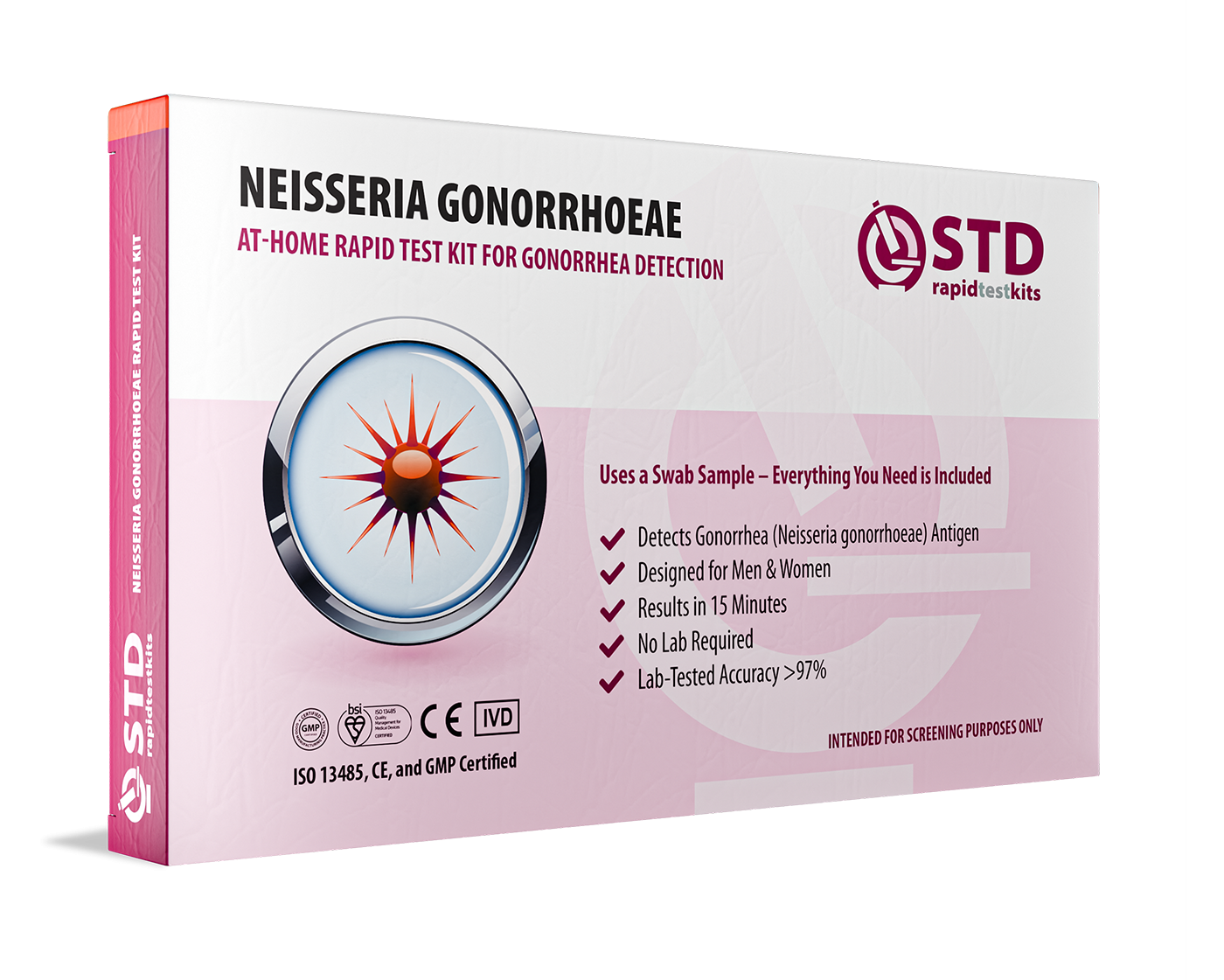
Test at Home with RemediumGonorrhea Test Kit
 For Men & Women
 Results in Minutes
 No Lab Needed
 Private & Discreet
Order Now $33.99 $49.00
Why Condoms Don’t Fully Eliminate the Risk
Condoms are excellent. truly. They cut down a ton of STI risk and prevent countless infections every year. But here’s the truth that people hate hearing: they don’t protect every area where gonorrhea lives or spreads. If the infection is in the throat, condoms do nothing during unprotected oral. If the infection is in the rectum, anything that touches the area directly can still get exposed.
Condoms also have to be used consistently and correctly. That means putting them on before any genital contact, keeping them on the entire time, and using new ones for toys or transitions between different body areas. Missing even one step creates gaps that bacteria love to exploit. As Mayo Clinic guidance notes, barrier methods reduce risk. but they’re not perfect.
Still, don’t throw out your condoms. Just understand their limits and use them as one tool among many. Testing fills in the gaps. Communication fills in the rest.
How Long After Exposure Gonorrhea Shows Up
When it comes to timelines, the body doesn’t follow a precise clock. On average, gonorrhea’s incubation period. the time from exposure to possible symptoms. is 1 to 14 days. Many people will never have symptoms at all. That’s incubation, not detection. A test has its own timing.
The CDC testing recommendations indicate that the most reliable window for NAAT (nucleic acid amplification tests). the gold standard for gonorrhea. is about 7 to 14 days after exposure. Testing too early can miss the infection, especially in throat or rectal cases, which sometimes take longer to reach detectable levels.
If you tested negative but your symptoms are evolving, or you know the exposure was recent and high-risk, retesting is the smartest play. False negatives happen, often simply because the test was taken too soon.
Real-Life Risk Scenarios People Never Think About
Here’s where we get into the everyday situations that cause infections. not the dramatic ones people imagine. Think of these as “quiet moments” where gonorrhea does its thing without you noticing.
Scenario 1: The “Just Oral” Hookup
You went down on someone without a condom. They had undiagnosed throat gonorrhea. You walked away feeling fine. but the bacteria were delivered directly to your genitals or throat.
Scenario 2: The Condom Slip
You started with protection, but things got sweaty, the condom loosened, and there was unprotected contact for a few seconds. That’s all it takes, especially if you were exposed to infectious fluids.
Scenario 3: The Shared Toy Night
You switched toys with a partner without cleaning or covering them. Fluids remained. The bacteria transferred. No symptoms appeared for days. so you never suspected the source.
Scenario 4: The Asymptomatic Partner
You trusted someone who genuinely believed they were STI-free because they “felt normal.” They weren’t lying. They just didn’t know. They still transmitted the infection.
A Practical Table: What’s Risky and What’s Basically Impossible?
| Activity / Exposure | Can It Spread Gonorrhea? | Notes |
|---|---|---|
| Kissing | Unlikely but possible in rare cases | Mainly if the partner has severe oral infection + open sores |
| Oral sex (giving or receiving) | Yes | Very common route; throat infections spread silently |
| Anal or vaginal sex | Yes | Highest-risk exposures |
| Sex toys | Yes | Risk increases if toys are shared unwashed |
| Toilet seats | No | Bacteria can’t survive on dry surfaces |
| Towels, bedding, clothing | No | STIs don’t spread through fabric; this is a myth |
Figure 2. Evidence-backed comparison of real vs. myth-based gonorrhea transmission routes.
When You Should Get Tested (And Which Test to Choose)
If you had any of the exposure routes we just walked through. even once. testing is the next logical step. NAAT isn’t just the gold standard; it’s fast, accurate, and detects even low-level infections in the throat, rectum, or genitals. Whether you’re anxious, symptomatic, or just responsible, it’s the smartest move.
You can get tested at a clinic or at home. Many people prefer at-home testing for privacy and convenience. If that’s you, a discreet kit is available here: STD Rapid Test Kits. It’s secure, private, and arrives in plain packaging. no awkward counter moments, no explanations.
If your exposure was recent (under 7 days), you may need to retest again in one to two weeks. Not because you did anything wrong. but because science has timing rules and your body sticks to them.
Can You Get Gonorrhea from Oral Sex?
Short answer: yes. and it’s way more common than people realize. Oral gonorrhea, also known as pharyngeal gonorrhea, can live in the throat without symptoms and still be passed to a partner during oral sex. You can get it from giving or receiving oral, especially if protection isn’t used.
The problem? Most people don’t think of oral as “real sex,” so they skip condoms and testing. A 2019 study in the Journal of Clinical Microbiology found that up to 30% of gonorrhea cases in men who have sex with men were isolated to the throat. and many of those individuals had no idea they were infected.
Bottom line: if you’re sexually active, oral sex counts. Protect your mouth and genitals equally. and don’t forget that at-home gonorrhea tests exist for peace of mind.
Does Protection Always Work?
Condoms and dental dams are powerful tools. but they aren’t magic shields. They reduce the risk of transmission significantly, but only when used consistently and correctly. That means during every sex act, from start to finish, including oral. Miss one step, and the risk goes up.
And then there’s friction. In real life, condoms break, slip, or get taken off. Dental dams are rarely used and even more rarely discussed. Sex toys get passed between partners without cleaning or barriers. And the bacteria that causes gonorrhea can cling to mucous membranes, which means even brief, unprotected exposure is enough.
This isn’t a scare tactic. it’s just the mechanics. It’s why combining barrier methods with regular testing is the smartest play. Protection lowers the odds. Testing stops the spread.
People are also reading: Why Syphilis in Pregnancy Is Rising (And How to Protect Your Baby)
“I Used a Condom. I Still Got Gonorrhea.”
Jess, 32, thought she was doing everything right.
“We used a condom for sex, but I gave him oral without one,” she said. “I didn't think you could get anything that way.”
A week later, she noticed a sore throat and brushed it off as allergies. Three weeks after that, her OB-GYN called with a surprise: her urine test was positive for gonorrhea. But her partner tested negative.
“I was humiliated. I thought he’d accuse me of cheating,” she said. “Turns out, I probably got it from him. in his throat. and he cleared it naturally before his test.” Yes, that happens. The body can sometimes clear oral gonorrhea without treatment, but that doesn’t mean you didn’t pass it on in the meantime.
This is why testing after exposure. even when it seems minor. matters. And why protection should be viewed as a helpful layer, not a guarantee.
Sex Toys, Hands, and Skin Contact: What’s the Real Risk?
Here’s what most people forget: it’s not just genitals that carry risk. Shared sex toys can absolutely transmit gonorrhea if they come into contact with infected fluids and aren’t properly cleaned or covered between uses. The same goes for fingers. if they touch infected fluids and then touch another person’s mucous membranes (vaginal, anal, or oral), there’s a possibility of spread.
While skin-to-skin contact alone is a low risk for gonorrhea, it can still pose a threat if there are cuts, sores, or fluids involved. This includes outer-genital contact (“dry humping”) where pre-ejaculate or vaginal fluids are present.
If you’re using toys with a partner. whether you’re swapping them or just reusing during the same session. use condoms on them and change them between people. And don’t assume hand stuff is automatically risk-free. Wash up, glove up if needed, and be mindful of cross-contact.
How Long Is Gonorrhea Contagious?
If untreated, gonorrhea stays contagious indefinitely. There’s no automatic “it goes away” moment. and it can live in the body quietly, especially in the throat or rectum, for weeks or even months.
With proper antibiotic treatment, most cases are no longer contagious within a few days. The CDC’s current treatment recommendation is a one-time intramuscular injection of ceftriaxone, usually effective within 7 days. But here’s the twist: even after treatment, if a partner wasn’t treated too. or if the infection site wasn’t tested (e.g., oral or rectal). reinfection is easy.
This is why retesting after treatment is essential. And why partner treatment isn’t optional. it’s how you break the loop.
What to Do If You’ve Been Exposed
If you’ve had a partner test positive. or you’re dealing with symptoms like burning, discharge, sore throat after oral, or rectal discomfort. don’t panic. But don’t wait either. Testing is the first step. If your exposure was recent (less than 7 days), your test might not detect it yet. but that doesn’t mean you're safe.
Gonorrhea’s window period is usually 2 to 14 days, depending on the test and site of infection. That’s why it’s often smart to test once now and again in two weeks if your first test is negative but suspicion remains. You can do this from home using a discreet combo STD test kit that checks for gonorrhea and other common infections.
Don’t let guilt or shame delay your care. This isn’t a moral issue. It’s bacteria. and it’s treatable.
Check Your STD Status in Minutes
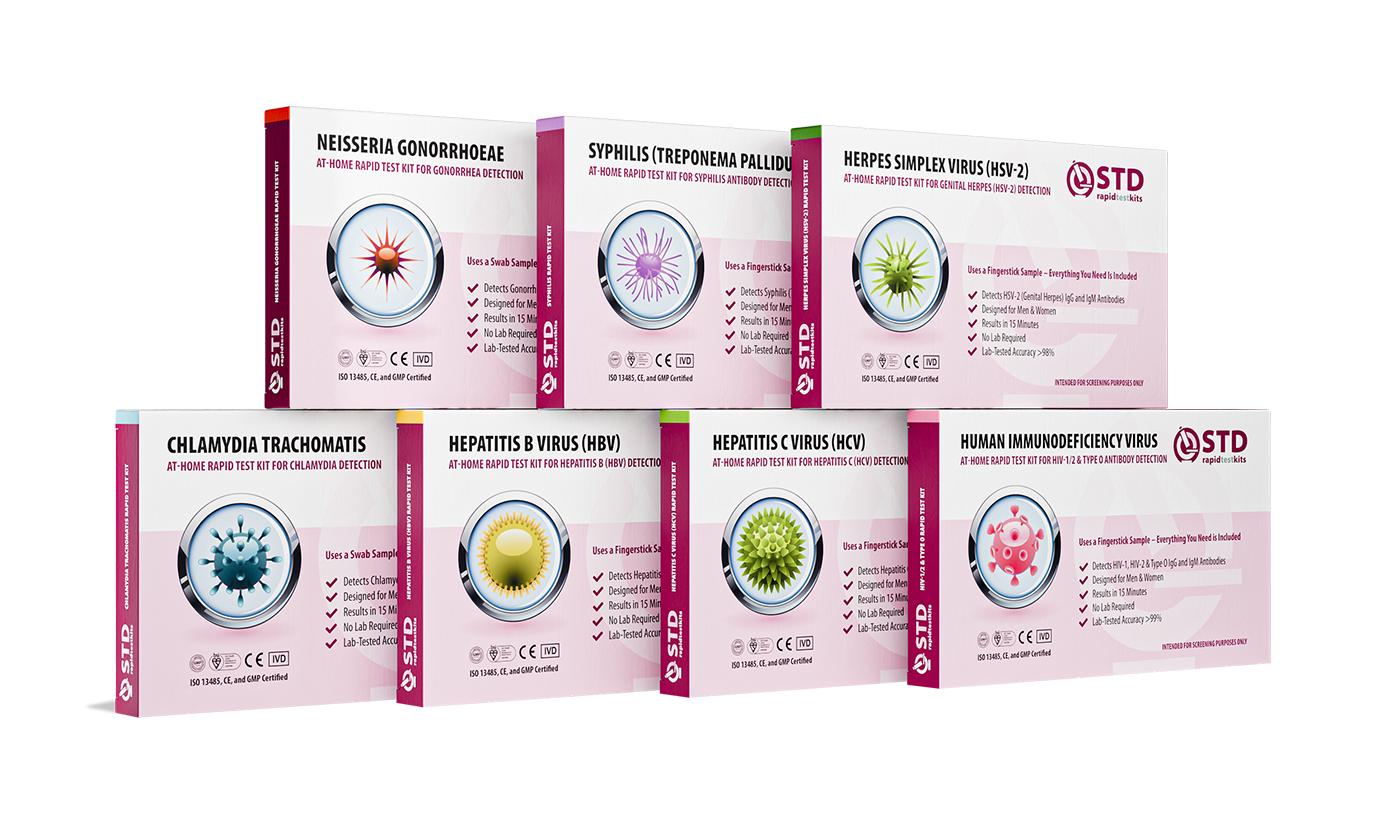
Test at Home with Remedium7-in-1 STD Test Kit
 For Men & WomenResults in MinutesNo Lab NeededPrivate & Discreet
Order Now $129.00 $343.00
For all 7 tests
FAQs
1. Can you really get gonorrhea from just oral?
Absolutely. and that’s one of the most common blind spots. You can pick it up from giving or receiving oral sex if your partner has it in their throat or genitals. Most folks don’t use protection for oral, which is exactly how it sneaks in. You might never feel a single symptom, but your next partner could still get it from you. Sneaky little bacteria.
2. Is it true that you can have gonorrhea and not know it?
Oh yeah. and that’s the scariest part. Gonorrhea can chill silently in your throat, rectum, or even genitals without causing a single twinge. No burning, no discharge, nothing. That’s why people pass it on without realizing, and why regular testing is smart even when you feel totally fine.
3. I used a condom. How did I still get infected?
Let’s be real: condoms lower the risk, but they’re not magic shields. Most people skip them during oral, don’t cover toys, or don’t use them from start to finish. Also, gonorrhea can spread through skin near the genitals that isn’t covered. So yeah, even when you think you played it safe. there’s room for slip-ups. It happens.
4. Can I get it from a toilet seat or towel or something?
Nope. That’s an old-school myth that just won’t die. Gonorrhea bacteria need warm, moist environments inside the body to survive. They die fast outside it. like, can’t-make-it-to-the-doorknob fast. You’re not catching anything from public restrooms or hotel sheets. Promise.
5. Do I need to tell my partner if I test positive?
Morally? Yes. Medically? 100% yes. It’s not about shame. it’s about breaking the cycle. Untreated gonorrhea can bounce between partners like a damn ping-pong ball. You can keep it private if you want (there are anonymous notification services), but don’t skip this step. They deserve to know, just like you would.
6. Can it go away on its own?
Technically, your immune system might eventually clear some throat infections. But most of the time? It just hangs out, spreads, and quietly causes long-term damage. like pelvic inflammatory disease or infertility. Don’t risk it. One round of antibiotics can knock it out fast. Don’t give the bacteria a free lease in your body.
7. When can I have sex again after treatment?
Wait at least seven days after finishing treatment. and only if your partner’s been treated too. Otherwise, you’re playing STD ping-pong. And yeah, if symptoms stick around after a week? Time to follow up. You might need a retest or an alternative treatment plan.
8. Do I need to get tested again later?
If you tested early (within a few days of exposure), retesting after two weeks is smart. Also retest in three months if you’ve had a new partner or any doubts. Think of it like changing your oil. routine, preventative, and way easier than dealing with engine failure later.
9. I tested positive, but my partner didn’t. Does that mean they cheated?
Not necessarily. They could’ve had it weeks or months ago and passed it to you just as their body cleared it. Or they weren’t tested properly (throat/rectum often get skipped). This bug is weird, and testing timing matters. So before you torch the relationship, take a breath. and maybe a second test.
10. Is there a way to protect myself besides condoms?
Yep. Combine strategies: use barriers, get tested regularly, know your partners’ status, and don’t share unwashed toys. Think of it like wearing layers in winter. no one thing’s perfect, but together? They seriously reduce your risk. Plus, at-home testing lets you stay ahead without the awkward clinic visit.
You’re Not Dirty. You’re Just Informed Now
Most people who get gonorrhea never expected it. That doesn’t make them irresponsible. it means they were missing the right info. Now that you have it, you get to move forward with clarity, not shame. Knowing how it spreads empowers you to protect yourself and your partners without sacrificing connection, desire, or trust.
If your head’s still spinning or you just want answers without judgment, our combo STD test kits let you check for multiple infections discreetly, privately, and quickly. no awkward clinic wait required.
How We Sourced This Article: We combined current guidance from leading medical organizations with peer-reviewed research and lived-experience reporting to make this guide practical, compassionate, and accurate. In total, around fifteen references informed the writing; below, we’ve highlighted some of the most relevant and reader-friendly sources.
Sources
2. CDC – Gonorrhea Treatment Guidelines
3. AIDSmap – Gonorrhea and HIV Risk
4. About Gonorrhea — How it spreads | CDC
5. Gonorrhea: Symptoms & Causes | Mayo Clinic
About the Author
Dr. F. David, MD is a board-certified infectious disease specialist focused on STI prevention, diagnosis, and treatment. He blends clinical precision with a no-nonsense, sex-positive approach and is committed to expanding access for readers in both urban and off-grid settings.
Reviewed by: Dr. K. Ramesh, MPH | Last medically reviewed: November 2025
This article is for informational purposes and does not replace medical advice.


