






Quick Answer: Malaysia’s 54% drop in HIV infections reflects major progress in harm reduction efforts, but the rise in infections among men who have sex with men shows that stigma, not just behavior, drives risk. For readers outside Malaysia, this isn’t just a newsflash, it’s a reminder: knowing your status matters, and at-home HIV testing offers a safe, private, fast way to do that.
This News Story Isn’t About Malaysia, It’s About You
In a recent parliamentary reply, Malaysia’s Health Minister confirmed something rare in the world of global health: sustained, long-term progress. Between 2002 and 2024, the country cut its new HIV infections by more than half. That kind of drop doesn’t happen by accident. It came from serious investment in harm reduction programs, especially needle exchange services, and better outreach among drug users.
But buried in the same announcement is a quieter stat that deserves attention: infections from male-to-male sexual contact rose 2% in just one year. It’s a small bump, but in a country where LGBTQ stigma runs high, even a modest rise suggests the virus is finding new pathways among the young, the closeted, and the under-tested. And this isn’t just Malaysia’s problem. Around the world, HIV’s old image, needles, blood, the 1980s panic, has faded. But it hasn’t disappeared. It’s just evolved.
So why are we talking about this here, on a blog about STD testing you can do from home? Because those shifts in how HIV spreads have huge implications for how, when, and where we test. And whether you're a student, a new partner, or someone who's never tested before, the safer, faster, and stigma-free option might be sitting in your drawer, or should be.

People are also reading: The New HIV Prevention Option That Only Requires Two Doses a Year
Who This Guide Is For (And Why It Matters)
If you've ever hesitated to get tested because you didn’t want to answer questions at a clinic, didn’t think you were “the type,” or weren’t sure if you really needed to, this article is for you. If you’re in a new relationship, live far from an urban center, are exploring your sexuality, or just want to take control of your health privately, this is also for you. HIV doesn’t target groups. It follows opportunity, silence, and stigma.
We’re going to break down how HIV transmission is changing globally, why traditional messages about risk no longer cut it, and how at-home testing can fill that gap. We’ll walk you through timing, test types, privacy protections, and what to do if you test positive. It’s not just about HIV, it’s about knowing, acting, and protecting yourself without judgment.
What Actually Counts as an HIV Test?
Let’s clear something up, there isn’t just one “HIV test.” What you get depends on where you test, when you test, and what kind of exposure you’ve had. The gold standard in clinical settings is the fourth-generation Ag/Ab combo test, which can detect both HIV antibodies and antigens as early as 18–45 days after exposure. But that’s not your only option.
At-home HIV tests usually fall into two categories: rapid self-tests that give you results in 20 minutes or less using a drop of blood or oral fluid, and mail-in lab kits that analyze your sample offsite using more sensitive methods. Both types are FDA-approved, discreetly shipped, and come with clear instructions, but each has tradeoffs in timing, accuracy, and emotional readiness. You can explore all at-home kits directly on the STD Rapid Test Kits homepage, or go straight to our HIV test kit to get started.
Timing Is Everything: HIV Window Periods Explained
One of the most misunderstood aspects of HIV testing is the window period, the time between exposure and when a test can reliably detect infection. Test too early, and you risk a false negative even if you're infected. That’s not just a technicality. It’s the reason so many people wrongly assume they’re in the clear and stop using protection, or delay retesting until symptoms appear (if they ever do).
Here’s a breakdown of common HIV test types and when they work best. Note that the “peak accuracy” column shows when your results are most likely to be reliable, not necessarily the first day you can test, but the best time to trust the answer you get.
| Test Type | Sample Type | Earliest Detection | Peak Accuracy |
|---|---|---|---|
| Lab-based Ag/Ab Combo (4th Gen) | Blood | 18–45 days | 28–90 days |
| NAAT (HIV RNA Test) | Blood | 10–33 days | 14–28 days |
| At-Home Rapid Test (Oral Fluid) | Oral swab | 23–90 days | 90 days |
| At-Home Rapid Test (Fingerprick) | Blood | 18–90 days | 45–90 days |
| Mail-In Lab Kit | Blood (dried spot) | 18–45 days | 28–90 days |
Figure 1. HIV test types and their window periods. The more time that passes after exposure, the more accurate your results will be. Source: CDC HIV Testing Basics.
Rapid Test or Lab Kit? How to Choose What Works for You
If you’re sitting in your bedroom with a sealed HIV rapid test in one hand and three weeks of anxiety in the other, you’re not alone. Choosing how to test often comes down to three things: speed, privacy, and peace of mind. Rapid at-home tests give you an answer fast, usually in 15 to 20 minutes, but may miss very early infections. Lab kits take longer but offer higher sensitivity and can catch earlier stages of infection.
Here’s how these methods compare in plain terms:
| Method | Privacy | Speed | Accuracy (Post-Window) | Good Fit When... |
|---|---|---|---|---|
| At-Home Rapid Test | Very High | 15–20 minutes | 92–99% | You need fast results and value privacy |
| Mail-In Lab Kit | High | 2–5 days including shipping | 99%+ | You want lab-grade accuracy without a clinic visit |
| Clinic-Based Lab Test | Moderate | Same-day to several days | Highest | You have symptoms or need confirmatory testing |
Figure 2. Comparing HIV testing options. No single test is “best” for everyone, it depends on your timeline, comfort, and needs.
If your exposure was recent and you're still within the early window period, a rapid test can help ease your mind now, but plan to retest in a few weeks. If you're outside the 28-day mark, a lab test, either at home or in a clinic, can give you near-definitive results.
When to Test After a Risky Encounter
So the condom broke. Or maybe it never came out of your pocket. Maybe it was a hookup you trusted, or didn’t think twice about. And now it’s two days later, your stomach’s in knots, and Google is your only therapist. Should you test now? Wait? Do both?
If it's been less than 10 days since exposure, most HIV tests won't detect anything yet. But that doesn’t mean you shouldn’t act. This is the perfect time to line up a test, mark your calendar for a retest, and, if needed, talk to a provider about PEP (post-exposure prophylaxis), which needs to be started within 72 hours to work.
If it’s been 2 to 4 weeks since exposure, now you’re entering the range where many tests start picking up infections, especially lab-based ones. A rapid test might still miss an early infection, but it can be a helpful checkpoint, especially if you're feeling anxious.
At 6 weeks and beyond, most HIV tests, whether done at home or in a lab, reach their peak reliability. A negative result at this stage is a solid indicator that you’re in the clear, especially if no new exposures have occurred.
Adrian, 24, took a rapid HIV test five days after a one-night stand left him panicking. It came back negative, but the worry didn’t. Two weeks later, he took a mail-in lab test, and this time, it was positive.
“I’m glad I tested early, it pushed me to stay cautious. But I’m even more glad I retested.”
Early testing is better than none, but timing matters. And retesting is not overkill, it’s strategy.
Check Your STD Status in Minutes
Test at Home with RemediumHIV Rapid Test Kit
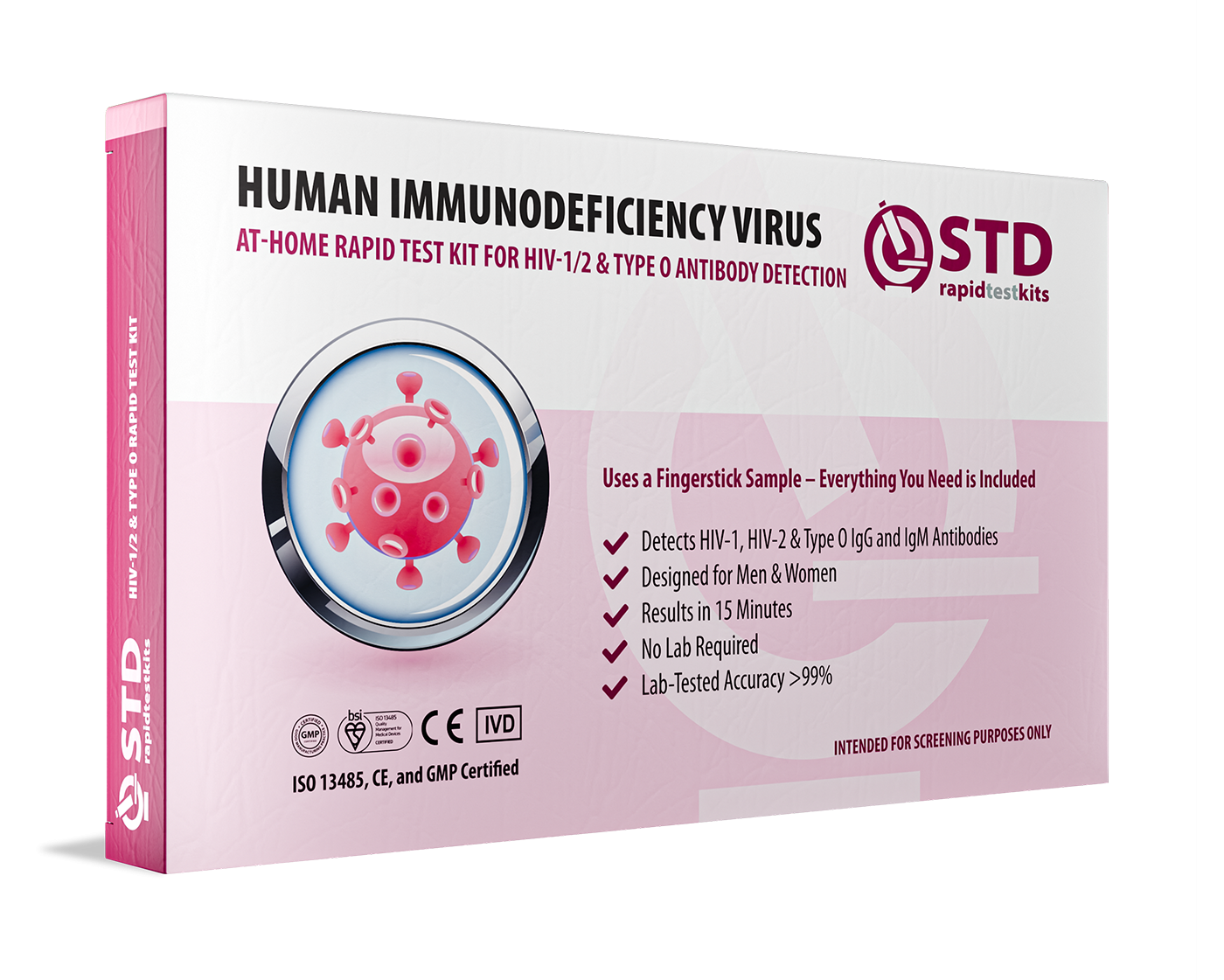
 For Men & Women
 Results in Minutes
 No Lab Needed
 Private & Discreet
Order Now $33.99 $49.00
Retesting: Why One Negative Isn’t Always the End
Negative doesn’t always mean never. Especially if you test during the early window period. HIV tests work by detecting either the virus itself (in the case of RNA or antigen tests) or your immune system’s response (antibodies). It takes time for both to reach detectable levels. That’s why a negative test at 10 days isn’t a hall pass, it’s a checkpoint.
Common Retest Scenarios
- After a recent exposure: Initial test at 2–4 weeks, retest at 6–12 weeks for confirmation
- Ongoing risk: Regular testing every 3–6 months, especially in high-risk groups
- After treatment for another STD: Some infections can increase susceptibility to HIV. Retesting ensures full awareness
- Started PrEP or PEP: Most guidelines recommend testing at start, 1 month, 3 months, and quarterly
Jaspreet, 29, had never tested before. “I thought if I didn’t have symptoms, I was good,” he said. A positive chlamydia result during a routine checkup was the wake-up call. He tested for HIV at home, negative. Retested six weeks later, still negative. “That retest let me breathe.”
If you’re not sure when to retest, or if you need to, consider your last risk, your mental load, and your timeline. Testing isn’t about guilt. It’s about clarity.
Return to STD Rapid Test Kits to find the right test for your situation. No awkward questions. Just answers.
Your Test, Your Business: Privacy Without Compromise
Let’s be honest: part of what keeps people from getting tested is the fear of being seen. Walking into a clinic can feel like announcing something you'd rather keep private. That’s why at-home tests aren’t just convenient, they’re liberating. Everything arrives in discreet packaging, no logos, no labels. It looks like a regular delivery, and no one, not your roommates, not your partner, not your mail carrier, needs to know what’s inside.
Shipping is fast, and many kits are designed for temperature stability and portability, so you can even take one with you while traveling. And when it comes to results, you're in control. You decide who sees them, how you respond, and when (or if) you want support.
What If the Result Is Positive?
First: breathe. Then read this closely, testing positive for HIV is not a death sentence, and it never has to be. Today’s treatments are so effective that people living with HIV who get on antiretroviral therapy (ART) can live long, full, healthy lives. In fact, when the virus is undetectable, it becomes untransmittable. That’s not marketing, it’s science.
If your result is positive, confirm it with a lab-based test as soon as possible. From there, you can connect with care teams who will guide you through treatment, monitoring, and partner support. Many organizations now offer telehealth services that protect your privacy while connecting you to lifesaving care.
One reader told us:
“I got my result while sitting alone in my car. I didn’t cry. I just stared at the cassette, and then I took a picture of it so I wouldn’t pretend it didn’t happen. That photo saved my life, I showed it to a doctor a week later and started treatment immediately.”
You don’t need to be fearless to take the next step. You just need to know that you’re not alone, and that treatment starts with knowing.
People are also reading: STD in Your Throat? What Oral Chlamydia Feels Like
FAQs
1. How soon after sex should I take an HIV test?
If you just had a risky encounter, give it at least 18 to 30 days before testing for the most reliable result. Can you test sooner? Sure, but early results aren’t always conclusive. Think of it like trying to get a pregnancy test result the day after sex. You might get a clue, but you’ll still want to retest when the timing’s right.
2. Does oral sex carry a real HIV risk?
Not as high as other types of sex, but yes, it's possible, especially if there are cuts, sores, or gum issues involved. A quickie doesn’t equal zero risk. If you’re not sure what was exchanged (fluids, vibes, regrets), it doesn’t hurt to test.
3. Are at-home HIV tests actually legit?
Absolutely. The good ones, like the ones we offer, are FDA-approved and seriously accurate when used at the right time. Blood-based fingerstick tests tend to be the most sensitive. Oral swabs are solid, but you need to wait a little longer post-exposure to trust the result.
4. What does it mean if the test line is super faint?
A faint line can still mean a positive. It doesn’t have to be bold and screaming red. If you’re squinting and wondering if you’re seeing things, don’t ignore it. Snap a pic, retest, or get a lab confirmation. Better safe than spiraling.
5. Can I test while I’m on PrEP or PEP?
Yes, and you should. In fact, regular testing is part of responsible PrEP and PEP use. Most people on PrEP get tested every three months. It's not just protocol, it’s peace of mind.
6. Is it okay to test more than once?
Not only is it okay, it's smart. Testing isn’t a one-and-done thing if you’re sexually active or in a new relationship. Think of it like dental cleanings, you don’t do it once and say “Well, I’m good forever.”
7. Will anyone find out if I test at home?
Nope. Not unless you decide to tell someone. Your order comes in plain packaging, your name isn’t blasted anywhere, and your results stay with you. It’s privacy baked in, no awkward pharmacy lines, no clinic waiting rooms, no judgment.
8. What’s the difference between HIV antibodies and antigens anyway?
Quick breakdown: antigens show up early, they're pieces of the virus. Antibodies are your immune system's response, which takes longer to build. Fourth-gen lab tests look for both. Most at-home kits are antibody-based, so timing matters more.
9. I tested negative. Can I stop worrying?
Depends on when you tested. If it's been 6+ weeks since your last exposure and you used a high-quality test, you're probably in the clear. If you tested early, keep an eye on timing and plan a follow-up. Worry fades when you know you didn’t just guess, you tested right.
10. Do I need to tell my partner if I test positive?
This one’s tough but important. If you’re in a sexual relationship, yes, your partner deserves to know. And if that sounds terrifying, don’t go it alone. There are anonymous partner notification services and scripts that make it less awkward and more human. We’ve all been there (or close to it).
Now That You Know, Here's What Comes Next
Whether your exposure happened yesterday or last year, whether it was a one-time mistake or something you’ve avoided dealing with for too long, this is your moment. Knowing your HIV status is not just an act of protection. It’s an act of power. No shame, no judgment, just truth, and the freedom to act on it.
If you’re ready, this combo test kit checks for HIV along with other common STDs discreetly and accurately. Results in minutes. No lab, no waiting room.
How We Sourced This Article: We combined current guidance from leading medical organizations with peer-reviewed research and lived-experience reporting to make this guide practical, compassionate, and accurate. In total, around fifteen references informed the writing; below, we’ve highlighted some of the most relevant and reader-friendly sources.
Sources
1. AVERT – HIV and AIDS in Malaysia
2. World Health Organization – HIV/AIDS Fact Sheet
4. HIV Testing in the United States: Trends & Statistics | KFF
5. The Rise of Home HIV Testing and Its Future Market Role | Medical Device Network
About the Author
Dr. F. David, MD is a board-certified infectious disease specialist focused on STI prevention, diagnosis, and treatment. He blends clinical precision with a no-nonsense, sex-positive approach and is committed to expanding access for readers in both urban and off-grid settings.
Reviewed by: Dr. Alexis M. Kerr, MPH | Last medically reviewed: November 2025
This article is for informational purposes and does not replace medical advice.


