






Quick Answer: Untreated STDs can cause infertility, organ damage, chronic pain, and increased HIV risk, even if you have no symptoms. Most are treatable, but only if you test and act early.
“I Thought It Would Go Away on Its Own”
Sofia, 24, first noticed a change in her vaginal discharge about two weeks after a new hookup. She brushed it off as stress or maybe yeast. She didn’t feel sick. She wasn’t in pain. But within two months, she was doubled over from pelvic cramps and in the ER with a diagnosis of pelvic inflammatory disease (PID), a complication from untreated chlamydia.
"I didn't even know I had chlamydia. I had no idea something that mild could mess up my body like this."
Chlamydia is one of the most common STDs in the world, and up to 70% of women show no symptoms. But when it sits in the body untreated, it can travel upward into the uterus and fallopian tubes, causing inflammation, scarring, and in some cases, permanent infertility. And it’s not just chlamydia. Gonorrhea, trichomoniasis, and even herpes can stay dormant, giving people a false sense of safety.
This isn’t rare. Millions of people delay testing because symptoms are vague or absent. But untreated infections don’t pause, they progress.
The Real Risks of Not Treating an STD
Most untreated STDs don’t kill you fast. That’s the trap. Because symptoms can be subtle or come and go, it’s easy to rationalize the delay. But the longer you wait, the more likely the infection is to cause irreversible damage.
| STD | When Left Untreated | Long-Term Consequences |
|---|---|---|
| Chlamydia | Can stay asymptomatic for months | PID, ectopic pregnancy, infertility, chronic pelvic pain |
| Gonorrhea | Symptoms may fade or be mild | Scarring, infertility, bloodstream infections, arthritis |
| Syphilis | Can go silent for years | Brain, nerve, heart damage; late-stage organ failure |
| Herpes (HSV-2) | Can remain dormant between outbreaks | More frequent outbreaks, neonatal transmission risk |
| HIV | May present as mild flu-like illness early on | Immune system damage, AIDS, opportunistic infections |
Table 1. Common untreated STDs and their long-term consequences.
Most of these infections are treatable, some curable, when caught early. But treatment isn’t retroactive. Once damage is done to reproductive organs, joints, or nerves, you can’t always reverse it.
People are also reading: The Honeymoon Isn’t the Time to Find Out: Get Tested First
The “No Symptoms” Trap: Why People Wait
There’s a dangerous myth that if an STD doesn’t hurt, it isn’t real. But up to 80% of people with trichomoniasis have zero symptoms. HPV can silently cause cervical changes long before showing up in a routine exam. And even HIV often starts with a mild fever and fatigue that’s easy to dismiss.
Consider Marcus, 31, who noticed a faint sore on his penis after a night out but had no pain. He figured it was a shaving nick. Over a year later, a new partner asked him to get tested, and he found out he had tested positive for syphilis. Early syphilis is highly treatable, but untreated, it can go latent and eventually affect the brain and heart.
“I wish someone had told me a sore without pain could be serious,” Marcus said. “I just didn’t know.”
Testing shouldn’t wait for symptoms. The damage often starts before you feel it.
Can Your Body Fight Off an STD on Its Own?
It’s a fair question, and a common one. The truth is: some people do clear certain infections naturally. HPV, for example, often resolves within two years. But others, like chlamydia, gonorrhea, and HIV, won’t go away without treatment. And waiting it out can allow the infection to spread to others, or dig deeper into your body, making treatment more complicated later.
Herpes can lie dormant but remains in your system indefinitely. Syphilis may appear to resolve, only to come back years later with neurological complications. And while the body may reduce viral load in certain infections, that doesn’t mean you’re not contagious.
The only way to know what your body’s dealing with is to get tested. Assumptions don’t count as protection.
Check Your STD Status in Minutes
Test at Home with Remedium3-in-1 STD Test Kit
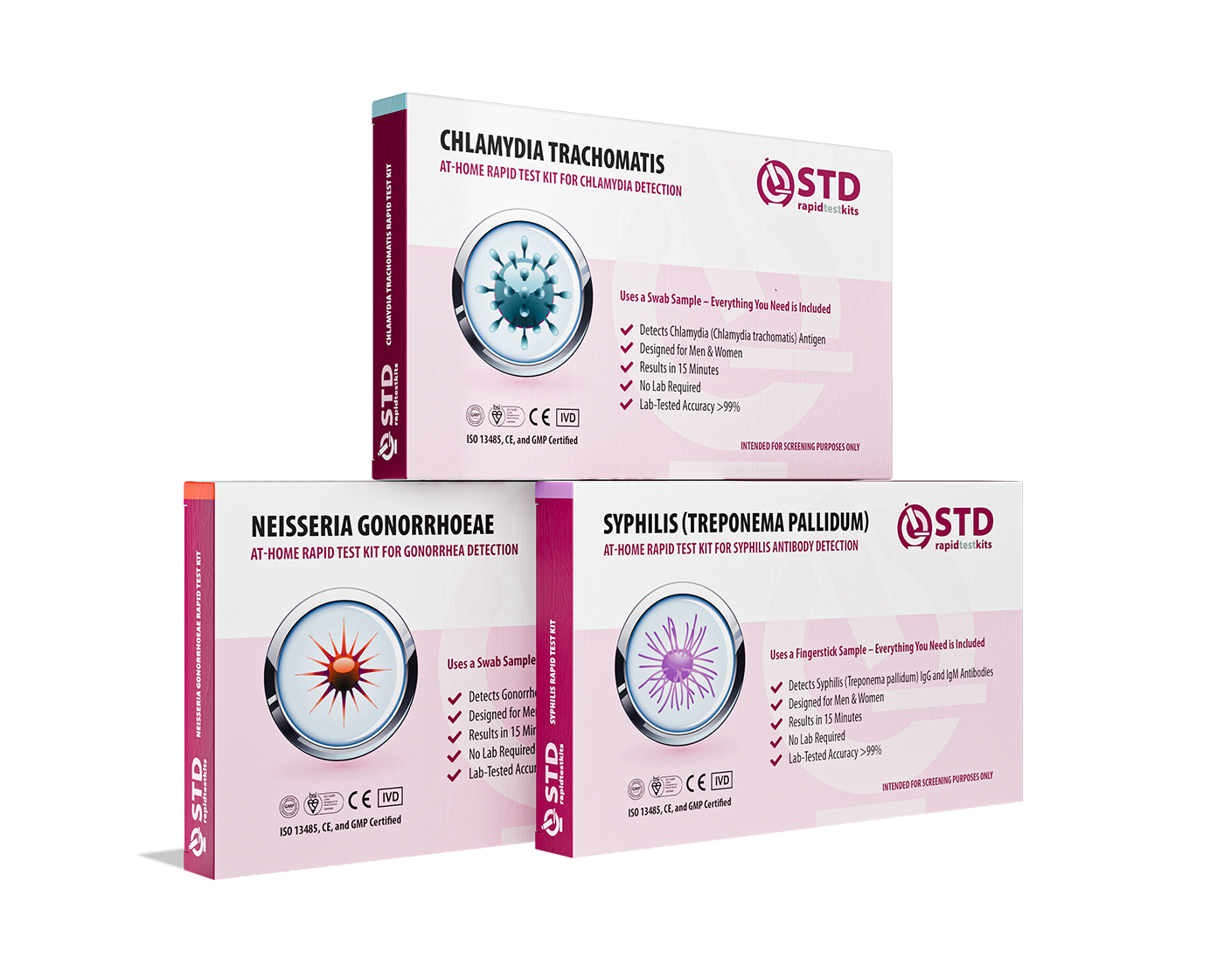
 For Men & Women
 Results in Minutes
 No Lab Needed
 Private & Discreet
Order Now $69.00 $147.00
For all 3 tests
When STDs Affect Fertility, and You Didn’t Know
Nadia and Chris had been trying for a baby for over a year. Her cycles were regular, their timing was on point, and both were otherwise healthy. But a routine fertility workup changed everything: Nadia had signs of old pelvic scarring and blocked fallopian tubes. Tests later revealed past exposure to untreated chlamydia.
“I never had any symptoms,” she later told her doctor. “No burning, no discharge. Nothing. I had no idea I was ever infected.”
Chlamydia and gonorrhea are two of the leading preventable causes of infertility, especially in people with uteruses. When left untreated, they can climb silently from the cervix into the reproductive tract, triggering inflammation and scarring. This can stop eggs from getting to the uterus, which raises the risk of infertility or ectopic pregnancy, which can be fatal.
For people with testicles, untreated infections can also lead to epididymitis, inflammation of the sperm-carrying tubes, causing pain, swelling, and sometimes decreased sperm quality. But because early symptoms are so often mild or mistaken for something else, many people don’t realize the cause until years later, when fertility is suddenly in question.
STD Regret Isn’t Just Physical, It’s Emotional
Testing positive after ignoring symptoms or delaying care can stir up intense feelings: guilt, shame, anger, betrayal. This is especially true for people who thought they were in a monogamous relationship, or didn’t realize they’d been exposed at all.
Taylor, 27, found out they had genital herpes after months of confusing symptoms, rashes they blamed on leggings, sores mistaken for ingrown hairs. “I was embarrassed. Not just by the diagnosis, but by how long I pretended it wasn’t happening,” they said. “I wish I’d faced it sooner. Maybe I’d feel more in control.”
Beyond symptoms, untreated STDs can quietly erode self-esteem and relationships. When symptoms flare, partners may feel betrayed, even if no one cheated. And because stigma remains high, many people suffer alone, unsure how to talk about it or where to turn for support.
But knowing and testing give you power. You can live with many STDs, and some can be cured. Not only does treatment give you peace of mind, but it also protects your partners and helps you trust yourself again.
Spreading It Without Knowing: The Ripple Effect
STDs don't always show up right away. People can spread a lot of infections without even knowing they have them. This is especially true for HPV, herpes, and chlamydia, which can spread even when there are no visible symptoms, through skin-to-skin contact, oral sex, or both.
Case: Jared and Lena. Jared hadn’t been tested since college. He’d had a few partners before Lena, but no red flags. A few months into dating, Lena developed unusual bleeding and pain. Her OB-GYN diagnosed her with cervicitis, and a positive test for gonorrhea.
Jared was stunned. He had no symptoms. But he tested positive too. The emotional fallout was intense: trust issues, blame, hurt. And the worst part? “I didn’t know. If I had, I never would’ve let it get this far,” he told Lena.
This is how untreated STDs ripple outward, not just in bodies, but in relationships. Testing isn't just self-care; it’s community care. It’s how we protect the people we love, even when we didn’t know we needed to.
STD Timelines: How Long They Can Linger
Some STDs progress quickly. Others take years to show up, and by then, the damage is already done. Here’s a look at how long some of the most common STDs can stay in the body undetected if not tested or treated:
| STD | Can It Stay Hidden? | Max Time Before Symptoms (If Any) | What Happens If Untreated |
|---|---|---|---|
| Chlamydia | Yes, often no symptoms | Weeks to months, or never | PID, infertility, pain |
| Syphilis | Yes, latent phase can last years | 10–90 days initial, years later for late symptoms | Organ damage, neurosyphilis |
| Herpes (HSV-2) | Yes, dormant between outbreaks | 2–12 days for first outbreak; years between flares | Recurring symptoms, partner transmission risk |
| HPV | Yes, often silent | Months to years for warts or abnormal cells | Genital warts, cervical changes, cancer risk |
| HIV | Yes, often flu-like early on | 2–4 weeks initially, then years | Immune system failure, AIDS |
Table 2. How long STDs can remain undetected and the potential outcomes if untreated.
These are not just statistics, they’re lived realities for people who thought they were in the clear because nothing seemed “off.” You don’t need symptoms to be affected. And you definitely don’t need symptoms to take action.
Why People Don’t Get Tested, And What’s Changing That
The reasons vary, fear, money, shame, time, denial, but the result is the same: people delay testing, even when they suspect something might be wrong. In one CDC study, more than half of people with known exposure to an STD didn’t get tested within the first month. Many never did.
Rae, 22, was in a new city, living out of her car, and dealing with a recent sexual assault. “I didn’t want to walk into a clinic and explain my life,” she said. “I didn’t even know where to start.” Months later, she tested positive for trichomoniasis using an at-home kit she found online.
That’s the shift. Today, at-home STD testing is making it easier, safer, and less intimidating to get answers, especially for those living in rural areas, queer communities facing discrimination, or survivors navigating trauma. You can test from your bathroom, on your own time, and no one needs to know unless you choose to share.
And it’s not just convenience. Many FDA-cleared at-home tests now use lab-grade technology and are more than 95% accurate when used properly. If you’re anxious about being seen, misjudged, or dismissed, these kits offer a private way forward.
If you’ve been putting it off, you’re not alone. But you're also not stuck. STD Rapid Test Kits offers confidential, doctor-trusted kits that ship discreetly to your door. You can start here.

People are also reading: Oral Sex and Eye Infections: The Risk No One Talks About
“What If It’s Positive?”, The Question That Freezes People
This fear keeps so many people stuck. But here’s the truth: testing positive is not the end, it’s the beginning of care, clarity, and control. Whether you’re dealing with something curable like gonorrhea or something manageable like herpes, knowing your status allows you to move forward with the right plan.
Aiden, 29, tested positive for HIV during a routine screen for a new job. “It gutted me,” he said. “But the nurse walked me through everything. I started meds that same week. Two years later, my viral load is undetectable, and I’m healthy.”
For others, it’s less clinical and more relational. Telling a partner. Figuring out what to say. Realizing an ex left them with something they didn’t ask for. These moments are raw. But with the right support, they don’t have to be devastating.
Partner notification services, telehealth treatment, and anonymous script templates are more accessible than ever. You’re not in this alone. And you’re not broken. You’re just human, and now, you’re informed.
Check Your STD Status in Minutes
Test at Home with Remedium8-in-1 STD Test Kit
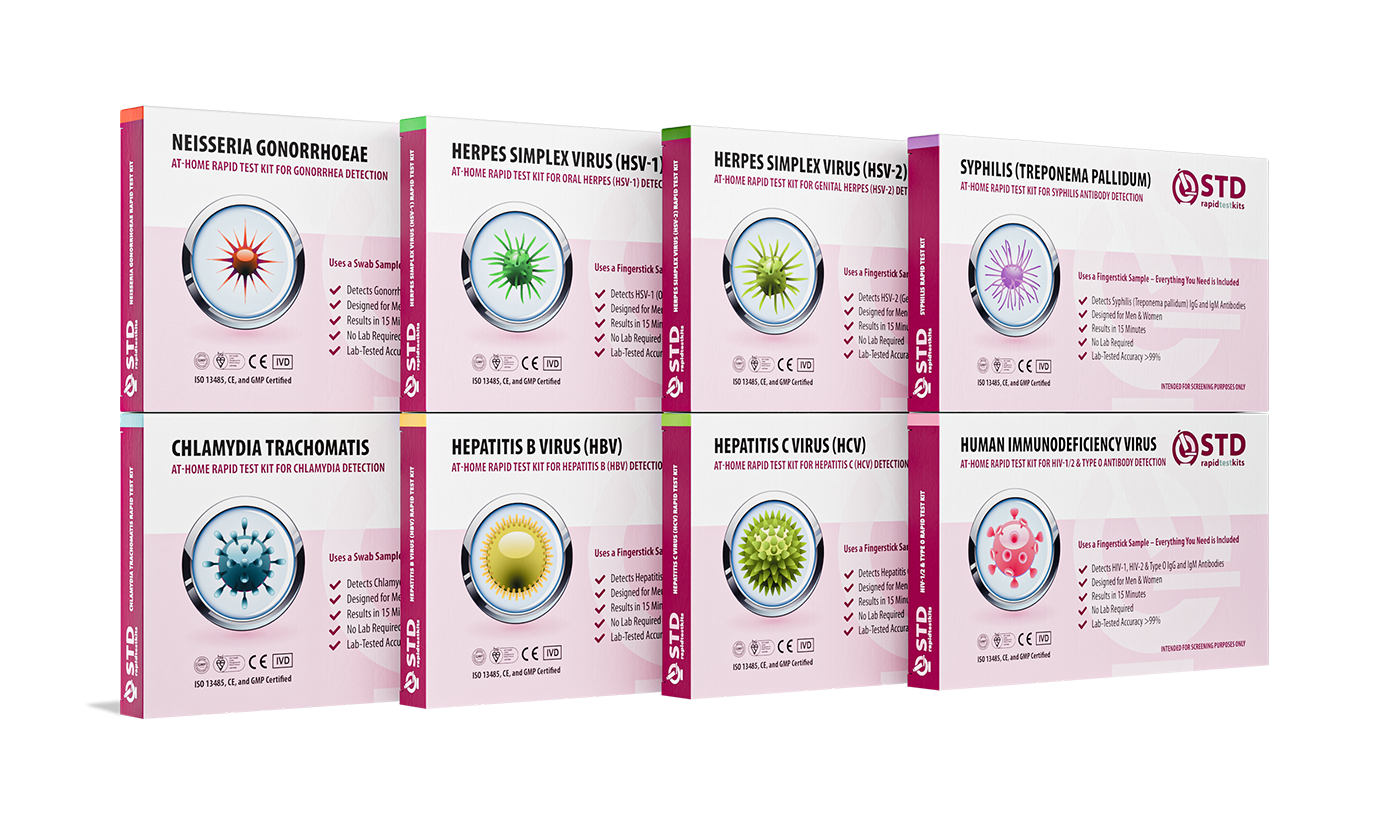 For Men & WomenResults in MinutesNo Lab NeededPrivate & Discreet
Order Now $149.00 $392.00
For all 8 tests
How Testing Works, And What You Can Expect
If you’re nervous about the process, here’s what most modern STD testing looks like:
| Test Type | Sample | What It Detects | Timing Needed | Where It Happens |
|---|---|---|---|---|
| NAAT/PCR Lab Test | Urine, vaginal/cervical swab, throat/rectal swab | Chlamydia, Gonorrhea, Trichomoniasis | 7–14 days after exposure | Clinic or mail-in test |
| Rapid Antibody/Antigen Test | Fingerstick blood or oral fluid | HIV, Syphilis, Hepatitis B/C | 2–12 weeks depending on infection | At home or clinic |
| Visual/Swab Diagnosis | Genital, anal, or oral swab | Herpes (during active outbreak) | During visible symptoms | Clinic visit usually needed |
Table 3. How common STD tests work and what they require.
The best test is the one you’ll actually take. Whether that’s at a clinic, with a mail-in kit, or using an instant rapid test, what matters is that you stop wondering and start knowing.
FAQs
1. Can you really have an STD and not know it?
Yep. Happens all the time. STDs like chlamydia, gonorrhea, and even HIV can live in your body without setting off any alarm bells. No pain, no weird smell, no rash. You feel fine, until you don’t. Or until your partner tests positive and now you’re both spiraling. This is why regular testing isn’t just for “when something feels off.” It’s for when you want to stay in control.
2. Do STDs ever go away on their own?
Only a few, and even then, it’s a gamble. Some people clear HPV naturally over time, but others develop serious complications like genital warts or cervical changes. Chlamydia? Doesn’t go away without antibiotics. Herpes? Sticks around for life, whether it flares up or not. Most of the time, waiting it out means giving the infection time to dig in deeper. Not worth the risk.
3. What’s the worst that can happen if I ignore it?
Honestly? A lot. Untreated syphilis can mess with your brain and heart. Chlamydia and gonorrhea can quietly take away your ability to have kids. HIV can progress to AIDS if it’s not caught and treated early. And emotionally, the fallout is just as real, guilt, shame, betrayal, broken trust. That “I should’ve handled this sooner” regret? It’s heavy. But totally avoidable.
4. What if my partner gave me something and didn’t know?
It happens. More often than people want to admit. Many STDs are passed unknowingly because there are no symptoms, or because people assume they’re “clean” without getting tested. It doesn’t always mean they lied or cheated. But it does mean you both need care, not blame. Testing is how you interrupt the cycle, not continue it.
5. Is herpes really that common?
Common enough that you probably know someone who has it, even if they’ve never told you. Roughly 1 in 6 adults in the U.S. has genital herpes (HSV-2), and way more have oral HSV-1. Most don’t even know it. It’s frustrating, yeah. But it’s also manageable. There’s life after herpes, trust us. Medication can reduce outbreaks and transmission risk. And you can absolutely still have a satisfying sex life.
6. How accurate are at-home STD tests?
Way more accurate than you think, if you follow the instructions and test at the right time. For example, NAAT tests (used for chlamydia, gonorrhea, etc.) are the same lab tech used in many clinics. Some rapid kits offer results in minutes; others you mail in for full lab processing. Timing matters though, test too early and you might get a false negative. But if you’re past the window period, they’re solid.
7. I’m scared to find out. What if it’s positive?
Deep breath. We get it. That fear is real. But here’s the truth: a positive result doesn’t mean your life is over. It means your life just got information. And with that comes power, power to treat it, manage it, protect your partners, and reclaim your peace of mind. It’s always better to know. Secrets, especially the ones in your bloodstream, tend to come out eventually.
8. Can I get treated without seeing a doctor in person?
In many cases, yes. Especially for common infections like chlamydia or trichomoniasis, some at-home test providers offer follow-up prescriptions through telehealth. You test, they text, you treat. That said, some cases (like active syphilis or a herpes outbreak) might still need a clinic visit. But don’t let the idea of a doctor’s office stop you, there are private, discreet, online-first options too.
9. What’s the best time to test after sex?
Depends on what you’re testing for. Most bacterial STDs like chlamydia and gonorrhea can show up in 7–14 days. HIV and syphilis take longer, often 3 weeks to a few months. If you test too soon and get a negative, don’t assume you’re in the clear. A second test later (called a “retest”) can confirm it. Think of it like double-checking your locks before bed, just in case.
10. Is it too late if I’ve waited months (or years)?
Never too late. You can’t undo the past, but you can change what happens next. Even if you’ve had something quietly sitting in your system for a while, getting tested now opens the door to treatment, healing, and protection. You deserve that chance, and so do the people who care about you.
You Deserve Answers, Not Assumptions
If you’ve been delaying a test, telling yourself you’d “wait and see,” this is your moment to choose clarity. Most STDs are treatable. Some are curable. But none of them wait patiently while you decide. They keep going, even if you don’t feel them yet.
Peace of mind, protection, and prevention start with a test. Whether you want to stop the guessing, protect your partner, or just get your life back, there’s a discreet, private way to do it. This at-home combo test kit checks for the most common STDs discreetly and quickly.
How We Sourced This Article: We combined current guidance from leading medical organizations with peer-reviewed research and lived-experience reporting to make this guide practical, compassionate, and accurate.
Sources
1. About Sexually Transmitted Infections | CDC
2. Sexually Transmitted Infections - StatPearls
4. Sexually Transmitted Infections (PubMed)
6. Sexually Transmitted Diseases (STDs)| Mayo Clinic
7. Diagnosis & Treatment of STDs | Mayo Clinic
About the Author
Dr. F. David, MD is a board-certified infectious disease specialist focused on STI prevention, diagnosis, and treatment. He blends clinical precision with a no-nonsense, sex-positive approach and is committed to expanding access for readers in both urban and off-grid settings.
Reviewed by: Lauren J. Miles, NP-C | Last medically reviewed: November 2025
This article is only meant to give you information and is not a substitute for medical advice.


