







Quick Answer: Several countries have now reported >5% resistance to ceftriaxone in gonorrhea samples, signaling that first-line treatment may no longer be effective in all cases. This marks a global health warning with major implications for STD testing, travel, and partner safety.
The 5% Line: What It Means, and Why It’s Serious
The World Health Organization doesn’t draw red lines lightly. When it comes to antibiotic resistance, their 5% threshold is the moment at which a treatment is considered unreliable for public health planning. That’s because 1 out of 20 people walking into a clinic with gonorrhea might walk out without a real cure, even if they got the “right” drug. And when you factor in travel, sex work, hookup apps, and healthcare access gaps, that 5% becomes the spark that can ignite regional spread.
Most people think of STDs as uncomfortable but fixable. But resistance flips that script. It means the treatment you counted on might not work. And until recently, ceftriaxone, an injectable third-generation cephalosporin, was our global go-to. Now, resistance is no longer theoretical. Countries are reporting case clusters that don’t respond. And it’s not just the strain, it’s the system. Labs aren’t always equipped to detect resistance. Surveillance is spotty. And treatment guidelines can lag months behind real-time mutations.
Which Countries Are Seeing Resistance Above 5%?
If you’re wondering where this resistance line has been crossed, here’s what recent global data suggests. Countries like Thailand, Vietnam, China, and parts of India are showing pockets of resistance that exceed the 5% threshold. These aren’t isolated incidents, they’re population-level trends. In some subpopulations, such as men who have sex with men (MSM) in urban centers, the resistance rate may be even higher.
In Europe, scattered clusters in the UK, France, and Spain have shown concerning resistance rates, often among international travelers. The U.S. CDC has confirmed a handful of cases of high-level resistance in the past two years, but what's alarming is the upward trajectory. We're not just seeing one-off cases, we're seeing a slow shift in the effectiveness baseline.
| Country/Region | Resistance Level to Ceftriaxone | Year Reported | Notes |
|---|---|---|---|
| Thailand | 6–9% | 2024 | High rates in urban MSM networks |
| Vietnam | 5.3% | 2023 | Linked to cross-border transmission |
| China | 5–7% | 2024 | Spreading among travelers and sex workers |
| UK | 4.8–5.2% | 2025 | Mostly in London and Manchester clusters |
| India (urban clinics) | 5.5% | 2025 | Resistance confirmed in metro centers |
Table 1. Countries with reported resistance levels near or above the 5% WHO threshold for ceftriaxone-resistant gonorrhea.

People are also reading: STD Testing Before Marriage in Different Cultures
Real People, Real Stakes: When Treatment Fails
Let’s go back to Mark. After the first dose of ceftriaxone, he felt slightly better, but the burning returned. The doctor suggested it was a new infection. But Mark had used protection with his only recent partner. A second test confirmed gonorrhea again. This time, it was resistant to ceftriaxone. He was prescribed a combination therapy involving gentamicin and azithromycin. Side effects were brutal. His partner tested negative, but the emotional fallout lingered far longer than the symptoms.
This is the part we don’t talk about enough. The stigma, the misdiagnosis, the long days of waiting between symptoms and solutions. For people with resistant gonorrhea, it’s not just about surviving the infection, it’s about surviving the anxiety spiral. What if I gave this to someone? What if there’s nothing left to treat me?
And for women and people with uteruses, resistant gonorrhea brings additional risks: pelvic inflammatory disease, fertility issues, ectopic pregnancy, all from a bacterium we used to cure with one shot.
Check Your STD Status in Minutes
Test at Home with RemediumGonorrhea Test Kit
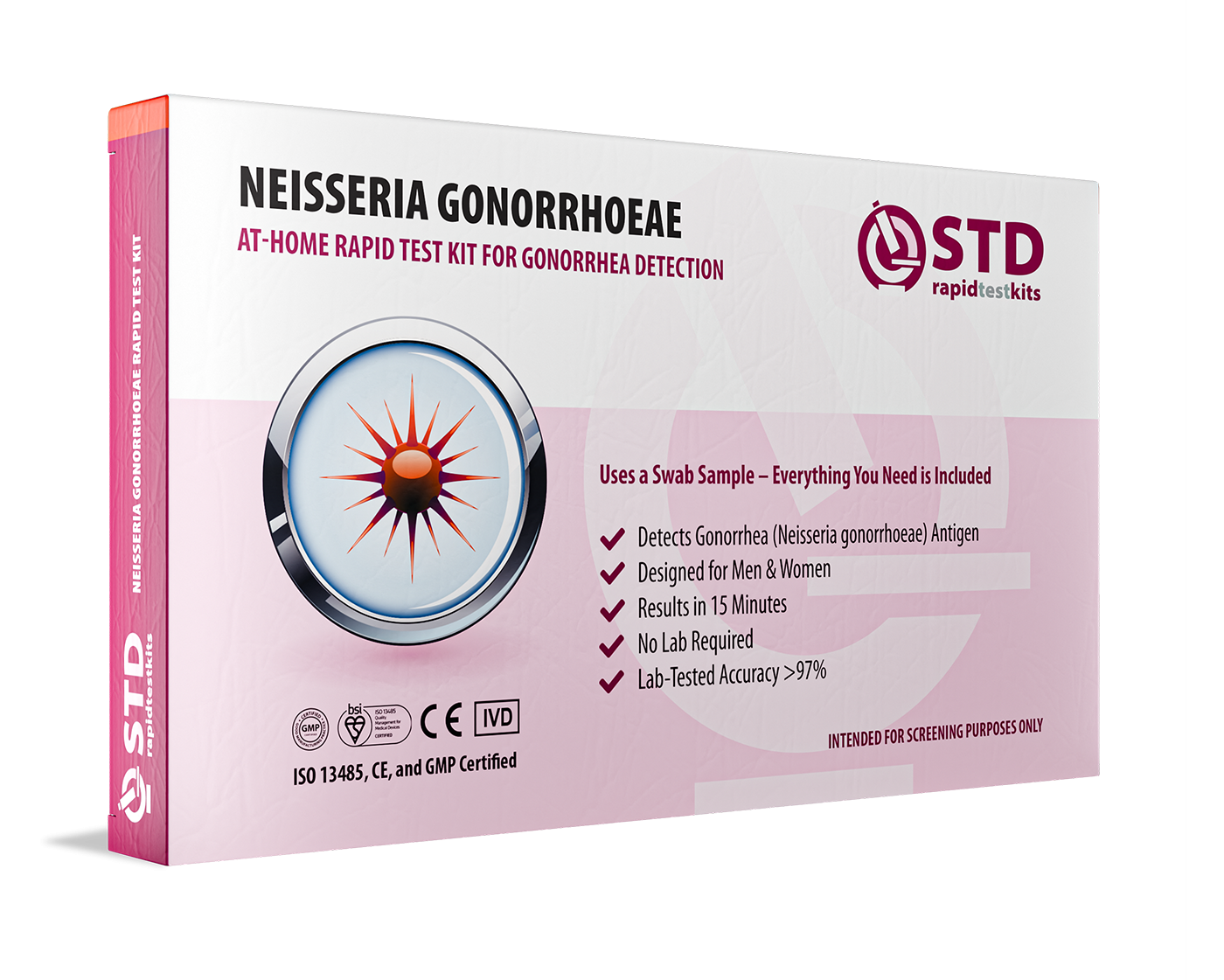
 For Men & Women
 Results in Minutes
 No Lab Needed
 Private & Discreet
Order Now $33.99 $49.00
Testing for Resistant Gonorrhea: What’s Changing
One of the most frustrating aspects of antibiotic-resistant gonorrhea is that most people don’t know they’re dealing with a resistant strain until standard treatment fails. That’s because most clinics still use the same test for detection, not resistance profiling. Nucleic acid amplification tests (NAATs), which are the most common method, can confirm the presence of gonorrhea with high accuracy, but they don’t tell you if it’s the kind that will laugh in the face of ceftriaxone.
Some advanced public health labs use culture-based testing to check antibiotic susceptibility, but this process is slower, less accessible, and not available in most private clinics or pharmacies. That leaves a major gap between diagnosis and treatment success, especially for travelers, queer communities, and those who rely on rapid testing without follow-up options.
If you’re relying on an at-home STD test kit, the test will tell you if you have gonorrhea, but not if it’s resistant. That’s still valuable. Knowing is half the battle. But if symptoms persist after standard treatment, it's time to re-test, switch antibiotics, and possibly notify sexual partners that the usual cure didn’t work.
| Testing Type | Detects Gonorrhea | Detects Resistance | Typical Setting |
|---|---|---|---|
| NAAT (Nucleic Acid Amplification Test) | Yes | No | Home kits, clinics, telehealth |
| Culture + Sensitivity Testing | Yes | Yes | Hospital labs, public health depts |
| Rapid Lateral Flow Tests | Yes | No | At-home rapid kits |
Table 2. Common gonorrhea testing methods and whether they can identify resistant strains.
How Resistance Spreads: Hookups, Borders, and Blind Spots
This isn’t about shame. It’s about systems. Resistant strains spread because of missed diagnoses, incomplete treatments, and, most of all, mobility. International travel, global sex work economies, cruise ships, festivals, and even casual hookups in new cities all play a role. It only takes one resistant strain to be passed on, undetected, to start a local chain.
A group of men who went to a multi-national pride event in 2024 were found to have ceftriaxone-resistant gonorrhea. No one did anything "wrong," but the bacteria didn't care. Some people had been tested before they left and felt sure. Some people thought the symptoms would go away on their own. That's the time between getting sick and getting treated again that resistant strains love.
And here’s the kicker: many resistant cases are asymptomatic. That means they spread quietly. People unknowingly pass the infection to partners who assume they’re safe, and when treatment fails, those partners may still not connect the dots unless they re-test.
What to Do If You’re In or From a High-Resistance Area
If you're living in, or recently visited, a country where resistance levels are rising, there are a few proactive steps that can protect your health and your peace of mind. First, know that testing is still valuable. Even if it doesn’t flag resistance, it tells you whether or not you’re carrying the infection. From there, you can take action based on your symptoms and risk factors.
Let’s say you got tested while traveling, got treated, but your symptoms didn’t fully go away. That’s a red flag, don’t wait. Re-test with a different kit or see a provider who can access sensitivity testing. And if you’re sexually active with new partners in a high-resistance zone, it’s reasonable to assume standard treatment may not work the way it used to. That doesn’t mean panic. It means planning: test, treat, recheck. Communicate openly. Assume complexity, not failure.
If your head’s spinning, peace of mind is one test away. This discreet combo test kit screens for multiple common STDs, including gonorrhea, from home, with results in minutes.
Alternatives to Ceftriaxone: Are They Effective?
There is no perfect replacement for ceftriaxone. That’s why resistance is so concerning. But there are combination regimens that can still work, at least for now. Depending on your country and provider, you may be prescribed a mix of gentamicin and azithromycin, or even spectinomycin in rare cases. Each has its own set of problems, such as more side effects, less tolerability, longer courses, and, in some places, limited availability.
Some studies are exploring new-generation antibiotics and oral options that may target resistant strains without injections. But they’re still in development or awaiting wider approval. For now, combination therapy remains the next step when ceftriaxone doesn’t work. And that decision often depends on whether your provider even suspects resistance. That’s why transparency, symptom tracking, and partner conversations matter more than ever.
If you’ve been treated for gonorrhea and still feel off, burning, discharge, sore throat, swollen glands, or joint pain, don’t assume it’s a new infection. It might be the same one, still holding on. Test again. Push for answers.
When Retesting Is Critical: Timing, Symptoms, and Gut Instinct
There’s a very real temptation to trust a negative result, especially when it follows a treatment. But here’s what the research, and lived experience, tells us: false reassurance is common when testing too early or using tests not designed to detect resistant strains.
Take Janelle, 32. She tested positive for gonorrhea in Manila and got treated at a local clinic. No cultures, no resistance profiling, just the standard ceftriaxone shot. Back home in Toronto, her symptoms came back. The discharge wasn’t as obvious, but the pelvic pain was worse. Her follow-up test showed she was still positive. She’d unknowingly carried the same infection for almost a month. The emotional whiplash was harder to treat than the infection.
Retesting makes sense if:
You were treated outside your country. You received a single-drug regimen. You still have symptoms 7–14 days post-treatment. Or your partner was symptomatic but never tested. These are all situations where the bacterial strain could have outsmarted the cure. And the only way to know for sure is to look again.
Experts recommend waiting at least 7 days post-treatment before retesting with NAAT, and ideally 14+ days if using a rapid test kit. Testing too soon could still show dead bacterial fragments, giving a false positive. But waiting too long could lead to complications or reinfection. It’s a fine line, and one that has to be walked with both urgency and calm.
If your last test was weeks ago and your gut says something isn’t right, it’s not paranoia. It’s protection.

People are aslo reading: I Thought It Was a UTI, Turns Out I Caught Gonorrhea Abroad
How to Talk to Partners When Resistance Is Involved
No one wants to be the messenger of bad news. But when gonorrhea doesn’t respond to standard treatment, you’re not just looking out for yourself, you’re potentially protecting others from a more difficult fight.
Start with what’s true: “I tested positive, got treated, but the symptoms didn’t go away. My provider thinks it might be a resistant strain.” Keep it simple. You don’t need to explain the pharmacology. What matters is transparency and urgency. Encourage them to test, even if they feel fine. Especially if they feel fine. Silent carriers are part of how this spreads.
Anonymous notification services exist if a direct message feels too risky or triggering. And if you're unsure how to phrase it, scripts from public health resources can help. The point is not to blame. It’s to break the chain. Because what we don't say travels just as far as what we do.
At-home tests can be part of this communication strategy. If your partner is reluctant to visit a clinic, offer a safe, private solution. You can even send them a Chlamydia and Gonorrhea rapid test kit to ease the barrier. The goal isn’t perfection. It’s prevention, together.
Check Your STD Status in Minutes
Test at Home with Remedium6-in-1 STD Test Kit
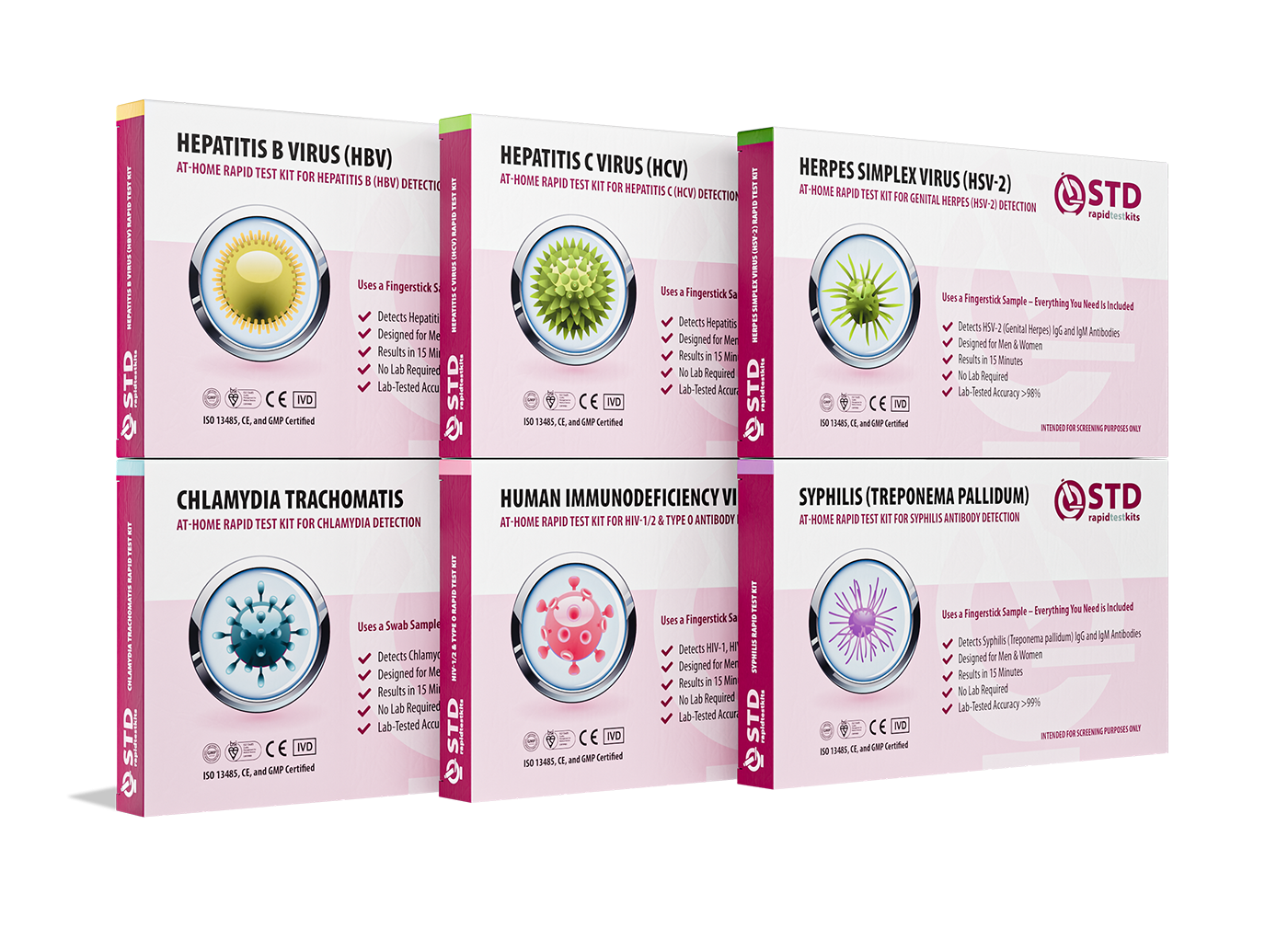 For Men & WomenResults in MinutesNo Lab NeededPrivate & Discreet
Order Now $119.00 $294.00
For all 6 tests
Why This Resistance Crisis Feels So Different
We’ve dealt with antibiotic resistance before, tuberculosis, MRSA, even E. coli in food. But gonorrhea hits different. It spreads silently. It affects people in their 20s and 30s, people who often assume they're “healthy enough.” And most of all, it lives in the shadows of sexual shame. That shame is why people wait. That wait is how resistance wins.
Unlike most bacterial infections, gonorrhea doesn’t just target the body. It strikes at the core of intimacy. The fear of passing something on. The panic of not knowing if you’re clean. The ache of mistrust after disclosure. These are not side effects. They’re core parts of the illness experience.
In 2025, this is what “the last line of defense” looks like: a 29-year-old guy in an urban urgent care, a 32-year-old woman staring at her second positive result, and a whole lot of people wondering if their hookup from a week ago could have changed everything. That’s not abstract. That’s now.
And that’s exactly why we keep testing, keep talking, and keep pushing for better surveillance. The enemy isn’t sex. It’s silence.
FAQs
1. Is it true gonorrhea might stop responding to antibiotics?
Unfortunately, yes, and in some places, it already has. The usual “one-and-done” shot doesn’t always work anymore, especially in parts of Asia and Europe. Think of it like a bug that’s memorized your playbook. It’s not invincible, but it’s definitely getting smarter.
2. How would I know if I caught a resistant strain?
The big clue? You got treated, but you’re still dealing with symptoms, burning, discharge, sore throat, or just a weird feeling in your body that won’t quit. Some people feel better for a few days, then everything flares back up. That’s a major red flag, and it means retesting isn’t optional, it’s survival.
3. What does resistant gonorrhea actually feel like?
It feels like gonorrhea, with a twist. You might notice the same symptoms, pain when peeing, irritation, or rectal discomfort, but what makes it different is that those symptoms don't go away after treatment. Imagine thinking you put the fire out, only to find out it’s still smoldering.
4. Can I test for resistance at home?
Nope, not yet. At-home kits can tell you if you have gonorrhea, but they can’t tell you if the strain is laughing at ceftriaxone. That requires a lab culture, which is basically the bacterial version of a showdown. Most clinics don't even run them unless you push for it or symptoms come back.
5. What should I do if I was treated abroad?
If you got treated while traveling and your symptoms are still hanging around, or even acting sneaky and subtle, it’s smart to retest once you're back home. Some regions use outdated antibiotics or miss resistance entirely. Your body deserves better than a maybe.
6. Can I still have sex if I think the treatment didn’t work?
Look, we’re all about pleasure and connection, but if there’s even a whisper of lingering infection, it’s best to pause. Not forever. Just until you’ve tested again and gotten the all-clear. Otherwise, you risk passing on a tougher fight to someone else.
7. What do I say to a partner if I tested positive, then again?
Be honest, not apologetic. Something like: “I got treated but the symptoms didn’t go away. Turns out it might be a resistant strain. I wanted you to know so you can check too.” That’s care, not blame. And if you need to say it anonymously, there are tools to help you do that safely.
8. How often should I get tested if I’m traveling or dating casually?
If you’re hopping borders or hooking up without long-term exclusivity, aim for every 3–6 months, or sooner if anything feels off. Don’t wait for a raging symptom. Sometimes the only sign is your gut telling you to double-check.
9. Is resistant gonorrhea permanent?
No. It’s not forever, but it’s tougher. You may need second-line antibiotics or a combo treatment. The sooner you catch it, the easier it is to knock out. Delay makes it messier.
10. Where can I get tested without dealing with awkward clinics?
Right here: STD Rapid Test Kits. You can test at home in minutes, with no waiting room, no side-eyes, and no paperwork trail. It’s privacy that actually feels private.
You Deserve Answers, Not Assumptions
The world of STDs is shifting. What once responded to a single dose may now require layered treatment plans, stronger communication, and sharper awareness. But you don’t need to be a doctor to stay safe. You just need honest answers, timely testing, and a refusal to let fear or shame delay your care.
If you’ve had a recent exposure, if your symptoms aren’t going away, or if you’re traveling in a high-risk region, don’t guess. This at-home combo test kit helps you screen for the most common STDs, including gonorrhea, without the clinic wait or awkward questions. Private. Fast. Doctor-trusted.
How We Sourced This Article: We combined current guidance from leading medical organizations with peer-reviewed research and lived-experience reporting to make this guide practical, compassionate, and accurate.
Sources
1. WHO – Antibiotic Resistance Fact Sheet
2. Multi‑Drug Resistant Gonorrhoea – World Health Organization
3. Drug‑Resistant Gonorrhea – U.S. Centers for Disease Control and Prevention
4. Ceftriaxone‑Resistant Gonorrhea — China, 2022 (MMWR) – CDC
5. Surge in Ceftriaxone‑Resistant Neisseria gonorrhoeae – Emerging Infectious Diseases
6. Antimicrobial Resistance in Gonorrhoea: Rising threat to treatment efficacy – ECDC
About the Author
Dr. F. David, MD is a board-certified infectious disease specialist focused on STI prevention, diagnosis, and treatment. He blends clinical precision with a no-nonsense, sex-positive approach and is committed to expanding access for readers in both urban and off-grid settings.
Reviewed by: T. Khan, MPH | Last medically reviewed: November 2025
This article is only meant to give you information and is not a substitute for medical advice.


