






Quick Answer: You can test for chlamydia and gonorrhea at home using discreet kits that detect the infection through urine or swab samples. The best time to test is 7 to 14 days after potential exposure.
Why This Article Might Be Exactly What You Need
If you’ve delayed getting tested because of fear, shame, cost, or just not knowing where to start, this article is built for you. Maybe you’ve had a new partner and didn’t use a condom. Maybe something feels off and you’re scared it’s in your head. Or maybe you’ve been burned by judgment at a clinic before and swore you’d never go back. Whether you’re queer, closeted, married, poly, or just quietly scared, the truth is simple: you deserve answers, and options.
At-home STD testing is changing the game. It’s private. It’s often more affordable than people think. And it’s giving people power over their health without making them navigate waiting rooms or explain their sex life to strangers. In this guide, you’ll learn what tests work from home, how to take them, what your results actually mean, and how to move forward, without shame, even if the result is positive.
What Counts as an STD Test (And Which Ones Work From Home)
The gold standard for diagnosing chlamydia and gonorrhea is called a NAAT test, short for nucleic acid amplification test. It sounds technical, but here’s what it means: this test looks for the bacteria’s genetic material, not just antibodies or visible symptoms. That makes it highly accurate, even if you don’t have any discharge, pain, or visible signs.
At-home kits use the same science. Most test kits will ask you to collect a urine sample or use a vaginal or rectal swab, depending on your anatomy and exposure. You then either insert that sample directly into a test cassette (rapid version) or mail it to a certified lab (lab-based version). Within minutes, or days, you’ll have answers.
Some people worry that at-home tests aren’t “real” or that they won’t be taken seriously. But according to the CDC, NAAT-based home kits are both accurate and acceptable, especially when collected properly. Just make sure the test is FDA-approved or CLIA-certified. If you're not sure where to start, you can explore options on the STD Rapid Test Kits homepage or go directly to a test product like the chlamydia rapid test kit.
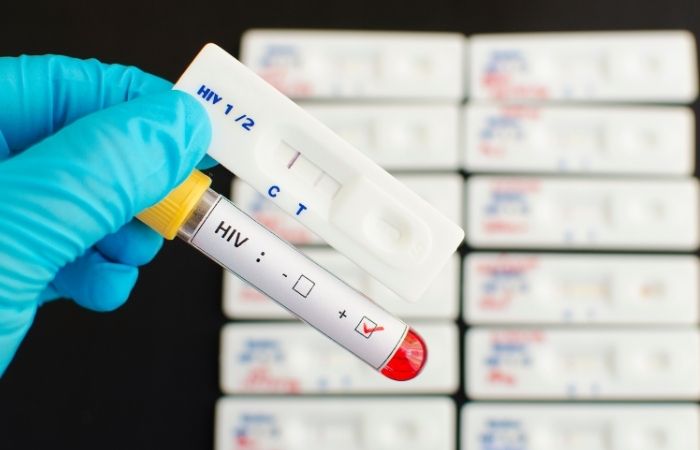
People are also reading: What It Feels Like to Get Tested for HIV for the First Time
When Is the Best Time to Test After Sex?
Timing becomes critical at this point. The morning after unprotected sex, you may feel fine or extremely afraid. The problem is that even the most sensitive tests take some time to identify infections. This is because in order for the test to detect the bacteria, your body must accumulate enough of it.
For chlamydia and gonorrhea, the best window to test is usually between 7 and 14 days after a possible exposure. Testing earlier than that might give you a false negative. But if you’re experiencing symptoms, or if there’s a possibility of severe exposure (like sexual assault), testing sooner, with a plan to retest later, is valid and important.
Here’s a breakdown to make sense of it:
| Infection | Test Type | Earliest Detection | Optimal Testing Window | Sample Type |
|---|---|---|---|---|
| Chlamydia | NAAT (lab or rapid) | 5–7 days | 7–14 days | Urine or swab |
| Gonorrhea | NAAT (lab or rapid) | 5–7 days | 7–14 days | Urine or swab |
Figure 1. Testing windows for chlamydia and gonorrhea. Testing too early may lead to false negatives. Retesting after 2 weeks ensures reliability.
If you’re thinking, “But I already tested at 3 days,” you’re not alone. Many people test right away out of panic, which is understandable. But just know: one negative test isn’t always final. Retesting later gives peace of mind and stronger clarity.
Check Your STD Status in Minutes
Test at Home with RemediumChlamydia & Gonorrhea Test
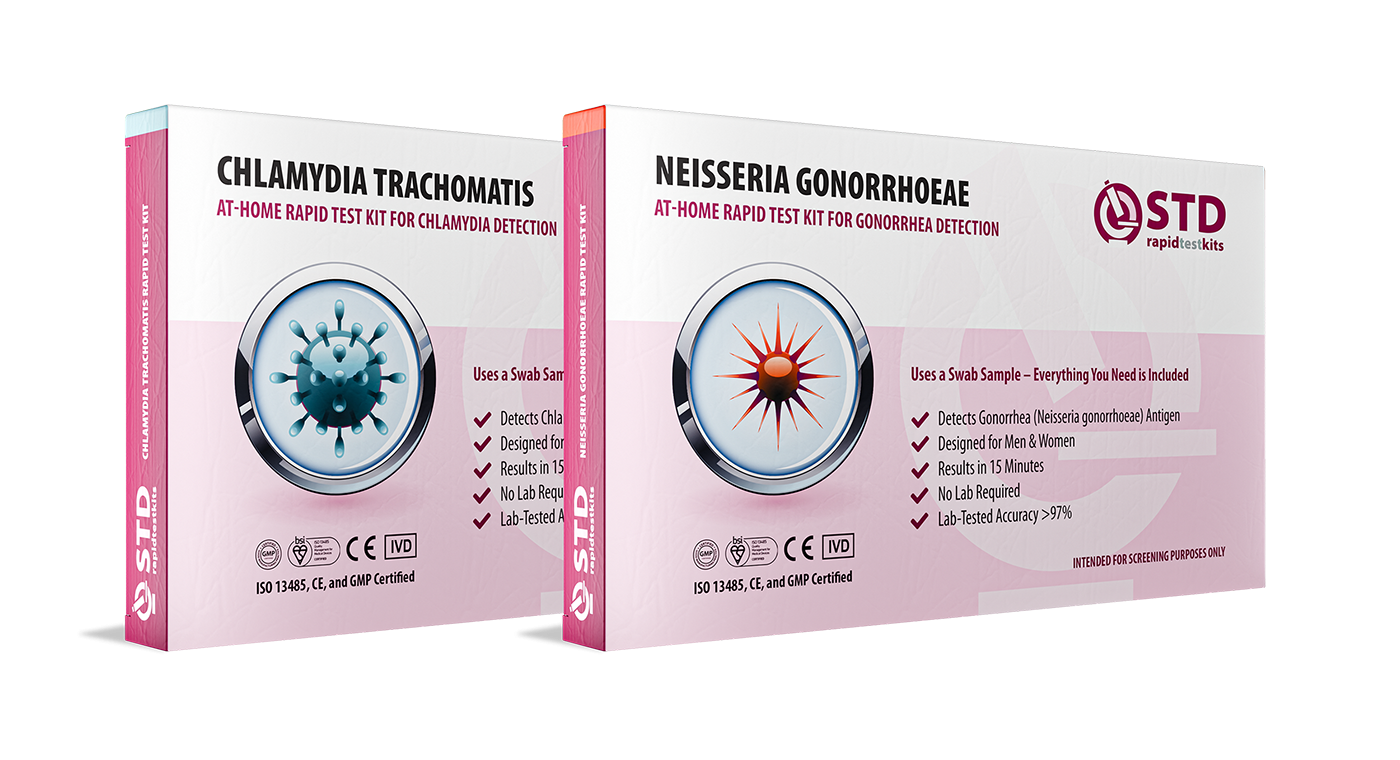
 For Men & Women
 Results in Minutes
 No Lab Needed
 Private & Discreet
Order Now $49.00 $98.00
For all 2 tests
Rapid Tests, Mail-In Kits, and Clinic Visits: What’s the Difference?
Let’s say you’re ready to test. You’ve got that tight feeling in your chest, your phone in your hand, and a few tabs open. But now comes the big question: which type of test should you actually choose?
This is where a lot of people freeze. You’ve got rapid test kits promising results in minutes. Mail-in kits offering lab-grade results without leaving home. And of course, traditional clinic testing, which can feel either reassuring or terrifying, depending on your history. The truth? All of these options have value, depending on your needs.
To make the choice easier, here’s a comparison grounded in real experience, not just marketing:
| Test Type | Speed | Privacy | Accuracy | Best For |
|---|---|---|---|---|
| At-Home Rapid Test | 15–20 minutes | Very High | Moderate to High | Quick answers, travel, anxiety relief |
| Mail-In Lab Test | 2–5 days (from mailing) | High | High (CLIA-certified labs) | Clinical-grade results without in-person care |
| Clinic-Based Test | Same day to 1 week | Moderate to Low | Very High | Complex cases, symptoms, or high-risk follow-up |
Figure 2. Choosing the right testing option. At-home tests offer high privacy and speed, while clinic tests may offer more comprehensive care when needed.
For someone like Ava, who travels for work and has a partner in another state, the rapid test was a lifesaver. She kept one in her overnight bag, used it in a hotel bathroom before flying home, and had peace of mind before a weekend visit. For others, especially those without insurance or who live in rural areas, mail-in kits feel like the safest option, no need to explain anything to anyone.
If you’re not sure where to begin, try the Combo STD Home Test Kit. It screens for multiple infections at once and ships discreetly, no clinic needed.
What It’s Like to Use an At-Home STD Test
Testing at home sounds good, until you’re actually doing it, and suddenly every step feels loaded. Is this the right swab? What if I mess it up? Is it gross? What if the result is positive and I’m alone when it happens?
Let’s walk through what the experience actually looks like. It starts with the package: unmarked, nondescript. It won’t say “STD test” in big bold letters. Inside, you’ll usually find sealed components, a sterile swab or urine cup, a test cassette or collection tube, and instructions. Some kits come with a barcode to register online; others don’t require it.
You wash your hands, breathe, and follow the directions. If it’s a swab, you insert it gently, this part often feels more awkward than painful. If it’s urine, you collect the first part of your stream, not mid-flow. You then either mail the sample or insert a few drops into a test device, depending on the kit type.
Waiting can be the hardest part. For rapid kits, you’ll stare at the test like it’s a magic 8-ball. For lab kits, you might refresh your email hourly. This limbo is real. But remember: whatever the result is, you’ve already done the hard part, you faced the fear and took action.
What If You Mess It Up?
Let’s be honest, doing a medical test by yourself can feel high stakes. What if the swab touched something else? What if you dropped it? What if the result line is faint and you’re not sure what it means?
All valid questions. Many at-home kits include a control line to confirm the test worked. If it doesn’t appear, the test is invalid and needs to be redone. Faint lines usually still count as positive, but always read your kit’s instructions carefully. If in doubt, retest or follow up with a clinic or mail-in confirmation.
James, 22, remembers taking his test in his dorm bathroom. “I thought I botched it,” he says. “I was shaking so hard I spilled part of the urine cup. I called the hotline, and they told me to redo it, no judgment.” The second time, he got a clear positive for chlamydia, and started treatment the next day.
Bottom line: human error happens. It doesn’t make you dirty or dumb. You’re navigating something that takes guts. And you’re allowed to ask for help if you need it.
Do You Need to Retest? It Depends, Here’s When
So you tested negative, and for a day or two, you felt relief. But now the worry is creeping back. Was it too soon? What if your partner wasn’t honest? What if the exposure was ongoing?
This is where retesting comes in, not because you did something wrong, but because STDs don’t always follow predictable timelines. For chlamydia and gonorrhea, the standard retest window is 2–3 weeks after the first test if exposure continues, or 3 months post-treatment to ensure the infection is gone.
Here’s how it plays out in real life. A woman named Janelle took a test seven days after a hookup where the condom slipped. It came back negative. But two weeks later, she developed discharge and burning during urination. She retested at day 21, and got a positive for gonorrhea. Her initial test wasn’t wrong; it was just too early.
If you’ve started antibiotics for a known infection, don’t rush to test again. Remnants of bacterial DNA can linger and cause false positives. Most guidelines recommend waiting at least three weeks after treatment before retesting.
Retesting isn’t about guilt. It’s about accuracy. It’s about making sure you’re clear, especially before new sexual activity or if symptoms return. You’re allowed to double-check your own health, that’s not paranoia. That’s self-respect.
People are also reading: The Viral Shift: How Herpes and HPV Surpassed Chlamydia and Gonorrhea
If the Result Is Positive, Here’s What Happens Next
Reading “positive” on a test result hits differently. Your throat might close up. Your mind starts spinning. The first thing you need to know is this: chlamydia and gonorrhea are both treatable, usually with a single course of antibiotics.
If your test was mail-in or connected to a telehealth provider, you may be able to get a prescription within hours. If not, most urgent care clinics and Planned Parenthood centers will treat without requiring a new test. Bring your result, stay calm, and know that treatment is common and effective.
Then there’s the hard part: telling partners. It’s okay to be scared. But imagine how you’d feel if someone knew they’d exposed you and didn’t say anything. This doesn’t have to be a breakup. It can be a shared moment of responsibility. Scripts help: “I tested positive for chlamydia. I’m getting treated, and I wanted you to know so you can take care of yourself too.” That’s courage. That’s care.
After you’re treated, give it time. Wait 7 days before having sex again to avoid reinfecting each other. And yes, test again in 3 months. Not because you failed, but because reinfection is common and silent. Testing is not a confession. It’s a comeback.
Check Your STD Status in Minutes
Test at Home with Remedium6-in-1 STD Test Kit
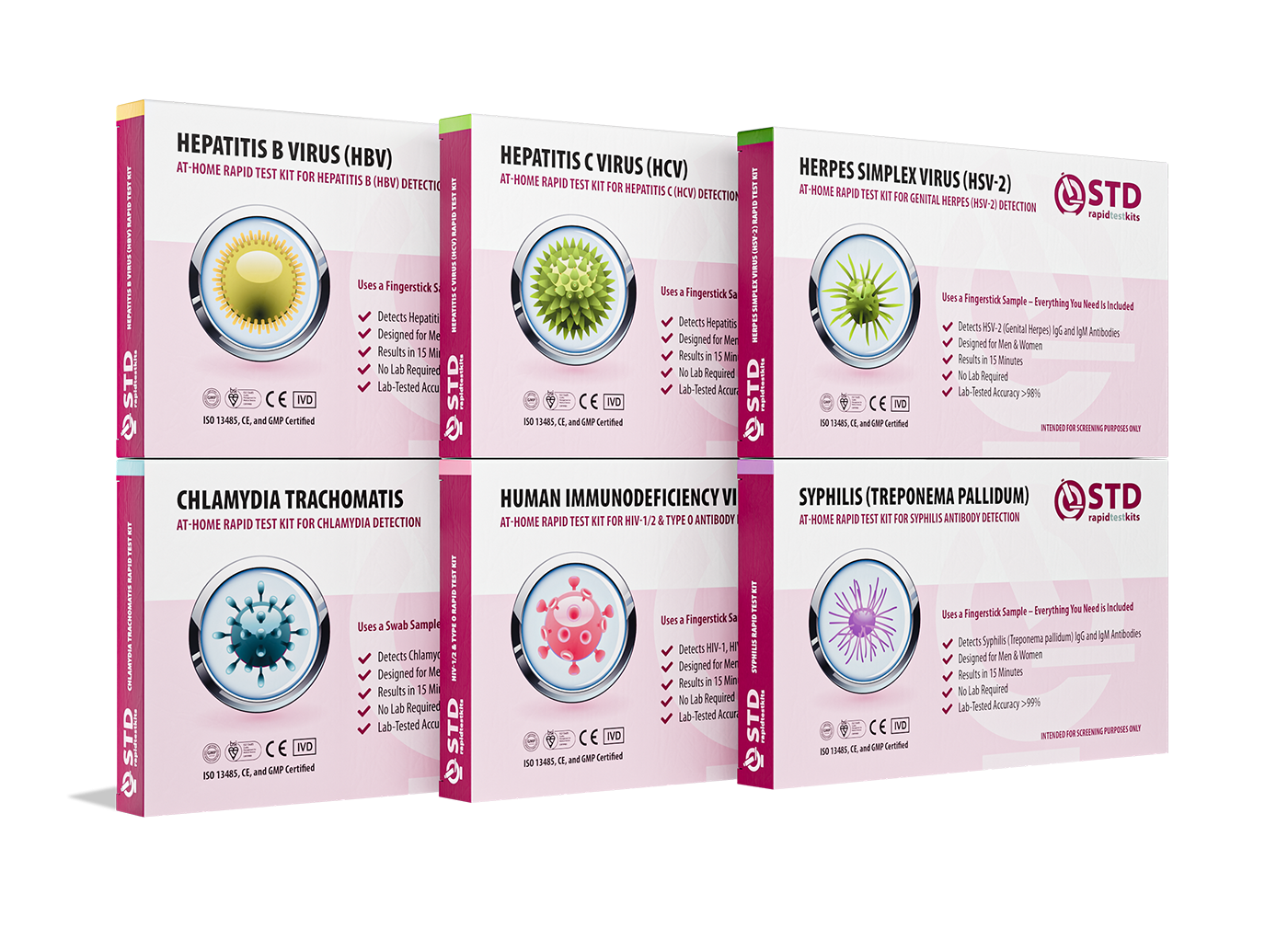 For Men & WomenResults in MinutesNo Lab NeededPrivate & Discreet
Order Now $119.00 $294.00
For all 6 tests
Privacy, Support, and Not Doing This Alone
If walking into a clinic feels impossible, you’re not weak, you’re human. Shame around STDs is one of the biggest reasons people delay testing, even when they suspect something is wrong. That’s why at-home kits matter. They offer not just privacy, but dignity.
Packaging is discreet. Your name doesn’t go into any public record unless you choose follow-up care. You control who knows, when to test, and how to act. That’s powerful. For many, this autonomy is what allows them to take the first step at all.
Some kits offer anonymous partner notification services, telehealth follow-up, or even support groups. Use what helps. There’s no prize for doing it all alone. And if you’re looking for a trusted, private option to test discreetly and safely, consider the Combo STD Home Test Kit. It covers multiple infections, ships quietly, and gives you control over the whole process.
FAQs
1. Can I really test for chlamydia or gonorrhea without going to a clinic?
Yes, really. No doctor visit. No waiting room. No awkward small talk with a nurse about your last sexual encounter. Today’s at-home test kits use the same lab methods as clinics, just with more privacy and way less hassle. You pee in a cup or use a swab, send it in (or read it on the spot, if it's rapid), and get your results without leaving your couch.
2. What if I don’t have any symptoms, should I still test?
If you’ve had unprotected sex, new partners, or even a condom slip, yes, testing still matters. The majority of chlamydia and gonorrhea cases come with zero symptoms. No burning, no discharge, nothing. That’s why they spread so easily. So don’t wait for symptoms to show up, they might not. Test because you care about your body, not just because something feels wrong.
3. How soon after sex can I take an at-home STD test?
The short version: wait at least 7 days. The long version? Testing too early, like 1 or 2 days after sex, can miss the infection because your body hasn’t built up enough of the bacteria yet. If you’re panicking (we get it), test now but plan to retest after two weeks for confirmation. Think of it like baking: test too early and the results might not be fully cooked.
4. Are at-home STD tests actually accurate?
When used correctly and during the right window period, yes, very accurate. Especially those that use NAAT (nucleic acid amplification testing), which is the gold standard. Rapid tests can be slightly less sensitive than lab tests, but still solid. Accuracy depends more on timing and sample quality than location. You could be in your bedroom or a clinic, it’s still your biology that the test is reading.
5. What if the test result is unclear, or the line is super faint?
Welcome to the “is this a line or am I imagining it?” club. If your test has a faint line in the result window, that usually still means positive. Read the instructions carefully, and when in doubt, retest or confirm with a lab. If no control line shows up at all, the test didn’t work, grab another kit. You're not alone; even nurses mess up swabs on the first try.
6. Will anyone know I ordered a test?
Not unless you tell them. At-home STD test kits come in plain, boring packaging. They look more like tech accessories than anything medical. There’s no giant “STD ALERT!” stamp. Your bank statement won’t scream anything embarrassing either. It's your business. Full stop.
7. Can I test my throat or butt, like, for real?
Absolutely. Gonorrhea, especially, loves to hang out in places you wouldn’t expect: throat, rectum, even eyes. Some kits include throat or rectal swabs, especially if you request them. If you’ve had oral or anal sex, testing those areas makes sense. It’s not weird, it’s smart. And yes, it’s okay to Google “how to swab my throat for gonorrhea” if the instructions make you nervous. We’ve all been there.
8. How do I tell a partner I tested positive?
It’s one of the toughest convos you’ll ever have, but it also might be the most respectful. Keep it short and honest: “Hey, I tested positive for chlamydia. You might want to get checked.” That’s it. You’re not obligated to explain your whole sex life. You’re just giving someone the chance to take care of their health. That’s not shameful, that’s badass.
9. If I already got treated, why would I need to test again?
Because reinfection is real. Even if you took antibiotics, if your partner wasn’t treated, or if you’ve had new partners since, it can come back. Most health orgs suggest a follow-up test after 3 months, just to be safe. You’re not being paranoid; you’re being proactive. Think of it like brushing your teeth, you don’t do it once and call it done forever.
10. Can I get reinfected even if I used protection?
Yep. Condoms reduce risk a lot, but they’re not invincible, especially if there’s skin-to-skin contact or if the condom doesn’t cover the infected area. And sometimes, they break. It sucks, but it happens. That’s why testing isn’t just for emergencies, it’s part of staying well, period.
You Deserve Clarity, Not Shame
Testing from home doesn’t mean you’re hiding. It means you’re reclaiming control. Whether you’re feeling symptoms or just feel off, whether you’ve had one partner or many, the decision to test is never a weakness, it’s a strength.
We’re not meant to carry the fear alone. Testing is care. Testing is protection, not just for you, but for the people you care about. So if your chest is tight and your mind is racing, take a deep breath. Then take the step. One test. One result. One answer that can turn panic into a plan.
Don’t wait and wonder, get the clarity you deserve. This at-home combo test kit checks for the most common STDs discreetly and quickly.
How We Sourced This Article: We combined current guidance from leading medical organizations with peer-reviewed research and lived-experience reporting to make this guide practical, compassionate, and accurate. In total, around fifteen references informed the writing; below, we’ve highlighted some of the most relevant and reader-friendly sources.
Sources
1. CDC – 2021 Sexually Transmitted Infections
2. Planned Parenthood – Get Tested
4. Chlamydial Infections – STI Treatment
5. Gonococcal Infections (CDC)
8. At‑Home Diagnostics Solutions for Chlamydia and Gonorrhea (NIH/PMC)
9. Acceptability of Home‑Based Chlamydia and Gonorrhea Testing (NIH/PMC)
10. Screening for Chlamydia and Gonorrhea: US Preventive Services Task Force Recommendation (JAMA)
11. Home STD Tests Are Convenient, but There Are Drawbacks (UAB Medicine)
About the Author
Dr. F. David, MD is a board-certified infectious disease specialist focused on STI prevention, diagnosis, and treatment. He blends clinical precision with a no-nonsense, sex-positive approach and is committed to expanding access for readers in both urban and off-grid settings.
Reviewed by: Jamie R. Clements, MPH | Last medically reviewed: November 2025
This article is for informational purposes and does not replace medical advice.


