







Quick Answer: Hepatitis B and C can be spread through unprotected sex, rimming, sharing sex toys, and even microscopic blood exposure. Many people carry and transmit hepatitis without knowing, especially after casual encounters. Testing is the only way to know for sure.
Why Hepatitis Doesn’t Get the Same Hype as HIV
For decades, HIV dominated public awareness when it came to STDs and sex-related fear. And for good reason, HIV was deadly, stigmatized, and terrifyingly widespread. But while science made huge strides in treatment and prevention, another set of viruses continued to spread in the background: hepatitis B and hepatitis C.
Unlike HIV, hepatitis can often remain silent for months or even years. By the time symptoms like jaundice, fatigue, or abdominal pain appear, liver damage may already be underway. This slow creep allows hepatitis to thrive in hookup culture, where the vibe is casual, the conversations are brief, and the assumption is: “If I don’t feel sick, I’m probably fine.”
But here’s the thing, over 50% of people with hepatitis C don’t know they have it. And while hepatitis B can be prevented with a vaccine, not everyone got it as a kid. Adults born before 1991 in many countries weren’t routinely vaccinated. Add in alcohol, poppers, or friction that causes microtears, and the risk escalates without anyone noticing.
Scene Check: What Hepatitis Looks Like After the Hookup
Casey, 29, had just come back from a weekend at a queer camping festival. “There was this guy, super sweet, super spontaneous. We hooked up in his tent. No condom, but it was just oral and a little rimming. Didn’t seem like a big deal.” Three weeks later, Casey’s urine turned dark. She assumed it was dehydration. When the whites of her eyes started yellowing, she ended up in the ER with acute hepatitis A.
“I honestly didn’t even think about hepatitis. I thought that was a thing from needles or like, the ‘80s,” she said. The ER nurse told her that hepatitis A can spread through rimming and oral-anal contact, and that even a brief casual encounter could do it. She hadn’t known.
This is the reality: hepatitis is not just a drug user’s virus. It’s not just a thing that happens in hospitals or “high-risk populations.” It’s in the sheets, in the saliva, and in the moments we don’t talk about, like using the same lube bottle, or sharing a toy without a condom. And the lack of symptoms early on means the window to prevent further spread is razor-thin.

People are also reading: Why UTIs Get Mistaken for STDs (and How to Tell)
How Hepatitis Actually Spreads During Sex
Most people associate hepatitis B and C with needles or blood transfusions. But sexual transmission, especially for hepatitis B, is far more common than most think. Hepatitis B is 50–100 times more infectious than HIV and can be transmitted through vaginal fluids, semen, and blood. That means unprotected vaginal or anal sex, rough play that causes bleeding, and even oral sex with open sores or gum irritation can create a pathway for infection.
Hepatitis C is less likely to be spread through sex, but the risk increases with certain acts, especially anal sex, sharing sex toys, or when blood exposure is possible. For men who have sex with men (MSM), studies show hepatitis C can and does spread through sexual activity alone, especially when paired with STIs like syphilis or HIV.
| Sexual Act | Hepatitis B Risk | Hepatitis C Risk | Notes |
|---|---|---|---|
| Unprotected vaginal sex | High | Low to Moderate | Risk increases with bleeding, ulcers, or co-infections |
| Unprotected anal sex | Very High | Moderate to High | Higher mucosal trauma raises transmission chance |
| Oral sex with ejaculation | Moderate | Low | Risk rises with cuts, sores, or gum disease |
| Rimming (analingus) | Low to Moderate | Low | Risk especially for hepatitis A, but B possible |
| Shared sex toys | Moderate | Moderate | Risk increases without cleaning or condom use between partners |
Table 1. Relative risk of hepatitis B and C based on common sexual acts. Source: CDC, WHO, and peer-reviewed transmission studies.
Check Your STD Status in Minutes
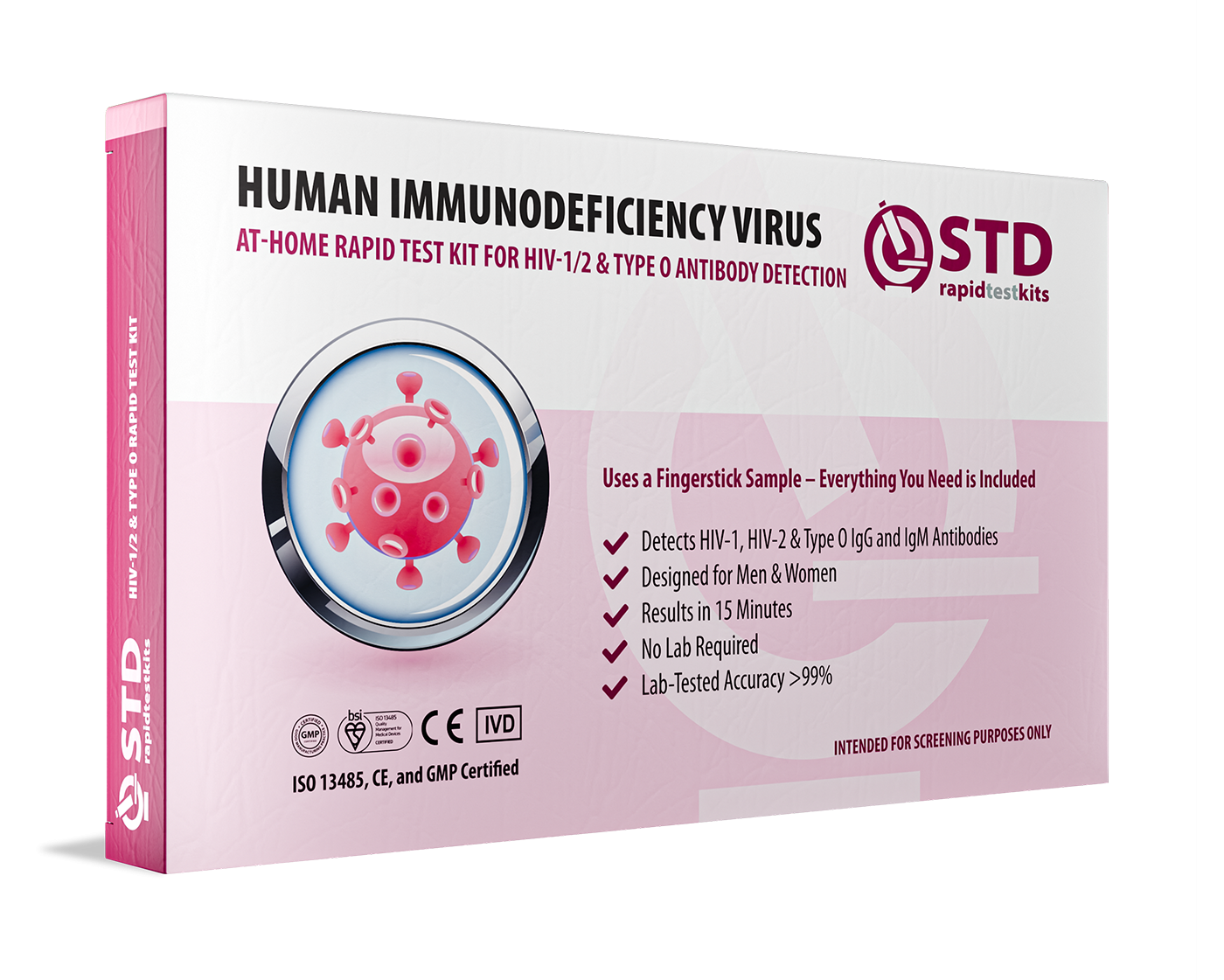
Test at Home with RemediumHIV Rapid Test Kit
 For Men & Women
 Results in Minutes
 No Lab Needed
 Private & Discreet
Order Now $33.99 $49.00
Why You Can’t Rely on Symptoms Alone
One of the most dangerous things about hepatitis B and C is how easily they fly under the radar. Many people have no symptoms at all in the first 30–90 days after exposure. When symptoms do show up, they’re vague: nausea, low-grade fever, tiredness, and sometimes itchy skin. Most of us wouldn’t even connect these with an STD, let alone one that could damage the liver or become lifelong.
Even more confusing: some people experience what looks like a minor flu or hangover after a weekend bender, when in fact, their body is reacting to a new hepatitis infection. If you’re sexually active, especially with multiple or casual partners, these small changes matter.
Here’s a snapshot of how hepatitis B and C typically progress:
| Stage | Symptoms (if any) | Timeline |
|---|---|---|
| Acute Phase | Fatigue, nausea, yellowing skin/eyes, dark urine | 2–12 weeks post-infection |
| Silent Phase | Often asymptomatic | Weeks to years (especially with Hep C) |
| Chronic Infection | Possible liver damage, cirrhosis, cancer | Develops over years if untreated |
Table 2. Typical timeline of hepatitis progression and what to expect.
This is why waiting for symptoms is risky. Hepatitis can be spreading inside you, and to others, long before you ever feel a thing.
Testing After a Casual Encounter: When and How
If you had unprotected sex, even just once, with someone whose status you don’t know, you could be at risk for hepatitis B or C. But the question is: when should you test? And how?
Let’s get something straight: the timing of testing matters almost as much as the test itself. Testing too early might miss the infection. Testing too late might mean you’ve already passed it to someone else. Ideally, testing should happen no earlier than three to six weeks after the encounter, but earlier testing can serve as a baseline if you're anxious.
Rapid at-home tests for hepatitis B and C are now available and increasingly accurate. While confirmatory testing often requires a follow-up at a clinic or lab, at-home tests are discreet, fast, and can give you the power to act quickly, especially if you’ve had a recent exposure and are trying to avoid further transmission.
If you're unsure whether your timing is right, this rule of thumb can help:
If it’s been under 2 weeks since exposure and you're symptom-free, wait a bit, your immune system may not have responded enough to be detected. If it’s been 3–6 weeks, you’re in the early window where many tests will start catching active infections. If it’s been more than 8 weeks, you’re squarely in the reliable detection zone.
Peace of mind doesn’t have to mean waiting in a clinic or explaining your sex life to a stranger. STD Rapid Test Kits offers discreet hepatitis test kits that can be done privately, wherever you feel safe.
Why a One-Night Stand Can Trigger a Lifetime Infection
Khalid, 33, had been tested six months earlier, clean across the board. After a trip to visit old friends, he hooked up with someone new. “We didn’t use a condom because he said he was clean, and honestly I believed him,” Khalid said. A few weeks later, he started feeling low energy, brushing it off as burnout. It wasn’t until a routine job physical that his labs came back showing elevated liver enzymes. He had hepatitis C.
It only took one encounter. “I still can’t believe it. I thought I was being responsible. He didn’t look sick. He said all the right things.” But hepatitis doesn’t care about intentions. It only takes one missed moment, one toy not cleaned, one cut not noticed, one assumption not questioned.
This is why testing isn’t about paranoia. It’s about staying in control of your health. In the world of casual sex, you’re not just managing passion. You’re managing risk.
Hepatitis and Queer Sex: What Needs to Be Talked About
The LGBTQ+ community, especially gay and bisexual men, face higher rates of hepatitis B and C than the general population. But here’s what’s rarely discussed: the specific sex acts that carry higher risk in queer dynamics.
Rimming, fisting, shared toys, and group sex all carry elevated risk for blood-to-blood or fecal-oral transmission, especially when prep time is skipped or condoms are left out. But mainstream public health messaging often fails to meet queer sex where it is. Instead, we get generic advice about “safe sex” that doesn’t reflect the realities of kink, hookup apps, or chemsex culture.
Even within LGBTQ+ spaces, there can be shame around asking someone their vax status, or awkwardness in suggesting gloves or toy condoms. That silence is where hepatitis thrives.
Being proactive doesn't have to be clinical or unsexy. Asking about vaccines, offering to clean toys, or suggesting testing after a festival or bathhouse weekend can be framed as care, not accusation. It’s intimacy, not interrogation.
If you’re queer and sexually active, especially with new or multiple partners, routine testing for hepatitis B and C should be part of your sexual health cycle, just like getting tested for HIV or chlamydia.
Vaccines, Prevention, and the Gaps No One Talks About
Here’s the good news: hepatitis B is preventable. There’s a vaccine. It’s safe, effective, and often offered free through sexual health clinics, university health services, or community programs.
The bad news? Many people, especially adults born before routine vaccination started, don’t know if they’re protected. Others assume that one dose was enough (it’s not; the full series is 2–3 doses). And unlike HPV, hepatitis B vaccination isn’t usually talked about during routine STD testing appointments unless you ask.
There’s currently no vaccine for hepatitis C, which makes prevention even more critical. And while treatment has dramatically improved (some cases can now be cured with antiviral medications), it’s still far easier to avoid hepatitis C than to manage its long-term consequences.
If you’re in hookup culture, on the apps, in group scenes, traveling, exploring, ask your doctor about your hep B vaccination status. If they don’t know, request a titer test. If you’re not vaccinated, start the series. If you’re sexually active with multiple partners, get tested regularly for both hepatitis B and C. It’s that simple.
Not sure where to begin? You can check your status in private. This discreet hepatitis combo test kit lets you find out from home, fast, confidential, and without judgment.
People are also reading: Connecticut’s Hidden Epidemic: Why STIs Are Rising Among High-Income Adults
Why Conversations Matter More Than You Think
Let’s be honest: asking someone if they’ve been tested or vaccinated before sex doesn’t always come naturally. It can feel like you're ruining the moment or accusing them of something. But what if we reframed that conversation?
Instead of “Are you clean?” (a question loaded with shame and implication), what if we asked: “Hey, have you been vaccinated for hepatitis B?” or “I get tested regularly, how about you?” These small shifts don’t just reduce risk, they normalize the idea that sexual health is shared responsibility, not a personal failing.
One guy on Reddit said he includes his vaccine status in his dating app bio: “Hep B vaxxed, last tested 3 months ago, down to swap info.” It’s nerdy. It’s clear. And it probably saves someone an awkward conversation, or worse, a chronic infection.
The more we normalize this kind of talk, the less space hepatitis has to move in silence. And if someone shuts down the conversation or dismisses it? That’s information too. You’re not being paranoid. You’re being protective of your health, and theirs.
Check Your STD Status in Minutes
Test at Home with Remedium7-in-1 STD Test Kit
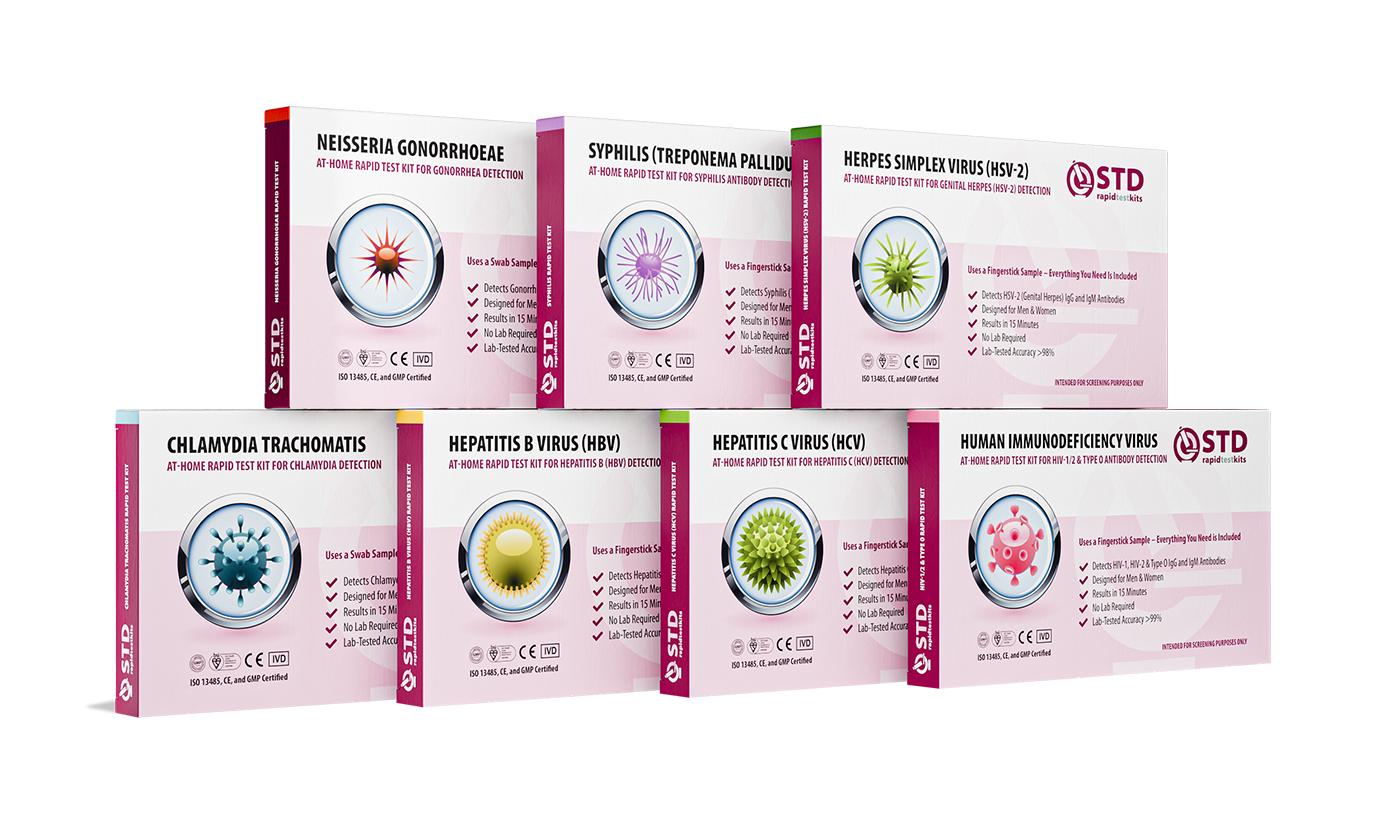 For Men & WomenResults in MinutesNo Lab NeededPrivate & Discreet
Order Now $129.00 $343.00
For all 7 tests
What If You Already Have Hepatitis (And Didn’t Know)?
Thousands of people live with hepatitis B or C without symptoms for years. Many only find out when they donate blood, get insurance labs drawn, or go in for unrelated testing. That silence isn’t harmless, it gives the virus time to do damage. And if you’ve been sexually active during that time, it may have passed to someone else without your knowledge.
If you test positive, take a breath. Hepatitis B is manageable. Hepatitis C is often curable. Your first step is to confirm the result with a healthcare provider. From there, they’ll check your liver function, determine if treatment is needed, and help you develop a long-term care plan.
There’s no shame in not knowing. Most people with hepatitis weren’t reckless, they were just uninformed or trusting. The difference comes when you know, and take action. Getting tested, talking to partners, and protecting future connections is how you rewrite the narrative.
Already tested positive? You can still prevent reinfection or transmission. Use condoms, avoid sharing razors or toothbrushes, and talk to your provider about what’s safe and what’s not.
Testing Isn’t Just for "Dirty" Sex
One of the biggest myths out there is that testing is only for people who’ve had “risky” sex. But what even counts as risky anymore? A quick hookup after a few drinks? A night with someone you met at a wedding? That time you forgot to ask if they were clean?
The truth is, if you're sexually active, especially outside of monogamy, routine testing is part of basic self-care. It’s no different from getting your cholesterol checked or getting your eyes tested. It’s not about judgment. It’s about clarity.
More than that, it’s about protection. For you. For your future partners. For the people you haven’t even met yet but might fall in love with. Getting tested shows up as courage, not caution.
Whether it’s been a while, or whether you’ve never been tested for hepatitis B or C before, there’s no better time than right now. Order a discreet test kit today, no awkward clinic visits, no side-eyes, just clarity.
FAQs
1. Can you really get hepatitis from just one hookup?
Yes, it happens more than people think. Even one night, especially without protection, can expose you to hepatitis B or C. It’s not about how often you hook up; it’s about how the virus transmits. Blood, semen, vaginal fluid, those are all potential carriers. You don’t need a history, just a single moment where the virus gets in.
2. What does hepatitis feel like after sex?
Tricky question, because often? It feels like nothing at all. No symptoms. Nada. When symptoms do show up, they mimic things like the flu or a hangover, fatigue, nausea, dark pee, maybe some yellowing in the eyes. We’ve had readers who thought it was just travel burnout or dehydration. That's why testing matters.
3. Is oral sex risky for hepatitis?
It can be, especially for hepatitis B. Oral with ejaculation or open-mouth sores (think dental work, bleeding gums, ulcers) can create enough exposure. It's not high risk like unprotected anal, but it's not zero either. Same goes for rimming, especially with hepatitis A, which thrives in fecal-oral transmission.
4. If someone looks healthy, could they still give me hepatitis?
Absolutely. In fact, most people with hepatitis have no clue they’re carrying it. That “they seem fine” assumption is where this virus thrives. It’s not about symptoms, it’s about status. That’s why asking about testing or vaccines (or better yet, both getting tested) is one of the most respectful things you can do in bed.
5. How long should I wait to test after a hookup?
Three to six weeks is your sweet spot for reliable results. Earlier than that, you might miss it, especially for antibody-based tests. If you’re anxious, test now as a baseline, then again later to confirm. Better two tests than a missed diagnosis.
6. I got vaccinated as a kid, am I still protected from hepatitis B?
Probably, but it’s worth checking. The hep B vaccine is long-lasting, but not everyone completed the series. Some didn’t get it at all (especially if you were born before 1991). Ask your provider for a titer test. It’s a simple blood check to see if your immunity’s still solid.
7. Can I really get hepatitis from sharing sex toys?
Yes, and not just in theory. If a toy goes from one partner to another without cleaning or a condom, and there’s any microscopic blood or fluid? Transmission is possible. Especially for hepatitis C, which survives on surfaces longer than people think. Clean your toys. Condoms aren’t just for penises.
8. Is hepatitis a “gay disease” like some people say?
No. That’s stigma talking, not science. While rates are higher among men who have sex with men, because of specific behaviors and systemic gaps in care, hepatitis doesn’t care about your identity. Anyone can get it. What’s “gay,” honestly, is asking your partner their vaccine status like a boss. That’s the energy we want.
9. Can hepatitis be cured? Hepatitis C?
Often yes. New treatments can clear it in a matter of months with pills alone. Hepatitis B? Not curable yet, but very manageable with medication and monitoring. Either way, catching it early gives you more options, and more peace of mind.
10. What’s the fastest, most discreet way to get tested?
Honestly? At-home testing is your best friend here. No waiting rooms. No side-eyes. Just a test, instructions, and privacy. We recommend starting with a hepatitis combo kit that checks for both B and C, fast results, no fuss.
You Deserve Answers, Not Assumptions
Hepatitis doesn’t make headlines the way HIV or syphilis does. It doesn’t come with visible sores or obvious symptoms. That’s what makes it dangerous in casual sex settings, it hides in plain sight. And yet, testing for it is still seen as “optional,” “rare,” or only for people who inject drugs. That narrative has to change.
Whether it was a one-time thing, a wild weekend, or just a moment where protection didn’t happen, you deserve to know where you stand. This hepatitis combo test gives you fast, discreet clarity, no waiting rooms, no judgment, just real answers from home.
How We Sourced This Article: We combined current guidance from leading medical organizations with peer-reviewed research and lived-experience reporting to make this guide practical, compassionate, and accurate.
Sources
1. CDC – Hepatitis B Information
2. CDC – Hepatitis C Information
3. WHO – Hepatitis B Fact Sheet
4. Planned Parenthood – Hepatitis B Overview
5. Viral Hepatitis Among Sexually Active Adults – CDC
6. Hepatitis C Prevention and Control – CDC
7. Hepatitis C Fact Sheet – WHO
8. Hepatitis C: How Common is Sexual Transmission? – Mayo Clinic
About the Author
Dr. F. David, MD is a board-certified infectious disease specialist focused on STI prevention, diagnosis, and treatment. He blends clinical precision with a no-nonsense, sex-positive approach and is committed to expanding access for readers in both urban and off-grid settings.
Reviewed by: J. Tran, MPH | Last medically reviewed: November 2025
This article is for informational purposes and does not replace medical advice.


