







Quick Answer: You can still get STDs even if you only sleep with one person. Even in monogamous relationships, people who have STDs but don't know it or who have been exposed to them in the past can still spread them. It's still important to test on a regular basis.
Why People Think Monogamy Means Protection
It makes intuitive sense: if neither partner is sleeping with anyone else, how could an infection enter the relationship? This assumption feels comforting, like an emotional safety net. It’s part of how we construct trust and intimacy. In relationships, testing is often treated like a sign of suspicion instead of a shared health habit. Many couples assume once they’ve “gone exclusive,” the risk conversation is over.
But monogamy is a behavior, not an immunity shield. And unless both partners were tested immediately before exclusivity and remain 100% faithful (with zero lapses or forgotten histories), there’s room for risk. The CDC has repeatedly emphasized that many people carry infections like chlamydia, herpes, or HPV without ever knowing it. Some of these can remain dormant or asymptomatic for months or even years, surfacing well after the relationship began.
And then there's the uncomfortable truth: not all monogamy is mutual. A 2020 Kinsey Institute review found that around 20–25% of Americans in relationships report infidelity. That doesn’t mean most partners lie, it means that even sincere trust can leave blind spots. And blind spots are exactly where STDs thrive.
The Science: Where STDs Hide in “Safe” Relationships
Dr. Karina Hall, an infectious disease specialist, says one of the most common things she hears from newly diagnosed patients is: “But I’ve only been with one person.” It’s a line loaded with heartbreak and confusion, but it’s also rooted in a misunderstanding of how infections work. STDs don’t need permission from your relationship label.
Let’s look at the real data.
| STD | Can Remain Asymptomatic? | How Long It Can Stay Hidden | Most Commonly Found In |
|---|---|---|---|
| Chlamydia | Yes | Months to years | People under 30 in relationships |
| Herpes (HSV-2) | Yes | Indefinitely (latent) | Often transmitted by unaware carriers |
| HPV | Yes | Up to a decade | Monogamous women, often via past partners |
| Gonorrhea | Yes | Several months untreated | Men with minimal symptoms |
Table 1. Common STDs that can remain hidden and cause transmission in exclusive relationships.
The key takeaway? Many people carry infections acquired from previous relationships without knowing. And unless there was a clean test before monogamy began, one partner may unknowingly transmit something months or years into an “exclusive” dynamic.

People are also reading: Living Well After an STD Diagnosis: Mental Health and Self-Care Tips
Case Study: “He Was Faithful. But His Body Wasn’t.”
Dante, 31, had been celibate for over a year when he started dating Lena. They got tested at the beginning of their relationship, or so she thought. He did a routine urine panel at his annual checkup but didn’t realize it didn’t include herpes or HIV. Months later, Lena tested positive for HSV-2 during a gynecology visit. “We were both shocked,” she said. “He hadn’t cheated. But that didn’t mean he hadn’t been carrying something.”
This is what experts refer to as the “testing gap”: many people think they’ve been screened when they’ve only had partial testing. Routine STD panels often exclude herpes, HPV, and sometimes even HIV unless specifically requested. If a partner assumes they’re “clean” based on an incomplete panel, they may unknowingly pass on infections, sometimes years after exposure.
This doesn’t make someone a liar. It makes them uninformed. And in relationships where testing feels taboo or insulting, that lack of information becomes a shared risk.
Check Your STD Status in Minutes
Test at Home with RemediumHIV Rapid Test Kit
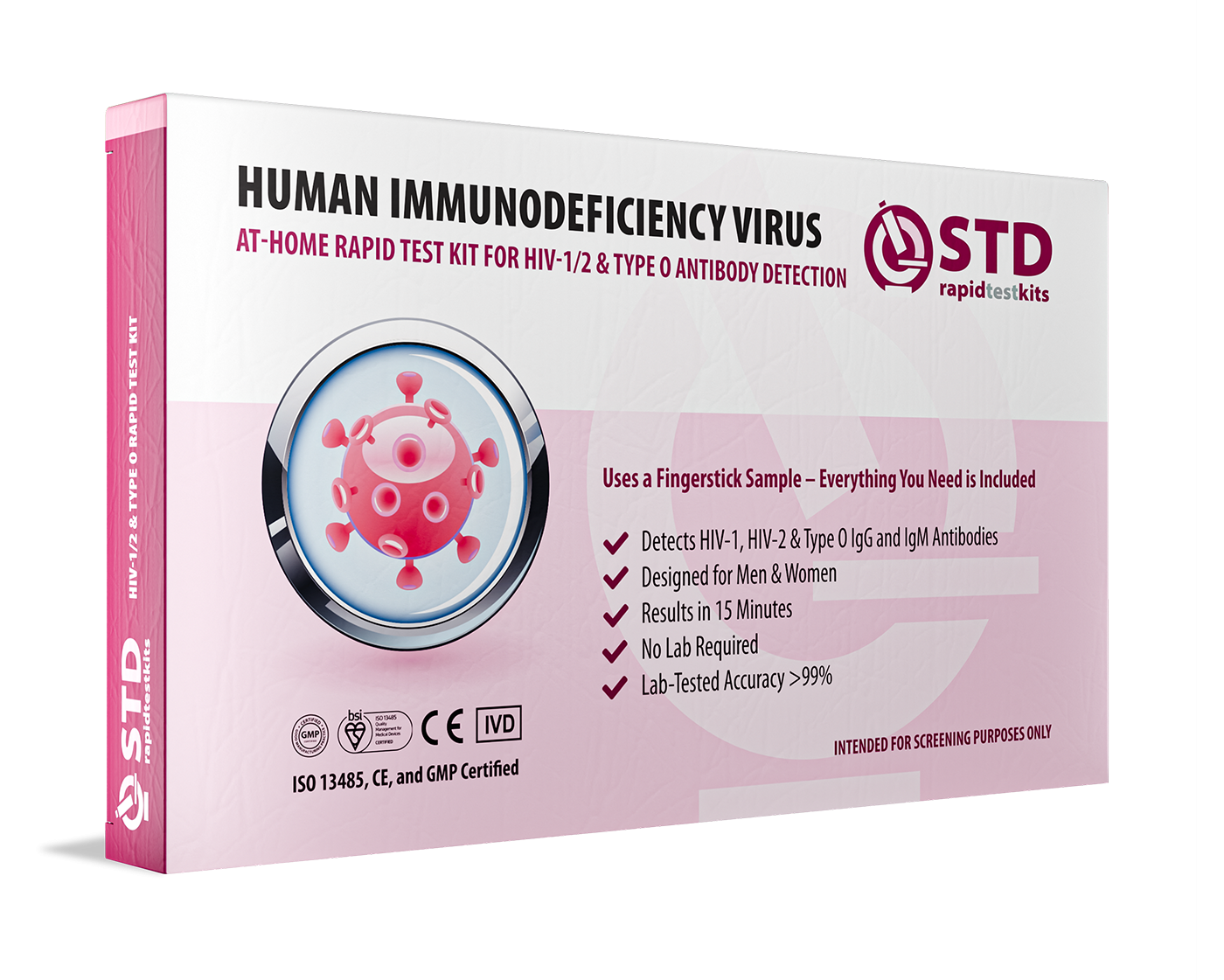
 For Men & Women
 Results in Minutes
 No Lab Needed
 Private & Discreet
Order Now $33.99 $49.00
Why Women Face Higher Consequences in Monogamy
Monogamy is often framed as a protective choice, especially for women. Culturally, it’s tied to purity, trust, and respect. But in practice, it can backfire, because it often discourages ongoing testing and places emotional emphasis on fidelity rather than biology. Unfortunately, biology doesn’t wait for honesty.
According to the World Health Organization, women are more likely to experience long-term complications from untreated STDs, including pelvic inflammatory disease, infertility, chronic pain, and increased HIV risk. And yet, many women in long-term relationships skip regular testing because they assume their partner’s behavior protects them. The silence becomes dangerous.
Maya, 38, was married for ten years before she tested positive for HPV. Her OB-GYN explained that it may have come from a relationship years ago, or recently. Either way, it was now showing signs of cellular changes that required a colposcopy. “I felt betrayed by my own body,” she said. “I thought I’d done everything right.”
The truth is, no one deserves an STD. And no one can make perfect decisions in imperfect information systems. But everyone deserves access to clear facts, and that includes knowing that monogamy is not a testing strategy.
What Most People Get Wrong About “Exclusive”
In real-world relationships, “monogamy” often means different things to different people. For some, it begins after a conversation. For others, it starts when they delete dating apps or stop sleeping with others, no words spoken. But STDs don’t wait for definitions. They operate on biology, not boundaries.
In a 2023 study published in Sexual Health, researchers found that over 30% of individuals in “exclusive” relationships had never actually discussed STD testing with their partners. Even more revealing? Roughly 60% assumed their partner had been tested simply because they were monogamous. That’s not just optimistic, it’s dangerous.
This gray area becomes a breeding ground (literally) for miscommunication, missed infections, and misplaced blame. And because many STDs present without symptoms, especially early on, people can feel fine, look fine, and still pass on infections unknowingly. That’s not cheating. That’s biology, and silence.
When the STD Shows Up After You’ve Been Exclusive
Imagine this scenario: you’ve been with your partner for two years. No one else, no cheating, lots of trust. Suddenly, you develop a burning sensation while peeing. Or you get a wart. Or an itch that won’t go away. The test comes back positive for an STD, and your world turns upside down.
This doesn’t always mean betrayal. One possibility? One of you had it from before the relationship, and it finally activated. Herpes, for example, can lay dormant for years. HPV can stay hidden and only show up during routine screenings. Chlamydia and gonorrhea can hang out in the body silently, especially in the throat or rectum, where they’re often missed unless specifically tested for.
Another possibility? One-time infidelity that no one admitted, or even remembered. Alcohol, guilt, fear, or denial can lead people to keep secrets. But here’s the truth bomb: even if someone made a mistake, your health isn’t a punishment. It's a priority. You deserve answers. And they deserve empathy, if you choose to offer it. But first, you both need facts. That starts with testing.
How Often Should You Test in a Monogamous Relationship?
Here’s what most experts agree on: if you’ve both been tested after your last partners, waited out the STD window periods, and remained exclusive since, your risk is low, but never zero. That’s because some infections (like herpes or HPV) may not show up on standard tests or may take time to activate. And there’s always human error: missed infections, misread results, unintentional lapses in fidelity.
So, what’s a smart routine?
| Scenario | Recommended Testing Frequency | Why It Matters |
|---|---|---|
| Before becoming exclusive | Both partners test before unprotected sex | Establishes a shared baseline |
| 6–12 months into monogamy | Full panel re-test (including HSV & HIV) | Catches delayed infections or past exposures |
| Annual wellness check | Repeat test annually, even if no new partners | Because monogamy is a choice, not a guarantee |
Table 2. Testing recommendations for people in committed relationships.
Testing together can actually be a bonding act, a sign of mutual care, not mistrust. Think of it like getting vaccinated before travel. It’s not because you don’t trust the country. It’s because you trust your body and want to protect it.
Take Control of Your Sexual Health, Quietly, Quickly
If you’ve been assuming you’re safe because you’re in love, you’re not alone. But love and logic both deserve a seat at the table. Getting tested doesn’t mean something’s wrong, it means you care enough to know for sure.
You can order a discreet combo test kit here and test at home, with results in minutes. No awkward clinic visits. No judgment. Just answers.
Your relationship is valid. So is your health.
When Testing Becomes a Relationship Conversation
Bringing up testing in a committed relationship can feel like walking a tightrope. Will they think you don’t trust them? Will they take it personally? Will it start a fight?
Here’s a reframe: it’s not about suspicion. It’s about shared responsibility. You both deserve peace of mind, and science, not just promises. Try language like: “Let’s make this part of our yearly health routine,” or “I read something that made me think, it’d mean a lot if we tested together.”
If your partner resists, it may reveal more about their comfort with vulnerability than about fidelity. That’s a separate conversation, but it’s one worth having.
Remember: honesty doesn’t end with “I love you.” It continues with, “Let’s get tested.”
Testing Doesn’t Mean You’ve Failed, It Means You’re Smart
So many people associate STD testing with shame, like it’s something only cheaters or the “reckless” need. But that mindset is dangerous, and wrong. Testing is a sign of care, not crisis. It’s no different than checking your blood pressure or cholesterol. You’re not looking for failure. You’re investing in facts.
Jared, 45, and his wife had been monogamous for over 15 years. When he tested positive for hepatitis B after donating blood, he was devastated. They retraced everything, old flings, travel vaccines, even a sketchy tattoo he got in his twenties. In the end, there was no clear source. Just a quiet infection, hiding out for years. But once they knew, treatment started, and his wife was vaccinated. No secrets. Just action.
The lesson? Your past matters, but your choices today matter more.
People are also reading: Private and Accurate: How At-Home Test Kits Are Changing Sexual Health
The Emotional Cost of Surprise Diagnoses
Getting an STD diagnosis inside a committed relationship can feel like emotional whiplash. There’s guilt, anger, confusion, and sometimes betrayal, even if no one actually cheated. These emotions are valid. So is your grief. But your diagnosis is not a moral verdict. It’s a medical reality, and it deserves medical care, not self-blame.
Many people quietly suffer from this shock. They don’t want to tell friends. They’re afraid to ask questions. Some delay treatment just to avoid facing the conversation. But silence always costs more. The sooner you seek answers, the faster you can return to health, and clarity.
And if you’re the partner who received the news second? Ask questions. Get tested yourself. But remember that healing requires empathy, not blame. You’re both human. And you both deserve support.
Check Your STD Status in Minutes
Test at Home with Remedium7-in-1 STD Test Kit
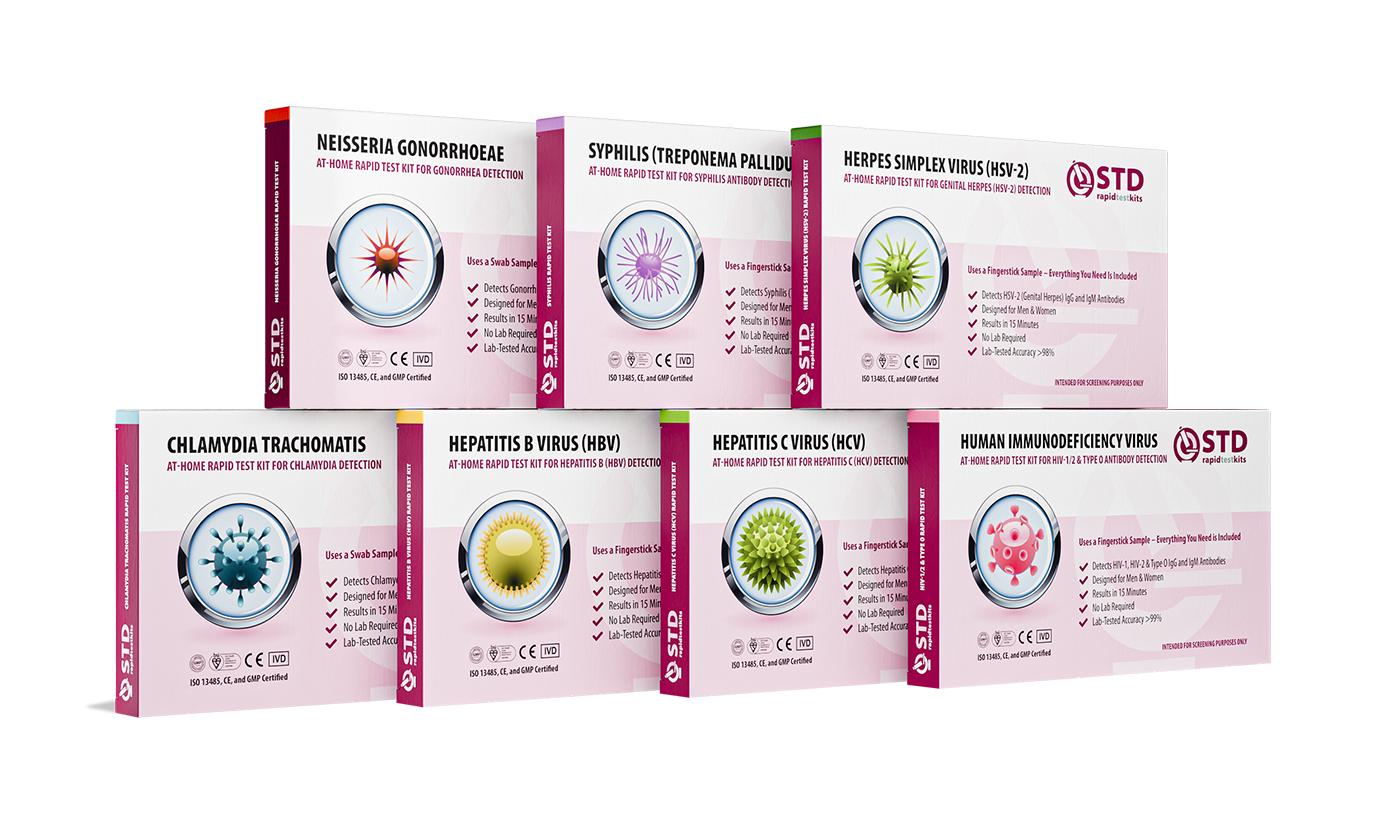 For Men & WomenResults in MinutesNo Lab NeededPrivate & Discreet
Order Now $129.00 $343.00
For all 7 tests
Let’s Redefine Monogamy as a Practice, Not a Myth
It’s time to separate monogamy as a relationship model from monogamy as a false promise of protection. You can love one person and still need to protect both of you. In fact, monogamy works best when it’s paired with information, care, and mutual accountability, not blind trust and outdated assumptions.
This isn’t about paranoia. It’s about clarity. When you know your status, you remove the question marks. You remove the guilt. You remove the secret fears. And in their place, you build something stronger: trust backed by truth.
If it’s been more than a year since your last test, or if you’ve never tested together, it’s not too late. Testing today protects your future. And it shows your partner that love means health, not just exclusivity.
Explore our full range of at-home STD test kits here. Easy, private, and delivered discreetly, because taking care of each other should never feel awkward.
You’re Not the Exception. You’re the Reason Testing Matters
Let’s put this plainly: the majority of new STD cases are found in people who didn’t think they were at risk. That includes married people. It includes people in long-term relationships. It includes people who’ve never cheated and never suspected their partners. It includes people like you.
So if you’re reading this and feeling uneasy, that’s okay. You’re not alone. You’re exactly who this article was written for. Not to scare you. But to empower you.
Testing isn’t about distrust. It’s about truth. And the truth is, monogamy isn’t a shield. It’s a choice. But your health? That’s a responsibility. One you don’t have to carry alone.
FAQs
1. Can I really get an STD if we’re both monogamous?
Totally possible, and more common than people think. Even if you’re exclusive now, infections from past partners can hang around silently. Some STDs, like HPV or herpes, don’t always show up right away. You could’ve started the relationship carrying something and had no clue. It’s not about blame. It’s about biology, and timing.
2. What if I tested negative a year ago, do I still need to worry?
It depends. If both of you tested before going monogamous and neither of you has had new partners, your risk is lower. But lower doesn’t mean zero. Some infections don’t show up on standard tests unless you ask for them (looking at you, herpes), and some infections take time to appear. If you’ve never retested since that negative, now’s a good time.
3. How can I bring up STD testing without sounding like I think they cheated?
Try something like: “Hey, I read this wild stat about how many STDs are missed in monogamous relationships. Can we test together just to be sure we’re both good?” It’s not about trust, it’s about health. Think of it like getting flu shots together. Shared awkwardness = shared intimacy.
4. What if my partner refuses to get tested?
That’s…a conversation. Are they scared? Embarrassed? Defensive? Sometimes resistance comes from trauma or misinformation. But if they flat-out refuse without even talking about it, that’s a red flag. Your health matters. And if someone’s love comes with conditions that risk your body, that’s not protection. That’s avoidance.
5. Can herpes really show up years into a relationship?
Yep. Herpes is the ghost of the STD world. It can lie dormant in the body and pop up during stress, illness, hormonal shifts, or for no clear reason at all. So no, a sudden outbreak doesn’t always mean someone cheated, it might just mean your immune system finally flinched.
6. Is it even worth testing if I don’t have any symptoms?
Short answer: yes. Long answer: definitely yes. Most people with STDs have zero symptoms, or symptoms they mistake for razor burn or a yeast infection. Waiting for something to feel “off” before testing is like waiting for your car to make a weird noise before checking the brakes.
7. We only have oral sex, are we safe?
Safer? Yes. Safe? Not entirely. Gonorrhea, chlamydia, syphilis, and herpes can all be passed through oral sex. You can literally have a throat infection and not know it. If your partner’s throat hasn’t been tested, don’t assume it’s germ-free.
8. Can I catch something from my partner’s past if we’ve been exclusive for months?
Absolutely. Let’s say they had an untreated infection from a previous hookup. If you started your relationship without full-panel testing, that infection might’ve quietly followed them into the relationship, and eventually, to you. It’s no one’s fault. But it still needs a plan.
9. Do at-home STD tests actually work?
When used correctly and timed right, many do. Most reputable home kits use the same lab tech as clinics, just without the paper gowns or waiting rooms. Just be sure to read instructions, test during the right window, and know when to retest. For peace of mind, you can grab a combo kit here and test discreetly at home.
10. What if I test positive, does that mean my relationship is over?
Not even close. It means you have information. What you do with that info is up to you, and your partner. Most STDs are treatable. All are manageable. A positive result isn’t a betrayal. It’s a starting point. One that, with the right support, can actually strengthen how you communicate and care for each other.
You Deserve Answers, Not Assumptions
If you’ve ever delayed testing because you were “in a relationship,” this is your invitation to rethink what safety really means. Love deserves to be rooted in truth, and that includes the truth about your health.
Don’t let myths or discomfort stop you. You can test from home, on your schedule, with complete privacy. This at-home combo test kit checks for the most common STDs discreetly and quickly. No awkward talks with strangers. Just clarity.
You’re not being paranoid. You’re being proactive.
How We Sourced This Article: We combined current guidance from leading medical organizations with peer-reviewed research and lived-experience reporting to make this guide practical, compassionate, and accurate.
Sources
1. Planned Parenthood – Why Get Tested?
2. How to Prevent STIs | STI – CDC
3. Addressing STI Epidemics: Integrating Sexual Health – NCBI Bookshelf
4. Monogamy as Public Policy for STD Prevention: In Theory and in Practice
5. Re‑examining the effectiveness of monogamy as an STI‑preventive strategy – PubMed
6. Guide to Taking a Sexual History | STI – CDC
7. How You Can Get STIs Without Cheating – Verywell Health
8. About STI Risk and Oral Sex – CDC
9. Gonorrhea – Symptoms and causes | Mayo Clinic
About the Author
Dr. F. David, MD is a board-certified infectious disease specialist focused on STI prevention, diagnosis, and treatment. He blends clinical precision with a no-nonsense, sex-positive approach and is committed to expanding access for readers in both urban and off-grid settings.
Reviewed by: Dr. Tessa Nguyen, MPH | Last medically reviewed: November 2025
This article is for informational purposes and does not replace medical advice.


