






Quick Answer: Many common STD panels do not include testing for herpes, trichomoniasis, or HPV. These must often be requested separately, even in clinics. At-home tests and custom kits can fill the gap.
You Thought You Got “Everything.” Here’s What Most Panels Miss
There’s a myth, powerful and persistent, that getting “a full STD test” means your doctor is checking for every possible infection. But unless you’re symptomatic or request something specific, routine screening often includes just four: chlamydia, gonorrhea, syphilis, and HIV. Sometimes hepatitis B and C are added. But herpes? Rarely. Trichomoniasis? Almost never. HPV? Only if you’re due for a Pap smear or cervical screening.
Providers often skip these because of insurance coding rules, controversy around blood tests (especially for herpes), or outdated assumptions about risk. That leaves patients believing they’ve been tested for more than they actually have. And when symptoms show up weeks or months later, confusion sets in.
Why Some STDs Don’t Get Tested Automatically
Let’s be clear: this isn’t about medical negligence. It’s about structural gaps in the system. In some cases, like herpes, providers may avoid blood testing because of high false positive rates or lack of symptoms. With trichomoniasis, it’s often assumed the risk is low, even though it's one of the most common non-viral STDs in the U.S., especially among women.
And for HPV, unless you're having a cervical screening or showing visible genital warts, you're unlikely to get tested at all. There's no approved HPV test for people with penises, despite the fact that they can carry and transmit it.
Meanwhile, patients aren’t being told that these gaps exist. A routine physical, urgent care visit, or even a trip to Planned Parenthood may result in a test panel that looks thorough on paper but quietly skips these infections.
Comparison Table: What’s Typically Included (And What Isn’t)
| STD | Commonly Included in Basic Panel? | Requires Separate Request/Test? | Available as At-Home Test? |
|---|---|---|---|
| Chlamydia | ✔ Yes | No | ✔ Yes |
| Gonorrhea | ✔ Yes | No | ✔ Yes |
| Syphilis | ✔ Sometimes | Sometimes | ✔ Yes |
| HIV | ✔ Yes | No | ✔ Yes |
| Herpes (HSV-1/HSV-2) | ✘ No | ✔ Yes | ✔ Yes |
| Trichomoniasis | ✘ Rarely | ✔ Yes | ✔ Yes |
| HPV | ✘ No (unless cervical screening) | ✔ Yes | ✘ No for penis-owners |
| Hepatitis B & C | ✔ Sometimes | Sometimes | ✔ Yes |
Figure 1. What’s included in most “full panel” STD tests, and what’s often left out.
People are also reading: Can You Trust an App with Your STD Diagnosis?
Case Study: “I Asked for Everything. But It Wasn’t Enough.”
Malik, 33, had just started dating again after a divorce. Before becoming sexually active with his new partner, he got a full STD panel at a walk-in lab. The results came back negative. “I thought I was doing the right thing,” he said. “But two months later, I started getting these weird tingling sensations down there. My doctor said it was probably herpes. I didn’t even know I hadn’t been tested for it.”
“When I called the lab, they told me herpes testing isn’t included unless you have symptoms or request it. I felt tricked. Embarrassed. Like I’d done everything right, and it still wasn’t enough.”
Stories like Malik’s aren’t rare. Many providers hesitate to include herpes blood tests due to accuracy limitations and stigma. But that doesn’t mean patients don’t want, or deserve, that information. Rapid at-home test kits now offer another route, especially for people who want privacy, control, and comprehensive screening on their own terms.
Take back control of your health. Try an FDA-approved at-home STD test kit from STD Rapid Test Kits. You can even test for herpes, trichomoniasis, and more, all discreetly delivered to your door.
The Herpes Test That Was Never Offered
Herpes might be the most common STD people have never been tested for. The reason? Most providers won’t test unless you show symptoms, and even then, they prefer swab tests over bloodwork. Yet the CDC estimates that nearly 50% of Americans have oral herpes, and about 12% have genital herpes caused by HSV-2. Many have no idea.
This is where things get complicated. Herpes blood tests can detect antibodies, but not the site of infection. They can also produce false positives, leading to confusion or anxiety. Still, for people with recurring symptoms or multiple partners, knowing your HSV status can be a game-changer, for personal peace of mind and partner protection.
That’s why more people are turning to at-home herpes test kits. These offer quick results, no waiting room, and full privacy. For those who’ve ever felt brushed off or shamed when asking for testing, they offer something else, too: control.
Check Your STD Status in Minutes
Test at Home with RemediumGenital & Oral Herpes Test Kit
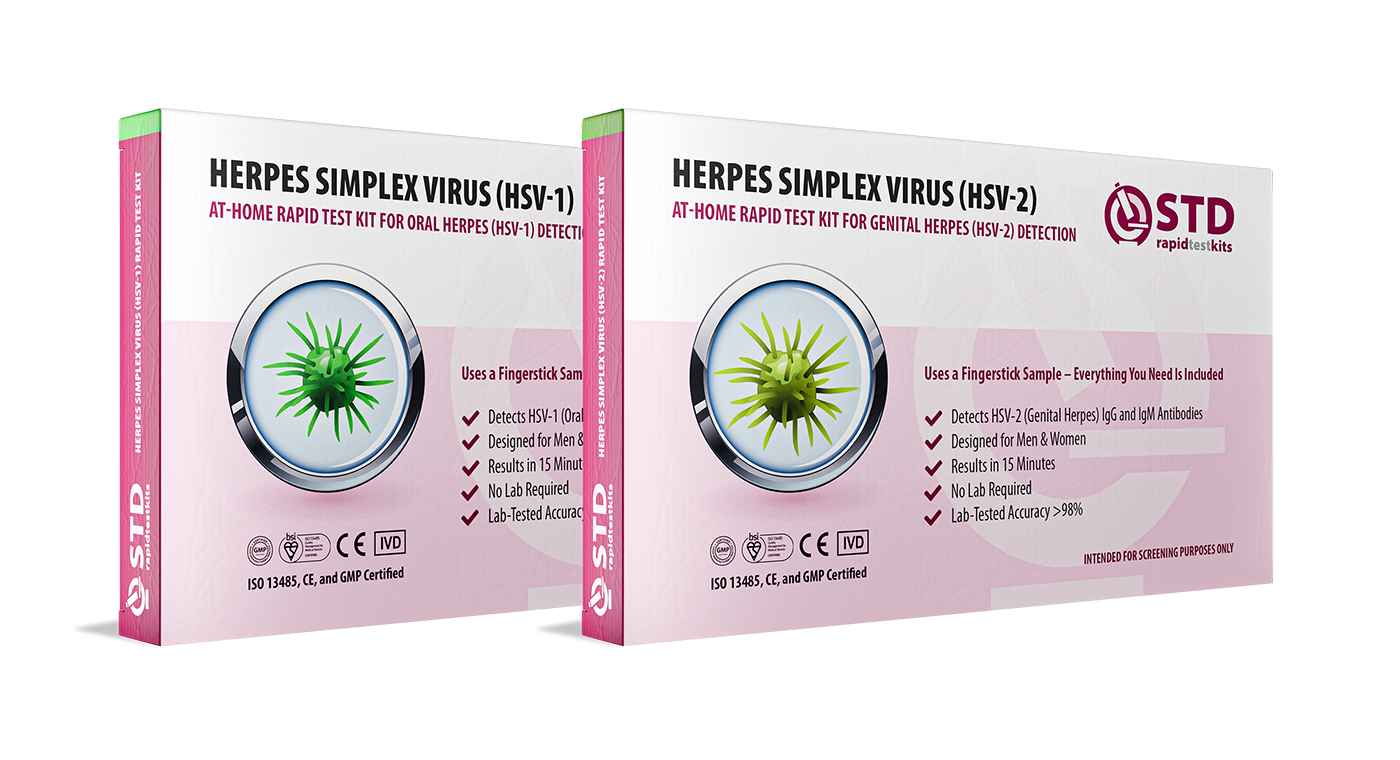
 For Men & Women
 Results in Minutes
 No Lab Needed
 Private & Discreet
Order Now $75.00 $98.00
For all 2 tests
Trichomoniasis: The STD That Slips Through the Cracks
Let’s talk about trichomoniasis, or “trich” for short. This common but often-ignored STD affects an estimated 2 million people annually in the U.S. alone, but testing is rarely done unless symptoms are severe. Trich is caused by a parasite, not bacteria or a virus, and many people who carry it have no idea. Yet it can cause discharge, odor, irritation, and even increase HIV transmission risk if left untreated.
What makes trich particularly tricky is how invisible it is in many health settings. Most urgent care and OB-GYN clinics don’t include it in routine panels. And while swab-based testing is reliable, it’s not always offered. That leaves people like Rosa, 29, guessing.
“I went in for a yeast infection, but nothing cleared it. The doctor finally tested me for trich, weeks later. That’s when I realized how many people must be walking around with this and not know it.”
Fast, affordable trich testing is now possible with discreet at-home kits. If you’ve ever had symptoms misdiagnosed as BV or yeast, or if you’ve had unprotected sex with a new partner, it’s worth testing yourself. The sooner you know, the faster you can treat and protect your partners.
Why You Can’t Assume a Partner’s Test Was Complete
“He said he was clean.” Those five words are often meant to reassure, but they can be dangerously misleading. Most people genuinely believe their STD test checked for everything. But unless they specifically requested herpes, trichomoniasis, and (for those with a cervix) HPV, it probably didn’t.
So even if a new partner shows you recent results, it’s okay, smart, even, to ask follow-up questions. Were they tested for HSV? Did the clinic screen for trich? Were any results based on symptoms, or was it a routine screen? These questions aren’t about distrust. They’re about consent, clarity, and care.
And for those who feel too awkward to ask, here’s your permission slip: advocating for your sexual health doesn’t make you high maintenance. It makes you informed.
Table: Most Common Gaps in STD Testing by Situation
| Testing Scenario | STD Commonly Missed | Reason It's Skipped |
|---|---|---|
| Routine physical with STI screening | Herpes, Trichomoniasis, HPV | Not included unless requested or symptomatic |
| After unprotected sex, no symptoms | Herpes | CDC doesn’t recommend routine HSV testing |
| Walk-in lab panel test | Trichomoniasis, HPV | Not part of most standard “combo” kits |
| OB-GYN visit with Pap smear | Trichomoniasis (if not symptomatic) | Often confused with yeast/BV; not tested unless requested |
| Emergency room STI check | HPV, Herpes | Focus on acute symptoms; non-life-threatening STDs may be skipped |
Figure 2. Where testing assumptions break down, and which STDs are usually overlooked.
Why It’s Not Your Fault (And What to Do Next)
If you’re reading this with a sinking feeling, take a breath. Not being tested for something doesn’t make you careless. The system is broken up, inconsistent, and not always made with patients in mind, which is why there are these gaps. But knowledge is power, and you’re already taking the first step by reading this.
You have options. You can return to your doctor and request specific tests. You can order an at-home test kit for herpes or trich right now. You can talk to your partner, clear up assumptions, and decide together what needs checking.
Whether it’s a past partner, a strange symptom, or just a gut feeling, don’t let doubt fester. Get clarity. Get tested. Get peace of mind.
“Negative” Doesn’t Always Mean “Clear”
It’s a gut-punch moment: you got tested, the results came back negative, but something still feels off. Maybe it’s an itch that won’t quit. Maybe your partner was just diagnosed. Or maybe you're pregnant and your OB flags an infection they “should’ve” caught earlier. You’re not alone.
False negatives happen. So do incomplete test panels, sample handling errors, or tests taken too soon. This is especially true for herpes and trichomoniasis, where detection depends heavily on timing, method, and whether the provider thought to test at all.
Jared, 26, experienced this firsthand. After a rough breakup, he took control and got tested. A full panel, he thought. But two months later, his new partner tested positive for trichomoniasis. Jared’s results? Negative, because no one had ever screened for it.
“I felt like a liar. Like I’d exposed someone by accident. But I swear, I had no clue. I thought I’d done the right thing.”
This isn’t just a testing issue, it’s a communication one. The best way forward is with transparency and proactive care. That includes retesting when needed, requesting comprehensive panels, and using trusted tools that put you in charge.
People are also reading: Is My Rash a Cold Sore?
When (and Why) You Might Want to Retest
Let’s say your last test was three months ago. You were symptom-free, so the panel skipped herpes. Or you got tested five days after exposure, not realizing some infections take weeks to show up. That’s where retesting comes in. It’s not overkill. It’s smart sexual health hygiene.
The table below outlines ideal retest timing for commonly missed infections:
| Infection | Initial Test Window | When to Retest | Why Retest Matters |
|---|---|---|---|
| Herpes (HSV-1/2) | 2–12 weeks | 12–16 weeks post-exposure | Antibodies take time to appear |
| Trichomoniasis | 5–28 days | 4–6 weeks post-exposure or after treatment | Symptoms may resolve without clearing infection |
| HPV | Varies; often detected during Pap test | Recheck yearly if high-risk type detected | Some strains clear, others linger and require follow-up |
Figure 3. Ideal retesting timelines for overlooked STDs.
At-home kits can make this process easier, especially for people who can’t afford multiple clinic visits or prefer privacy. Many offer multi-infection combo kits, and some let you select add-ons like herpes or trich tests. If you’ve ever felt uncertain after a “clean” test, retesting can give you peace of mind you didn’t know you were missing.
Check Your STD Status in Minutes
Test at Home with Remedium7-in-1 STD Test Kit
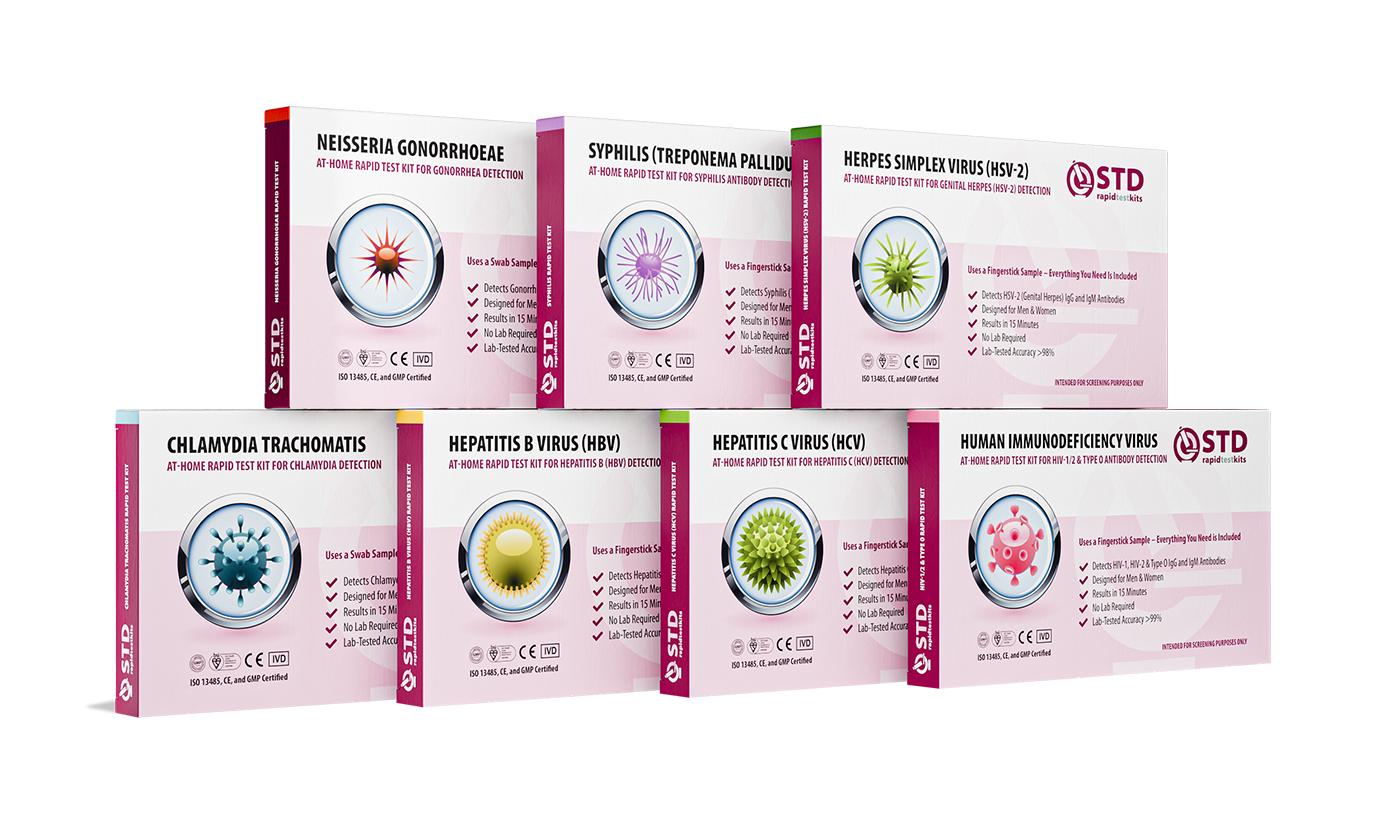 For Men & WomenResults in MinutesNo Lab NeededPrivate & Discreet
Order Now $129.00 $343.00
For all 7 tests
The Emotional Toll of Being Undiagnosed
There’s a quiet grief that comes from realizing you had an STD you were never tested for. It’s not just about the infection, it’s about the assumptions that made you feel safe when you weren’t. The partner you didn’t warn. The symptoms you gaslit yourself about. The months of pain or shame you carried without a name for it.
This is the hidden trauma of missing tests. People feel betrayed by the system. Others blame themselves for not asking better questions. But testing should never be a guessing game. And it should never feel like a privilege to know what’s going on in your own body.
That’s why the move toward accessible, patient-driven testing matters. You shouldn’t have to beg a provider to check for something. You shouldn’t have to justify your concern. You should be able to test, in private, without explanation, and get real answers.
How At-Home Testing Can Fill the Gaps
When clinics don’t screen, and providers don’t ask, you still have options. At-home testing gives you the power to decide what gets tested, when, and how. That means no awkward conversations, no gatekeeping, and no gaps in your panel, unless you choose them.
The combo STD test kit includes testing for all major infections, including herpes and trich, without requiring a doctor’s visit. It’s discreet, fast, and built for people who want control over their own health outcomes.
If your last test didn’t answer all your questions, now’s your chance to fix that. Whether you’re dealing with confusing symptoms, a new partner, or just want clarity before your next hookup, there’s a test for that. And it’s already in your hands.
FAQs
1. Wait… why isn’t herpes automatically included in STD tests?
Honestly? Because the system’s messy. Blood tests for herpes can detect past exposure, but they don’t tell you where the infection is, or if it’s active. Many clinics don’t offer it unless you’re showing symptoms. But here’s the wild part: most people with herpes don’t show any symptoms at all. So it gets skipped… a lot.
2. So if I tested negative, could I still have something?
Yep. Happens more often than you'd think. Maybe you got tested too early. Maybe the panel didn’t include trich or herpes. Maybe the sample wasn’t collected right. A “negative” result only means you were negative for the things they actually tested, and timing matters.
3. I asked for a full panel, shouldn’t that mean everything?
You’d think, right? But “full panel” isn’t a universal thing. Some labs mean five STDs. Some mean seven. Almost none include HPV, trichomoniasis, or herpes unless you ask. It’s like ordering a “loaded burger” and finding out it didn’t come with pickles, onions, or sauce, just because you didn’t list them.
4. What if my partner says they’re clean, but didn’t get tested for these?
That’s a tough one. They might think they were tested for everything, most people do. The kindest way to ask? “Did your last test include herpes or trich? I read some panels don’t.” If they’re defensive, that’s a red flag. If they’re open to a conversation, you’ve got a solid partner.
5. Can I test for HPV if I have a penis?
Unfortunately, no, there’s no approved test yet for people with penises. You can still carry and pass it on, though. That’s why vaccination, regular check-ins with partners, and watching for symptoms like genital warts matter. It’s not perfect, but it’s what we’ve got for now.
6. Is at-home herpes testing legit?
It is. Some kits use fingerprick blood to look for HSV antibodies, same tech used in clinics. Just make sure you’re using a reliable provider (like us). Testing at home skips the awkward questions, and the results are fast and private. You get answers without waiting days for a nurse to call.
7. Why is there so much stigma around herpes anyway?
Because people don’t understand it. Plain and simple. Herpes is incredibly common, more than half the population has some form of it, and it usually doesn’t impact your life much. But old fear tactics and sensational headlines made it seem like the end of the world. It’s not. It’s just something to manage and disclose, like allergies or asthma.
8. What does trichomoniasis even feel like?
For some, nothing at all. For others, it can feel like a UTI that won’t quit, itching, burning, unusual discharge, maybe a weird smell. It’s easy to mistake it for a yeast infection or BV. That’s why trich slips under the radar unless you test directly for it. Don’t rely on vibes, rely on results.
9. Should I retest if I had a scare but my results were negative?
Probably, yes, especially if it’s been a few weeks. Some infections take time to show up on tests. Herpes antibodies, for instance, can take up to 12 weeks to appear. Think of the first test as a preview and the retest as your final draft.
10. Is it weird to want to test again just to be sure?
Not even a little. It’s called being responsible. Whether it’s a new hookup, a strange symptom, or just that “hmm” feeling, you’re allowed to follow up. You’re not paranoid. You’re informed. Test as many times as you need until your brain quiets down.
You Deserve Answers, Not Assumptions
There’s a difference between peace of mind and false reassurance. Getting tested is powerful, but only if the test matches your needs. If you’ve ever walked away from a clinic thinking you were in the clear, only to second-guess it later, you’re not crazy. You’re just missing pieces of the puzzle.
Don’t wait and wonder, get the clarity you deserve. This at-home combo test kit checks for the most common STDs discreetly and quickly, including the ones most often overlooked. Because no one else should get to decide what you’re allowed to know about your own body.
How We Sourced This Article: We combined current guidance from leading medical organizations with peer-reviewed research and lived-experience reporting to make this guide practical, compassionate, and accurate.
Sources
1. WHO – Sexually Transmitted Infections Fact Sheet
2. PubMed – Trichomonas vaginalis: An Overview
3. Trichomoniasis — STD Treatment Guidelines (CDC)
5. About Genital HPV Infection (CDC)
6. Getting Tested for STIs (CDC)
About the Author
Dr. F. David, MD is a board-certified infectious disease specialist focused on STI prevention, diagnosis, and treatment. He blends clinical precision with a no-nonsense, sex-positive approach and is committed to expanding access for readers in both urban and off-grid settings.
Reviewed by: Alicia Mendez, NP | Last medically reviewed: November 2025
This article is for informational purposes and does not replace medical advice.


