







Quick Answer: If you’ve tested positive for an STD after infidelity, the next steps are: 1) start treatment immediately; 2) notify your partner(s); 3) get retested for co-infections; and 4) decide how to handle trust, safety, and health going forward. What feels like the end might actually be the start of something more honest, even if it hurts.
When the Truth Breaks in Two
Maria, 32, had been in a long-term relationship for almost eight years when she started noticing some discomfort during urination. Her first instinct wasn’t an STD, it was a UTI. But when her at-home rapid test came back positive for chlamydia, the truth unraveled. Her partner eventually admitted to a one-time “mistake” a few months back. They’d used no protection. Maria had been monogamous the whole time.
That single diagnosis blew open their entire relationship.
“It wasn’t just about cheating,” she said. “It was about the risk he put me in without my consent.”
Sound familiar? Whether you’re in Maria’s shoes, or you’re the one who stepped outside the relationship, the presence of an STD changes the stakes. But it also forces clarity: about health, about accountability, and about what you want going forward.
People are also reading: Herpes Testing at Home: Safe, Private, and Actually Accurate
What STDs Are Commonly Passed During One-Time Hookups?
Not all STDs require prolonged contact or repeated exposure. In fact, many can be transmitted from a single encounter, especially without condoms or with oral sex involved. Here’s what that risk looks like when infidelity is part of the picture:
| STD | Transmission Risk From One Encounter | Symptoms (If Any) |
|---|---|---|
| Chlamydia | High (genital, anal, oral) | Often silent; discharge, burning |
| Gonorrhea | High (especially with ejaculation) | Discharge, pain, throat infection |
| Syphilis | Moderate to high (skin-to-skin contact) | Sores, rashes, often misdiagnosed |
| Herpes (HSV-1/2) | Very high with active sores; possible without | Blisters, tingling, or none |
| Trichomoniasis | High in vaginal sex | Itching, odor, discharge |
| HIV | Low to moderate, increases with co-infections or cuts | Flu-like symptoms (early), none for years |
Figure 1. STDs that can be passed from a single infidelity-related encounter.
Translation? Even a quick, "it-meant-nothing" kind of cheat can lead to very real consequences. Especially if the cheating partner didn’t know they were infected, or didn’t care enough to check.
Did You Cheat or Were You Cheated On? The Next Steps Are Different (But Not That Different)
Let’s cut through the moral panic. Whether you stepped out or your partner did, the steps for protecting everyone’s health stay the same. What changes is the emotional fallout. Here’s a side-by-side breakdown:
| Situation | Immediate Steps | Considerations |
|---|---|---|
| You cheated and tested positive | Treat, test for co-infections, disclose to partner | Prepare for emotional impact; own your risk role |
| You were cheated on and tested positive | Treat, test, seek clarity and boundaries | Focus on healing, health, and informed choices |
| Your partner tested positive after cheating | Test immediately, consider full panel | They should notify others too, not just you |
Figure 2. First response options after STD exposure through infidelity.
The emotional context might differ. The health protocol? Uncomplicated. Test, treat, disclose, protect. The sooner, the better.
In this guide on partner notification, we break down scripts and anonymous ways to alert someone. If you’re worried about retaliation or shame, those tools still apply here, infidelity or not.
Can You Tell When or From Whom You Got the STD?
This is the burning question for a lot of people. “Was it them? Was it me? Did I get it before or after the cheating?”
Here’s the unfiltered truth: STD timing is murky. Symptoms can take days, weeks, or never show up at all. Even if you got tested regularly, most infections have a window period, a delay between exposure and test accuracy. Unless both partners were tested on the same day before and after the infidelity, it's often impossible to pinpoint who had it first.
Try not to spiral into detective mode. Focus on treatment, safety, and what this moment means for your relationship, not revenge fantasies or shame spirals.
Check Your STD Status in Minutes
Test at Home with Remedium7-in-1 STD Test Kit

 For Men & Women
 Results in Minutes
 No Lab Needed
 Private & Discreet
Order Now $129.00 $343.00
For all 7 tests
Talking to Your Partner After a Positive STD Test and Infidelity
This might be the hardest conversation of your life. You’ve got two emotional grenades in your hand:
- You tested positive for an STD, and
- Someone cheated, maybe you, maybe them.
It’s raw, it’s messy, and there’s no perfect script. But honesty is your only way out of the fog.
If you were the one who cheated and tested positive, you should take responsibility first. You're not just giving someone bad news; you're also taking on their risk. Here's a way to put it without making excuses:
"I have something important to tell you. I messed up. I had sex with someone else while we were together, and I just found out I have herpes. I'm already getting treatment, but you should get tested as well. I get why you're mad. You have every right to be.
Now, if you’re on the other side, if you were cheated on and your partner just dropped a diagnosis on you, it’s okay to rage. It’s okay to feel shattered. But your first move isn’t revenge. It’s your health. You need to get tested immediately and avoid sexual contact until you know where you stand.
Don’t be afraid to ask:
- When did this happen?
- Was protection used?
- Did you test before the incident? After?
- Are there other partners I should know about?
This isn’t about shaming them, it’s about information. You deserve to understand the risk, because you didn’t consent to it.
Dealing With the Emotional Aftershock: Rage, Shame, and Everything In Between
Testing positive after cheating, or being cheated on, can leave your emotions in a tangled mess. You might feel guilt, fear, rage, grief, disgust, numbness. You might blame yourself for not seeing signs, or spiral into self-loathing. Let’s pause right here.
You’re allowed to feel all of it.
What you're not allowed to do is let those feelings stop you from getting treated, tested, or protected. Your next move is more important than the mistake that came before it.
Consider this your emotional first-aid kit:
- Guilt? Treat yourself. Treat your partner. Get retested in a few weeks.
- Shame? You’re not the first. You won’t be the last. This doesn’t define you.
- Rage? Channel it into boundaries. Don't use it to avoid healing.
- Confusion? Talk to someone who won’t judge, therapist, hotline, support group.
Real talk: Getting an STD after cheating doesn’t make you “dirty.” Getting one after being cheated on doesn’t make you weak. It makes you human in a world that doesn’t talk enough about sexual health, monogamy myths, and STI prevention. That’s not on you, but your recovery is.
Should You Tell Future Partners That This Came from Infidelity?
This depends on how much context you want to share, but yes, you should tell future partners if you’ve had an STD, especially one that’s chronic (like herpes or HIV) or if there’s any risk of reinfection. What you don’t have to do is confess the entire relationship drama that led to it.
Try something like:
“Just so you know, I had chlamydia about six months ago. It’s cleared now, but I like to be upfront.”
You’re signaling responsibility without reliving old trauma. And if the infection was the wake-up call that made you change your lifestyle, say that too. It’s a powerful truth, and one that many people respect.

People are also reading: How to Feel Sexy Again After Testing Positive for an STD
How to Get Retested Discreetly (Without the Side-Eye)
If you're not ready to walk into a clinic, or you just want to double-check your status after treatment, at-home STD test kits are a game-changer. No waiting rooms, no judgment, and no awkward check-in desk.
We recommend getting retested for common co-infections 2–4 weeks after treatment, especially if you had symptoms or were diagnosed with:
- Chlamydia or gonorrhea (retest in 3 weeks)
- Syphilis (retest after treatment based on stage)
- HIV (follow-up test at 3 months)
Already treated and still nervous? Don’t guess, test again. Many people use a combo panel to make sure nothing was missed. It’s quick, discreet, and way less emotionally draining than sitting in a clinic after a breakup or betrayal.
Why Some Couples Stay Together, And Some Don’t
Yes, infidelity is a betrayal. And yes, STDs are a wake-up call. But that doesn’t mean the relationship is automatically over. For some couples, this is the catalyst that finally gets them talking about sex, boundaries, trust, and safety for the first time. For others, it’s the final straw.
There’s no one right answer. But here are a few signs that moving forward together could work:
- The partner who cheated is taking full accountability (without gaslighting)
- You’re both willing to get tested, treated, and discuss prevention
- There’s emotional space for processing, not just damage control
- You’re choosing to stay because of healing, not fear
Whatever path you take, staying, leaving, or taking time apart, make sure your choice is rooted in health, not panic. STD recovery is physical and emotional. And both matter equally.
How Long Should You Wait Before Retesting?
So, you’ve taken the first test, maybe even started treatment, but that voice in your head is still whispering, “What if it’s not all gone?” That’s a valid fear. STDs don’t just vanish the moment you pop a pill or get a shot. And sometimes, you’ve got more than one thing going on.
That’s why retesting is crucial. Not for punishment. For confirmation. Here’s a quick cheat sheet based on CDC guidelines and field-tested realities:
| STD | When to Retest | Why It Matters |
|---|---|---|
| Chlamydia | 3 weeks post-treatment | To catch reinfection or incomplete treatment |
| Gonorrhea | 3–4 weeks | It can linger, especially in the throat or rectum |
| Syphilis | 6–12 weeks, depending on stage | To confirm the treatment worked |
| HIV | 4–6 weeks (and again at 90 days) | Antibody levels take time to rise |
Figure 3. Recommended retesting timelines after STD diagnosis or exposure via infidelity.
Don't just retest to be cautious, retest to close the loop. It’s the final step in taking control of your health after someone else made a decision that didn’t include you.
What If Your Partner Refuses to Get Tested?
Infidelity alone is hard. But finding out someone exposed you to an STD, and still won’t get tested? That’s next-level selfish. And dangerous.
If your partner flat-out refuses to get tested or share their results, it’s time to stop negotiating and start protecting yourself. That includes:
- Ceasing all sexual activity until they’re cleared
- Getting a full panel yourself, no more waiting
- Deciding if staying is safe (physically or emotionally)
- Reaching out for support, this is psychological warfare
You deserve partners who care about your body, not just their secrets. If they won’t test, that’s your answer, even if it’s not the one you wanted.
Check Your STD Status in Minutes
Test at Home with Remedium3-in-1 STD Test Kit
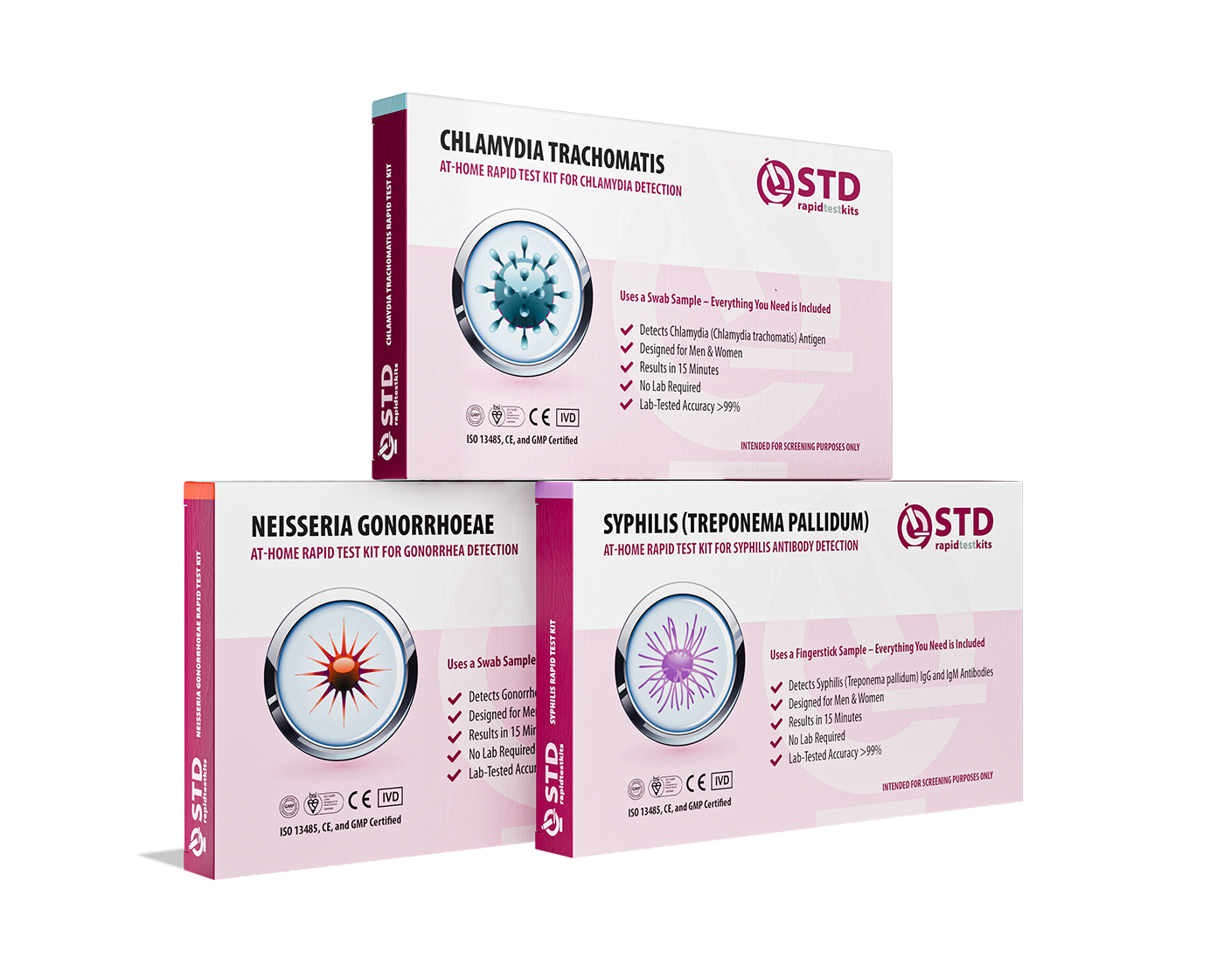 For Men & WomenResults in MinutesNo Lab NeededPrivate & Discreet
Order Now $69.00 $147.00
For all 3 tests
Is It Safe to Date Again After an STD From Infidelity?
Yes. Yes. And also, hell yes.
You are not damaged. You are not "risky." You are not permanently contaminated. You’re a person who experienced something painful, took control of your health, and came out more honest and informed than 90% of the dating pool. That’s strength.
When you’re ready to get back out there (and only when you are ready), be honest, but not self-punishing. You don’t owe new partners a play-by-play of your ex’s betrayal. You just owe them transparency about your current status and protection moving forward.
Here’s a sample disclosure that keeps it simple:
"Just a heads-up, I've had [insert STD] in the past. I got treated, tested again, and I stay on top of my status. I’d rather be upfront now than deal with surprises later."
If someone flakes out after that? They did you a favor. You’re not here to babysit grown adults who can't handle real talk.
Don’t Let Shame Write Your Story
If you're walking through the aftermath of infidelity and an STD diagnosis, it’s easy to feel like you've lost control of your narrative. Like everything is happening to you. But that ends the moment you take your next step, whether that’s treatment, testing, telling the truth, or telling someone goodbye.
This doesn’t make you unlovable. This makes you human. And the most human thing we can do is heal.
Take back your power with a discreet at-home test. No clinics, no judgment, just answers.

People are also reading: Not All Bumps Are Herpes, But Some Are
FAQs
1. Can you actually get an STD from just one slip-up?
100%. One night, one kiss, one half-drunk decision, it doesn’t take much. STDs don’t need a relationship to hitch a ride. And they don’t care if it “meant nothing.” That’s why they’re so good at spreading quietly, especially when folks assume one-time equals no-risk. It doesn’t.
2. Is there a way to know who gave it to who?
In most cases? Nope. Unless everyone involved got tested before and after, there’s no smoking gun. Symptoms show up late, or not at all. People carry stuff for months without knowing. The only timeline that matters now is yours: test, treat, and protect whoever’s next.
3. I was cheated on and tested positive. Now what?
First, I’m sorry. That sucks on multiple levels. But your first priority isn’t the cheater, it’s you. Get treated. Ask about co-testing. Use this moment to set the rules for your body going forward. Whether you stay or walk away, don’t let someone else’s lie dictate your health.
4. Should I tell future partners I got an STD from cheating, or being cheated on?
You don’t have to hand over your emotional police report. You do need to disclose past infections, especially ones that can linger or return. Keep it simple: “I had [X] a while back, got treated, all clear now, but I stay on top of testing.” You can mention how it changed your views on protection, too. Growth talks louder than guilt.
5. What if my partner refuses to get tested?
Big red flag. If someone exposed you to an STD and won’t even verify their status, they’re showing you exactly how little they value your safety. That’s not just disrespectful, it’s dangerous. You deserve the kind of intimacy where testing isn’t a fight, it’s a form of care.
6. I got treated, do I really need to test again?
Yes. Think of treatment as step one. Retesting is step two: it confirms the infection’s gone, catches anything missed, and rules out reinfection (especially if your partner hasn’t been treated yet). For some STDs, like chlamydia or gonorrhea, a retest in 3 weeks is standard. Don’t skip it.
7. How long should I wait to have sex again?
Depends on what you were treated for. Most bacterial STDs = wait 7 days post-treatment. Viral ones (like herpes or HIV) require more ongoing conversations about status, meds, and risk reduction. And emotionally? Wait until trust, yours or your partner’s, feels solid again. Don’t rush it.
8. Can you still have a healthy sex life after this?
Hell yes. Plenty of people do. Some even find that life after an STD diagnosis is when they finally started having real, informed, mutually respectful sex for the first time. You’re not broken. You’re more aware. And that makes you powerful.
9. What if I still feel ashamed?
That’s okay. But don’t unpack and live there. Shame is loud, but it’s also a liar. You’re not “dirty” or “stupid” or “desperate.” You’re someone who hit a rough patch and is now taking steps most people are too scared to face. That’s resilience, not failure.
10. Can I trust again, myself or anyone else?
Eventually, yes. It’ll take time. Rebuilding trust isn’t about pretending nothing happened. It’s about saying: “This hurt, but I’m not going to let it own me.” You’ll know when it’s safe to open up again. In the meantime, trust you. You’re doing the work. And that’s everything.
Rebuilding Intimacy After This Kind of Earthquake
Sex might be the last thing on your mind. Or maybe it's the first thing you're worried about: Can I ever feel safe again? Will I always be thinking about where they've been, or where I’ve been?
Start here: intimacy isn’t just sex. It’s communication, trust, mutual care, and the shared decision to move forward, or move on, with clarity.
If you’re trying to reconnect after infidelity and an STD diagnosis, rebuild slowly:
- Get tested together, and review results openly
- Talk about protection, STI history, and boundaries with zero judgment
- Pause for a few weeks if needed; emotional trust comes before physical trust
- Try new forms of intimacy (massages, baths, sleeping skin-to-skin) that aren’t just sex
And if you’re not ready? That’s also valid. Healing is not linear. Safety is not instant. Take your time.
How We Sourced This Article: We reviewed clinical guidelines, trauma-informed care models, anonymous STD case studies, and direct disclosures from people navigating STD diagnoses within infidelity. Around fifteen reputable sources were used to ensure accuracy, clarity, and reader usefulness. Below, we’ve highlighted some of the most relevant and reader-friendly sources.
Sources
1. CDC – 2021 STD Treatment Guidelines
2. Talk. Test. Treat. – Partner Notification for STIs | CDC
3. Partner Services: Notification & Treatment of Sexual Partners | CDC
4. How to Share Your STI/STD Status with a Partner | Healthline
5. Strategies for Partner Notification for Sexually Transmitted Infections | NCBI PMC
About the Author
Dr. F. David, MD is a board-certified infectious disease specialist focused on STI prevention, diagnosis, and trauma-informed patient advocacy. He combines evidence-based medicine with practical, judgment-free care for people navigating complex sexual health situations.
Reviewed by: Naomi Chen, LCSW | Last medically reviewed: November 2025
This article is for informational purposes only and is not a substitute for professional medical advice or treatment.


