






Quick Answer: Genital sores can be caused by STDs like herpes, syphilis, or chancroid, but they can also result from shaving, allergic reactions, or infections unrelated to sex. The only way to know for sure is to test.
“I Didn’t Think It Was an STD, It Didn’t Even Hurt”
Riley, 27, didn’t panic when she noticed a small ulcer on her labia. It wasn’t painful, didn’t itch, and wasn’t oozing. She figured it might be a scratch or friction from her new jeans. But weeks later, a routine STD panel revealed she had syphilis. “I was floored,” she said. “I thought syphilis had disappeared in the ‘40s.”
This story echoes across clinics and Reddit threads alike: people assume an STD will come with dramatic symptoms, pain, or pus. But that’s not always true. Some of the most dangerous infections start quietly, especially in the early stages. A syphilis chancre, for instance, is often painless. So is the first outbreak of genital herpes in certain cases. By the time symptoms worsen, transmission may have already happened, and some people may never develop obvious signs at all.
This silence is part of what makes STDs so stealthy. People delay testing because their symptoms aren’t “textbook.” But if there’s one thing public health experts agree on, it’s this: if there’s a sore on your genitals that wasn’t there before and didn’t come from obvious trauma, test. Now.
The Big Three: Herpes, Syphilis, and Chancroid
Three sexually transmitted infections are notorious for causing open sores or lesions: herpes simplex virus (HSV), syphilis, and chancroid. Each presents a little differently, but they can overlap enough to confuse even experienced clinicians, let alone someone squinting at Google Images at midnight.
| STD | Appearance | Pain Level | Timing of Symptoms | Typical Testing |
|---|---|---|---|---|
| Herpes (HSV-2) | Clusters of fluid-filled blisters, can burst into shallow ulcers | Mild to severe burning or stinging | 2–12 days after exposure | Swab or blood test |
| Syphilis | Single, round, painless ulcer (chancre) | Often painless | 10–90 days after exposure | Blood test (RPR or treponemal) |
| Chancroid | Soft, painful ulcer with ragged edges | Painful | 4–10 days after exposure | Culture or PCR (rare in U.S.) |
Table 1. A side-by-side comparison of common STDs that cause genital sores. Appearance and timing can overlap, which is why testing, not guessing, is critical.
It’s important to note that chancroid is now rare in the U.S., but it still appears in some travel-related or underserved settings. Meanwhile, herpes remains the most common culprit by far. According to the CDC, roughly 1 in 6 adults have HSV-2, though most don’t know it. Primary outbreaks can look dramatic, but recurrences tend to be milder, and that makes self-diagnosis tricky.
People are also reading: Why STDs Spike During Menopause (And No One Talks About It)
When It’s Not an STD: Razor Burn, Allergies, and More
“I shaved with a new razor before a date,” said Manny, 34. “Next morning, I had three red bumps on my shaft. I spiraled into thinking it was herpes. Turned out to be ingrown hairs.”
For every true STD sore, there are dozens of benign conditions that look similar. Friction, allergic reactions, clogged follicles, even tight clothing can cause bumps, blisters, or irritation. And sometimes, the body's own stress response, especially after sex, can trigger skin issues that mimic infection.
Still, guessing isn’t a plan. Dermatological conditions like lichen planus, psoriasis, and molluscum contagiosum can also appear as ulcers or papules. They might not be sexually transmitted, but they still require evaluation. And yes, herpes can look like an ingrown hair at first, until it doesn’t.
If you have a sore that bleeds, scabs, or sticks around for more than a few days, or comes back in cycles, it’s time to take it seriously. Especially if you’ve had unprotected sex or oral-genital contact recently. Your symptoms don’t need to “fit the profile” to justify testing. They just need to be new, or persistent.
Check Your STD Status in Minutes
Test at Home with Remedium3-in-1 STD Test Kit
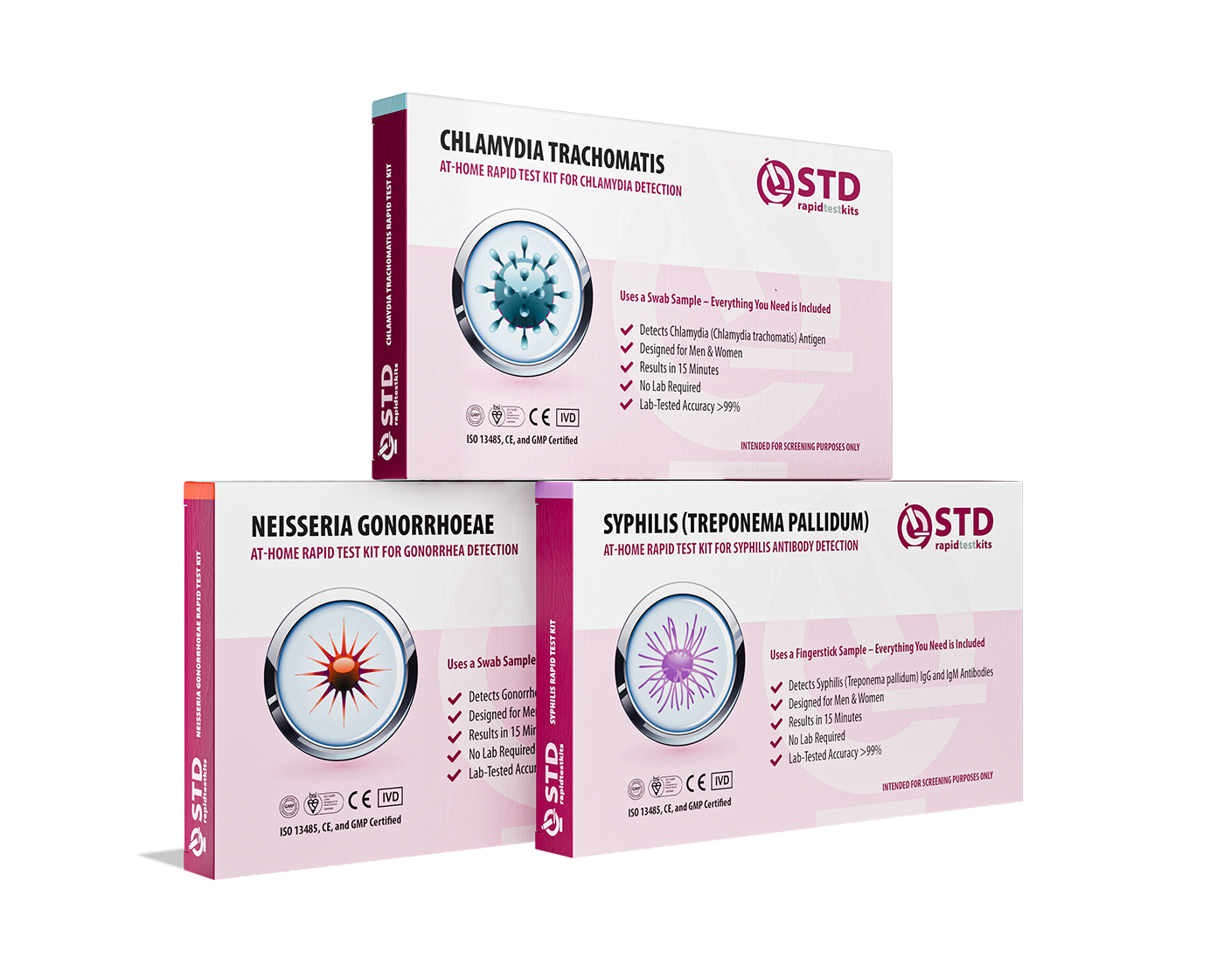
 For Men & Women
 Results in Minutes
 No Lab Needed
 Private & Discreet
Order Now $69.00 $147.00
For all 3 tests
What Genital Sores Look Like at Different Stages
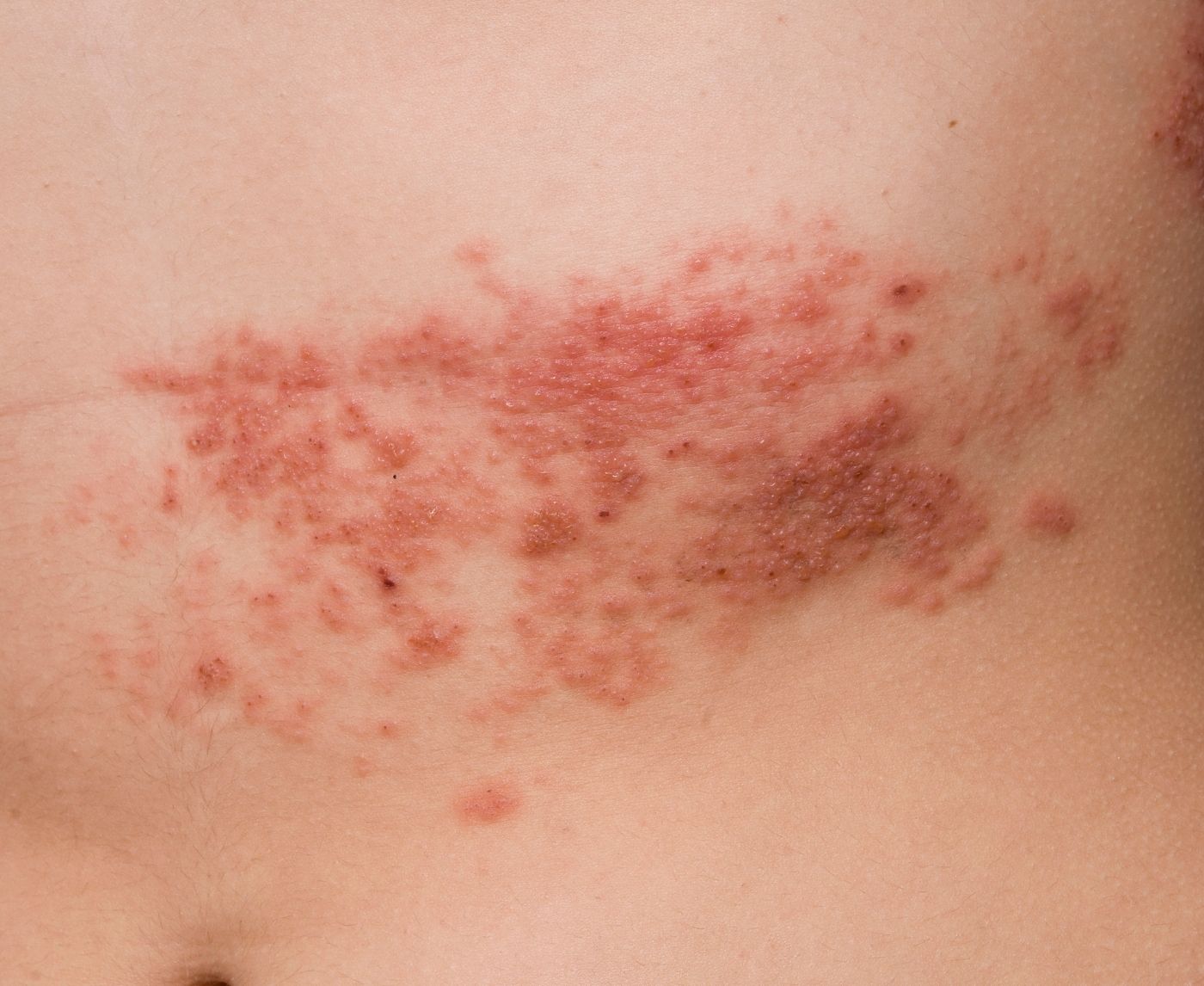
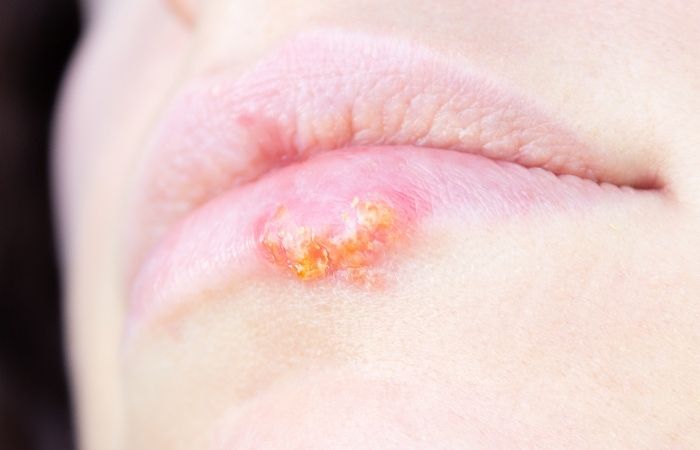
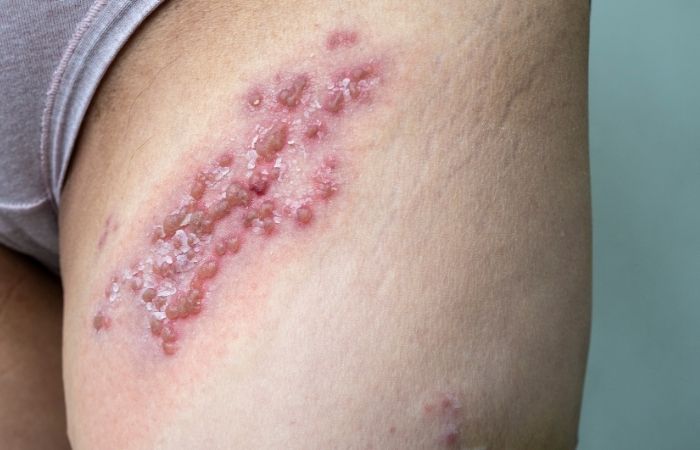
Let’s get real: genital sores change. They don’t just pop up fully formed. Understanding the stages can help you distinguish between an evolving infection and a fleeting skin reaction. For example, herpes often starts as tingling or itching before any sore appears. That’s the virus replicating beneath the skin. Within a day or two, fluid-filled blisters surface, and if broken, they become shallow, painful ulcers.
Syphilis often tricks people. Its first-stage sore, the chancre, is typically round, firm, and painless. It may appear on the genitals, anus, or mouth depending on the contact site. It heals on its own within a few weeks, which is why people miss it. But that healing is deceptive: the infection spreads internally even as the surface appears better.
In some cases, sores come and go quickly. In others, they linger. A person with suppressed immunity may experience prolonged or severe outbreaks, especially with herpes. People with HIV, those on immunosuppressants, or even folks with extreme stress may notice sores that won’t heal or worsen over time.
| Stage | What You Might See | Possible Causes | What to Do |
|---|---|---|---|
| Early (0–2 days) | Itching, tingling, red bump or rash | Herpes (prodrome), irritation, allergy | Monitor, avoid picking, note if it changes quickly |
| Mid (3–6 days) | Blister forms, bursts, or ulcer appears | Herpes, syphilis, chancroid | Test now or schedule telehealth review |
| Late (7+ days) | Scabbing, crusting, shallow healing ulcer | Herpes (healing), skin trauma, secondary infection | Continue care, test if you haven’t, avoid new partners |
Table 2. Progression of a typical genital sore and how timing relates to testing urgency. Keep in mind: no two outbreaks are identical, even in the same person.
One of the hardest parts? Some people never get visible sores at all. Herpes can live in the body and spread during “shedding” phases where no symptoms appear. This is why partner-to-partner transmission often shocks people, especially when one person was asymptomatic the entire time.
When and How to Test (Without Freaking Out)
Let’s say you found a bump this morning. Do you rush to the clinic? Do you wait it out? Is it too soon to test? Here's the reality: the right time to test depends on the infection’s window period, and the type of test you use.
If the sore is fresh and oozing, a clinician can swab it for a viral culture or PCR to test for herpes. That’s most effective when the sore is brand new, before scabbing. For syphilis, a blood test will detect antibodies, which generally show up around 3–6 weeks after exposure. Testing too early can result in a false negative, especially for blood-based tests that rely on the body’s immune response.
At-home rapid kits offer an easy first step. They can detect antibodies for herpes and syphilis using finger-prick blood samples. But if you’re still within a 2-week post-exposure window, it’s often wise to retest later, even if the first result is negative.
Here’s a rough timeline to guide you (but when in doubt, test now and again later):
| Infection | Best Time to Test | Retest If First Test Is Negative? |
|---|---|---|
| Herpes (HSV-2) | 7–14 days for swab, 4–6 weeks for antibody | Yes, especially if symptoms persist or recur |
| Syphilis | 3–6 weeks after exposure | Yes, repeat in 6–12 weeks if risk remains |
| Chancroid | 4–10 days (clinical diagnosis in U.S.) | Uncommon; follow physician guidance |
Table 3. Testing windows for genital-sore-related STDs. Retesting isn’t failure, it’s smart. Especially for infections with delayed antibody responses like syphilis or HSV.
If you’re panicking in real time, take a breath. Start with a test you can access quickly, like an at-home combo kit that screens for multiple STDs. You can always follow up with a lab or provider if needed.
Whether it's a bump or a question mark, you deserve clarity. STD Rapid Test Kits ships discreetly and gives you results fast, no appointments, no waiting rooms, and no judgment.
The Role of Recurrence: When Sores Keep Coming Back
“Every time I’m stressed, I get a little blister near the same spot,” said Jordan, 31. “At first, I thought it was friction or shaving, but it always popped up in the same place.” Eventually, a swab confirmed what Jordan feared: genital herpes. Recurrences aren’t rare, they’re the norm for many people with HSV-2.
Herpes settles into nerve cells and reactivates over time, often triggered by stress, illness, menstruation, or friction. Some people have multiple outbreaks a year; others go years without symptoms. The first outbreak is usually the worst. After that, it often becomes manageable, and for some, almost unnoticeable. But even asymptomatic carriers can transmit it, especially during periods of viral shedding.
Syphilis, on the other hand, doesn't recur in the same way. Its progression goes through distinct stages, primary (chancre), secondary (rash, systemic symptoms), latent (no symptoms), and tertiary (organ damage). But even if the sore disappears, the bacteria remains in the body unless treated.
This is why partner communication matters. One person might carry herpes for years without knowing, only to transmit it to someone whose body reacts visibly. It's not about fault, it’s about awareness. A confirmed diagnosis can help you manage symptoms, protect partners, and reduce future outbreaks with antiviral medications or lifestyle adjustments.
People are also reading: I’m Sex-Positive, So Why Do I Still Feel Dirty After Testing?
What to Do While You Wait for Results
Waiting is the worst part. Whether you’ve tested at home or in a clinic, the hours, or days, between swabbing and result day can feel endless. Here’s how to get through it without losing your mind:
First, avoid touching the sore. Popping, squeezing, or covering it in creams (especially over-the-counter acne products) can make things worse. If you’re sexually active, hold off until you have answers. Even condoms can’t fully protect against herpes or syphilis, since sores may appear on areas condoms don’t cover.
Second, stay skeptical of photos. Web image comparisons often lead people astray. The same virus can look dramatically different from person to person, or outbreak to outbreak. What looks like herpes on one body might look like a zit on another. The only accurate way to know what you’re dealing with is to test.
Third, protect your mental health. Shame spirals are common, but they rarely help. You didn’t do anything wrong by having sex. You didn’t fail at being careful. Most STDs are extremely common, often silent, and shockingly easy to catch even with precautions. You are not broken, you are just navigating a moment that millions of others have faced too.
Check Your STD Status in Minutes
Test at Home with Remedium10-in-1 STD Test Kit
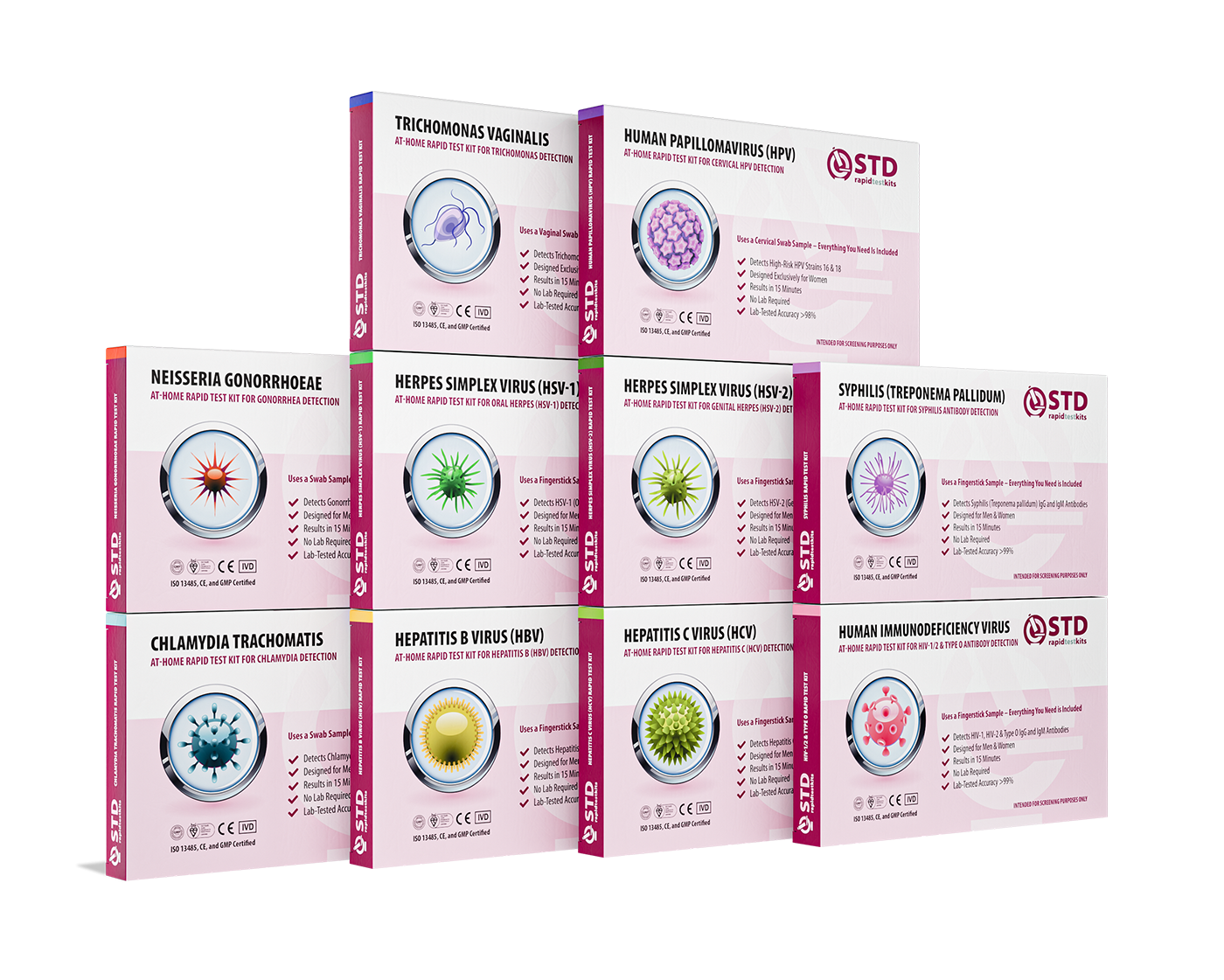
 For WomenResults in MinutesNo Lab NeededPrivate & Discreet
Order Now $189.00 $490.00
For all 10 tests
What If You Test Positive?
If you’ve just seen the result and your stomach dropped: take a breath. You’re not alone, and this doesn’t define you. Most STDs, including herpes and syphilis, are treatable, manageable, and extremely common. The shame is far more harmful than the diagnosis itself.
If it’s herpes, you’ll want to confirm whether it’s HSV-1 or HSV-2. Both can affect the genitals. HSV-1 is more likely from oral contact and may recur less often. Antivirals like valacyclovir can reduce symptoms and lower transmission risk, even if you're not currently having an outbreak.
If it’s syphilis, treatment is straightforward: usually a single injection of penicillin. But the earlier you catch it, the better. Left untreated, syphilis can affect the brain, heart, and nervous system. Follow-up testing is essential to confirm treatment success.
And if it’s something else, non-STD causes, a skin infection, or no diagnosis at all, that’s still a win. You ruled out major concerns and learned what’s normal for your body.
What matters most is taking action. Don’t ghost the issue. Don’t wait for it to go away. Test, treat, and talk if needed. You don’t have to announce it to the world, but telling partners (current or past) can help stop the cycle and reduce your own anxiety. If you need a script, look into anonymous partner notification services or apps built for exactly this purpose.
Ready to move forward? This at-home combo test kit checks for the most common STDs discreetly and quickly. You’ve got options. You’ve got support.
FAQs
1. Do all genital sores mean I have an STD?
Not even close. Sure, some sores scream herpes or syphilis, but others? They’re from shaving, friction, allergies, or your skin just being sensitive. That said, if it’s a sore that’s new, persistent, or came out of nowhere after sex? Don’t guess. Get tested.
2. How do I know if it’s herpes and not just a pimple?
Herpes usually stings or tingles before you even see anything. Then come the blisters, small, clear, grouped. Pimples tend to be red, irritated, and have a core. But real talk? They can look way too similar, especially at first. If you’re unsure and it’s stressing you out, test. Peace of mind beats overthinking.
3. Can I still get an STD from oral sex?
Yep, oral doesn’t mean risk-free. Herpes, syphilis, and even gonorrhea can pass that way. One sore on someone’s lip or inside their mouth is enough. It doesn’t make kissing wrong, it just makes testing smart.
4. The sore isn’t painful. Does that mean it’s nothing?
Not necessarily. A classic syphilis sore (called a chancre) is usually painless, and that’s the trap. It comes, it heals, and meanwhile the infection moves deeper into your system. If you see something but don’t feel much, don’t blow it off. Silent doesn’t mean safe.
5. How long should I wait before testing?
Depends on the STD. For herpes, you can swab a blister right away, but for blood tests, wait at least 4 weeks. Syphilis usually shows on blood tests by week 3 or 4. If you test early and it’s negative, retest later. Think of it as double-checking, not failing.
6. I tested negative, but now I have a sore. What gives?
Could be timing. If you tested too soon after exposure, your body might not have built up enough antibodies yet. That’s why knowing the window period matters. When in doubt? Retest. Especially if something new shows up on your skin.
7. Why do my sores keep coming back in the same spot?
That’s herpes’ signature move. The virus hangs out in your nerves and reactivates in the same area when triggered, stress, illness, friction, sunburn, even your period. If you notice a pattern, that’s your cue to get checked for HSV.
8. Can I pass herpes even if I have no sores?
Yes, and that’s what makes it tricky. You can “shed” the virus through your skin even when everything looks and feels fine. That’s why disclosure, testing, and, if you’re positive, meds like valacyclovir can help keep partners safer.
9. Is it okay to have sex if I’m not sure what the sore is?
Short answer: probably not. Until you know what’s going on, sex (even with condoms) can spread something. Take a break, get tested, get answers. Real intimacy includes protecting your people.
10. Will my partner think I’m dirty if I tell them?
Honestly? Most partners appreciate honesty more than a surprise sore later. People who’ve had sex have dealt with STDs, it’s part of the territory. If someone shames you, that’s a them problem. You deserve care, not judgment.
You Deserve Answers, Not Assumptions
There’s no shame in not knowing. But there’s power in finding out. Whether the sore you’re staring at is herpes, syphilis, a skin condition, or just an overactive imagination, it’s worth investigating. Your health isn’t a guessing game. It’s something you get to own.
Discreet testing gives you a way to take that first step without judgment, delays, or exposure. The sooner you test, the sooner you know. And the sooner you know, the sooner you can act, whatever that means for you.
Don't wait and wonder; get the clarity you need. This home test kit checks for the most common STDs quickly and privately.
How We Sourced This Article: We combined current guidance from leading medical organizations with peer-reviewed research and lived-experience reporting to make this guide practical, compassionate, and accurate.
Sources
3. Genital Ulcer Disease Syndrome – NCBI Bookshelf
4. Genital ulcer disease: A review – PMC
5. Chancroid – StatPearls – NCBI Bookshelf
6. Sexually Transmitted Infections: Updates From the 2021 CDC Treatment Guidelines – AAFP
7. Genital ulcers caused by sexually transmitted agents – PMC
About the Author
Dr. F. David, MD is a board-certified infectious disease specialist focused on STI prevention, diagnosis, and treatment. He blends clinical precision with a no-nonsense, sex-positive approach and is committed to expanding access for readers in both urban and off-grid settings.
Reviewed by: Dr. S. Monroe, MPH | Last medically reviewed: November 2025
This article is for informational purposes and does not replace medical advice.


