







Quick Answer: Yes, you can still have sex after an STD diagnosis. What matters most is timing, treatment, and honest communication, most STDs are treatable, and safe, satisfying sex is entirely possible.
This Article Is for You If Sex Feels Off-Limits Right Now
Whether you just got your first diagnosis or you’re living with a chronic infection like herpes or HIV, this guide is here to walk you through what sex can look like after that initial shock. We’re talking about the questions that hit hardest at 2AM: When is it safe to touch someone again? Will anyone want me? What if I mess up? What if I never feel sexy again?
These aren’t just logistical questions, they’re emotional landmines. So let’s defuse them. Together. You’ll find no shaming here. No “just use a condom” oversimplifications. Just facts, tools, and voices of people who’ve been where you are. And above all: a promise that your sex life isn’t over. It’s evolving.
Let’s Talk Timing: When Is Sex Safe Again?
The answer depends on what you’ve been diagnosed with and whether you’ve completed treatment. Some STDs, like chlamydia and gonorrhea, are curable with antibiotics. Others, like herpes and HIV, are manageable with long-term care. But in all cases, jumping back into sex too quickly can put both you and your partner(s) at risk.
Imagine this: Ty, 26, found out he had gonorrhea after a weekend hookup. He took the prescribed antibiotics that same day, but felt fine by morning. “I figured I was good,” he told us. “No symptoms anymore.” He had sex again three days later, too soon. The result? He reinfected his partner. What Ty didn’t realize is that clearance takes time, even if you feel okay.
| STD | Treatment Required | When Is Sex Safe Again? |
|---|---|---|
| Chlamydia | Single-dose antibiotic or 7-day regimen | Wait 7 days after completing all medication |
| Gonorrhea | Antibiotic injection + oral dose | Wait 7 days after treatment |
| Herpes (HSV-1 or HSV-2) | Ongoing antiviral management | Avoid sex during outbreaks; condoms + meds reduce risk |
| HIV | Daily antiretroviral therapy (ART) | “Undetectable = Untransmittable” if ART is consistent |
| Trichomoniasis | Oral medication (1 dose or 7 days) | Wait 7 days after completion |
Table 1: Safe sex re-entry timelines by STD. Timing matters even when symptoms disappear. Use these as minimum guidelines, not guarantees.

People are also reading: HIV Symptoms Are Easy to Miss. Co-Infections Make Them Even Harder.
So... What If It’s Herpes?
This is the big one for many. The diagnosis that shakes people’s dating lives the hardest. But here’s the truth: herpes is common (more than 1 in 6 Americans have HSV-2), it doesn’t define your worth, and yes, you can have a safe and satisfying sex life with it.
Let’s say you’re Kayla, 33. You just found out you have genital herpes. You feel disgusted, ashamed, like you’ll have to warn every future partner like some kind of walking hazard sign. But then you find out your new friend from work also has herpes, and she’s been in a stable, joyful relationship for two years. Her boyfriend? HSV-negative. She takes daily antivirals, avoids sex during outbreaks, and they use condoms. That’s it. No drama. No loss of intimacy. Just care.
Antiviral meds like valacyclovir reduce transmission risk by over 50%. Condoms cut it even further. And here’s what no one tells you: many people with herpes have partners who remain uninfected for years. The key is honesty and timing, not abstinence.
Check Your STD Status in Minutes
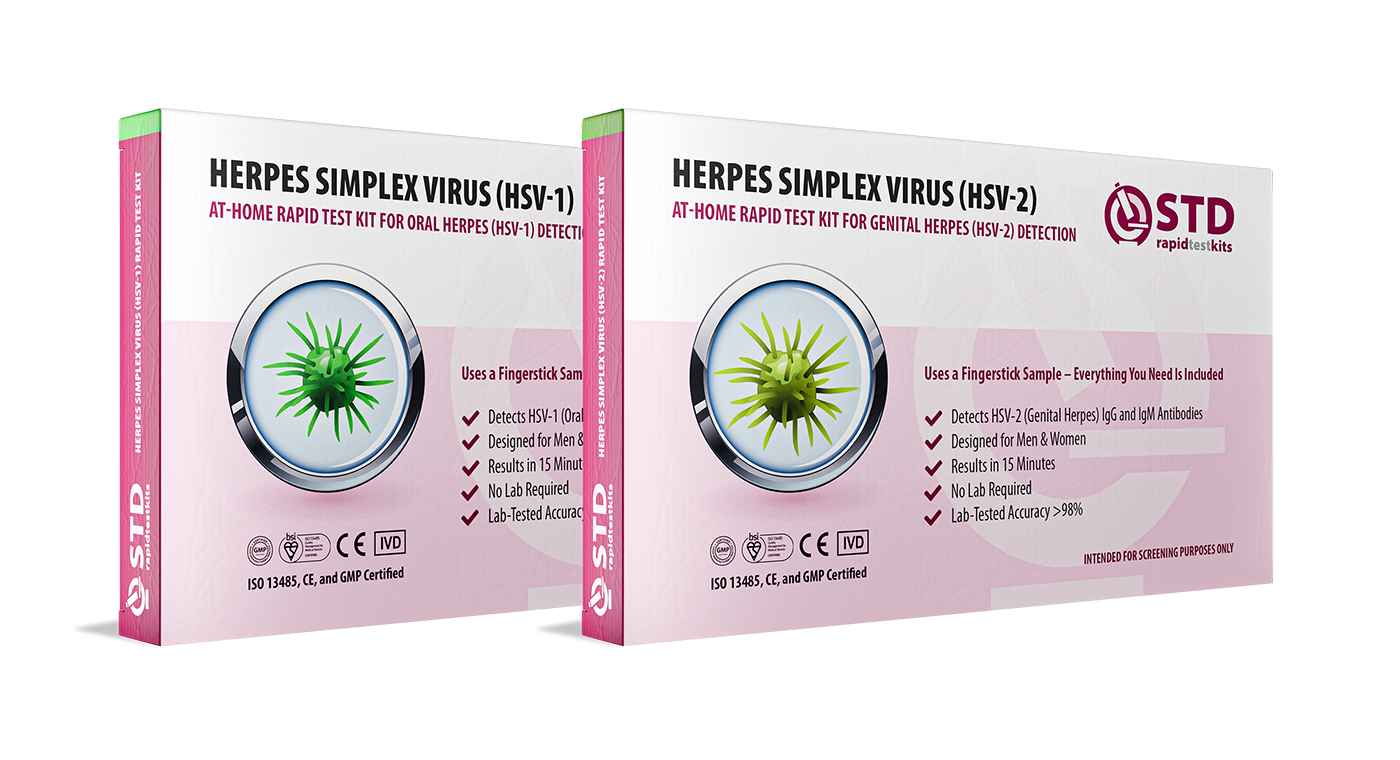
Test at Home with RemediumGenital & Oral Herpes Test Kit
 For Men & Women
 Results in Minutes
 No Lab Needed
 Private & Discreet
Order Now $75.00 $98.00
For all 2 tests
Dating With an STD: Disclosure Without Derailment
The scariest part isn’t always the symptoms, it’s the conversation. How do you tell someone you’re dating that you’ve tested positive? What if they ghost? What if they freak?
First, some context: legally, disclosure is required for some STDs (like HIV) depending on your location. Ethically, disclosure is essential when transmission is possible, even if you're symptom-free. But the way you disclose can shift the entire vibe of that moment.
Imagine you’re Jonah, 29. You’re about to sleep with someone new and you’ve been living with herpes for four years. You’ve had this talk before, and you’ve learned that tone matters more than timing. So instead of a dramatic pause mid-makeout, Jonah talks about it during a casual dinner. “I’ve got something to share, it’s not a big deal, but it’s important. I have genital herpes. I manage it with meds and we’d need to use protection. If that’s a dealbreaker, I get it. But I wanted to be real with you.”
That script, calm, confident, open, has worked for him more times than not. Because when you model trust, you’re more likely to receive it.
Can You Still Be Sexy After an STD? Hell Yes.
It’s not just about having sex again, it’s about wanting to. Feeling like you can. That you’re desirable, touchable, wanted. After a diagnosis, many people report a kind of split: the body recovers faster than the mind. The test says negative, the meds are done, the symptoms are gone. But emotionally? They’re still in lockdown.
Maya, 24, tested positive for chlamydia after a spring break trip. She took the antibiotics, waited the seven days, got the all-clear. But for months after, she couldn’t relax during sex. “Every time I felt a twinge down there, I panicked,” she said. “I didn’t want to talk dirty, I didn’t want to get touched. I felt gross.”
What helped? Therapy, yes, but also time. And facts. Her OB-GYN reminded her that chlamydia is one of the most common STDs in the world. It doesn’t mean she was reckless. It means she was human. And now? She uses protection. She gets tested every six months. And she’s back to enjoying sex, on her terms.
This is what reclaiming confidence looks like. It’s slow. It’s personal. And it’s powerful.
Myth vs Reality: STD Diagnosis Edition
Let’s clear out the shame fog. Because misinformation breeds fear, and fear kills intimacy. Here’s what people often believe after they’re diagnosed… and what’s actually true.
| Myth | Reality |
|---|---|
| “No one will want to date me now.” | Plenty of people date (and love) partners with STDs. Disclosure filters out those who can’t meet you with care. |
| “I’ll never enjoy sex again.” | With treatment, communication, and confidence, sex after an STD can be more emotionally connected than ever. |
| “I have to tell everyone I’ve ever slept with.” | You only need to inform recent partners who might have been exposed, your healthcare provider can guide you on timeframes. |
| “If I take the meds, I can’t get it again.” | Many STDs (like chlamydia) can reinfect you if a partner isn’t treated too. That’s why partner testing matters. |
| “I should avoid dating apps now.” | You don’t have to. Many people disclose in their profiles or just before meeting. Honesty = protection, not punishment. |
Table 2: Common myths vs truths after an STD diagnosis. Clearing mental clutter is just as critical as clearing infection.
How to Prevent Reinfection, and Regret
Let’s say you and your partner both got treated for trichomoniasis. You wait the seven days, feel great, reconnect sexually, and a few weeks later, symptoms return. Why? Because one of you didn’t fully clear the infection, or reinfection happened through a new exposure.
This is more common than most people realize. According to the CDC, reinfection is a major driver of STD persistence in communities. And many people don’t realize that testing isn’t a one-and-done deal. Especially if you’re not in a fully monogamous or exclusive situation.
So what helps?
- Testing regularly (every 3–6 months if you’re sexually active with new partners)
- Making sure all partners complete treatment before sex resumes
- Using protection consistently, even if symptoms are gone
- Considering retesting 3 months after treatment for some infections, like chlamydia or gonorrhea
If you’re unsure whether your test timing is ideal or if you need to retest, don’t wait for symptoms. Many STDs are silent. You can order a discreet combo test kit here, it checks for the most common infections with results in minutes. Peace of mind is a few drops away.
Let’s Normalize Pleasure and Protection
Protection isn’t just about latex and lube, it’s about language. Consent. Transparency. Creating a container where everyone involved can make informed, empowered choices.
For some, that means saying “I’m positive for HSV-2, but I’m on antivirals and haven’t had an outbreak in months.” For others, it’s “I tested positive for chlamydia last month, but I’ve completed treatment and waited the full 7 days, want to see my test result?”
This isn’t oversharing. It’s intimacy. And in many cases, partners are grateful for the honesty. It gives them the freedom to say yes (or no) from a place of clarity. That’s sexy. That’s care. That’s what real connection looks like post-diagnosis.
Timing the Talk: When to Disclose Your STD Status
There’s no single script for disclosure, but timing matters. Tell too early and you might scare someone before trust has a chance to build. Wait too long and it can feel like a betrayal. The sweet spot? Before things get physical, but after enough connection for the person to see you, not just your diagnosis.
Take Jamie, 31, who’s been living with herpes since college. He used to drop the news during the first drink, trying to get it over with. But it often backfired. “I realized I was leading with fear, not honesty,” he said. “Now I wait until I feel like the vibe is mutual, and then I just say it like it’s a normal part of getting to know someone. Because it is.”
| Relationship Type | When to Disclose | Why It Works |
|---|---|---|
| One-night stand or casual hookup | Before any sexual activity | Sets the tone for consent and reduces risk |
| Dating app connection | Before meeting, or after mutual interest builds | Lets you filter out partners who aren’t open-minded |
| Ongoing dating with growing intimacy | Before first kiss or first night alone | Balances trust-building with transparency |
| Long-term relationship | As soon as you’re aware of your diagnosis | Helps prevent reinfection and builds mutual care |
Table 3: Disclosure timing by relationship type. Sharing your status isn’t a burden, it’s a filter for respect.

People are also reading: STD Prevention for Queer Women; Yes, It Matters
Modern Dating, Old Stigmas: What Hasn’t Changed
You’d think with all the dating apps, swipe culture, and “sex-positive” branding, we’d have less stigma around STDs. But for many people, that stigma is alive and kicking, just hiding behind polished bios and filtered pics.
If you’ve been on apps like Tinder, Hinge, or Feeld, you’ve probably seen the lines: “clean,” “DDF,” or worse, “STD free only.” These phrases might seem harmless, but they reinforce the lie that people with STDs are dirty or dangerous. That’s not just inaccurate, it’s cruel.
Plenty of people on dating apps are navigating life with herpes, HPV, or past diagnoses of chlamydia or gonorrhea. They just don’t talk about it. You don’t owe anyone your full medical chart in your profile, but if you want to disclose early, you can, on your terms.
Some users choose to write it directly: “HSV2+, ask me anything.” Others wait until conversation deepens. There’s no wrong way, as long as you center consent and clarity. The right partner will respond with curiosity and care, not shame.
Check Your STD Status in Minutes
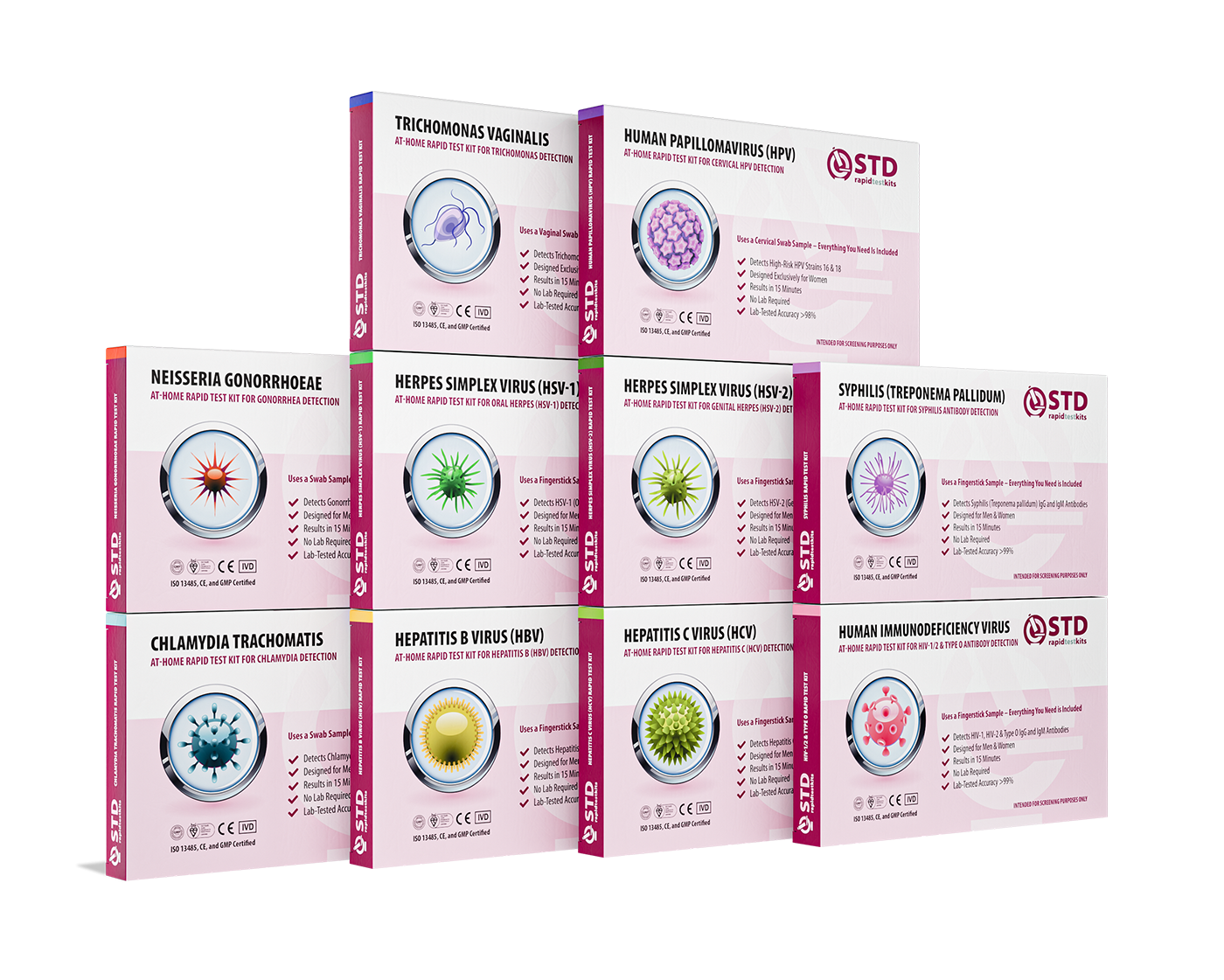
Test at Home with Remedium10-in-1 STD Test Kit
 For WomenResults in MinutesNo Lab NeededPrivate & Discreet
Order Now $189.00 $490.00
For all 10 tests
When Sex Feels Good Again, And Why That’s a Victory
After an STD diagnosis, it’s normal to feel disconnected from your own body. Touch might feel risky. Desire might come laced with guilt. But when the time is right, after treatment, after healing, after conversation, something shifts. You laugh again. You flirt again. You touch someone and don’t flinch.
That first time back? It’s more than sex. It’s proof that you’re more than your diagnosis. That your body still belongs to you. That intimacy is still yours to choose.
This is what we hear over and over again from people who’ve come through to the other side: “It wasn’t just about being physical again. It was about feeling like myself again.”
If you're ready to get there, start by checking in with your body, and your status. Not sure if you're still clear? Don’t guess. STD Rapid Test Kits offers private, fast, and doctor-trusted home tests. You don’t have to wait in line or explain your story. Just test, trust, and take the next step when you’re ready.
FAQs
1. Can I really have sex again after testing positive for an STD?
Yes. You absolutely can. Most infections are treatable, and even lifelong ones like herpes or HIV can be managed so effectively that sex is still safe and satisfying. The real shift isn’t in your body, it’s in your mindset. Once you understand your diagnosis and how to protect your partner, sex stops being a risk and becomes a choice again. A confident, informed one.
2. What if I slipped up and had sex before finishing treatment?
Take a breath, it’s not the end of the world. It happens more often than people admit. You’ll just need to let your partner know and possibly retest after treatment. Think of it like missing a dose of antibiotics; you wouldn’t ignore it, you’d fix it. Same logic, less shame.
3. How do I tell a new partner about my diagnosis without ruining the vibe?
You don’t need a PowerPoint or a confessional tone. Keep it honest and human. You might say, “I want to share something before we get physical, I was treated for chlamydia last month and everything’s clear, but I believe in transparency.” When you lead with calm, you give the other person permission to respond with compassion, not panic. Most people respect honesty more than perfection.
4. Can I still use dating apps?
Absolutely. People with herpes, HPV, and every other acronym are dating, swiping, and thriving right now. You can disclose early (“HSV2+, happy to answer questions”) or later when you feel a connection. Apps don’t decide your worth, your boundaries and honesty do.
5. How long do I have to wait before sex feels “safe” again?
That depends on your diagnosis and treatment. For bacterial STDs like chlamydia or gonorrhea, wait seven days after finishing meds. For viral ones like herpes, it’s about managing outbreaks and consistent protection. When in doubt, retest, there’s power in knowing, not guessing. If you’d rather skip the clinic, you can use an at-home combo test kit for peace of mind.
6. Do condoms make sex less fun?
Only if you treat them like a chore. The right condom with the right lube can actually make things better, less friction, longer endurance, more control. Plus, there’s something deeply sexy about two people taking care of each other on purpose. Protection is foreplay. Believe it.
7. I don’t feel sexy anymore. Will that come back?
It will. Everyone’s timeline is different. Some people feel ready a week after treatment; others need months to rebuild confidence. The trick isn’t waiting to “feel sexy” again, it’s letting small, safe moments rebuild that spark. A flirty text. A shower where you actually enjoy your own skin. One kiss that doesn’t come with fear. Bit by bit, you reclaim what shame tried to steal.
8. Should I tell my friends or keep it private?
Totally your call. Some people tell close friends for support; others keep it personal. There’s no right move, only the one that makes you feel safe. What’s important is that you don’t isolate. You’re not dirty. You’re not damaged. You’re someone who got a diagnosis and is doing something responsible with it. That’s strength, not scandal.
9. Can I still have kids or a family someday?
Indeed. The majority of sexually transmitted diseases do not prevent you from becoming a parent, particularly if they are treated early. Even conditions like HIV or herpes can be managed to make pregnancy and childbirth safe. The right doctor can help you plan it safely when the time comes. So please, don’t write off your future family over today’s diagnosis.
10. What if I just can’t stop feeling ashamed?
That shame didn’t come from your body, it came from society. And it doesn’t belong to you anymore. Try reading real stories from people living full, joyful lives post-diagnosis. Or talk to a therapist who gets it. Sometimes the most radical act is simply saying, “I’m still worthy of love and pleasure.” Because you are. Always.
You Deserve Answers, Not Assumptions
If you’ve read this far, you already know the truth: an STD diagnosis doesn’t make you broken. It makes you informed. And informed people are powerful. You still deserve intimacy, desire, love, and safe, satisfying sex.
So take the next step with confidence. Whether it’s testing, disclosure, or just talking it through with someone you trust, your sexual wellness is worth protecting, and celebrating. This at-home combo test kit offers clarity without shame. Because knowing your status isn’t scary, it’s sexy.
How We Sourced This Article: To create a practical, compassionate, and accurate guide, we integrated peer-reviewed research, lived-experience reporting, and the most recent recommendations from top medical organizations. Sources
Sources
2. About Sexually Transmitted Infections – CDC
3. Chlamydial Infections – CDC
4. Gonococcal Infections – CDC
5. Herpes – STI Treatment Guidelines, 2021 – CDC
6. Sexually Transmitted Infections (STIs) – Cleveland Clinic
7. Genital herpes – InformedHealth.org / NCBI Bookshelf
8. How to Prevent Sexually Transmitted Infections (STIs) – CDC
About the Author
Dr. F. David, MD is a board-certified infectious disease specialist focused on STI prevention, diagnosis, and treatment. He blends clinical precision with a no-nonsense, sex-positive approach and is committed to expanding access for readers in both urban and off-grid settings.
Reviewed by: Renée Thompson, RN, MPH | Last medically reviewed: November 2025
This article is meant to be informative only; it should not be used in place of medical advice.


