





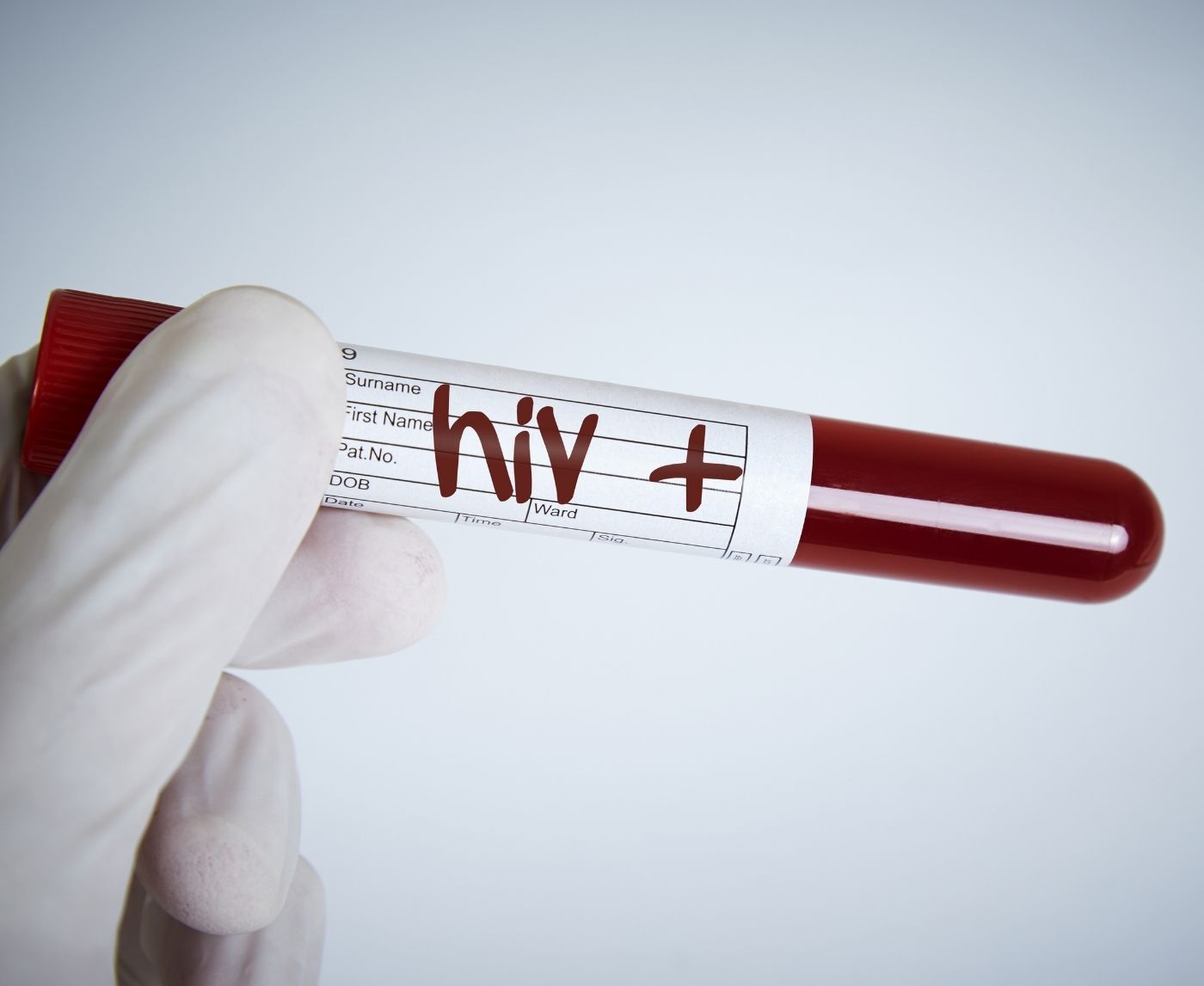

Quick Answer: Acute HIV symptoms typically appear 2 to 4 weeks after exposure and mimic flu or mono, think fever, sore throat, fatigue, and rash. Not everyone has symptoms. Testing too early can miss infection, so retesting is often necessary.
Why This Feels So Scary, and Who This Is For
Maybe you just met someone new. Maybe you trusted someone who swore they were “clean.” Maybe you’re queer, trans, or just tired of doctors who don’t get it. Or maybe this is your first time even thinking about HIV. No matter who you are, if you’re googling “HIV symptoms day 5” at 2 AM, this guide is for you.
We made this for people who want answers but don’t want shame. For people who need to know what’s going on in their body, even when they’re scared to ask out loud. We’ll walk you through what HIV can feel like in the first few days, weeks, and beyond, without judgment, and without sugarcoating. Because knowing what’s normal (and what’s not) is part of taking your power back.
What Happens First: Day 1 to Day 7
Let’s get one thing straight: HIV doesn’t cause symptoms the moment you’re exposed. If you’re feeling off the next morning, it’s not the virus, it’s the anxiety, the adrenaline crash, or maybe a hangover. But that doesn’t mean you’re safe yet. During the first 7 days, HIV is quietly starting to replicate in your body. No fever. No rash. Just silence.
That’s why this period feels so confusing. Take Malik, 26, who had unprotected sex on a Saturday. By Tuesday, he felt “weird.” Not sick, exactly, but different. “My throat was scratchy. I was tired. But I didn’t know if I was just spiraling.” He took an HIV test on day 3. It came back negative, but that early, almost any test would.
Most HIV tests can’t detect the virus during the first week. Even the most sensitive ones, like nucleic acid tests (NAATs), may still return false negatives this early. If you're in this stage, the most important thing is not to rely on symptoms or early testing alone.
When Symptoms Usually Start: Day 8 to Day 14
This is when acute retroviral syndrome (ARS), also called primary HIV infection, can begin. Think of ARS as your body’s immune system flipping out in response to HIV multiplying fast. The symptoms? Often mistaken for the flu, COVID, or mono.
Here’s how it might look: Ana, 34, a nurse who’d been on PrEP but missed a few doses, started feeling sick around day 9. “I thought it was burnout. Sore throat, headache, low-grade fever. I blamed my schedule.” By day 11, she had chills, muscle aches, and a blotchy rash on her chest. She tested on day 14 using a lab-based 4th-gen antigen/antibody test. It was positive.
The symptoms that appear in this window vary, but they often include:
| Common Symptom | How It Feels | Why It’s Misleading |
|---|---|---|
| Fever (100–102°F) | Chills, sweats, body aches | Looks like a regular viral illness |
| Sore throat | Dry, persistent, no pus | Often mistaken for allergies or strep |
| Fatigue | Deep tiredness, not just sleepy | Easy to dismiss if you’re stressed |
| Rash | Flat, red spots on chest or back | Doesn’t itch, so often ignored |
| Swollen lymph nodes | Neck, armpits, groin feel tender | May be confused with general inflammation |
Table 1: Common symptoms of acute HIV between days 8–14. Note that not everyone will have all symptoms, or any at all.

People are also reading: What Does Syphilis Look Like?
Week 3: The Turning Point
If you’re going to feel anything, it usually peaks around day 18 to 21. For some, the symptoms get worse: night sweats soak the sheets, headaches pound, and fevers spike. Others start feeling better, but don’t realize they were ever sick from HIV. This is the danger zone for false reassurance.
Ty, 22, said he felt “like absolute trash” in week three. “I slept 14 hours a day. I thought I had mono again. I was dizzy, my joints hurt, and I got this weird rash on my sides.” He went to urgent care. They tested for strep, mono, and COVID, all negative. No one mentioned HIV. He didn’t test until a month later, after finding a Reddit thread that sounded exactly like his story.
During week 3, a 4th-gen combo test (detecting both HIV antibodies and p24 antigen) becomes much more reliable. NAATs can often detect infection even earlier, but they're expensive and not always available at clinics or through home tests. This is the week many people should be testing, but don’t.
Check Your STD Status in Minutes
Test at Home with Remedium7-in-1 STD Test Kit
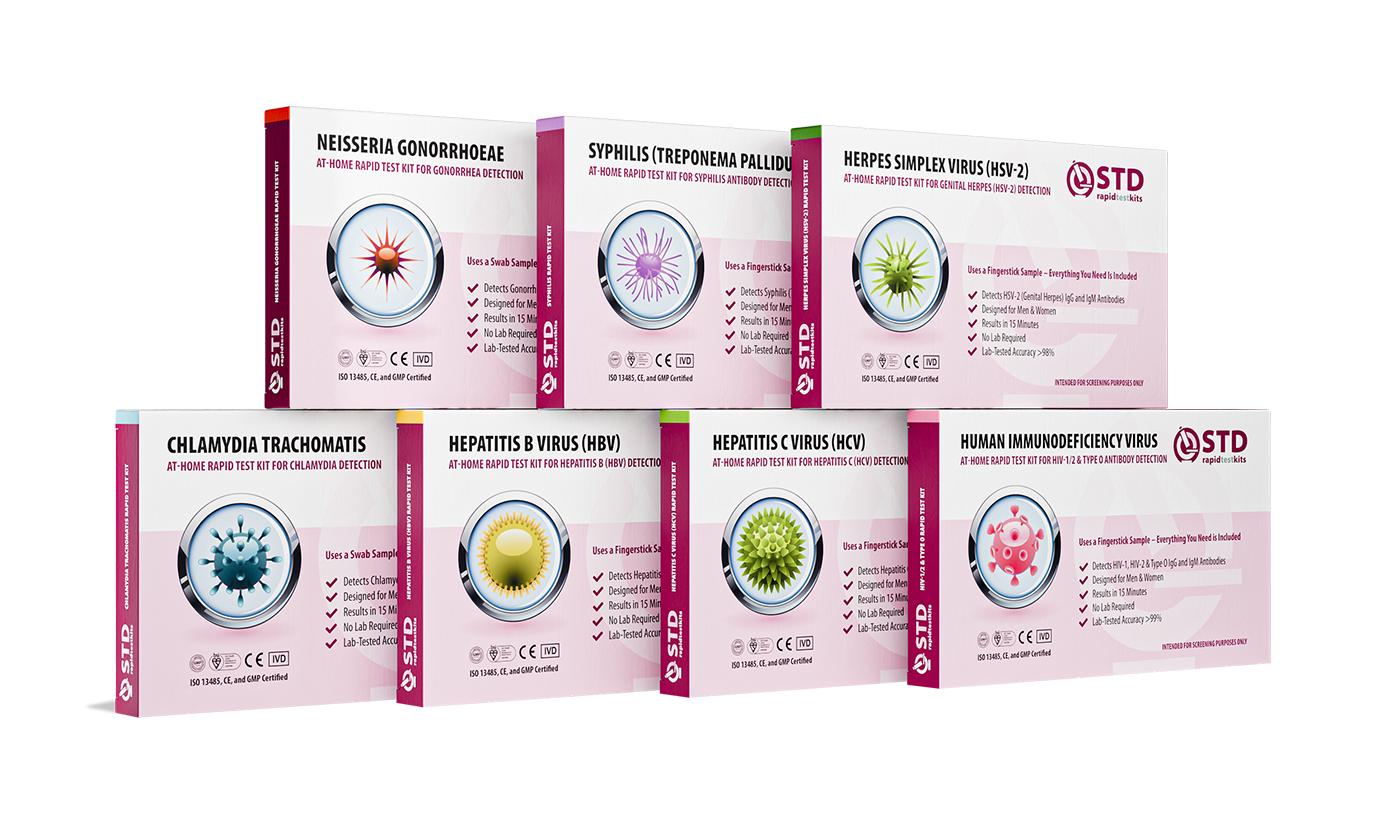
 For Men & Women
 Results in Minutes
 No Lab Needed
 Private & Discreet
Order Now $129.00 $343.00
For all 7 tests
Week 4: The Symptoms Fade, but HIV Doesn’t
By day 25 or so, many people start to feel better. The rash fades. The fever breaks. Energy starts to return. It’s easy to believe it was just a bug, or that your body fought it off. But this is when HIV goes underground, burrowing deep into your immune system. The virus is still there. It’s just quieter now.
Sophie, 31, works in travel and was out of the country for weeks after a one-night stand. “I had crazy chills and a sore throat for four days, then nothing. I chalked it up to jet lag and kept going. I didn’t even think about HIV until I came back and my partner told me he tested positive.” She got tested five weeks post-exposure. It was positive.
This stage is what makes HIV so dangerous early on: your viral load is extremely high, but you may not feel sick anymore. That means transmission risk is also high, even when you feel “fine.”
Can You Feel HIV Symptoms on Day 5? What About Day 10?
Search queries like “HIV symptoms day 5” or “day 10 HIV sore throat” show how desperate people are for specific answers. And while there’s no one-size-fits-all calendar, here’s a general sense of what to expect:
| Time Since Exposure | What Might Be Happening | Testing Accuracy |
|---|---|---|
| Day 1–7 | Virus begins replicating silently | Most tests won’t detect it |
| Day 8–14 | Acute symptoms may appear | Some early detection with NAAT; others too early |
| Day 15–21 | Peak symptoms for most who feel them | 4th-gen combo test becomes more reliable |
| Day 22–30 | Symptoms may fade; virus still active | Retesting advised if earlier test was negative |
Table 2: Symptom progression vs testing reliability in the first 30 days post-exposure.
So can you feel HIV symptoms on day 5? Technically, no, it’s very unlikely. But by day 10, it’s possible to start noticing changes. By day 14, if symptoms are going to show up, they usually have.
What If You Have No Symptoms At All?
Roughly 1 in 4 people never notice any acute HIV symptoms. No fever. No sore throat. Nothing obvious. And that’s not a sign of health, it’s just how your body reacts. HIV doesn’t need to make you feel sick to do real harm.
Danny, 29, had no symptoms at all. “I only tested because I found out my ex tested positive. I didn’t feel anything weird. I almost canceled my appointment because I was sure I was fine.” His 4th-gen test came back reactive. He was in the chronic stage of infection, and had unknowingly been living with HIV for almost six months.
This is why relying on symptoms alone is dangerous. They’re helpful if you have them, but silence doesn’t equal safety.
When to Test, and When to Retest
So when should you test after a potential HIV exposure? The most trusted timing guidelines look like this:
- First test: Day 14–21, using a 4th-gen antigen/antibody lab test or NAAT
- Follow-up test: Day 30–45, especially if your earlier result was negative or symptoms persist
But let’s put that in a real-world context. Jess, 37, took a rapid test on day 7. Negative. But she was still freaking out. “I knew it was early, but I couldn’t sleep. I needed something to hold onto.” Her doctor advised a retest at week 4, and that’s when the test turned positive.
If you're using an at-home test like the Combo STD Home Test Kit, plan for a follow-up if your first test was done during week 2 or earlier. Retesting is not about paranoia, it’s about catching what might have been missed the first time.
And if you’re feeling overwhelmed? You're not alone. STD Rapid Test Kits offers fast, discreet options so you can take control of your health without the wait or judgment.
What About Privacy, Shipping, and Support?
Let’s be real: walking into a clinic and asking for an HIV test isn’t always easy. There’s the fear of being seen, of being judged, of waiting for hours only to talk to someone who doesn’t get your life. That’s why more people are turning to discreet at-home testing options.
Here’s what that can look like: Jordan, 41, lives in a small town and didn't want to risk being recognized at the local clinic. “I ordered a test online, it came in a plain box, no branding, no weird labels. I took it in my bathroom, on my own time. It felt… safe. Private.”
Most home HIV test kits ship in unmarked packaging within 1–3 days. Some offer tracking numbers. And results can be available within minutes or a few days, depending on the type of test you choose. Best of all? The results are yours. You decide who sees them. You decide what comes next.
If you’re anxious about getting started, check out our homepage or explore our most popular option, the Combo STD Home Test Kit.
People are also reading: How an STD Diagnosis Saved My Sex Life
What If Your Test Comes Back Positive?
Take a breath. A positive HIV test is not the end, it’s the beginning of your treatment plan, and with early detection, that plan can be incredibly effective.
Darius, 24, got his positive result while sitting in his car outside the pharmacy. “I just sat there for like 10 minutes. I didn’t cry. I didn’t call anyone. I just needed to think. Then I made an appointment with a clinic that offered same-day linkage to care. I was on meds that week.”
If you test positive, the next step is confirmatory testing (usually a follow-up lab test) and connection to HIV care. Modern treatment, antiretroviral therapy (ART), can suppress the virus to undetectable levels, which means you stay healthy and cannot transmit HIV to others (this is known as U=U: Undetectable = Untransmittable).
You’ll also want to let partners know, which can feel terrifying, but there are anonymous notification services that can help. Some at-home test providers even offer built-in telehealth or referral support. You’re not alone in this.
And if you need time to process? That’s valid too. Just remember: the sooner you act, the more options you have.
Check Your STD Status in Minutes
Test at Home with RemediumHIV Rapid Test Kit
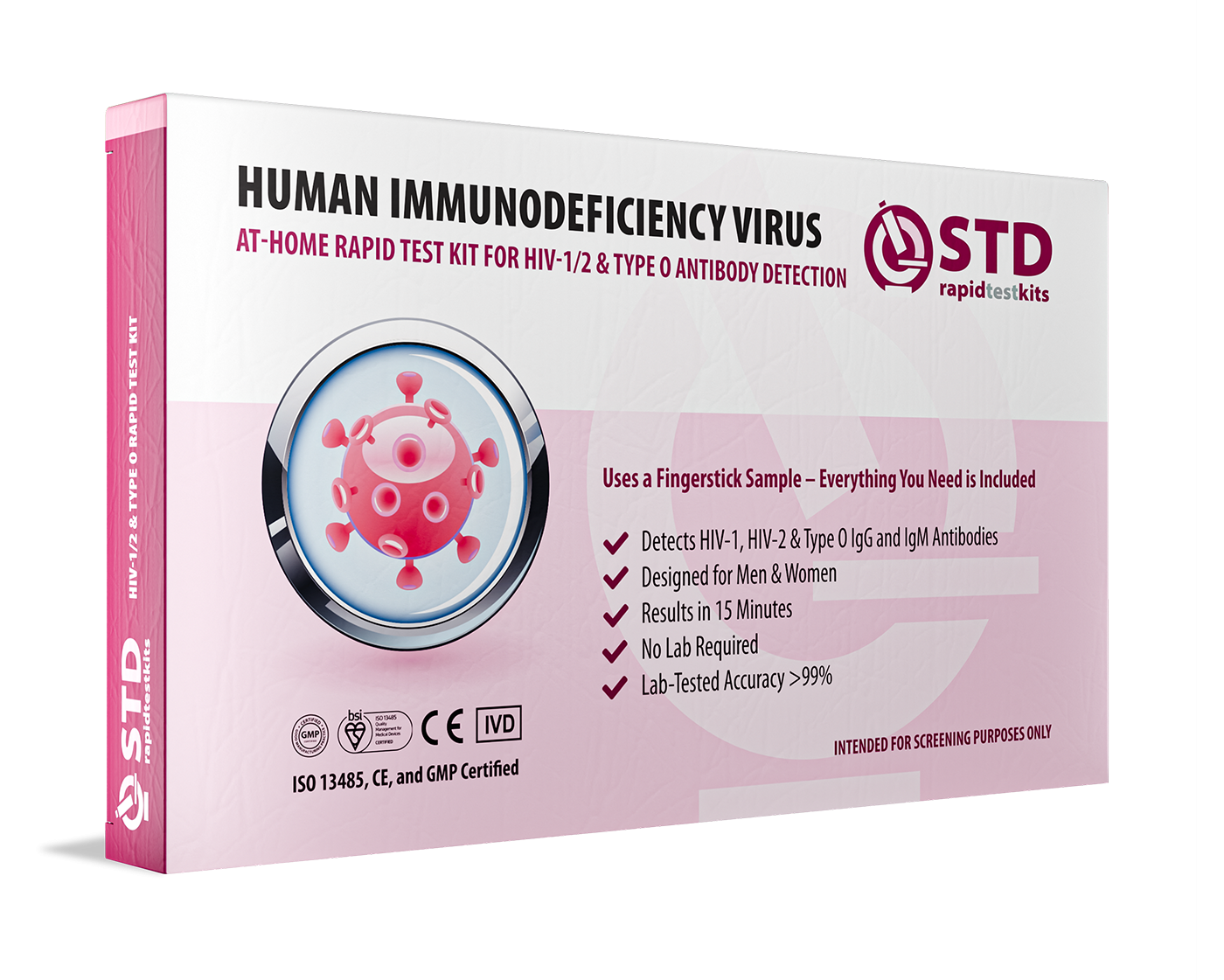 For Men & WomenResults in MinutesNo Lab NeededPrivate & Discreet
Order Now $33.99 $49.00
Week-by-Week: Real Talk on What the First Month Feels Like
HIV doesn’t follow a perfect calendar, but your body might. And for those panicking over day numbers (you’re not alone), here’s a more personal breakdown of what can happen in each week post-exposure.
Week 1 (Days 1–7): Silence, mostly. You might feel edgy, panicked, maybe nauseous from nerves, but that’s not HIV. It’s your brain running laps around what-ifs. The virus is replicating, but undetectable by most tests. This is when most people test too early and get a false negative.
Week 2 (Days 8–14): For some, this is when symptoms creep in. Low-grade fever. Dry throat. Deep fatigue that coffee can’t touch. You might write it off as work stress or the changing seasons. But this is where acute HIV can begin to show itself, especially if you feel a few things stacking up. Testing at the end of this week may detect infection, but it’s still early.
Week 3 (Days 15–21): This is often the peak. If your body reacts, it reacts hard. Think full-body chills, muscle aches, and rashes that feel suspiciously different than your usual breakouts. You might wake up drenched in sweat and not know why. You might get dizzy walking your dog or feel suddenly wiped from small errands. This is your immune system sounding the alarm. Most 4th-gen tests become highly reliable here.
Week 4 (Days 22–30): The storm often passes. You start to feel… normal. Which is both relief and risk. If you didn’t test, or tested too early, you might think you're fine. But this is the moment many people unknowingly transmit HIV to others. Retesting at the end of this week is crucial if you had an earlier negative or symptoms during this time.
Not everyone follows this timeline. Some people feel nothing at all. Others ride out flu-like symptoms without ever thinking “HIV.” That’s why dates matter. Not just who you were with, but when. Testing too soon can lie. Testing too late can delay care. Retesting at the 30- to 45-day mark is the smartest, least talked-about move you can make.
Case Study: “I Thought I Waited Long Enough”
Jay, 35, had a brief fling while traveling. “We used condoms… mostly,” he said. “About a week later I felt kind of off, sore throat, tired, mild fever. I tested on day 12. Negative. I moved on.”
Three weeks later, his fatigue got worse. He had night sweats and a weird rash. Still, he figured it was stress. He tested again at day 34. This time, it came back positive. “I was shocked. I thought I did everything right. But I tested too early, and I almost didn’t test again.”
His story isn’t rare. HIV doesn’t wait for your schedule. Your best bet is to build testing into it. When in doubt, test again. The peace of mind is worth it, and so is the chance to catch it early, when treatment can keep you healthy for decades.
FAQs
1. Can HIV symptoms show up the day after exposure?
Nope. Not how it works. HIV doesn’t throw up a red flag right away. The virus needs time to take hold, typically 2 to 4 weeks before any symptoms (if they show at all) kick in. That weird headache the next day? It’s more likely from stress or replaying the night over and over in your head.
2. What do early HIV symptoms actually feel like?
Like the worst flu you’ve ever had, but also sometimes like… nothing. We’re talking fever, night sweats, sore throat, fatigue, rash, maybe swollen glands. But it’s sneaky. One guy described it as “mono that got bored halfway through,” while someone else thought it was jet lag. There’s no universal script.
3. What if I feel fine, could I still have HIV?
Yes. And that’s the tricky part. Plenty of people never feel a thing during the acute stage. No fever. No rash. No clue. That’s why relying on symptoms alone can lull you into a false sense of safety. The only way to know? Test. Then test again at the right time.
4. I took a test at 10 days, it was negative. Am I good?
Maybe… but probably not the whole story. At 10 days, even the best tests might miss an early infection. It’s like trying to check if a Polaroid is developed when it’s still cloudy. Retest at day 30 or later for clarity you can trust.
5. What’s this HIV rash everyone talks about?
It’s subtle, and it doesn’t itch. Usually flat, red spots that show up on your chest, back, or upper arms. It might last a few days and disappear before you even notice it. One reader said, “I thought it was a heat rash from my hoodie.” Spoiler: it wasn’t.
6. Does the sore throat from HIV feel different than strep?
Often, yeah. With HIV, the sore throat tends to be dry and nagging, not the kind with white patches or pus like strep. It hangs around without responding to your usual go-to remedies. If you’ve ruled out strep, flu, and allergies, and had recent exposure, it’s worth testing.
7. What’s the best HIV test to use right now?
If it’s been two weeks or more, a 4th-gen combo test (detects both antigen and antibodies) is your go-to. Super accurate, widely available. Earlier than that? You might need a nucleic acid test (NAAT), but those are pricey and not always easy to get. At-home options? Still solid, just plan to retest later if you're testing early.
8. Can stress cause fake HIV symptoms?
Absolutely. Anxiety can be a master illusionist. It can make your throat feel sore, your body ache, your chest tighten. We’ve heard from folks who convinced themselves they were dying, then tested negative. So yes, your brain can mess with you. But don’t dismiss real symptoms either. Test. Then breathe.
9. If symptoms fade, does that mean I’m in the clear?
Not at all. If you had acute HIV symptoms and they suddenly disappear, it doesn’t mean the virus is gone. It means it’s moved into the chronic stage, where it quietly chips away at your immune system. That’s the silent danger. Retesting is key.
10. I’m scared to test. What if it’s positive?
Then you deal. And you survive. Because HIV is treatable. People live full, healthy, badass lives with it every day. You’ll get care, meds, and, if you stay on treatment, you can even reach undetectable levels, meaning you can’t transmit it to anyone else. Testing doesn’t just protect your future, it puts you back in the driver’s seat.
You Deserve Answers, Not Assumptions
If you’re still reading, you’re already taking your health seriously. That matters. Whether you’ve had symptoms or silence, one encounter or a few, what you do next can change everything. Testing isn’t about guilt. It’s about clarity, care, and control.
Don't wait and wonder; get the clarity you need. This home test kit checks for the most common STDs quickly and privately.
How We Sourced This Article: We combined current guidance from leading medical organizations with peer-reviewed research and lived-experience reporting to make this guide practical, compassionate, and accurate.
Sources
2. Clinical signs and symptoms associated with acute HIV infection: a systematic review (NIH PMC)
3. Diagnosis and Management of Acute HIV Infection (NCBI Bookshelf)
4. What Are Common Symptoms of HIV? (NICHD)
6. HIV/AIDS – Symptoms and Causes (Mayo Clinic)
About the Author
Dr. F. David, MD is a board-certified infectious disease specialist focused on STI prevention, diagnosis, and treatment. He blends clinical precision with a no-nonsense, sex-positive approach and is committed to expanding access for readers in both urban and off-grid settings.
Reviewed by: Casey N. Wallace, RN, MPH | Last medically reviewed: November 2025
This article is only for information and should not be used as medical advice.


