





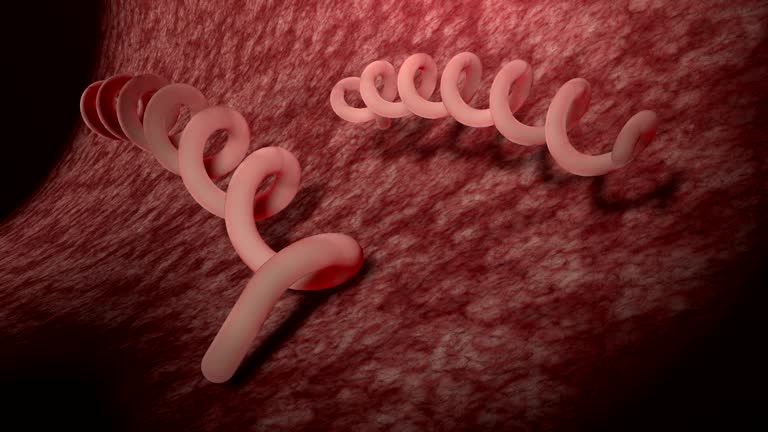

Quick Answer: Syphilis looks different at every stage. It can start as a single painless sore on the genitals, anus, or mouth, then progress to a rash on the palms or soles, mucous patches in the mouth, and even tumor-like growths years later. But sometimes, it looks like nothing at all. That’s why testing is critical, even without visible symptoms.
Primary Syphilis: The Painless Warning Sign
The first stage of syphilis usually shows up 3 to 90 days after exposure. It begins with a sore called a chancre. Here’s what to know:
- It’s often a single, round, firm, painless sore
- It may appear on the genitals, anus, lips, tongue, or inside the mouth
- There’s no pus, no itching, no discomfort
- It goes away on its own in 3–6 weeks, even without treatment
That’s the trap: Because it doesn’t hurt and disappears, many people don’t realize they were ever infected. But syphilis keeps moving inside your body, even after the sore is gone.

People are also reading: Why Men Struggle to Admit They Have an STD
What Syphilis Looks Like on the Genitals
In men and people with penises, a primary chancre may show up on:
- The head or shaft of the penis
- The scrotum
- Around the anus or rectum
In women and people with vulvas, chancres can appear:
- On the outer or inner labia
- Inside the vagina or cervix (often hidden and unnoticed)
- Near or inside the anus
These sores often look like small ulcers or clean, open cuts. They don’t itch. They don’t bleed. They’re often mistaken for ingrown hairs, friction burns, or minor injuries.
Oral Syphilis: It’s More Common Than You Think
Oral sex can absolutely transmit syphilis. And if that’s how you got it, the sore may appear in your:
- Mouth
- Tongue
- Tonsils or throat
- Lips
It may look like:
- A round, ulcer-like sore with clean edges
- Gray or white plaques (mucous patches) in the second stage
- A red, swollen bump that doesn’t hurt
Many people assume it’s a canker sore or a cold sore, especially because it doesn’t cause pain. But unlike cold sores (which tingle or sting), oral syphilis lesions are often numb and firm.
Secondary Syphilis: When the Rash Appears
If primary syphilis isn’t treated, it moves into the secondary stage. This phase usually starts 4–10 weeks after the sore heals. Here’s what syphilis might look like now:
- A red or reddish-brown rash, often on the palms of the hands and soles of the feet
- It can also spread to the chest, arms, legs, or groin
- Lesions are flat or slightly raised, rarely itchy or painful
This rash is incredibly distinctive, and often misdiagnosed as eczema, psoriasis, allergic reaction, or fungal infection. If you see a rash on your palms or soles, get tested immediately.
Other secondary symptoms may include:
- Mucous patches in the mouth, vagina, or anus
- Condyloma lata: flat, moist, wart-like lesions near genitals or anus
- Hair loss in patches
- Fatigue, fever, and swollen lymph nodes
Check Your STD Status in Minutes
Test at Home with RemediumSyphilis Test Kit
 For Men & Women
 Results in Minutes
 No Lab Needed
 Private & Discreet
Order Now $33.99 $49.00
What Does the Rash Feel Like?
The secondary syphilis rash is strange because it’s so unalarming. Unlike chickenpox or hives, it doesn’t typically itch, sting, or burn. Many people only notice it because:
- They see unusual spots on the palms, soles, chest, or back
- Their partner points it out
- A provider notices during a routine exam
It may be mistaken for:
- Drug reactions
- Viral illnesses (like mono or measles)
- Contact dermatitis
The rash often resolves on its own, even if the infection hasn’t. That’s why syphilis can silently advance to later stages, while people believe they’re “fine.”
Hidden Symptoms: What If You Don’t See Anything?
Syphilis is sneaky. About 15–30% of people never notice visible symptoms, especially if:
- The chancre was internal (cervix, rectum, throat)
- The rash was mild or mistaken for something else
- They chalked up symptoms to other causes: stress, shaving, allergies
That’s why routine STD testing is essential, especially if you’ve had oral, vaginal, or anal sex without a barrier.
Order a discreet at-home syphilis test kit if you're unsure. It’s fast, private, and life-saving if caught early.
Tertiary Syphilis: The Long-Term Damage You Can’t See
If left untreated for years, syphilis can enter the tertiary stage. This is rare today (thanks to antibiotics), but still possible, especially in people with limited healthcare access.
Tertiary syphilis can cause:
- Gummas: rubbery, tumor-like lumps on skin, bones, liver, or other organs
- Cardiovascular damage: heart inflammation, aneurysms, valve failure
- Neurosyphilis: brain and spinal cord damage, confusion, psychosis, memory loss, blindness
This phase may appear decades after the initial infection. And by the time symptoms show, the damage may be permanent. Early detection and treatment are the only way to prevent this.
Neurosyphilis and Ocular Syphilis: Silent but Devastating
Syphilis doesn’t just affect your skin. In some cases, it travels to your central nervous system (neurosyphilis) or your eyes (ocular syphilis).
Signs of neurosyphilis include:
- Severe headaches
- Changes in behavior or mood
- Dementia-like symptoms
- Coordination issues or paralysis
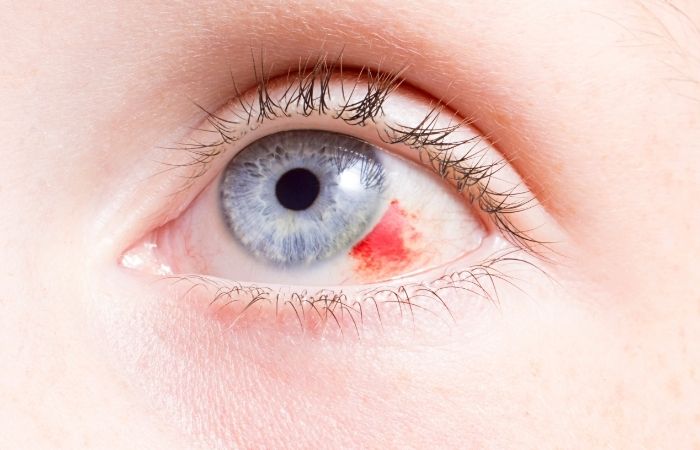
Signs of ocular syphilis include:
- Blurred or dimmed vision
- Eye pain or redness
- Sudden blindness
These symptoms can appear at any stage. Anyone with unexplained neurological or visual symptoms should be tested for syphilis, especially if there’s any sexual risk history.
People are also reading: The Silent Barrier: Language and STD Misdiagnosis
What If It’s Just a Cold Sore or Razor Burn?
One of syphilis’ biggest dangers is how often it’s mistaken for something benign. Here’s how to tell:
| Condition | Typical Appearance | Key Difference |
|---|---|---|
| Syphilis chancre | Painless, round, firm sore | No itching, no fluid, heals alone |
| Cold sore (Herpes) | Cluster of fluid-filled blisters | Tingling, burning, painful |
| Razor bump | Red, raised bump or ingrown hair | Often itchy, appears after shaving |
When in doubt? Don’t guess, test. Because only a blood test or lab result can tell you for sure.
Syphilis in Women: Why It’s Easy to Miss
For women, syphilis is especially dangerous because it’s often internal and symptomless. Primary chancres may develop:
- Inside the vagina or on the cervix
- On the vulva, labia, or perineum
- Around the anus or inside the rectum
Secondary symptoms, like rash or mucous patches, may go unnoticed, especially if mistaken for yeast infections, hormonal skin issues, or STIs like HPV or herpes.
Routine testing is crucial for women, even during asymptomatic stages. Pregnant women must be screened early, as untreated syphilis can cause miscarriage, stillbirth, or congenital infection.
Congenital Syphilis: When a Baby Is Infected
Syphilis can cross the placenta during pregnancy, infecting the fetus and causing devastating outcomes:
- Stillbirth or premature birth
- Bone deformities
- Enlarged liver or spleen
- Severe anemia, jaundice, or brain damage
Symptoms in newborns may include:
- Skin rashes on palms and soles
- Snuffles (infectious nasal discharge)
- Failure to thrive or developmental delays
Congenital syphilis rates are rising in the U.S., especially in underserved communities. Screening and early treatment during pregnancy can prevent this entirely.
When and How to Get Tested for Syphilis
If you’ve noticed anything unusual, or had any type of sexual contact, you should test. Here’s when testing is especially important:
- Unprotected oral, vaginal, or anal sex
- New or multiple partners
- A known exposure to syphilis
- Visible sores, rashes, or unexplained symptoms
Testing options include:
- Blood test: Most accurate, can detect both current and past infections
- Swab test: Can identify syphilis from an open sore if present
- At-home test kits: Lab-accurate and fully private
Click here for a discreet Syphilis Rapid Test Kit. You can test at home, mail the sample, and get results without judgment.
Check Your STD Status in Minutes
Test at Home with Remedium7-in-1 STD Test Kit
 For Men & WomenResults in MinutesNo Lab NeededPrivate & Discreet
Order Now $129.00 $343.00
For all 7 tests
Treatment: What Happens If You Test Positive?
Good news: Syphilis is curable at every stage, if caught early. The treatment is typically one injection of penicillin G benzathine (for early syphilis), or a longer course for later stages.
Key points:
- Notify recent sexual partners, they may also need testing
- Refrain from sexual activity for 7–14 days post-treatment
- Follow up with repeat testing to confirm cure
Left untreated, syphilis can spread through the bloodstream and nervous system, affecting organs, vision, brain function, and more. Early treatment prevents all of that.
Why People Wait, and Why You Shouldn’t
Many people wait to test because the symptoms feel minor, or vanish completely. But syphilis doesn’t vanish. It hides. Then it strikes.
If you’re anxious, embarrassed, or unsure, you’re not alone. But you deserve answers. And testing is the first step toward clarity, peace, and safety, for yourself and your partners.
Skip the shame. Trust the science. And get tested.
FAQs
1. What does a syphilis sore look like?
Typically, it's a round, firm, and painless sore (chancre) that appears on the genitals, anus, lips, or inside the mouth.
2. Can you have syphilis and not know it?
Yes. Many people never notice symptoms, especially if sores are hidden in the mouth, vagina, or rectum. That’s why testing is critical.
3. Does syphilis rash itch?
Usually not. The rash may look red, brown, or splotchy and often appears on the palms and soles, but it typically doesn’t itch.
4. How soon after exposure does syphilis show up?
Symptoms may appear as soon as 3 days or as late as 3 months after exposure. Most develop a sore within 2 to 6 weeks.
5. Can oral sex transmit syphilis?
Absolutely. Oral sex can spread syphilis, especially if a sore is present in the mouth or on the genitals.
6. What’s the difference between herpes and syphilis sores?
Herpes causes painful blisters that burst, while syphilis causes painless, firm sores with clean edges. Only a test can tell for sure.
7. How long does syphilis last if untreated?
It can persist for years, eventually progressing to late-stage symptoms that affect the brain, heart, and other organs.
8. Is syphilis curable?
Yes. Early syphilis is easily cured with antibiotics (typically penicillin). Even late-stage syphilis can be treated, though damage may be irreversible.
9. Will syphilis go away on its own?
No. Symptoms may disappear, but the bacteria remain and can cause long-term complications if left untreated.
10. Where can I get tested privately?
You can use a discreet, lab-accurate at-home kit from STD Rapid Test Kits, no clinic visit, no insurance, no judgment.
Don’t Wait Until It Gets Worse
Syphilis is a shape-shifter. It might look like a zit, a rash, a sore you barely notice, or nothing at all. And yet, behind those mild symptoms, it can quietly spread, damage your organs, and endanger others.
You don’t have to feel dirty, ashamed, or broken. You just have to act. Getting tested is the most powerful, responsible thing you can do.
STD Rapid Test Kits lets you test privately, quickly, and with full discretion. Don’t wait for symptoms. Don’t wait for confirmation. Take control, today.
Sources
2. Planned Parenthood: Syphilis Overview


