







Quick Answer: You should get tested after every new partner, especially if protection was inconsistent or if it’s been over 3 months since your last test. But timing matters: testing too soon can give false negatives.
When the Panic Sets In: A Very Common Morning After
Cam, 28, stared at his phone for two hours after waking up. He hadn’t planned on hooking up at the bar. But there they were, fun, flirty, promising they’d been tested. He used a condom, mostly. Oral was unprotected. Cam kept hearing their voice: “I’m good, I just got tested like, last year.” That “last year” stuck in his head like gum on a shoe.
He googled. “Can you get herpes from oral?” “STD symptoms next day?” “Do I need to get tested after one-night stand?” The answers were loud and conflicting. Some forums said it was overkill. Others called him reckless for not heading to the ER immediately. What Cam really needed wasn’t judgment or scare tactics. He needed someone to walk him through how testing works, and when it actually works.
This is where most people are: somewhere between a moment of curiosity and a spiral of fear. That’s why we’re not here to lecture. We’re here to clarify.
What You Don’t Feel Can Still Be There
The truth is, most STDs don’t come with fireworks. No raging rash. No burning pee. No dramatic discharge. In fact, the CDC reports that most chlamydia and gonorrhea infections show no symptoms at all. Herpes? Often misdiagnosed as ingrown hairs or razor burn. HPV? Silent until it’s not.
So waiting until something “feels wrong” is like waiting for a burglar to ring the doorbell. By the time you see a symptom, you’ve probably already exposed your next partner, or yourself again through reinfection. That’s why relying on symptoms alone is a flawed game plan. And why getting tested after a new partner isn’t paranoia, it’s prevention.
But before you book a test today, there’s one key detail we need to talk about: the window period.

People are also reading: It Burned, It Itched, But It Wasn’t an STD
Timing Is Everything: The STD Window Period Trap
Testing too soon after a hookup can give you a false sense of safety. Why? Because many STD tests look for the body’s immune response or for DNA traces that take time to appear after exposure. This delay is called the “window period.”
That means if you had sex on Saturday and test on Sunday, your results might not detect an infection, yet. You could walk away thinking you’re clean, only to pass it on unknowingly next week. So instead of jumping into action immediately, it helps to understand the ideal testing window for each infection.
| Infection | Minimum Time to Detect | Best Time to Test |
|---|---|---|
| Chlamydia | 7 days | 14 days |
| Gonorrhea | 7 days | 14 days |
| HIV | 10 days (NAAT) | 21–45 days |
| Herpes (HSV) | 14 days (blood test) | 4–6 weeks |
| Syphilis | 3 weeks | 6 weeks |
| Trichomoniasis | 5–7 days | 10–14 days |
Table 1. Typical window periods for common STDs. Testing too early can produce false negatives, especially for herpes and syphilis.
So should you test after every hookup? Yes, but make sure you’re testing at the right time. If your exposure was recent, mark your calendar for 10 to 14 days post-exposure. And yes, in some cases, a follow-up test a few weeks later might be needed for full clarity.
“But They Said They Were Clean…”
Rina, 22, trusted him. He was her third sexual partner. He said he’d just gotten tested “a few months ago” and only had one partner before her. She believed him, until three weeks later, when a burning sensation during urination landed her at urgent care. She tested positive for gonorrhea.
He wasn’t lying. His last test really had been clean. But a “clean” result is just a snapshot, not a guarantee. Anyone can test negative today and contract something tomorrow. That's why testing after every new partner matters, even if they’re trustworthy. Even if you use protection. Even if there are no symptoms. Especially then.
This isn’t about distrust, it’s about biology. Infections don’t care how many people someone’s been with or whether they “seem safe.” And your health is worth more than guessing games.
Check Your STD Status in Minutes
Test at Home with Remedium7-in-1 STD Test Kit
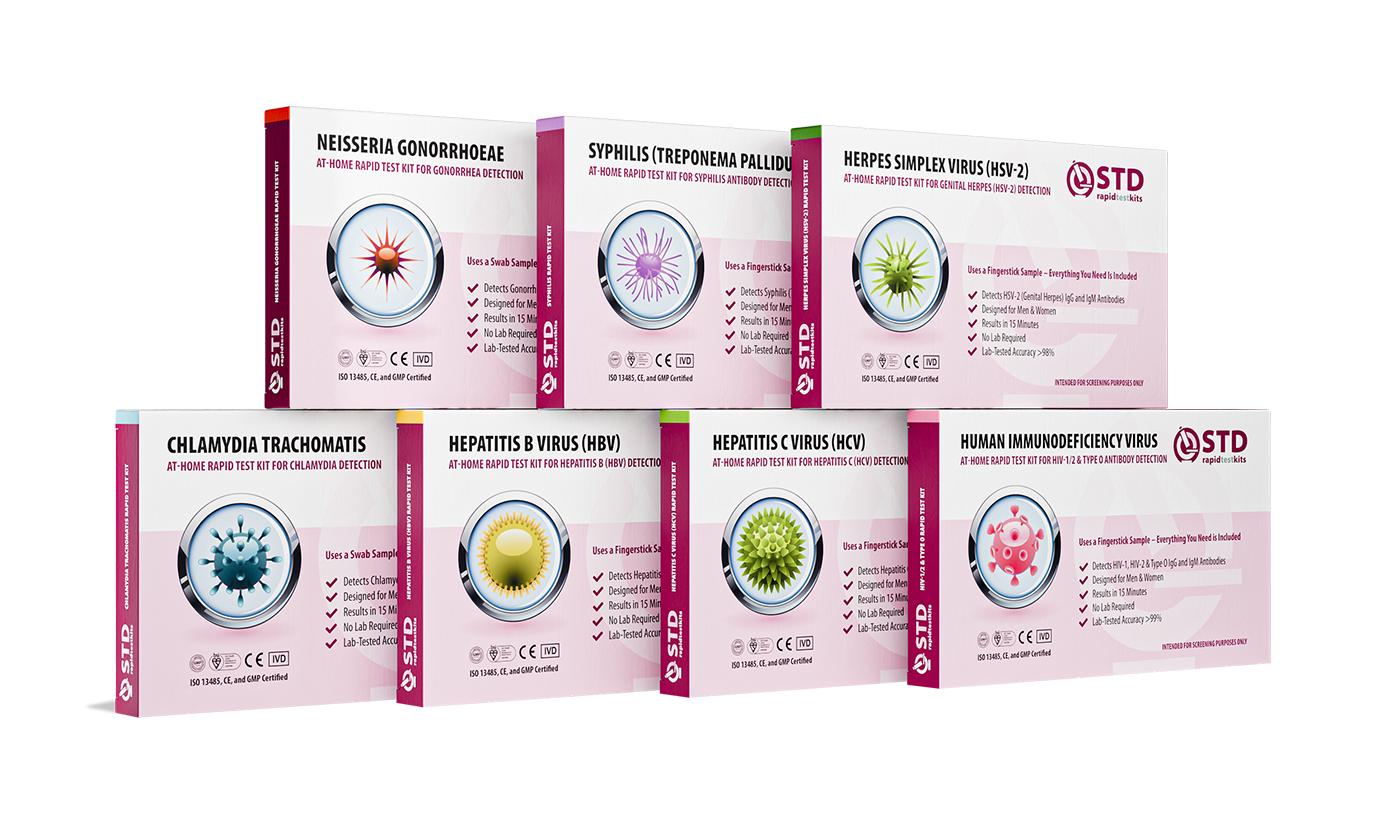
 For Men & Women
 Results in Minutes
 No Lab Needed
 Private & Discreet
Order Now $129.00 $343.00
For all 7 tests
What Kinds of Tests Actually Work, And When?
Not all STD tests are created equal. Some detect genetic material (NAAT tests), some look for antibodies (like most HIV and herpes blood tests), and others detect antigens. The type of test you use directly impacts how soon it can detect infection.
Take-home rapid kits can give results in minutes but may not work well for early infection if used too soon. Meanwhile, lab-based tests are more sensitive but take longer to process and aren’t always accessible. Then there are at-home mail-in kits, which offer lab-grade testing with discreet shipping, ideal if you’re trying to avoid the awkward clinic wait.
Here’s how they stack up, especially if you’re testing post-hookup:
| Test Type | Speed | Privacy | Accuracy | Ideal For |
|---|---|---|---|---|
| At-Home Rapid Test | 10–20 minutes | High | Moderate | Reassurance after known risk, ongoing testing routine |
| Mail-In Lab Test | 2–4 days | Very High | High | Testing during window periods, discreet full-panel screening |
| In-Clinic Testing | Same-day to 1 week | Moderate | Very High | Symptomatic cases, follow-up, insurance-covered testing |
Table 2. STD test types compared. Choosing the right type depends on timing, symptoms, and personal needs.
Wondering which one’s right for you? If you had a high-risk encounter (e.g., unprotected sex, unknown partner status), and you’re within the 7–21 day window, a combo test kit can offer early answers, and help you plan a retest later if needed. This combo at-home kit screens for multiple infections and ships in discreet packaging.
The Emotional Whiplash of “Waiting to Test”
Marcus, 31, found himself in what he called “STD purgatory.” He knew he should wait 10–14 days after the hookup before testing. But each day in between felt like a month. Every itch, every twinge of pelvic tightness felt suspicious. He couldn’t focus. He didn’t want to tell his new partner he was spiraling, but he also didn’t want to risk their health.
This in-between state is agonizingly common. When your body feels fine, but your brain doesn’t. You’re waiting for something to show up, or hoping it never does. It's not just fear. It's the fact that you don't know what's going to happen, how quiet it is, and how long it will take. If you've been through trauma, been cheated on, or were scared about getting an STD in the past, the wait can feel even longer.
This is where routine testing becomes a powerful antidote to shame. Instead of testing only when something feels wrong, build a rhythm. Every three months. After every new partner. After any risk, even if it was “just oral.” That way, you’re not waiting. You’re planning. You’re protecting yourself on your own terms.
What If You Hook Up Regularly?
If you’re sexually active with multiple or new partners, especially in queer or non-monogamous communities, you might wonder: “How often is too often to test?” The answer: it depends on your lifestyle, your protection habits, and how honest you and your partners are about testing.
For most people, testing every 3 months is a safe, CDC-recommended baseline. But if you’ve had multiple new partners within a single month, or if you’re on PrEP for HIV prevention, monthly or bi-monthly testing may be smarter. And yes, if a condom slipped, broke, or came off during sex? Testing is on the table again.
Think of testing like brushing your teeth. You don’t wait for a cavity to develop before picking up the toothbrush. You build a habit to avoid problems, and to catch early signs before they spread.
If your head keeps spinning, peace of mind is one test away. Order your combo kit today and get back to yourself, faster, calmer, and more in control.
How Discreet Are These Tests, Really?
This is one of the most common questions we hear. And honestly? It’s valid. Nobody wants a test kit labeled “STD” showing up in the mailroom or sitting on a shared kitchen counter. Fortunately, modern test providers know this.
When you order from sites like STD Rapid Test Kits, your package arrives in plain wrapping, no logos, no medical markings. Your card statement won’t say anything about sexual health. And results are delivered securely through an online portal or email, depending on the type of test. No awkward calls. No nurse asking questions unless you reach out first.
Even better: you control the pace. Take the test when you’re ready. Read the result when you’re alone. Decide if or when to share that result with someone else. That’s privacy. That’s control. That’s power.
What If You’re Starting to Catch Feelings?
Jess, 26, met someone she really liked. They’d been on a few dates, had sex twice, condoms used, mostly. When he mentioned he got tested a “while back,” Jess smiled but didn’t press. She didn’t want to seem too intense. But that weekend, as she stared at her ceiling at 3AM, she realized something: she had no idea what “a while back” meant. Two weeks ago? Two years?
It’s in these early relationship moments that people hesitate the most. You don’t want to offend them by suggesting testing. You don’t want to seem suspicious or awkward. So you stay quiet. But that silence doesn’t keep you safe, it just keeps things ambiguous.
Getting tested together can be a bonding moment. It shows mutual respect. It communicates care. If that feels too vulnerable, start by testing yourself and sharing your results. Invite them to do the same. If they resist? That’s data too.
New relationships deserve new baselines. That means a fresh test, no matter how clean your history is. You’re not accusing. You’re clarifying. And if they’re worth it, they’ll understand.

People are also reading: Grindr, Hookups, and a Rise in Syphilis: What You Should Know
Yes, You Can Get an STD Even If It Was “Just Once”
The biggest myth we run into is this: “It was only one time.” But viruses don’t count. Bacteria don’t care. All it takes is one encounter, one slip, one condom that didn’t go on in time, one moment of oral with an unknown partner, for transmission to happen.
We’re not saying this to scare you. We’re saying it to empower you. Because the truth is, people miss testing windows because they minimize risk. They wait because they think “just once” can’t possibly matter. Then a missed infection lingers for months, or shows up in their next partner’s test, long after they assumed they were fine.
You don’t need to panic. You just need a plan. If you had a one-time hookup, especially with someone whose status is unclear, test once at the 10–14 day mark. If it’s negative, consider retesting at 6 weeks for infections with longer windows, like herpes or syphilis. Then you can move on knowing you handled it.
Check Your STD Status in Minutes
Test at Home with Remedium8-in-1 STD Test Kit
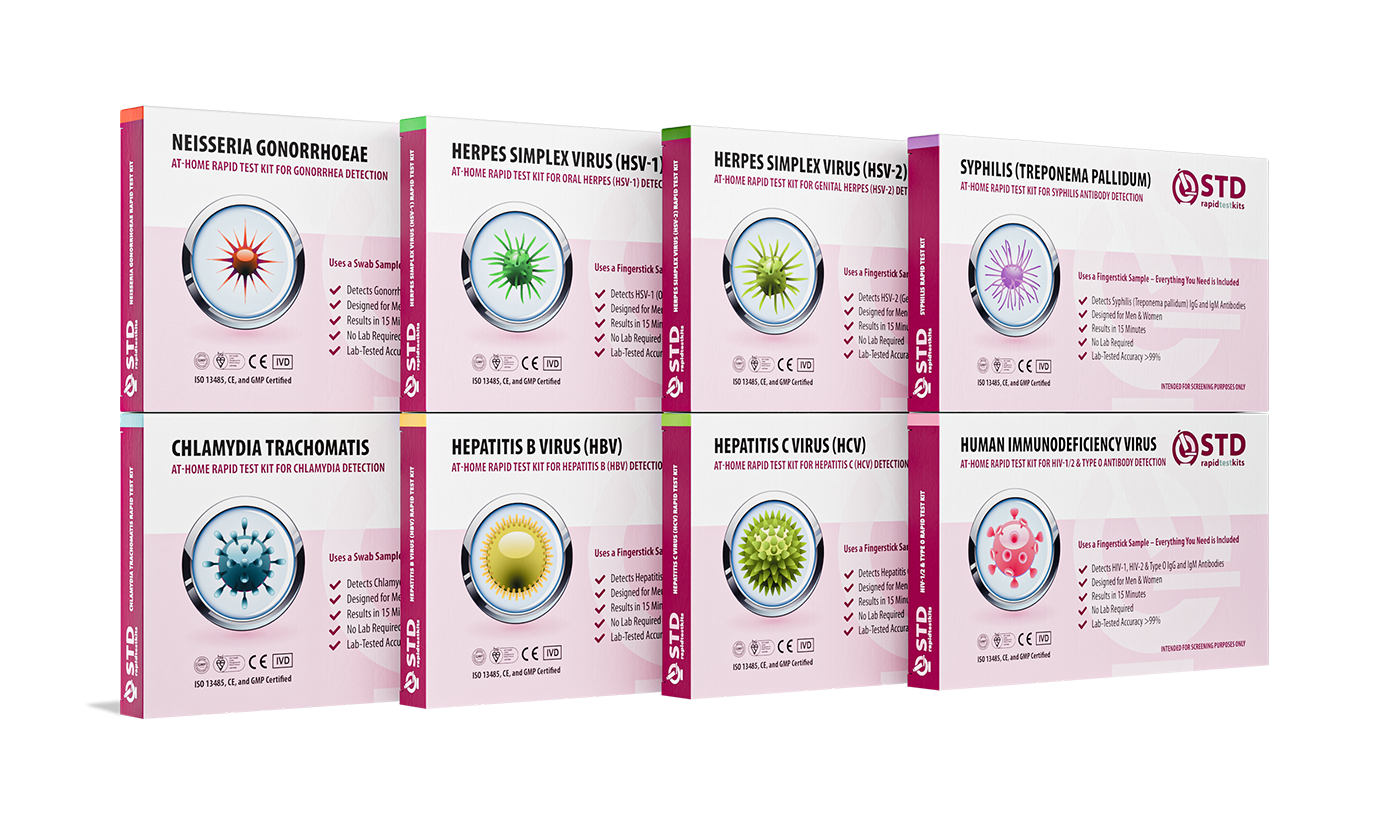 For Men & WomenResults in MinutesNo Lab NeededPrivate & Discreet
Order Now $149.00 $392.00
For all 8 tests
Can You Get Reinfected by the Same Person?
Yes, and it happens more than people think. Say you had chlamydia, took antibiotics, and got cleared. But your partner didn’t get treated, or didn’t retest. You get back together, have sex again, and boom, it’s back.
This is called “ping-ponging” an infection. And it’s one of the biggest reasons why partner testing matters just as much as personal testing. If you test and treat, and they don’t, you’re stuck in a loop.
Tip: After treatment, wait 7 days to have sex again, and make sure your partner also completes treatment. If they say they did, ask when. If they’re vague or dismissive, consider retesting yourself 3 weeks later. It’s not distrust. It’s maintenance.
And yes, even if you’ve only had sex with one person in months, retesting makes sense if they’ve had other partners, or if you’re not 100% sure they tested after their last encounter.
What If You’re Scared of What You’ll Find?
Here’s the hard truth: fear keeps people sick. Shame keeps people silent. And silence keeps infections spreading. But getting tested doesn’t just give you answers, it gives you power. It puts the spinning thoughts into a container. It lets you say, “I did what I needed to do.”
And if your result comes back positive? You’ll deal with it. Just like millions of people do every year. Most STDs are treatable. All are manageable. And none mean you’re dirty, reckless, or broken. You’re a human being who had sex. You took care of yourself. That’s the story.
STD Rapid Test Kits offers at-home, private options that let you find out from the comfort of your space. You don’t have to tell anyone. You don’t have to panic. You just have to start.
How to Know If It’s Time to Retest
Not every situation needs a retest. But if you tested during the early part of a window period, or if you’ve had ongoing exposure (like an active relationship without full protection), a follow-up test can give you peace of mind.
Here’s a common pattern:
Ty, 34, got tested 6 days after a new hookup. Negative. But he had a gut feeling. He waited another 14 days and retested. This time: positive for trichomoniasis. He was able to treat it early, before symptoms got worse, or spread to anyone else.
Retesting isn’t overkill. It’s backup. Especially if you tested early, had symptoms develop later, or weren’t sure about test accuracy. For infections like HIV or syphilis, where the immune response takes time, a 6-week retest is standard medical advice.
If you’re not sure when to test or retest, use the Window Period Calculator to help plan your testing timeline.
FAQs
1. Can you actually get an STD from oral sex?
You’d be surprised how many people still think oral doesn’t “count.” But yes, herpes, gonorrhea, syphilis, and more can all be passed through oral. No, it doesn’t matter if they “looked clean.” Mouths carry bacteria and viruses too. Use protection if you can. Test anyway if you didn’t.
2. How soon is too soon to test after sex?
If you test within 48 hours of a hookup, odds are the test won’t catch anything, even if something’s brewing. Most STDs need 7 to 14 days to show up reliably on a test. That doesn’t mean you wait to care. It means you wait to get an accurate result. If you’re unsure, mark your calendar and check out our window period calculator.
3. They told me they were tested, do I still need to?
Yep. No shade to your partner, but testing is personal. Maybe they were tested two months ago. Maybe they had a new partner since then. Maybe they’re bluffing to avoid awkwardness. Either way, you deserve to know for sure. Your health, your decision.
4. We used a condom. Isn’t that enough?
It’s a solid start. But condoms don’t cover everything. Infections like herpes or HPV can still spread through skin-to-skin contact, especially during oral or if the condom didn’t go on right away. Safe-ish isn’t the same as safe. Testing closes that gap.
5. I’m not feeling any symptoms. Should I still test?
Absolutely. Most STDs don’t ring the alarm. Chlamydia and gonorrhea are silent in many people, especially folks with vaginas. Just because you feel fine doesn’t mean your body agrees. Think of testing as a check-in, not a punishment.
6. Can anxiety make me think I have an STD?
Oh yes. A random tingle? That weird itch? A tiny bump you’ve never noticed before? Welcome to post-hookup brain. Anxiety can mimic or magnify symptoms. But here’s the deal: testing calms the noise. It turns “what if” into “I know.” That’s worth it.
7. Do I have to tell anyone I’m getting tested?
Not unless you want to. Getting tested is like brushing your teeth, it’s personal care, not a confession. If you test positive, you may want to notify partners (and we can help you do that anonymously). But getting tested? That’s your business.
8. How often should I be testing, really?
If you’re sexually active with new or multiple partners, aim for every 3 months. If you’re on PrEP or in a non-monogamous setup, monthly testing may be smarter. And yes, any time there’s a condom slip, a new partner, or a moment you can’t stop thinking about? That’s a sign too.
9. Can I get reinfected by the same person?
100%. If you get treated but your partner doesn’t, or doesn’t finish their meds, you can catch it all over again. This is why partner testing and communication matter. It’s not about blame. It’s about not playing STD ping-pong for the next six months.
10. I’m scared to find out. What if the test is positive?
Then you’ll deal with it, with way more strength than you think. Most STDs are treatable. All of them are manageable. And none of them define who you are. What defines you? Taking care of yourself. Testing is the first step toward peace, not punishment.
You Deserve Answers, Not Assumptions
If you’re here, you care. That matters. Whether you hooked up last night or last month, getting tested isn’t about fear, it’s about clarity. It’s how you protect your future self, your partners, and your peace of mind.
Don’t wait and wonder, get the clarity you deserve. This at-home combo test kit checks for the most common STDs discreetly and quickly
How We Sourced This Article: We combined current guidance from leading medical organizations with peer-reviewed research and lived-experience reporting to make this guide practical, compassionate, and accurate. In total, around fifteen references informed the writing; below, we’ve highlighted some of the most relevant and reader-friendly sources.
Sources
1. WHO - Sexually Transmitted Infections Facts
2. Planned Parenthood - Why and When to Get Tested
3. Getting Tested for STIs | STI – CDC
4. STI Screening Recommendations – CDC
5. Getting Tested for HIV – CDC
6. How Long Does It Take for an STD to Show Up? – Healthline
7. Sexually Transmitted Infection (STI) Tests – MedlinePlus
9. Getting Tested For STIs – American Sexual Health Association
10. Preventing STIs After Unprotected Sex – Weill Cornell Medicine
About the Author
Dr. F. David, MD is a board-certified infectious disease specialist focused on STI prevention, diagnosis, and treatment. He blends clinical precision with a no-nonsense, sex-positive approach and is committed to expanding access for readers in both urban and off-grid settings.
Reviewed by: M. Reyes, MPH | Last medically reviewed: October 2025
This article is for informational purposes and does not replace medical advice.


