





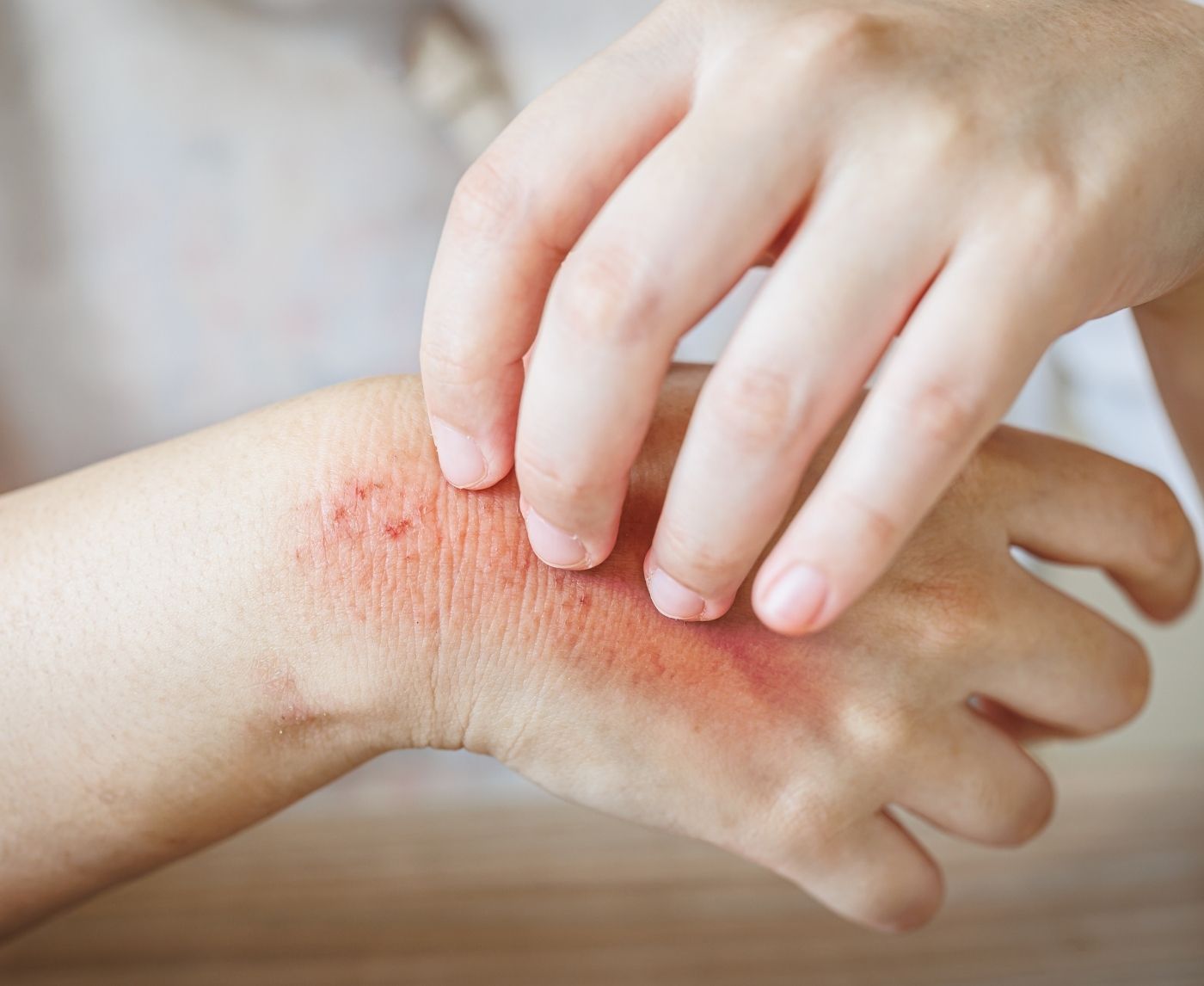

Quick Answer: A rash after sex could be an early symptom of an STD like herpes, syphilis, or even HIV, but it’s also commonly caused by non-infectious issues like friction, allergic reactions to latex or lubricants, or fungal infections. Timing, location, appearance, and symptoms like pain, blisters, or fever can help you tell the difference, and so can testing.
Why Do So Many Rashes Show Up After Sex?
Your skin is your first line of defense. It’s also sensitive, reactive, and constantly in communication with what’s happening inside and outside your body. Sex, especially unprotected sex or sex with new partners, introduces new variables: heat, moisture, pressure, foreign fluids, latex, lubricants, and sometimes, infections. It’s a perfect storm for irritation. But not all rashes mean infection, and not all infections start with pain.
Let’s take a look at Devon, 27. He hooked up with a new partner, used condoms, everything felt fine… until two days later when a red, itchy rash developed on his inner thighs. “I thought it had to be herpes,” he says. “I was freaking out. But the clinic said it was contact dermatitis from the latex and sweat. I’d had a similar rash once from a sports brace and didn’t even connect the dots.”
Then there’s Aria, 34, who started getting small bumps on her labia after sex with her long-term partner. “I thought maybe it was shaving or a yeast infection,” she says. “But they kept coming back in the same spot, and eventually blistered. It turned out to be HSV-2. I had no idea herpes could look that mild at first.”
Two rashes. Two causes. One very common question: “How can I tell the difference?”
People are also reading: Can You Get an STD Without Cheating? Inside the Poly Relationship Myth
The Four Most Common Causes of Post-Sex Rashes
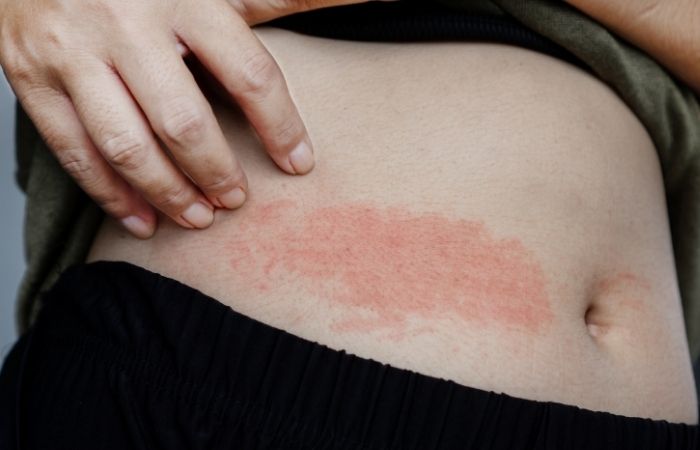
If you’re dealing with a rash after sex, odds are it falls into one of these categories: (1) STD, (2) allergic reaction, (3) skin irritation or friction, or (4) a fungal or bacterial overgrowth. The timing and location of the rash offer big clues. So do the symptoms that come with it.
With STDs like herpes or syphilis, rashes often appear as part of a systemic infection. Herpes may start with tingling before developing into grouped blisters or raw ulcers. Syphilis might begin with a painless sore at the site of contact, followed by a flat, red rash weeks later. HIV can cause a body-wide rash during acute infection. These symptoms tend to follow a timeline, spreading beyond just one contact point.
Allergic reactions, on the other hand, usually hit faster, within minutes to hours of contact, and are often limited to areas exposed to the allergen. Latex condoms, flavored lubes, spermicides, or even laundry detergents can trigger redness, itching, and hives. Unlike an infection, there’s no fever, lymph node swelling, or spreading sores.
Friction-based rashes, think razor burn, heat rash, or just too much skin-on-skin contact, tend to look red and raw, not blistered. They often improve with rest and gentle care. Fungal overgrowth, like a yeast infection or jock itch, may cause a red, itchy rash with a defined border. These tend to worsen with sweat and improve with antifungal treatment.
| Cause | Rash Appearance | Onset | Other Symptoms |
|---|---|---|---|
| STD (e.g., herpes, syphilis, HIV) | Blisters, ulcers, or flat pink/red rash | 2–14 days post-exposure | Fever, fatigue, swollen glands, pain |
| Allergic Reaction | Redness, itching, hives | Minutes to hours after contact | No systemic symptoms; limited to contact area |
| Friction/Irritation | Raw, red, chafed skin | Immediately or next day | Improves with rest, worsens with friction |
| Fungal or Bacterial Rash | Red, scaly or shiny patches | 1–3 days post-exposure | Itching, possible odor or discharge |
Table 1. Visual and timing cues can help differentiate STD rashes from other causes.
Why This Matters More Than You Think
Here’s the hard truth: a lot of people delay testing because they assume their rash is “just irritation.” Or they panic and treat a latex allergy with antibiotics they bought online. Either route can cause more harm than good.
Infections like herpes or syphilis are most contagious when symptoms are present, especially if they’re misdiagnosed or untreated. Allergic reactions, if not correctly identified, can lead to repeated exposure that worsens over time. And if a fungal infection is mistaken for an STD, you may end up over-medicating or causing unnecessary anxiety in your relationship.
The first step to healing is clarity. And clarity starts with paying attention, not just to what your skin looks like, but to how it feels, how it changes, and how your body responds.
What STD Rashes Actually Look Like (And How They Start)
Not all STDs cause rashes, but when they do, the signs can be easy to miss at first. It might feel like a razor bump. Or heat rash. Or nothing at all. That’s why context, timing, sensation, progression, is everything. The more you know about what each STD rash looks like and how it behaves, the better you can tell whether you’re dealing with something serious… or just skin being skin.
Herpes (HSV-1 or HSV-2)
One of the most common causes of genital rashes after sex, herpes doesn’t always show up with dramatic blisters. The first outbreak usually begins with a tingling or itching sensation, followed by small fluid-filled blisters or ulcer-like sores. These can appear on the genitals, anus, buttocks, inner thighs, or even the mouth if oral contact was involved.
Within a day or two, the blisters burst and crust over. Pain can range from mild to severe, especially during urination. Repeat outbreaks tend to be milder and shorter. A key difference: herpes lesions cluster together and often reappear in the same spot.
Syphilis
Syphilis has two stages that involve skin changes. In the primary stage, you might notice a single, firm, painless sore at the site of exposure, usually genitals, anus, or mouth. It heals on its own in a few weeks. If untreated, secondary syphilis can develop, and that’s when the rash hits.
This rash usually spreads to the palms of your hands and soles of your feet. It’s reddish or copper-toned, flat or slightly raised, and not usually itchy. Other signs might include fatigue, fever, or swollen lymph nodes. It's often misdiagnosed as eczema, especially in Black and brown skin tones where the red coloring may appear more purple or grayish.
HIV (Acute Retroviral Syndrome)
HIV itself doesn’t cause a rash after sex, but in the first few weeks after infection, some people experience what’s called acute retroviral syndrome. It can include a flat, red rash across the chest, back, or arms. It may or may not itch. This is usually accompanied by flu-like symptoms, fever, chills, night sweats, swollen glands. The rash is a reaction to the immune system kicking into high gear.
Chlamydia and Gonorrhea
Neither of these usually causes a rash, but both can irritate the skin if discharge leaks onto surrounding tissue or if there’s secondary infection from scratching. In rare cases, certain strains of chlamydia can cause LGV (lymphogranuloma venereum), which leads to painful ulcers and swollen nodes.
| STD | Rash Appearance | Other Symptoms | Timing |
|---|---|---|---|
| Herpes (HSV-1/HSV-2) | Grouped blisters or shallow ulcers | Burning, pain, fever, lymph swelling | 2–12 days post-exposure |
| Syphilis | Painless sore → flat red rash (palms/soles) | Fatigue, hair loss, swollen nodes | 3–6 weeks (primary), 6–12 weeks (secondary) |
| HIV (acute phase) | Flat red rash on chest, arms, back | Flu-like symptoms, night sweats, sore throat | 2–4 weeks after exposure |
| Chlamydia (rare cases) | Ulcers or inflamed skin near genitals | Discharge, burning, possible abscess | 1–3 weeks (LGV strains) |
Table 2. Common STD-related rashes and how they typically show up after exposure.
How Allergic Reactions Can Mimic STD Symptoms
Here’s where things get messy. Latex, lube ingredients, and even semen proteins can cause allergic reactions that look suspiciously like an STD rash. These reactions typically appear within hours, sometimes even minutes, of exposure, and they’re often itchy as hell.
If you notice redness, swelling, or raised bumps right after sex, especially in areas that had direct contact with a product (like a condom or flavored lube), you may be reacting to an ingredient, not catching an infection. These rashes are usually limited to the contact zone and fade quickly with antihistamines or soothing creams.
But here's the curveball: repeated exposure to allergens like latex can actually worsen over time. What starts as mild itching might become a full-blown rash or even trigger vaginal or penile swelling, cracked skin, or burning during urination.
Shane, 29, didn’t find out he had a latex allergy until his partner switched condom brands.
“Every time we used a certain kind, my skin would turn red and itch for a full day. I thought it was herpes until I switched to non-latex and it disappeared.”
If the rash improves with avoidance or after taking allergy meds, you’re likely dealing with a contact reaction, not an infection. But if symptoms worsen, spread, or involve fever or sores, it’s time to get tested.
Check Your STD Status in Minutes
Test at Home with Remedium7-in-1 STD Test Kit
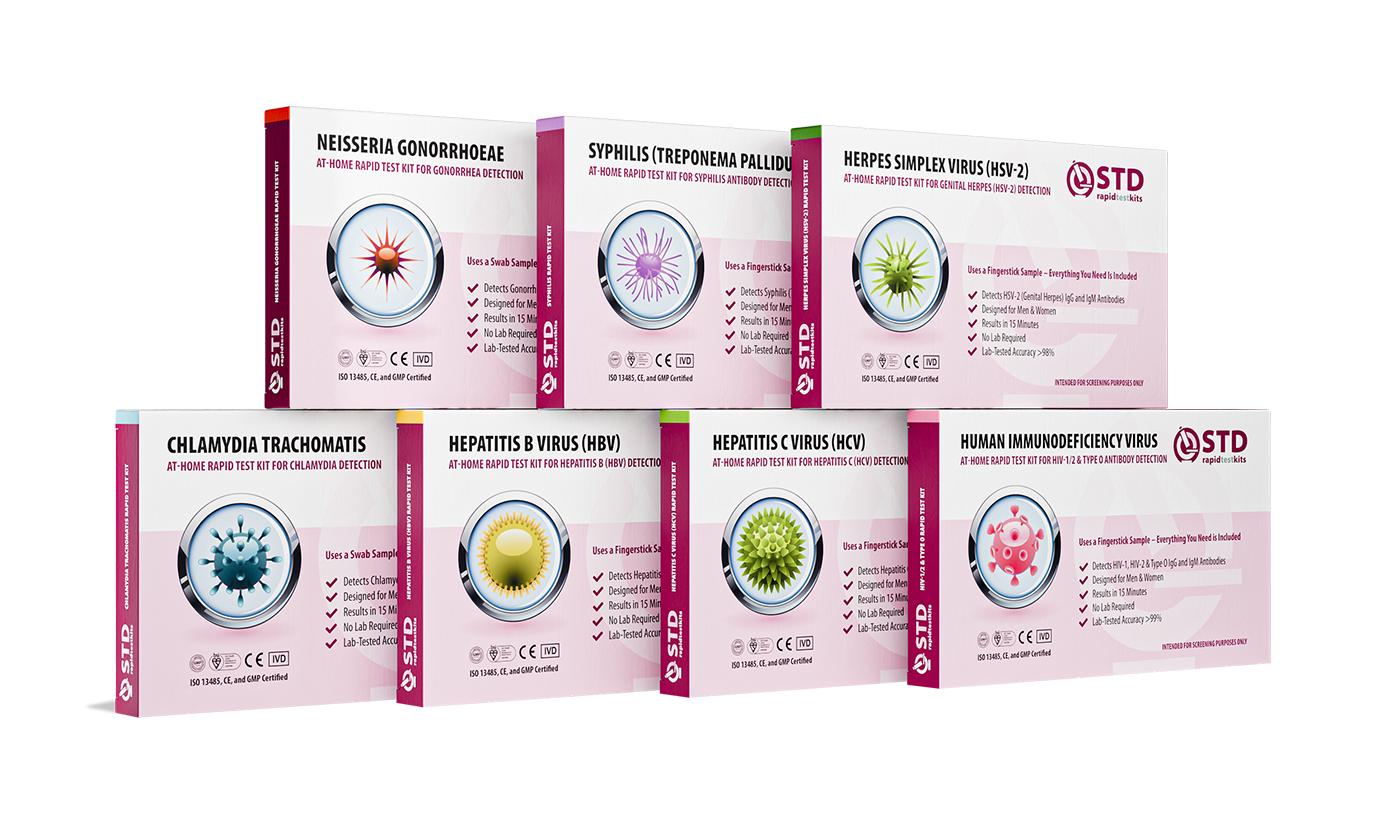
 For Men & Women
 Results in Minutes
 No Lab Needed
 Private & Discreet
Order Now $129.00 $343.00
For all 7 tests
Still Not Sure? These Clues Might Help
One way to approach it: track the timeline. If your symptoms started immediately or within a few hours of sex and are mostly itching, it’s likely irritation or allergy. If they appear several days later, come with pain, blisters, fever, or fatigue, you should strongly consider an STI workup.
Also, notice the spread. Allergic reactions stay local. STDs spread. If a rash begins on your genitals but ends up on your back, hands, or mouth? That’s not an allergy. That’s your immune system responding to something deeper.
Ultimately, the only way to know for sure is testing. You can guess. You can Google. But nothing replaces the clarity of results. The good news? You don’t have to sit in a waiting room or explain your sex life to a stranger to get tested. There are at-home STD testing kits that let you take control quietly, privately, and on your own time.
How to Prevent Rash After Sex (Without Killing the Mood)
If a rash ruined your last hookup, it makes sense to want to avoid a repeat. The key is prevention that doesn’t feel like paranoia, just preparation. That means getting intentional about what goes on your body and in it. It also means checking in with your skin before and after sex, the same way you’d check the lube bottle or your birth control pack.
Start with products. Latex, glycerin, spermicides, cheap flavored condoms, or fragrance-heavy lubes can all irritate sensitive skin. If you’re prone to rashes, try switching to non-latex condoms (like polyisoprene), lube that’s water- or silicone-based and free of parabens or dyes, and fragrance-free intimate washes, or skip the wash entirely.
Prep the skin like you would before a workout. Avoid shaving right before sex (razor bumps = open doors for infection), wear breathable underwear, and don’t go in dry. Friction is friction, and raw skin is more prone to inflammation, infection, or allergic reactivity.
Post-sex care matters too. Rinse gently with water, pee after penetration, and pat, not rub, the area dry. If you’re particularly rash-prone, a cold compress afterward can soothe early inflammation before it starts to itch or flare. This isn’t about being high-maintenance. It’s about being a good host to your own body.
Home Treatment vs Medical Care: When to DIY and When to Call In Help
Some rashes are harmless and heal in a few days. Others? Not so much. Knowing when to treat at home and when to reach out is part of being sexually smart, not paranoid.
If your rash is clearly related to a product (like lube or latex), itchy but not blistering, and fades within 48 hours with antihistamines or gentle skincare, you’re likely okay to manage it at home. Cool compresses, hydrocortisone cream (sparingly), and switching up products usually does the trick.
But if your rash lasts more than 3–4 days, spreads, crusts over, involves ulcers, or comes with symptoms like fever, burning urination, swollen lymph nodes, or fatigue, you’re out of the DIY zone. That’s when herpes, syphilis, or even HIV-related symptoms come into play, and it’s time to test and talk to a provider.
Testing doesn’t always mean a clinic visit. At-home test kits can screen for herpes, syphilis, chlamydia, and HIV with a quick blood or swab sample, giving you results in days. Some even give you telehealth support for prescriptions. Check out our Herpes Rapid Test Kit if you’re unsure whether those bumps are viral, or just the result of a wild night and a bad condom.
| Symptom | Okay to Treat at Home? | Time to See a Provider? |
|---|---|---|
| Red rash without pain or blisters | Yes – likely irritation or allergy | No |
| Blisters, ulcers, painful sores | No | Yes – rule out herpes or syphilis |
| Fever, fatigue, or body-wide rash | No | Yes – possible viral infection |
| Itching and redness after condoms/lube | Yes – monitor and switch products | No, unless symptoms worsen |
| Recurring rash in same spot | Unclear – depends on history | Yes – likely herpes or fungal recurrence |
Table 3. Not every rash needs a doctor, but some definitely do.
Co-Infections and Complications: When It’s More Than One Thing
Sometimes, rashes aren’t an either/or. You can have a fungal infection and herpes. An allergic reaction and a yeast overgrowth. One infection can open the door for another, and overlapping symptoms can make diagnosis harder.
That’s why guessing based on looks alone can backfire. Take Sally, 31, who assumed her recurrent red rash was just eczema.
“It flared every month like clockwork,” she said. “Turned out it was herpes, triggered by hormonal shifts, and the steroid cream I was using was making it worse.”
If your rash keeps returning, responds weirdly to treatment, or evolves over time, a full STI panel and skin culture may be the fastest route to real answers. Don't settle for half-truths. Your skin knows when something’s wrong, listen to it.
How to Talk to a Partner When You Notice a Rash
Let’s be real, there’s no chill way to say, “Hey, something weird showed up on my junk.” But silence is not protection. And honesty, awkward as it feels, is part of being a partner who’s safe to have sex with. The key is not making it a confession. You’re not gross. You’re not guilty. You’re just dealing with a body thing, and that’s allowed.
Try this: “Hey, I noticed a rash after we hooked up. I’m not freaking out, but I want to be smart about it. I’m going to get tested to be sure, and I wanted to keep you in the loop in case you notice anything, too.” That’s it. Calm. Clear. Caring. No shame. No drama.
Most people respond better than you’d expect. And the ones who don’t? That’s useful information. If they mock you, ghost you, or make you feel dirty, they were never someone safe to sleep with in the first place.
One more thing: if you test positive for something, like herpes or syphilis, you’re still not obligated to offer your entire sexual history as an apology. You just need to inform recent partners, share your status clearly, and help them access testing if needed. That’s care. That’s integrity. That’s it.

People are also reading: Can You Get Herpes If You're a Virgin? Yes, Here's How
Still Unsure If It’s an STD or Not? Here’s Your Next Step
If you’re still staring at your skin in the mirror and Googling your symptoms like your life depends on it, here’s the truth: you’ve done nothing wrong. You’re being cautious. You’re being responsible. And most of all, you’re not alone.
The good news? There’s something you can do right now. You can order a rapid STD test kit discreetly. You can get answers in days. You can stop spinning worst-case scenarios and start taking action. And if it turns out to be an allergy? Great. If it turns out to be something more? You’re catching it early, which means faster treatment and less transmission.
In the end, whether it’s herpes, latex allergy, syphilis, or razor burn, your body is communicating with you. All you have to do is listen and respond, not shame yourself into silence.
FAQ
1. Can an STD rash really show up right after sex?
Not usually. Most STDs have an incubation period, herpes can take a few days, syphilis even longer. So if you notice redness or itching within an hour or two of sex, think irritation, latex allergy, or lube drama. That said, don’t dismiss it too fast, especially if things stick around or get worse over time. Your body’s got a timeline, and it doesn’t always follow your schedule.
2. How do I know if it’s herpes or just razor burn?
Great question, and one we hear a lot. Razor burn tends to show up quickly after shaving, looks red and bumpy, and usually doesn’t hurt beyond mild irritation. Herpes often starts with a tingle or itch before turning into tiny blisters that cluster together and pop. If it hurts, spreads, or comes back in the same place? That’s worth a test.
3. Does a latex allergy really cause a rash down there?
Oh yeah. And it’s more common than people think. If you’re getting red, itchy, or swollen after using condoms, especially the same kind every time, it might not be the sex. It might be the latex. Or the lube. Or the spermicide. Try switching to non-latex options and see if your skin stops staging a rebellion.
4. Can I have an STD with no other symptoms, just a rash?
Absolutely. Herpes and syphilis are especially sneaky that way. You might feel totally fine otherwise, no fever, no pain, no clue. That’s why it’s so important to notice patterns: Is the rash recurring? Are the bumps in the same place every time? Did your partner mention a cold sore or recent test? Your skin can be the first one to raise the alarm.
5. What does a syphilis rash actually look like?
Textbook answer: flat, reddish spots on your palms or soles. Real-life answer? It depends. On darker skin, it can look purplish or gray. On lighter skin, it might be pink or copper. It doesn’t usually itch, which is weird for a rash. It can show up weeks after the initial infection and often gets mistaken for eczema. Spoiler alert: syphilis doesn’t care about your Google history. Get tested.
6. If I use condoms, why would I still get a rash?
Condoms protect against STDs, but not everything. Herpes can spread from skin-to-skin contact that condoms don’t cover. Latex itself can be the problem. And friction? That’s just physics. Even protected sex can leave skin raw if there’s not enough lube, especially during marathon sessions. So if you’re red and irritated post-condom, it doesn’t automatically mean you’re infected, it might just mean you need a better lube.
7. Can lube actually cause a rash?
Yes, and it’s not just the weird “warming” ones. Glycerin, parabens, and flavoring agents can all mess with your skin’s vibe. If your rash consistently follows certain lubes, it’s time to break up with them and try a gentler, unscented option. Your body deserves better.
8. Should I tell my partner about the rash?
If you’ve had sex recently and a rash appears, yes. Not as a confession, but as a heads-up. Try: “Hey, something’s going on with my skin. I don’t know what it is yet, but I’m gonna get it checked and wanted to let you know in case anything shows up for you too.” That’s not TMI, it’s grown-up intimacy. And the right partner will appreciate the honesty.
9. Do I have to wait for the rash to go away before I test?
Nope. If anything, testing while symptoms are active can help catch things more accurately, especially for herpes, which is best diagnosed via swab from a fresh sore. If your rash disappears before you test, bloodwork or a skin culture may still offer answers. But don’t wait for clarity to magically appear. Be proactive.
10. What if I test negative, but the rash is still there?
Then it’s time to widen the lens. You could’ve tested too early. Or maybe it’s not an STD at all, it could be fungal, allergic, hormonal, or something else entirely. If your skin isn’t healing, keeps flaring up, or just feels “off,” it’s okay to loop in a provider who can do a physical exam or run additional tests. No shame in being thorough.
How We Sourced This: This article is grounded in clinical data, peer-reviewed dermatology research, and real patient experiences. Around fifteen reputable sources, including the CDC, American Academy of Dermatology, and NIH, informed this guide. Below, we’ve highlighted some of the most relevant and reader-friendly sources.
Sources
1. Planned Parenthood – Herpes 101
2. Skin-rash and lesions — STI Guidelines Australia
3. What causes a genital rash? | Medical News Today
4. What causes groin-rash and how is it treated? | Healthline
5. Semen allergy: Causes, symptoms, diagnosis & treatment | Cleveland Clinic
Author: Dr. F. David, MD
Reviewed by: Jamie Kline, MPH
Disclaimer: This article is for educational purposes only and is not a substitute for professional medical advice, diagnosis, or treatment. Always consult a qualified health provider with questions about your symptoms or care plan.


