







Quick Answer: Some STDs, like HIV, syphilis, hepatitis B, hepatitis C, and certain strains of HPV, can become life-threatening if untreated. Others, like chlamydia or gonorrhea, can cause infertility, pelvic disease, or systemic complications that escalate without care.
Why This Topic Matters More Than You Think
Most people don’t associate STDs with life-and-death consequences. They imagine rashes, maybe some itching, or the awkward text you send a past partner. But that cultural shorthand hides something more dangerous: the slow burn of untreated infection. We’re talking about viral invaders that damage your liver, bacteria that eat away at your brain and spine, and pathogens that hide for years before erupting into cancer or organ failure.
And it’s not just people without healthcare. In Reddit threads, ER confessionals, and DMs to health educators, the same question echoes: “I didn’t think it was that serious.” In reality, it can be. For people without symptoms, without insurance, or living in fear of judgment, these infections can go unnoticed until the damage is irreversible.
We’re not here to scare you. We’re here to show you exactly which STDs carry long-term risks, how they unfold, and how to stop them, early, affordably, and privately. This guide breaks it all down.
The Short List: Which STDs Can Actually Turn Deadly?
Some STDs cause death through slow, cumulative damage. Others can kill through sudden systemic collapse. And a few are unlikely to be fatal directly, but leave the body vulnerable to other deadly infections. To understand the risks, we need to look at how each pathogen behaves inside the body over time.
| STD | Can It Be Fatal? | How Death May Occur | Fatality Without Treatment |
|---|---|---|---|
| HIV | Yes | Leads to AIDS, immune collapse, opportunistic infections | Extremely high over years |
| Syphilis | Yes | Neurosyphilis, organ failure, cardiovascular damage | Moderate to high if untreated for decades |
| Hepatitis B | Yes | Chronic liver failure, cirrhosis, liver cancer | Moderate to high depending on chronicity |
| Hepatitis C | Yes | Liver damage, cancer, internal bleeding | High if long-term untreated |
| HPV | Yes (some strains) | Leads to cervical, anal, throat, and penile cancers | Low for most, higher if high-risk strains persist |
| Gonorrhea | Rarely | Can lead to bloodstream infection (DGI) | Low, but serious if it becomes systemic |
| Chlamydia | Rarely | Can cause PID, ectopic pregnancy, sepsis | Low fatality, high long-term damage risk |
| Trichomoniasis | No direct fatality | Associated with preterm birth, HIV risk increase | Very low, but medically important |
Table 1. Risk snapshot of common STDs and how they may become fatal over time if left untreated.
People are also reading: I Thought It Was Strep Throat, Turns Out It Was Oral Gonorrhea
Micro-Scene: What “No Symptoms” Actually Looks Like
André, 32, didn’t think much of the sore that showed up on his shaft. It was painless and healed quickly. He chalked it up to friction or a rough trim. A few months later, he started forgetting words mid-sentence. His balance was off. By the time he saw a neurologist, the diagnosis came hard: tertiary syphilis, attacking his brain and spine.
Syphilis often vanishes in the early stages, leaving no symptoms behind, or ones that look like a mild skin issue. But inside, the bacteria can continue burrowing into the nervous system. Untreated for years, it becomes destructive and potentially deadly. What started as a painless sore can end in seizures, blindness, or heart failure.
The silence of symptoms isn’t safety. It’s camouflage.
What Happens If HIV Goes Untreated
Untreated HIV doesn’t kill instantly. But it almost always does, eventually. It works by disabling the immune system until even minor infections become deadly. The window between infection and life-threatening complications varies, but without antiretroviral treatment, the progression to AIDS can take anywhere from 5 to 10 years, or less, depending on overall health.
One CDC report estimated that in the early days of the epidemic, untreated HIV led to death in over 90% of cases within 8–10 years. With treatment, however, many people live decades without developing AIDS.
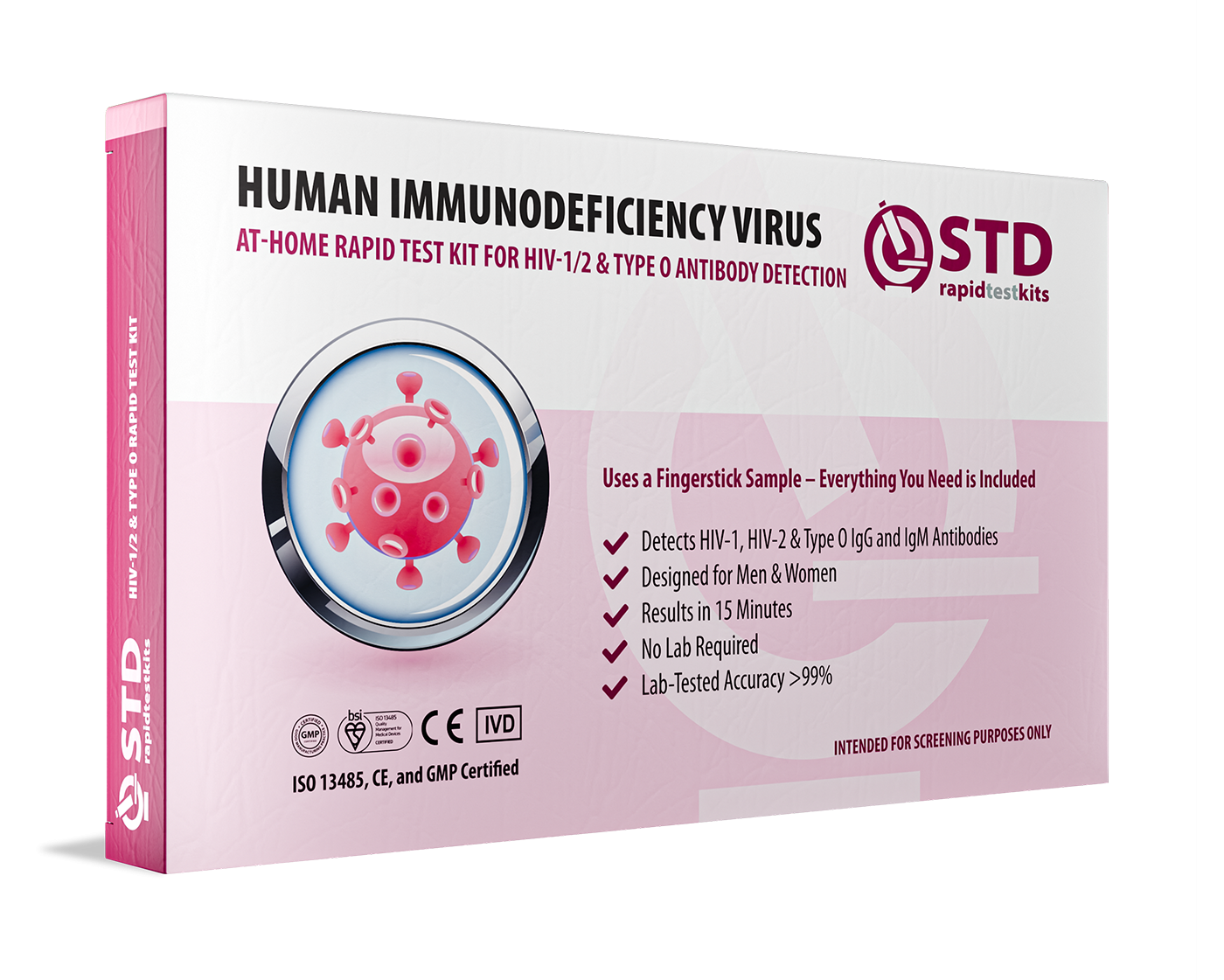
That’s why early testing is critical. Modern HIV tests, like the ones available in our STD Rapid Test Kits, can detect infection in as little as 18–45 days depending on the type. And treatment today means a nearly normal lifespan.
If you’re wondering whether you might’ve been exposed, don’t wait. Order an HIV test and take back control of your health from home, privately, without judgment.
Check Your STD Status in Minutes
Test at Home with RemediumHIV Rapid Test Kit
 For Men & Women
 Results in Minutes
 No Lab Needed
 Private & Discreet
Order Now $33.99 $49.00
The Cancers You Didn’t Know Were Caused by STDs
HPV doesn’t usually make headlines for killing people, but it should. While most strains of human papillomavirus clear naturally, persistent high-risk types like HPV-16 and HPV-18 are known to cause cancers in the cervix, anus, penis, vulva, and throat. Globally, HPV is responsible for over 630,000 new cancer cases each year, according to the World Health Organization.
Elisa, 41, had never missed a Pap smear, until she did. Life got busy, she switched providers, and three years passed. When she finally got screened, the abnormal cells were already Stage 2 cervical cancer. A simple HPV test could’ve caught it before it turned lethal. She survived, but now lives with chronic pelvic pain and early menopause.
HPV doesn’t have symptoms in most people. And because it can take years to turn cancerous, it’s often overlooked. Regular testing and the HPV vaccine are two of the most powerful tools we have to prevent these deaths entirely.
When Hepatitis B or C Go Unnoticed
Hepatitis B and Hepatitis C don’t always get the attention they deserve, but these viruses can be quietly devastating. Both primarily attack the liver, and both can live undetected in the body for years, sometimes decades, before causing serious damage. In fact, many people infected in their teens or twenties don’t learn they have it until their 40s or 50s, when signs of cirrhosis or liver cancer emerge.
According to the CDC, chronic hepatitis B is responsible for up to 820,000 deaths globally per year, mostly due to complications like liver failure and hepatocellular carcinoma. Hepatitis C carries similar risks but is now curable with antiviral therapy, if it’s caught in time.
Dante, 47, found out he had chronic hepatitis C during a pre-surgery blood panel. He’d never noticed anything wrong. But once the ultrasound came back, his liver was already in early-stage failure. The cure came in time, but the shock of nearly dying from something he never felt still haunts him.
Screening for hepatitis isn’t just about your past, it’s about your future. If you’ve ever had unprotected sex, shared needles, or even gotten a piercing in a non-sterile environment, it’s worth testing. Hepatitis B tests and C tests are available for home use and can help you intervene early.
Systemic Complications: When “Minor” STDs Escalate
Not every deadly STD comes with a dramatic name or high-profile reputation. Some of the most common bacterial infections, like gonorrhea and chlamydia, are rarely fatal by themselves. But when neglected, they can lead to cascading complications that threaten fertility, mobility, and even life.
One lesser-known risk is Disseminated Gonococcal Infection (DGI), where the bacteria move from the genitals into the bloodstream. This can cause septic arthritis, skin lesions, and even meningitis. Though rare, it’s becoming more frequent with rising antibiotic resistance. A case report published in the Journal of Medical Case Reports documented a young adult with no symptoms who developed DGI and died from sepsis in under 72 hours.
Chlamydia, too, can escalate into pelvic inflammatory disease (PID), a condition that scars the reproductive tract and increases the risk of ectopic pregnancy, infertility, and chronic pain. Left untreated, PID itself can cause peritonitis, a life-threatening abdominal infection.
Melina, 26, went to urgent care for lower stomach pain. They thought it was appendicitis, but it turned out to be late-stage PID. She had never noticed any STD symptoms, just the occasional irregular period. After surgery and antibiotics, she was left with only a 20% chance of natural pregnancy.
Table: Complications of "Non-Fatal" STDs
| STD | Possible Complication | Long-Term Outcome | Fatal Risk Level |
|---|---|---|---|
| Chlamydia | Pelvic Inflammatory Disease (PID) | Infertility, chronic pelvic pain, ectopic pregnancy | Low to moderate (via complication) |
| Gonorrhea | DGI (Disseminated Gonococcal Infection) | Sepsis, joint damage, meningitis | Moderate (if systemic) |
| Trichomoniasis | Increased HIV susceptibility | Amplifies HIV transmission risk up to 2x | Indirectly serious |
| HPV | Cervical/anal/oral cancer | Fatal if not detected early | High (with high-risk strain) |
Table 2. Even non-lethal STDs can spiral into life-altering or life-threatening outcomes, especially when left untreated.
Why “No Symptoms” Doesn’t Mean No Risk
This is where the story gets dangerous. Nearly 70% of people with chlamydia, for example, experience no noticeable symptoms, yet the infection continues to spread and scar tissue internally. With HPV, there may be no signs until years later, when abnormal cells are found on a Pap smear (or worse, after cancer develops).
Even HIV may lie dormant during its acute phase. The symptoms, fatigue, swollen glands, mild fever, are so non-specific that they’re often dismissed as a cold or stress. Yet during this stage, viral load is highest and transmission risk peaks.
David, 38, had a negative HIV test six months prior. But he didn’t know about the testing window. After a one-night stand during a trip abroad, he assumed he was fine when nothing happened. He only got tested again after a partner asked. By then, his CD4 count had dropped, and he was already in early-stage AIDS. He’s now undetectable and healthy, but it could’ve been different.
Symptom silence isn’t a green light. It’s a reason to test proactively.
Know Sooner, Act Faster
Most of these infections don’t start deadly. But delay is where the danger lives. Testing early, before symptoms, before complications, isn’t just smart. It’s lifesaving. You can test privately, discreetly, and quickly without stepping into a clinic. This at-home combo test kit checks for the most common infections that can cause long-term damage if missed.
Whether you're feeling off, just finished a risky encounter, or simply want to know where you stand, peace of mind is one test away.
When the Damage Shows Up Years Later
Samantha, 33, went to a fertility clinic after months of failed conception. What she expected was a hormone issue or something minor. What she learned was that a past chlamydia infection, one she never knew she had, had scarred her fallopian tubes so severely that natural pregnancy would be almost impossible.
This is one of the cruelest things about untreated STDs: the damage doesn't always appear right away. In fact, it often doesn’t appear at all until you’re trying to do something years later, like get pregnant, avoid cancer, or explain chronic pelvic pain.
Even among people who’ve been treated, some damage may already be done. That’s why early testing isn’t just about stopping an infection, it’s about protecting your future self from consequences you can’t see today. Silent doesn’t mean safe.

People are also reading: My Balls Hurt After Sex, Could It Be an STD?
Reinfection and the Myth of “One and Done”
Here’s something most people don’t know: you can get the same STD more than once. Especially if your partner wasn’t treated at the same time, or if you returned to a sexual dynamic where exposure risk remains high. This is particularly common with chlamydia, gonorrhea, and trichomoniasis.
And in the case of HPV, having a past infection doesn’t make you immune to future ones. Certain high-risk strains can reappear, especially if your immune system weakens due to stress, other illness, or aging. Even herpes can “reactivate” years after initial infection and cause complications during pregnancy or delivery if not monitored.
Marcus, 29, tested positive for gonorrhea and followed treatment to the letter. But he never told his most recent hookup. A month later, the symptoms came roaring back, and this time, the infection had mutated. His second round of treatment was longer, rougher, and required a follow-up with a urologist. He now tests every three months as part of his wellness routine.
This isn’t about blame. It’s about breaking the cycle of silent reinfection. Retesting after treatment isn’t paranoia. It’s prevention.
Protecting Partners, Futures, and Fertility
If you’ve ever hesitated to bring up testing with a new partner, you’re not alone. But here’s the real talk: protecting them is also protecting yourself. Untreated STDs don’t just hurt the person infected, they ripple outward, touching everyone connected to that timeline of contact. Fertility struggles. Cancer diagnoses. Chronic illness. All of it becomes more likely when infections go unnoticed or ignored.
And yes, fertility is a huge part of the long-term risk. According to the NIH, up to 15% of women with untreated chlamydia develop PID, which can lead to permanent infertility. In men, gonorrhea and chlamydia can cause epididymitis, a painful inflammation that can affect sperm quality and testicular function.
Testing together doesn’t have to kill the mood. It can be part of how you build safety and intimacy. A shared commitment to health is sexy, full stop. And if you're already unsure, the quickest way to get certainty is testing now, not later.
Check Your STD Status in Minutes
Test at Home with Remedium7-in-1 STD Test Kit
 For Men & WomenResults in MinutesNo Lab NeededPrivate & Discreet
Order Now $129.00 $343.00
For all 7 tests
Understanding Timeline: How Long Until It Turns Dangerous?
Not all STDs follow the same clock. Some, like syphilis, can stay dormant for years before resurfacing in dangerous ways. Others, like HIV, slowly chip away at the immune system until it's no longer strong enough to protect you. Here’s how the progression can look, especially when left undiagnosed:
| STD | Early Symptoms (if any) | Time to Serious Complication | Potential Outcome |
|---|---|---|---|
| HIV | Mild flu-like illness | 5–10 years untreated | AIDS, opportunistic infections, death |
| Syphilis | Painless sore, then rash | 10–30 years untreated | Neurosyphilis, organ failure, death |
| HPV | Often none | Years to decades | Cervical, anal, or throat cancer |
| Hepatitis C | Fatigue, mild abdominal pain | 10–20 years untreated | Liver failure, liver cancer, death |
| Chlamydia | Usually none | Months to years | Infertility, ectopic pregnancy, chronic pain |
Table 3. STD progression timeline showing how long it may take before life-altering effects emerge, often without warning signs.
The Emotional Toll: Fear, Shame, and Inaction
We need to talk about fear. Not the fear of dying from an STD, but the fear that keeps people from getting tested in the first place. Fear of what the result might say about you. Fear of being judged, of having your sex life “exposed,” of someone finding out. Shame is one of the deadliest symptoms we don’t talk about enough.
Denise, 24, delayed testing for months because she didn’t want her parents to see the charges on her insurance. She used natural remedies she read about online, hoping it was just a UTI. It wasn’t. By the time she got an at-home test and a telehealth consult, the chlamydia had advanced to PID.
That’s why at-home testing matters. You can avoid the awkward clinic trip. You don’t need to explain yourself to a pharmacist. You can do it on your schedule, in your space, with full control over who knows and when. We’re not just selling test kits, we’re offering privacy, dignity, and peace of mind.
If you’re afraid, start small. Order the test. Let the answer come. Then decide what to do with it. But don’t let shame be the thing that puts your body at risk.
FAQs
1. Can an STD really kill someone?
Yes, some absolutely can. But it’s not like a movie where you drop dead overnight. It’s more like a slow erosion. HIV weakens your immune system over years until something seemingly small, like pneumonia, becomes lethal. Syphilis can literally eat away at your brain or heart if ignored long enough. And HPV? It’s behind several cancers that don’t make a sound until they’re already dangerous. So yes, STDs can kill, but only when left to smolder in the dark.
2. What’s the most dangerous STD if it goes untreated?
It’s a toss-up between HIV and syphilis. Untreated HIV leads to AIDS, which opens the door to all kinds of deadly infections. Syphilis, though, is the sneaky one, it can lie low for decades and then suddenly show up as memory loss, blindness, or a failed heart valve. It’s like a ticking time bomb in a trench coat.
3. Do all deadly STDs have obvious symptoms?
Nope. That’s the trap. Chlamydia and HPV are infamous for being symptom-free in the early stages. You could feel totally fine and still be carrying something that’s slowly causing internal damage. Imagine driving a car with the check engine light disabled, you think you’re good, but inside, the engine’s falling apart.
4. How long can you have an STD without knowing it?
Years. Literally. People discover late-stage complications from infections they got in college. It depends on the STD, HIV and hepatitis C can go quiet for a decade. HPV might not surface until abnormal cells show up on a Pap smear years later. It’s why regular testing is like oil changes, you don’t wait for the smoke.
5. Is HPV always deadly?
Not even close. Most strains are harmless and clear on their own. But a few high-risk types, like HPV-16 and HPV-18, are behind most cervical and throat cancers. The trick is not waiting until you “feel sick.” That’s way too late. Regular Pap smears and HPV tests can catch it early, before it ever turns into something scary.
6. Can gonorrhea or chlamydia kill you?
Not usually, but they can make your life harder in serious ways. Left alone, they can cause PID (pelvic inflammatory disease), infertility, and in rare cases, bloodstream infections that become life-threatening. It’s not the kind of thing that shows up on day one. It creeps in while you're busy living your life.
7. If I had an STD before, am I still at risk?
Yes. STDs don’t come with lifetime immunity. You can get reinfected, even with the same one, especially if a partner wasn’t treated or if you're exposed again. Think of it like food poisoning: just because you got sick once doesn’t mean your next meal is automatically safe. Testing isn’t a one-and-done deal.
8. How often should I test to avoid serious consequences?
At least once a year if you’re sexually active. But if you have multiple partners, casual hookups, or if anything just feels off, test more often. Some folks test after every new partner. It’s not overkill, it’s just keeping your future self out of the ER.
9. Are home STD tests reliable?
Yes, especially when you follow instructions and time your test correctly. The rapid tests we recommend use tech similar to what clinics use. Just be sure you’re not testing too early after exposure, because even the best test can’t catch something your body hasn’t reacted to yet. Read the window period, then go for it.
10. What should I do if I get a positive result?
First, breathe. Seriously. Most STDs are treatable, and you’re not the first, or the last, person to test positive. Next steps: confirm with a follow-up test if needed, get treatment, and tell your partner(s). That last part can be tough, but there are anonymous tools and scripts that can help. You’re not alone in this, and you’re stronger than whatever’s in that test result.
You Deserve Answers, Not Assumptions
If you’ve made it this far, you already know this isn’t about shame. It’s about protection, of your body, your relationships, your future. Many STDs are invisible until they’re destructive. But that doesn’t mean you have to live in fear. You have options. You have time. And you have access to tests that can change your outcome completely.
Don’t let silence decide for you. You’re stronger, smarter, and more in control than you think. Order your test today and take one simple step toward peace of mind.
How We Sourced This Article: We combined current guidance from leading medical organizations with peer-reviewed research and lived-experience reporting to make this guide practical, compassionate, and accurate.
Sources
1. WHO – HPV and Cervical Cancer
2. HIV (Human Immunodeficiency Virus) – Overview | CDC
8. Hepatitis B Fact Sheet | WHO
About the Author
Dr. F. David, MD is a board-certified infectious disease specialist focused on STI prevention, diagnosis, and treatment. He blends clinical precision with a no-nonsense, sex-positive approach and is committed to expanding access for readers in both urban and off-grid settings.
Reviewed by: A. Nguyen, MPH | Last medically reviewed: October 2025
This article is for informational purposes and does not replace medical advice.


