Acute HIV Infection: Signs and Symptoms, Causes, and Treatment
Find out about warning signs and predisposing factors that may set off Acute HIV Infection and its care. Learn how to effectively prevent and treat the condition plus debunk common myths about its transmission.
06 October 2024
4 min read
396
How to Recognize Symptoms of Acute HIV Infection and Understand Them
Acute HIV infection is very soon after a person has become infected with the virus. This is a phase of high levels of viral replication. Unlike most viruses, the human body cannot clear the virus from the body. In fact, the virus stays in the body and slowly degrades the body's immune system, making an individual highly prone to develop certain infections which may debilitate his or her body.
An important understanding is that the acute infection of HIV is contagious in nature and may be transmitted to another individual. This may happen even if the infected individual does not show symptoms. Typically, the infection at this stage is diagnosed to be a different disease due to the development of flu-like symptoms because at this stage, the antibodies of the body are too weak to fight back effectively against the virus.
Symptoms of Acute HIV Infection
Some individuals with acute HIV infection have few or no symptoms at all. In others, the symptoms may be similar to those of the flu or other viral infections and they may incorrectly assume they don't have HIV.
The CDC reports that more than 1.1 million people in the United States are living with HIV, and approximately 15% of them are unaware of their infection. The possible symptoms of acute HIV infection may include:
Fever
Fatigue
Headache
Skin rash
Chills
Sweating at night
Loss of appetite
Diarrhea
Inflammation of lymph nodes
Muscle aches
Sores in the mouth, vagina, or on the esophagus
Factors Contributing to Acute HIV Infection
There are a number of activities that can lead to acute HIV infection. Following are the risk factors:
Sharing needles or sharp tools with an HIV-positive person or people of unknown HIV status.
Sucking from an HIV-positive mother.
Having unprotected sex with an HIV-positive person.
Infected blood through blood transfusion—this hardly happens now due to the progress taking place in medical sciences.
To dispel some of the myths surrounding how HIV is contracted, it needs to be established that HIV cannot be contracted through the following: casual physical contact, kissing, holding hands, sharing utensils while eating, or hugging.
No particular group has proprietary rights over acute HIV infection. The virus has no distinction between races, age groups, skin colors, or religious affiliations. All are vulnerable when exposed to the virus. However, the highest risk comes from men who engage in unprotected sex with other men and those sharing needles.
There are several prevention measures that can be put in place to prevent acute HIV infection:
Not sharing needles and other sharp objects used for administering medication and tattooing.
In case you are a health worker, always wear latex gloves while handling blood.
Take PrEP and PEP.
Get yourself tested regularly for STDs and HIV to start the treatment process as early as possible.
Treatment for Acute HIV Infection
Though a final cure of HIV is yet to be discovered, antiretroviral drugs are given to manage the infection and keep the body healthy. These drugs minimize the associated side effects of HIV infection in the patient's body and allow the patients to live a healthy and normal life.
Physicians may also recommend certain lifestyle modifications for managing acute HIV infection. These include the following:
Healthy nutritional diet to improve immunity
Sharing of syringes and sharp instruments must be avoided
Safe sex with a single partner
Regular STD testing and treatment
Exercise regularly and keep up with hobbies
Avoid or decrease use of hard drugs and alcohol
Many of the fears about HIV are gone since knowledge about the disease and its treatment has improved. People can lead healthy lives so long as the disease is well controlled with antiretroviral drugs. Seek immediate medical attention if you have any of the acute HIV infection symptoms to diagnose.







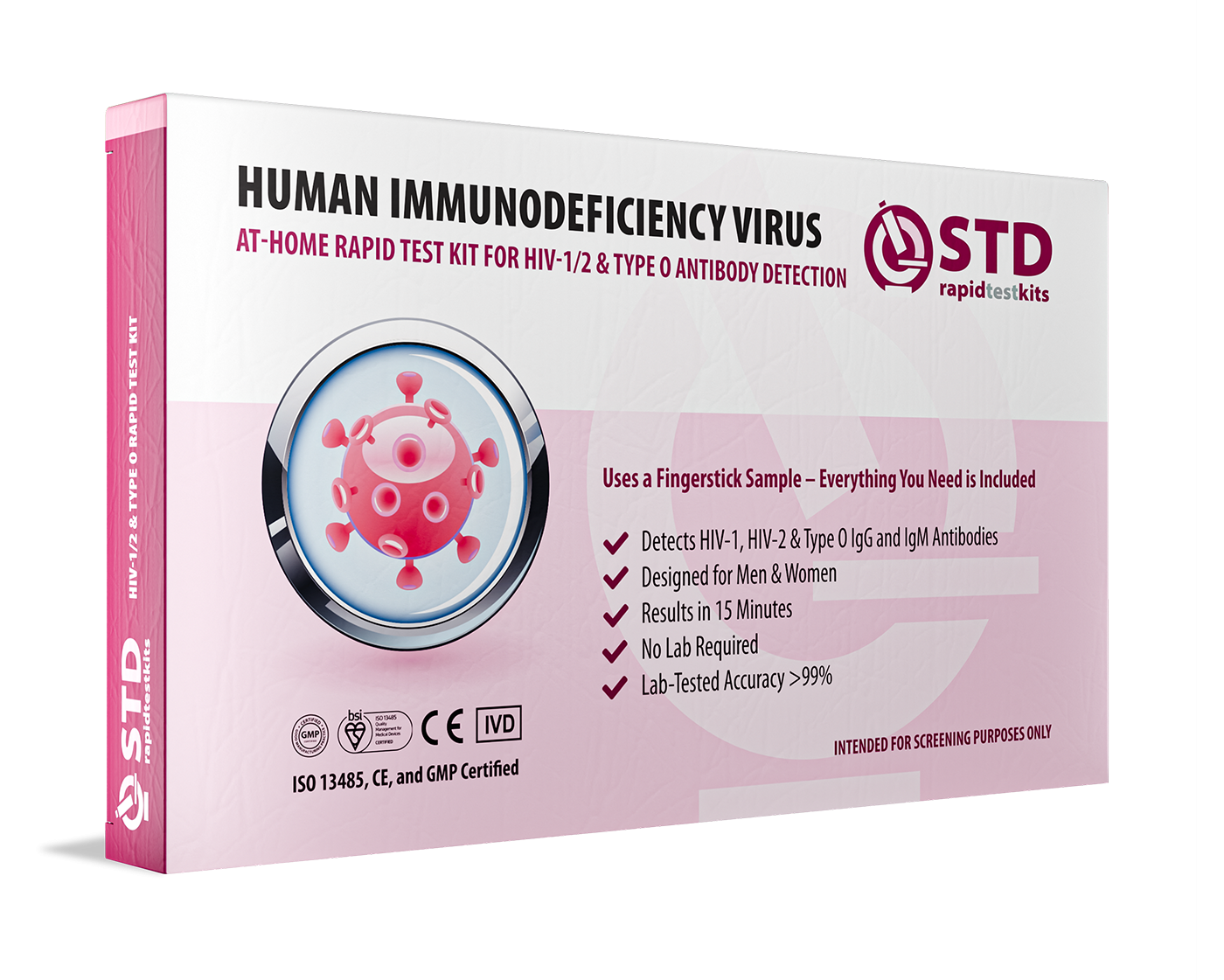
 For Men & Women
 Results in Minutes
 No Lab Needed
 Private & Discreet


