






Quick Answer: Herpes outbreaks are triggered by factors like stress, friction, illness, hormonal shifts, and even sunlight. But sometimes, no clear trigger exists, your immune system just hit a dip, and the virus took the opportunity.
When It Feels Like It Came Out of Nowhere
Danielle, 32, was in the middle of a low-key week when she felt it: a dull soreness near her tailbone. She hadn’t had sex, hadn’t been sick, and hadn’t touched alcohol in months. “I thought I was doing everything right,” she said. “But boom, there it was. Another outbreak.”
Herpes doesn’t always follow a logical path. While some triggers are well-documented, friction during sex, emotional stress, illness, others are more subtle, and sometimes the virus reactivates without an obvious cause. Herpes simplex virus (HSV) lives in your nerve cells, lying dormant until something “wakes it up.” That wake-up call might be loud, like a fever. But sometimes it’s a whisper your body didn’t even notice, until the sore showed up.
The medical community agrees: stress and immune suppression are major contributors. But how those play out in real life can look very different from one person to another.
What Science Says About Herpes Triggers
The herpes simplex virus, both HSV-1 (oral) and HSV-2 (genital), goes into hiding between outbreaks. This dormancy is called “latency,” and it occurs in your sensory nerve ganglia. What brings it out of hiding? Anything that weakens or shifts your immune system. Studies have shown that reactivation of HSV is closely linked to drops in local immune activity and inflammation response.
A 2023 study in the journal Virology Journal showed that psychological stress can reduce the activity of natural killer cells, the immune cells that usually keep herpes in check. Another report published by the CDC emphasized how external stressors and physical trauma (like sunburns or friction) can trigger reactivation even in people with mild or infrequent symptoms.
So yes, stress can cause outbreaks. But it’s not just about your mood, it’s about your immune system’s overall balance. That includes sleep, nutrition, illness, hormone shifts, and even sun exposure. Here’s how it all fits together.
| Trigger Type | Examples | How It Affects HSV |
|---|---|---|
| Emotional Stress | Work burnout, anxiety, grief | Suppresses immune response and increases cortisol |
| Physical Trauma | Friction from sex, shaving, tight clothes | Creates irritation that activates dormant virus |
| Illness or Fever | Colds, flu, infections | Lowers immune defenses during recovery |
| Hormonal Shifts | Menstruation, pregnancy, menopause | Alters immune regulation and inflammation response |
| Sun Exposure | Long hours in sun, sunburns | UV light can reactivate oral HSV specifically |
| Lifestyle Triggers | Lack of sleep, alcohol, poor diet | Weakens immune defense, increases inflammation |
Table 1. Common herpes outbreak triggers and how they work

People are also reading: How to Talk to Your Partner After a Surprise Positive Chlamydia Test (Again)
Why Sex Isn’t Always the Culprit (But Sometimes It Is)
Let’s be honest, when a herpes outbreak hits right after sex, it’s easy to assume it was your partner. But here’s the twist: an outbreak after sex doesn’t necessarily mean you were re-infected or that someone gave you herpes. It could just be your own virus reactivating.
Friction from penetrative or oral sex can irritate the skin, especially in sensitive areas like the vulva, anus, or shaft. That irritation alone can create an ideal environment for HSV to emerge. Throw in stress (like worrying about a new relationship), hormonal shifts (like ovulation), or dehydration, and it’s a perfect storm.
Marcus, 28, shared, “Every time I had sex with my partner, who also has herpes, I got an outbreak. We used condoms, were super careful, but it still happened. Eventually, I learned it wasn’t him. It was just my body reacting to the whole situation.”
This nuance is crucial for reducing shame. Herpes isn’t a punishment. It’s a virus reacting to what your body’s going through. And that reaction might happen after sex, or on a random Tuesday morning when you’re just brushing your teeth.
Let’s Talk About “Stress”
We throw the word “stress” around a lot, but what does it really mean in the herpes context?
Stress doesn’t just mean “bad mood” or a rough day. It refers to anything that causes a measurable shift in your body’s chemical and hormonal balance, especially cortisol levels. Chronic stress increases inflammation and suppresses your immune system’s ability to function. That’s a biological reality, not a personality flaw.
For people with HSV, that can mean more frequent or severe outbreaks. For some, even low-level anxiety, like job insecurity or relationship tension, can be enough to trigger a flare. For others, the stress has to be major, like a family death or a breakup, to tip the balance.
What matters most isn’t avoiding stress entirely (impossible), but managing it in ways that work for you. That could mean sleep, therapy, yoga, medication, or just saying “no” more often. The calmer your body feels, the less room herpes has to act up.
Check Your STD Status in Minutes
Test at Home with RemediumGenital & Oral Herpes Test Kit
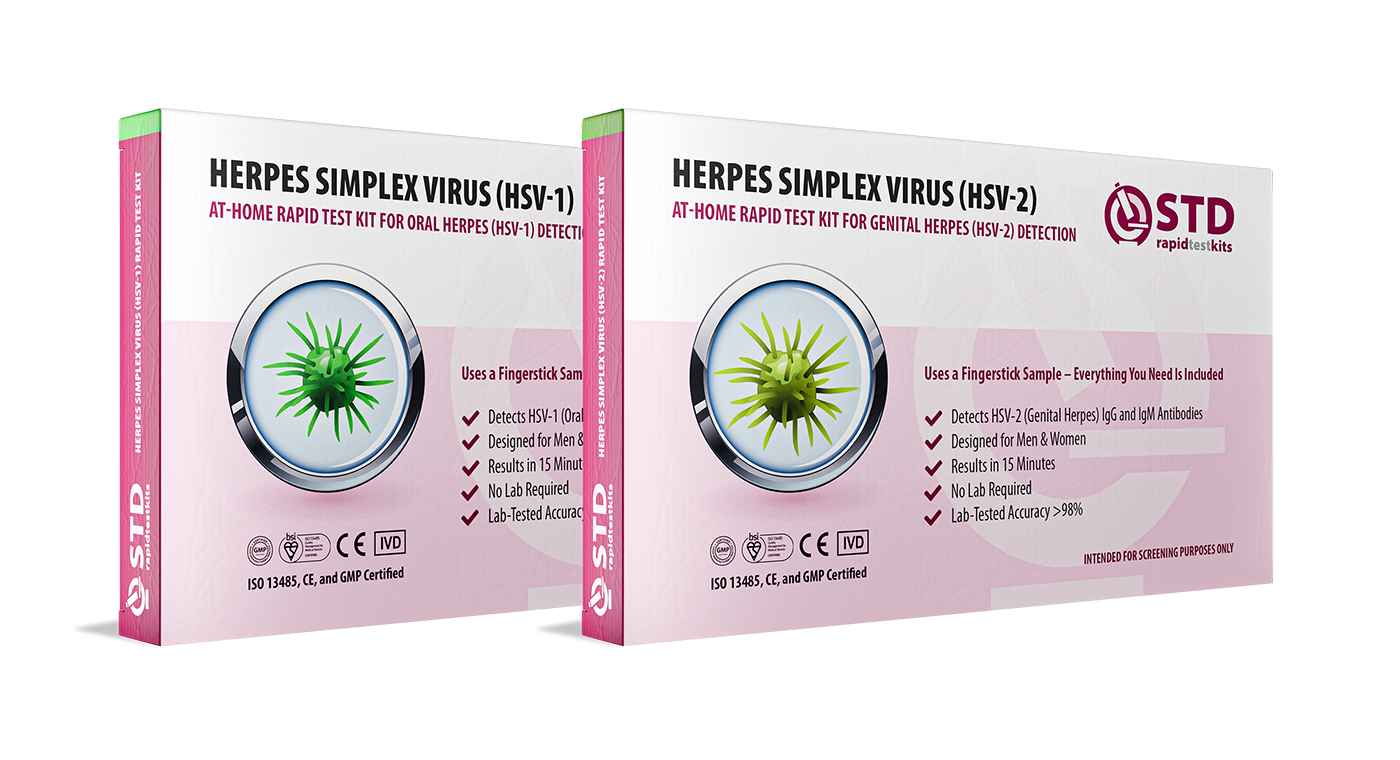
 For Men & Women
 Results in Minutes
 No Lab Needed
 Private & Discreet
Order Now $75.00 $98.00
For all 2 tests
Periods, Hormones, and the Outbreak No One Warned You About
Nina, 24, always got an outbreak a few days before her period. “I didn’t even connect the dots until my third flare-up,” she said. “It was like clockwork, right before my cramps hit, bam, cold sore.” For many women and people with uteruses, hormonal shifts during the menstrual cycle can absolutely affect herpes reactivation.
Estrogen and progesterone levels fluctuate throughout the month. Right before menstruation, progesterone drops, and this shift can influence immune surveillance and inflammation levels. The result? A drop in local defenses, and herpes takes its moment.
This doesn’t mean every person who menstruates will experience outbreak patterns. But if you notice a recurring monthly flare, your cycle might be part of the puzzle. That knowledge can be empowering, tracking your cycle alongside outbreaks gives you a heads-up and might help you time antiviral use more effectively.
Can Food Trigger Herpes? What the Internet Gets Wrong
If you’ve ever Googled “foods that trigger herpes,” you’ve probably run into lists demonizing chocolate, nuts, oats, coffee, and everything that makes life enjoyable. Most of those claims boil down to the lysine vs arginine debate.
Arginine is an amino acid that herpes needs to replicate. Lysine competes with arginine and may reduce viral activity. Some small studies suggest that increasing lysine or reducing arginine-rich foods might help prevent outbreaks. But the science is far from conclusive, and everyone’s body is different.
Key point: If you notice you always get a flare after binging almonds or protein bars, that’s valid. But unless you see a personal pattern, you don’t need to restrict your diet. Food isn't a universal trigger, and fear-based nutrition advice can do more harm than good.
| Food Component | Potential Effect | Should You Avoid It? |
|---|---|---|
| High Arginine (nuts, seeds, chocolate) | May support viral replication | Only if personal outbreaks align with intake |
| High Lysine (dairy, fish, chicken) | May reduce HSV activity | Potentially helpful to increase |
| Caffeine and Alcohol | Can increase dehydration and stress | Limit if you notice a connection |
| Spicy Foods | Can irritate oral/genital tissue | Avoid during an active outbreak |
Table 2. Diet-related herpes outbreak considerations
The Truth About “Immune System Dips”
You might not feel sick, but your body can still be under pressure. Subtle immune system dips happen all the time, after long flights, during allergy flare-ups, or even following intense workouts. If your defenses drop, herpes can resurface.
Jared, 36, first noticed this after running a marathon. “I trained for months, ate clean, slept well. But two days after the race, I had a massive outbreak. I thought I was doing everything right.” The physical strain on his body, though positive, still weakened his immune vigilance.
Other times, it’s the little things: not sleeping well for a few nights, forgetting to hydrate, skipping meals. HSV doesn’t need a catastrophe, it just needs a gap in your armor. And unlike some viruses, herpes doesn’t give you much warning.
This doesn’t mean you need to bubble-wrap your life. It just means paying attention. Learn what your body’s red flags are. A little ache, a sudden zit-like bump, a low mood, that might be your signal to slow down and take care of yourself before it spirals into a full outbreak.
Should You Track Your Outbreaks?
Absolutely. Tracking is one of the most effective ways to understand your personal herpes triggers. Over time, patterns usually appear, even if they're not obvious at first.
Start simple. Write down the date, what you were feeling (emotionally and physically), recent sexual activity, stress levels, hormone status, travel, illness, sleep, and anything else relevant. It doesn’t need to be clinical, just honest. You can use a paper notebook, a notes app, or even a spreadsheet.
After a few months, review your logs. Look for trends. Are outbreaks always around your period? After travel? During fights with your partner? That insight gives you control. You can’t eliminate herpes, but you can outsmart it.
When You’re Doing Everything “Right” and Still Flare
This is where it gets emotional. You’re sleeping well, managing stress, taking antivirals, and the outbreak still comes. That doesn’t mean you’re failing. It just means the virus is persistent. And so are you.
Leo, 41, has lived with HSV-2 for over a decade. “I used to beat myself up every time I had a flare. I’d obsess over what I ate, if I drank too much wine, or if I was secretly sick. Eventually I had to accept: sometimes it just happens.”
Let that be your reminder. Control what you can. Track what helps. But don’t let a flare-up unravel your mental health. This isn’t a punishment. It’s a chronic condition, one that millions of people live with, love with, and manage every single day.
And if you're here because you're spiraling after an unexpected outbreak? Breathe. You're still worthy of love, of sex, of safety. Whether it’s your first flare or your fiftieth, you deserve care, not blame.

People are also reading: Talking to Teens About STDs: The Conversation That Could Save Their Health
How to Lower the Odds of Your Next Outbreak
There’s no magic pill to stop herpes completely, but there are ways to lower the chances and severity of future outbreaks. This is where prevention meets reality. It’s not about living in fear, it’s about living informed.
According to the CDC, consistent antiviral therapy can cut down on outbreaks by 70–80% in people who have frequent flares. Valacyclovir and acyclovir are two examples of medications that can be taken every day as suppressive therapy, not just during outbreaks.
But meds aren’t the whole story. Lifestyle changes can make a difference, too. Prioritizing sleep, staying hydrated, managing stress, and learning your own body’s early warning signs matter just as much. Prevention is less about eliminating all risk and more about stacking the odds in your favor.
Case in point: A reader named Carmen tracked her outbreaks for six months. She realized they always followed nights when she skipped dinner and stayed up past 2 a.m. Once she started setting alarms to eat and sleep, her outbreaks dropped from once a month to once every five months. “It wasn’t about being perfect,” she said. “Just about catching myself before the spiral.”
That’s the tone we want to set: not panic, not shame, just awareness, with options.
Check Your STD Status in Minutes
Test at Home with Remedium7-in-1 STD Test Kit
 For Men & WomenResults in MinutesNo Lab NeededPrivate & Discreet
Order Now $129.00 $343.00
For all 7 tests
When Suppressive Therapy Makes Sense
Suppression isn’t just for people with daily outbreaks. If you experience more than six outbreaks per year, if your outbreaks are emotionally distressing, or if you’re in a new sexual relationship, suppressive therapy might be worth it. You can talk to your doctor, or a telehealth provider, to discuss dosage, frequency, and possible side effects.
Daily suppression also reduces the risk of passing HSV to partners. One study published in JAMA found that daily valacyclovir reduced genital herpes transmission by 48% among heterosexual couples. That’s not zero, but it’s significant.
Suppressive therapy isn’t for everyone. But for those who need it, it can be life-changing, restoring a sense of control and lowering the emotional burden of “what if.”
What If Nothing Seems to Work?
This is the quiet fear that brings many readers here. You’ve tracked triggers, tried antivirals, adjusted your diet, gone to therapy, and you still flare. This is where we need to shift the conversation from “fixing” herpes to “living with” herpes.
Not all outbreaks are preventable. That doesn’t mean you’re failing. Some people’s immune systems are just more sensitive to HSV reactivation. Others may have additional conditions, autoimmune issues, hormonal imbalances, or chronic fatigue, that make suppression harder.
If this is you, your job isn’t to chase a perfect body. It’s to build a sustainable care plan. That could mean adjusting meds, getting labs done to rule out deficiencies, or changing the emotional script in your head from “why me” to “what now.”
You deserve care that addresses your whole self, not just your sores. And if no one’s told you that yet, let this be the moment.
Testing, Treatment, and Peace of Mind
If you're unsure whether you’re experiencing a herpes outbreak, or if you're in a new relationship and want clarity, testing is available, and more private than ever. You don’t have to sit in a clinic waiting room or explain anything to a stranger.
At-home herpes test kits can screen for both HSV-1 and HSV-2. Results typically take a few days, and everything is shipped discreetly. Some tests use finger-prick blood samples, while others may use swabs depending on the lab and method.
If you want quick answers, start here: order a combo test kit that screens for multiple STDs at once. It’s fast, private, and gives you clarity so you can move forward, without guessing.
Peace of mind isn’t about pretending herpes doesn’t exist. It’s about knowing where you stand and what your next step looks like.
Your Mental Health Matters Too
Herpes lives in your nerves, but the shame lives in your head. For many people, the emotional impact of an outbreak is worse than the physical symptoms. Guilt, anxiety, fear of rejection, even suicidal ideation, they all show up in the inboxes of therapists and sex educators.
It doesn’t have to stay that way. You’re not dirty. You’re not broken. You’re not alone. And herpes doesn't define your worth, your desirability, or your future.
If this article has helped you feel seen, keep going. Talk to a friend, reach out to a counselor, or join a community that understands. Managing herpes is about more than managing a virus. It’s about rewriting your story.
And you don’t have to do it alone.
FAQs
1. Can stress actually trigger a herpes outbreak, or is that just a myth?
It’s not a myth, it’s biology. Stress doesn’t just mess with your head; it messes with your immune system. When cortisol levels spike and sleep tanks, your body’s defenses get sluggish. That gives herpes the green light to show up. Some people get flares during finals week, after breakups, or even from “good stress” like planning a wedding. If life feels like a pressure cooker, your body knows it, and sometimes, your skin shows it.
2. I haven’t had sex in months. Why am I having an outbreak?
Because herpes isn’t waiting for you to hook up. The virus lives in your nerve cells and can reactivate whenever your immune system dips, even if you’ve been celibate, cautious, or completely off the grid. It could be triggered by hormones, friction, illness, or nothing at all. You didn’t do anything wrong. Sometimes your body just gets tired, and the virus takes advantage.
3. Do some people just have more triggers than others?
Totally. For some, it's sunlight. For others, it's spicy food, their period, or even tight underwear. Herpes is like that unpredictable friend who RSVPs “maybe” to every event and then crashes your weekend anyway. Everyone’s triggers are different, and that’s why tracking your own flares can be game-changing. It’s not about obsessing, it’s about noticing patterns so you can plan ahead.
4. So, should I stop eating nuts and chocolate?
Only if you’re seeing a direct connection. Some folks find that high-arginine foods like almonds, peanuts, or dark chocolate can aggravate outbreaks. Others can eat an entire Halloween bag and be fine. The whole lysine-arginine debate is still debated in the science world. So unless you’ve got receipts, like, every time you eat cashews you flare, don’t deprive yourself based on internet fear-mongering.
5. What if I feel a tingle but never see a sore?
That’s actually pretty common. Tingling, burning, itching, those are called prodromal symptoms, and they’re your body’s early warning system. You might not always get a visible blister, but the virus could still be shedding. This is when you want to be careful about skin-to-skin contact, especially with partners. Prodrome means the virus is awake, even if it’s not fully throwing a party.
6. Is daily antiviral medication worth it?
It depends on your life. If you’re getting flares more than a few times a year, or if you’re dating someone who’s HSV-negative, suppressive therapy can be a game-changer. It lowers your outbreak frequency and helps reduce the risk of passing it to others. Some folks take it year-round, others just around their period or during stressful seasons. Think of it as prevention, not punishment.
7. Why do I get cold sores every time I go to the beach?
Blame the sun. UV light is one of the oldest-known herpes triggers, especially for oral HSV-1. Long beach days, tanning beds, even a weekend hiking trip without lip balm, boom, cold sore. Try using lip products with SPF and take breaks in the shade. You're not overreacting. Your lips just have receipts.
8. How long is an outbreak supposed to last?
First outbreaks tend to be the worst, they can drag on 2–3 weeks. After that, most flares wrap up in 7 to 10 days. Antivirals can speed healing, especially if you catch it early. Over time, outbreaks usually get less frequent and less intense. Your body starts to recognize the virus and get better at kicking it back into hiding.
9. Is it safe to have sex during a herpes outbreak?
Short answer: No. Longer answer: Herpes is most contagious when sores are present, even if you use condoms. It’s better to wait until everything is fully healed. And don’t forget: you can still shed the virus when you’re asymptomatic, which is why communication, protection, and (if applicable) suppressive meds are key. It’s not about abstinence, it’s about informed decisions.
10. Will I ever stop getting outbreaks for good?
Maybe! Some people go years without a single flare. Others still get the occasional “surprise” even after a decade. Herpes doesn’t have a predictable timeline. What you can count on: the more you understand your body and your triggers, the more you can stack the odds in your favor. And even if it never fully disappears, it absolutely becomes something you manage, not something that manages you.
You Deserve Answers, Not Assumptions
Herpes isn’t just a medical diagnosis, it’s a social and emotional storm. But it doesn’t have to stay that way. Whether you’re still figuring out your triggers, managing your fifth outbreak, or quietly panicking after noticing a new bump, you’re not broken. You’re just human.
Clarity helps. Action helps. And so does having a plan. If you're ready to stop guessing, consider discreet testing from home. This at-home combo test kit checks for the most common STDs, so you can move forward with confidence, not confusion.
How We Sourced This Article: We combined current guidance from leading medical organizations with peer-reviewed research and lived-experience reporting to make this guide practical, compassionate, and accurate.
Sources
1. Planned Parenthood – Understanding Herpes
3. Stress as Trigger Factor of HSV‑1 Reactivation Causing Recurrent Intraoral Herpes
4. Herpes Simplex Information – Mount Sinai
5. Social Stress and the Reactivation of Latent Herpes Simplex Virus Type 1
6. Herpes Simplex Virus (HSV): Types, Symptoms & Treatment – Cleveland Clinic
7. Herpes Simplex Virus – World Health Organization
8. Understanding the Pathways of Herpes Simplex Virus Reactivation
9. Herpes Simplex Virus – BC Centre for Disease Control
About the Author
Dr. F. David, MD is a board-certified infectious disease specialist focused on STI prevention, diagnosis, and treatment. He blends clinical precision with a no-nonsense, sex-positive approach and is committed to expanding access for readers in both urban and off-grid settings.
Reviewed by: Avery Miles, NP-C | Last medically reviewed: October 2025
This article is for information only and should not be used as medical advice.


