






Quick Answer: Most sex education programs skip critical information about STD symptoms, testing timing, and emotional support, leading to delayed diagnoses and preventable infections. Knowing what was left out can help you make informed, shame-free choices now.
When “Don’t Have Sex” Was the Whole Curriculum
In far too many classrooms, sex education starts and ends with one exhausted sentence: “Just don’t do it.” Whether wrapped in religious rhetoric or public health policy, the message is often the same, avoid sex, and you’ll avoid problems. But that’s not how biology works, and it's definitely not how teenagers behave. Data from CDC's Youth Risk Behavior Survey shows that by age 18, over half of U.S. teens have had sexual intercourse. The reality is, young people are sexually active, but are dangerously under-informed.
Countries like the U.S., Nigeria, India, and many parts of Latin America still rely heavily on abstinence-only education or programs that gloss over STDs in favor of pregnancy prevention. Meanwhile, students in the Netherlands, Sweden, and Canada often receive comprehensive sex ed that includes consent, anatomy, emotional readiness, and yes, clear, medically accurate STD information. The difference shows. In countries with robust programs, rates of teenage STI transmission are lower, and testing rates are higher.
It’s not just a matter of policy, it’s a matter of public health. The WHO reports that more than 1 million sexually transmitted infections occur every day worldwide, and most are preventable. But you can’t prevent what you aren’t taught to recognize. The price of silence is infection.

People are also reading: How Risky Are Sex Parties? What You Need to Know About STDs
The STD Symptoms They Never Taught You to Look For
If your sex ed covered STDs at all, it probably involved a slideshow of graphic images meant to scare you straight. Here's the truth: most common STDs don’t look like that. Many have no symptoms. Some cause subtle ones that are easy to confuse with other things, like a yeast infection, a UTI, razor burn, or even allergies. And no, discharge isn’t always a sign something’s wrong. Sometimes, it’s when there’s nothing at all that you should be concerned.
Here are just a few symptoms that should’ve been in your curriculum, but probably weren’t:
| Overlooked Symptom | Possible STD | Why It’s Missed |
|---|---|---|
| Itching after oral sex | Herpes, Gonorrhea, Chlamydia | Often blamed on allergies, flossing injuries, or dental issues |
| Clear, odorless discharge | Chlamydia | Assumed to be normal fluid or arousal-related |
| Sore throat with no cold symptoms | Gonorrhea, Syphilis | Rarely connected to oral sex unless specifically tested |
| Tiny bumps mistaken for razor burn | Herpes, HPV | Dismissed as shaving irritation or ingrown hairs |
Table 1. Commonly overlooked STD symptoms and why they’re easy to miss without proper education.
It’s not your fault if you didn’t learn these signs in school. But it is your power to learn them now. Recognizing that something feels off, even if it doesn’t hurt, can be the difference between early treatment and long-term complications.
“No One Told Me a Sore Throat Could Be an STD”
DeShawn, 23, didn’t think much of the scratchy throat he got a few days after a concert and a hookup. No cough, no fever, just a dull ache when he swallowed. “I figured it was yelling too much or maybe allergies,” he said. But three weeks later, he tested positive for gonorrhea, in his throat. “Nobody ever told me that was even possible,” he said. “In school, it was all about condoms and pregnancy. Oral wasn’t even mentioned.”
“I felt stupid for not knowing, but then I realized, how could I know? They never taught us any of this.”
His story is far from rare. According to a 2022 study published in Sexually Transmitted Diseases, extragenital STDs, like oral and rectal infections, are dramatically underdiagnosed due to lack of screening and awareness. If you don’t know these infections exist, you won’t know to test for them. And if providers aren’t trained to ask, you won’t be offered the right swabs.
Which brings us to the next failure: how education skips not just symptoms, but testing itself.
The Testing Talk That Never Happened
Ask most people when they’re supposed to get tested for STDs after a hookup, and you’ll get blank stares or wildly incorrect guesses. That’s not personal ignorance, it’s structural. Schools almost never teach what testing involves, when it should happen, or what “window periods” even are. The idea that you could test negative too soon and still be infected? Practically unheard of in most sex ed programs.
In fact, most sex ed doesn’t explain that different STDs have different timelines. Chlamydia and gonorrhea can be detected within 7 to 14 days. HIV testing depends on the method, rapid tests may take 3–12 weeks post-exposure to be fully accurate. And syphilis? It can take weeks or months to show up on a blood test, depending on stage. Not knowing these timelines causes countless people to test too early, get a false sense of security, and delay treatment.
| STD | Minimum Window Period | Best Time to Test | Testing Type |
|---|---|---|---|
| Chlamydia | 7 days | 14+ days | NAAT (urine or swab) |
| Gonorrhea | 7 days | 14+ days | NAAT (urine or swab) |
| HIV | 10–33 days (NAAT), 18–45 days (Ag/Ab test) | 6+ weeks | Blood test (rapid or lab) |
| Syphilis | 21 days | 6–12 weeks | Blood test (RPR + TP-PA) |
Table 2. Common STD testing windows and methods. If you weren’t taught this in school, you’re not alone, but you deserve to know now.
Sex ed should prepare people for real-life decisions. But in most places, it doesn’t even tell you when a test makes sense. And that leads to a whole new mess: people relying on the internet, or worse, their partners, for medical advice.
When Google Becomes Your Health Teacher
If schools won’t teach it, the internet will. TikTok. Reddit. YouTube. Discord. Late-night group chats. That’s where most young people now get their “sex ed”, and it’s a roulette wheel of myths, half-truths, and panic spirals. Some creators are doing heroic work, yes. But many others just... aren’t. And algorithms don’t fact-check.
Take this viral TikTok from 2024 where a creator claimed you can only get STDs from “fluid exchange.” That ignores infections like herpes, HPV, and even syphilis, which can spread through skin contact alone. Or the YouTube video that says if you “feel fine” two weeks after a hookup, you’re in the clear. That’s dangerously false. Over 70% of chlamydia cases in people assigned female at birth show no symptoms at all, according to CDC data.
Searches like “STD vs UTI” or “burning but no discharge STD” now drive huge traffic spikes, but they also reveal desperation. People are turning to the internet not out of curiosity, but out of fear. Because the institutions that should’ve told them the truth didn’t.
Check Your STD Status in Minutes
Test at Home with Remedium7-in-1 STD Test Kit
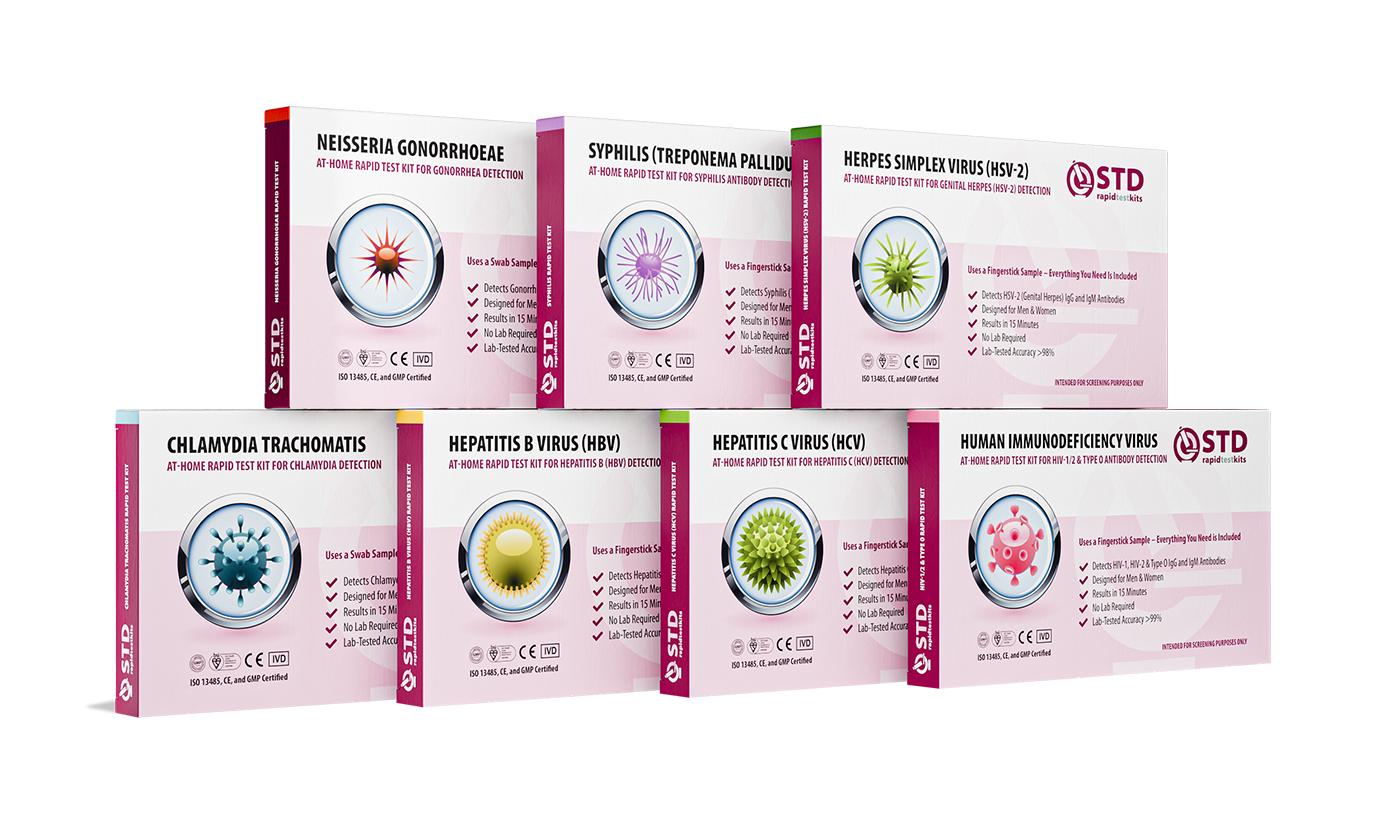
 For Men & Women
 Results in Minutes
 No Lab Needed
 Private & Discreet
Order Now $129.00 $343.00
For all 7 tests
The Global Sex Ed Gap: Geography as Destiny
Where you grew up often determines whether you got decent sex ed, or any at all. In places like the Netherlands or Denmark, kids are introduced to consent, body literacy, and basic STD awareness from a young age. It’s age-appropriate, inclusive, and medically accurate. The result? Lower teen STD rates and higher testing confidence.
Now let’s talk about the rest of the world.
- US: Only 29 states in the US require sex education, and less than half of those states require it to be medically accurate. Many districts still put abstinence first.
- Nigeria: There is a national curriculum, but religious opposition makes it hard to follow. People often skip STDs altogether.
- India: In India, sex education is banned in some states, and the material is often censored to keep "corruption of youth" from happening.
- Philippines: Most programs are based on Catholic beliefs and don't talk about LGBTQ+ health or comprehensive STD testing.
- Latin America: It depends a lot on the country. Brazil and Argentina have progressive curriculums, but they aren't being used as much because of political backlash and budget cuts.
What is the same across borders? Shame. Quiet. And a huge lack of useful, life-saving information.
The result is predictable. Millions of people, young and old, walk around with STDs they don’t know they have, symptoms they can’t name, and partners they don’t know how to protect.
“I Was 28 When I Learned You Could Get Herpes From Kissing”
Steph, 28, grew up in a conservative suburb outside Johannesburg. “Our sex ed class was mostly abstinence and scare tactics,” she said. “I never heard the word herpes until I got it.” She contracted oral herpes simplex virus type 1 from a partner through kissing, not sex.
“I thought STDs were only for people who slept around. But I got one from someone I trusted. And because I’d never been taught the truth, I didn’t even know how to talk about it.”
Steph’s story isn’t rare, it’s global. From Alabama to Johannesburg to Delhi, people are navigating sexual health in the dark, afraid of judgment, and unsure where to turn. If sex ed were what it’s supposed to be, accurate, inclusive, actionable, herpes wouldn’t be a life-ruining shock. It would be a manageable, common condition caught early and talked about openly.
Which is exactly what we’re doing next, starting with how you can learn what school didn’t teach you, on your own terms, right now.
Learning What School Didn’t Teach, Without Shame
It’s not your fault you weren’t taught how STDs work. But it is your right to learn now, without shame, without judgment, and without waiting for some system to get its act together. Fortunately, there are more resources than ever that bypass outdated curriculums and offer accurate, trauma-informed guidance. But knowing where to start matters.
Instead of falling down a TikTok rabbit hole or asking an anxious group chat, here’s what actually works:
- Planned Parenthood has region-specific resources and inclusive language for all identities.
- The CDC’s STD Facts Sheets explain each infection clearly and are medically up to date.
- Sex-positive education platforms like Scarleteen, Amaze, and The Trevor Project offer inclusive, age-appropriate content for teens and adults alike.
But the most empowering move? Learning your own body and getting tested regularly. Not because you’re “dirty” or “at risk”, but because knowledge is freedom. Knowing your status is sexual health 101, and it’s how you take control when no one else ever handed you the manual.

People are also reading: Tried It So You Don’t Have To: The Best Gonorrhea Tests for 2025
Where to Get Tested If School Didn’t Explain How
Let’s say you’re ready to get tested, but no one ever told you what that even means. Blood? Swab? How many infections? Where do you go? How much does it cost?
That confusion is one of the biggest side effects of bad sex ed. And it’s why people delay testing, even when something feels off. The good news: there are options. Some cost less than a night out. Some don’t even require you to leave your house.
| Testing Option | Privacy | Speed | Good For |
|---|---|---|---|
| Clinic or Urgent Care | Moderate | Same-day to 3 days | In-person symptoms or follow-up treatment |
| Mail-In Lab Kit | High | 2–5 days after mailing | Comprehensive panels, no travel |
| At-Home Rapid Test | Very High | 15–30 minutes | Quick reassurance, retesting, regular screening |
Table 3. Options for STD testing depending on your needs. All are valid. All are better than guessing.
If your head keeps spinning, peace of mind is one test away. You can order a discreet combo test kit here, no appointments, no waiting room, no side-eye from a bored receptionist.
It’s Not Just About You, Why This Affects Partners, Too
The other thing school forgot to tell you? STD testing isn’t just personal, it’s relational. Every time you know your status, you’re also protecting the people you care about, sleep with, or might sleep with. Testing is consent culture in action.
When sex ed skips these realities, people internalize fear instead of responsibility. They stay silent about symptoms. They assume testing means mistrust. And they pass on infections unintentionally, because they were never taught how to talk about it, or even what to say.
Here’s the truth: knowing your status is a gift to your partners. Not a warning. Not a red flag. A damn courtesy.
If you're not sure how to start the conversation, try:
“Hey, I’ve been learning more about STD testing and I’m planning to test soon. Want to do it together or talk about what we’ve both done recently?”
That’s it. That’s the sentence that can change how two people relate to risk, and to each other.
What Schools Should Have Said (But Didn’t)
We’ll say it, since the curriculum didn’t:
- Most STDs have no symptoms, but can still be passed on.
- You can get herpes, HPV, and syphilis from skin contact, not just “fluid exchange.”
- STDs don’t only affect people who “sleep around.” One partner is enough.
- Testing isn’t a punishment or a confession. It’s healthcare. Basic, normal, essential.
- Rapid, accurate testing exists, at home, in private, on your terms.
And here’s one more: Shame doesn’t prevent STDs. Education does.
Check Your STD Status in Minutes
Test at Home with Remedium8-in-1 STD Test Kit
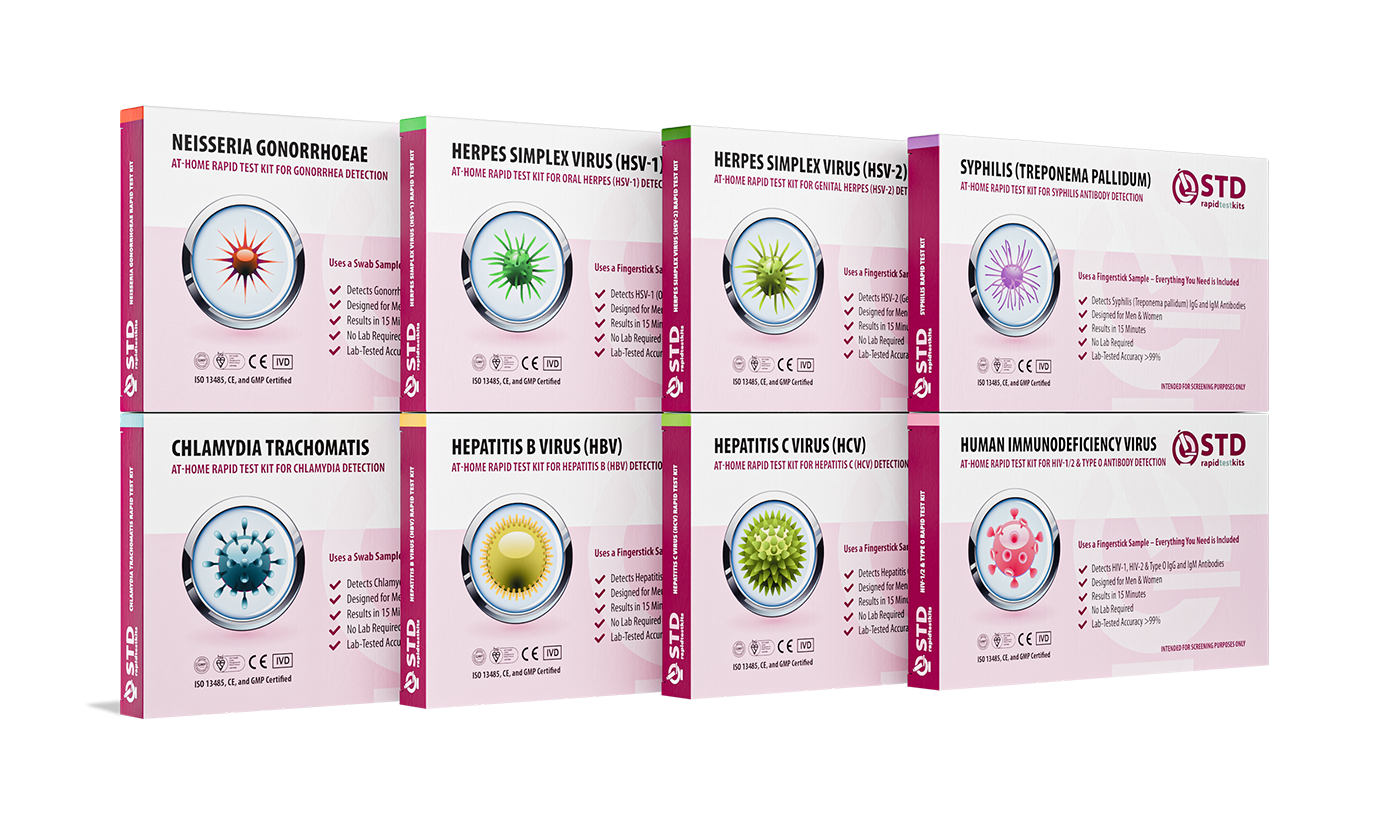 For Men & WomenResults in MinutesNo Lab NeededPrivate & Discreet
Order Now $149.00 $392.00
For all 8 tests
FAQs
1. Can you get an STD even if you didn’t have “real” sex?
Yes. Welcome to reality, where “just oral” or “just touching” can still mean transmission. Herpes, HPV, even syphilis don’t care about your technicalities, they can spread through skin contact, not just fluids. If you’ve ever shared spit, body parts, or bad decisions, testing’s worth it.
2. I feel totally fine. Why would I need to test?
Because most people with STDs do feel fine. Like, suspiciously fine. Chlamydia and gonorrhea often show zero symptoms, until they cause pelvic damage or fertility issues. Testing isn’t about feeling sick. It’s about not letting silence do the damage.
3. How soon after sex can I test and trust the results?
Short version? Some tests work after 7 days. Others take up to 6 weeks. It depends on the infection and the test type. If you’re testing before day 14, don’t treat a negative as gospel, it might be too early. When in doubt, test again a few weeks later. Adulting is weird like that.
4. Do I have to go to a clinic and say the word “discharge” out loud?
Nope. You can swab or prick your own finger at home, and no one has to hear your awkward explanation about that one time in Vegas. At-home tests are real, accurate, and won’t ask why you waited three months after that “situationship” ended to do something about it.
5. Why didn’t anyone tell me this stuff in school?
Because school sex ed is often built by committees more afraid of erections than infections. Politics, religion, and "just say no" vibes have made generations of people sexually active but informationally abandoned. You’re not broken, you were underserved.
6. Is it too late for me to start figuring this out?
Never. Whether you're 17, 27, or pushing 60, knowing more today helps you stay healthier tomorrow. Sex doesn’t have an expiration date, and neither does your right to understand how to do it safely. Start now. It's easier than you think.
7. What if my partner says testing is “too much”?
Then they might not be ready for adult-level intimacy, TBH. Testing is basic courtesy, not an accusation. Offer to test together, if they freak out, that’s useful data. You deserve someone who values your health, not someone who avoids accountability behind a shrug.
8. Are these home tests even accurate?
They are when you follow the instructions (radical concept, I know). Most rapid tests are over 95% accurate after the correct window period. And the combo kits? They're basically the Swiss Army knife of at-home STD care. Respect the timing, and they’ll deliver.
9. Wait... how common is herpes really?
Extremely. Depending on the type, about half the adult population carries it, often with no clue. Herpes is the overachiever of STDs: sneaky, stubborn, and still weirdly stigmatized for how common it is. You're not gross. You're in good company.
10. I don’t know what I might’ve been exposed to. Which test should I get?
If you’re staring at your screen thinking, “Was that rash something? Was that hookup safe?”, go with a Combo STD Home Test Kit. It covers the heavy hitters in one go. No need to play guess-the-germ.
You Deserve More Than What You Were Taught
Your sex ed class may have failed you. The system might have decided silence was safer than the truth. But your health? That’s yours now. No shame. No fear. Just facts, testing, and choices that respect your body and your life.
Don’t wait and wonder, get the clarity you deserve. This at-home combo test kit checks for the most common STDs discreetly and quickly.
How We Sourced This Article: We combined current guidance from leading medical organizations with peer-reviewed research and lived-experience reporting to make this guide practical, compassionate, and accurate. In total, around fifteen references informed the writing; below, we’ve highlighted some of the most relevant and reader-friendly sources.
Sources
1. WHO
3. Scarleteen
4. JAMA 2023
5. CDC
About the Author
Dr. F. David, MD is a board-certified infectious disease specialist who works to stop, diagnose, and treat STIs. He is dedicated to making his work available to more people, whether they live in cities or off the grid. He combines clinical accuracy with a straightforward, sex-positive approach.
Reviewed by: Maya Clarke, MPH | Last medically reviewed: October 2025
This article is for informational purposes and does not replace medical advice.


