





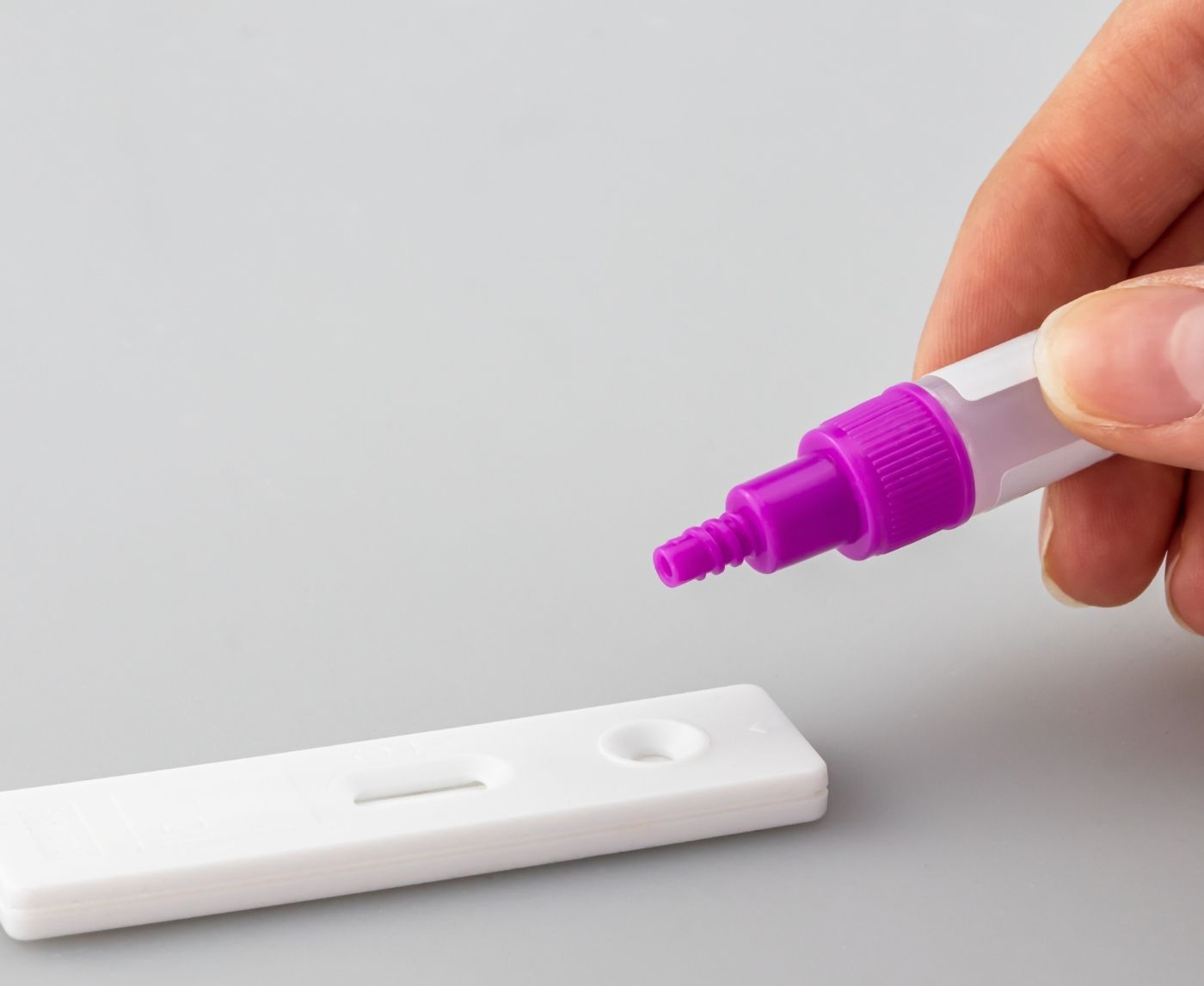

Quick Answer: The best at-home gonorrhea test in 2025 uses lab-processed NAAT or PCR technology, includes site-specific sampling (urine, vaginal, throat, or rectal), and delivers secure results online within 2–5 days. Accuracy peaks when tested 7–14 days after exposure. Kits that only test urine may miss oral or anal infections.
Why At-Home Testing Exists (And Who It's Really For)
Let’s be honest: most people don’t test for STDs in a clinic unless they absolutely have to. It’s not just about access, it’s about shame, time, logistics, and fear of being judged. In a perfect world, everyone would get screened regularly. But we don’t live in that world. We live in one where you might live rural, or queer, or undocumented. One where your doctor still assumes things they shouldn’t. One where just asking for a gonorrhea test feels like confessing something.
That’s where at-home testing comes in. It’s not a gimmick. It’s an alternative path to safety, quiet, private, and increasingly accurate. At-home kits let you take control on your own terms. Whether you’re between hookups, in a new relationship, noticing symptoms, or just anxious after a condom broke, these tests give you an option that doesn’t require small talk with a stranger in a white coat.
But here’s the catch: not all kits work equally well. Some skip rectal or throat sampling. Some use rapid strip-style methods with lower accuracy. Others bury their test method behind branding buzzwords like “dual panel” or “multi-pathogen screen.” That’s why we wrote this guide, for people like you who want the truth, not the sales pitch. Because your health isn’t a marketing funnel. It’s your peace of mind.
How Gonorrhea Is Tested: What Makes a Kit Actually Accurate
You need to know how gonorrhea is really found in order to know which test is best. A lab technique called NAAT (nucleic acid amplification test) or PCR (polymerase chain reaction) is what most clinics use. These tests don't just look at how your immune system reacts to the bacteria; they also look for the bacteria's DNA. That means they can find an infection early, usually within 5 to 7 days of being exposed, and they are very accurate.
When done correctly, NAAT tests for gonorrhea have a sensitivity of over 95% and a specificity of nearly 99%. That’s true whether the sample is urine, vaginal, rectal, or throat, assuming it’s collected properly and processed at a certified lab. And yes, those numbers are very close to what you’d get in a clinic. What matters most is sample quality, timing, and whether the site of exposure matches the site of collection.
Here’s where at-home kits get tricky. Some only test urine. But gonorrhea can infect the throat or rectum without causing symptoms, especially after oral or anal sex. If your kit doesn’t include swabs for those sites, it might miss the infection entirely. That’s why choosing the right test isn’t just about price or packaging, it’s about biology.
| Test Type | Sample Needed | Detects Oral/Rectal? | Accuracy (Sensitivity/Specificity) | Turnaround |
|---|---|---|---|---|
| NAAT / PCR (Lab-processed) | Urine, vaginal, throat, rectal | Yes (if swabs included) | 95–99% / ~99% | 2–5 days |
| Rapid Test Strip | Usually urine only | No | 60–80% / 90–95% | 15 minutes |
| Clinic-collected NAAT | Professionally collected swabs | Yes | 98–99% / ~99% | Same-day to 3 days |
Notice the trade-offs: at-home tests can be nearly as accurate as clinic-based ones, if they’re lab-processed and include the right collection method. Rapid tests (the kind that give results in 15 minutes) often underperform and aren’t recommended for gonorrhea in most guidelines. That’s why most credible at-home kits are not truly “instant” tests but rather send your sample to a certified lab.
People are also reading: The STD You Don’t Feel, Until It Steals Your Fertility
Choosing the Right Kit: What Actually Fits Your Body and Risk
Let’s get practical. Imagine two people: Ty and Vanessa. Ty had unprotected oral sex with a stranger he met on vacation. He’s not sure if it counts as “real” sex, but now he’s worried. Vanessa had vaginal sex with a long-time friend, no condom, and she just found out he tested positive for gonorrhea. Both want to test at home. But they need different kits.
Ty’s biggest risk is oral exposure. A kit that only collects urine won’t catch a throat infection. He needs a kit with a throat swab, specifically one validated for pharyngeal gonorrhea testing via NAAT. Vanessa’s exposure was vaginal. A urine or vaginal swab-based kit will likely detect it if she’s infected. But if she’s having unusual discharge or pelvic pain, a provider-collected sample might still be a better bet.
This is where many people mess up: they buy the first kit they see online, not realizing it only tests one site. The most common mistake? Thinking a urine-only test can rule out everything. It can’t. Gonorrhea infects different areas of the body depending on how you had sex. So your test needs to match your exposure.
Here’s a breakdown of what kind of sample you need, based on how you might have been exposed:
| Exposure Type | Recommended Sample Type | Why It Matters |
|---|---|---|
| Vaginal / Penile sex | Urine or vaginal swab | Most common; urine is sufficient for penis-owners, vaginal swab more accurate for vagina-owners |
| Oral sex (giving) | Throat swab | Gonorrhea can infect the throat without symptoms; often missed without this swab |
| Anal sex (receptive) | Rectal swab | Rectal infections may not show up in urine; key for accurate diagnosis |
| Multiple exposure sites | Combination: urine + throat/rectal swabs | Full panel coverage increases detection rate and prevents false negatives |
If your kit doesn’t include the right swabs for your exposure, it might give you a false sense of security. That’s not just a testing fail, it’s a health risk. Some at-home tests allow you to customize your panel. Others are fixed, meaning what’s in the box is all you get. Read the fine print. If it says “urine only,” and you gave oral sex, it’s not enough.
Check Your STD Status in Minutes
Test at Home with RemediumGonorrhea Test Kit
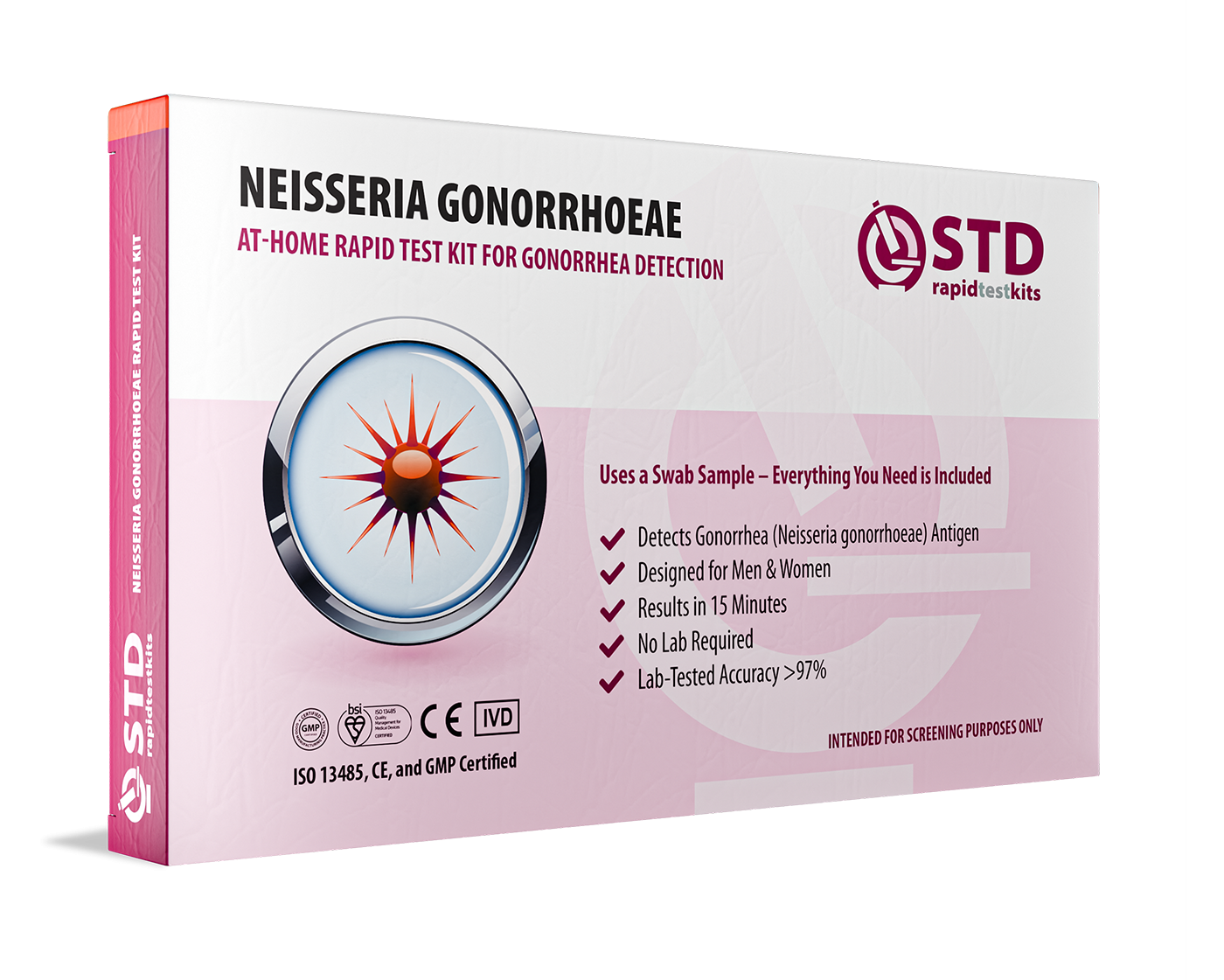
 For Men & Women
 Results in Minutes
 No Lab Needed
 Private & Discreet
Order Now $33.99 $49.00
The Timing Trap: Why Early Testing Feels Smart (But Often Isn’t)
There’s a dangerous window between exposure and detectability. It’s called the “window period,” and for gonorrhea, it’s usually around 7 to 14 days. That means if you test too soon, your body might not have enough bacteria to be picked up, even with a good test. That’s how people end up with false negatives.
Let’s go back to Ty. He tested three days after his hookup. The result came back negative. He felt better. But two weeks later, he developed a sore throat and white patches near his tonsils. Another test, this time with a throat swab, came back positive. The first test hadn’t been wrong, just premature and incomplete. Timing and sampling both failed him.
Here’s the advice most companies bury in the FAQ section: even the best test can’t override biology. If it’s been less than a week since your exposure, it’s often better to wait, unless you’re having symptoms, in which case, go to a clinic. Some test kits recommend testing at 7 days but advise retesting at 14 if results are negative. Pay attention to that.
If your anxiety is sky-high and you need to test early for peace of mind, fine, but be ready to retest later. You can’t rush accuracy. And you don’t want to be the person who falsely reassures themselves into passing it to someone else.
False Negatives, Bad Swabs, and User Error: What Kits Don’t Tell You
Here’s the part no one advertises: your at-home test is only as good as the sample you collect. And user error is real. If you don’t swab deep enough, or don’t follow timing instructions (like not peeing for at least an hour before urine collection), or if you contaminate the swab, the lab may not get usable material. Some kits will flag this as “invalid.” Others might just deliver a false negative without you knowing.
That’s why instructions matter. Good kits provide videos, online walk-throughs, and real support. Cheap ones give you a pamphlet with tiny print. In our hands-on review, we found that tests with step-by-step collection videos had far fewer user complaints about unclear results.
Still, even the best user can make a mistake. One reader told us she used a vaginal swab too soon after douching and got a negative. Another said he used a throat swab after brushing his teeth, which may have diluted the sample. These are small missteps, but they can make a test worthless.
If your result doesn’t match what your body is telling you, trust your gut. Retest. Go to a clinic. A $99 box isn’t smarter than your symptoms. Accuracy isn’t just about the science, it’s about the context you bring to it.
Peace of Mind Shouldn’t Be Confusing
One thing we kept hearing during our research: “I just wanted to know.” That’s it. People weren’t trying to game the system or avoid responsibility. They were overwhelmed, scared, and didn’t want to sit in a clinic parking lot crying over a clipboard. That’s what makes these kits powerful, when they work.
If your head keeps spinning, peace of mind is one test away. Choose a kit that covers the sites you need, ships fast, and gives you answers that actually mean something. This Combo STD Home Test Kit checks for gonorrhea, chlamydia, and more, all processed through a certified lab. It’s discreet, accurate, and backed by thousands of users who didn’t want to gamble on their health.
So You Got a Result. Now What?
Here’s the emotional math: waiting is worse than knowing. But when that result finally pings into your inbox, your heart still skips. For some, it’s relief. For others, it’s a gut punch. Either way, what you do next matters just as much as the test itself.
Let’s walk through the three most common outcomes: negative, positive, or invalid. Each one has its own trapdoors, and your job is to stay grounded enough to take the right next step.
First, a negative result. You feel a wave of calm. Maybe you tell your partner. Maybe you don’t. But you sleep easier. The test did its job. Or… did it? Here’s what to double-check before you exhale completely: Was it at least 7–14 days after your exposure? Did the kit include a swab for the body part that was actually exposed? Did you collect your sample properly, without peeing too soon or skipping the swab instructions? If the answer is yes to all of those, you can likely trust the result. If not, consider a follow-up test in a week, or a clinic visit if symptoms continue.
A positive result is jarring, even when you expected it. It doesn’t mean you’re dirty. It doesn’t mean you’re doomed. It just means you need treatment, and you need to tell the people you’ve been with. Gonorrhea is curable, but reinfection is common when partners don’t test too. Some at-home services include a telehealth link to get antibiotics. Others don’t. If your test came back positive, don’t wait: call a clinic, urgent care, or STI hotline and say the words clearly: “I tested positive for gonorrhea. What should I do next?” You won’t shock them. This is what they’re there for.
Finally, the invalid or unclear result. Maybe the sample wasn’t usable. Maybe you collected it wrong. Maybe the test malfunctioned. It sucks. But it’s not the end of the world. Just do it again, either with a new kit or in a clinic. Don’t guess. Don’t wait. Treat unclear like unreadable and retest.
| Result | Possible Meaning | Recommended Action |
|---|---|---|
| Negative | No gonorrhea detected in tested sample | Trust result only if sample type + timing were correct. Retest in 2–3 weeks if symptoms continue or new exposure occurs. |
| Positive | Gonorrhea bacteria detected | Get treatment as soon as possible. Tell your most recent partners. Don't have sex until a provider says it's okay. |
| Invalid / Unclear | Sample too weak, collection error, or lab issue | Repeat test or visit a clinic. Treat as unknown, not safe. |
Real talk? Most people don’t freak out about a positive result, they freeze. Then they delay. Then they ghost their partners. But ghosting doesn’t cure STDs. And silence spreads them. The best thing you can do after a positive result is break the chain. Even if that feels terrifying. Even if it’s your ex. Even if it’s “complicated.” There are anonymous ways to notify. Your clinic can help.
People are also reading: From Testicles to Testosterone: What STDs Do to Your Manhood
Privacy, Cost, and the Emotional Economics of Testing
People don’t just want privacy. They need it. One of the biggest reasons folks avoid clinic testing is fear of being seen, recorded, labeled. At-home kits bypass that. Most arrive in plain packaging with no visible branding. Results go to a secure online portal. No insurance billing. No waiting room glances. Just you and the truth.
But convenience comes at a cost. Most reliable gonorrhea kits in 2025 range from $69 to $149 depending on whether you’re testing one site or multiple. Some bundle chlamydia, trichomoniasis, or HIV for a higher price. Insurance rarely covers it. But for many, that’s worth the peace of mind.
Let’s say you paid $129 for a three-site test. That buys you privacy, control, and a same-week answer. Compare that to a clinic visit you can’t fit into your workday, or a free testing center two hours away. The cost isn’t just financial, it’s emotional. You’re paying to not be afraid anymore. And that has value.
Still, if money is tight, public health clinics often offer free gonorrhea testing, especially in urban areas. Some telehealth providers now offer mailed kits with sliding-scale prices. You don’t have to go broke to get answers. You just have to pick a path, and walk it with your eyes open.
Check Your STD Status in Minutes
Test at Home with Remedium3-in-1 STD Test Kit
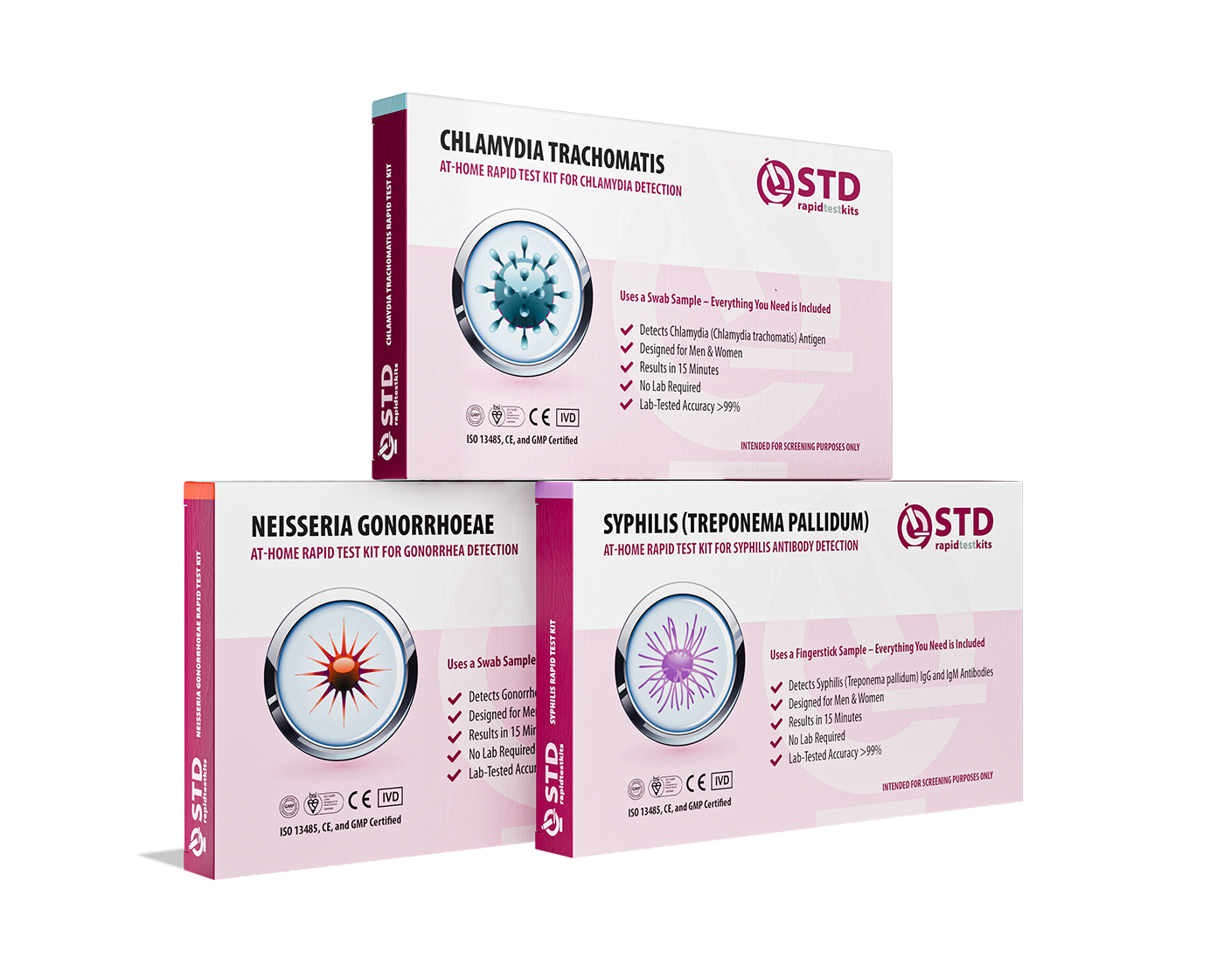 For Men & WomenResults in MinutesNo Lab NeededPrivate & Discreet
Order Now $69.00 $147.00
For all 3 tests
Testing Is Care, Not Confession
Let’s circle back to Maya. Her test came in two days ago, positive. But she’s not crying anymore. She’s calm. She has a plan. She’s on antibiotics. She told her partner. She’s booked a follow-up in a month. Because now, it’s not a fear. It’s a fact. And facts are easier to face than anxiety spirals at 2AM.
That’s the power of a good test, not just results, but relief. At-home gonorrhea testing in 2025 isn’t perfect. But it’s better than guessing. Better than hoping. Better than silence.
If you’re still unsure what to choose, go with the kit that tells you the truth, not just on the box, but in the fine print. One that tests the sites that mattered. One that supports you if things go sideways. One that doesn’t just sell you peace of mind, but helps you protect it.
Whatever you do, don’t let shame stop you from knowing. Testing isn’t a dirty secret. It’s a radical form of self-respect. And you deserve answers.
FAQs
1. Can you really get gonorrhea from just oral sex?
Yep. It surprises a lot of people, but giving oral sex, mouth on penis, vagina, or anus, can pass gonorrhea straight to your throat. You might not feel a thing, or you might get a sore throat that seems like allergies. Either way, if a kit doesn’t include a throat swab, it might totally miss it.
2. How soon after sex is it “safe” to test?
If you test too early, say, two or three days after sex, you might get a false negative. The bacteria need time to multiply enough to be detectable. Most providers say wait at least 7 days, ideally 10–14. Still nervous? You can test early, then retest later.
3. What if I tested negative, but something still feels off?
If you’re feeling symptoms like burning, weird discharge, or pelvic pain, don’t ignore it, especially if your test didn’t include all the exposure sites. A urine-only test can miss throat or rectal infections. Negative doesn’t always mean nothing’s wrong. Retest or hit a clinic.
4. Will an at-home test tell me if I’m cured after treatment?
Kind of, but you have to wait. Even though you're technically cured, testing too soon (within 1–2 weeks) could pick up DNA from dead bacteria. Unless your doctor tells you to, wait 3–4 weeks before checking again.
5. Do I seriously have to tell my ex if I test positive?
Look, we know. It’s awkward, maybe even infuriating. But yeah, it matters. If you test positive, the people you slept with deserve to know so they can get treated and stop the spread. You don’t have to call them crying, use anonymous notification tools if that’s easier. But silence doesn’t solve this.
6. Can I use a home test if I had anal sex?
Totally, but only if your kit includes a rectal swab. Gonorrhea in the rectum often has no symptoms, and a urine-only test won’t detect it. Some kits offer combo options with throat and rectal swabs. If it’s not clear, don’t assume, check before you buy.
7. Are rapid strip tests for gonorrhea legit?
For gonorrhea? Not really. Those “instant” tests you see online often don’t work well for this specific STD. Most miss throat and rectal infections and have lower accuracy across the board. Stick with lab-based kits (NAAT/PCR) if you want real peace of mind.
8. What if I mess up the swab?
Happens more than you think. If your sample isn’t good, too shallow, too dry, wrong timing, the lab might return an invalid result. Some kits will say “try again,” others may falsely read negative. Follow the instructions like your sexual health depends on it (because it does), or choose a kit with video guidance.
9. Can I use these kits while pregnant?
Yes, most of the time. If you're not sure, check the label and talk to your doctor. Most at-home gonorrhea kits are safe to use while pregnant. It's very important to test for and treat gonorrhea early in pregnancy so that you and the baby don't have any problems.
10. Is it really private?
As private as it gets. Most kits ship in plain packaging, don’t show up on insurance, and give you secure online results. No receptionist side-eyes. No awkward waiting room. Just you, your phone, and the truth.
You Deserve Answers, Not Assumptions
You’ve come this far for a reason. Maybe it’s a worry you haven’t said out loud. Maybe it’s a feeling you can’t shake. Maybe it’s just time to stop guessing. Whatever brought you here, it matters. And you deserve clarity, not confusion, not fear, not a shrug from some website that barely explains the difference between a throat swab and a urine cup.
Don’t wait and wonder, get the clarity you deserve. This at-home combo test kit checks for gonorrhea and other common STDs discreetly and quickly. Take control. Get peace of mind. And move forward with answers that work for your body, not someone else’s.
How We Sourced This Article: We didn’t just Google a few things and call it a day. This guide was built from a mix of medical research, real-world clinic data, and what people actually experience when they test. We dug through current CDC and WHO guidelines, read peer-reviewed studies on gonorrhea testing accuracy, and paid attention to what patients say works (and what doesn’t). The goal? Give you information that’s both clinically sound and actually usable.
Sources
4. Gonococcal Infections Among Adolescents and Adults – CDC
6. Nucleic Acid Amplification Testing for Neisseria gonorrhoeae – Whiley et al., PMC
8. The Laboratory Diagnosis of Neisseria gonorrhoeae: Current Concepts – Meyer et al., PMC
9. Gonorrhea: Diagnosis & Treatment – Mayo Clinic
10. Next Steps After Testing Positive for Gonorrhea or Chlamydia – CDC
About the Author
Dr. F. David, MD is a board-certified infectious disease specialist focused on STI prevention, diagnosis, and treatment. He blends clinical precision with a no-nonsense, sex-positive approach and is committed to expanding access for readers in both urban and off-grid settings.
Reviewed by: L. Porter, RN, MPH | Last medically reviewed: October 2025
This article is only for informational purposes and should not be taken as medical advice.


