





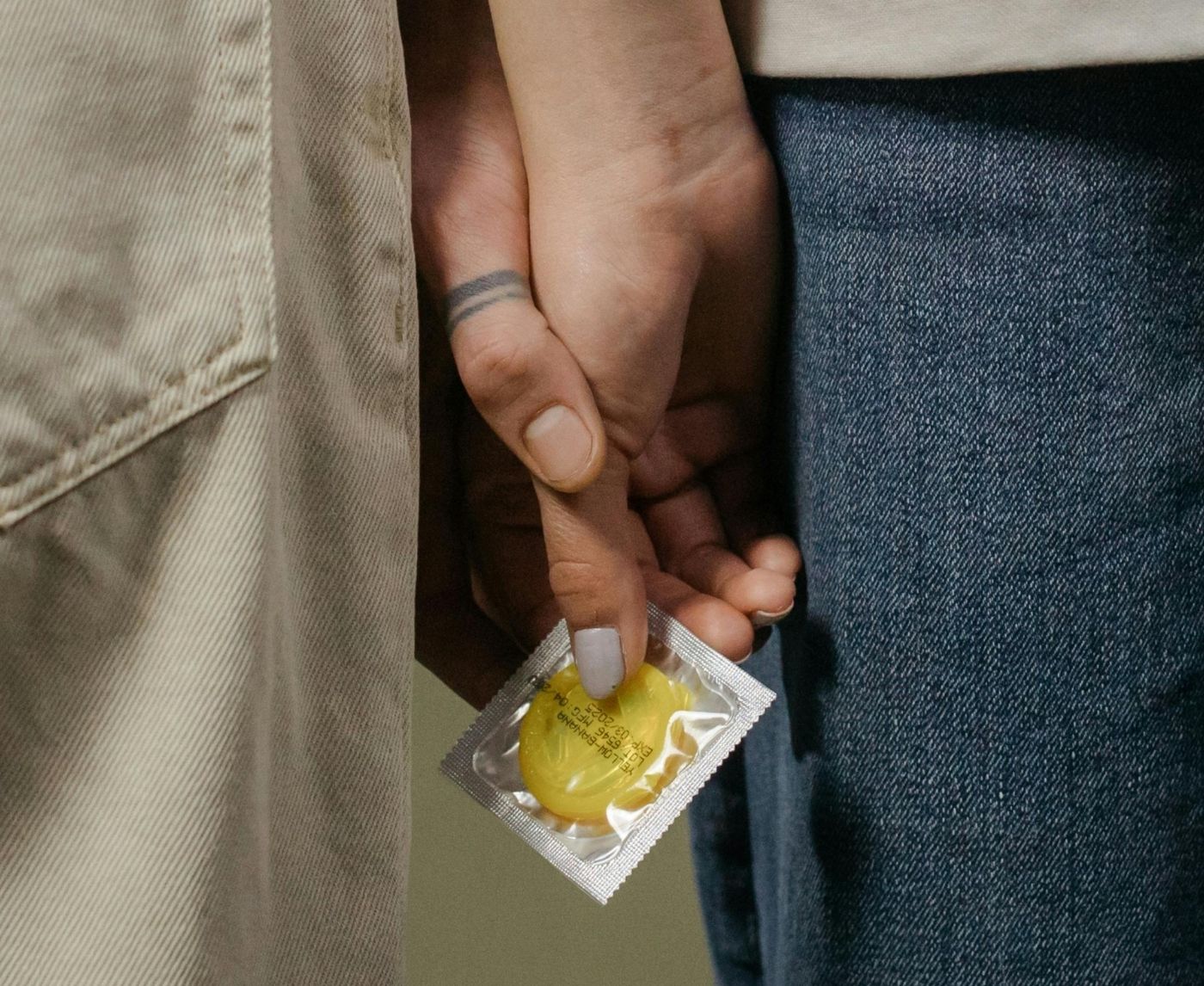

Quick Answer: Yes, you can get an STD even if you use protection. Condoms reduce risk but don’t fully prevent infections like herpes, HPV, and sometimes even chlamydia, especially through skin-to-skin contact or oral sex.
The Condom Stayed On, So Why Is There a Bump?
Let’s rewind to the night everything seemed fine. Sam, 28, had been seeing someone new. They were responsible, open about testing, and used condoms, every single time. Weeks later, Sam noticed a small sore near the base of his shaft. It didn’t hurt much, and there wasn’t any discharge, but something felt… off.
He ran through the checklist: no condom break, no strange symptoms during the act, no obvious red flags. And yet, there it was. That nagging sign that something still made it through. What followed was confusion, Google spirals, and an eventual rapid test that came back positive for herpes simplex virus.
This isn’t rare. It’s not reckless. It’s just biology. Protection lowers risk, but it doesn’t erase it. And what matters most is understanding where that protection ends, and what you can do about it now.
What Condoms Actually Do (And Don’t Do)
Condoms are one of the most effective tools we have for reducing STD transmission, especially for bacterial infections like chlamydia and gonorrhea. But they’re not impenetrable shields. They don’t cover all skin. And they certainly don’t rewrite how certain viruses move through the body.
Here’s what many people don’t realize: condoms protect against fluids, semen, vaginal secretions, and sometimes blood. But many STDs don’t need fluids to spread. They live on skin, in mucous membranes, and in the invisible spaces condoms don’t touch. According to CDC guidance, condoms reduce but do not eliminate the risk of infections like herpes and HPV because of this exact reason.
And if you’re thinking oral sex is “safe,” the picture gets even murkier. Many STDs, including gonorrhea, syphilis, herpes, and even chlamydia, can spread through oral contact. Dental dams and condoms on oral partners help, but they’re not always used. And protection during oral is still viewed as “optional” by many, especially in hookup culture.
People are also reading: First Herpes Outbreak? Here’s What It Actually Feels Like
STD Risk With Protection: What the Data Really Says
Let’s get precise. Not all STDs are equally “stoppable” by condoms. Some are primarily fluid-based, while others rely more on contact. Others fall somewhere in between. Here’s how major infections line up when protection is in play:
| STD | Main Transmission Type | Condom Protection Effectiveness | Still Risk With Condom? |
|---|---|---|---|
| Chlamydia | Fluids (semen, vaginal) | Very High (~90–95%) | Yes, especially from oral or incorrect use |
| Gonorrhea | Fluids + oral contact | High (~80–90%) | Yes, if oral sex or improper fit |
| Herpes (HSV-1, HSV-2) | Skin-to-skin contact | Moderate (~30–50%) | Yes, high risk during outbreaks or shedding |
| HPV | Skin contact, especially around genitals | Low to Moderate | Yes, very common even with protection |
| Syphilis | Skin + fluid + oral | Moderate to High | Yes, if sore is outside condom coverage |
| HIV | Fluids (blood, semen, vaginal) | Very High (~98–99%) | Extremely rare with correct condom use |
Figure 1. Condom protection varies dramatically by STD type, especially for viral infections spread through skin-to-skin contact.
In short? Condoms do an excellent job at blocking certain STDs, especially HIV and chlamydia. But for others, especially those you can’t always see or feel, the risk remains. Which is why symptoms or peace of mind alone shouldn’t be your only safety plan.
Check Your STD Status in Minutes
Test at Home with Remedium10-in-1 STD Test Kit
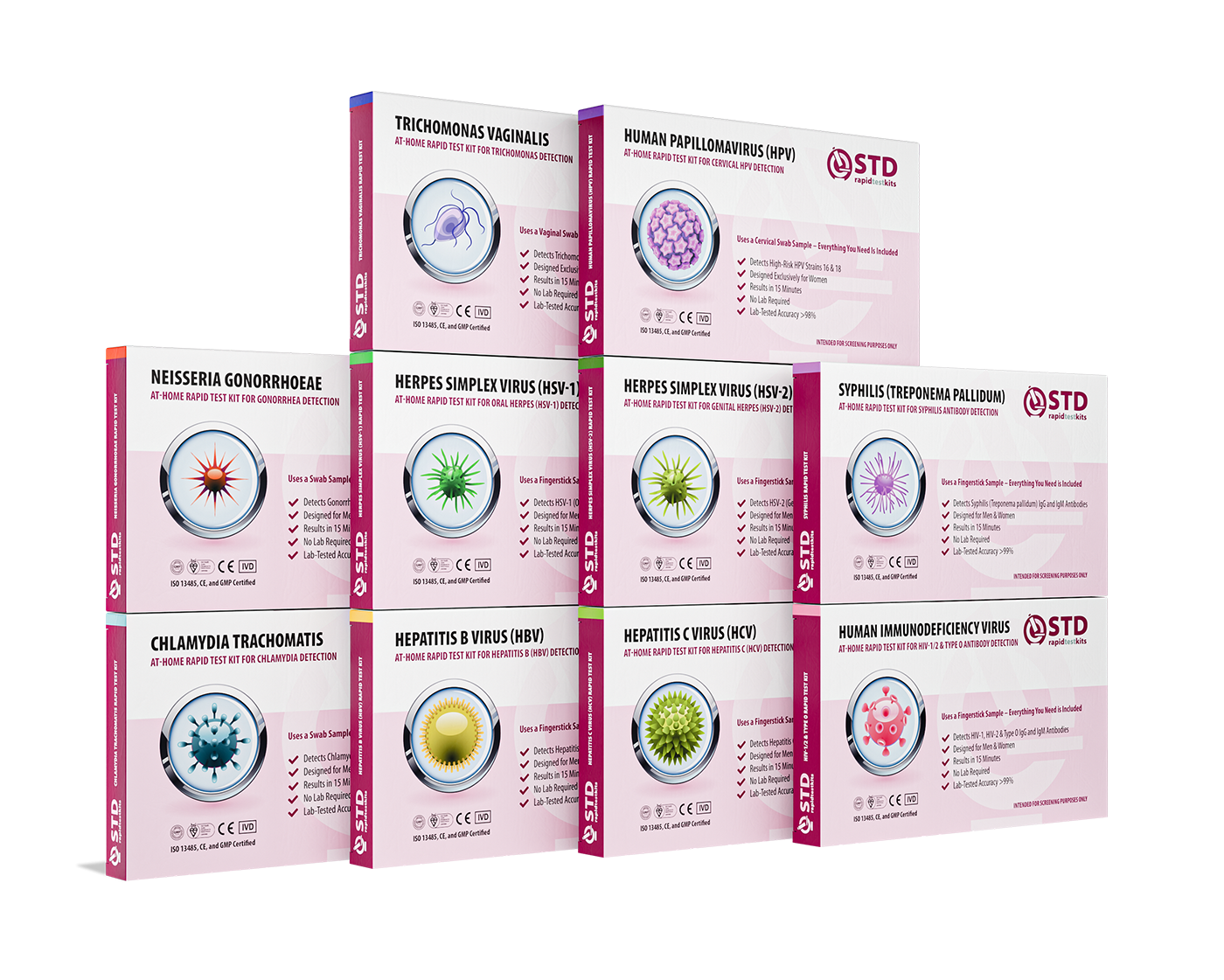
 For Women
 Results in Minutes
 No Lab Needed
 Private & Discreet
Order Now $189.00 $490.00
For all 10 tests
Case Study: The Silent STD That Got Through Anyway
Daniel, 23, didn’t notice anything right away. His partner had been tested, and they were always careful, no broken condoms, no unprotected acts. But a few weeks later, he started feeling mild discomfort while peeing. It wasn’t burning, exactly. Just different.
At first, he dismissed it. Maybe dehydration? Maybe a UTI? But it didn’t go away. A urine-based at-home test came back positive for chlamydia. His partner was floored. They both were. But the reality was, Daniel likely contracted it through oral sex, a route neither of them had considered “risky.”
This is the emotional toll rarely discussed. When people do everything “right” and still test positive, they often feel betrayed, by their partner, their body, or the prevention methods they trusted. But STDs aren’t punishment. They’re just transmission. And they happen in the grey areas protection doesn’t fully reach.
“We Got Tested Before”, But Did It Actually Count?
Getting tested before sex is a smart move. But unless you’re both abstinent between the test and the hookup, and the test timing captured all infections, it’s not foolproof. One of the biggest myths around STDs is that a single test offers lifetime clearance. It doesn’t.
Many STDs have what's called a window period, a time after infection during which the pathogen is present, but undetectable by most tests. So even if you got tested “just last week,” if your exposure was within the past 10 days, you might still test negative while carrying the infection. It’s not the test’s fault. It’s just timing.
Consider this: a partner could be exposed, test negative two days later, and pass an infection to you the same week, especially for herpes, chlamydia, or gonorrhea, which don’t always show symptoms right away. That’s why experts like those at Planned Parenthood recommend waiting at least 1–2 weeks after a new exposure before testing, and then potentially retesting again later for full clarity.
How Long Should You Wait to Test After Protected Sex?
Even with a condom, you should treat any sexual contact with new partners as a potential exposure, especially if you’re seeing symptoms, or if oral or skin-to-skin contact occurred. Here’s a breakdown of how long to wait after an encounter before you test, based on the latest data from organizations like the CDC and Mayo Clinic.
| STD | Earliest Test Window | Best Time to Test | Retest Needed? |
|---|---|---|---|
| Chlamydia | 7 days | 14 days | Yes, if tested before 14 days |
| Gonorrhea | 7 days | 14 days | Yes, if early symptoms appear or tested too soon |
| Syphilis | 3–6 weeks | 6 weeks+ | Yes, if high-risk exposure |
| Herpes (HSV) | 2–12 days (if outbreak) | 4–6 weeks (for antibody testing) | Yes, especially if asymptomatic |
| HPV | ~1 month+ | 3–6 months (if screened) | Often not part of routine STI screening |
| HIV | 10–14 days (NAAT) | 4–6 weeks (Ag/Ab test) | Yes, at 3 months for full certainty |
Figure 2. Post-exposure testing windows by STD. Early testing may provide some answers, but retesting is often required to confirm negative results.
Even when protection was used, if you’re testing “just in case,” it’s best to wait for the most accurate window, unless you’re showing symptoms or were exposed to a known infection. In that case, early testing plus a follow-up may be the safest path forward.
When Protection Makes You Wait Too Long to Test
Here’s the paradox: people who use protection are more likely to delay testing, because they assume they’re covered. It makes sense emotionally. There’s a false sense of “I did it right, so I’m fine.” But that delay can lead to missed diagnoses, or passing infections unknowingly to others.
Tara, 32, had been in a monogamous relationship for three months. They used condoms at first but phased them out after “clean” test results. What Tara didn’t know was that her partner had tested too early after a casual hookup weeks before they met. She didn’t feel anything until she noticed small, itchy lesions. It was HSV-2.
It wasn’t betrayal. It wasn’t bad luck. It was just timing and assumption. The same scenario plays out thousands of times every month: a delay in testing, masked by the comfort of protection, creates a blind spot. And that’s why the solution isn’t just condoms, it’s testing, retesting, and knowing your windows.
The Role of Symptoms (Or the Lack of Them)
Most people expect an STD to show up loud and obvious: burning, bumps, rash, discharge. But many STDs, especially in early stages, don’t do that. NHS guidance confirms that up to 80% of people with chlamydia may never notice symptoms. The same goes for herpes in its dormant phase, HPV in men, or even syphilis in its early stages.
And when people do feel something, it’s often mistaken for something else. A bump becomes an ingrown hair. Itching is blamed on soap. Discharge gets chalked up to yeast imbalance. We rationalize, we delay, and we avoid testing until the signs can’t be ignored. But with protection, that delay gets even longer, because we believe we were safe.
This is where the warm voice in this article leans in: just because you used protection doesn’t mean you’re overthinking things by testing. You’re taking care of yourself. And you’re protecting the people you care about.
People are also reading: Living with Herpes in a Relationship: What No One Tells You
The Emotional Whiplash of “Doing Everything Right”
When you’ve followed the rules, used protection, had the “are you clean?” talk, even got tested, it can feel like a betrayal to test positive anyway. Some people spiral into shame. Others go silent. A few just shut down, quietly cutting off hookups or relationships because the whole thing suddenly feels like a trap.
Marisol, 29, remembers exactly where she was when she saw the faint line appear on her at-home test for herpes. She was alone in her car outside a grocery store. She hadn’t had unprotected sex in years. Her last partner swore up and down he’d been tested. But herpes doesn’t need permission. It doesn’t even need ejaculation. It can pass through the tiniest bit of skin that a condom doesn’t cover.
She told no one for two months. She thought no one would believe her, or worse, they’d say she was lying about using protection. This is the kind of silence that helps STDs spread, not because people are careless, but because they’re scared. Scared of being blamed for something they didn’t cause.
Check Your STD Status in Minutes
Test at Home with Remedium7-in-1 STD Test Kit

 For Men & WomenResults in MinutesNo Lab NeededPrivate & Discreet
Order Now $129.00 $343.00
For all 7 tests
The Skin You Didn’t Think About
Here’s the uncomfortable truth: condoms don’t cover the whole area. Not the base of the penis. Not the inner thigh. Not the area above the pubic line. And when people shave or wax, they increase microtears in the skin, tiny entry points for infections.
STDs like HPV and herpes don’t need fluid to spread. They live in skin cells. Friction, shaving rash, shared toys, fingers, even tight grinding without penetration, these can all be enough to transmit infections, especially if someone is shedding virus without symptoms.
Sex education rarely talks about this. It focuses on what goes in, not what rubs against. So even people who consider themselves cautious often overlook the very places where STDs are hiding. That’s not stupidity. That’s a failure of messaging.
It’s also why people who get tested, and test positive, often say they’re “shocked.” Because no one ever told them that the part the condom doesn’t cover might be where the virus is.
The Oral Sex Myth (And Why It Still Spreads STDs)
There’s a massive disconnect between how people perceive oral sex and how risk actually works. Ask most people and they’ll say oral is “low risk” or even “safe.” But oral transmission is one of the most common ways people contract herpes, gonorrhea, and syphilis.
Kyle, 21, only had oral sex. No penetration, no ejaculation, no broken skin. But he woke up with a sore throat, white patches on his tonsils, and swollen lymph nodes. His rapid test came back positive for gonorrhea, in his throat. The girl he’d hooked up with had no idea she was carrying it.
Protection is rarely used during oral. Condoms dull sensation. Dental dams feel awkward. So oral becomes a loophole, something that “doesn’t count.” But if it involves skin, fluids, or mucous membranes, it counts. Always. And many STDs thrive in that exact gray area.
Why Protection Culture Needs a Reboot
“We used protection” has become a get-out-of-shame card. It’s what people say when they’re scared they got something but want to prove they were responsible. But here’s the shift we need: using protection is step one. Testing is step two. There is no one-and-done when it comes to sexual health.
Protection isn’t just about condoms. It’s also about choosing when to test. It’s about knowing your partner’s window period. It’s about watching for symptoms that don’t scream “STD” but whisper just enough to make you pause. And it’s about being willing to check in on your body, especially when the sex was casual, new, or felt even slightly off.
If you’ve had any skin-to-skin or oral contact with a new partner, even with protection, it’s worth checking. Not because you did something wrong, but because that’s what real care looks like.
And if your head keeps spinning, peace of mind is one test away. Order a discreet combo test kit that screens for the most common infections, right from home, no clinic visit required.
FAQs
1. Can you really get an STD if the condom didn’t break?
Yes, and it happens more than most people realize. Some STDs, like herpes and HPV, don’t need a tear in the condom. They live on the skin, which means they can be passed from areas condoms don’t even cover, like the base of the penis, inner thighs, or pubic mound. It’s not about doing something “wrong.” It’s about knowing what protection can (and can’t) cover.
2. How likely is herpes to spread if we used protection?
It depends, but the risk doesn’t disappear. Condoms lower the chances by about 30–50%, according to the CDC. But if your partner is shedding the virus from an area the condom doesn’t cover, like the groin or buttocks, it can still pass during skin contact. And since many people don’t even know they have herpes, it spreads quietly, without drama.
3. I used protection every time. Should I still get tested?
Yes, if you've had any new partners in the last few months. Even if you were very careful about protection, things like oral sex, sharing toys, or touching skin can still spread infections. Don't see testing as a red flag; see it as a routine oil change. It's not an emergency; it's just regular maintenance.
4. Can I get chlamydia from oral sex?
Yes, and it surprises people all the time. Chlamydia can live in the throat or be passed to genitals via oral contact. You don’t need traditional penetration for it to spread. So if someone gave or received oral without protection, there's still risk, even if it felt “low stakes” at the time.
5. What about HPV, isn’t that just something women deal with?
No way. Anyone who has sex can get HPV. It often doesn't show up until it's too late, especially in men. It can be spread by rubbing, grinding, or oral sex. Condoms help, but they don't stop it completely. That's why everyone, not just people with cervixes, should get vaccinated and tested regularly.
6. If I don’t have symptoms, am I in the clear?
Not even close. Most STDs are stealthy. Chlamydia, for example, is often symptomless, especially in its early stages. Same with herpes (if there’s no outbreak) or oral gonorrhea. So if you're waiting for a burning sensation to prove something's wrong, you might be waiting too long.
7. How soon after sex should I test?
It depends on the STD. Some infections can show up in tests after 7 days (like chlamydia), while others take longer, syphilis or herpes might need several weeks. If you test too early, you might get a false negative. So if you’re within a week or two of a new encounter, plan to test now and again later for clarity.
8. Can I use an at-home test instead of going to a clinic?
Absolutely. At-home tests today are discreet, accurate, and way less awkward than waiting in a public health clinic. You collect your sample (pee, swab, or fingerstick), ship it, or get results on the spot depending on the kit. It’s peace of mind, without the waiting room side-eye.
9. I tested positive. Does that mean someone cheated?
Not always. There are no timestamps on STDs. Someone could have had something for years without knowing it, especially if they haven't been tested properly. Also, a lot of infections don't show any signs. So don't jump to blame right away. Concentrate on clear communication, treatment, and moving forward.
10. How often should I test if I’m sexually active?
If you’re seeing new people, or not in a monogamous setup, every 3–6 months is a solid rule. Add in extra tests if you’ve had any symptoms, condom mishaps, or situations that made you nervous. Testing isn’t just about risk, it’s about care. For yourself, and the people you connect with.
You Did Your Best, Now Do What Comes Next
If you’re reading this after a scare, a bump, or a late-night Google spiral, know this: you are not alone. Getting an STD after using protection doesn’t mean you failed. It means you're human, and that biology doesn’t follow rules.
The good news? You have options. Testing is private. Treatment is available. And real protection means staying informed, not staying ashamed. Our combo at-home test kit is fast, confidential, and made for moments exactly like this.
How We Sourced This Article: We combined current guidance from leading medical organizations with peer-reviewed research and lived-experience reporting to make this guide practical, compassionate, and accurate.
Sources
2. CDC – 2021 STD Treatment Guidelines
3. Condom Use: An Overview — CDC
5. Herpes (HSV-1, HSV-2) — STD Treatment Guidelines — CDC
6. The Lowdown on How to Prevent STDs — CDC
8. Do condoms protect against all STIs? — Medical News Today
9. Barrier Protection Against HIV Infection and Other Sexually Transmitted Diseases — CDC MMWR
10. Herpes Simplex Virus (HSV) — Mount Sinai Health Library
About the Author
Dr. F. David, MD is a board-certified infectious disease specialist focused on STI prevention, diagnosis, and treatment. He blends clinical precision with a no-nonsense, sex-positive approach and is committed to expanding access for readers in both urban and off-grid settings.
Reviewed by: Jessica K. Riley, RN, MPH | Last medically reviewed: October 2025
This article is for informational purposes and does not replace medical advice.


