







Quick Answer: You can get an STD in a monogamous relationship due to delayed symptom onset, past exposures, window periods, or inaccurate testing. Monogamy is about trust, but STDs are about biology, not morals.
“But We’re Exclusive!”, The Illusion of Safety
There’s a quiet assumption that comes with exclusivity: safety. You commit, you toss the condoms, and you stop worrying. For many couples, the first few months of a monogamous relationship feel like a reward, no more awkward test convos, no more risk. But biology doesn’t work on relationship status. Viruses don’t care about promises.
Consider this: a person could have been exposed to chlamydia three weeks before they met you, had no symptoms, and passed it to you during your third or fourth time having sex. Neither of you would know. And if you both assumed you were “clean” because of exclusivity, neither of you would test, until something felt off. That’s not betrayal. That’s just timing.
This isn’t about casting doubt on your partner. It’s about understanding how window periods, dormant infections, and untested pasts play out even in faithful relationships. STDs don’t always announce themselves with a rash or a fever. They wait. They hide. They slip past assumptions, and monogamy can give them the perfect cover.
Case Study: “He Was My Only Partner. I Still Got Herpes.”
Alejandra, 28, had been in a monogamous relationship for nearly a year when she first noticed something strange: a tingling, then painful blisters around her labia. Her first reaction was panic. Her second was confusion. “I haven’t slept with anyone else in over ten months,” she said. “I thought we were safe.”
When she got tested, the diagnosis was clear: HSV-2, or genital herpes. Her boyfriend also tested positive, but asymptomatically. “He didn’t know. He still doesn’t have symptoms. We got comfortable, stopped using condoms. And now we’re dealing with this together.”
“I realized being exclusive doesn’t mean being immune. We didn’t lie to each other. We just didn’t test.”
| Belief | Reality |
|---|---|
| “We’re monogamous, so we’re safe.” | STDs from past partners can stay dormant and still transmit. |
| “No symptoms = no STD.” | Many STDs are asymptomatic or have delayed symptoms. |
| “We tested when we got together.” | Window periods mean early tests can miss recent infections. |
| “If something was wrong, we’d know.” | Infections like chlamydia or herpes can go unnoticed for months. |
Table 1. Beliefs vs. biological realities around STD safety in monogamy.

People are also reading: How Hepatitis C Moves Without You Noticing
Window Periods Don’t Care About Relationship Status
This is the part no one explains during “the talk”: you can test negative for an STD and still have it. That’s the window period, the time between exposure and when a test can actually detect the infection. For some STDs, that window is just a few days. For others, like syphilis or HIV, it can stretch into weeks.
Let’s say you and your new partner got tested after date three. It felt like a grown-up thing to do. The tests came back clean, and you ditched the barriers. But if one of you was exposed just a few days before testing, that infection might not show up yet. Now, weeks later, someone’s feeling a weird itch, or worse, nothing at all, and that hidden risk has become a shared reality.
Here’s what that looks like in real-world timelines:
| STD | Typical Window Period | Peak Accuracy |
|---|---|---|
| Chlamydia | 7–14 days | 2–3 weeks post-exposure |
| Gonorrhea | 5–14 days | 2–3 weeks post-exposure |
| Syphilis | 3–6 weeks | 6–12 weeks |
| HIV (Ag/Ab) | 2–6 weeks | 12 weeks |
| Herpes (HSV) | 2–12 days (symptoms) / 4–6 weeks (blood test) | 6–16 weeks for accurate serology |
Table 2. Common STD window periods and when tests are most accurate.
This timing matters. A false sense of safety after a too-early test can lead couples to stop testing altogether. That’s where many cases of “I’m monogamous, how did this happen?” begin. It wasn’t cheating. It was just trusting the wrong timeline.
Check Your STD Status in Minutes
Test at Home with Remedium7-in-1 STD Test Kit
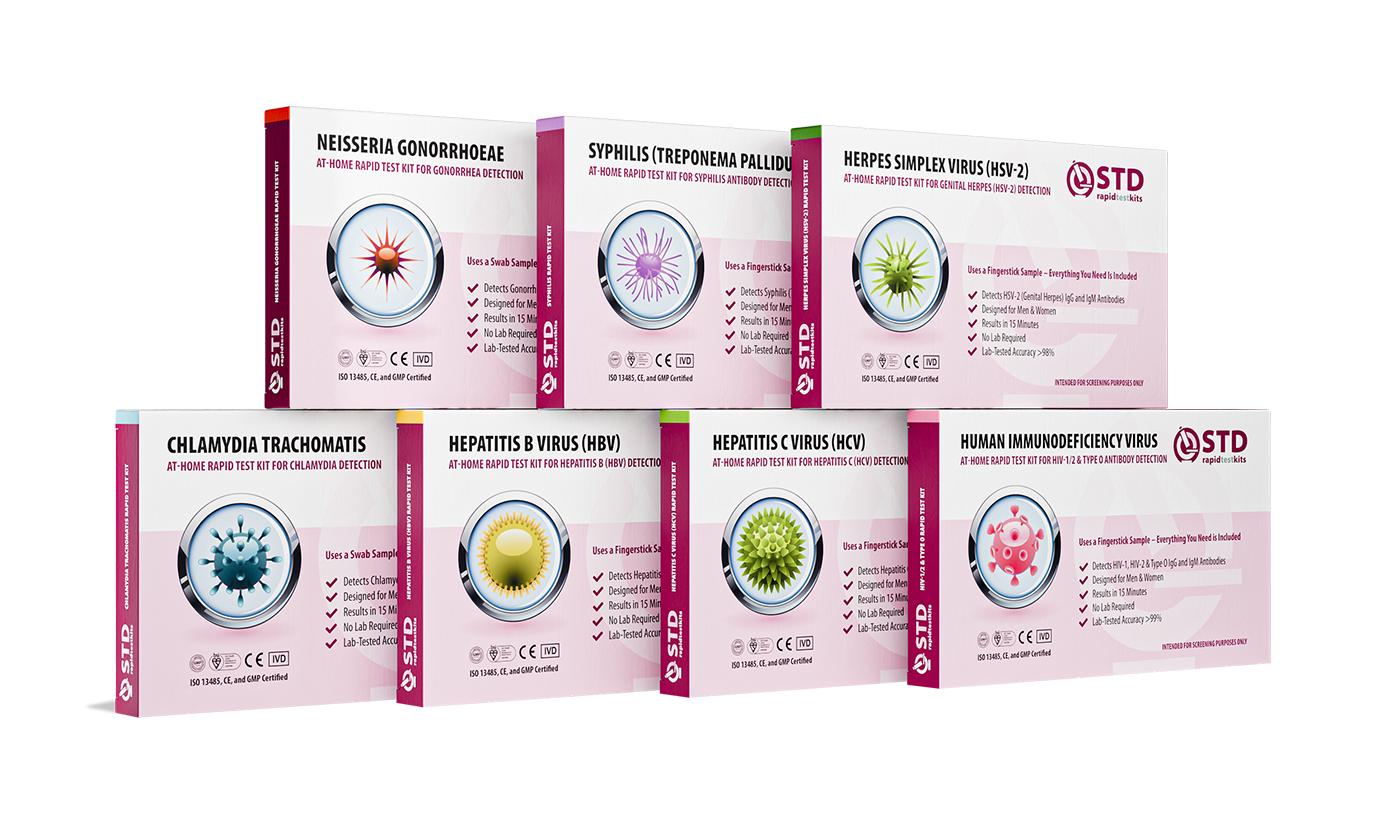
 For Men & Women
 Results in Minutes
 No Lab Needed
 Private & Discreet
Order Now $129.00 $343.00
For all 7 tests
Serial Monogamy: The STD Risk No One Warns You About
There’s another kind of “monogamy” that often flies under the radar: serial monogamy. One partner at a time, no overlaps, all clean, all good... right?
Not exactly. In the space between relationships, days, weeks, even months, an STD can enter silently. You meet someone new, wait a little, feel ready, and start sleeping together. Maybe you both say you’re monogamous. Maybe you even believe it means you're low-risk. But that last partner? The one before the current one? They still matter. Especially if no one tested in between.
Imagine a string of fairy lights. Each bulb represents a person. The connections are exclusive, one at a time. But if the first bulb in the chain was infected, every connection after can light up with that same risk. Monogamy doesn’t reset exposure history, testing does.
Kyle, 34, thought he was doing everything right. “I never cheat. I’m careful. I’m respectful. I’m monogamous.” He got a surprise gonorrhea diagnosis after his girlfriend noticed a discharge and got tested. “I didn’t feel a thing,” he said. “And my last relationship ended four months before I met her.” What he didn’t know is that men can carry asymptomatic gonorrhea for weeks or longer, and transmit it unknowingly.
“I thought I was clean because I didn’t have symptoms. But it turns out, I was just a carrier.”
When Trust Feels Like a Test Result
It’s devastating when your reality doesn’t match your relationship story. You trusted. You believed. You were committed. So when you get an STD result, it feels like a lie. But trust and testing aren’t the same thing. One is emotional. The other is medical.
In long-term relationships, the subject of testing can quietly fade away. Maybe you both got tested early on. Maybe you never talked about it again. But time moves forward, and so does biology. A past exposure that went undetected doesn’t need betrayal to come back. It just needs time and silence.
Some infections, like HPV or herpes, can remain dormant for months, or even years, before surfacing. You could test positive for herpes today from an exposure that happened in college. That doesn’t mean your partner cheated. It doesn’t even mean you cheated. It means you’re human, and so is your immune system.
This is where stigma does real harm. People don’t test because they’re afraid of what the result might say about them. Couples avoid the topic because it implies suspicion. And so, infections spread in the silence of good intentions. Monogamy isn’t a lab result, it’s a relational agreement. And that agreement deserves medical clarity, too.
False Negatives, Missed Diagnoses, and Dormant Infections
Let’s talk about something most people don’t realize: not all tests are created equal, and not all negatives mean you’re clear. In the emotional relief of a “negative” result, nuance often gets lost. But accuracy depends on a few key things:
Timing. Type of test. And the infection you’re testing for.
For example, the rapid HIV Ag/Ab test is most accurate after 30 days. If you take it too soon, it might miss an early infection. Same with syphilis, which takes weeks to trigger a strong antibody response. Even herpes blood tests aren’t reliable in the first month or two after exposure. That means someone could test negative, share the result with confidence, and still be in the early stages of an infection.
Let’s not even get started on at-home test user errors, not enough blood, wrong timing, reading the result window too early. These things matter. A false negative can create false trust. And in a monogamous context, that false trust can be the only thing standing between you and an infection you weren’t expecting.
This isn’t to say testing doesn’t work, it does. But it’s most powerful when paired with honesty about timelines, past exposures, and retesting after the window period. That’s not paranoia. That’s just good care.
What to Do If You’re Positive, And Monogamous
The first instinct might be to panic. To confront. To spiral into doubt. But here’s the truth: a positive result is not the end of your relationship, or your dignity. It’s a moment to pause, gather facts, and make a plan.
If you test positive in a monogamous relationship, breathe. Then follow this arc:
Confirm. Get retested, especially if your result came from a rapid or at-home kit. Use a mail-in lab or visit a clinic for confirmation.
Communicate. Bring your partner into the process gently. Frame it around health, not blame. “I tested positive for [infection], and I think we both should retest. I’m not accusing you, I just want us both to be safe.”
Treat. Most STDs are easily treatable. Even lifelong ones like herpes or HIV have effective care plans. Treatment is a form of care, not punishment.
Test again. After treatment, retest based on clinical guidance. This helps confirm clearance and prevents reinfection in couples who weren’t treated at the same time.
If you're feeling overwhelmed, remember: you’re not alone. This happens more than anyone admits. There’s support, there’s science, and there’s a way forward.
People are also reading: Can You Get Hep C From Sex? The Truth About Sexual Transmission
Take Control, Not Chances
If your stomach has been in knots reading this, that’s okay. You deserve clarity, not confusion. This at-home combo STD test kit checks for multiple infections at once, including chlamydia, gonorrhea, syphilis, and HIV. Results are fast, private, and handled discreetly, no clinic lines, no judgment.
Whether you’re starting a new relationship, deep into a committed one, or just feeling unsure, you deserve answers that honor your trust, not assumptions that gamble with it.
It’s not about doubting your partner. It’s about defending your health. One quick test could give you both peace of mind that love alone can’t promise.
Herpes, HPV, and the Lie of “I’d Know If I Had Something”
Some STDs make you believe you're fine, until they don't. Herpes and HPV are two of the biggest liars in the room. They often show up with no symptoms at all, or with signs so subtle they're dismissed as razor burn, ingrown hairs, or random irritation.
And when symptoms finally do appear? It’s not uncommon for people to say: “But I haven’t been with anyone new in over a year.”
Jared, 29, was shocked when his new girlfriend told him she tested positive for HSV-2. He’d never had symptoms. “We were both monogamous. I didn’t sleep with anyone else,” he insisted. After reluctantly getting tested himself, he found out he was positive too. His doctor explained that he could’ve had it for years, possibly from a past partner in college.
“It didn’t feel like I gave her something. It felt like I failed some silent test I didn’t know I was taking.”
This is how STDs move quietly through populations, even the ones who swear by monogamy. The reality is that your body can host a virus without reacting, and that makes relying on symptoms a dangerous game. Monogamy can't account for what's already in your system. Only testing can.
Check Your STD Status in Minutes
Test at Home with Remedium10-in-1 STD Test Kit
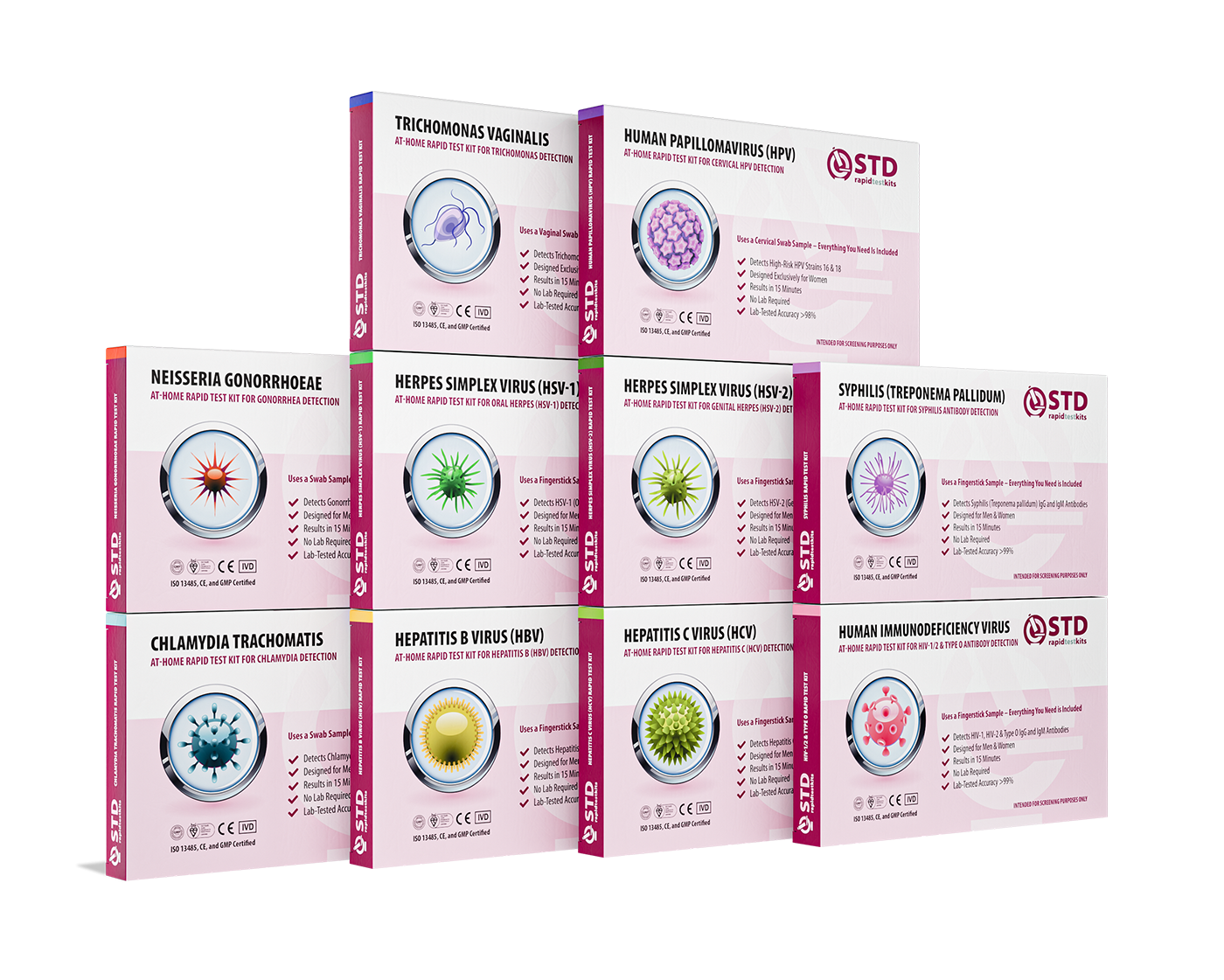
 For WomenResults in MinutesNo Lab NeededPrivate & Discreet
Order Now $189.00 $490.00
For all 10 tests
Reinfection Loops: When Couples Pass It Back and Forth
Even when both partners are committed, something strange can happen: one person gets treated for an STD, then the infection comes back. Not because it didn’t clear, but because their partner was never treated in the first place.
This is what’s called a reinfection loop. And it’s heartbreakingly common. Here’s how it happens:
You test positive. You take antibiotics. Your partner, who feels fine, doesn’t test, or tests too early. You have sex again, thinking the issue’s resolved. Now, you’ve got it again. This is most common with infections like chlamydia or trichomoniasis, where symptoms may be absent in men but present in women.
The cycle is frustrating, confusing, and often leads to finger-pointing. But the cause isn’t deception, it’s miscommunication. The fix? Both partners test and treat, ideally at the same time. This breaks the loop and helps you start fresh.
When Monogamy Becomes a Barrier to Testing
Here’s a hard truth: the more we believe monogamy protects us, the less likely we are to get tested. And that puts everyone at risk.
Testing is often framed as something you do at the beginning of a relationship. A box to check. An awkward step before intimacy. But what about after six months? A year? Five years? What if your partner had a dormant infection? What if you did?
It’s easy to stop talking about sexual health when you feel “safe.” That’s the paradox. The more intimate and trusted a relationship becomes, the harder it is to bring up testing without sounding accusatory. And so couples fall into complacency, not out of neglect, but out of love.
Testing doesn’t have to mean mistrust. It can mean mutual care. A routine health check. A shared value. It can sound like: “Hey, I know it’s been a while since we tested. Want to do it together this weekend? Just to be sure.”
The most loyal thing you can do for someone you love isn’t avoiding the test, it’s inviting them to take it with you.
Who This Happens To (Hint: Everyone)
Still think it couldn’t be you? Let’s be clear: this happens to everyone. Married people. Engaged people. People in brand-new flings or 10-year relationships. Queer couples. Poly couples. Strictly monogamous partners. It’s not about behavior, it’s about biology, timing, and silence.
STDs don’t screen for character. They don’t reward intentions. They respond to opportunity. Skin-to-skin contact. Mucous membranes. Viral load. These aren’t moral judgments, they’re facts. You can love someone deeply, be faithful, and still get infected. That’s not a failure. That’s reality.
And the moment you accept that truth is the moment you start protecting each other better, not because you doubt, but because you care.
Your Relationship Deserves More Than Assumptions
You wouldn’t assume your blood pressure is fine without checking it. You wouldn’t skip dental cleanings because you brush regularly. So why assume your STD status is static just because you trust your partner?
STD Rapid Test Kits makes it easy to get answers without awkward clinic visits. Whether you’re testing together or alone, you can choose from single-infection tests or full panel options. Results arrive fast, and privately.
This isn’t about doubt. It’s about love backed by data. You can still believe in your partner. You can still trust your relationship. But the only thing that proves both of you are in the clear, is a test.
If that test feels overdue, there’s no shame in that. There’s only a next step. And it starts with swabbing, peeing in a cup, or pricking your finger, not pointing one.
FAQs
1. Can you really get an STD if you’ve only been with one person?
Totally. It’s one of the most common misunderstandings. You might be monogamous, but that doesn’t erase your partner’s past, or yours. If one of you had a dormant infection or got tested too early, it can show up months later and take everyone by surprise.
2. We both got tested before going exclusive. Isn’t that enough?
It depends when you tested. If either of you were exposed in the days or weeks before testing, the results might’ve missed it. That’s the tricky part about window periods, tests don’t always catch infections immediately. A follow-up test a month or two later is smart, especially if you ditched protection.
3. Is it insulting to ask my partner to test again?
Nope. It’s respectful. It says, “I care about us enough to keep checking in.” You can frame it like, “Hey, we haven’t tested in a while, want to do it together?” It’s about shared safety, not suspicion. Trust and testing aren’t opposites, they go hand in hand.
4. My partner swears they’ve never cheated. But I tested positive. What now?
Breathe. This doesn’t always mean someone lied. Some infections, like herpes, HPV, or even HIV, can stay dormant for months or years. You could be seeing something that started way before your relationship began. Focus on getting the facts, not on blame. A confirmatory test and an open convo can go a long way.
5. What if I have symptoms but my test says negative?
Been there, seen that. It could mean you tested too early, or that the test type wasn’t right for the stage of the infection. If you’ve got symptoms, trust your body. Retest in a week or two, or talk to a provider who knows how to dig deeper.
6. We’re married. Do we still need to test?
Marriage licenses aren’t STD shields. If you’ve never both been tested properly, or it’s been years, it’s worth doing. Especially if new symptoms show up, or if you’re planning to stop using protection. Think of it like renewing a passport. It keeps things legit.
7. Can two people keep passing an STD back and forth?
Yes, and it happens more often than people realize. It’s called a reinfection loop. One person gets treated, the other doesn’t, and boom, it’s back again. That’s why treatment and testing should be a team sport. Do it together, or you might be doing it over and over.
8. Is it possible to test “clean” and still have something?
Unfortunately, yes. “Clean” is a weird word anyway, it sounds like STDs make you dirty, which isn’t true. But yeah, if you test during the window period or take a less-sensitive test, you might miss an infection. That’s why timing matters, and why follow-up testing is clutch.
9. My partner tested but didn’t say for what. Should I ask?
Absolutely. A lot of people don’t realize that “STD testing” isn’t one-size-fits-all. Some clinics don’t test for herpes. Others skip oral or anal swabs unless requested. Ask what they were tested for and when. That’s not invasive, it’s informed.
10. Can we test from home, or do we have to go to a clinic?
You’ve got options. Home testing kits are private, fast, and surprisingly accurate when used correctly. Perfect for couples who want to avoid the awkward clinic vibe. This combo kit checks for the big ones, chlamydia, gonorrhea, HIV, and syphilis, all from home, no judgment included.
You Deserve Answers, Not Assumptions
Testing positive in a monogamous relationship isn’t a betrayal, it’s a biological event. The more we separate morals from medicine, the more empowered we become. You can still trust your partner and still choose to test. In fact, those two things go hand in hand.
If something feels off, or even if it doesn’t, take the step that gives you real clarity. This at-home combo test kit can help you both breathe easier, knowing you’ve got the full picture, not just the pretty one we all want to believe.
Your relationship deserves more than assumptions. It deserves the truth, the science, and the care only you can give it.
How We Sourced This Article: We combined current guidance from leading medical organizations with peer-reviewed research and lived-experience reporting to make this guide practical, compassionate, and accurate.
Sources
4. Planned Parenthood – Get Tested for STDs
5. CDC – Laboratory Recommendations for Syphilis Testing, United States
6. CDC – Getting Tested for STIs
About the Author
Dr. F. David, MD is a board-certified infectious disease specialist focused on STI prevention, diagnosis, and treatment. He blends clinical precision with a no-nonsense, sex-positive approach and is committed to expanding access for readers in both urban and off-grid settings.
Reviewed by: K. Alvarez, MPH | Last medically reviewed: October 2025
This article is just for information and should not be used as medical advice.


