






Quick Answer: HIV self-tests are accurate when used correctly and at the right time, typically at least 12 weeks after exposure. Testing earlier can lead to false negatives, and a reactive result always requires confirmatory lab testing.
Who’s Using At-Home HIV Tests, And Why It Matters
Think about the last time you had a health scare. Did you want to talk to someone, or did you Google it first? For millions of people, especially in queer, rural, or undocumented communities, getting tested for HIV at a clinic isn’t just inconvenient. It’s intimidating, expensive, and sometimes dangerous.
Enter the self-test: a way to check your status privately, on your own time, without judgment. Whether someone is worried after a condom slip, exploring their sexuality for the first time, or simply hasn’t tested in years, these kits promise quick answers and complete discretion. But they're not magic. Like all medical tools, they come with limitations, and using them well means understanding what they can and can’t tell you.
What Counts as an At-Home HIV Test?
Not all tests you can do at home work the same way. The most common FDA-approved test is an oral fluid rapid test, which involves swabbing your gums and waiting about 20 minutes for results. There are also fingerstick blood tests that take a drop of blood and either give you results right away or send them to a lab.
The two main types you'll find are:
- Rapid Oral Tests – These are true DIY kits: no shipping, no lab. You swab, wait, and read the result yourself. The most widely known brand is OraQuick. It's available over the counter and approved for home use in many countries.
- Lab Kits You Can Mail In These are mixed breeds. You take a sample at home (saliva or blood) and send it to a lab that is certified. You will get the results later through a secure portal or phone call.
Each has pros and cons. Rapid tests are fast and empowering, but more sensitive to timing. Lab kits offer higher sensitivity and early detection options (like 4th-generation tests), but come with a delay and slightly more logistical steps.
Either way, you can order discreetly from trusted sources like STD Rapid Test Kits. Their HIV Rapid Test Kit is doctor-trusted and designed for at-home use, with clear instructions and privacy protections built in.

People are also reading: What No One Tells You About Chlamydia and Pregnancy Loss
Timing Is Everything: Understanding the Window Period
Here's the part that trips people up: a negative test doesn’t always mean you're in the clear. HIV tests aren’t like pregnancy tests, where a result is conclusive days after exposure. The virus has a window period, the time between exposure and when a test can detect it. During this phase, you may be infected but still test negative.
Take DeShawn, for example. He had a condom break with a new partner and tested five days later using a rapid oral kit. It came back negative, but something didn’t sit right. He retested at a clinic four weeks later, and got a positive. That early test gave false peace of mind, not because the test was faulty, but because it was too soon.
The table below breaks down typical window periods for common HIV tests:
| Test Type | Sample | Window Period | Best Time to Test |
|---|---|---|---|
| Oral Fluid Rapid Test (e.g. OraQuick) | Saliva/gum swab | 3 to 12 weeks | 12 weeks post-exposure |
| Fingerstick Rapid Test (blood) | Capillary blood | 2 to 12 weeks | 12 weeks post-exposure |
| Lab-Based 4th Gen Ag/Ab Test | Venous blood | 2 to 6 weeks | 4–6 weeks post-exposure |
Table 1. HIV test types and window periods based on CDC and WHO guidance. Earlier results may require retesting for confirmation.
If you're still within the early window, don't panic, but don't rely on that result alone. Retesting is part of the process, not a failure.
Check Your STD Status in Minutes
Test at Home with Remedium8-in-1 STD Test Kit
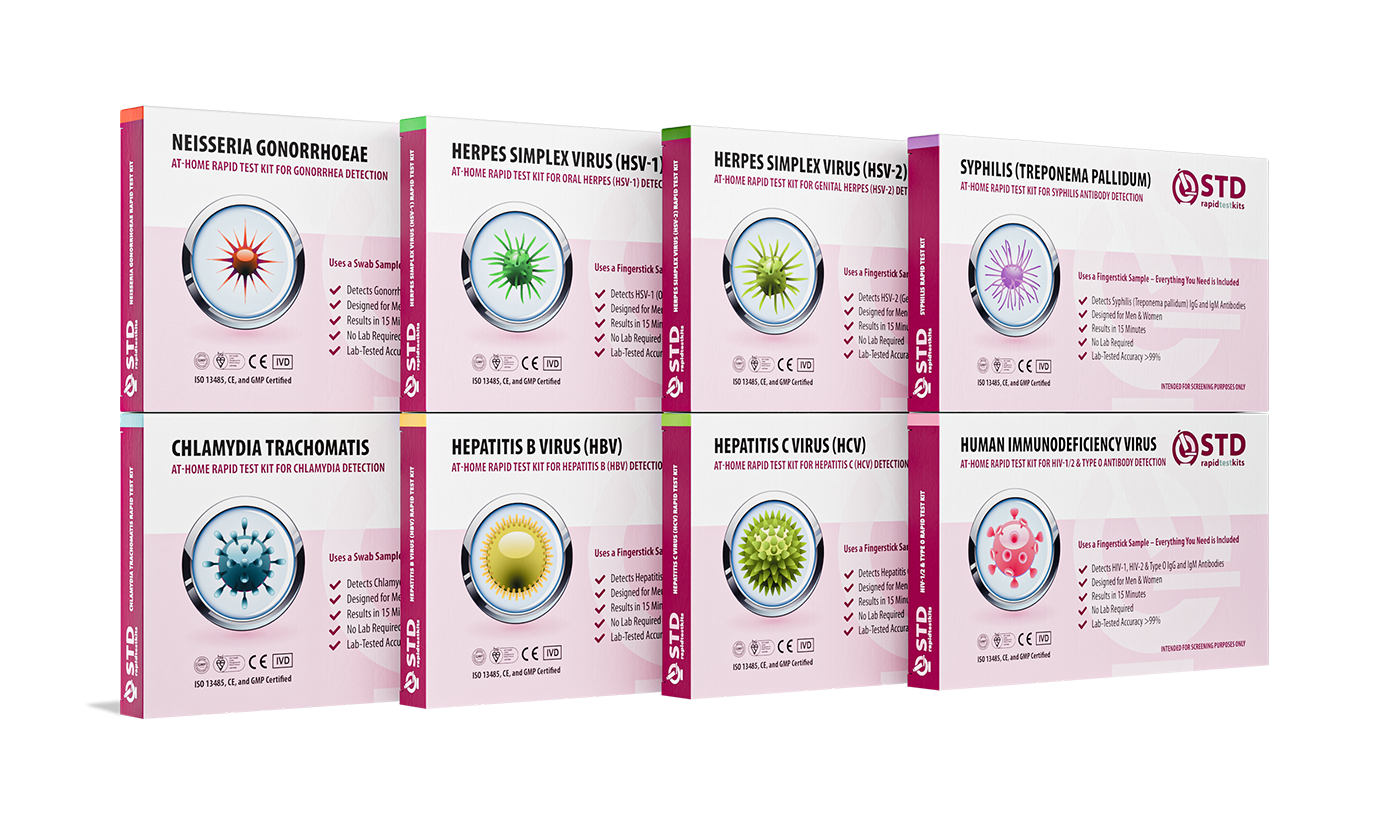
 For Men & Women
 Results in Minutes
 No Lab Needed
 Private & Discreet
Order Now $149.00 $392.00
For all 8 tests
Faint Lines, False Negatives, and Other Panic Moments
There's a moment after taking a self-test where the mind plays tricks. Was that a second line? Is it too light to count? Am I imagining things?
Most at-home HIV tests operate on a line system: one line = negative, two lines = reactive (possibly positive). But sometimes, the second line is faint. Here's the rule: any second line, even a shadowy one, counts as a reactive result. It doesn’t mean you're definitely positive, but it does mean you need a lab test to confirm.
False negatives happen most often when people test too early. That’s why many sources, including the CDC, recommend retesting three months after the exposure that worries you most. A reactive result, on the other hand, should never be ignored, no matter how faint the line.
This is where support matters. You shouldn’t be left alone to interpret an ambiguous result. Many reputable self-test providers include a 24/7 helpline, counseling resources, or confirmatory pathways with local clinics.
Is It Really As Accurate As a Lab Test?
HIV self-tests have come a long way since their early rollouts. Most FDA-approved oral tests now report accuracy levels around 92% for detecting HIV-positive cases (sensitivity) and over 99.9% for negative results (specificity). But here’s the catch: those high numbers depend on correct timing and correct usage.
Compare that to lab-based 4th-generation tests, which can detect HIV earlier and with slightly higher sensitivity, especially for recent exposures. Clinics often use these as the gold standard. But that doesn’t mean rapid tests are useless. For people past the 12-week mark since exposure, rapid tests are very reliable, if taken correctly.
Let’s look at the tradeoffs:
| Test Method | Privacy | Detection Window | Speed | Best Use Case |
|---|---|---|---|---|
| At-Home Oral Test | Maximum | 12 weeks+ | ~20 minutes | Private reassurance after 3 months |
| Mail-In Lab Kit (4th Gen) | High | ~2 to 6 weeks | 2–5 days after mailing | Earlier detection, private results |
| Clinic-Based 4th Gen | Moderate–Low | ~2 to 6 weeks | Same day to 2 days | High-risk exposure, symptoms, confirmation |
Table 2. Accuracy and privacy tradeoffs across HIV testing methods.
It’s not about one test being “better.” It’s about what fits your risk, your timeline, and your need for certainty. If you're nervous after a recent hookup, a rapid test might calm your nerves, but be ready to retest in a few weeks. If it's been months since your last possible exposure, a self-test might give you the closure you’ve been dreading, or hoping for.
Real Stories: What Self-Testing Feels Like
Nina, 32, had just ended a messy relationship. Her ex had cheated, and suddenly she was spiraling. “I didn’t want to go to a clinic,” she said. “I didn’t want to explain myself to anyone.” She ordered a rapid test online, waited two days for discreet delivery, and took it the moment she got home from work. It was negative, but the real relief came from finally doing something instead of just worrying.
Luis, 24, tested on a dare with his roommate after a conversation about PrEP and protection. “I didn’t think I needed it,” he admitted. “But something about seeing that one line show up made me think about all the stuff I’d ignored. It made me feel grown-up in a weird way.”
Self-testing isn’t always dramatic. Sometimes it’s routine. Sometimes it’s panic. But more often, it’s a small reclaiming of control. The ability to test when and where you want, to own your sexual health on your terms, matters deeply, especially for people navigating shame, anxiety, or systemic barriers.
When to Retest and When to Get Help
So what happens after you test, especially if it’s negative, but the worry lingers?
If you tested within three months of a possible exposure, you should retest at the 90-day mark. That’s when oral fluid tests are most accurate. If you used a mail-in kit that includes a 4th-gen assay, you might get accurate results a bit sooner, but even then, retesting isn’t overkill. It’s clarity.
If you get a reactive result, stop. Don’t panic. It doesn’t mean you have HIV. It means the test detected something, and you need a confirmatory lab test. That’s the standard, no matter how you test.
Immediate next steps might include:
- Calling the hotline provided with your test (many kits include 24/7 support)
- Scheduling a 4th-gen blood test at a local clinic or telehealth provider
- Preparing to notify partners if needed, with help from public health services
Remember, HIV is treatable. People who get diagnosed early and begin antiretroviral therapy (ART) can live long, healthy lives, and even become undetectable, meaning they cannot transmit the virus sexually.
If you’re considering retesting or want a private, quick next step, you can explore kits like the HIV Rapid Test Kit or Combo STD Home Test Kit. They ship discreetly, and you get your result in minutes, no waiting room required.
People are also reading: Can You Get Chlamydia Without Intercourse? Yes, and Here’s How
What About Privacy and Discretion?
For many users, privacy isn’t just a perk, it’s the whole point. No one wants their mail carrier or nosy roommate seeing a test kit box marked “HIV.”
Good providers know this. Discreet shipping, unbranded labels, and confidential billing are now standard with most at-home test kits. Some even include plain envelopes or generic sender names on the package.
If you're ordering from a reputable source, your identity and your results are protected. You're in control, not just of when and where you test, but of who ever knows.
Still worried? Some readers choose to send kits to a trusted friend’s house, use parcel lockers, or pick them up at participating pharmacies. The goal is to reduce barriers, not add new ones.
Check Your STD Status in Minutes
Test at Home with RemediumHIV Rapid Test Kit
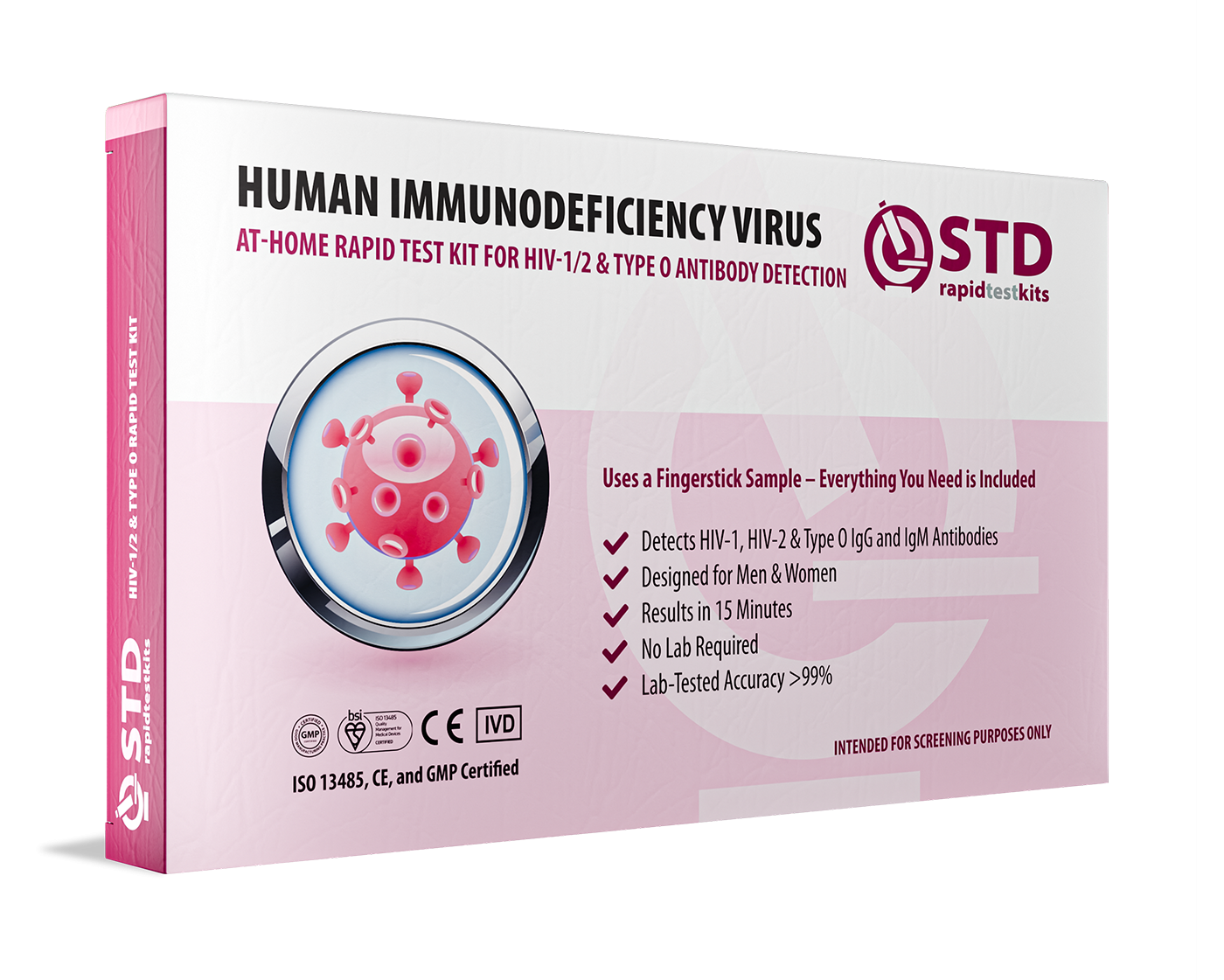 For Men & WomenResults in MinutesNo Lab NeededPrivate & Discreet
Order Now $33.99 $49.00
What Can Go Wrong? Misuse, Expired Kits, and Mistakes
Let’s be real: not every test goes smoothly. And that doesn’t mean you did something wrong, it just means you're human.
Expired tests are a common issue. Many people order a kit and stash it for later. But once it's past its expiration date, the chemicals inside the test might degrade, leading to unreliable results. Always check the printed date before use. If it’s expired, don’t guess, order a fresh kit.
Storage matters too. If a kit sits in a hot car, damp bathroom, or freezing mailbox, that could affect the outcome. The instructions usually include a recommended temperature range. If in doubt, replace it.
And then there’s the hardest part: reading the result. A line that appears after the window time doesn’t count. A second line that barely registers still does. Read instructions slowly, twice. Set a timer. Don’t rush it. The results of a lifetime deserve 20 calm minutes.
Quality tests, like those approved by the FDA or WHO, undergo rigorous control. But no product is immune to human error. That’s why even self-testing comes with guidance: when in doubt, retest. Or reach out.
Is It Approved, Safe, and Regulated?
One of the biggest reasons people hesitate to self-test is trust. Can something this important really be handled outside of a clinic?
Yes, if it's the right kit. The FDA approved the first over-the-counter HIV test (OraQuick) over a decade ago. Since then, similar tests have been rolled out globally, following standards set by the World Health Organization and national health agencies. These aren’t novelty products, they’re public health tools.
But be careful: not all sellers on the internet are the same. Stay with vendors you can trust who tell you the type of test, the manufacturer, the expiration date, and how to get help. Don't buy "instant" HIV tests from places that don't have the right paperwork or branding. When it comes to health, not always is cheaper better.
If a site doesn’t mention FDA approval or show detailed product info, close the tab. Stick to trusted sources like STD Rapid Test Kits, they specialize in discreet, accurate kits and back it with responsive support.
What No One Tells You, Until You Test
It’s 1:14 AM. The house is quiet. You’ve washed your hands, opened the swab, and read the instructions five times. The clock is ticking. Maybe you're already rehearsing what to say to your partner. Or maybe you're alone, whispering, “please be negative” under your breath. That moment, right before the line appears, is terrifying. And you're not the only one who's felt it.
Self-testing is powerful because it brings that moment into your control. But it doesn’t mean you should have to navigate it alone. Whether you test negative or need to confirm a positive, you deserve support, clarity, and compassion, on your own terms.
More and more people are choosing to take that step at home, not because they distrust doctors, but because they want privacy, safety, and immediacy. That’s what HIV self-testing offers when it’s done right.
And if you’re still debating whether to test, know this: clarity is better than guessing. Peace of mind is just a few steps away.
This at-home combo test kit can check for the most common STDs, including HIV, from the privacy of your bedroom. It’s fast, discreet, and backed by science.
FAQs
1. Can I actually trust a home HIV test?
Yes, and no. If it’s been at least 12 weeks since your last potential exposure and you use a legit kit like OraQuick or one from STD Rapid Test Kits, you can trust a negative result. But if you’re testing earlier, that negative might just mean “too soon to tell.” Trust the science, but also trust the calendar.
2. What if I test too early?
It happens all the time. You panic after a risky night, order a test the next morning, and hope it gives you peace of mind. But here’s the truth: if it’s only been a few days, even the best test might not catch the virus. That’s not a failure, it’s biology. Retest at 12 weeks to be sure.
3. My test showed a faint second line. What does that mean?
It means stop, breathe, and schedule a confirmatory test. Faint lines are still lines. Even if you have to squint. It doesn’t guarantee you’re positive, but it’s a red flag that needs a lab follow-up. Don’t toss the test and pretend it didn’t happen. Follow through. You deserve clarity.
4. How do I know if a kit is legit?
Check for FDA approval. Look for a clear expiration date. If the website feels sketchy or the box looks like it was designed in 2003, don’t risk it. Sites like STD Rapid Test Kits are transparent about the kits they sell, and they specialize in this stuff. Amazon might be cheaper, but it’s not worth the guessing game.
5. Is it really private?
Yes. No logos screaming “HIV TEST INSIDE.” No charges on your credit card that say anything embarrassing. Just a quiet box delivered discreetly, because your health is nobody’s business but yours.
6. Do I need to tell anyone if I test positive?
That’s your call at first, but eventually, yes. Partners should know so they can get tested and treated too. You don’t have to write a press release, but honesty (with help if needed) can stop transmission. Many clinics and health departments offer anonymous partner notification services. You won’t have to do it alone.
7. Can I really do this by myself?
Absolutely. And many people do. But if you feel overwhelmed, you’re allowed to ask for help. Call the support line included in your kit. Text a trusted friend. Or message a clinic. Testing alone doesn’t mean navigating this alone.
8. Do symptoms show up before a test would be positive?
Not reliably. HIV can feel like the flu… or nothing at all. That’s the problem. You might feel fine and still be positive. Or feel sick and still test negative if it’s too early. Don’t play the symptom guessing game, testing is the only way to know.
9. Can I use a kit that’s been in my drawer for a year?
Maybe. Check the expiration date. If it’s expired or looks damaged, don’t mess around, get a new one. Testing is only as good as the tools you use. Better to be a month late than a result short.
10. What happens after I test positive?
First, take a deep breath. Then get a confirmatory lab test. From there, a provider can walk you through treatment. And here's the good news: with early diagnosis and medication, you can live a long, healthy life, and you can become undetectable, which means you can’t pass the virus to anyone else. That’s power. That’s science. That’s hope.
You Deserve Answers, Not Assumptions
Maybe you’re scared. Maybe you’re just curious. Maybe you’ve put this off for months, or years, because testing felt too public, too scary, too final. But now you’re here, reading this. That’s not fear. That’s courage.
At-home HIV testing doesn’t replace medical care, but it can be the beginning of clarity. Of healing. Of knowing where you stand. Whether your result brings relief or more questions, it’s yours to own, not fear.
Don’t let shame or uncertainty win. This combo home test kit can help you find answers without leaving your room. Because testing isn’t about fear, it’s about freedom.
How We Sourced This Article: We combined current guidance from leading medical organizations with peer-reviewed research and lived-experience reporting to make this guide practical, compassionate, and accurate.
Sources
3. A Global Review of HIV Self‑testing: Themes and Implications – PMC
4. Reliability of HIV Rapid Diagnostic Tests for Self‑Testing – Lancet HIV / PubMed
5. Acceptability, Feasibility, and Accuracy of Blood‑Based HIV Self‑Testing – PMC
6. FDA – Information Regarding OraQuick In‑Home HIV Test
7. Evidence on Digital HIV Self‑Testing From Accuracy to Impact – PubMed
8. HIV Self‑Testing: A Discussion on the Benefits, Limitations – PMC
About the Author
Dr. F. David, MD is a board-certified infectious disease specialist focused on STI prevention, diagnosis, and treatment. He blends clinical precision with a no-nonsense, sex-positive approach and is committed to expanding access for readers in both urban and off-grid settings.
Reviewed by: J. Kimani, MPH | Last medically reviewed: October 2025
This article is just for information and should not be used as medical advice.


