







Quick Answer: Chlamydia often causes no symptoms at all, especially in the early stages. But when signs do show up, they can include burning during urination, abnormal discharge, pelvic pain, spotting between periods, testicular discomfort, or pain during sex. If you’ve had unprotected sex or your partner has tested positive, get tested, even if you feel fine.
“I Didn’t Feel Anything, Until It Was Too Late”
Aleah, 26, had chlamydia for almost a year before she found out.
“I only got tested because I was dating someone new and wanted a clean slate,” she said. “Turns out, I’d had it the whole time. No symptoms. Nothing weird. But when they did a pelvic scan, there was damage to my fallopian tubes.”
This is the terrifying truth: you can have chlamydia and feel completely fine. That’s why it spreads so easily, and why untreated cases can lead to pelvic inflammatory disease (PID), infertility, chronic pain, or testicular damage before anyone knows it’s there.
Let’s talk about the symptoms that do show up, and the ones that don’t, so you can stop guessing and start getting answers.

People are also reading: Pregnant and Having a Herpes Outbreak? Here’s What You Need to Know
What Chlamydia Actually Feels Like (When It Feels Like Anything)
Chlamydia is known as the “silent” STD for a reason. Around 70% of women and 50% of men show zero noticeable symptoms in the early stages. But when signs appear, they’re often subtle, easily confused with other issues, or dismissed entirely.
Here’s what you might feel, or not, depending on your body, anatomy, and stage of infection:
| Body Area | Common Symptoms | Often Mistaken For |
|---|---|---|
| Genitals (Women) | Burning with urination, vaginal discharge, spotting, pelvic pain, pain during sex | UTI, yeast infection, hormone imbalance |
| Genitals (Men) | Burning with urination, penile discharge, swollen or painful testicles, itching at tip | Prostatitis, UTI, irritation from condoms or soap |
| Rectum | Discomfort, discharge, bleeding, itching | Hemorrhoids, anal fissures, digestive issues |
| Throat | Sore throat, redness, no symptoms at all | Cold, allergies, strep throat |
Table 1. Chlamydia symptoms can appear in multiple areas, and often mimic non-STD conditions.
Early Symptoms: The Ones You Might Ignore
Most people don’t realize that chlamydia symptoms can be non-specific and inconsistent. They might flare up, disappear, or never fully set in. Here are the early signs most often ignored:
- A light burn when you pee. Doesn’t scream STD, right? Could be dehydration… or chlamydia.
- Watery or cloudy discharge. It might not smell. Might not be thick. Just enough to feel “off.”
- Spotting between periods or after sex. Often blamed on stress, birth control, or rough sex, but it could be a sign of infection.
- Low pelvic pressure or mild cramping. Sometimes chalked up to digestion or menstrual cycle.
These “maybe” symptoms are where chlamydia hides. They’re not dramatic enough to sound the alarm, but they’re your body’s whisper that something’s off. And waiting for louder symptoms? That’s how damage builds silently.
Late-Stage Symptoms: When Chlamydia Stops Being Quiet
Chlamydia doesn’t always stay silent. If left untreated, it can eventually speak up, loudly and painfully. The later symptoms aren’t subtle. They show up when the infection has started to spread, often reaching the reproductive organs or causing complications.
For women and people with a uterus, this may mean:
- Lower abdominal or pelvic pain that won’t go away
- Pain during or after sex that feels sharp or deep
- Bleeding between periods or after intercourse
- Fever and nausea (signs of advancing pelvic inflammatory disease)
For men and people with testicles, late-stage signs may include:
- Pain and swelling in one or both testicles
- A heavy feeling in the groin
- Pain during ejaculation
- Unexplained discharge that worsens or smells stronger
If the infection spreads, it can cause long-term reproductive harm, including infertility, even if you eventually treat it. That’s why early testing is more than prevention, it’s protection.
Check Your STD Status in Minutes
Test at Home with RemediumChlamydia Test Kit
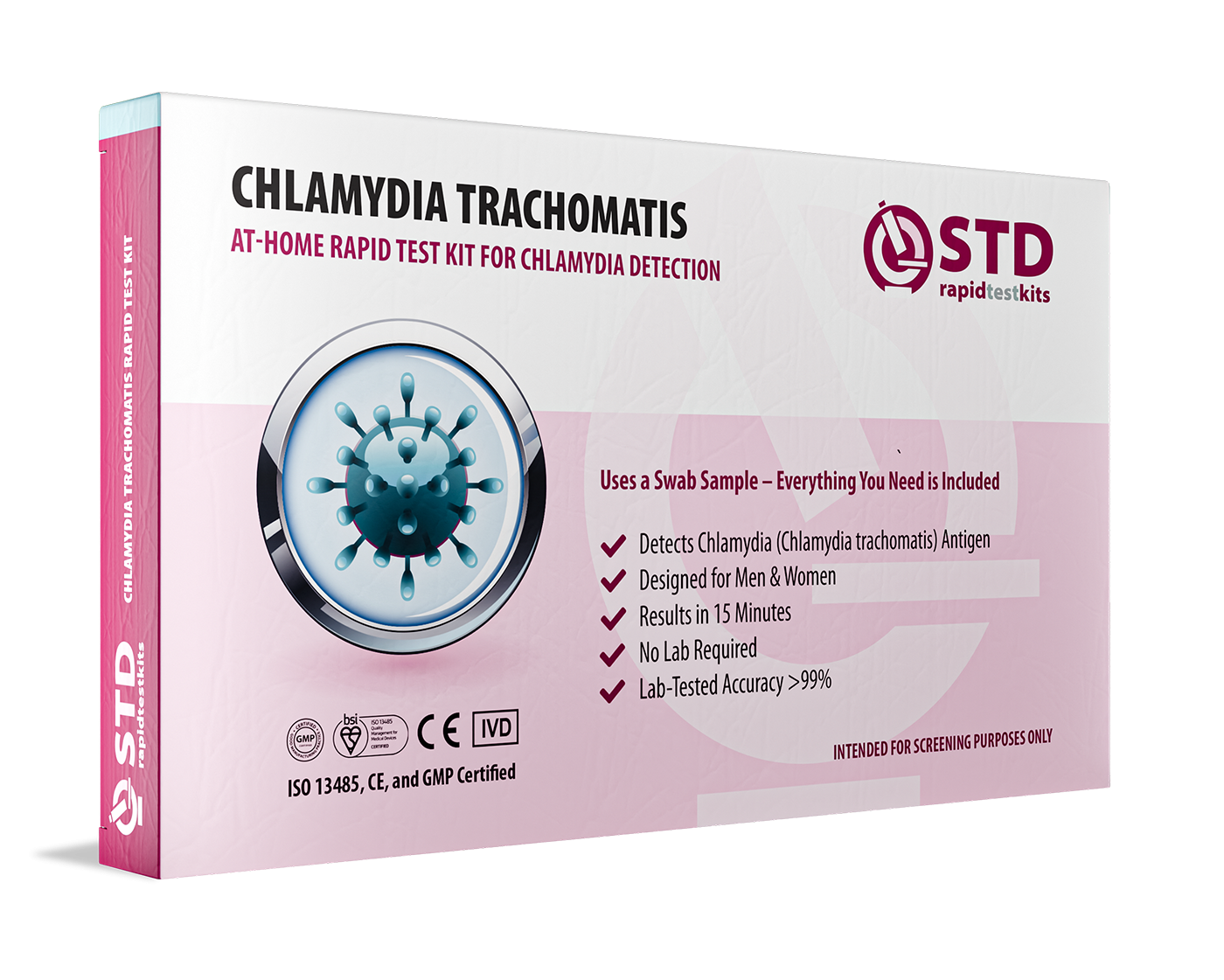
 For Men & Women
 Results in Minutes
 No Lab Needed
 Private & Discreet
Order Now $33.99 $49.00
Chlamydia Without Symptoms: Still Serious, Still Spreading
Let’s be clear: you can have chlamydia, feel totally fine, and still pass it on. That’s what makes this STD so dangerous, not just to individuals, but to partners, too.
Transmission can happen through:
- Vaginal or anal sex
- Oral sex (especially if the throat is infected)
- Sharing sex toys without cleaning
- Even during asymptomatic phases
Some people carry chlamydia for months, or even years, without a single warning sign. That includes people in long-term relationships, people who got it before their current partner, or those who think monogamy = immunity. Spoiler: it doesn’t.
Real Talk: Just because you “feel fine” doesn’t mean you’re in the clear. Testing is the only way to be sure.
Symptomatic vs Asymptomatic Chlamydia Outcomes
| Chlamydia Type | What You Experience | What Can Still Happen |
|---|---|---|
| Symptomatic | Burning, discharge, pain, spotting, pelvic/testicular discomfort | Reproductive damage, inflammation, partner transmission |
| Asymptomatic | No obvious symptoms; feels normal | Same risks, infertility, PID, spreading to others |
Table 2. Chlamydia doesn’t need symptoms to cause harm. Testing is the only difference between early treatment and long-term damage.
“I Thought It Was My IUD”
Lucia, 32, had mild cramping and some spotting, which she chalked up to her IUD. “It wasn’t painful, just annoying,” she said. But after three months of weird discharge and spotting during workouts, she got tested. It wasn’t her IUD, it was chlamydia. “I felt betrayed by my body. But I’m glad I caught it before it turned into PID.”
This is the chlamydia trap: we explain symptoms away. Life is stressful. Periods are unpredictable. Discharge varies. But behind those everyday changes, something more serious might be hiding.
When to Test, Even If You’re Not Sure
If you’ve had any of the following, it's time to test, even if you’re symptom-free:
- A new sexual partner in the past 3–6 months
- Unprotected vaginal, oral, or anal sex
- A partner who tested positive or had symptoms
- Spotting or burning that doesn’t feel “normal”
- Past chlamydia diagnosis (yes, it can come back)
You don’t need to “earn” a test by feeling sick. You just need a reason to protect your body, and that reason can be as simple as: I’m not taking chances anymore.

People are also reading: STD from a Piercing? Why It’s Rare, But Not Impossible
When It’s Not Chlamydia, But Feels Like It
Chlamydia isn’t the only thing that causes burning, discharge, or pelvic pain. In fact, that’s part of the problem. The symptoms overlap so closely with other infections and everyday issues that most people (and even some providers) don’t think “STD” first.
Here’s where it gets tricky: you might assume it’s a yeast infection, a urinary tract infection (UTI), or just hormonal changes, especially if you’ve had those before. But that assumption can delay the right diagnosis.
| Condition | Overlapping Symptoms | How It’s Different from Chlamydia |
|---|---|---|
| UTI | Burning pee, urgency, pelvic pressure | Usually doesn’t cause spotting or discharge; no transmission through sex |
| Yeast Infection | Itching, thick discharge, redness | Discharge is clumpy, not watery; doesn’t cause pain during urination |
| Bacterial Vaginosis (BV) | Fishy odor, discharge, mild irritation | Not an STD; discharge often grayish, not associated with bleeding or pain during sex |
| Chlamydia | Burning, discharge, spotting, pain during sex, pelvic pain | Can be silent or mimic all of the above, needs testing to confirm |
Table 3. Why self-diagnosis is risky: chlamydia mimics common infections, but only a test can tell the difference.
Symptom Confusion: “I Swore It Was a UTI”
Tyrell, 27, figured the burning and pelvic pressure were from a UTI. He drank cranberry juice, upped his water intake, and waited.
“It helped for like a day, but then I noticed some discharge,” he said. “That’s when I knew something wasn’t right.”
UTIs aren’t just a “female” issue, people of all genders get them. But if treatment doesn’t work, or symptoms return fast, it’s time to think beyond the usual suspects. Especially if you’ve been sexually active with new or multiple partners.
Why Symptoms Vary Between Genders
Chlamydia can show up differently depending on your anatomy, not just your gender identity, but the parts you have. That’s why one-size-fits-all symptom lists often miss the mark.
- For people with a cervix: The infection often climbs silently through the reproductive tract. It can cause spotting, pelvic pain, or painful sex as it reaches the uterus or fallopian tubes.
- For people with a penis: Symptoms usually involve burning, itching, or discharge at the urethral opening. Pain in one testicle can also be a red flag. But again, many go symptom-free.
Chlamydia doesn’t discriminate by gender, it simply reacts to where it lands. Vaginal sex, anal sex, oral sex, they all carry risk. The only constant? If it goes undetected, it can quietly do damage in any body.
Check Your STD Status in Minutes
Test at Home with Remedium7-in-1 STD Test Kit
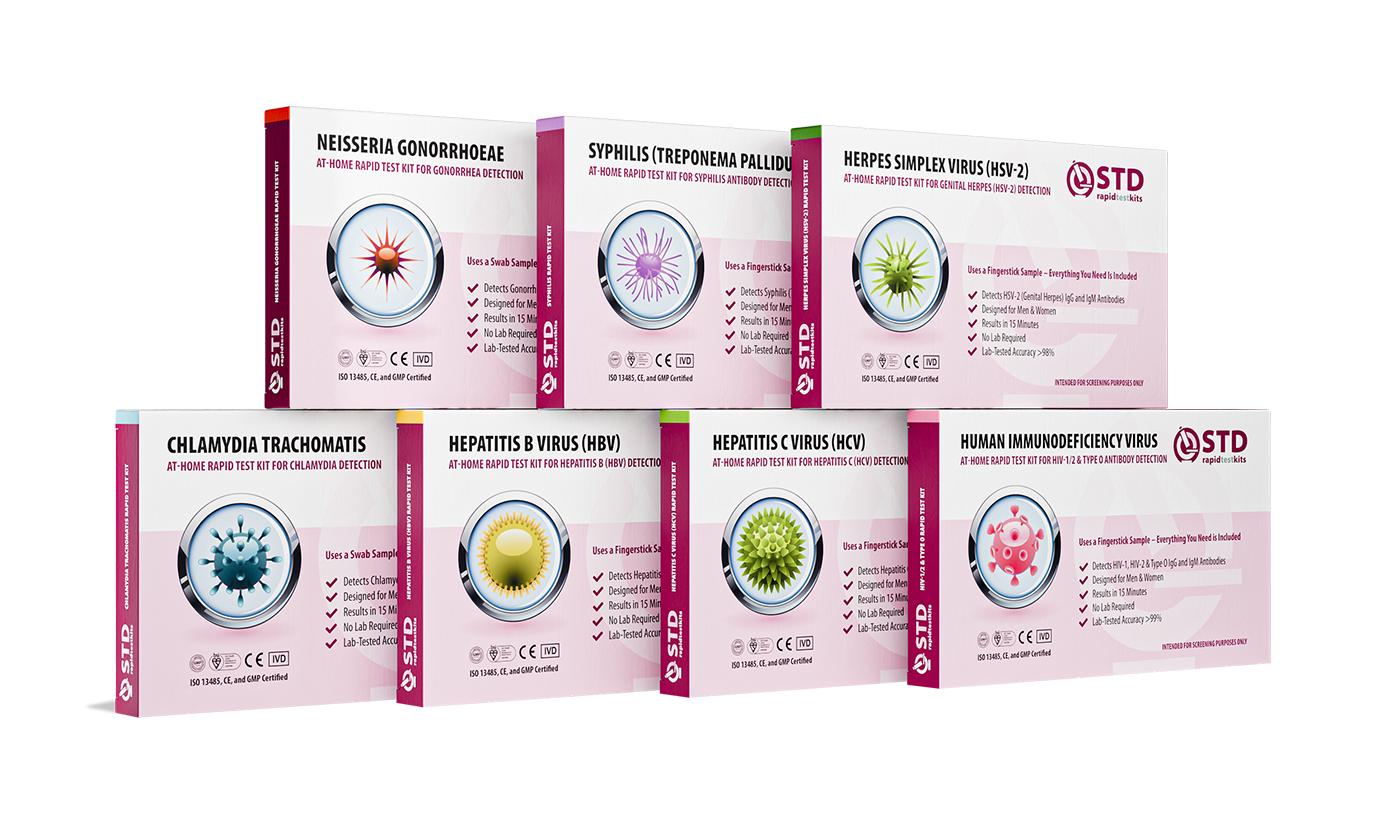 For Men & WomenResults in MinutesNo Lab NeededPrivate & Discreet
Order Now $129.00 $343.00
For all 7 tests
FAQs
1. Can I really have chlamydia and feel totally fine?
Yup, and that’s what makes it so dangerous. Most people with chlamydia feel absolutely nothing. No burn, no discharge, no pain. But under the radar? It’s still inflaming your reproductive organs and putting partners at risk. Silent doesn’t mean safe.
2. What does it actually feel like when you do have symptoms?
For some, it's a weird sting when you pee. For others, it’s cloudy discharge, light spotting, or a “meh” pelvic ache that feels easy to ignore. There’s no one-size-fits-all here. The symptoms range from “barely noticeable” to “can’t sit still” pain, so don’t wait for fireworks.
3. Is spotting after sex something to worry about?
If it’s random and keeps happening, yes. Especially if you're not on hormonal birth control or haven't changed partners recently. Chlamydia can irritate the cervix, and spotting after sex is a top red flag that people dismiss as “maybe it was too rough.” Better safe than bleeding.
4. I swore it was a UTI, why didn’t antibiotics help?
Because chlamydia isn’t a UTI. They just look alike on the surface: burning, urgency, that “I need to pee again” feeling. But UTI antibiotics won’t treat chlamydia. If symptoms keep coming back or never fully went away, STD testing is your next move.
5. How long does it take for chlamydia to show up?
If symptoms are going to appear, it’s usually within 1–3 weeks after exposure. But here’s the kicker: many people never get symptoms at all. That’s why the calendar can’t be your guide. Regular testing beats guesswork every time.
6. Can chlamydia really make me infertile?
Unfortunately, yes, if it’s left untreated. In women and people with a uterus, it can cause pelvic inflammatory disease (PID), which leads to scarring and blocked tubes. In men, it can mess with the epididymis and reduce sperm quality. Testing = prevention.
7. What if I already had chlamydia once, can I get it again?
100%. Past infection doesn’t give you lifelong immunity. If you’ve been treated before but are re-exposed, you can catch it again. That’s why testing after new partners or if a previous partner wasn’t treated is key.
8. Is it weird to test even if I have no symptoms?
Not at all. It’s smart. Honestly, it's becoming more common for people to test proactively, before symptoms, before sex with a new partner, or just during routine checkups. Normalizing testing is how we stop stigma in its tracks.
9. Do men show fewer symptoms than women?
Not always fewer, but often different. Men might notice discharge or burning sooner, while women can go longer before anything feels off. Anatomy plays a role, but so does awareness. Either way, both can be asymptomatic and both can pass it on.
10. How do I get tested without a whole clinic ordeal?
Easy. At-home STD test kits let you check privately, quickly, and on your own schedule. Pee in a cup, swab, or do a quick finger prick depending on the kit, it’s discreet, fast, and just as accurate. No waiting rooms. No weird vibes.
How to Stop Guessing and Start Knowing
Still unsure what’s going on in your body? That’s okay. Most people don’t know for sure without testing, and pretending everything is “probably fine” only delays answers. The sooner you know, the sooner you can treat it, heal, and move forward.
This discreet combo STD test kit lets you check for chlamydia and other common infections from home. No awkward conversations. No long clinic waits. Just clarity.
You deserve to feel safe in your body, and getting tested is how you reclaim that safety.
How We Sourced This Article: We combined the latest clinical guidelines with trusted health publications, real patient stories, and data from verified STD test kit providers. Our goal is to help you recognize the signs of chlamydia, whether they’re loud, subtle, or missing altogether. Below, we’ve highlighted some of the most relevant and reader-friendly sources.
Sources
1. NHS – Chlamydia Symptoms and Treatment
2. Planned Parenthood – Chlamydia
4. CDC — Chlamydial Infections Treatment Guidelines
About the Author
Dr. F. David, MD is a board-certified infectious disease specialist who works with people on STI testing and sexual health education. He uses his clinical knowledge and real-world experience to break down shame and improve early detection..
Reviewed by: Kendall Vance, NP | Last medically reviewed: October 2025
This article is for informational purposes only and is not a substitute for professional medical advice, diagnosis, or treatment.


