





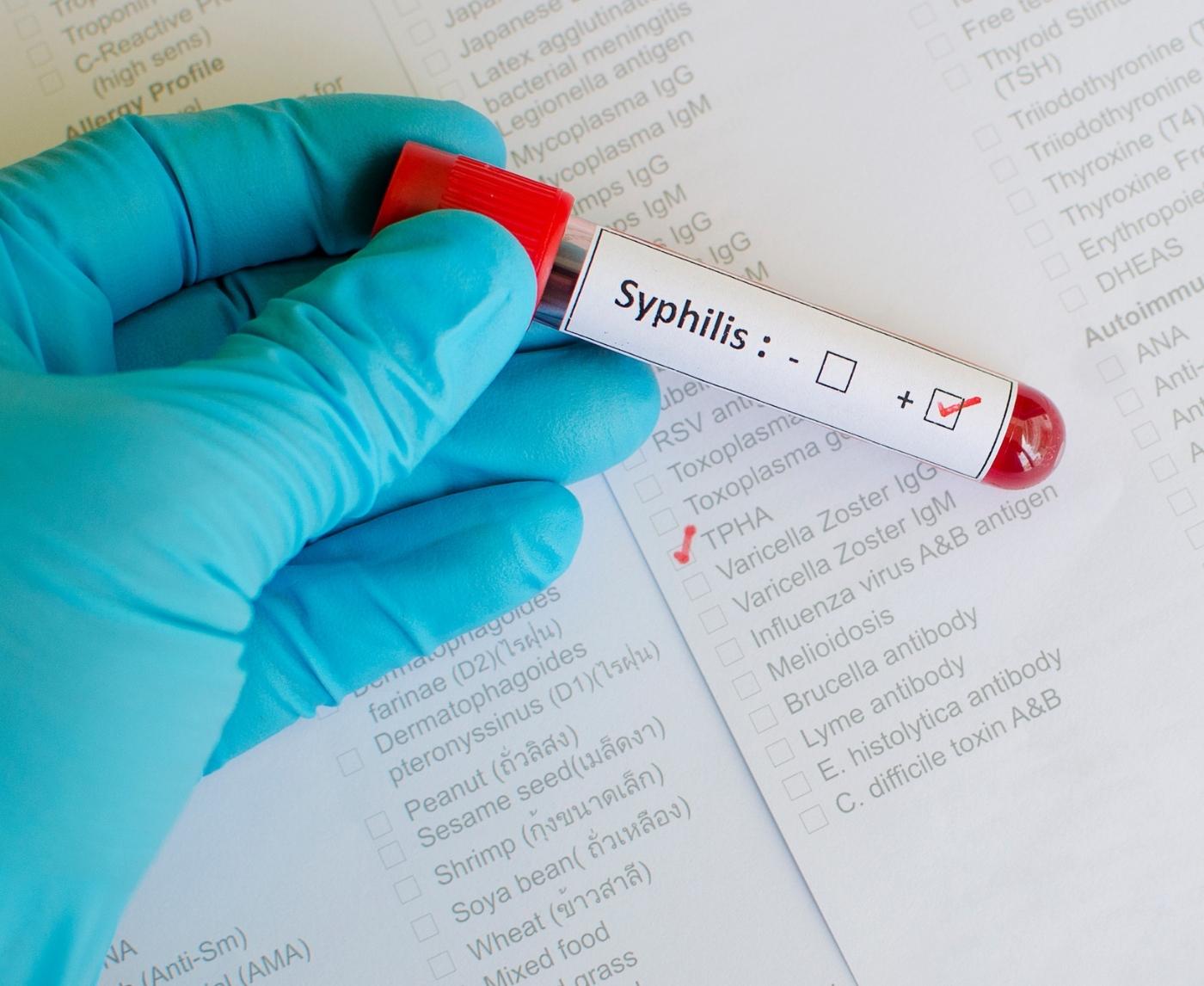

Quick Answer: Rapid STD tests work best when done after the right window period and give results in 10 to 20 minutes. The lab and PCR tests are more accurate, but they take 1 to 5 days. Pick based on how long it's been since you were exposed, what symptoms you have (if any), and whether you want to be sure of your diagnosis or just feel better.
Why This Guide Exists (And Who It’s For)
If you're googling from a gas station parking lot, lying in bed with a weird itch, or pacing outside a pharmacy with a test kit in your coat pocket, this article is for you. Maybe your hookup was spontaneous, or maybe your partner told you something that made your stomach drop. Maybe you just want to be sure before moving forward with someone new. What matters is that you’re here now, and you want to make the best decision quickly.
This guide is for people who don’t have time to wait five business days for results. It's for folks who value privacy, who live in small towns where walking into a clinic could feel like broadcasting your personal life. It’s for those who've been burned by the system before, whether through stigma, long waitlists, or confusing results. Most of all, it’s for anyone who wants to understand their options clearly, without shame or fluff. Testing is an act of care, not confession. Let’s walk through what your options really look like.
What’s the Difference Between Rapid, PCR, and Lab STD Tests?
Picture this like three different paths to the same destination: answers. One’s a shortcut through your living room, one’s a steady walk to the mailbox, and one’s a more formal route through a clinic waiting room. All of them lead to results, you just have to choose the pace and privacy that fit your vibe.
Let’s start with rapid tests. These are the no-fuss, results-in-minutes kind of tests. If you've ever taken a home COVID test or peed on a stick for a pregnancy check, you're already familiar with the tech: lateral flow. You collect your sample (maybe a finger-prick of blood, maybe a vaginal swab), drop it into a cassette, and wait for the lines to show up. It's kind of like instant coffee, you get what you need fast. Most rapid tests look for antigens or antibodies, so they're great for quick checks, especially for things like syphilis or HIV.
Then there’s the deeper-dive option: lab-based PCR or NAAT tests. These tests don’t just check if your body’s reacting to an infection, they look for the infection’s actual DNA. Think of them like microscopic detectives. That precision comes with a trade-off, though. These tests usually require mailing your sample to a certified lab or visiting a clinic that has the gear to process it. They’re incredibly accurate, especially early in an infection, but results take longer, anywhere from 2 to 5 days, depending on the lab’s speed. Some urban clinics can get them back fast; rural spots or high-volume weeks may take longer.
So which one is right for you? If you need quick reassurance after a hookup or a travel scare, a rapid test might be your best friend. If you’ve got persistent symptoms or just want to be 100% sure, a lab test brings the receipts.
Here’s how they stack up when it comes to speed, privacy, and accuracy:
| Test Type | Privacy | Speed | Accuracy | Good For |
|---|---|---|---|---|
| At-Home Rapid Test | Very High | 10–20 minutes | Moderate to High | Quick peace of mind, travel or hookup check |
| Mail-In Lab Test | High | 2–5 days after mailing | High | Thorough screening with home privacy |
| Clinic-Based PCR / NAAT | Moderate | Same-day to several days | Very High | Persistent symptoms, early detection, in-person care |
Figure 1. Comparison of STD test types by privacy, speed, and accuracy. Always consider the timing of your last exposure to improve accuracy.
How Timing Affects Which Test You Should Trust
Imagine you had sex three nights ago. You’ve noticed nothing weird, but something about the experience is making you second-guess. You want to test now, but here’s the hard truth: testing too early can give you a false sense of security. That’s where window periods come in.
The window period is the time between exposure and when a test can reliably detect an infection. Different STDs have different windows. For example, Chlamydia and Gonorrhea can be picked up by PCR testing around 7 days after exposure. Rapid tests for Syphilis or HIV might not show positive until several weeks in. If you test too early, even the most accurate test might come back negative, not because you're in the clear, but because your body hasn't produced enough markers yet.
In one real case, a 29-year-old named Carlos used a rapid HIV test five days after a condom broke. The result came back negative, and he exhaled in relief. But a week later, he developed flu-like symptoms. A follow-up PCR at a clinic confirmed an early HIV infection. His mistake wasn’t choosing a rapid test, it was testing during the window period. He wasn’t wrong to want fast answers. He just needed the right kind of follow-up.
Here’s a deeper look at common STDs and their testing windows:
| STD | Earliest Detection (Rapid) | Peak Accuracy (PCR/NAAT) |
|---|---|---|
| Chlamydia | 7–14 days | 14+ days |
| Gonorrhea | 7–14 days | 14+ days |
| Syphilis | 3–6 weeks | 6–12 weeks |
| HIV | 3–6 weeks | 6–12 weeks (Ag/Ab), 10–33 days (NAAT) |
| Trichomoniasis | 5–28 days | 2–4 weeks |
Table 2: Typical detection windows for common STDs. Timing matters more than test type when you're choosing between rapid and lab-based methods.
People are also reading: Queer, Unvaccinated, and At Risk: How HPV Hits Gay Men Hardest
Feeling Symptoms? Here’s When to Trust a Rapid Test
Now let’s say you’re not just anxious, you’re feeling something. A strange discharge, burning when you pee, maybe a sore that wasn’t there two days ago. You’re hoping it’s just irritation or a UTI, but you can’t shake the gut feeling that it’s more. In these moments, a rapid test can feel like a lifeline. But it has to be used wisely.
If you’re actively symptomatic, a rapid test may catch infections like Trichomoniasis, Syphilis, or HIV, but only if your body has already developed detectable markers. For example, antibody-based rapid tests rely on your immune response. If symptoms appear early, your body may not have produced enough antibodies yet. That’s where PCR tests shine, they can often detect the pathogen itself, not just your body’s response.
Take Jules, a 24-year-old grad student who started feeling a burning sensation three days after a partner disclosed they’d recently tested positive for Chlamydia. Jules immediately took a rapid test at home. It came back negative. Still unsure, she followed up with a mail-in PCR test. That second test confirmed the infection. Jules later said, “The rapid test helped me take action, but I’m glad I didn’t stop there.”
This is the best way to frame it: rapid tests are great for initial reassurance or when follow-up is hard. But when symptoms are obvious, or high-risk exposure is confirmed, confirmatory testing should follow. Especially if the first result is negative and you still feel “off.”
Tested Too Early? Here’s How (and When) to Retest
Let’s revisit that pit-in-your-stomach moment after a potential exposure. Maybe you tested two days later. The result was negative, but it hasn’t stopped you from replaying every detail in your head. This is where retesting becomes your safety net, not a sign of paranoia.
Every type of test, whether rapid or lab-based, has its own sweet spot. For most common STDs, especially those detected by PCR, the gold-standard timing is about 14 days post-exposure. Testing earlier is not wrong, especially if you’re symptomatic or need fast peace of mind. But a negative result within that first week is not a guarantee. It’s a snapshot, not a final answer.
If your rapid test is negative but your risk was high, say, a broken condom, or exposure to a partner who recently tested positive, plan to retest at the 14-day mark. Then again around 30–45 days if you remain exposed or symptoms evolve. This timeline also works if you’ve already started treatment for a suspected infection. Testing too soon after antibiotics can sometimes yield false negatives or misleading positives due to lingering antibodies or DNA fragments.
Here’s a general guide that helps frame retesting logic depending on your situation:
| Situation | First Test Timing | When to Retest | Recommended Test Type |
|---|---|---|---|
| Symptomatic within 5 days of exposure | Immediately (rapid or PCR) | 10–14 days post-exposure | PCR or NAAT |
| High-risk exposure but no symptoms | 7–10 days post-exposure | 14 days + 30 days follow-up | Mail-in PCR + Rapid retest |
| Treatment recently started | After symptoms resolve | 3–4 weeks post-treatment | PCR (avoid testing during meds) |
| Peace of mind before new partner | 14 days after last exposure | Only if new exposure occurs | Rapid test or lab panel |
Table 3: Suggested retesting windows and methods depending on your situation. Timing matters as much as the test type you choose.
Remember: there’s no shame in double-checking. A retest doesn’t mean you were irresponsible, it means you’re taking control. Testing should be treated like seat belts: better to use it twice than regret it once.
Clinic Test vs Home Test: What It Feels Like on the Ground
Let’s talk about real-life logistics. For some people, going to a clinic is easy. You book an appointment, show up, give your samples, and wait for results. But for others, the idea of walking into a public health building, waiting in line, and explaining your sex life to a stranger feels paralyzing.
Naima, a 31-year-old who lives in a small town, described the dilemma perfectly: “I knew the clinic nurse. Our kids are in the same soccer league. I couldn’t go there. I just couldn’t.” Instead, she ordered an at-home test kit. The box arrived in discreet packaging. She collected the sample early in the morning before work, dropped it at the post office, and had results by the end of the week. That’s the quiet dignity that at-home tests offer, especially in communities where privacy feels fragile.
On the flip side, Marco, 22, had persistent symptoms that didn’t match anything he could find online. He went to a walk-in sexual health clinic in his city. There, a nurse practitioner listened, examined him, and ran a full panel including a throat swab and rectal PCR. “It was validating,” Marco said. “Like I wasn’t just overthinking it.”
Both experiences are valid. One isn’t better than the other, they serve different needs. Rapid at-home tests shine when discretion, speed, and convenience matter most. Clinics shine when you need hands-on support, broader testing panels, or follow-up treatment.
Whichever path you choose, the goal is the same: clarity, autonomy, and safety. And if your gut says you need answers now? That’s reason enough to act.
Don’t wait and spiral. Your next step could be as simple as clicking this link to order a discreet combo at-home STD test kit. You deserve peace of mind, and you don’t have to wait for it.
Check Your STD Status in Minutes
Test at Home with Remedium7-in-1 STD Test Kit

 For Men & Women
 Results in Minutes
 No Lab Needed
 Private & Discreet
Order Now $129.00 $343.00
For all 7 tests
Shipping, Privacy, and the Waiting Game
There’s something surreal about watching the clock tick while you wait for results, especially when those results are in a lab two states away. For many readers, this waiting period can trigger a rollercoaster of fear, over-analysis, and regret. That’s why speed matters, not just for clinical reasons, but for mental health too.
At-home rapid tests short-circuit that wait. Most kits arrive in discreet, unmarked packaging, with no sender name or medical labeling. Inside, everything you need is organized clearly. You’ll get simple instructions, sterile tools, and a test cassette that doesn’t require a lab. Some tests use blood from a finger prick; others involve a vaginal or urethral swab. Either way, you stay in full control, no waiting room, no awkward small talk, no judgmental glances.
If you opt for a mail-in kit instead, the process is similar, but it adds a few days. You collect your sample, seal it in a prepaid return envelope, and drop it off. From there, the sample is processed at a certified lab. Results are delivered securely, either through a private dashboard or encrypted email. While not as instant, this method combines lab-level accuracy with the comfort of your own home.
One 27-year-old woman, Gabriella, described the mail-in process as “the first time I felt in charge of my sexual health without a doctor breathing down my neck.” That sense of control is what many readers crave, and what home-based testing delivers.
Whether you want it fast, quiet, or both, today's STD testing options give you autonomy. The only question is which one matches your needs right now, not just biologically, but emotionally too.
If Your Test Is Positive, Read This First
Take a breath. That second line, that word on the screen, it can punch the air out of your chest. But here’s what you need to know: you’re not broken, and this moment doesn’t define you. Testing positive is more common than you think, and most STDs are treatable or manageable. You did the right thing by testing. Now it’s time to move from panic to plan.
Start by confirming your results. If you used a rapid test and got a positive result, follow up with a lab-based test, especially if you’re asymptomatic or within the window period. False positives are rare, but they do happen. PCR tests or antibody confirmations are usually recommended next. Some at-home services even include telehealth options to discuss your results privately.
The next thing to do is get treatment and tell your partner. If you have a bacterial infection like Chlamydia or Gonorrhea, you usually only need to take antibiotics for a short time. Your primary care doctor, an online clinic, or an urgent care center can all give you prescriptions. It can be hard to tell partners, but there are anonymous ways to do it. TellYourPartner.org is one resource that lets you send notification messages without giving away who you are.
Here’s how one person, Renee, described her experience: “I tested positive for Syphilis using a rapid kit. I cried for 30 minutes, thinking my life was over. But I booked a telehealth consult that same day. By Friday, I had treatment in hand. It wasn’t the end, it was the start of me owning my health.”
If you're reading this in the middle of that gut-dropping moment, come back to this truth: testing doesn’t cause the infection, it reveals it. And once you know, you can act. You are not alone, and you are not dirty. You’re just human. And you’re doing the right thing.
If you’re ready to move forward, consider this option: a discreet test kit that meets you where you are. No clinic visits. No judgment. Just you, your truth, and the support you need to take the next step.

People are also reading: I Got Herpes and I Never Even Had Sex
FAQs
1. Can I test for an STD the day after I had sex?
You can, but the test probably won’t catch anything yet. Most STDs take time to show up, like, your body needs a few days (or weeks) to react in a way that’s testable. Think of it like trying to take a pregnancy test an hour after sex: the science just isn’t there yet. If it’s been less than a week, go ahead and test if you’re freaking out, it can help ease your mind. But plan to retest around day 14 for a more accurate read.
2. Are rapid STD tests legit?
Yeah, they’re not some scam from the back of the internet. Most at-home rapid kits are FDA-cleared and use the same principles as rapid HIV or COVID tests. Are they perfect? No. But if you use them at the right time and follow directions, they’re shockingly reliable. For the best odds, don’t test too soon, and double-check a positive with a lab test. That’s not a failure, it’s just how smart testing works.
3. I tested negative on a rapid test, but something still feels off. Now what?
Trust your gut. If you’re itching, burning, spotting, or just feeling... off? A negative result doesn’t mean you’re imagining things. It might’ve been too early to test, or you could be dealing with something the test didn’t check for. Book a PCR or NAAT test, or order a broader panel. You’re not being dramatic, you’re being proactive.
4. Do I have to go to a doctor to get treated if I test positive?
Not necessarily. If you use a mail-in lab test, many services offer telehealth and prescriptions if you test positive. Some urgent cares can also treat you on the spot. And yep, there are even online STD clinics now that deliver meds to your door. The point is: you’ve got options. Testing positive isn’t a dead end, it’s a detour, and treatment is usually simple.
5. Can I test while on antibiotics?
You can, but the results might be unreliable. Antibiotics start clearing the infection fast, so if you test mid-treatment, you could get a false negative, or worse, a confusing result that leaves you second-guessing everything. Finish your meds, give it a week or two, and test again if you want to confirm it’s really gone.
6. Should I get a full panel or just test for one STD?
Here’s the deal: if you’re reacting to a known exposure (like a partner tested positive for Chlamydia), then a targeted test makes sense. But if it’s been a wild few months, or you're just not sure what you're dealing with, go for the full panel. It saves you stress, covers more ground, and can catch things you didn’t know to look for.
7. What if I'm pregnant or my immune system isn't working right? Is it safe for me to test at home?
Yes, but with a few caveats. Home testing is safe and can be really helpful, but your immune system might respond differently, which could affect some results (especially antibody-based tests). If you’re in this boat, use at-home testing as a first step, but follow up with your OB or doctor just to be thorough.
8. How long do results take, really?
Rapid test? You’ll know in about 15 minutes. Mail-in kits? Usually 2–5 business days once the lab gets your sample. Clinic tests vary, some are same-day, others take longer depending on the lab. If you're glued to your inbox and checking for results every five minutes, you're not alone. We've all been there.
9. Will my results stay private?
Yes. Unless you live in a place with mandatory public health reporting for certain infections (like HIV or Syphilis), your results are yours. Most at-home kits don’t report to anyone. Even mail-in labs use secure dashboards and encrypted emails. No surprise bills, no test results showing up at your family doctor unless you choose to share them.
10. Do I really have to tell my partner?
Short answer: yes. Longer answer: you can do it in a way that protects your dignity. Tools like TellYourPartner.org let you notify someone anonymously. Or you can use a script if the conversation feels impossible. You’re not a villain for testing positive, you’re a hero for breaking the silence and helping someone else get tested too.
You Deserve Answers, Not Assumptions
Whether you’re staring at a rapid test right now or wondering if it’s time to book a lab panel, here’s what matters: testing isn’t about punishment, it’s about power. Knowing your status gives you control over your health, your choices, and your peace of mind. The right test depends on when you were exposed, what symptoms (if any) you have, and how fast you need results. You’re allowed to care about speed and certainty at the same time.
If you're ready to take action, there’s no need to wait. This discreet combo kit checks for multiple STDs with fast results, so you can move forward with clarity, not questions.
How We Sourced This Article: To make this guide helpful, compassionate, and accurate, we drew on peer-reviewed research, real-world experience reports, and the most recent recommendations from leading medical organizations.
Sources
3. STI Screening Recommendations
4. Validation of Rapid Point-of-Care Diagnostic Tests for STIs (PMC)
5. Rapid tests for sexually transmitted infections (PMC)
6. Point-of-Care Testing for Sexually Transmitted Infections (PMC)
7. Reliability of HIV Rapid Diagnostic Tests for Self‑Testing
8. MedlinePlus – STI Tests Overview
9. CDC – Clinical Guidance for STIs
About the Author
Dr. F. David, MD is a board-certified infectious disease specialist who works to stop, diagnose, and treat STIs. He combines clinical accuracy with a straightforward, sex-positive attitude and is dedicated to making his work available to more people in both cities and rural areas.
Reviewed by: [Reviewer Name, Credentials] | Last medically reviewed: October 2025
This article is for informational purposes and does not replace medical advice.


