






Quick Answer: The best time to test for gonorrhea is 7 to 14 days after possible exposure. Testing earlier may miss the infection, especially if symptoms like burning are just starting. If symptoms persist, a retest is essential.
Who This Guide Is For (And Why It Matters)
This article is for anyone who trusted the test but still doesn’t feel right. Maybe your first test was negative, but now it burns when you pee. Maybe you don’t have discharge or classic signs, but something is definitely off. If you’re a woman, a man, or anywhere on the gender spectrum, this guide is for you. Gonorrhea symptoms don’t follow a script, and neither should your care.
Whether you’re in a long-term relationship, just came back from a trip, had a hookup last weekend, or are quietly panicking post-hookup while waiting for results to make sense, know this: testing is not about blame. It’s about clarity, safety, and preventing long-term damage. We’re going to talk timing, symptoms, accuracy, and what to do when your gut says yes but your test says no.
People are also reading: How Herpes Spreads Through Kissing (Even Without Symptoms)
What Actually Counts as a Gonorrhea Test?
The most accurate way to test for gonorrhea is with a NAAT (nucleic acid amplification test), which detects bacterial DNA. These tests are usually done on a urine sample, vaginal swab, throat swab (for oral sex exposure), or rectal swab (for anal sex exposure). At-home rapid tests are also available and can offer peace of mind fast, but depending on when you use them, they might not catch an early infection.
According to CDC guidance on gonorrhea testing, NAATs are the gold standard. They’re extremely accurate, but only when taken at the right time. Test too early, and even the best labs might not detect the bacteria. You can order a discreet kit here: Gonorrhea Test Kit or explore combo kits that test for multiple infections at once.
Window Periods: How Long to Wait After Exposure
The window period is the time between exposure and when a test can reliably detect infection. For gonorrhea, symptoms can begin within 1–5 days, but accurate testing usually requires waiting at least 7 days. This delay is what causes so much confusion: your body might be reacting before the test can catch it.
| STD | Common Test Type | Sample Type | Window Period | Best Time to Test |
|---|---|---|---|---|
| Gonorrhea | NAAT (PCR) | Urine or swab | 5–7 days | 7–14 days after exposure |
| Chlamydia | NAAT (PCR) | Urine or swab | 5–7 days | 7–14 days |
| Syphilis | Blood test (antibody) | Blood | 3–6 weeks | 6 weeks+ |
Figure 1. Gonorrhea typically becomes detectable by NAAT within 7 days post-exposure. Early testing can miss it. Source: CDC, Mayo Clinic.
This Isn’t Just Razor Burn, And Here’s Why
Burning with urination is a classic symptom of gonorrhea, but it’s also shared by other infections, irritants, and even dehydration. Still, when it shows up after unprotected sex, your brain goes straight to worst-case scenarios.
Let’s walk through it. If it burns when you pee, but your test was done 2–5 days after exposure, the result could easily be too early to detect the infection. This is especially true if you don’t have discharge (which isn’t always present in people assigned female at birth).
One man, Devin, 27, tested himself at home three days after a spontaneous weekend hookup.
"It burned a little on day two, and I freaked out. Ordered a test kit, got the results back, negative. Then by day five, the burning was worse. I went to urgent care. That test came back positive.”
Devin’s story is common. It doesn’t mean the test failed, it means it was premature.
If you’re here reading this, it likely means you’re still uncomfortable. That’s a red flag your body is waving, even if the paper says otherwise.
Timing Is Everything: When to Test (and When to Retest)
Let’s break down what to do based on timing and symptoms. This decision-tree style logic is grounded in actual case patterns, clinical guidance, and what we’ve seen in patients who tested too early.
If it’s been fewer than 5 days since exposure, your symptoms may be real, but the infection may not yet be detectable. This is the hardest window emotionally, because symptoms like burning or tingling can start while the bacteria is still below test thresholds. Early testing is okay, but know it’s often too soon. A retest is likely needed at day 7–14.
If it’s been 7 to 13 days, this is the “sweet spot” where NAATs and rapid tests are more likely to detect an active gonorrhea infection. Still, some people may need to wait the full 14 days, especially if symptoms are mild or inconsistent.
If it’s been 14 days or more and you're still burning but your test is negative, it’s time to ask: Was the sample accurate? Was the right area tested (oral, rectal, vaginal, urethral)? Was it a true negative, or a false reassurance? If no other cause is found, a second test is warranted.
Take Nia, 24, who tested at a clinic 6 days after a new partner. “They told me everything was negative. But I was still peeing fire. I went back at two weeks and boom, positive for gonorrhea. It felt like a betrayal, like the first test lied.”
False negatives don’t mean the test failed. They mean the clock was still ticking. That’s why retesting isn’t overkill, it’s how you get answers your body already knows.
If your head keeps spinning, peace of mind is one test away. This discreet combo test kit checks for the most common STDs, including gonorrhea, in one easy step.
Rapid At-Home vs Clinic Testing: What’s the Difference?
All gonorrhea tests are not created equal, especially when you're dealing with early or borderline cases. Let’s compare:
| Method | Privacy | Speed | Accuracy | Best For... |
|---|---|---|---|---|
| At-Home Rapid Test | Very high | 10–20 minutes | Moderate to high | Quick reassurance when symptoms appear |
| Mail-In Lab Test | High | 2–3 days | High | Window period sensitivity without clinic visit |
| Clinic-Based NAAT | Lower | Same-day to 3 days | Very high | Full-spectrum STI panel, insurance coverage |
Figure 2. Comparing test methods. Choose based on timing, urgency, and your comfort level with in-person care.
Some people start with a rapid test while waiting to retest by mail. Others skip the clinic because of cost or shame. All valid. What matters is doing what works for your timeline and mental bandwidth. No test is wrong. Testing too early and stopping there? That’s where problems start.
When Symptoms Lie (And When They Don’t)
Can you have gonorrhea without discharge? Yes. Can burning come from something else? Also yes. But here’s the catch: your symptoms are still telling you something.
Burning with no discharge could mean a localized urethral infection, irritation from a new lube or condom brand, or even dehydration. But if you recently had unprotected sex, or protected sex with a condom that broke, you’re in a high-risk category.
Women, trans folks, and nonbinary individuals assigned female at birth are especially at risk of under-detection. The urethra is harder to swab, symptoms may be milder or internal, and discharge may be minimal. Don’t ignore that little twinge or low-key burn, it could be signaling a silent infection.
For men, a burning sensation can signal more than just a bladder issue. CDC treatment guidelines emphasize that even mild urethral burning in men who’ve had recent sexual exposure warrants testing and retesting if needed.
Trust your discomfort. If your body says “not okay,” even a negative result isn’t the final word.
People are also reading: How to Tell a Partner You Might Have Given Them an STD
How to Reduce False Negatives (and False Peace of Mind)
Testing negative feels like a relief, until the burning stays. The truth is, false negatives for gonorrhea happen for a handful of very fixable reasons. Most have nothing to do with lab error and everything to do with timing, sample accuracy, or how the test was done.
- Testing too soon. Gonorrhea bacteria need time to multiply enough to be detectable. Testing before day 7 post-exposure increases the risk of missing the infection.
- Wrong sample site. Gonorrhea can infect the throat, rectum, or urethra, areas often missed by single-site testing. If you only did a urine test but had oral sex, a throat swab may be needed.
- Diluted samples. Drinking lots of water before testing can dilute the urine, lowering bacterial concentration and detection accuracy.
- Antibiotic interference. If you took antibiotics for a UTI, acne, or another infection shortly after exposure, they may suppress gonorrhea just enough to skew test results without curing it fully.
- Improper swabbing. Some at-home users report “barely touching” the swab to avoid discomfort. Unfortunately, that can make a big difference in accuracy. Always follow instructions fully, even if it’s awkward.
The good news? These are all fixable. You can retest accurately at home or through a clinic once 7–14 days have passed and you’ve avoided antibiotics for at least 48 hours. Every kit from STD Rapid Test Kits includes clear, step-by-step directions written for real people, not lab techs.
When to Retest After a Negative Gonorrhea Result
If your initial test was negative but you still have symptoms, or if you tested early, plan a retest. Here’s a practical guide to help you decide when:
| Scenario | Recommended Retest Window | Reason |
|---|---|---|
| Tested before 7 days post-exposure | Retest at day 14 | Early test may not have detected infection |
| Persistent burning or discharge after negative test | Retest after 7 days | Could indicate early or partial infection missed earlier |
| Recent antibiotic use | Retest 2 weeks after finishing antibiotics | Medications can mask infection temporarily |
| Partner tested positive | Retest after 7 days from last sexual contact | Even if you’re symptom-free, exposure risk is high |
Table 3. Retesting recommendations for different exposure and symptom scenarios. Source: CDC & Mayo Clinic timing guidance.
Retesting isn’t paranoia, it’s standard care. According to WHO guidelines, re-screening after treatment or early testing is crucial for preventing re-infection and ensuring no missed diagnoses. If symptoms linger despite a “negative,” don’t hesitate to double-check.
It's not paranoia to want to be tested again; it's normal care. The World Health Organization (WHO) says that re-screening after treatment or testing early is very important for stopping re-infection and making sure that no diagnoses are missed. If you still have symptoms after a "negative," don't be afraid to check again.
What if you still don't feel right after a negative test?
You may have tested twice and still feel that annoying burn, itch, or ache. It's easy to get scared, but there are other reasons besides gonorrhea.
Think about overlapping infections first. Chlamydia, trichomoniasis, mycoplasma genitalium, and even ureaplasma can all make you feel like you have gonorrhea. You can use a combo STD test kit to check for more than one infection at once, which saves time and confusion.
Second, bladder inflammation or urethritis can last even after an infection is gone, especially if your immune system is still working. Your doctor may check for non-gonococcal urethritis, which has symptoms that are similar to those of gonorrhea but are caused by something else.
And finally, sometimes anxiety itself heightens body awareness. The burn feels worse because your nervous system is on high alert. That doesn’t make the pain imaginary, it just means you need clarity, not shame.
Lea, 30, described it best:
“I was so sure something was wrong that I took five tests in three weeks. It turned out to be inflammation from a yeast infection and my nerves were fried. Once I got proper treatment, the pain faded. But waiting without answers was hell.”
Whether it’s infection, irritation, or inflammation, you deserve relief. Start with the right timing and the right test, and trust your instincts until they’re proven otherwise.
What If You Test Positive?
First, take a deep breath. A positive test result isn’t a moral failure, it’s an invitation to treat something early, protect your body, and protect your partners. Gonorrhea is common, treatable, and often gone in a single round of antibiotics. But catching it is critical, especially before it spreads to the reproductive tract or causes long-term complications like PID (pelvic inflammatory disease) or epididymitis.
The next steps? Follow up with a provider, clinic, or telehealth service. You can share your at-home result and ask for confirmatory testing if needed. Your partner(s) should be notified and tested too, even if they feel fine. Many gonorrhea cases are silent, but still infectious.
Jay, 33, got his positive test result while sitting in his car before work.
“I just stared at the cassette for 10 minutes. I didn’t even feel sick. I didn’t want to tell anyone. But then I thought, what if they gave it to me without knowing? Or I gave it to someone else? That’s when I knew I had to act.”
Choosing action doesn’t erase the anxiety, but it puts you back in control. You’ve got options. You’ve got time. You’ve got help.
Check Your STD Status in Minutes
Test at Home with Remedium3-in-1 STD Test Kit
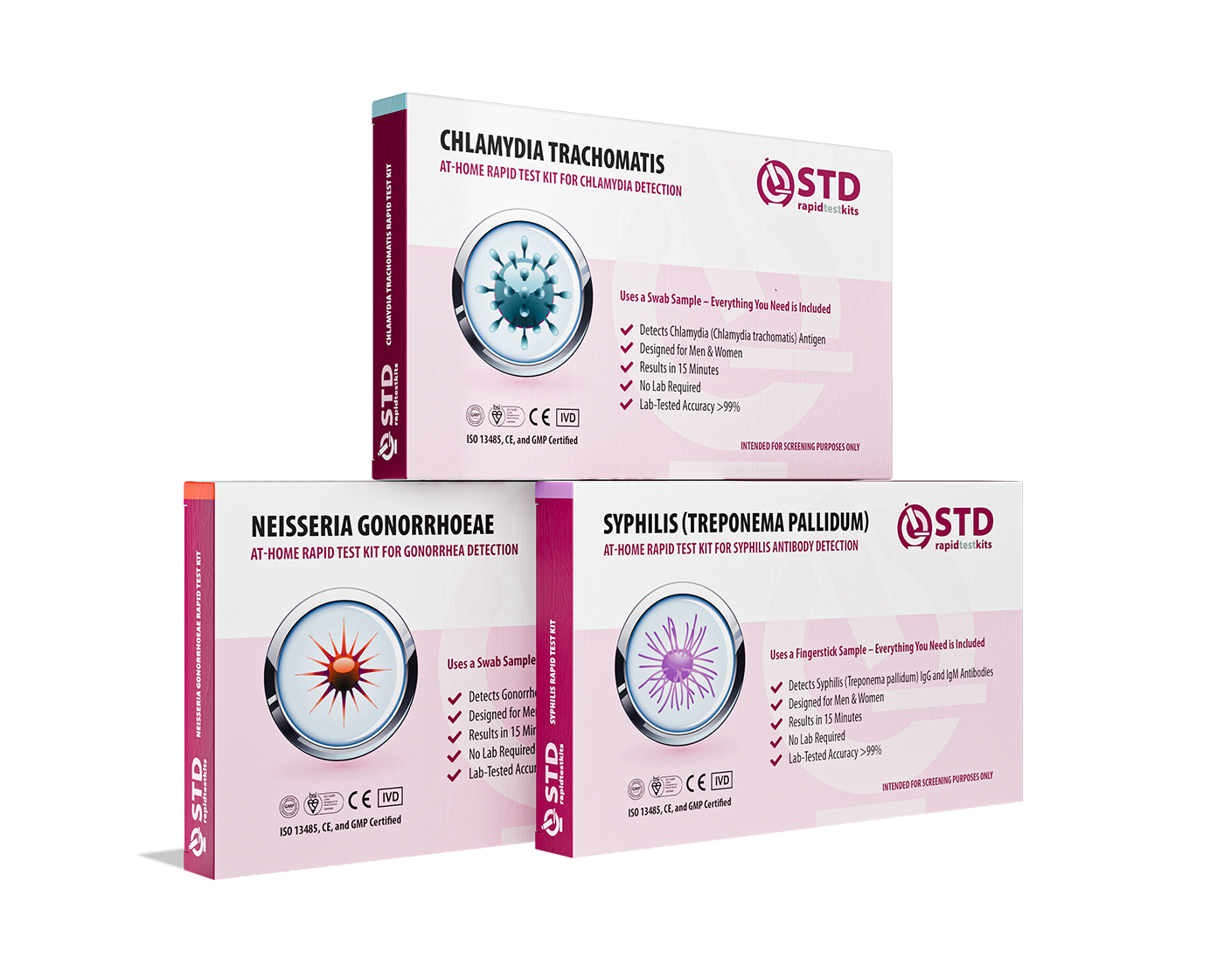
 For Men & Women
 Results in Minutes
 No Lab Needed
 Private & Discreet
Order Now $69.00 $147.00
For all 3 tests
FAQs
1. Can gonorrhea create burning but no discharge?
Yes. More specifically in females with vaginas, gonorrhea may cause burning, urgency, or pain with no obvious discharge. Early diagnosis is consequently more elusive but no less necessary.
2. Is it possible for you to test positive for gonorrhea?
Definitely. False negatives may occur due to early testing prior to week 7, testing with diluted urine, or omitting the site of infection (e.g., rectum or throat). Retesting is recommended if the symptoms continue.
3. How long must I wait before gonorrhea is tested for after unprotected sex?
Best time is between 7 to 14 days after exposure. An early test may need follow-up for confirmation of results.
4. If in recent past, I used antibiotics, would it interfere with my test?
It can. There is a possibility that antibiotics would repress the bacteria more than completely eliminate it, creatingfalse negatives. Wait at least 48 hours after you finished with antibiotics before you test or retest.
5. Why is it still burning after a negative test?
It could also be caused by other STDs (i.e., chlamydia or trichomoniasis), UTIs, irritability, yeast, or stress. Retest if symptoms persist and find a healthcare provider.
6. Am I going to a clinic or can I take a gonorrhea test from home?
Yes. Home tests, especially mail-in lab kits or rapid tests, offer accurate, confidential options. Just make sure to take the test at the right time and follow directions exactly.
7. Is gonorrhea clinically ever asymptomatic?
No. Most gonorrhea patients, especially females and people assigned female at birth, never show symptoms at all. That is why regular testing is important, even in spite of discomfort.
8. If my partner was positive but I was not, then?
You may have tested too early or cleared the infection. Either way, retesting is advised, and you should both seek treatment to avoid reinfection.
9. Is gonorrhea contagious during oral sex?
Yes. It also infects the throat and is contracted through oral intercourse. If you've had oral exposure, request a throat swab or take a test kit that includes it.
10. Is it okay to test while you're menstruating?
They can, but heavy bleeding may prevent swab tests from working. It doesn't matter that you're menstruating on urine tests.
You Deserve Answers, Not Assumptions
Feeling symptoms after a negative test is frustrating, and scary. But it doesn’t mean you’re imagining things. It might mean you tested too soon. It might mean the infection is hiding in a spot you didn’t check. Or it might mean something else is going on entirely. Whatever the cause, your discomfort deserves attention, not dismissal.
Testing again could be the difference between weeks of uncertainty and fast, effective treatment. You’re allowed to double-check. You’re allowed to take care of yourself without shame.
How We Sourced This Article: We combined current guidance from leading medical organizations with peer-reviewed research and lived-experience reporting to make this guide practical, compassionate, and accurate. In total, around fifteen references informed the writing; below, we’ve highlighted some of the most relevant and reader-friendly sources.
Sources
1. WHO – Sexually Transmitted Infections Fact Sheet
3. Mayo Clinic — Gonorrhea Symptoms & Causes
4. NCBI — Screening for Gonococcal and Chlamydial Infections
About the Author
Dr. F. David, MD is a board-certified infectious disease specialist who works to stop, diagnose, and treat STIs. He combines clinical accuracy with a straightforward, sex-positive attitude and is dedicated to making his work available to more people, both in cities and in rural areas.
Reviewed by: A. Montoya, RN | Last medically reviewed: October 2025
This article is for informational purposes and does not replace medical advice.


