







Quick Answer: If you’ve tested positive for an STD or suspect exposure, telling your partner helps protect their health and prevents reinfection. Use clear, non-blaming language, and consider anonymous tools if needed.
Why This Matters More Than You Think
Most people don’t hesitate because they want to hurt someone, they hesitate because they’re scared. Scared of being judged. Scared of being rejected. Scared of being seen as “dirty,” reckless, or unlovable. The stigma around STDs isn’t just medical, it’s emotional, cultural, and deeply personal. That’s what makes this kind of conversation feel impossible.
Janelle, 27, found out she had chlamydia after a routine test. “It was silent. I felt totally fine. But the thought of texting my ex… I stared at the phone for days.” Her story isn’t rare. In fact, over 50% of people diagnosed with STDs delay telling partners for at least a week. But during that time, reinfection, spread, and emotional distance can grow.
This isn’t about blame, it’s about respect. Your body, your truth, and your care matter. And so does theirs. Whether it’s someone you love deeply or someone you barely know, letting them know gives them a shot at early treatment and peace of mind.
Timing Isn’t Just Medical, It’s Emotional
Let’s say you just tested positive today. You’re still reeling, still googling treatment plans, still not sure how or when you got infected. That’s normal. But the question becomes: how soon do you tell the other person?
Medically speaking, sooner is better. The earlier someone knows they may have been exposed, the faster they can test and treat. But emotionally, timing also has to account for safety, stability, and your mental readiness. That’s where it gets complex. The CDC doesn’t give an emotional roadmap, but we can.
| Time Since Diagnosis | Recommended Action | Emotional Guidance |
|---|---|---|
| First 24 hours | Process the result. Confirm with a second test if needed. | Don’t rush into panic-texts. Ground yourself first. |
| 1–3 days | Begin planning your conversation. Consider scripts or tools. | Write it out first. Practice aloud. Consider how you’d feel receiving the message. |
| 4–7 days | Reach out directly or anonymously, especially if sex was recent. | Silence gets heavier with time. Compassion matters more than perfection. |
Table 1. Suggested timing and emotional pacing after a positive STD result. This isn’t a countdown clock, but avoiding indefinite silence protects both parties.
What to Say (Even If You’re Terrified)
This is where most people freeze. So here’s the truth: there’s no perfect sentence. But there are ways to speak your truth without creating more harm, for them or for you.
Here’s a real-world scene: Malik, 32, found out he had gonorrhea after a hookup on a business trip. “I kept rewriting the text,” he said. “Do I apologize? Do I say ‘you should get tested’? Or just ghost and hope they’re fine?” He ended up sending a voice memo that started with: “Hey, this is awkward, but I just got some test results and wanted you to know. I care about your health too.”
That’s the energy: awkward, yes, but also caring. Not dramatic. Not accusatory. Just honest. And from there, they can take the next steps. You’re not forcing a confession or assuming blame. You’re offering important info. That’s it.
Some people find strength in writing it down first. Others use anonymous tools like TellYourPartner.org, which lets you notify someone by text or email without revealing your identity. The key is: say something. Silence leaves people in the dark and increases the risk of spreading infections unknowingly.
You can change the way you say these things to fit your tone, relationship, and comfort level:
“Hey, I just found out I tested positive for an STD. I’m reaching out because I want to make sure you’re okay too.”
“This is awkward, but important, I’ve been diagnosed with chlamydia. We were together recently, and I thought you should know so you can get tested too.”
“I wanted to let you know I’ve been treated for gonorrhea. You might want to get checked, just in case.”
Don’t wait for the perfect words. What matters most is that you say something real, human, and timely. That alone sets you apart from the silence most people receive.

People are also reading: We Both Tested Positive: Now What?
Can You Tell Someone Without Revealing Your Identity?
Yes, and in some cases, you might need to. If you’re in a situation where direct contact could lead to emotional abuse, violence, or retaliation, anonymous tools exist for a reason. No one should be forced to choose between safety and ethics.
Public health departments in many U.S. states offer partner services that allow you to report partners anonymously. The clinic or agency will then contact them using trained staff, often without saying who gave the information. Other platforms, like STDcheck.com’s anonymous alert, do something similar.
Let’s say you had a one-night stand, and you’re worried texting might escalate things. Or maybe the relationship was emotionally unsafe. In those cases, use the tools. Being safe while doing the right thing is possible, and encouraged.
Still unsure whether to say something directly or anonymously? Here’s a breakdown:
| Your Situation | Best Notification Method | Why |
|---|---|---|
| Ongoing or close relationship | Direct message, call, or in-person | Builds trust, opens door for joint care or discussion |
| Past or casual partner, safe contact | Text or email with brief, honest info | Efficient and respectful of both people’s time |
| Emotionally or physically unsafe partner | Use anonymous tool or clinic-based service | Protects your safety while delivering essential info |
Table 2. Matching the notification method to your relationship dynamic. It’s not about one “right” way, just the safest and clearest one.
What If You Feel Crushed by Guilt?
Let’s talk about the emotional hangover. You told them, or maybe you’re still working up the nerve. But underneath it all is guilt. Heavy, persistent guilt. Especially if you didn’t know you were positive until after sleeping with them. Or worse, if you think you might have passed it on.
Rosa, 24, caught trichomoniasis during what she thought was a monogamous relationship. “I didn’t even know what trich was until my doctor said it. Then I had to tell my partner, and I felt like I was somehow responsible. Like I’d failed sexually.” That feeling is common. But it’s not the truth.
STDs happen. Even to people who test regularly, use protection, and communicate well. The virus or bacteria doesn’t care how “good” you were. Shame makes you feel like you did something wrong, but the fact you’re reading this, and even considering telling someone, means you’re already doing something right.
There’s a difference between accountability and self-punishment. Owning your truth and informing others is an act of care, not condemnation. Guilt is a passenger on this ride, but it doesn’t get to drive.
Check Your STD Status in Minutes
Test at Home with Remedium7-in-1 STD Test Kit
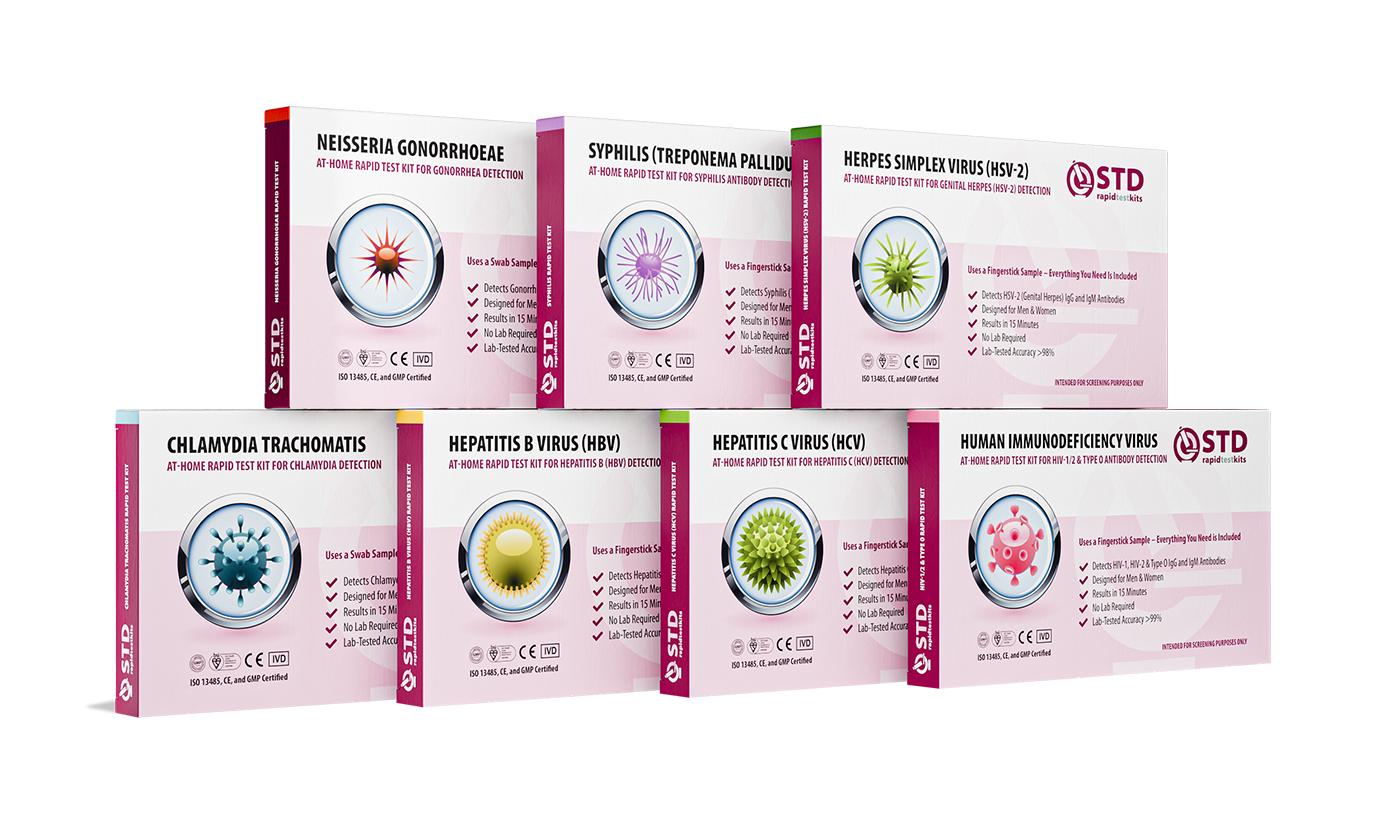
 For Men & Women
 Results in Minutes
 No Lab Needed
 Private & Discreet
Order Now $129.00 $343.00
For all 7 tests
What If They Get Angry (Or Ghost You)?
This fear stops more people than anything else. You finally send the message, and then… silence. Or worse, rage. Maybe they block you. Maybe they accuse you. Maybe they say things that hit all your shame buttons.
That sucks. But it’s not uncommon, and it doesn’t mean you were wrong to tell them.
Take Levi, 29, who messaged two past partners after testing positive for syphilis. “One thanked me. One called me a liar and said I ruined his trust in people. I cried in the shower for an hour.” Levi still doesn’t regret it. “Because now I know I did the right thing. What they do with it is on them.”
Here’s the hard truth: you cannot control someone’s reaction. But you can control your integrity. You’re not confessing a crime, you’re giving someone the power to take care of their body. And if they choose not to receive it well, that’s painful but not a failure.
If you’re afraid of retaliation or harassment, document the communication and block further contact. You did what you needed to. You deserve peace now.
Can You Get in Legal Trouble for Not Telling Them?
This question comes up a lot, and no, the law doesn’t treat all STDs equally. In the U.S., only a few infections (like HIV) carry legal disclosure requirements in certain states. But the ethics of disclosure go beyond legal obligations. It’s about public health. And trust.
Still, some people weaponize this topic in relationships. They might say, “You broke the law,” or “I could sue you.” Here’s the reality:
If you intentionally and knowingly expose someone to an STD without telling them, and it results in harm, there could be civil legal consequences depending on local law. But that’s not what most people are doing. Most people don’t know until they know. And the moment you do, like you’re doing now, you’re taking the right steps.
If you’re concerned about your specific situation, consider calling a local health department or legal aid resource. But don’t let fear keep you silent. Silence carries far more consequences for your partners, and yourself, than speaking up ever will.
What If You Cheated?
Okay. Now we’re in the deepest water. You cheated. You tested positive. And now you might have to tell two people: the one you were with, and the one you were supposed to be committed to. That’s a double dose of shame, and risk.
This one’s personal. And it’s complicated. But health comes first. Always.
Jamie, 35, had a one-night slip after a fight with their long-term partner. Weeks later, they noticed a strange discharge and tested positive for chlamydia. “I couldn’t eat. Couldn’t sleep. I was going to lie and say I got it from a towel.” Instead, they told the truth. Their partner was furious, heartbroken, and still got tested. “It ruined things,” Jamie admitted. “But it also kept them safe.”
If you’re navigating infidelity and STD exposure at once, start with one core principle: protect their health. The emotional fallout will be what it is, but untreated infection can cause lasting harm. Think about the difference between someone screaming at you now… versus someone developing pelvic inflammatory disease or infertility later because you stayed silent.
You can disclose without describing every detail. You can say, “I had a situation, I made a mistake, and now I tested positive. You need to get checked.” That’s hard. But it’s also human. You’re not alone. And this moment, painful as it is, can be the start of deeper honesty, with them or with yourself.

People are also reading: Chlamydia and Gonorrhea: How Are They Different?
How Many People Do You Have to Tell?
One of the first questions people ask after a positive result is: “How far back do I go?” That depends on the infection and the timing. Some STDs, like chlamydia or gonorrhea, can show up within 7 to 14 days. Others, like HIV or syphilis, may take longer to detect.
If your provider gave you a likely exposure window, start there. Most public health departments suggest notifying partners from the last 60 days for chlamydia, gonorrhea, and trichomoniasis. For syphilis and HIV, some guidance expands to 90 days or more depending on symptoms and exposure.
Here’s a visual way to think about it:
| STD | Look-Back Period | Why It Matters |
|---|---|---|
| Chlamydia / Gonorrhea | Past 60 days | Often asymptomatic, can cause complications if untreated |
| Trichomoniasis | Past 60 days | Common in women, underdiagnosed in men |
| Syphilis | Past 90 days | Longer incubation, needs blood test confirmation |
| HIV | Past 90+ days | Legal implications in some states, highly transmissible early on |
Table 3. General notification windows by infection type. When in doubt, ask your provider for guidance.
Remember: you don’t have to notify every partner you’ve ever had, just the ones who may be at risk based on timing and type of contact.
And if you’re overwhelmed by the list, start with one. Then another. One honest message at a time.
You Don’t Have to Do This Alone
Sometimes, the scariest part of disclosure isn’t the STD itself, it’s the fear of losing connection, respect, or love. That fear is real. But so is the community that’s walked this path before you.
There are anonymous partner services. Support groups. Clinics with compassionate staff. Therapists who specialize in sexual health. You don’t have to be brave alone. You just have to take the next step.
If you need a concrete place to start, consider getting retested yourself with an at-home kit. It gives you clarity, privacy, and control, and in some cases, a fresher timeline to guide your disclosures. This combo test kit checks for the most common infections discreetly and quickly.
Because whether it’s a recent hookup or a long-term partner, you deserve peace of mind. And so do they.
Check Your STD Status in Minutes
Test at Home with Remedium10-in-1 STD Test Kit
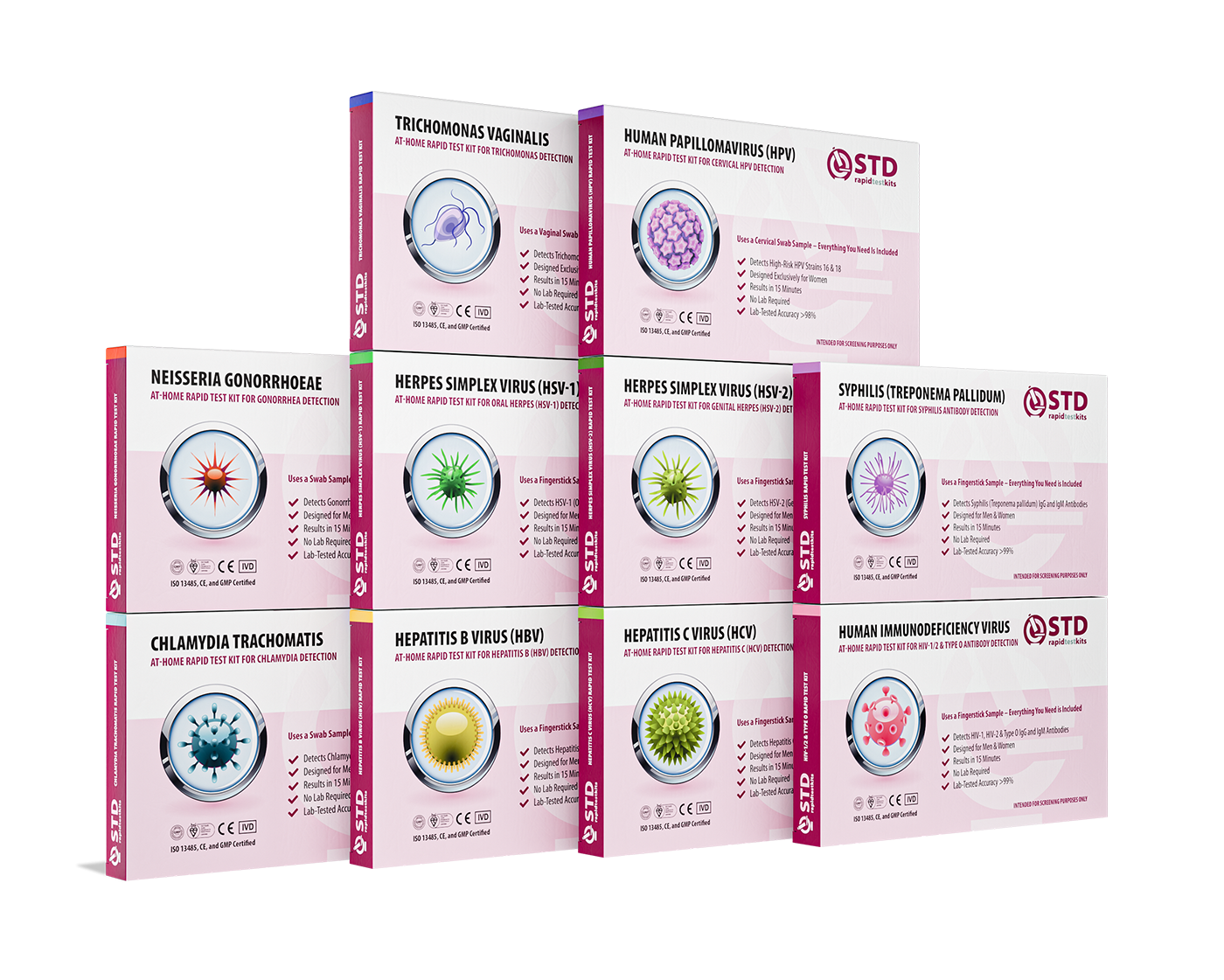
 For WomenResults in MinutesNo Lab NeededPrivate & Discreet
Order Now $189.00 $490.00
For all 10 tests
When They Ask: “Where Did You Get It?”
This is the question many fear the most. “Who gave it to you?” “Did you cheat?” “Are you sure it wasn’t me?” These questions aren’t just about biology, they’re about trust, history, and emotions that rarely stay rational.
It’s okay not to have a clean answer. Many STDs have long window periods or show no symptoms. You may never know exactly when or from whom you got it. That’s not evasive, it’s the nature of infections like HPV, herpes, and even chlamydia.
If someone demands a timeline or accuses you of lying, it’s okay to say:
“I’m not sure when I was exposed. I tested because I wanted to be proactive. The point is, now we both know and can take care of ourselves.”
“This isn’t about blame. I got tested, I found out, and I’m telling you because I care.”
Not everyone will respond with grace. But many will surprise you. You might even deepen the relationship. Honesty can build trust, not just break it.
How to Support a Partner Who’s Scared or Confused
You sent the message. They replied. Now comes the next phase, what if they’re panicking? What if they lash out or spiral into fear? They might ask if they’re now “ruined” or “gross.” They might Google worst-case scenarios. Or they might just go silent.
This is when your words matter most. You don’t need to be a doctor. You don’t need all the answers. You just need to stay grounded and kind.
Let’s look at Jacob and Elle. After Elle told Jacob she tested positive for HSV-2, he stopped replying for three days. When he finally did, he asked, “Does this mean I have it too? Will I ever date again?” Elle didn’t know what to say, so she sent him a link to the Planned Parenthood herpes page and said, “I don’t know what this means for you, but I’m here if you want to talk. I’m still me.”
That response changed everything. Jacob got tested. He turned out negative, but told Elle it meant more that she didn’t disappear.
Support looks like this:
- Answering what you can, and saying “I don’t know” when you don’t.
- Linking them to trusted resources (not Reddit panic threads).
- Offering to test together, if appropriate.
And sometimes, support looks like giving them space. Not everyone is ready to process right away. That doesn’t make your disclosure wrong, it just means they’re human too.
Can You Still Be Intimate After an STD Diagnosis?
Absolutely. This is one of the most persistent myths, that an STD diagnosis means the end of a healthy sex life. It doesn’t. In many cases, once treatment is completed or management begins, people return to regular sexual activity with either minor precautions or none at all.
For example, chlamydia and gonorrhea are both curable with antibiotics. The CDC recommends abstaining from sex for 7 days after starting treatment. After that, you’re clear.
For something like herpes, there’s no cure, but suppressive therapy and open communication can reduce risk dramatically. Some couples continue having sex with barrier methods or during symptom-free windows. Some don’t use protection at all after shared diagnosis and informed consent.
It all depends on your relationship, your comfort, and your understanding of risk. But yes, you are still lovable, desirable, and entitled to pleasure, even with an STD.
What Happens After the Conversation?
This is the part no one talks about. After you tell them, after they test, after they respond, then what?
Maybe they thank you. Maybe they cut you off. Maybe they ask to meet. Maybe they never speak to you again. All of those are real possibilities.
Closure, in this context, isn’t about their response. It’s about knowing you did the right thing. You were honest. You gave someone the power to protect themselves. That’s integrity, not shame.
You might feel sad. Or relieved. Or even empowered. Let yourself feel whatever comes up. You don’t have to “bounce back” immediately. But you also don’t have to stay in the spiral.
Take care of yourself. That might mean journaling, talking to a therapist, or just going for a long walk with music that makes you feel alive again. You’ve done something hard. You’ve grown. Let that matter more than whatever they say next.
FAQs
1. Do I really have to tell them if we only hooked up once?
Yeah, especially if the timing fits the exposure window. One night is all it takes to pass something on, even if it felt like “no big deal.” You don’t have to write a novel. A simple message like, “Hey, just a heads up, I tested positive for something recently and thought you should know,” does the job.
2. What if I have no idea who I got it from?
That’s more common than people think. Many STDs have long incubation periods or no symptoms at all. It’s not a detective story. You’re not on trial. Focus on what you know now: you tested positive, and you can help protect the next person by telling them. That’s what matters.
3. Can I wait until after treatment to tell them?
It’s tempting, but delaying risks them developing symptoms, or passing it on. Even if you’re mid-treatment, it’s okay to say, “I’m being treated right now, and I wanted to let you know you might want to get tested too.” Most people would rather know early than find out the hard way.
4. Is it okay to use a fake name or anonymous service?
Totally. If direct contact feels unsafe, or even just emotionally impossible, there are legit anonymous options like TellYourPartner.org. The point isn’t how you say it. It’s that they hear it.
5. What if they don’t believe me… or blame me?
Sadly, some people respond with denial or anger. That’s on them, not you. You can’t control how someone reacts, only how you show up. Lead with honesty, not guilt. If they throw shame your way, that’s a reflection of their fear, not your worth.
6. How far back do I need to go with partner notification?
Depends on the infection. Most guidelines say 60 days for things like chlamydia or gonorrhea. For HIV or syphilis, it may be longer. If you’re not sure, ask your provider or use the rough rule: anyone you’ve been with since your last negative test or the last few months, whichever is shorter.
7. What if we used protection, do I still have to tell them?
In most cases, yes. Condoms reduce risk but don’t erase it, especially for skin-contact infections like herpes or HPV. It’s better to be transparent than give someone false reassurance.
8. Do I have to tell them in person?
Nope. In-person is great if the relationship is ongoing or close, but a well-worded text or voice note can be just as effective. Some people even prefer digital, gives everyone time to process without face-to-face pressure.
9. What if I already told them once, do I have to follow up?
Not unless something’s changed (like a new diagnosis or a missed exposure window). One clear message is usually enough. If they didn’t respond, that’s their choice. You showed up. That counts.
10. Is it weird that I feel more scared to tell them than I was to get tested?
Not weird at all. Testing is private. Telling someone makes it real. That fear, that they’ll judge you or ghost you, is deeply human. But here’s the thing: the people who are worth your time won’t punish you for being honest. And if someone does? That tells you everything you need to know.
You Deserve Peace, Too
STD conversations are hard. But they’re also healing. In a world full of ghosting, gaslighting, and avoidance, you chose honesty. You chose care. That matters.
Whether you're in a committed relationship or messaging someone you haven’t seen in months, the moment you speak up is the moment you reclaim your integrity. Not just for them, for you.
You are not dirty. You are not broken. You are not alone.
If you're still spinning or need to retest to feel certain, peace of mind is one discreet package away. This at-home combo test kit covers the most common infections and arrives quickly, with no awkward clinic waits.
How We Sourced This Article: We combined current guidance from leading medical organizations with peer-reviewed research and lived-experience reporting to make this guide practical, compassionate, and accurate.
Sources
1. Strategies for Partner Notification for Sexually Transmitted Infections (PMC)
2. CDC: Clinical Partner Services for STIs
3. CDC: Expedited Partner Therapy (EPT) Guidance
4. NCBI: Partner Notification Methods to Prevent or Reduce STIs
5. PMC: Strategies for Partner Notification for STIs (Review)
6. NY Health Department: What Providers Should Know About Partner Services
About the Author
Dr. F. David, MD is a board-certified infectious disease specialist focused on STI prevention, diagnosis, and treatment. He blends clinical precision with a no-nonsense, sex-positive approach and is committed to expanding access for readers in both urban and off-grid settings.
Reviewed by: J. Lin, MPH | Last medically reviewed: October 2025
This article is for informational purposes and does not replace medical advice.


