







Quick Answer: Some STDs, like HIV and CMV, can be transmitted through breast milk, but most, including chlamydia, gonorrhea, and syphilis, are not passed through nursing. However, other exposure routes still matter, and testing is key.
This Guide Is for You If Breastfeeding Feels Like a Question Mark
If you’ve ever breastfed while silently wondering if your baby is at risk, you’re not alone. Maybe you’re waiting on test results. Maybe you just left a partner you no longer trust. Or maybe you were treated during pregnancy and assumed everything was fine, until now. Whatever brought you here, we’re meeting you with clarity, not shame.
Picture Serena, 26, curled up on a futon in her cousin’s apartment, two weeks postpartum. She tested positive for chlamydia at 34 weeks, got antibiotics, and thought it was over. But now she’s Googling in the dark because no one ever told her whether she could still breastfeed safely. Like Serena, many parents end up alone in that confusion. This guide is for them, for you.
We'll break down each infection type, share real medical insight, and explain when breastfeeding is safe, when it needs caution, and what to do next. Because your peace of mind, and your baby's health, both matter.
Breast Milk vs Body Fluids: Why STD Transmission Works Differently
To understand the risks, it helps to know how different STDs work. Many infections, like gonorrhea, syphilis, or chlamydia, thrive in mucous membranes. They’re transmitted through genital, oral, or anal contact, not through blood or milk. Others, like HIV or cytomegalovirus (CMV), can exist in blood, saliva, or breast milk.
That distinction matters. When doctors say “you can’t pass this through breast milk,” they don’t mean the infection is gone or irrelevant. They mean it’s not shed into the milk itself, or not in high enough amounts to infect a baby. But other forms of exposure, like cracked nipples, sores, or skin-to-skin contact, may still carry risk depending on the infection.
It’s not just about the milk. It’s about how infections live, how they move, and how vulnerable infants are in those first weeks of life.
STD Transmission Risk by Infection: A Breastfeeding Breakdown
Let’s get specific. Below is a comparison table that outlines which STDs can be transmitted through breast milk, and under what conditions.
| STD | Transmitted in Breast Milk? | Special Notes |
|---|---|---|
| HIV | Yes | HIV can be transmitted via breast milk. In resource-rich countries, formula is recommended for HIV-positive parents. Antiretroviral therapy lowers the risk but doesn’t eliminate it completely. |
| CMV (Cytomegalovirus) | Yes | CMV can be passed in breast milk, especially from mothers with primary infections. Risk is higher for premature or immunocompromised infants. |
| Syphilis | No (but...) | Not in milk, but open syphilitic lesions on the nipple or breast can transmit the infection through skin contact. |
| Herpes (HSV-1 or HSV-2) | No (but...) | Herpes is not found in milk, but if lesions are present on the breast, nursing should be avoided until fully healed. |
| Chlamydia | No | Chlamydia is not passed in breast milk. Eye infections in newborns are usually from birth canal exposure. |
| Gonorrhea | No | Gonorrhea is not found in milk. Infant infections come from delivery exposure, not breastfeeding. |
| Hepatitis B | No | Milk is safe unless nipples are cracked and bleeding. Vaccination at birth protects infants from infection. |
| Hepatitis C | No (possible risk if bleeding) | Risk increases if nipples are damaged. Avoid nursing from affected breast if there’s blood present. |
| Trichomoniasis | No | No evidence of transmission through breast milk. |
Figure 1. Breastfeeding transmission risk by STD. This chart is based on CDC, WHO, and AAP guidance. Always consult your provider for personalized advice.

People are also reading: Syphilis Exposure Timeline: What Happens in the First 30 Days
What Happens If You Already Breastfed?
Let’s say you’re reading this after you’ve already breastfed while unknowingly positive for something. Maybe it’s herpes you just tested positive for, or HIV from a past partner. Here’s what to do next:
First, take a breath. Panic won’t help your baby, but clarity will. For most STDs, your milk didn’t pose a risk. Even in higher-risk cases like HIV, the data shows that risk depends heavily on viral load, duration of exposure, and other clinical factors. One-time breastfeeding is different from prolonged nursing over weeks or months.
Consider Mia’s story. She found out she had untreated syphilis six weeks postpartum. She’d been nursing twins the whole time. After a teary phone call to her pediatrician, she learned that because she had no sores and syphilis isn’t in milk, the risk was low. The twins were tested, just to be sure, and they were fine.
The guilt is real, but most of the time, the science is reassuring. Still, don’t assume, test both yourself and your baby if there’s any doubt.
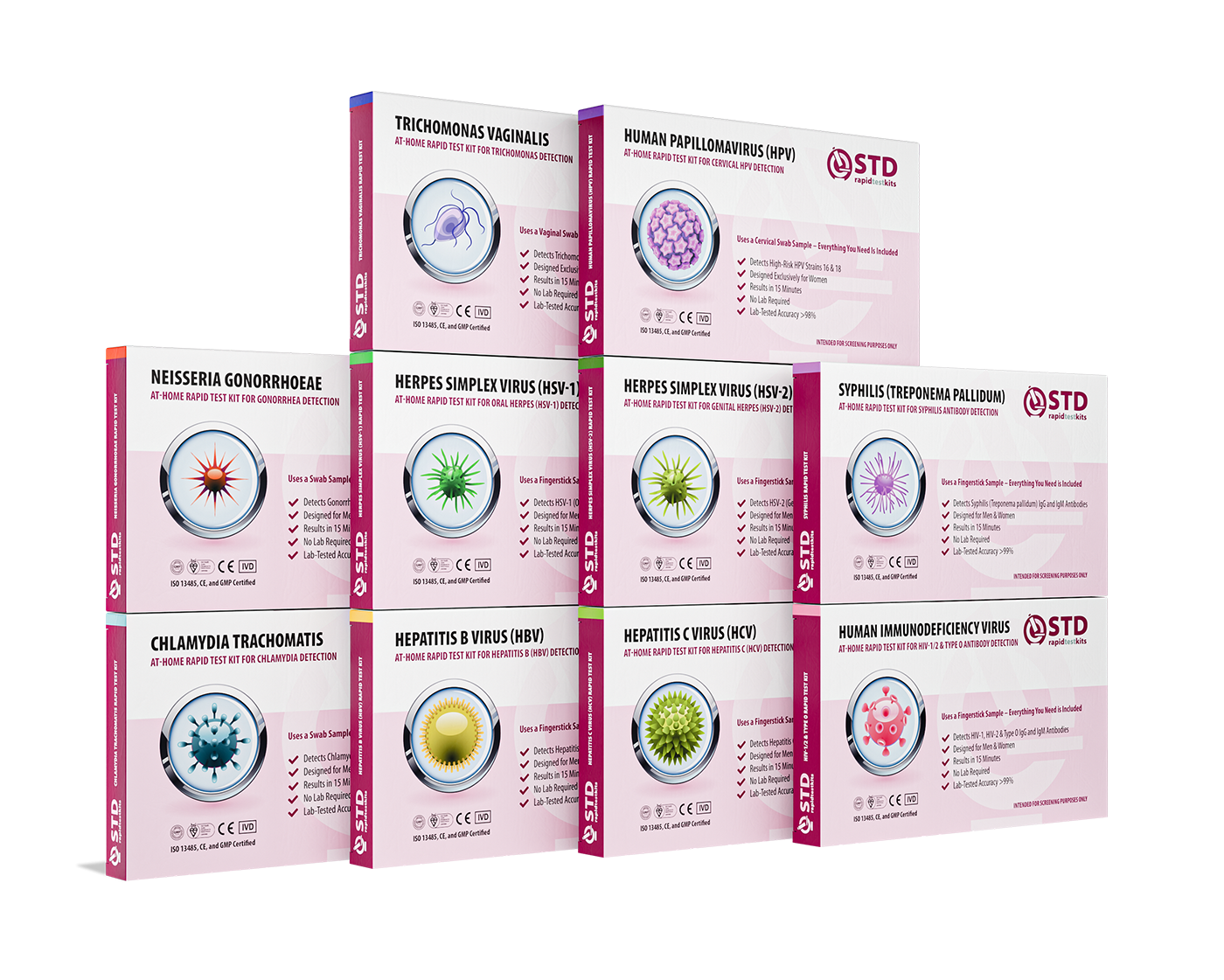
Need help figuring out what test to take? STD Rapid Test Kits offers discreet at-home testing that’s fast, confidential, and trusted by clinicians. You can order a Combo STD Test Kit that checks for the most common infections from home.
When Nursing Isn’t Safe: Scenarios That Require Caution
There are some clear “don’t breastfeed” situations, especially when there’s active infection or damaged tissue. A cracked, bleeding nipple can become a transmission route even for infections that aren’t normally passed through milk. If you’ve been diagnosed with HIV, have open herpes lesions on your breast, or active syphilitic sores, your provider will likely recommend alternative feeding methods, at least temporarily.
Let’s walk through three examples:
Jalen, 32, had stopped prenatal care after moving across states. When they tested positive for HIV during a routine postpartum screen, their heart sank, they’d been breastfeeding exclusively. The pediatrician reviewed the baby’s risk: since Jalen hadn’t been on treatment and the baby was under 2 months old, formula feeding was started immediately, and the infant was monitored and tested. Jalen’s viral load, once stabilized on antiretrovirals, significantly reduced the danger for future children, but it changed the landscape for that newborn.
Nadia had dealt with HSV-1 since college, but after birth, hormonal shifts brought new lesions, this time near her breast. Her doctor advised pumping and discarding milk until the sores healed, to protect her baby from accidental exposure. The milk itself wasn’t infectious, but nursing directly was.
Eliza was never told she had Hepatitis C until she got screened during breastfeeding. Normally, the CDC says breastfeeding is safe for Hep C–positive parents. But Eliza had scabbing and cracked nipples from latching issues, and a lactation consultant helped her transition to pumping from the unaffected breast while her skin healed. Testing showed no infant exposure.
The bottom line? Transmission is rarely through the milk itself, it’s through the skin, blood, or lesions involved in the feeding process. That’s why your physical symptoms matter as much as your diagnosis.
What If I Have an STD But Still Want to Nurse?
You can still be a breastfeeding parent and protect your baby. The first step? Know exactly what infection you’re dealing with, how it behaves, and how to reduce exposure risks. Most of the time, with treatment and smart precautions, nursing can continue or resume safely.
If you’re currently treating an infection like chlamydia or trichomoniasis, there’s no reason to stop nursing. These aren’t passed through breast milk, and the antibiotics prescribed (like azithromycin or metronidazole) are generally considered safe during lactation.
If you’re on antiretroviral therapy for HIV, the CDC guidance in the U.S. is still formula feeding, but WHO guidance in low-resource settings does support nursing with suppression therapy. The key difference is access to safe formula, follow-up testing, and overall health support. Your doctor will help you weigh those options.
Here’s another useful comparison:
| Situation | Can You Breastfeed? | What To Do |
|---|---|---|
| Treated Chlamydia recently | Yes | Milk is safe. No transmission risk. Continue treatment as directed. |
| Active Herpes sore on nipple | No (temporarily) | Use pump or feed from unaffected breast. Resume nursing after full healing. |
| HIV diagnosis, not on meds | No | Formula feed. Begin treatment. Consult pediatric infectious disease specialist. |
| Syphilis with no breast sores | Yes | Milk is safe. Monitor for nipple injury. Complete treatment plan. |
| Gonorrhea recently treated | Yes | Not found in milk. Continue nursing. |
Figure 2. Breastfeeding safety guidance based on common STD scenarios.
Testing doesn’t mean you have to stop breastfeeding. In fact, knowing your status often protects your nursing relationship, because it helps you make informed, safe choices.
Check Your STD Status in Minutes
Test at Home with Remedium10-in-1 STD Test Kit
 For Women
 Results in Minutes
 No Lab Needed
 Private & Discreet
Order Now $189.00 $490.00
For all 10 tests
How to Get Tested While Breastfeeding (And What’s Safe)
Testing is safe, effective, and absolutely possible while nursing. Most rapid tests, like those for HIV, syphilis, and hepatitis, use a fingerstick or oral swab. These won’t affect your breast milk or supply.
For infections like chlamydia, gonorrhea, and trichomoniasis, nucleic acid amplification tests (NAATs) use urine or swabs and don’t interfere with lactation. Even the medications prescribed afterward are almost always breastfeeding-safe, though you should double-check if you’re on antivirals or longer antibiotic courses.
If you’re avoiding the clinic or worried about stigma, consider an at-home testing option. You can use a Combo STD Home Test Kit to check for multiple infections discreetly, then follow up with your provider for next steps if anything comes back positive.
Peace of mind is one test away. You deserve to feed your baby with confidence, not fear.
When Shame Gets in the Way of Safety
There’s one truth we don’t say often enough: having an STD doesn’t make you a bad parent. But shame makes people delay testing. Shame keeps questions unasked. And shame can put both parent and baby at risk when silence replaces clarity.
Raquel was 28 when she found out she had HSV-2 two weeks after giving birth. She hadn’t told her OB about a previous partner with herpes, afraid it would show up in her chart. She’d breastfed her baby during an outbreak, not realizing the sore near her breast could matter. She spiraled into guilt, terrified she’d done harm. Her pediatrician tested the baby, everything was clear. But the emotional wound lasted months.
This isn’t rare. And it’s not your fault. No one prepares you for the reality of postpartum testing, or for how many people enter parenthood with unknown STI status. The system often fails us before we even know we have something to ask.
So here’s the rewrite: You’re not too late. You’re not dirty. You’re not selfish. You’re informed, now. And that’s what keeps your baby safest, not shame, but action.
This Isn’t Just a List of Myths, It’s What Real Parents Worry About
Most of the people who end up frantically searching “Can you give your baby an STD by breastfeeding?” aren’t scrolling for trivia. They’re searching because they’re scared, confused, or blaming themselves for something they didn’t know to ask. So let’s talk honestly, no bullets, no shaming. Just real questions people carry in silence.
A lot of people believe that any STD means automatic danger. “If I have something, I have to stop nursing, right?” That belief is everywhere, handed down in whispers or buried in forum posts. But the truth? Most STDs don’t pass through breast milk. Infections like chlamydia, gonorrhea, trichomoniasis, and even syphilis typically don’t transmit through nursing. They live in mucus membranes, not in milk. That doesn’t mean you’re clear to ignore everything, but it does mean the panic button can probably stay unpressed.
Then there’s the fear that treatment itself is dangerous. “If I take the meds, will it mess up my milk? Hurt my baby?” For most common STDs, the answer is no. Medications like azithromycin, ceftriaxone, and even metronidazole are generally safe for breastfeeding. But that fear is valid, because the label doesn’t always say “lactation-safe” in bold print. If you’re unsure, speak up. And check sources like LactMed, where the info isn’t buried in jargon.
Some parents tell themselves the opposite: “My baby looks fine, so there’s no way anything could’ve happened.” And while that’s often true, it’s not a guarantee. Infections like HIV or cytomegalovirus (CMV) don’t always show up right away. That doesn’t mean you need to panic-test your newborn, but if there’s been prolonged nursing during an untreated infection, getting them checked is a loving, proactive step. Not because you’ve failed, but because you’re showing up now.
One of the hardest myths? The idea that wanting to breastfeed at all, after an STD diagnosis, is somehow selfish. That it’s risk-taking. Reckless. That wanting to give your baby closeness, nourishment, bonding… somehow makes you a bad parent. That myth is cruel, and wrong. Choosing to breastfeed while managing an infection isn’t selfish. It’s thoughtful, brave, and rooted in love. And in most cases, it’s entirely possible with the right support and adjustments.
If you’ve found yourself whispering any of these fears in your head, you’re not paranoid. You’re not overreacting. You’re a parent doing everything you can to keep your baby safe, even while navigating stigma, silence, and a healthcare system that rarely says the quiet parts out loud. Consider this your official permission slip to ask questions, check your status, and still feel proud of how you show up for your child, milk and all.

People are also looking for: Can Hormone Changes Make Hep C Worse? Here’s What the Science Says
Can a Baby Get an STD from Other Kinds of Contact?
This question comes up often, because not every moment of parenting is about the breast. What about skin-to-skin? Kissing? Bathing together? Diaper changes while you’re healing from birth?
Let’s be honest, there are situations where infants can be exposed. Herpes, for example, can be passed from a cold sore on the mouth to a newborn’s skin. This is rare, but documented. Similarly, if you’re recovering from a genital infection with open sores and not yet fully healed, extra hygiene is smart. Wash hands thoroughly, change clothes often, and avoid direct contact with open lesions or fluids.
But the majority of everyday closeness, holding, swaddling, babywearing, is safe with clean skin and common-sense care. If you’re worried about your body being a danger, know this: your touch isn’t toxic. You are still your baby’s safest place. Just add awareness to the mix. That’s what makes parenting with an STI not only possible, but powerful.
FAQs
1. Can a baby really get an STD from breastfeeding?
Not from most STDs. Breast milk itself doesn’t carry infections like chlamydia, gonorrhea, or syphilis. But a few exceptions, like HIV and CMV, can be transmitted through milk, especially when the parent isn’t on treatment. Still, transmission isn’t guaranteed, and it depends on many factors like viral load, feeding duration, and nipple condition. Bottom line? Most parents can breastfeed safely, even if they’ve had an STD.
2. What if I breastfed before I knew I had an STD?
You’re not the first, and you won’t be the last. It happens more often than anyone admits. Take a breath. The risk to your baby depends on the infection, and most STDs aren’t passed this way. Talk to your pediatrician. Testing your baby might be part of the follow-up, but in most cases, you’ll be met with reassurance, not alarms.
3. Should I stop nursing while I wait for test results?
Usually not. Unless you’ve got cracked or bleeding nipples, or visible sores (like with herpes), nursing can usually continue while you wait. If your anxiety is through the roof, call your provider. And remember: testing is a smart move, not an emergency stop sign.
4. Can herpes spread to my baby during breastfeeding?
Only if there’s a sore on or near your breast. Herpes isn’t in the milk, but skin-to-skin contact can spread it, especially to a newborn’s delicate skin. If you’ve got an active lesion, cover it and pump from that side until it’s fully healed. It’s a workaround, not a dealbreaker.
5. Does my baby need to be tested if I had HIV and breastfed?
If you’re living with HIV and breastfed without treatment, yes, your baby should be tested. The earlier, the better. But don’t assume the worst. If you were on antiretrovirals and your viral load was low or undetectable, the risk of passing HIV through milk drops significantly. Your provider will walk you through next steps, calmly.
6. Will STD meds hurt my milk or my baby?
Most won’t. Meds like azithromycin, ceftriaxone, and metronidazole, used for chlamydia, gonorrhea, and trich, are generally considered breastfeeding-safe. Your doctor will flag anything risky, and sites like LactMed can help double-check. Don’t skip treatment out of fear, most meds are more friend than foe when it comes to milk safety.
7. I feel gross breastfeeding with an STD. Am I being selfish?
No. You’re being human. Wanting to nourish and bond with your baby doesn’t make you selfish, it makes you loving. The key is making decisions from an informed place, not a fearful one. If you’re checking your status, following advice, and adjusting if needed? That’s responsible parenting. Period.
8. What if I can’t talk to my doctor about this?
Then talk to us. Not literally, but try a discreet at-home test kit so you can get answers without the awkward clinic waiting room. And once you have results, it’s a lot easier to ask the next question, or show up to that appointment with clarity in hand.
9. Is it okay to keep nursing if I have Hep C?
Usually yes. Hepatitis C isn’t passed through breast milk. But if your nipples are cracked or bleeding, pause on that side and talk to your doctor. The issue isn’t the milk, it’s any potential blood mixing in. A little healing time and some nipple cream can go a long way.
10. Will I ever feel normal again after this?
Yes. The fact that you’re reading this, caring, questioning, searching, that’s the beginning of normal. STD stigma is heavy, especially in parenting spaces, but it doesn't have to define you. You’re not a threat to your baby. You’re a protector doing the damn work. Keep going.
You’re Allowed to Ask These Questions
This isn’t a topic people talk about openly, not in the delivery room, not at the pediatrician, and definitely not in most parenting books. But the questions are real, and so is the fear. If you’ve been holding this worry alone, let this be your proof: you’re not alone, and you’re not wrong to wonder.
Most STDs don’t pass through breast milk. The ones that can often come with workarounds. And even in higher-risk cases, early treatment and clear choices can protect both you and your baby. Don’t let silence keep you stuck. Testing is care. Clarity is safety.
Don’t wait and wonder, get the clarity you deserve. This at-home combo test kit checks for the most common STDs discreetly and quickly.
How We Sourced This Article: We combined current guidance from leading medical organizations with peer-reviewed research and lived-experience reporting to make this guide practical, compassionate, and accurate. In total, around fifteen references informed the writing; below, we’ve highlighted some of the most relevant and reader-friendly sources.
Sources
2. CDC STD Treatment Guidelines
3. HIV and Breastfeeding – CDC
4. Contraindications to Breastfeeding – CDC
5. Human Breast Milk‑Acquired Cytomegalovirus Infection – PMC
6. Transmission of Infectious Diseases Through Breast Milk – PMC
7. Interventions to Reduce Perinatal HIV Transmission
8. Impact of Breast Milk‑Acquired CMV Infection in Premature Infants – CDC Review
9. Cytomegalovirus (CMV) and Breast Milk – CDC
10. Breastfeeding Frequently Asked Questions – CDC
About the Author
Dr. F. David, MD is a board-certified infectious disease specialist focused on STI prevention, diagnosis, and treatment. He blends clinical precision with a no-nonsense, sex-positive approach and is committed to expanding access for readers in both urban and off-grid settings.
Reviewed by: Dr. K. Alston, MPH | Last medically reviewed: October 2025
This article is for informational purposes and does not replace medical advice.


