





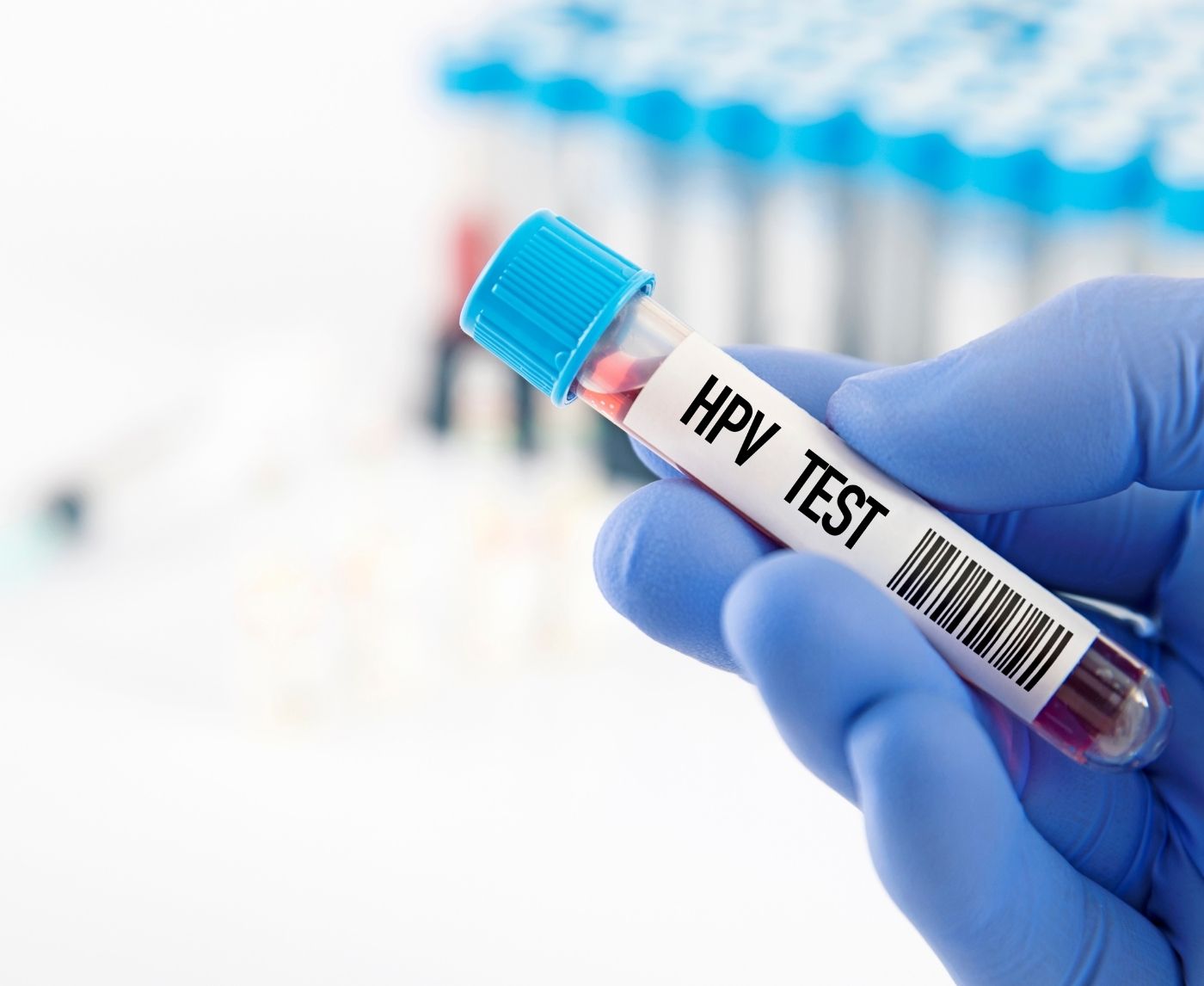

Quick Answer: To use an at-home HPV rapid test correctly, follow the collection instructions exactly, avoid touching the swab tip, start the timer the moment the sample hits the buffer, and read results within the time window. A faint line still counts as a result, unless it's outside the valid zone or appears after the read time.
What’s in the Box (and What You Might Miss)
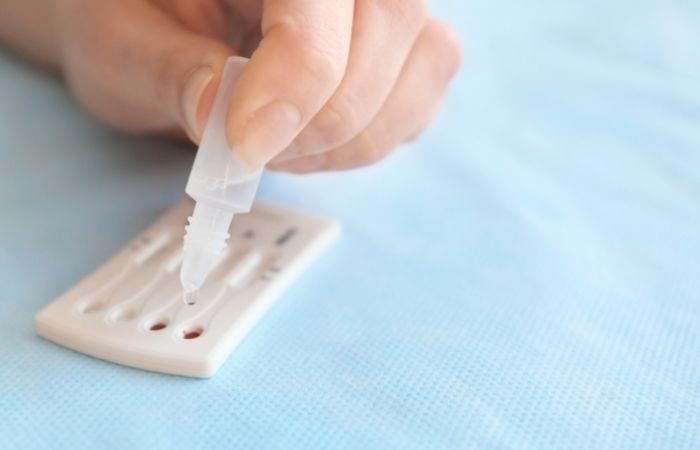
Most at-home HPV test kits come with a sample collection swab, a buffer or reagent tube, a test cassette (the part that shows your result), and an instruction sheet that may or may not be easy to follow. Some kits also include gloves, a biohazard bag, or a disposable dropper. It might look medical, but it’s designed for regular people, not lab techs.
But here’s the catch: the packaging won’t tell you what not to do in bold letters. It might not warn you that your nail polish can contaminate the swab. Or that squeezing the swab against the inside of the tube too hard can crack it. Or that waiting longer than 20 minutes to read the result can lead to ghost lines that trick you into thinking you're positive when you’re not.
Understanding the contents is about more than just recognizing the tools, it’s about knowing their limits. That swab? It’s sterile until it touches something, and after that, your accuracy window starts ticking.
People are also reading: Why Are STD Results Delayed, and How At-Home Testing Skips the Wait
Preparation Isn’t Just Hygiene, It’s a Mindset
The bathroom isn’t a lab. But when you’re doing an at-home HPV test, it becomes one. It’s not just about washing your hands (though you definitely should), it’s about slowing down, clearing your head, and resisting the urge to rush. HPV lives in the cells, not on the surface. That means proper swab technique is crucial, and panic won’t help.
Let’s set the scene. You’ve locked the door, pulled out the kit, and skimmed the instructions. You think: "I’ll just wing it." Don’t. A few quiet minutes to read the full insert, yes, even the small print, can save you from wasting the entire test. This isn't a pregnancy test. This is viral DNA detection. Collection quality determines the result.
Make sure your workspace is clean and dry. Don’t open the test cassette until your sample is ready. And don’t set timers on instinct. Use your phone’s stopwatch, not just the clock on the wall. Timing matters, a lot.
Step-by-Step: From Swab to Cassette
This part can feel overwhelming, especially if you're already anxious. But once you get into it, the process is fairly quick. Most people finish the actual testing part in under 15 minutes, not counting the emotional pacing beforehand. Here’s how it often plays out in real life:
Rachel, 29, ordered her HPV test after a new partner told her they’d tested positive. She hadn’t had a pap in years. The kit arrived three days later in a plain white envelope. She waited until her roommate left for work, took a shower, then stood staring at the swab for ten minutes before opening it.
“I kept wondering if I’d go too deep or not deep enough. It wasn’t about pain, it was about getting it right.”
She followed the instructions exactly. Swab inserted, rotated, and held in place. Swab placed in buffer. Drops added to cassette. She set her phone timer for 15 minutes and stared at the window like it might blink back at her.
Rachel’s story isn’t rare. Most first-time testers hesitate, and that’s okay. Here’s a breakdown of what happens during those steps and why each matters.
| Step | What to Do | Why It Matters |
|---|---|---|
| Wash hands and prep surface | Use soap and warm water; dry with clean towel | Reduces contamination that can lead to invalid results |
| Insert swab carefully | Insert per instructions (usually 1.5–2 inches), rotate gently | Ensures cells, not just mucus, are collected |
| Place swab in buffer tube | Swirl or squeeze per instructions, then cap it | Releases DNA into liquid for detection |
| Apply drops to cassette | Usually 2–3 drops; do not overflow | Too much liquid can flood the test window |
| Start timer immediately | Use exact time window (usually 15–20 min) | Reading too soon or late skews results |
Figure 1. Key steps in HPV home testing and why they matter. Following this order closely minimizes user error and improves test reliability.
That Faint Line Feeling: Is It Positive or Just Panic?
You know how it feels to see a faint pink line on a pregnancy test: hope, fear, and confusion all at once. HPV rapid tests work in a similar way. One line means no (just the control line). Two lines, even if they are very faint, can mean positive. But not all the time.
The most important thing to know is this: faint doesn’t mean fake. If the test says to read the result at 15 minutes, and a second line appears in the test window, that is usually considered a positive, even if it’s barely visible. But if it shows up at 30 minutes or an hour later, it may just be an evaporation line. That's why timers are essential.
Visual clarity isn’t guaranteed. Lighting, strip saturation, and dye behavior can all impact visibility. We’ve seen readers take photos and zoom in with filters, trying to decode whether they’re infected. That’s not ideal. If you're unsure, don’t guess, retest. Or use a mail-in PCR kit to confirm.
Check Your STD Status in Minutes
Test at Home with RemediumPapillomavirus (HPV) Test
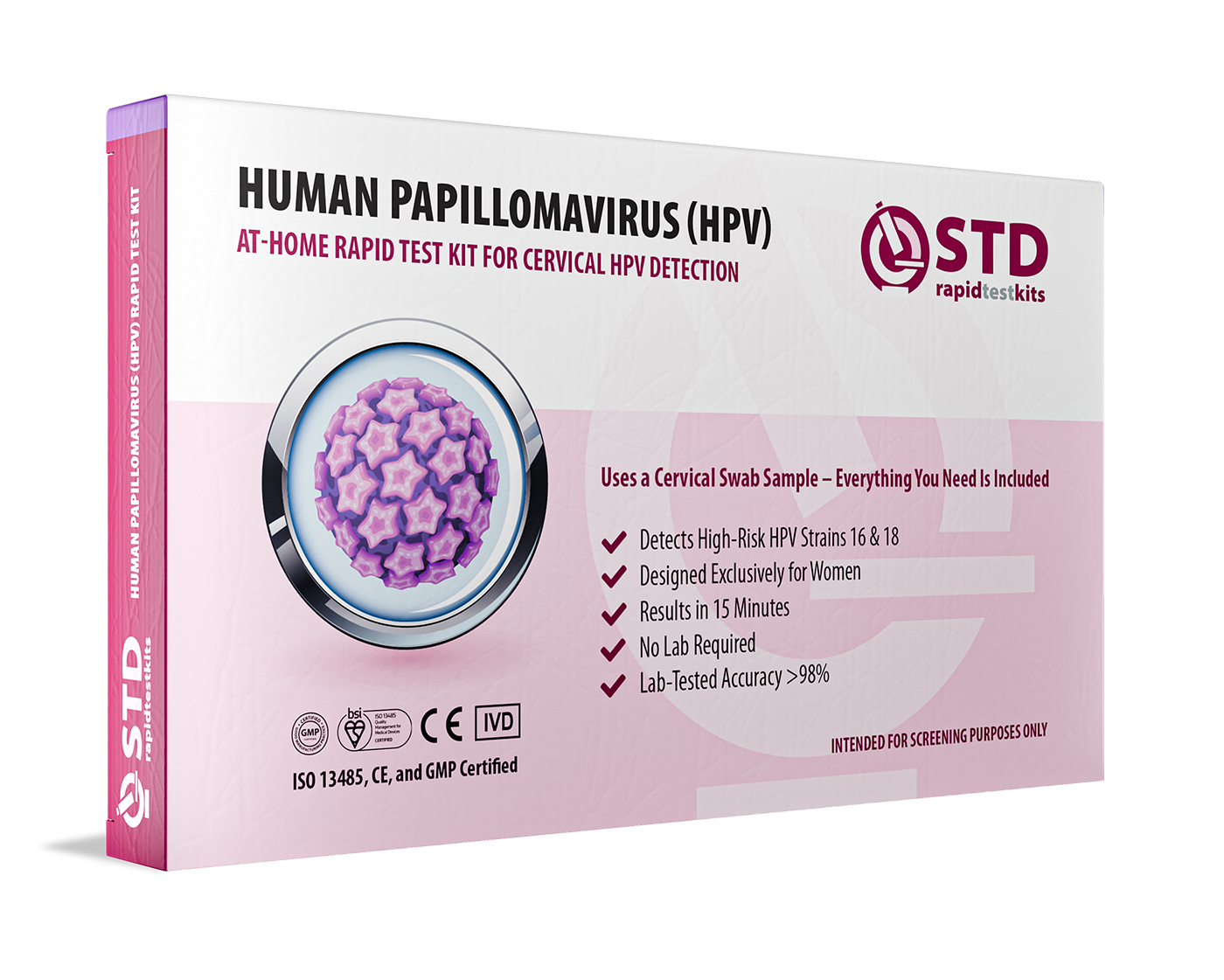
 For Women
 Results in Minutes
 No Lab Needed
 Private & Discreet
Order Now $33.99 $49.00
What Makes a Test “Invalid” (and How to Avoid That Heart-Sinking Moment)
An invalid result feels worse than a positive. Why? Because it means you have to do it all over again, and you don’t know if the issue was your technique, the kit, or just bad luck. In most cases, an invalid HPV rapid test means the control line didn’t appear. That’s the line that confirms the test worked. If that line is missing, the entire result is meaningless.
Let’s be real, this happens more often than people think. Especially with first-timers who rush, touch the swab tip, or use the wrong number of drops. An invalid test doesn’t mean you have HPV, but it does mean you can’t trust the result. And that matters when you’re already anxious.
Marcus, 32, tried an at-home HPV test after finding out his ex had tested positive for high-risk strains. He followed the swab instructions carefully, or so he thought. But when the result window developed, there were no lines at all. Just a cloudy smear.
“I honestly didn’t know if I messed it up or if it was defective. And I didn’t want to spend another $50 without knowing.”
He ended up emailing the test provider, who confirmed it was invalid and offered a discount code for a retest. Marcus waited another four days for the second kit, but this time, he read every step out loud as he did it.
Marcus did nothing shameful, just human. But the emotional weight of testing twice could’ve been avoided. Most invalid results come down to a few repeat offenders, and yes, they’re preventable.
| Common Error | What It Does | How to Prevent It |
|---|---|---|
| Touching swab tip | Contaminates the sample or damages cells | Handle only by the plastic stem, don’t let the tip touch surfaces |
| Too few or too many drops | Floods or starves the cassette, invalidating flow | Use 2–3 drops exactly; wait a second between each |
| Waiting too long to read result | Allows evaporation lines to appear; no valid control line | Use a phone timer to check between 15–20 minutes only |
| Improper swab depth | Collects insufficient cells for detection | Follow exact insert instructions for depth and duration |
| Test stored improperly | Heat or moisture degrades chemicals | Store at room temp; avoid humid bathrooms or freezing mailboxes |
Figure 2. Common user mistakes that lead to invalid HPV test results, and how to avoid them. These errors often result in no control line or unreadable results.
Retesting: When It’s Worth It and When to Wait
Let’s say your test comes back invalid or you’re staring at a barely-there line that looks more like wishful thinking than a result. Do you retest right away? Not always. Sometimes, waiting a few days can make the second test more accurate, especially if the first test was done too early after exposure.
HPV isn’t a fast-moving infection. It incubates silently, sometimes for weeks or even months before detection becomes possible. If your exposure was very recent (less than 10 days ago), you might not have enough viral DNA in your sample yet. Even a perfect test can't detect what’s not there.
This is why many providers recommend waiting at least 14 days after suspected exposure before using an at-home HPV test. If you test earlier and it’s negative or invalid, repeat testing after 2–3 weeks gives you a better shot at clarity.
Ines, 26, did her test a week after unprotected sex with someone she met at a music festival. She got an invalid result. Frustrated, she called the test brand’s helpline.
“The rep told me it was probably too soon and to wait two weeks before testing again. I was annoyed, but it made sense.”
She retested on day 17. This time, a clear control line and no test line. Negative. The wait is annoying. The anxiety is worse. But accurate testing takes timing. And knowing that puts you in control, even when the results feel out of your hands.
Mail-In Kits vs Rapid HPV Tests: Which One Gives You Fewer Headaches?
If you’re prone to second-guessing or you don’t trust yourself to follow all the steps perfectly, you’re not alone. Many people opt for mail-in HPV tests instead of rapid cassettes for exactly that reason. Both types require self-swabbing, but mail-in tests remove the pressure of reading your own results.
Here’s how they differ in ways that matter to real people, not just to labs:
| Feature | At-Home Rapid Test | Mail-In Lab HPV Test |
|---|---|---|
| Result Time | 15–20 minutes | 2–5 business days after mailing |
| Reading Method | User interprets lines manually | Lab interprets PCR results |
| Error Risk | High if not used carefully | Low if sample mailed correctly |
| Cost Range | $39–$79 | $69–$129 |
| Best For | Quick reassurance with confident handling | Accuracy seekers and anxious testers |
Figure 3. Comparing rapid HPV tests with mail-in lab options. Consider emotional needs and error tolerance when choosing.
If you need quick answers and are sure you can follow directions, rapid tests are the best choice. If you'd rather have a professional do the analysis, even if it takes longer, mail-in kits are the best choice. Both are true. What matters is what makes you feel like you know what's going on, you have the power to do something, and you're ready to do something.
What Happens If You Get a Positive Result?
Deep breath. A positive HPV result, especially for high-risk strains, is not the end of anything. It’s information. It means the test detected viral DNA consistent with human papillomavirus. It does not mean you have cancer. It does not mean you’re dirty. And it does not mean you need to panic.
Most people with HPV never develop symptoms or complications. The majority of infections clear on their own within 1–2 years. But a positive result still deserves action. Depending on your age, gender, and risk factors, that may mean a follow-up pap test, colposcopy, or simply retesting in 12 months.
If your test was done correctly and shows a clear positive, you might want to make an appointment for a telehealth visit or an in-person visit to talk about what to do next. You might also want to tell your partner(s) about it, not because they're in danger right now, but because talking to each other helps you both take care of each other.
And if you’re spiraling, pause. Let’s repeat that: A positive HPV test is a health update, not a sentence. You are still worthy of intimacy, care, and calm. We’ll go deeper into next steps and stigma care in the final section of the article.

People are also reading: I Might Have Given Them Something, How to Talk About STD Exposure
Disposal, Privacy, and Keeping It Nobody’s Business
Once the test is done, a new wave of anxiety often creeps in: what now? What do I do with the cassette? Can someone tell what it was by looking at the trash? Will it smell, leak, or show up in the mail later?
You’re not overthinking it. These are real concerns for anyone sharing a bathroom, living with parents, cohabiting, or just valuing discretion. Luckily, most rapid HPV tests are easy to dispose of safely and privately. The used swab and cassette aren’t biohazards in the official medical sense, but they still deserve care, especially if you're worried about someone else discovering them.
Wrap the used components in tissue, slide them into the packaging they came in, and dispose of them with your regular household trash. If your kit includes a disposal bag, even better. Do not flush anything, not the swab, buffer tube, or test strip. And don't leave it sitting out "just in case." If you need to retest later, use a fresh kit. The used one can’t be rechecked or rehydrated.
Devon, 22, lives in a dorm with two suitemates.
“I didn’t want anyone to know I was testing, but I also didn’t want to wait until break. So I flushed the instructions, stuffed the used test into a protein bar wrapper, and walked it to the outdoor trash bin at 1AM. It felt like a spy mission, but it was worth it.”
There’s no right way to feel during testing. But there are plenty of smart, practical ways to protect your privacy. Including how you handle the test after it’s over.
When a Second Test Says Something Different
Few things mess with your head more than inconsistent results. You test once, negative. You test again two weeks later, positive. Or worse: the opposite. This is where HPV’s nature as a latent virus can confuse even the most diligent tester.
First, let’s clear something up: HPV is a viral infection, not a mood ring. It doesn’t change daily. But test detection does vary depending on the sample, timing, and even test batch. It’s entirely possible to have a low viral load one day and a detectable one the next. That doesn’t mean the test is broken, it means your body is fluctuating, like it always does.
If you’ve had inconsistent results, especially after multiple rapid tests, consider a mail-in PCR or lab-based follow-up. PCR tests amplify viral DNA, making them more reliable when results are borderline or uncertain. They're also less prone to the “faint line” anxiety that rapid cassettes cause.
Inconsistent results are not your fault. They don’t mean you did something wrong. They mean it’s time to switch gears, seek clarity from a more sensitive test, or talk to a provider who understands the nuances. HPV is frustrating, but you don’t have to navigate it alone, or in the dark.
Check Your STD Status in Minutes
Test at Home with Remedium10-in-1 STD Test Kit
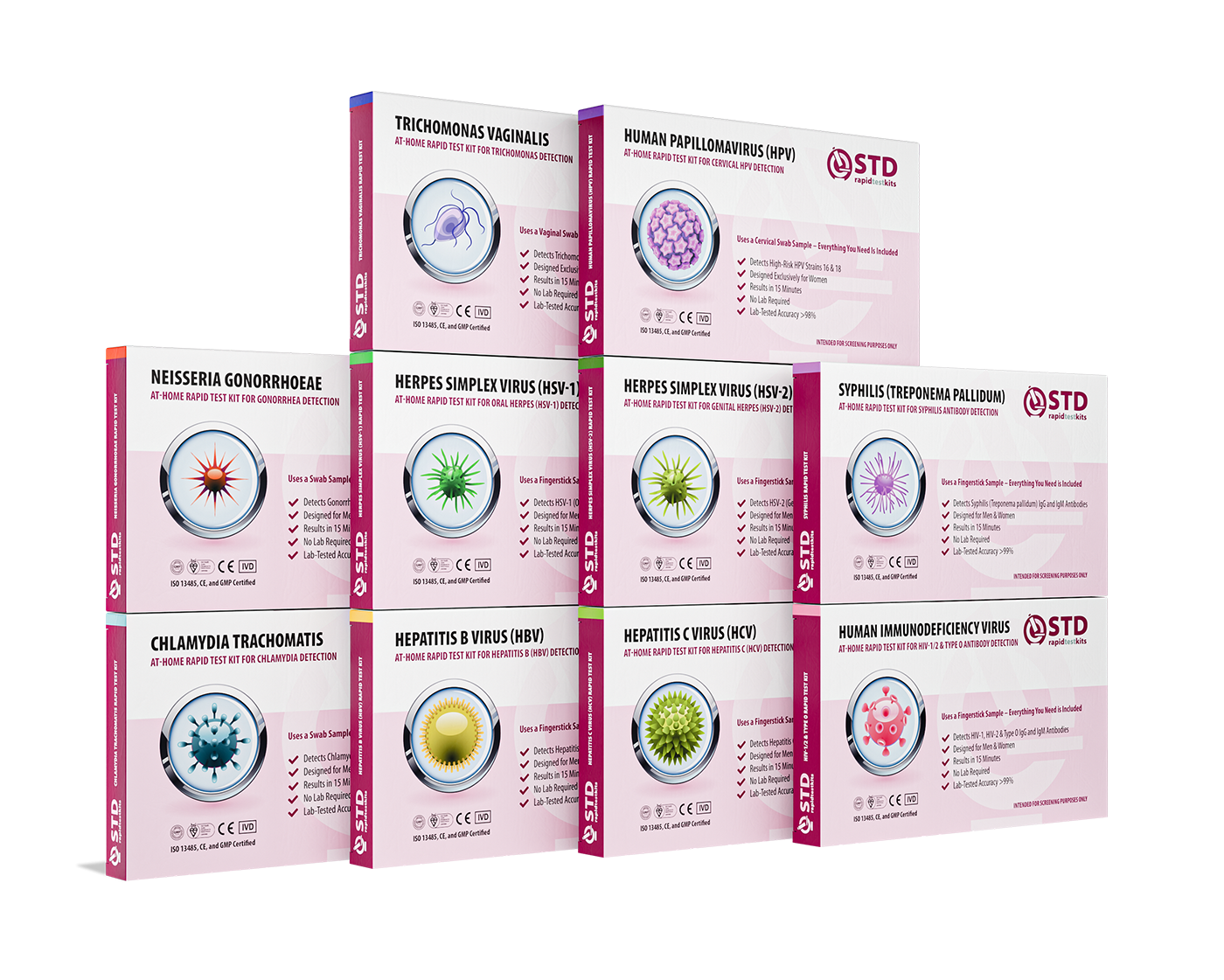 For WomenResults in MinutesNo Lab NeededPrivate & Discreet
Order Now $189.00 $490.00
For all 10 tests
Let’s Talk About Testing Anxiety (And What Gets You Through It)
For some, testing is empowering. For others, it’s terrifying. And for many, it’s both. We rarely talk about what happens between swab and result, the pacing, the Googling, the sweaty palms as the timer counts down. But that silence can make people feel like they’re overreacting when they’re actually just... human.
ay, 38, ordered an HPV test online while sitting in a pharmacy parking lot. He had just read a Reddit thread about throat HPV and freaked out.
“I didn’t know if I was even supposed to test. I’m a guy. But my last partner told me about a past abnormal pap, and suddenly I couldn’t breathe. I bought the test on impulse.” When the kit arrived, he left it unopened for four days. “Every time I looked at the envelope, I felt sick. But once I actually did it, it was fine. The relief came the second I dropped the liquid on the cassette.”
Testing anxiety isn’t irrational, it’s protective. It means you care. And while no test can erase uncertainty completely, what it can do is give your mind a place to land. A result to work with. A next step to follow.
Your Next Step: Retest, Reassure, or Reach Out
If your test was negative but you’re still worried, you can retest in a few weeks or opt for a different method. If it was positive, confirm with your doctor or a mail-in PCR. Either way, you’ve already taken a huge step: facing the question head-on.
HPV isn’t about blame. It’s about biology. Up to 80% of sexually active people will have it at some point, most never knowing. You’re not reckless. You’re informed. And now, you’re proactive too.
Whether this test was a one-off or the start of a yearly self-check ritual, your effort counts. Testing is self-care. It’s partner care. And it’s normal.
If your head keeps spinning, peace of mind is one test away. Order your discreet HPV rapid test kit here and take control on your terms, no waiting room required.
People are also reading: Herpes Testing for Cold Sores: Stop Guessing, Start Knowing
FAQs
1. Can you really mess up an at-home HPV test?
Absolutely. And not because you're careless, because the process is unfamiliar, and the stakes feel high. Touching the swab tip, miscounting the drops, reading it too late, or even skipping the full insert are all common. You’re not failing a test, you’re learning a tool. The good news? Most mistakes are easy to avoid the second time around, especially if you give yourself a few calm minutes and actually use the timer.
2. What’s the deal with faint lines, do they count?
Faint lines are like bad texters: annoying, ambiguous, and still real. If that second line shows up in the test window during the valid read time (usually within 15 to 20 minutes), it counts, even if it’s barely there. But if it appears after the time’s up or looks smudged, it could just be an evaporation line. When in doubt, retest or get a mail-in PCR for backup.
3. Does stress mess up your test result?
Not directly. Your test doesn’t know you’re spiraling. But stress might cause you to skip steps, misread instructions, or check the result too late. So yes, indirectly, being flustered can mess with your accuracy. That’s why we say: deep breath, slow down, and maybe do a little “testing ritual” to keep your brain from spinning.
4. How soon after a hookup is too soon to test?
If we’re talking HPV, anything before 10 days post-exposure is usually too early. The virus takes time to show up in your cells, and testing too soon may leave you with a false sense of security. Aim for 14 days minimum, unless your anxiety is eating you alive, in which case test now and plan to retest later. Your peace of mind matters too.
5. Do guys need to test for HPV too?
Yes, and yes again. HPV isn’t just a cervix thing. It can live in the throat, anus, penis, or mouth, and men, especially those who have sex with men, can absolutely carry and spread it. Some at-home tests are now offering oral or anal collection options. If you’re not sure if a kit is for your anatomy, check the description or reach out to the brand before you order.
6. Can I just reuse the test if it didn’t work?
Hard no. Think of it like a firework, you get one shot. If your result is invalid (no control line, weird smudges), toss the whole thing and use a new kit. Reusing parts doesn’t just mess with the chemicals, it opens the door to contamination that could throw off any reading you get.
7. Do I still need a pap smear if I used an HPV test?
Yup. A home HPV test tells you whether viral DNA is present. A pap smear looks for changes in the cells that could lead to cancer. They work best together, like peanut butter and jelly, or testing and knowing. Especially if you have a cervix and are over 25, don’t skip your pap just because you got a negative on your rapid test.
8. How do I know if the test was damaged in shipping?
If your kit was sitting in a sweltering mailbox for days or showed up looking beat-up, there’s a chance it’s compromised. Always check the expiration date. If the control line never appears or the result is unreadable, it may have been exposed to heat, cold, or moisture. When in doubt, contact the brand. Most will send a replacement, quietly and quickly.
9. Is a mail-in HPV test better than a rapid one?
Depends on your vibe. If you’re the kind of person who triple-checks the oven is off, a mail-in kit might feel safer, it gets analyzed by a lab and removes user interpretation. If you want quick answers and feel confident following instructions, a rapid kit is fast and empowering. Either way, the key is sample quality. No swab, no truth.
10. I tested positive. Am I doomed?
Nope. You’re informed. A positive HPV result isn’t a moral judgment, it’s a snapshot of your biology. Most people clear the virus on their own. If it's a high-risk strain, your provider might suggest a pap, colposcopy, or just watching and waiting. You’re not contagious forever. You’re not broken. You’re just someone who got clarity, and now you get to choose your next move.
You Deserve Answers, Not Assumptions
You don't need to be perfect to take control of your sexual health. You just need the right tools, the right timing, and the clarity to know that “doing it wrong” doesn’t mean you failed. Whether your test was negative, positive, or confusing as hell, you showed up. That matters.
Testing is brave. It’s intimate. It’s often lonely. But it’s also one of the most powerful things you can do to protect yourself and your partners. And if this experience brought more questions than answers, we’ve got your back. Return to STD Rapid Test Kits to find the right test for your needs and your peace of mind.
Don’t wait and wonder, get the clarity you deserve. This HPV home test kit delivers results in minutes with privacy, speed, and accuracy that keeps you in control.
How We Sourced This Article: We combined current guidance from leading medical organizations with peer-reviewed research and lived-experience reporting to make this guide practical, compassionate, and accurate. In total, around fifteen references informed the writing; below, we’ve highlighted some of the most relevant and reader-friendly sources.
Sources
1. Planned Parenthood – What Is HPV?
2. Self-Collection for Primary HPV Testing – CDC
3. Self-Collected Vaginal Specimens for HPV Testing – PMC
4. HPV Tests With Self-Collection: What to Know – MD Anderson
5. What You Need to Know About the HPV Self-Collection Test – ASHA Sexual Health
About the Author
Dr. F. David, MD is a board-certified infectious disease specialist who works to stop, diagnose, and treat STIs. He combines clinical accuracy with a straightforward, sex-positive attitude and is dedicated to making it easier for people in both cities and rural areas to read his work.
Reviewed by: Alicia Wentz, RN, MPH | Last medically reviewed: October 2025
This article is for informational purposes and does not replace medical advice.


