






Quick Answer: STD exposure conversations are best handled with direct, calm honesty. Share what you know and what you’re still figuring out. Explain the timing, suggest next steps, and prioritize emotional safety, for both of you.
Why This Conversation Can’t Wait (Even If You Want to Avoid It)
STD exposure isn’t just about risk. It’s about care. Untreated infections like chlamydia or gonorrhea can silently damage reproductive organs. Syphilis can linger in the blood, harming the brain and heart over time. Even herpes, the one people often downplay, can create cycles of shame and discomfort that interrupt sex and intimacy for years. According to the CDC, over 20 million new sexually transmitted infections occur every year in the U.S. alone, and most go unreported.
So the question isn’t just “Should I tell them?” It’s “How do I tell them in a way that protects their health, and mine, without burning everything to the ground?” This guide is here to help you do exactly that. Whether it was a one-night stand, a long-term partner, or something in between, there’s a way to handle this that isn’t destructive, and might even be healing.
Sofia’s Story: The Worst Text She Ever Sent (and Why It Helped)
Sofia, 27, had been seeing James casually. It wasn’t serious, but it also wasn’t nothing. After a burning sensation started during urination, she got tested. The result came back positive for chlamydia. Her first thought wasn’t about herself. It was: “What if I gave it to him? Or got it from him?”
She wrote out a dozen drafts before sending one short message: “Hey, can we talk? It’s about something health-related.” When they finally spoke, she told him the truth. There were tears. Then there was relief. He got tested, too. He was positive. They both got treated the same week.
They didn’t stay together. But what lingered wasn’t bitterness. It was respect.
Before You Say Anything: What to Know About Timing, Testing, and Exposure
If you’re about to talk to someone about possible STD exposure, it helps to have basic knowledge in your back pocket. You don’t need to be a doctor. But knowing the timeline for testing accuracy, and when transmission may have occurred, can prevent panic and confusion.
There’s a difference between incubation period and window period. The incubation period is how long it takes for symptoms (if any) to appear. The window period is how long it takes for a test to detect the infection after exposure.
Most rapid STD tests have a window period ranging from a few days to several weeks, depending on the infection. Here's a simplified reference to help you frame that part of the conversation:
| Infection | Window Period | When to Test |
|---|---|---|
| Chlamydia | 7–14 days | Best after 14 days |
| Gonorrhea | 7–14 days | Best after 14 days |
| Syphilis | 3–6 weeks | Best after 6 weeks |
| HIV | 2–6 weeks (antigen/antibody), 10–33 days (NAAT) | Best after 6 weeks |
| Trichomoniasis | 5–28 days | Best after 2–4 weeks |
Table 1: Window periods and testing accuracy by infection type. Use this table to inform your partner about when testing is likely to be reliable.
So if you had sex last week and test positive today, the timing suggests recent exposure. But it's possible your infection was dormant or asymptomatic for longer. It’s okay to say, “I’m not sure when I got this, but I just found out and I wanted to tell you right away.”
People are also reading: Did Syphilis Drive Kings Insane? History’s Most Haunting STD
The Conversation Nobody Wants, And Why You Can Do It Anyway
You don’t need a script, but you do need a mindset. This isn’t about blame. It’s about clarity. A good STD exposure conversation does four things: it shares what you know, explains what you don’t, expresses concern for the other person, and offers a clear next step.
If you’re nervous, start by naming that: “This is really hard to say, and I’ve been scared about how to bring it up.” That alone lowers defenses. Then, get to the point: “I recently got tested and found out I have [infection]. I don’t know if I had it when we were together, but I wanted you to know so you can take care of yourself.”
That sentence can change someone’s life. And it can protect yours.
Different People, Different Talks: Tailoring the Conversation
No two relationships are alike, and neither are these conversations. Telling someone you've seen for six months looks very different from messaging someone whose name you barely remember. Still, both deserve honesty. What changes is the delivery, the language, and your expectations.
If you're talking to a current partner, the stakes often feel higher. There's history, maybe trust, maybe routine. You’re not just disclosing risk, you’re also opening the door to discussions about exclusivity, timing, and whether you want to continue. But you also have more context. You may know how they respond to stress. You may have talked about testing before. That foundation can help you lead with care: “I wanted to be honest with you because this matters to me, and so do you.”
For casual hookups, you may fear awkwardness more than intimacy fallout. Maybe you never exchanged last names. Maybe you met through an app. But even if the connection felt light, the responsibility isn’t. You can keep it simple and respectful: “Hey, we were together recently, and I just found out I tested positive for [infection]. I’m letting you know so you can take care of your health too.”
Short, clear, and kind is enough. You don’t owe a long backstory. But you do owe the truth.
Check Your STD Status in Minutes
Test at Home with Remedium7-in-1 STD Test Kit
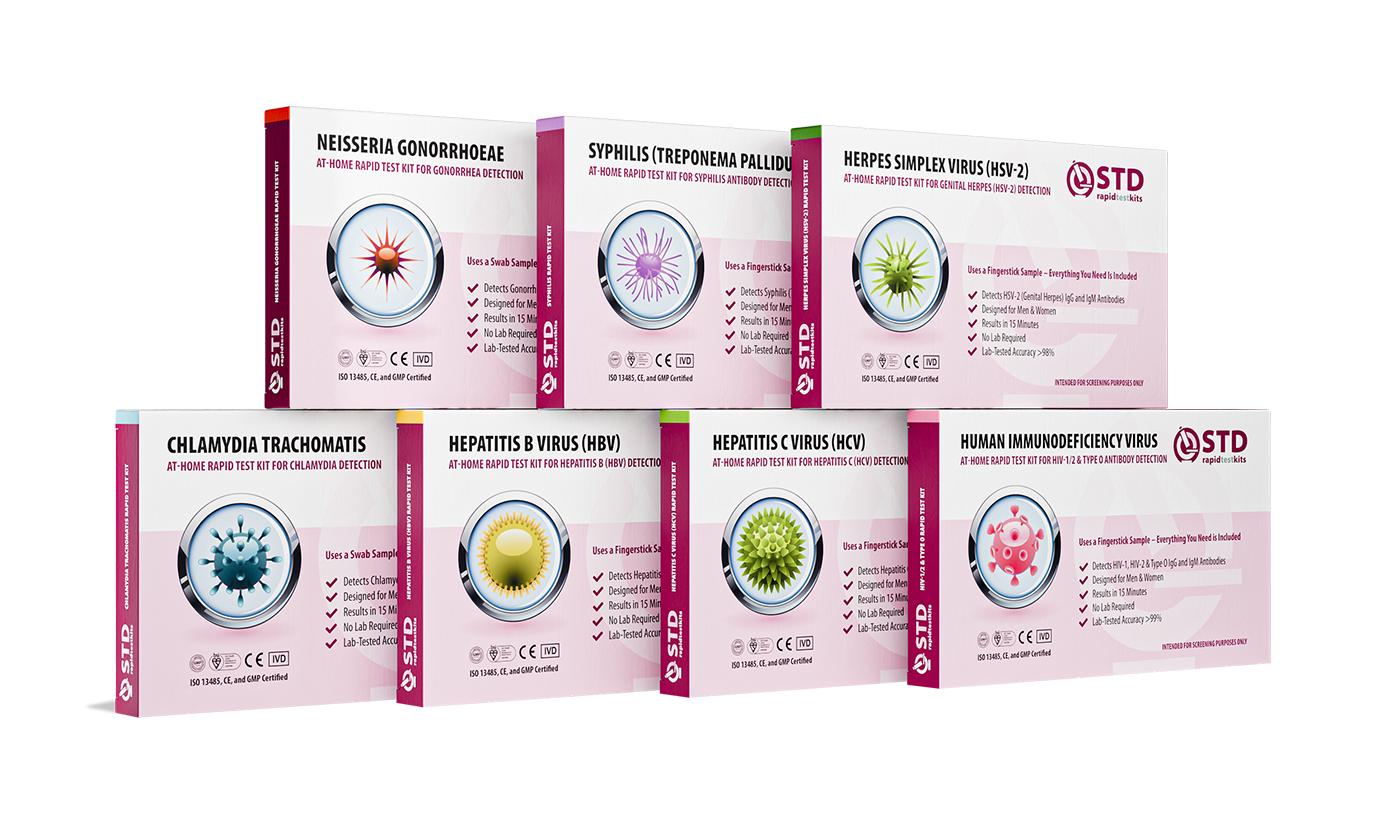
 For Men & Women
 Results in Minutes
 No Lab Needed
 Private & Discreet
Order Now $129.00 $343.00
For all 7 tests
Case Snapshot: The Weekend That Didn’t Stay in Vegas
Tyrell, 31, flew to Vegas for a bachelor party. Between the hotel bar and a rooftop club, he hooked up with someone whose number he forgot to save. A week later, his doctor told him he had gonorrhea. He remembered the condom breaking but wasn’t sure when. There was no way to contact the partner.
Tyrell texted the other people he’d been with in the past two months, two regular partners back home. One replied with a simple “Thanks for telling me, I’ll get tested.” The other didn’t answer. He felt awful, but his provider reassured him: the important thing was that he told the truth, didn’t ignore it, and offered his partners the chance to act. That’s all anyone can do.
He also reported his anonymous Vegas exposure to a local health department online system. Not perfect. But better than silence.
What If They React Badly? Managing Shame, Anger, and Denial
You did your part. You told them. But instead of gratitude, you get something else. Maybe it’s yelling. Maybe it’s a slammed door. Maybe it’s silence. Maybe it’s accusations you weren’t ready for: “You cheated.” “You’re disgusting.” “You’re lying.”
Don’t let that undo you. Their reaction isn’t your responsibility. Your role is to inform, not absorb blame. You can say, “I understand this is hard to hear. I felt overwhelmed too. But I thought it was right to tell you.”
If they lash out, don’t escalate. Protect your boundaries. If it turns threatening, end the conversation and prioritize your safety. Your health and dignity come first.
Some people will need time. They may not trust you immediately. They may not respond. They may even say they “don’t believe in STDs.” That’s denial, not truth. You are not responsible for their delay. You are responsible for giving them the option to act.
If they do respond with curiosity or calm, meet it with warmth. Share resources. Offer to test together. Talk about how to prevent future issues. You’ve just cracked open a door most people never dare to open.
Table: Emotional Reactions and Grounded Responses
| Their Reaction | Grounded Response |
|---|---|
| “You’re disgusting.” | “This doesn’t change who I am. I wanted to tell you because it matters.” |
| “You cheated on me, didn’t you?” | “I understand that’s what it might feel like. But this is about health first. We can talk about everything else too.” |
| “I don’t believe you.” | “I can show you my test result. You don’t have to believe me right now. But I needed to let you know.” |
| “You ruined my life.” | “I didn’t mean for any harm to happen. I want us both to get the care we need.” |
| Silent or ghosting | “I know this may be overwhelming. I’m here if you decide to talk. I just wanted you to have the information.” |
Table 2: Example responses that de-escalate tension and center truth.
Anonymous Notification Tools (When Direct Talk Isn’t Possible)
Sometimes, telling someone face-to-face or over text just isn’t safe, or even possible. Maybe you lost their contact info. Maybe the situation was too brief or you feel physically unsafe contacting them directly. In these cases, anonymous partner notification tools exist for a reason.
Several public health departments allow you to anonymously send a message by email or text saying the person may have been exposed and should get tested. Services like TellYourPartner.org or state-run programs allow you to notify without revealing your identity. Some clinics will also offer contact tracing assistance where a health provider notifies partners for you.
This isn’t cowardly. It’s public health. If direct contact could hurt you, or simply isn’t possible, anonymous tools protect both people while preserving dignity.

People are also reading: Life Expectancy With HIV in 2025
Can You Get in Trouble for Not Telling?
This question comes up more than you'd think: “What happens if I don’t tell them?” The legal answer depends on where you live and what infection is involved. Some U.S. states have laws requiring disclosure of certain STDs, most notably HIV. Others encourage but do not legally require partner notification.
What matters more than legal risk is ethical risk. If you withhold information that could affect someone else’s health, and they later find out, the trust rupture may be irreversible. And the emotional impact could haunt you both.
Still, this is complex. If you’re afraid of retaliation, harm, or being outed in a dangerous situation, you need protection too. In those cases, speak with a provider, counselor, or local health department. They can help you choose the safest path forward.
Your safety matters as much as your honesty. Always.
What Happens After You Tell Them
The conversation is over. Maybe it ended in tears. Maybe it ended in awkward silence. Maybe it surprised you and felt… calm. But either way, now you're in the "after." This is where action replaces fear. What comes next depends on what kind of infection you’re dealing with, how recent the exposure was, and how both of you want to move forward.
If the other person agrees to get tested, great. Support them without hovering. If they hesitate, remind them that some STDs show no symptoms for weeks or months, and that testing is a way to care for their future, not just for yours. Reiterate that you're there if they have questions, or even if they just want to talk.
And what about you? If you haven’t already started treatment, get it handled. Some infections, like chlamydia, gonorrhea, and trichomoniasis, are curable with antibiotics. Others, like herpes and HIV, are manageable with long-term care and daily medication. Either way, you're not stuck in limbo forever. There are clear steps. There is a path.
If you already got treated, don’t assume it ends there. Most guidelines recommend retesting a few weeks after treatment to make sure it worked, and to check that you weren’t re-exposed by an untreated partner.
Check Your STD Status in Minutes
Test at Home with Remedium10-in-1 STD Test Kit
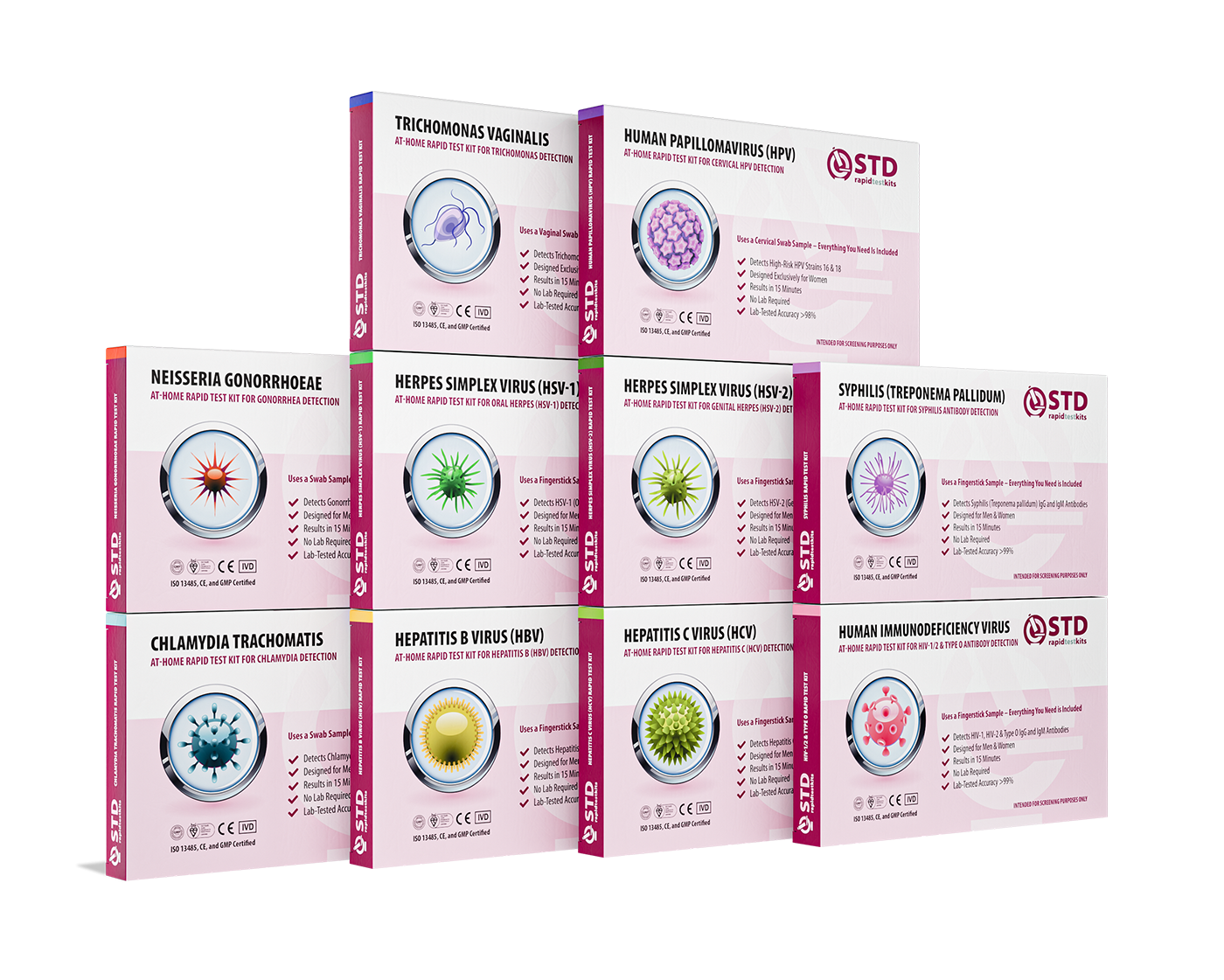
 For WomenResults in MinutesNo Lab NeededPrivate & Discreet
Order Now $189.00 $490.00
For all 10 tests
How Long Should You Wait to Retest?
After treatment for some infections, you have to wait a while before you can test again with accuracy. If you test too soon, you might get false reassurance or results that are hard to understand that show DNA that is still there but not an active infection. Here is a table that shows the usual advice for retesting for common STDs.
| Infection | Recommended Retest Timing | Why It Matters |
|---|---|---|
| Chlamydia | 3 months after treatment | To check for reinfection or treatment failure |
| Gonorrhea | 3 months after treatment | High reinfection rates in sexually active individuals |
| Syphilis | 6–12 months after treatment (with blood test) | Serologic tests can stay reactive; need baseline comparison |
| HIV | Ongoing monitoring after diagnosis | To assess viral load and treatment progress |
| Trichomoniasis | 2 weeks to 3 months post-treatment | Reinfection is common; some tests may detect residual DNA early |
Table 3: Retesting windows ensure accurate follow-up and prevent re-exposure.
If you and your partner both tested positive, you might want to get treated at the same time and not have sex until the treatment is over. Trich and other infections are known for going back and forth when only one person gets treated.
Case Snapshot: A Relationship Rebuilt After Herpes
Leila, 35, was terrified to tell her boyfriend she had tested positive for genital herpes. They’d only been dating for three months, and things had just started feeling real. She imagined the worst: him walking away, telling friends, ending it.
Instead, when she told him, he asked questions. He didn’t freak out. He said, “Let’s figure this out together.” He got tested too, negative. They talked about outbreaks, suppressive therapy, and condoms. He stayed.
They’re still together now, two years later. And they’re both still negative, thanks to treatment, education, and communication. Her biggest fear turned into one of their most honest moments. She still thinks about that.
Does This Mean You Can Never Have Sex Again?
Absolutely not. Testing positive for an STD, or even just worrying you might have exposed someone, doesn’t make you dirty. It doesn’t mean you’re unlovable. And it definitely doesn’t mean you have to stop having sex forever.
What it does mean is that you learn how to navigate risk. That might include using condoms more consistently, asking new partners when they last tested, being honest about your own status, and creating space for others to be honest with you. Some people may choose to take breaks between partners to feel more in control. Others may not.
This isn’t about punishment. It’s about power, the kind that comes from knowledge, boundaries, and choice. You don’t have to hide who you are. You just have to grow into who you want to be.
STD Conversations Can Build Trust (Yes, Really)
It might sound strange, but STD exposure talks are often turning points, not just endings. Telling someone the truth about a health issue, even when it's hard, shows integrity. It shows that you're someone who values their wellbeing. It shows that you’re willing to step into discomfort for the sake of safety and clarity.
That matters. In hookup culture. In long-term love. In queer and straight and poly and monogamous spaces alike. Stigma fades when we talk. Trust grows when we share. Shame withers in the light.
Whether the relationship survives the disclosure or not, how you handle it will stay with both of you. And when you treat someone with that level of care, it has a way of rippling forward, to the next partner, the next decision, the next version of yourself.
FAQs
1. Do I really have to tell them?
Honestly? If there's a chance they were exposed to something, yeah. It’s not about blame, it’s about care. Whether it was a long-term partner or a one-night stand, they deserve the heads-up. That 30-second text might save them months of confusion, pain, or even fertility issues. This isn’t about being perfect. It’s about being decent.
2. What if I don’t know when I got it, or from who?
Welcome to 95% of STD diagnoses. Most infections don’t come with timestamps. You might’ve had it for weeks without symptoms. It’s okay to say, “I just found out, and I’m still figuring it out, but I wanted to tell you in case.” Nobody expects you to be an epidemiologist. Just lead with honesty.
3. Can I just send a message instead of talking face-to-face?
100%. For most people, a respectful text or DM is totally acceptable, especially if you’re not in regular contact. Something like: “Hey, I tested positive for [STD]. Wanted to let you know so you can get checked.” You don’t need to over-explain. You just need to let them know.
4. What if they ghost me or don’t reply?
That’s on them. Your job is to inform, not chase. Some people shut down when they’re scared. Some will pretend you never texted. Some will panic-google everything you just told them, in silence. Just because they didn’t answer doesn’t mean your message didn’t matter.
5. What if I’m scared they’ll freak out, or get violent?
Then your safety comes first. Always. If there’s even a hint of danger, don’t tell them in person. Use an anonymous notification tool, call a provider, or ask a clinic to help. You’re not “hiding”, you’re protecting yourself. That’s survival, not shame.
6. Do I have to tell every partner I’ve had?
Nope, not every single one. Most guidelines suggest telling partners from the past 2–6 months, depending on the infection. If it’s syphilis or HIV, the window might be longer. When in doubt, talk to a provider or look up exposure timelines. You don’t need a spreadsheet, just a rough timeline.
7. What if they accuse me of giving it to them?
They might. That’s fear talking. The truth is, many people don’t know they have an STD until someone else gets tested. You could’ve passed it, or they could’ve passed it. The important part now isn’t who started it, it’s who steps up. Stay calm. Stick to facts. Invite them to test.
8. Can I still have sex while figuring this all out?
Technically, yes, but it’s risky. If you’ve tested positive or think you’ve been exposed, it’s smart to hit pause until you’ve been treated or cleared. If that’s not realistic, use protection every time, and be up front with your partner. Sex isn’t canceled forever. It’s just on a brief wellness break.
9. How soon can I get retested after treatment?
Depends on the infection. For stuff like chlamydia or gonorrhea, most docs recommend a retest around 3 months later, sooner if symptoms come back. Herpes? You’re managing, not curing, so regular check-ins matter. Don’t rush it, but don’t ignore it either. Think of it as a second opinion, but from your own body.
10. Is it possible I have more than one STD?
Yep. It’s not common, but it’s not rare either. That’s why combo tests exist, and why it’s a good idea to screen for multiple infections at once. If one test comes back positive, it’s smart to check for the rest. Think of it like checking all your tires when one’s flat. It’s just maintenance.
You’re Not Alone, and You’re Not Broken
If you’ve made it this far, you’ve already done something brave. You faced the fear, the guilt, the “what ifs.” And now, hopefully, you see the truth: telling someone about possible STD exposure isn’t just responsible, it’s an act of care. For them. For yourself. For everyone you might connect with in the future.
You are not dirty. You are not dangerous. You are not less deserving of love or trust because of a positive test or a difficult conversation. STDs are common, manageable, and treatable. Silence and stigma are the real threats. Truth is the remedy.
When you’re ready, take the next step. Whether it’s getting tested, treating an infection, or helping a partner do the same, you deserve clear answers, and support you can trust.
Don’t wait and wonder, get the clarity you deserve. This at-home combo test kit checks for the most common STDs discreetly and quickly.
How We Sourced This Article: To make this guide useful, kind, and accurate, we used the most up-to-date advice from top medical groups, peer-reviewed research, and reports from people who have lived through it.
Sources
1. “Strategies for Partner Notification for Sexually Transmitted Infections” — PMC / NCBI
2. New York State Department of Health – Partner Services for STD Exposure
3. ASHM – Australasian Contact Tracing Guidelines
4. CDC – Expedited Partner Therapy Guidance
5. Verywell Health – STD Window Periods
6. ASHM – Partner Tracing Guidelines
About the Author
Dr. F. David, MD is a board-certified infectious disease specialist focused on STI prevention, diagnosis, and treatment. He blends clinical precision with a no-nonsense, sex-positive approach and is committed to expanding access for readers in both urban and off-grid settings.
Reviewed by: Jordan Patel, RN, MPH | Last medically reviewed: October 2025
This article is for informational purposes and does not replace medical advice.


