







Quick Answer: To tell a partner about possible STD exposure, be direct, calm, and fact-based. Use text if needed. Offer them info on what test to get and when. You’re not confessing, you’re protecting their health, and that’s love.
Why This Isn’t Just About You
Getting an STD diagnosis can feel like the floor dropped out from under you. But here’s the thing, most STDs are treatable. What matters most now isn’t what happened last week, but what you do today. And that includes telling people who might also need to get tested.
This doesn’t mean you’re dirty. It doesn’t mean you're a bad partner. In fact, disclosing an STD shows responsibility, care, and courage. According to CDC guidelines, notifying past or current partners is one of the most important steps in stopping the chain of transmission. The sooner they know, the sooner they can get tested, and possibly treated before complications develop.
But knowing that doesn’t make it any less terrifying. So let’s break down the fear, one scenario at a time.
Scripts for the Hardest Conversations
Not sure what to say? Be honest, keep it short, and stay calm. Here are some scripts you can change depending on how well you know the person you're telling:
| Scenario | Example Script |
|---|---|
| Long-term partner | “Hey, I just got tested and found out I have chlamydia. It’s really common and treatable. There’s a chance you could have it too, so I wanted to let you know so you can get checked.” |
| Casual hookup | “Just a heads up, I tested positive for gonorrhea. You should get tested too. Sorry if this is awkward, but I thought you’d want to know.” |
| Someone you haven’t spoken to in a while | “Hi. I wanted to let you know I tested positive for an STD. It may have been after we were together, but just in case, I’d recommend getting tested. Feel free to ask me anything.” |
| Don’t want to talk, prefer to text | “I know this is tough to hear, but I tested positive for an STD and there’s a chance you could’ve been exposed. Just wanted to be honest and encourage you to get tested.” |
Figure 1. Sample disclosure scripts tailored to different types of relationships.
People are also reading: The STD That Killed a King History’s Most Infamous Infections
Case Study: “He Looked Me in the Eye and Said, ‘Why Didn’t You Tell Me?’”
Nadia, 29, found out she had trichomoniasis after a routine test. She had no symptoms and was stunned. “I thought I was being responsible. But then I realized I hadn’t told someone I hooked up with two weeks ago.”
When she messaged him, he didn’t reply for three days. When he did, he was angry. “He looked me in the eye and said, ‘Why didn’t you tell me right away?’ It broke me. But after the shock wore off, he got tested. He had it too. And in the end, he said he was grateful I told him.”
This moment was hard, but it saved them both from unknowingly passing the infection on to others.
You can’t control someone’s reaction. But you can control what you say, and when. Fast disclosure helps people take action before damage is done.
Check Your STD Status in Minutes
Test at Home with Remedium7-in-1 STD Test Kit
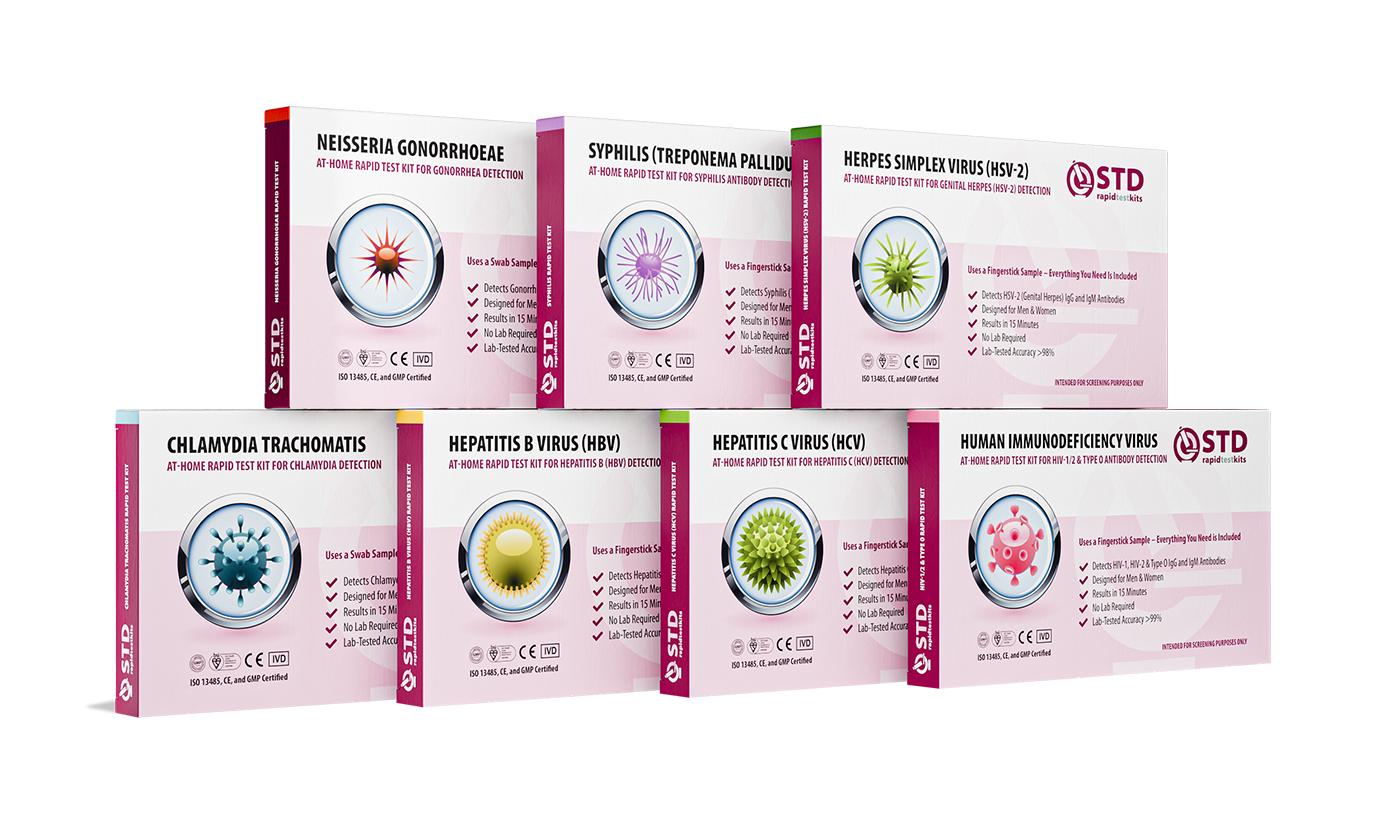
 For Men & Women
 Results in Minutes
 No Lab Needed
 Private & Discreet
Order Now $129.00 $343.00
For all 7 tests
What If You’re Scared of Their Reaction?
It's okay to be afraid. Maybe you're worried they’ll get angry, blame you, or even cut off contact. But silence has consequences too, emotional, medical, and sometimes legal. In some U.S. states, knowingly exposing someone to an STD without disclosure can carry civil or criminal penalties, depending on the infection and intent. You don’t need to be perfect. But you do need to act.
Here’s the truth: people are more likely to be shocked if you wait. Disclosing early shows honesty. If you're afraid of violence or retaliation, use an anonymous partner notification service or talk to a provider about safer ways to notify someone.
Your safety matters too. If you’re in a relationship where disclosure could put you at risk, protect yourself first and ask a health professional for help. Clinics can often notify a partner on your behalf.
Anonymous Options: When You Can’t, or Shouldn’t, Tell Them Directly
If speaking face-to-face or texting directly feels unsafe or impossible, you’re not out of options. Several partner notification services exist to help you alert someone anonymously and ethically. These tools are free, confidential, and designed for situations exactly like this.
You could try using services like STDCheck's anonymous notify or TellYourPartner.org. You can type in their phone number or email, and the platform will send them a generic message saying they may have been exposed, but it won't include your name or any other information.
This option is especially helpful if:
- You're afraid of retaliation
- You don’t have their contact anymore
- You only had a one-time encounter
- You’ve already tried direct contact and been blocked
Remember, anonymous doesn’t mean irresponsible. These tools are endorsed by health departments and public clinics nationwide.
When to Tell Them: Sooner Is Better
The ideal time to tell a partner is as soon as you know your result and have had a chance to understand what it means. Delaying doesn’t help, it only increases the risk that they might unknowingly spread the infection to someone else or develop complications from not being treated.
Here’s a basic disclosure timing table to help you decide when and how fast to reach out:
| Timing | Best Practice | Why It Matters |
|---|---|---|
| Same day you find out | Send a short text or email, even if you’re still processing. | Early notice can reduce spread and stress later. |
| Within 24–48 hours | Schedule a call or send a message. Offer support resources. | This is the sweet spot for honest, calm disclosure. |
| More than 3 days later | Acknowledge the delay, then disclose clearly and kindly. | Waiting too long may damage trust and increase legal risk. |
Figure 2. Timeline of best disclosure windows and why timing helps protect health and trust.
“I Don’t Even Know Where I Got It”, What If They Ask Questions You Can’t Answer?
This is one of the most common fears. What if they demand to know where it came from, when you got it, or accuse you of cheating? You’re not a detective, and you don’t owe anyone a perfect timeline.
Most STDs can be carried with no symptoms for weeks or even months. According to the Planned Parenthood STD learning center, infections like herpes and HPV can remain dormant and undetected. Even regular testing can miss things during their incubation period.
A response like this can help:
“I honestly don’t know when I got it. These things can be hard to trace. I’m telling you because it’s the right thing to do, not because I have all the answers.”
That kind of clarity can de-escalate tension and remind your partner that you’re doing this to protect them, not accuse them or take blame.
People are also reading: Why Some STDs Don’t Show Up on Standard Tests (And What to Do About It)
What If They Don’t Believe You?
This is a painful possibility, but sadly, not uncommon. If someone says "I don't believe you," denies it, or blames you, remember that this doesn't mean you did something wrong.
When people are scared, they often lash out. They might be shocked, confused, or trying to save face. Stay calm and remember why you're doing this: you care about their health, not what they think.
If they accuse you of lying or start comparing timelines, return to neutral ground. Say:
“I can’t know exactly who had it first or when it started. All I know is that I tested positive, and I thought you’d want to know too.”
Setting a boundary is not selfish, it’s survival. You’ve done your part. Whether they test or not is their choice.
Check Your STD Status in Minutes
Test at Home with Remedium6-in-1 STD Test Kit
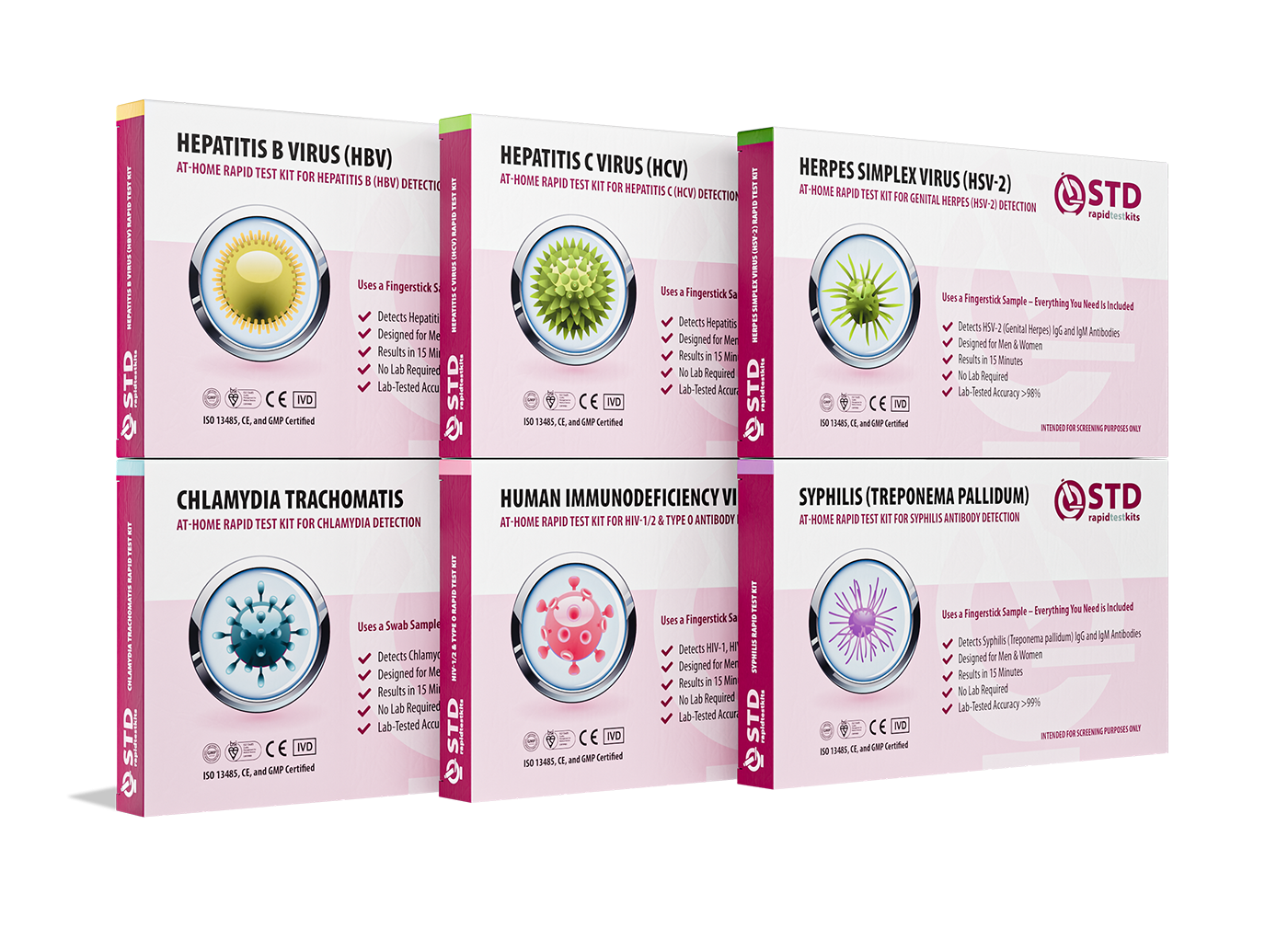 For Men & WomenResults in MinutesNo Lab NeededPrivate & Discreet
Order Now $119.00 $294.00
For all 6 tests
“But I Have No Symptoms”, Do They Still Need to Test?
Yes. A lot of STDs don't show any signs, especially in the beginning. Chlamydia, for instance, is often completely silent, especially in people with vaginas. That's why it's important to get tested regularly, even if you feel fine.
According to Mayo Clinic’s chlamydia page, up to 75% of infected women and 50% of infected men may never show signs. The same holds true for gonorrhea, HPV, and early-stage syphilis.
Let your partner know that absence of symptoms doesn’t mean absence of infection. Here’s a helpful way to phrase it:
"I didn't have any symptoms either, but I still got a positive test result." A lot of the time, STDs don't make a sound."
This frames testing as routine health, not a blame game.
What If They’re the One Who Gave It to You?
This is where things get murky, and emotional. Sometimes, you’ll disclose your result and realize they might have been the source. Other times, they’ll deny everything and spin the suspicion back on you.
Try to keep the focus on moving forward. You can say:
“I don’t know how it started, and honestly, I don’t think pointing fingers helps either of us right now. I just want us both to be safe going forward.”
If you’re in a committed relationship, this might lead to deeper discussions. If it was a casual situation, this may be your last contact. Either way, you’ve said what matters.
Are you still working through your feelings? That's normal. Give yourself some space, and remember that testing is not a way to blame yourself.
Your Next Move: Retesting, Prevention, and Care
Once you’ve told your partner(s), you’re not done, but you’re close. The next steps depend on your situation:
You should get tested again after three weeks if you had treatment to make sure the infection is gone, especially if you have a bacterial STD like chlamydia or gonorrhea.
- If your partner tests positive: Avoid sexual contact until treatment is complete for both of you.
- If you’re still unsure who exposed whom: Stay on a 3-month retesting schedule and always use protection.
Want discreet peace of mind? Order the at-home Combo STD Test Kit for fast results and zero awkward clinic visits.
When to Walk Away From the Conversation
If the person you’re telling responds with cruelty, manipulation, or refuses to even consider testing, it may be time to step back. Your role isn’t to convince or absorb blame. It’s to inform. You are not obligated to argue your case or prove your value.
Walking away doesn’t mean failure, it means protecting your peace. Especially if you’ve disclosed in good faith and provided clear resources for testing.
If it helps, return to this phrase:
“I’m letting you know because it’s the right thing to do. What you choose from here is up to you.”
That’s strength. That’s dignity. And that’s enough.
FAQs
1. Do I really have to tell them?
Look, no one’s going to follow you around with a clipboard. But if you care about someone’s health, even a little, it’s worth saying something. Not because you’re obligated, but because you’d want the same heads-up. Disclosure isn’t about shame. It’s about care.
2. What if I don’t even know who I got it from?
Totally normal. Many STDs don’t show up for weeks, and even if you test regularly, there’s a window where results can be falsely negative. So if your brain’s going in circles, “Was it Alex? Or Jamie? Or that one time in Vegas?”, know that you’re not alone. You don’t have to have all the answers to do the right thing.
3. Is it ever okay not to tell someone?
Yes, and we mean that. If you’re in a situation where telling a partner could lead to violence, stalking, or real harm, protect yourself first. There are anonymous services built for this exact scenario. Safety isn’t selfish.
4. They blocked me. Now what?
That sucks, but also, that’s their choice. You reached out with honesty, which is more than most people do. If they ghost, rage-text, or disappear, it doesn’t erase the courage it took to say something. Consider sending an anonymous message if needed, then let go. You’re not responsible for their denial spiral.
5. Do I have to tell a one-night stand?
Quick test: if you'd want to know in their shoes, tell them. It doesn't have to be deep. You can literally say: “Hey, just found out I tested positive for X. Wanted to let you know so you can get tested.” Boom. Done. No judgment, no shame, just mutual care.
6. What if I told them and they said I’m lying? It happens. Some folks get defensive when they’re scared or feel exposed. Doesn’t mean they’re right. You can say: “I'm telling you because it's the right thing to do, not because I want drama.” Then leave it. You’re not on trial.
7. They asked who I got it from. Do I have to answer?
Nope. This isn't a courtroom. It’s a health convo, not an investigation. Feel free to say, “I don’t know, and I’m not here to point fingers. I just want you to have the info in case you want to test.” You’re not a detective. You’re a grown adult trying to do right.
8. Do people actually use those anonymous notification tools?
Yes, and they’re lifesavers. Especially if you’re dealing with a toxic ex, a blocked number, or a vague memory from a party hookup. You drop their contact in, and the system sends a respectful message saying they may have been exposed. No names, no drama. Just science doing its thing.
9. They asked me to “prove” I have it. What do I do?
That’s not love, that’s control. You don’t owe anyone your medical documents. If they’re coming at you with suspicion instead of concern, that’s a red flag. You disclosed. You offered information. That’s enough. Protect your peace.
10. What if they never get tested?
Hard truth? That might happen. You can’t force someone to care about their health. But you’ll know you did your part, and that’s what matters. You’re not responsible for the choices they make after you’ve handed them the info. Let that be your closure.
You’re Not a Villain, You’re Being Brave
Let’s be honest: this stuff is hard. But the courage to disclose, to protect someone else’s health even when you’re scared, is powerful. It’s also rare. You’re not confessing. You’re not dirty. You’re stepping up. You’re closing the loop. You’re taking back control.
Whether the person thanks you, ghosts you, or freaks out, it doesn’t change the fact that you did the right thing. And if you're ready to test again, check your status, or get the tools to help someone else, we’ve got your back.
Don’t stay stuck in fear. This at-home combo test kit can give you answers, without waiting rooms, shame, or judgment.
How We Sourced This Article: We combined current guidance from leading medical organizations with peer-reviewed research and lived-experience reporting to make this guide practical, compassionate, and accurate.
Sources
1. NCBI – Partner Notification Methods
2. CDC – 2021 STI Treatment Guidelines (MMWR)
3. NCBI – Electronic Partner Notification for STIs
4. CDC NPIN – TellYourPartner.org Overview
5. Planned Parenthood – STDs and Safer Sex
6. Mayo Clinic – Chlamydia Overview
About the Author
Dr. F. David, MD is a board-certified infectious disease specialist focused on STI prevention, diagnosis, and treatment. He blends clinical precision with a no-nonsense, sex-positive approach and is committed to expanding access for readers in both urban and off-grid settings.
Reviewed by: Taylor Grant, MPH | Last medically reviewed: October 2025
This article is just for information and should not be taken as medical advice.


