






Quick Answer: When it comes from reliable sources, STD advice on social media can be helpful, but most of it isn't. A lot of viral content is too simple, wrong, or scary. If you're not sure, test. Don't use social media as the only source of information.
The App That Replaced the Health Class
In some places, health class doesn’t happen at all. In others, it’s boiled down to two awkward sessions with banana condoms and fear slides. By the time most people are actually navigating their first real sexual experience, their main source of information isn’t a textbook, it’s a TikTok voiceover, a comment section, or a friend-of-a-friend’s story reposted on Instagram.
Sofia, 17, remembers searching “STD after hookup” on TikTok after a condom broke. She found hundreds of videos, some helpful, many terrifying. One creator said herpes was “no big deal,” another claimed antibiotics could “cure” it. Another video stitched a CDC post but added their own edits: “They don’t want you to know you can fix this at home.” She didn’t know who to believe. She waited three weeks before getting tested, and by then, her anxiety had turned physical. She was convinced her symptoms were psychosomatic. They weren’t.
This is where social media lives, in the gap between panic and care. Between the time you notice something and the moment you actually ask for help.
And because it’s immediate, raw, and often framed by people “like you,” it feels more accessible than walking into a clinic, filling out forms, or risking judgment. That feeling of relatability makes platforms like TikTok and Reddit wildly influential in shaping sexual health behavior, especially for younger people and those in marginalized communities.
But that power works both ways.
When the Algorithm Becomes Your Doctor
What you see isn't neutral. Algorithms that don't care about accuracy but do care about what gets clicks, comments, and emotional reactions serve it up. A 2025 study looked at more than 300 of the best TikTok videos with the tag "#STD" and found that almost 60% of them had wrong or misleading information about how STDs spread, what their symptoms are, or how to treat them. Most of them didn't have any medical credentials. A lot of people said, "They don't want you to know," which made people think of public health advice as a "us vs. them" situation.
That lack of trust isn't by chance. When false information plays on people's fears, shame, or conspiracy theories, it spreads faster. It feels like it's about me. It seems important. And when it comes to STDs, which are already stigmatized, even a hint of shame can sound like thunder online.
Content that says “you’re fine, don’t test” often gets more likes than content that says “you might need to see a doctor.” One creator, claiming to be “holistic only,” has over 2 million views on a video recommending lemon water and fasting to cure chlamydia. There is zero evidence to support this. Meanwhile, videos that explain window periods or promote routine screening barely break 5,000 views unless they’re tied to a sensational trend.
Diego, 23, followed one of those trends. After reading a Reddit AMA about “DIY genital detoxing,” he skipped testing after a weekend hookup and tried a steaming method instead. Two weeks later, his discharge turned bloody. The clinic diagnosed him with advanced gonorrhea and a secondary infection that could’ve been avoided with a $30 test.
He never posted about it. Shame online is loud; regret is quiet.
The Most Common STD Myths That Go Viral
Not all misinformation looks like a wild conspiracy. In fact, the most damaging myths tend to be the ones that sound logical on the surface. They use partial truths, popular language, and feel-good vibes to build trust. Then they quietly steer people away from real care.
| Viral Claim | Why It Spreads | The Reality |
|---|---|---|
| “Garlic kills chlamydia naturally” | Sounds natural and easy; feels empowering | Zero evidence. Untreated chlamydia can lead to infertility |
| “If you don’t have symptoms, you’re clean” | Validates avoidance; avoids discomfort | Many STDs are asymptomatic. Silence isn’t safety |
| “You can’t get herpes if you used a condom” | Oversimplifies protection; reduces anxiety | Condoms help but don’t cover all skin-to-skin areas |
| “Rashes mean HIV” | Fear-based; goes viral quickly | Rashes have dozens of causes, context and timing matter |
| “STD tests are part of all checkups” | Assumes care is automatic | Most clinics only test if you ask specifically |
Part of the reason these myths persist is because they blend emotional language with medical-sounding terms. They feel like advice but function more like confirmation bias: we want to believe we’re safe, that our fears are overblown, that someone else’s trick worked.
But this is your body. And false reassurance is still false.
What Traditional Sex Ed Gets Right, and What It Leaves Behind
Let’s not romanticize the classroom. For some, sex education was a slide deck about abstinence delivered by a gym teacher who blushed every time they said “vagina.” For others, it didn’t happen at all. But despite its awkwardness, traditional sex ed had one thing going for it: the facts were, at least in theory, vetted. The information was written, revised, and usually tied to some public health framework.
That doesn’t mean it was complete. Far from it. Most sex ed programs, especially in the U.S., ignore pleasure, LGBTQ+ realities, partner dynamics, consent scripts, and how to ask for or access testing. You’re more likely to learn how to label a reproductive system than how to notice a risky symptom. You might memorize stats but never be told how to read your own discharge. The gaps are enormous.
Which is exactly where social media steps in. TikTok offers the empathy schools never did. Instagram gives you voices that sound like your friends, not your parents. Reddit provides anonymity, room to ask without fear. The problem? There’s no filter. Everyone is talking. Not everyone is right.
Marcus, 20, thought he had it covered. He’d been tested six months ago, always used condoms, and hadn’t noticed anything unusual. But a friend sent him a post claiming “STD tests miss most herpes cases unless there’s an outbreak.” He spiraled. Three days of anxious Googling later, he booked a test, convinced he’d been misdiagnosed by omission. The clinic explained that herpes testing is indeed nuanced, but not secretive. He left calmer, but frustrated. “I just wish that post had context,” he said. “It made me feel like I’d been lied to.”
That’s the double-edged sword. Online content can empower. It can also terrify.

People are also reading: Tested Positive Without Having Sex? You're Not Alone
When Content Hurts More Than It Helps
The damage isn’t always visible. Sometimes it’s subtle, psychological, long-burning. A 2024 peer-reviewed study from the Journal of Adolescent Health found that exposure to medically inaccurate STD content increased anxiety levels by 46% among college students. Not just misinformation, but confusion itself, had a cost. The more uncertain people felt about what was real, the less likely they were to seek care at all.
This isn’t just a data point. It’s real people like Amina, 25, who watched a YouTube short claiming HPV meant “you’ll get cancer.” Her last test had come back positive for high-risk HPV, but her doctor said monitoring was all that was needed. After seeing that video, she stopped returning to her follow-up appointments. She felt doomed. Only after talking to a community health nurse months later did she learn that “high-risk” doesn’t mean “high certainty”, it means close watching, not immediate panic. But by then, she’d spent a season stuck in fear.
That’s the quiet harm of poorly framed content. It doesn’t just mislead, it paralyzes.
In some cases, it also delays diagnosis. Self-treatment trends, like douching with vinegar for “yeast and STDs,” steaming with herbs to “reset your womb,” or fasting to “flush your system”, are not just ineffective. They can lead to worsening symptoms, vaginal imbalance, and misread results. And yet, these posts regularly hit hundreds of thousands of views, often framed in self-care aesthetics with no warnings attached.
Social media is the new town square. But if everyone’s yelling, who are you supposed to trust?
The Filter You Need But Weren’t Taught
Let’s reframe the question. It’s not “Is social media bad for STD education?” It’s “How do you sort the useful from the dangerous when your anxiety is spiking, your partner’s not replying, and your feed is all caps-lock chaos?”
The answer starts with learning to pause. Not forever, just long enough to fact-check before spiraling. That sounds simple. But in the moment? When you think you’ve been exposed or notice something off? It feels impossible.
Lucia knows that feeling. She found a sore near her vulva one morning after a date. She searched “STD sore after sex” on TikTok. The results were loud, fast, and terrifying. In 10 minutes, she’d diagnosed herself with late-stage syphilis, panic-Googled HIV symptoms, and convinced herself she’d have to tell her parents she was dying. What helped wasn’t the feed, it was a comment someone left on a less dramatic video: “Window period matters. If you just got exposed, the test might not show anything yet. But test anyway and retest later. You’re not alone.”
That single voice cut through the noise. She booked a rapid test that day and followed up two weeks later. Both were negative. Her doctor said it looked like an ingrown hair. But she still remembers the dread, and the relief that someone gave her facts, not fear.
That’s the kind of online advice that saves people. It doesn’t dismiss feelings. It doesn’t oversell certainty. It guides you to test and keep perspective. That’s the gold standard.
What Testing Really Looks Like (And Why It Beats Guessing)
Despite what many influencers suggest, testing is not scary, humiliating, or reserved for “promiscuous” people. It’s a medical check-up, like getting your blood pressure taken, except this one helps you protect others, too.
There’s also no single “STD test.” Testing varies by infection, body part, exposure type, and symptom presence. If you’re asymptomatic, some providers won’t test for certain things unless you ask. That’s why knowing your risk and asking clearly matters.
Here’s what that complexity looks like:
| STD | Common Tests | Sample Type | Typical Window Period |
|---|---|---|---|
| Chlamydia | NAAT (PCR) | Urine or genital swab | 7 to 14 days after exposure |
| Gonorrhea | NAAT (PCR) | Urine or genital swab | 7 to 14 days after exposure |
| Syphilis | Blood antibody test | Blood sample | 3 to 6 weeks after exposure |
| HIV | 4th gen Ag/Ab or RNA | Blood or oral fluid | 2 to 4 weeks (RNA), up to 6 weeks (Ag/Ab) |
| Herpes (HSV-1/2) | Swab of sore or blood test | Lesion swab or blood | 4 to 6 weeks for blood test |
Understanding these timelines matters because social media often skips over them. A post might say “test now” or “you’re fine after 24 hours,” but it depends on the infection. Testing too early might mean false reassurance. Testing too late can delay treatment.
When in doubt, test anyway, but don’t stop there. Retest when the window period ends. And if symptoms evolve, always follow up. Your body is not an algorithm. It doesn’t perform on viral timing. It needs real attention.
When Trust Feels Like a Trap
Most of us don’t scroll expecting to be lied to. We look for answers. Connection. Relief. The problem is, social media isn’t built to prioritize truth. It’s built to reward engagement. The more a video gets watched, shared, and commented on, the more people see it, regardless of whether it’s accurate. A soft-spoken creator making a 3-minute video about testing windows doesn’t stand a chance against someone who yells “They’re hiding the cure from you!”
This is how trust breaks down. You start to believe that the people with the strongest opinions must know something others don’t. You follow the accounts that scare you the most, because they feel the most urgent. You stop clicking on CDC or Mayo Clinic links because they don’t feel personal. And slowly, your view of sexual health becomes warped, not because you’re naïve, but because you were trying to protect yourself with the tools you had.
This happened to Brennan, 29, after a partner ghosted him post-hookup. He searched “STD panic symptoms” and found a flood of TikToks describing every possible sign of infection, dry throat, back pain, eye floaters. Some were labeled as “HIV indicators” with zero citations. He spiraled into a fog of fear, convinced he’d ruined his life. He didn’t get tested until two months later, after a panic attack sent him to urgent care. His tests were negative. What he needed was someone to cut through the noise, not add to it.
That’s what the best sexual health content does. It names your fear but doesn’t feed it. It gives you next steps. It centers testing, treatment, and time, not hysteria, shame, or hashtags.
Check Your STD Status in Minutes
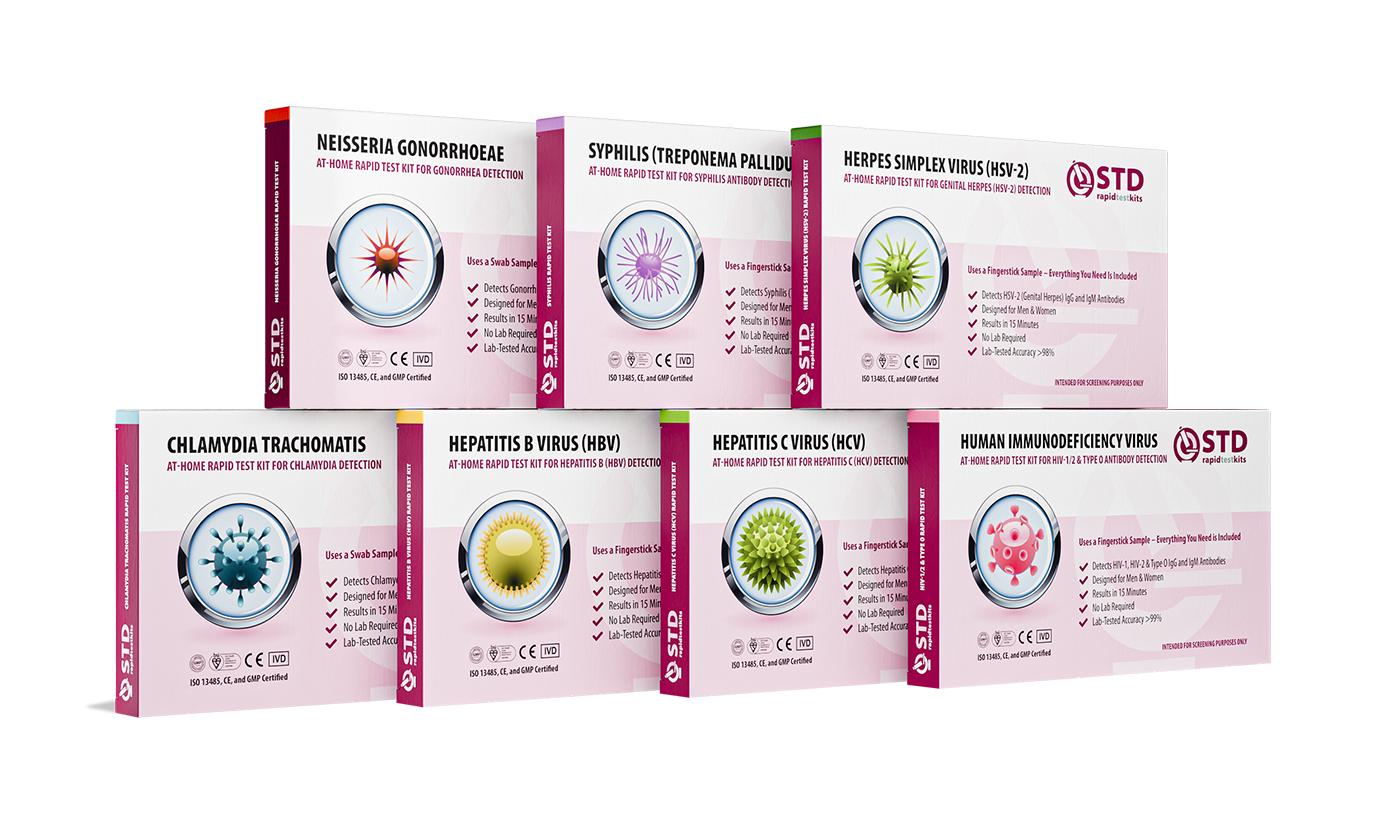
Test at Home with Remedium7-in-1 STD Test Kit
 For Men & Women
 Results in Minutes
 No Lab Needed
 Private & Discreet
Order Now $129.00 $343.00
For all 7 tests
Social Media Can Work, When It Centers Care
Not all digital advice is harmful. In fact, some of the most impactful sexual health education today lives on the internet. Creators like @sexedwithkayla and @askdrjessica have built huge followings by translating medical guidance into real talk. Public health organizations now run story-driven campaigns that explain testing windows in relatable language. Some even partner with influencers to bust myths using the same format that misinformation travels through, short-form video, memes, stitched responses.
These efforts matter. They work best when they meet people where they are. The difference? They don’t claim to replace testing. They point to it. They use language that empowers instead of diagnoses. They answer the most common question in the comment section, “What do I do now?”, with a clear, trauma-informed answer: test if you’re worried. Then talk to someone you trust. You are not dirty. You are not doomed. You are not alone.
And it’s in that gap, between fear and fact, that platforms can actually heal.
If you’ve been stuck in the cycle of search and scroll, you don’t have to stay there. There’s a way out that doesn’t involve guessing or panic-posting or praying you’re one of the lucky ones. There’s a way to take control.
This at-home combo STD test kit screens for the most common infections, right from your home, no clinic visit needed. It’s fast, private, doctor-trusted, and ships discreetly. If your head is spinning and your heart is racing, this is your next right step.
What Happens If You Wait Too Long?
Some infections are silent at first but cause damage later. Chlamydia can scar your reproductive system over time, even if it doesn’t cause noticeable symptoms. Gonorrhea can spread to the bloodstream in rare cases. Untreated syphilis moves through stages. And once you’re infected, every new partner is at risk unless you know your status.
But there’s another kind of damage: mental. The longer you wait, the louder your brain gets. You replay every encounter. You catastrophize every itch. You interpret normal body changes as signs of something terrible. And the more you scroll, the more dramatic stories you find. That cycle can keep people trapped for weeks, months, even years, without testing, all because the noise drowned out the signal.
No one should suffer like that. Testing isn’t just a diagnostic step. It’s emotional relief. It’s your brain finally exhaling.
And here’s the part no one tells you online: even if your result is positive, most STDs are treatable. All are manageable. You can live fully. You can still love and be loved. But you have to start with truth, and that begins with a real result, not a viral clip.
Why Misinformation Loves the Comments Section
Ever notice how a video with one solid piece of advice can get hijacked in the comments? Someone asks, “Is this really true?” and the thread spirals. One person says, “I heard this too.” Another chimes in, “Doctors don’t want you to know the real cure.” Someone else drops a YouTube link to a 40-minute conspiracy. Before long, the original post is buried under a dogpile of half-truths and personal horror stories that may or may not be real.
That’s because social media is designed for engagement, not accuracy. The more chaotic the comment section, the more time people spend in it. Controversy boosts views. Fear gets clicks. Rage gets replies. And nuance? That gets buried.
If you’re in that comment section looking for answers, remember this: your fear deserves more than a reply from a stranger with no medical background. Your health deserves better than a thread full of guesses. If someone can’t provide a link to a reputable source, or if they make you feel worse instead of clearer, that’s your cue to step away.
Swipe out of the app. Open your calendar. Book the test.

People are also reading: At-Home vs Clinic STD Testing, What Couples Need to Know
You Deserve Answers, Not Assumptions
Every time you open an app and scroll through someone else’s trauma, someone else’s cure, someone else’s fear, your body absorbs it. Your heart rate changes. Your stomach tightens. You start to believe that you’re next. Or worse, that you’re already ruined.
But you’re not ruined. You’re just human. You’re trying to understand your body in a world that makes it confusing. You’re looking for answers in a space that isn’t built to give them gently. You deserve better. Better information. Better access. Better language. Better care.
Testing is one way to reclaim that. Whether you go to a clinic, a community health center, or order a kit to your door, you’re doing something powerful: you’re moving from fear to fact. And in a digital world full of noise, that is a radical act of self-trust.
Don’t wait and wonder, get the clarity you deserve. This at-home combo test kit checks for the most common STDs discreetly and quickly.
FAQs
1. Is it ever okay to trust STD info from TikTok? Sometimes, yes, but with your brain turned all the way on. There are legit creators out there: queer sex educators, nurses, doctors, and therapists who care deeply about getting it right. But for every one of them, there's five “health hacks” telling you to steam your genitals with basil. The trick? Check their credentials, see if they cite sources, and ask yourself: does this person want to help me, or just go viral?
2. I watched a bunch of scary herpes videos. Now I think I have it. What do I do? First, breathe. Seriously. A whole lot of people spiral after seeing those videos, even without symptoms. Herpes is common, and most people who have it don’t even know. If you’ve had a recent exposure, get tested. If you're not sure what you're seeing, book an appointment or order a swab test kit. Don’t let someone’s panic-post become your self-diagnosis.
3. Do STD tests check for everything automatically? Nope, and that’s a huge misunderstanding online. Many clinics won’t test for herpes unless you ask. Some don’t include oral swabs unless you request it. “Full panel” sounds nice, but it varies. Always ask what’s being tested and be specific. Your body, your rules, just make sure the lab’s on the same page.
4. Can I really get an STD from oral or just grinding? Yep. It’s less risky than penetrative sex, but it’s not risk-free. Herpes, gonorrhea, HPV, all can be passed through oral or skin-to-skin contact. One user messaged us after getting gonorrhea in their throat without ever having vaginal or anal sex. Don’t let “we didn’t really have sex” be your reason to skip testing.
5. Someone online said you can cure chlamydia with herbs. Is that true? That’s internet fiction dressed in wellness language. Chlamydia is bacterial. It needs antibiotics. Period. Herbs might smell nice, but they won't protect your fertility or prevent long-term complications. If you’ve been exposed, take the meds. Don’t gamble your body on a hashtag.
6. Is it possible to have an STD with zero symptoms? Very possible. In fact, it’s common. Some infections can live in your body quietly for months, or years. That’s why routine testing matters, even if everything feels normal. Think of it like checking your tire pressure: you might not notice something’s off until it’s dangerous.
7. How long should I wait to test after unprotected sex? Depends on what you’re testing for. Chlamydia and gonorrhea? A week or two. HIV and syphilis? Closer to a month. If you’re freaking out, get an early test for peace of mind, but retest later for accuracy. One user tested negative at 4 days, then positive at 16. The window period isn’t a conspiracy. It’s biology.
8. Why does social media always make it sound worse than it is? Because panic sells. Fear boosts the algorithm. And complicated truths don’t go viral as fast as “Look what happened to me!” The truth is, most STDs are treatable. Some never cause symptoms. None mean you’re dirty or doomed. But that doesn’t make a catchy video, so you have to protect your peace and get real info from real places.
9. How do I talk to a partner about testing without killing the vibe? You don’t have to turn it into a TED Talk. Try, “Hey, before things go further, can we talk about testing?” Or, “I got tested recently, want to do it together?” Normalize it like you’d normalize bringing lube or setting boundaries. Trust us: testing is way sexier than untreated gonorrhea.
10. What if I test positive, am I broken? Absolutely not. You’re not broken, dirty, irresponsible, or unlovable. You’re human. People test positive every day. They get treated, move on, live full lives. An STD isn’t a death sentence or a moral failing, it’s a common part of sexual health. What matters is what you do next, not what showed up on a test strip.
How We Sourced This Article: This article was developed using over a dozen reputable sources, including peer-reviewed studies, public health guidance, and real-world user behavior analysis. We cross-checked viral claims with established medical research and included insights from community health educators who work with TikTok-affected populations. Below are six of the most useful references that shaped this guide.
Sources
1. TikTok and STI Misinformation: A 2025 Systematic Review
2. CDC: STD Screening Recommendations
3. Using Social Listening to Combat STD Misinformation
4. STI Stigmatization and Media Representation
5. Public Health Post: Where Social Media Replaces Sex Ed
About the Author
Dr. F. David, MD is a board-certified infectious disease specialist focused on STI prevention, diagnosis, and treatment. He blends clinical precision with a no-nonsense, sex-positive approach and is committed to expanding access for readers in both urban and off-grid settings.
Reviewed by: Jamie L. Reed, MPH | Last medically reviewed: September 2025
This article is for informational purposes and does not replace medical advice.


