







Quick Answer: Gonorrhea rapid test accuracy depends heavily on timing and technique. False negatives are common if you test too early, collect too little sample, or misread faint lines. Retesting after the window period is key for reliable results.
The Panic of a Burning Symptom
Most people first notice gonorrhea not through a lab report, but through their body’s whispers and shouts. A sharp burn during urination, an odd sensation after sex, or even a partner’s worried message can trigger a rush to test. Yet the cruel irony is that rapid tests, while fast and discreet, don’t always align perfectly with your body’s signals. The mismatch between symptoms and test results is one of the most stressful experiences in sexual health.
Imagine Alejandro, 26, who took a rapid test four days after a risky encounter. The cassette came up negative, but the pain didn’t stop. By the time he retested two weeks later, the second test showed a clear positive. The science behind this delay isn’t about punishment or bad luck, it’s about the biology of how infections take hold and when tests can actually detect them.

People are also reading: Why Trich Gets Missed, And What Your Discharge Might Be Telling You
How Gonorrhea Rapid Tests Actually Work
A gonorrhea rapid test uses a method called lateral flow immunoassay. In plain terms, it looks for proteins or antigens from the bacteria Neisseria gonorrhoeae in your sample. When enough of these proteins are present, the test line darkens. Unlike NAAT or PCR tests used in clinics, which look for genetic material with extreme sensitivity, rapid tests trade some accuracy for speed and privacy. Most give results within 15 to 30 minutes.
What this means in practice is that a rapid test may miss infections when bacterial levels are low, such as in the first week after exposure or in cases where the bacteria live in the throat or rectum rather than the urethra. That’s why rapid tests can be powerful tools for immediate answers but must be understood in context. They are not crystal balls; they are snapshots taken at a particular moment in time.
Breaking Down Sensitivity, Specificity, and Accuracy
The language of accuracy can feel abstract, but it matters deeply when your health and relationships are on the line. Sensitivity tells us how good a test is at finding people who actually have gonorrhea. Specificity tells us how well it avoids labeling healthy people as positive. Accuracy sits in the middle, reflecting how often the test gets things right overall.
| Measure | What It Means | Typical Range for Gonorrhea Rapid Tests |
|---|---|---|
| Sensitivity | How often positives are correctly identified | 70–90% |
| Specificity | How often negatives are correctly identified | 90–98% |
| Overall Accuracy | How often the test result matches reality | 80–95% |
Table 1. Accuracy measures for gonorrhea rapid tests. Values vary by brand and study, but they show why false negatives happen more often than false positives.
Numbers only tell part of the story. In practice, a negative test might still be wrong if you swabbed too early, if the bacteria is only in your throat, or if the sample collected wasn’t sufficient. These gaps between statistics and real life are where human mistakes and stigma creep in.
Why Timing Can Break Your Test
The accuracy of a gonorrhea rapid test isn’t just about the test itself, it’s about when you use it. The bacteria need time to multiply in your body before there are enough proteins for the test to detect. This invisible lag period is called the window period, and it’s the number one reason false negatives happen. A test taken too soon can hand you false reassurance while the infection continues to spread quietly.
Sofia, 22, tested herself three days after a condom break. Negative. She believed the result and tried to forget the encounter. But by day ten the burning grew worse, and her retest showed a clear positive. This is the frustrating reality: biology doesn’t care about our schedules. The test only works when enough bacterial load is present, and that takes time.
| Days After Exposure | Chance of Accurate Result | Why Accuracy Varies |
|---|---|---|
| 0–5 days | Low (often false negatives) | Bacteria not detectable yet |
| 7–14 days | Moderate | Some infections show, but risk of misses remains |
| 14+ days | High | Bacterial load usually sufficient for detection |
Table 2. Window period effects on gonorrhea rapid test accuracy. Testing too early is the single most common cause of false negatives.
The Mistakes That Skew Results
Even when you test at the right time, human error can trip you up. At-home testing is intimate and private, but that also means there’s no nurse checking your technique. Common mistakes include collecting too little urine or swab sample, waiting too long to read the result, or misinterpreting a faint line as negative. Each misstep increases the odds of getting the wrong answer.
Jamal, 30, admitted he rushed his test before work. He barely swirled the swab, poured the liquid quickly, and tossed the cassette after five minutes. Later, he learned the instructions required a 15-minute wait before reading the result. His first test was negative. His second, done carefully, was positive. Stories like this aren’t rare, they’re the rule when instructions are skipped or rushed.
Studies consistently show that user handling impacts rapid test outcomes as much as the test’s design itself. Whether it’s shaking the cassette, touching the absorbent tip, or misjudging the faintest of lines, small errors matter. When shame or panic enters the mix, people often rush, hoping for quick reassurance instead of careful accuracy.
Faint Lines and the Fear They Bring
Few things spike anxiety like staring at a faint test line. Does it mean positive, negative, or nothing at all? With gonorrhea rapid tests, even a faint line is usually interpreted as positive. The dye may be weak if bacterial proteins are just starting to register, but faint doesn’t mean false. The safest approach is to treat any visible line as a reason to confirm with a lab test or retest in a few days.
One Reddit user described holding a cassette under every light in their apartment, convinced they were seeing a ghost line. They weren’t imagining things, the bacteria were there, just barely detectable. The lesson here isn’t to doubt yourself, but to trust that if something looks off, it’s worth checking again. Faint lines are whispers from your body, not hallucinations.
Check Your STD Status in Minutes
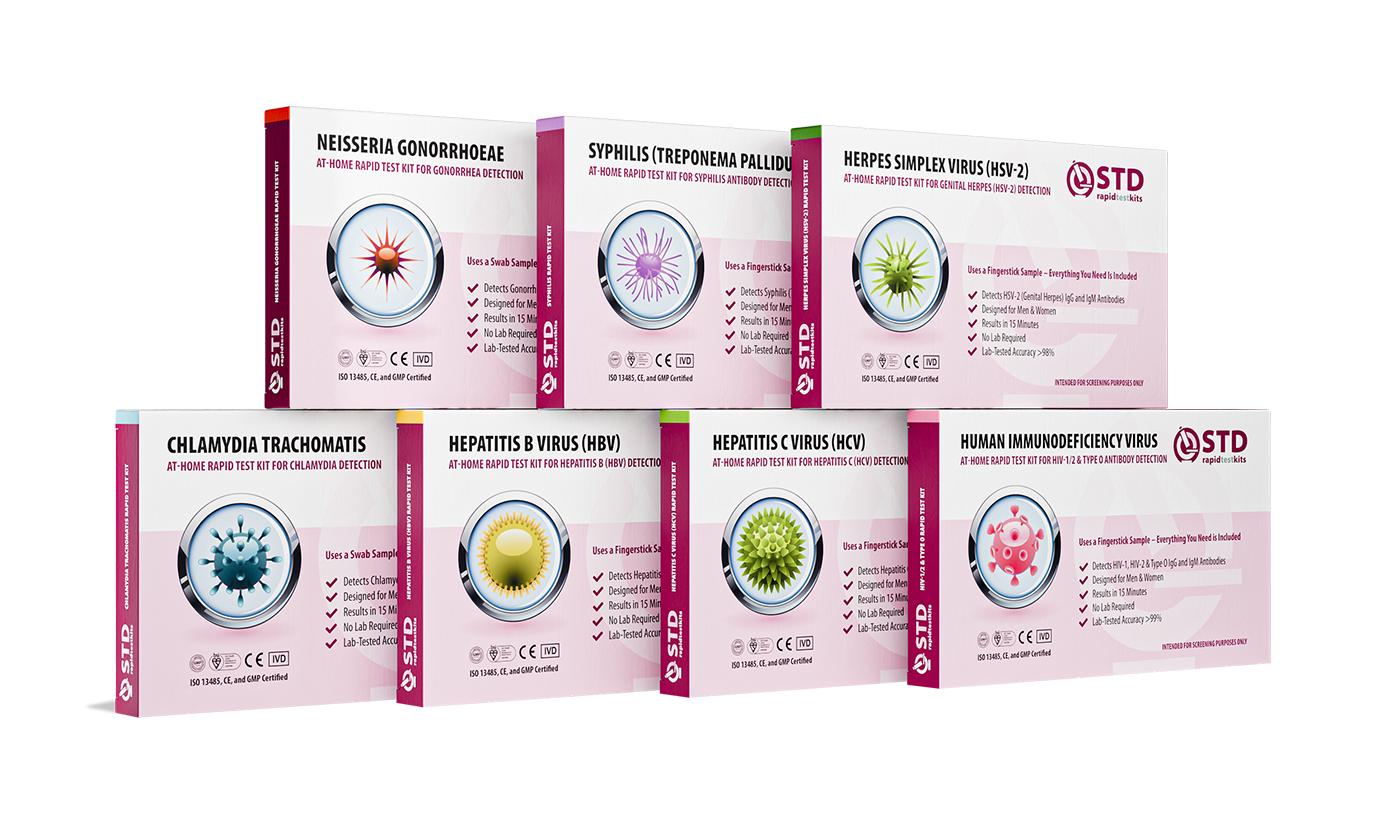
Test at Home with Remedium7-in-1 STD Test Kit
 For Men & Women
 Results in Minutes
 No Lab Needed
 Private & Discreet
Order Now $129.00 $343.00
For all 7 tests
When a Rapid Test Isn’t the Last Word
A single rapid test result, positive or negative, doesn’t always close the case. Medical guidelines recommend confirmatory testing in certain situations, especially if you have symptoms but your rapid test shows negative. A lab-based NAAT (nucleic acid amplification test) is the gold standard for gonorrhea, with sensitivity and specificity above 95%. If you’re symptomatic, have a partner who recently tested positive, or are in a high-risk exposure window, a confirmatory test is the next step to clarity.
Linh, 28, found herself in this position. Her at-home kit came back faintly positive, but she wanted certainty before telling her partner. The clinic confirmed the infection through a urine-based NAAT and started her on treatment the same day. The rapid test gave her the nudge, but the lab sealed the answer. This two-step process, screen with a rapid test, confirm with a lab test, is how many people find both speed and accuracy.
Do You Need to Retest? Here’s How to Know
Retesting isn’t just for people with positive results. If you tested negative but symptoms persist, a second test after the full window period is smart. If you tested positive and completed treatment, retesting after two to three weeks helps confirm the infection is gone and ensures reinfection hasn’t occurred. For those with frequent exposures, routine retesting every few months may be part of safer sexual health.
| Situation | When to Retest | Reason |
|---|---|---|
| Negative test, symptoms continue | After 14+ days from exposure | Early testing may have missed infection |
| Positive test, completed treatment | 2–3 weeks after treatment | Ensure infection is cleared |
| Ongoing high-risk exposure | Every 3 months | Catch reinfection or new infection early |
Table 3. Common retesting scenarios for gonorrhea rapid tests, based on timing and exposure risk.
Shame, Stigma, and Why People Rush Tests
It’s not just biology that causes errors, it’s shame. People often rush to test right after sex because they’re panicked about being “dirty” or “reckless.” This emotional storm leads to too-early testing, sloppy technique, and a higher risk of false reassurance. Stigma turns testing into a punishment, when in reality it should be an act of self-care and protection. The truth is, gonorrhea is one of the most common STDs worldwide, and testing is simply part of living responsibly with an active sex life.
Marcus, 34, described hiding in his car with a rapid test because he didn’t want his roommates to know. He barely followed the instructions, praying for a negative so he could “move on.” But secrecy doesn’t help accuracy. When he retested in a clinic, the positive result hit him harder, not just because of the diagnosis, but because he realized he’d delayed treatment out of shame. The lesson is simple: your health matters more than anyone else’s judgment.
Prevention, Treatment, and the Way Forward
The most effective way to beat gonorrhea is a combination of prevention and prompt treatment. Condoms remain highly protective, but they don’t eliminate all risk, especially with oral or anal sex. Getting tested regularly, especially if you have new or multiple partners, is a way of caring for yourself and your partners. If you do test positive, the good news is that gonorrhea is treatable with antibiotics, usually a single injection or oral course prescribed by a healthcare provider.
But treatment is only half the story. Partner notification ensures the infection cycle ends instead of starting again. Retesting after treatment confirms success. And staying engaged with your sexual health, through at-home rapid kits, clinic visits, or mail-in tests, keeps the power in your hands. Testing is not a mark of shame; it’s an act of responsibility, care, and confidence.
If your head keeps spinning, peace of mind is one test away.

People are also reading: You Can’t Outrun the System: Class, Race, and STD Rates
FAQs
1. Can I really have gonorrhea if my rapid test says negative?
Sadly, yes. Imagine testing just five days after a risky hookup, your body might not have built up enough bacteria yet for the strip to catch. The pain is real, but the test can still be blank. That’s why retesting after two weeks gives a clearer answer.
2. How soon after sex should I actually test?
If you rip open a kit the morning after, chances are high it’ll shrug and give you nothing useful. The sweet spot is around 14 days post-exposure. Before that, you’re basically asking the test to read a ghost.
3. What do faint lines even mean?
A faint line is not your imagination and it’s not “kinda negative.” It’s the test whispering, “something’s here.” Treat it as a positive, confirm it with a lab or retest, and don’t try to convince yourself that light gray means safe.
4. Are these at-home kits as good as lab tests?
Nope. Labs use NAAT/PCR, which is like a magnifying glass that sees every tiny piece of bacterial DNA. Rapid tests are quick snapshots, they’re good for fast answers, but they miss more cases. That’s why doctors still trust the lab results when things are unclear.
5. Can I swab my throat or butt with an at-home gonorrhea test?
Most over-the-counter kits aren’t designed for that, and accuracy takes a dive outside of genital/urine samples. If your risk came from oral or anal sex, you’ll need a clinic or mail-in kit built for extragenital testing.
6. Will antibiotics mess up my test results?
Absolutely. If you start popping pills before swabbing, the bacteria can dip below detectable levels. That can make a rapid test look negative even though the infection is still simmering. Always test first, treat second, unless you’re in emergency care and your provider says otherwise.
7. Do I really need to tell my partner?
If you want to avoid the world’s most awkward cycle of reinfection, yes. You don’t have to announce it on Instagram, but telling them (or using anonymous text tools clinics provide) means they get treated too. Otherwise you just keep passing it back and forth like a cursed baton.
8. What happens if I forget to read the test on time?
Leave that strip sitting on the counter for an hour and you’ll probably see evaporation lines that look like ghost positives. Instructions usually say “read between 15–20 minutes” for a reason. Too early, it’s not ready; too late, it’s lying to you.
9. How often should someone test for gonorrhea?
If you’re monogamous and confident in your partner’s status, once after a scare might be enough. If you’ve got new or multiple partners, every 3–6 months is smart. Think of it like dental cleanings, routine maintenance keeps disasters away.
10. Can I trust a single negative result?
Trust it as a snapshot, not the whole movie. If you test at the right time, carefully, and have no symptoms, it’s a good sign. But if your body is still screaming with burns or discharge, don’t gaslight yourself, retest or hit up a clinic.
Check Your STD Status in Minutes
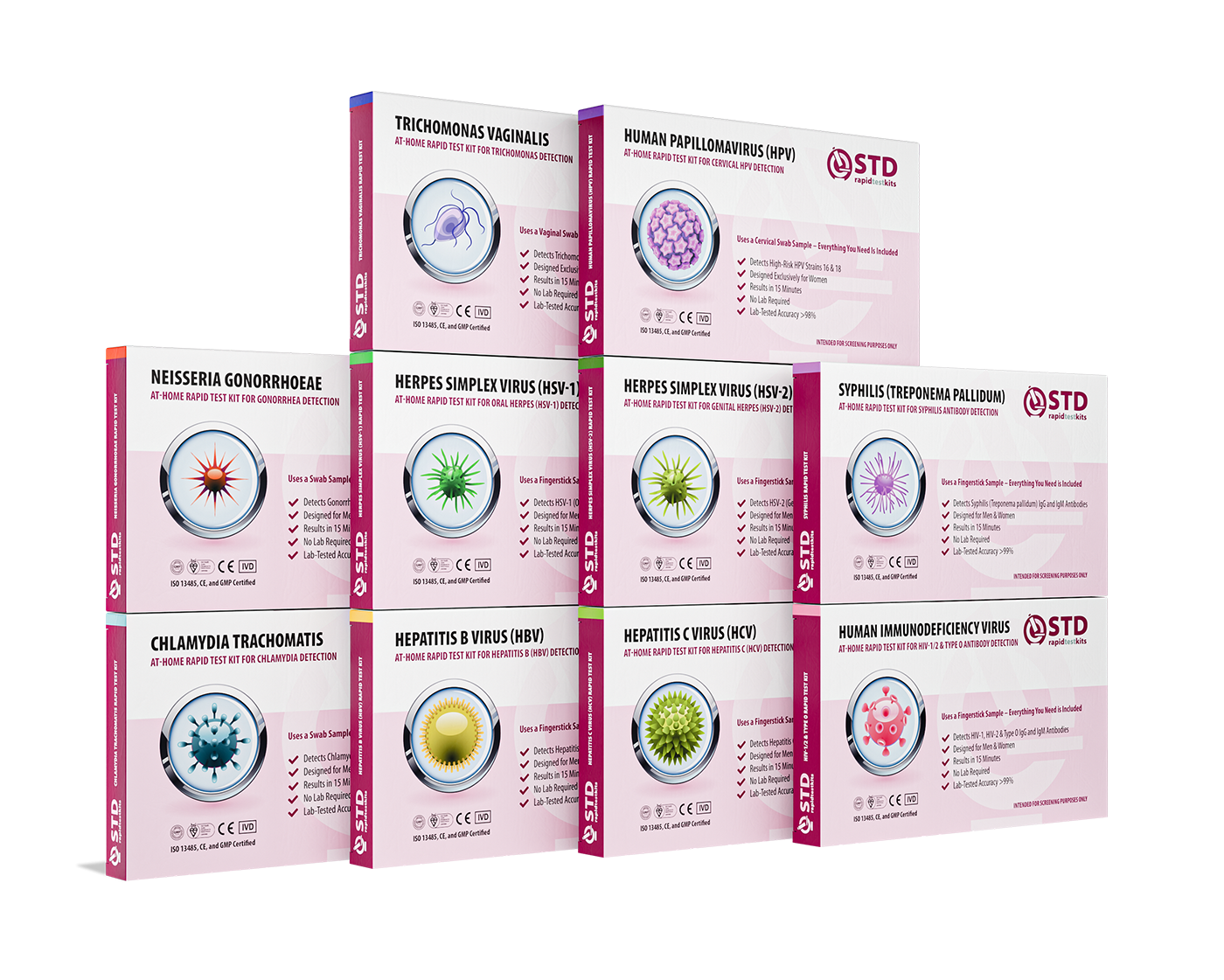
Test at Home with Remedium10-in-1 STD Test Kit
 For WomenResults in MinutesNo Lab NeededPrivate & Discreet
Order Now $189.00 $490.00
For all 10 tests
You Deserve Answers, Not Assumptions
It can feel like walking through fog when you have burning symptoms and a negative test. But the way forward is clear: follow the window period, be careful with tests, and use confirmatory tests when you're not sure. It's common, treatable, and nothing to be ashamed of if you have gonorrhea. The most important thing is to act quickly and keep yourself and your partners safe.
Don't wait and wonder; get the answers you need.
How We Sourced This Article: We combined current guidance from the CDC, WHO, and Mayo Clinic with peer-reviewed studies on rapid test performance, alongside lived-experience reporting from sexual health forums and blogs. Around fifteen reputable sources informed this guide, but we’ve highlighted six of the most relevant and reader-friendly below. The goal was to balance scientific accuracy with the human realities of testing and stigma.
Sources
1. Mayo Clinic – Gonorrhea Diagnosis and Treatment
2. Planned Parenthood – Gonorrhea Overview
3. WHO – Sexually Transmitted Infections Fact Sheet
4. Gonorrhea Test — MedlinePlus (Negative result doesn't always mean no infection)
5. False Negative vs False Positive: Why STD Tests Can Miss Infections | Verywell Health
6. Screening for Chlamydial and Gonococcal Infections — Accuracy & False Negative Rates | JAMA
About the Author
Dr. F. David, MD is a board-certified infectious disease specialist focused on STI prevention, diagnosis, and treatment. He blends clinical precision with a no-nonsense, sex-positive approach and is committed to expanding access for readers in both urban and off-grid settings.
Reviewed by: Dr. L. Hernandez, MPH | Last medically reviewed: September 2025
This article is for informational purposes and does not replace medical advice.


