







The Silent STD: How Men Carry Trichomoniasis Without Symptoms
Stages of Syphilis
Syphilis is a unique disease that progresses in four development stages: primary, secondary, latent, and tertiary. Each stage is characterized by specific symptoms that usually denote the health implications that it presents.
The primary stage represents the initial point of infection that the bacterium takes hold in the human body. The primary stage of syphilis features the presence of a chancre, which is a painless sore located at the site of infection.
Due to the painless nature and it may take three to four weeks after the infection, this sore is often ignored. This chancre self-heals within weeks; however, this is another fallacy that the infection has been overcome. The bacterium remains in the body thus needing treatment to evade further diseased conditions.
As syphilis reaches the secondary stage, a rash that often covers much of the body may involve the palms and soles. Associated symptoms include fever, lymph node swelling, and sore throat, indicative of systemic invasion of the bacteria.
The next latent stage is deceptive, in that the apparent visible symptoms settle down to give a false impression of disease resolved. The bacteria continue their sojourn in the body, thus the potential for transmission and progression to the final disease stage persists.
Tertiary syphilis, the most extreme, usually appears years after an infection. It also includes serious health complications resulting from the damage that the bacteria have caused to the brain, heart, and other vital organs. It may result in irrecoverable organ damage, neurological malfunctions, and even blindness.
Untreated Syphilis
If left untreated, syphilis can lead to some serious health complications, including damage to the brain, loss of eyesight, and an increased risk of acquiring HIV infection. It is, therefore, very crucial that once someone suspects an infection, he or she immediately seeks healthcare consultation for proper diagnosis and effective treatment. Public health and social responsibility also demand that a person diagnosed with syphilis notify his or her sexual contacts so they, too, can take precautions against this kind of infection.
Safe Sex and Regular Testing
The key to the prevention of syphilis infection involves maintaining safe sexual practice through consistent use of a protective barrier, such as condoms or dental dams, in all types of sexual contact. Perhaps the most important aspect of good sexual health is getting tested for STIs on a regular basis. Regular testing and open communication with one's sex partner about one's STI status are among the ways that spread of syphilis can be minimized.
Check Your STD Status in Minutes
Test at Home with RemediumSyphilis Test Kit
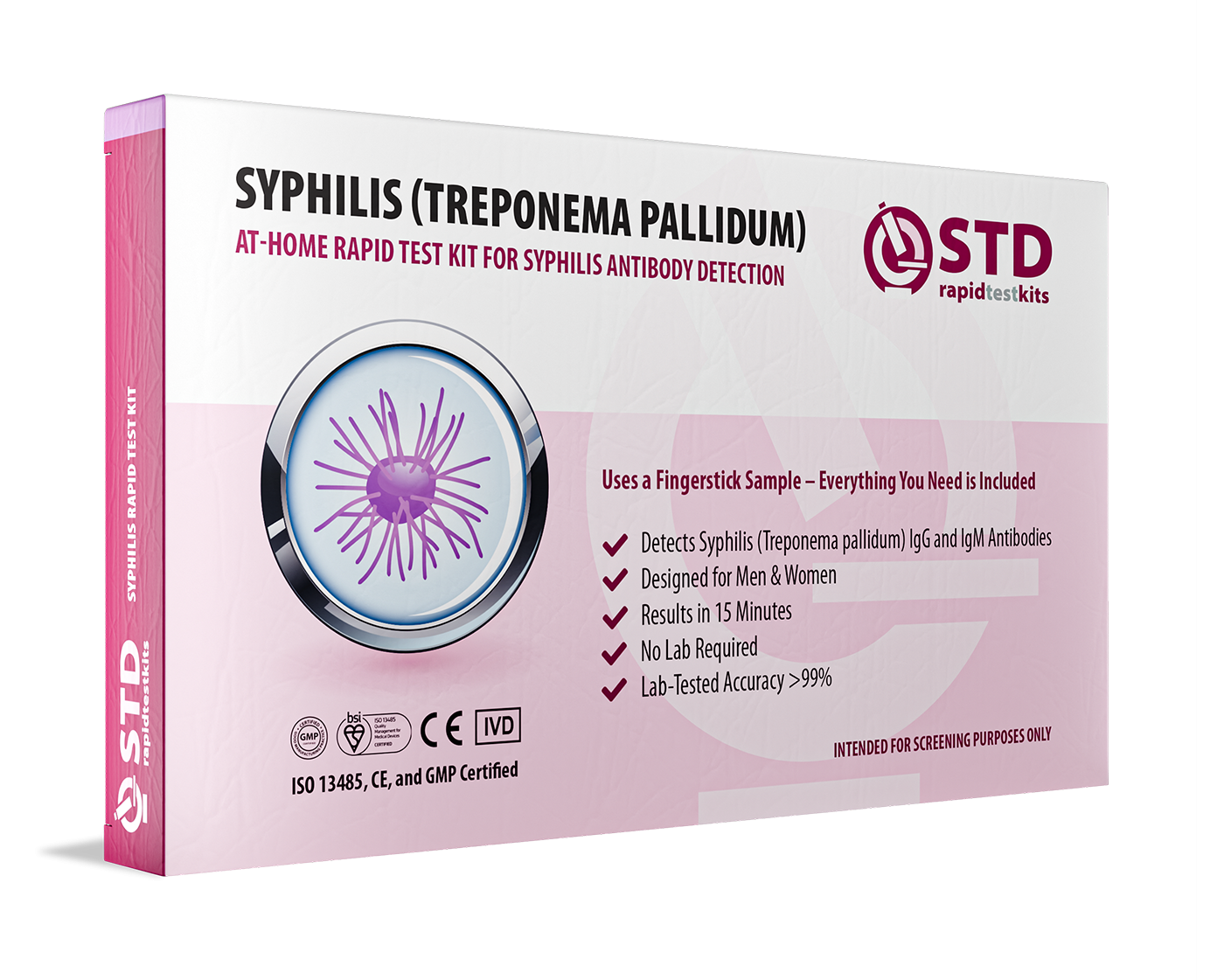
Claim Your Kit Today
Save 31%
 For Men & Women
 Results in Minutes
 No Lab Needed
 Private & Discreet
Order Now $33.99 $49.00
Syphilis: A Controllable Menace
Although serious and even life-threatening, syphilis can be considerably managed and avoided if one has sufficient knowledge and acts responsibly. The following are basic ways to lessen the spread and consequences of infection with it: being aware of its risks, recognizing the signs and symptoms of the infection, and using prevention methods. We are capable of protecting ourselves and our partners from possible dangers with these measures taken all together.
Health Products for Prevention Against Syphilis
Often left less emphasized is the strategic use of appropriate health products in the prevention of STIs, including syphilis. These products have an essential role to play in maintaining general sexual health and reducing the risk of an infection.
Syphilis Test Kits: One Way Towards Early Detection
Testing, therefore, forms one of the most paramount tenets of syphilis prevention and management. Indeed, there are over-the-counter syphilis testing kits one can use to test themselves in the privacy of their home. Such testing kits may allow for early detection followed by treatment to avert complications and further risks of transmission.
Condoms and Dental Dams: Essential Tools in Safer Sex
Correctly and consistently used, condoms and dental dams provide a very critical protective barrier against syphilis. Choosing high-quality, reliable barrier products will ensure the best possible prevention during sexual activities and a significantly reduced risk of syphilis transmission.
Personal Lubricants: Improving Safety in Sexual Behavior
Personal lubricants serve as another tool in the armory against STIs. Condom breakage is avoided when personal lubricants are used, facilitating better protection against STIs—including syphilis.
The Struggle Against Syphilis
Continued health education is a critical component in the battle against syphilis. It is through comprehensive health education that individuals can gain a thorough understanding of the disease, including its transmission, progression, and potential consequences.
Education should be directed toward why there is a need for regular screening; early detection was important to immediately start the treatment. Additionally, education efforts should foster open and honest discussions about sexual health, creating a climate in which people feel comfortable sharing their STI status with potential partners.
Medical Care
Any potential symptoms of syphilis, and even after diagnosis, require professional healthcare advice. The health professionals offer necessary diagnosis, planning, and guidance which will help to undertake care for the condition accordingly. One is also supposed to discuss concerns or questions he or she may have with his or her healthcare provider about the disease and its treatment.
The Role of Society
Combating syphilis and other STIs is an individual effort, yet it is a societal one. Every community—large and small—can play an important role in preventing the spread of syphilis by fostering environments that promote safe sex, regular health screenings, and open conversations about sexual health. We can do this together: take collective action that will substantially reduce the burden of syphilis.
Moving Towards Zero Syphilis
First of all, education, prevention, early detection, and treatment are the building blocks down the path to a no-syphilis future. All these put together into our lives will go a long way in reducing the incidence and the impact caused by syphilis. Combine healthcare advances with responsible sexual behavior—the basic building blocks of a world less saddled by this STI.
Syphilis, while serious and life-threatening, is preventable and more so treatable. Where there is knowledge, we remove fear, we turn stigma into comprehension, and what was once a threat becomes another manageable health issue. We can, in essence, protect not just our health but help in the greater social cause of disease containment. Let's keep empowering ourselves with knowledge, promoting healthy sexuality, and together move one step closer toward a syphilis-free world.
References
1. CDC – About Syphilis: Overview, Risks, Prevention
2. WHO – Syphilis Fact Sheet: Symptoms, Treatment & Prevention
3. Cleveland Clinic – Syphilis: Causes, Symptoms, Diagnosis, Treatment & Prevention
4. CDC – Syphilis Treatment Guidelines
5. Mayo Clinic – Syphilis: Symptoms, Causes & Pregnancy Complications


