







Quick Answer: STD rates are rising sharply among older adults, especially in senior communities. Families rarely talk about testing or prevention, but they should, and starting the conversation can save lives.
This Isn’t Just a Phase: Sex After 60 Is Real
There’s a strange myth that follows people into retirement, that once you hit a certain age, the sex just stops. But the data tells a very different story. According to a report from the CDC, STD rates among adults 65 and older have more than doubled in the past 10 years. The reasons aren’t what most people think.
First, people are living longer and staying sexually active well into their 70s and 80s. Many are dating after divorce or the death of a partner. Apps like SilverSingles and OurTime cater specifically to older adults looking for connection, including sexual ones. And in senior living communities, where proximity meets opportunity, intimacy is often rekindled faster than anyone expects.
Take Peter, 72, who moved into a retirement complex after losing his wife. “I didn’t expect to meet anyone,” he said. “Then I started having dinner with Gail. One thing led to another. I hadn’t bought condoms since Nixon was president.”
And that’s a major part of the problem: older adults came of age before the AIDS crisis, before sex ed was mandated, and long before condoms were normalized in every health class. Many stopped using protection decades ago, often after marriage, and never restarted.
Why STDs in Seniors Often Go Undetected
Older adults often don’t get tested. Not because they don’t care, but because they don’t think they need to. Many grew up with the idea that STDs were a “young person’s problem”, something that happened during wild college years or risky hookups. Now, even in their 60s or 70s, that mindset lingers.
Another major reason? Most symptoms are either mild or mistaken for something else. Vaginal dryness, urinary discomfort, fatigue, or even joint pain can be dismissed as “just aging.” But those are also common symptoms of chlamydia, gonorrhea, and even syphilis.
Here’s how that confusion can play out:
| Common Misconception | What It Could Actually Be | Why It Gets Missed |
|---|---|---|
| Frequent urination or burning | Chlamydia, gonorrhea | Assumed to be UTI or bladder changes due to aging |
| Fatigue or fever | Syphilis (early stage), HIV | Often dismissed as a cold, arthritis, or “just getting older” |
| Vaginal dryness or spotting | Trichomoniasis | Blamed on menopause or hormone changes |
| Rash on palms/soles | Syphilis (secondary stage) | Rarely linked to sexual activity by clinicians or patients |
Table 1: How STD symptoms in older adults are often mistaken for aging-related conditions
Even doctors sometimes overlook these possibilities. Unless a patient brings up sexual activity, which many seniors feel embarrassed to do, the topic of STD testing never enters the exam room.
The Numbers Speak, But We Aren’t Listening
In 2023, the National Institute on Aging said that more than 25% of new syphilis cases in Florida were in people over 60. In just one year, 15 people living in a long-term care facility in California tested positive for gonorrhea. These things don't just happen once; they're part of a trend that's getting bigger but not getting enough attention.
But what’s fueling this quiet rise?
Increased lifespan, yes. Lack of condom use, definitely. But also: shame, generational silence, and the cultural myth that aging means abstinence.
In many cultures, especially those with strong religious or conservative values, sex after a certain age is viewed as either non-existent or inappropriate. That stigma silences conversation, and silence allows risk to spread unchecked.
Worse, older women face additional vulnerability. After menopause, the vaginal wall becomes thinner and more susceptible to microtears, which can increase the risk of transmission during sex. And for men using medications like Viagra, intercourse is back on the table, but testing? Still missing from the conversation.
It's a perfect storm of physical vulnerability, unprotected sex, and zero dialogue.

People are also reading: When Monkeypox Looks Like an STI Key Differences Explained
The Condom Conversation: Why It Still Doesn’t Happen
When condoms reappeared in Peter’s life, he didn’t know what to do. “I felt silly buying them. I didn’t even know if I needed them, Gail said she couldn’t get pregnant. Neither could I.”
This is common. Many older adults equate condoms only with pregnancy prevention, not STD protection. And because many didn't grow up with comprehensive sex education, they never made the shift in thinking.
In one study by the University of Michigan’s Institute for Healthcare Policy, less than 17% of sexually active adults over 60 reported consistent condom use. The reasons varied: discomfort, unfamiliarity, embarrassment at the pharmacy, or just never thinking it applied to them.
That hesitation becomes deadly when you consider how certain infections, like HIV, present differently in older bodies. Immune systems weaken with age, which means both faster progression and more complications. An HIV diagnosis at 68 isn’t just socially isolating, it’s medically urgent.
And yet, when was the last time your parent, grandparent, or elderly neighbor mentioned anything about a recent test?
When Testing Isn’t Offered, And Why That’s a Problem
Ruth, 66, went in for her annual check-up and asked her doctor, offhandedly, if she should be tested “for anything else.” He looked at her and said, “Like what? You’re not really at risk.” Ruth had been dating someone new for five months.
This kind of dismissal isn’t rare. Many primary care physicians don’t routinely offer STD tests to patients over 60 unless there are visible symptoms or unless the patient asks specifically. And many older adults, raised with the idea that nice people don’t talk about sex, won’t ask.
As a result, entire generations go untested, not because they’re making reckless choices, but because no one has made testing feel normal. It becomes easier to assume everything’s fine. Until it isn’t.
The consequences of late diagnoses can be devastating. Untreated syphilis can damage the heart, brain, and nervous system. Gonorrhea can lead to pelvic inflammatory disease, chronic pain, or infertility, even in postmenopausal women. HIV, if left untreated, progresses faster in older adults and interacts poorly with medications for blood pressure, cholesterol, or diabetes.
Routine testing isn’t just important, it’s essential. But that begins with awareness, and with families being brave enough to bring it up.
Check Your STD Status in Minutes
Test at Home with Remedium7-in-1 STD Test Kit
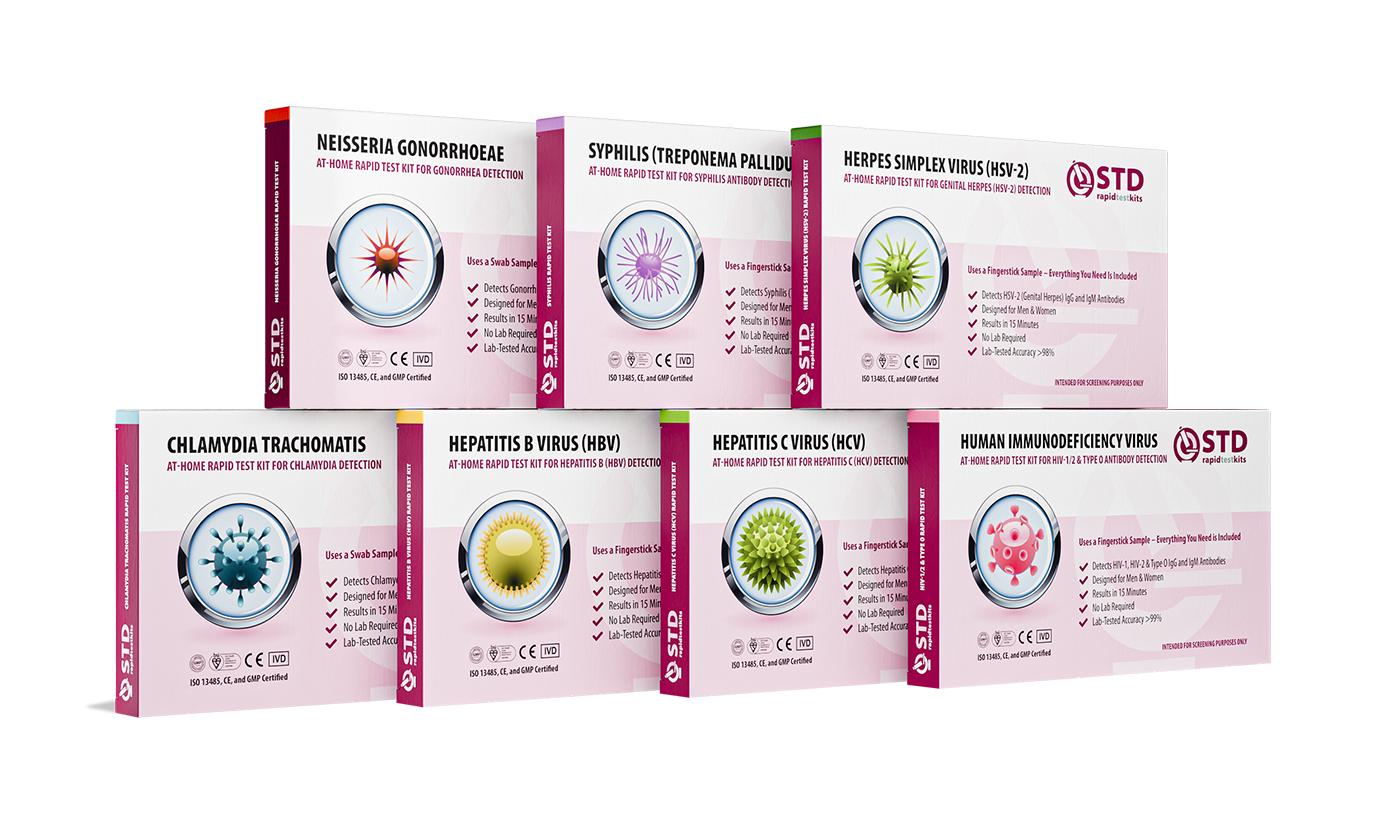
 For Men & Women
 Results in Minutes
 No Lab Needed
 Private & Discreet
Order Now $129.00 $343.00
For all 7 tests
The Talk No One Wants to Have (But Must)
So how do you even begin this conversation, with someone who changed your diapers, taught you to drive, or helped raise your kids?
Start where love lives. You’re not trying to shame them, you’re trying to keep them healthy, independent, and sexually confident.
When Anita, 34, found out her widowed father was going on weekend trips with a woman he met at church, she was happy for him. “But I also worried. He wasn’t the kind of guy to think about condoms, or testing.” Over brunch, she brought it up. “I just said, ‘I think it’s awesome you’re seeing someone. I just hope you’re being safe, and that includes testing.’ He looked embarrassed at first, but then he nodded. He said, ‘You’re probably right. We didn’t talk about this stuff back then.’”
That’s often the key: naming what wasn’t available to their generation. Many older adults weren’t given tools, they weren’t even given language. That doesn’t mean they aren’t willing. They just need someone to open the door.
Here’s a practical overview to guide that discussion:
| STD | Common Test Type | Recommended Testing Interval (Seniors) | Key Reason to Test |
|---|---|---|---|
| Chlamydia | NAAT urine or swab | Annually if sexually active | Often silent; easily treated |
| Gonorrhea | NAAT urine or swab | Annually if sexually active | Highly contagious, often no symptoms |
| Syphilis | Blood test (RPR/VDRL) | Every 1–2 years or with new partner | Serious long-term effects if untreated |
| HIV | Rapid or lab blood test | Once per year if sexually active | Immune impact worsens with age |
| Trichomoniasis | Swab or urine antigen test | Every 1–2 years or symptoms present | Often asymptomatic in men |
Table 2: Recommended testing intervals and test types for older adults
Testing doesn't mean judgment. It means preparedness. It's a way of saying, “You still matter. Your health still matters. Your relationships still matter.”
Where to Start If You Want to Help
You don’t have to be a sexual health expert to make a difference. You just have to care enough to ask questions, listen, and make testing feel normal instead of shameful.
One of the best tools? At-home test kits. They offer privacy, discretion, and speed, perfect for seniors who may feel embarrassed walking into a clinic or who live far from one. No waiting rooms. No judgmental glances. Just answers.
If your loved one is curious, or if you’re the one getting back out there, it’s never too late to start. This combo STD home test kit checks for the most common infections discreetly and with fast results.
Don’t wait and wonder, get clarity, not assumptions.
How STDs Spread in Senior Living Communities
A Florida retirement community made national news in 2021 when a group of syphilis cases was reported. But this wasn't the only time it happened. Senior living facilities, especially those that encourage social activities, group outings, and dances, can unintentionally become places where the virus spreads.
Why? Because they’re structured for closeness. Residents dine together. They attend movie nights, game nights, and fitness classes. Friendships and romances spark quickly. Add in a lack of regular STD screening, and you have a silent risk multiplying under the radar.
Contrary to the image of seniors playing bingo and watching the news, many are dating, kissing, and having sex, and there’s nothing wrong with that. But the infrastructure around them rarely acknowledges it.
Nurses may administer medications for blood pressure and arthritis but don’t distribute condoms. Sexual education seminars are virtually non-existent. And communal living, for all its benefits, also creates the perfect storm: opportunity meets misinformation meets silence.
Here’s a snapshot of what that looks like over time:
| Facility Type | Common Social Activities | STD Testing Offered? | Condoms Available? |
|---|---|---|---|
| Independent Living | Social dinners, trips, clubs | Rarely | No |
| Assisted Living | Group fitness, events, worship | Occasionally (if requested) | No |
| Skilled Nursing | Close care, some socialization | Often, especially if symptoms arise | Sometimes (limited access) |
Table 3: STD testing and prevention infrastructure across senior care types
Families assume that if their loved one is in a “safe place,” sexual health is covered. But in truth, most facilities don’t proactively offer testing or education. If you want to protect someone you love, the first step might be a question no one else is asking: “When was the last time someone brought up testing?”

People are also reading: The Flu or an STD?
Older Women, Greater Risk: The Hidden Vulnerability
When people imagine STD risk, they often picture teens and twenty-somethings navigating hookup culture. They rarely imagine someone like Marisol, 68, soft-spoken, widowed, and newly dating after nearly four decades with the same partner. She thought her partner “seemed clean.” They didn’t use protection. Two months later, Marisol was diagnosed with trichomoniasis.
What she didn’t know, what many older women don’t know, is that after menopause, the vaginal lining becomes thinner and less elastic. This makes it more susceptible to microtears during intercourse, especially without sufficient lubrication. These microtears provide easy entry points for infections. Combine that with a generation raised to avoid conversations about pleasure or anatomy, and the result is silence instead of lube. Silence instead of condoms. Silence instead of questions.
Medical systems often compound the problem. Postmenopausal women are less likely to be offered pelvic exams during routine visits, especially if they're no longer seeking contraception. And if they report vaginal discomfort or discharge, it's often chalked up to hormone changes, not infection.
Even the term “STD” feels out of place for many women in their 60s or 70s. “It sounded like something that only happened to kids,” one woman said in a qualitative study on senior sexual health. “I didn’t think it applied to me. I thought I was too old to catch anything.”
But pathogens don’t check your birth year. And dignity doesn’t disappear with age. If anything, older adults deserve more clarity, not less. More information. More protection. More freedom to ask questions without shame.
Check Your STD Status in Minutes
Test at Home with Remedium6-in-1 STD Test Kit
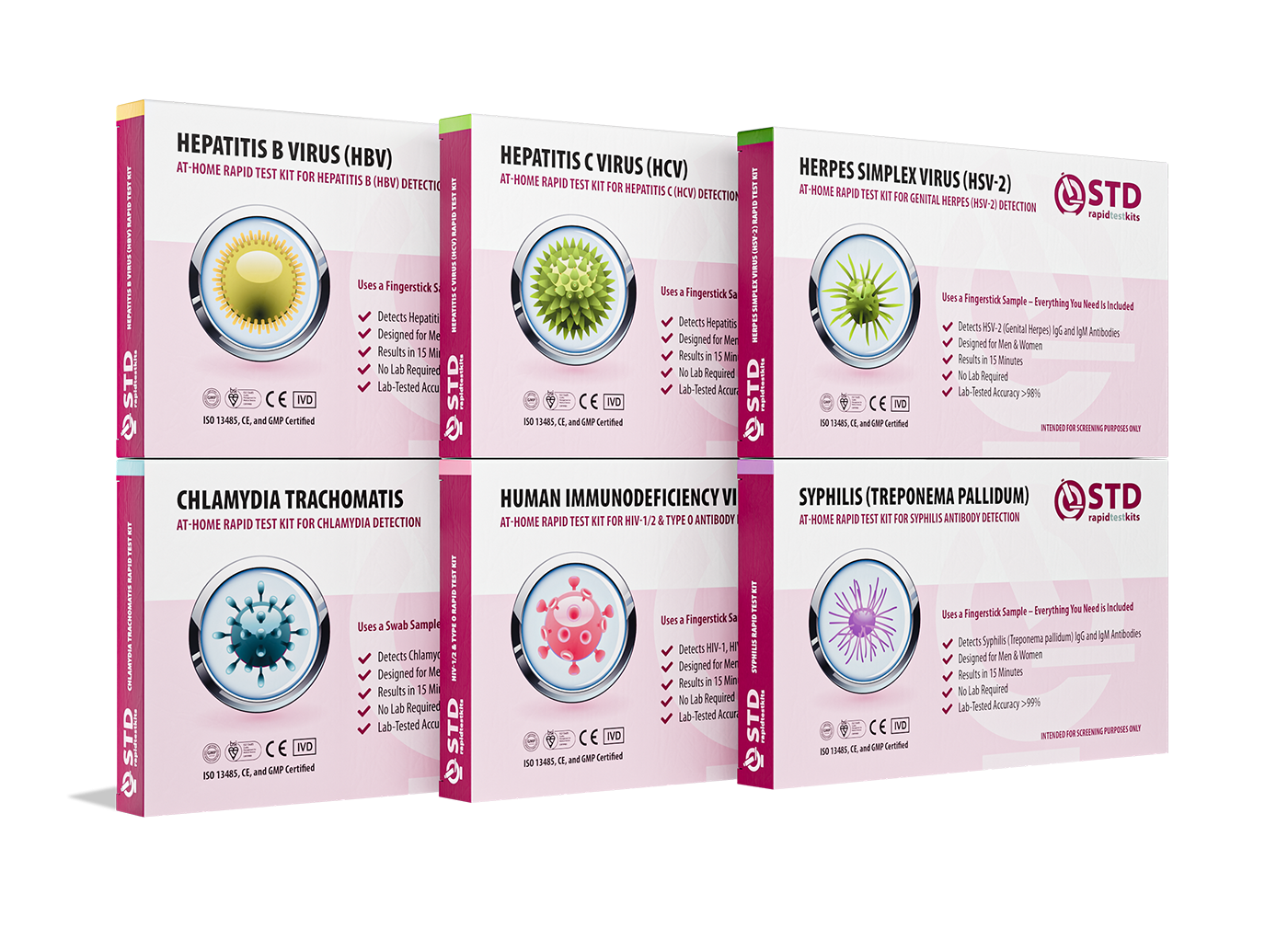 For Men & WomenResults in MinutesNo Lab NeededPrivate & Discreet
Order Now $119.00 $294.00
For all 6 tests
Living With HIV at 71: A True Turning Point
Paul, 71, thought he had pneumonia. He’d been feeling tired, lost some weight, and was coughing on and off. His doctor ordered bloodwork. The result? HIV-positive. Paul had no idea. “I didn’t even know I was at risk,” he said. “I’d only been with two women since my wife passed. I didn’t think that counted.”
That diagnosis changed everything. Not because Paul couldn’t live a full life, he could, and did, after beginning antiretroviral therapy, but because the emotional toll of feeling “too old” to talk about sex nearly cost him his life.
Late-life HIV diagnosis is more common than most people think. The CDC reports that nearly 1 in 6 new HIV cases occur in adults over 50. And because symptoms can mirror aging-related conditions like fatigue, weight loss, or memory issues, it often goes undetected longer, leading to worse outcomes.
The shame runs deep. Some older adults fear being judged not only for having sex, but for daring to enjoy it. They fear rejection from family, disapproval from peers, and misunderstanding from providers. Many grew up in eras when homosexuality was criminalized, when sex ed was taboo, and when “proper” people didn’t talk about these things.
And yet, here they are, living full lives, falling in love again, rediscovering touch and intimacy, and navigating a health system that often forgets they exist.
Paul’s caseworker said something that stuck with him: “The virus doesn’t care how old you are. But we do. And we’ll walk with you.”
That’s what every senior deserves, not just care, but care without judgment. The kind that says, “Your body still matters. Your choices still matter.”
The Language Barrier: What We Say vs What They Hear
Sometimes, the conversation fails not because someone is resistant, but because we’re using the wrong words. Older adults might not resonate with terms like “STI” or “hookup.” They may not know what a rapid antigen test is or how to swab themselves at home. But they do understand “peace of mind.” They understand “making sure you’re healthy.” They understand “just in case.”
Framing matters. Instead of saying, “You should get tested for STDs,” try: “It might be smart to do a health check, just to rule things out.” Instead of: “You need to start using condoms,” try: “There are ways to make sex safer and still enjoyable. Do you want to talk about that?”
This isn’t about dumbing down. It’s about translating. About offering information in a way that respects their experience while bridging a gap in education and vocabulary.
When we use the right language, people open up. They ask questions. They feel seen instead of lectured. And that’s the foundation for change, not just in individual behavior, but in how families, clinics, and communities treat older adult sexual health.
Normalizing Testing: The New Family Wellness Talk
For decades, we’ve had “the talk” with our kids, awkward but necessary conversations about bodies, protection, and staying safe. Maybe it’s time we started having those talks in reverse.
It can be as simple as sharing your own experience. “Hey, I just did one of those at-home tests before starting to date again. It was easy. You can even do it online and send it back by mail. No doctor’s visit needed.” That kind of casual mention plants a seed without pressure.
You don’t need to preach. You don’t need to over-explain. You just need to show that testing is normal. Responsible. Routine. Whether you’re 22 or 72.
STD Rapid Test Kits makes it simple to order discreet, at-home tests that cover the most common infections, without awkward conversations or clinic visits. If you want to protect a parent, partner, or even yourself, this is a compassionate first step.
Because protection isn’t about age. It’s about love. And love doesn’t expire.
FAQs
1. Are you serious? Seniors can get STDs?
Yes. Very serious. Your grandma may not post thirst traps, but she (and her friends) are still having sex. Retirement doesn’t mean celibacy. And when people don’t use protection, or don’t think they need to, STDs slip through quietly. The numbers don’t lie: rates of syphilis, chlamydia, and gonorrhea are rising fastest among folks over 60.
2. Why are STD rates climbing in senior living communities?
Think about it: shared meals, group events, tons of free time, fewer life responsibilities, and often, no talk about condoms or testing. It’s like college without the RA, but nobody’s passing out condoms or giving health talks. Plus, many residents have long gaps since their last sex-ed class… if they ever had one at all.
3. My mom says she doesn’t need to use condoms. Isn’t pregnancy the only reason?
Classic misconception. Condoms don’t just block sperm, they block infections. But because many seniors associate condoms only with birth control, they stop using them once pregnancy isn’t a concern. STDs don’t care if you’re postmenopausal. They still spread.
4. But isn’t it rude or weird to bring this up with my parents?
Awkward? Maybe. Disrespectful? Not at all. Think of it like this: you’d remind them to check their blood pressure or take their meds. Sexual health is part of overall health. You can say, “Hey, I read about this, do you know at-home tests exist now? It’s actually super easy.” Normalize it without making it weird.
5. What symptoms should older adults watch for?
That’s the tricky part, many don’t have symptoms at all. And the ones that do pop up (burning when you pee, strange discharge, fatigue) often get brushed off as “just aging” or “another UTI.” That’s why testing, not guessing, is the move.
6. What if my grandparent is dating again, but refuses to talk about sex?
Totally common. Older generations were taught not to talk about these things, especially not with their kids or grandkids. If a direct convo feels too bold, try easing in: mention a friend whose parent got tested, or bring up a news article. Sometimes a story opens the door better than a lecture.
7. Is HIV still a thing for older people?
Big time. And often, it’s caught late. That’s because symptoms, fatigue, weight loss, confusion, can mimic aging. Plus, older bodies may not fight the virus as well. But here’s the truth: HIV is manageable with early treatment. The key is knowing it’s there. And that starts with a test.
8. Is testing complicated for someone in their 70s or 80s?
Not at all. That’s the beauty of at-home tests. No doctor’s office, no small talk, no waiting room full of 22-year-olds. Just a discreet kit, clear instructions, and peace of mind. If they can use a microwave or a smartphone, they can do this.
9. How often should older adults get tested?
If someone’s sexually active, yes, even just “once in a while”, testing once a year is a good baseline. If they’ve started dating again, changed partners, or had unprotected sex? Sooner. Think of it like any other routine screening, boring, necessary, empowering.
10. What’s the best way to support without shaming?
Come from care, not critique. Say, “I love that you’re living fully, and I want you to be safe, too.” Offer to help them find a test, or just leave the info. If they say no? Respect it. But don’t underestimate the power of planting the seed. Sometimes the conversation sticks longer than you think.
You Deserve Answers, Not Assumptions
If you’ve made it this far, one thing is clear: the conversation needs to happen. Whether you're a senior navigating love again or a family member who wants to protect someone you love, talking about testing is not disrespectful, it’s deeply respectful.
Sex doesn’t end at 60. Neither does care, safety, or pleasure. And while the culture may still be catching up, you can lead by example.
Don’t wait and wonder, get the clarity you deserve. This at-home combo test kit checks for the most common STDs discreetly and quickly.
How We Sourced This Article: We combined current guidance from leading medical organizations with peer-reviewed research and lived-experience reporting to make this guide practical, compassionate, and accurate.
Sources
1. Sexually Transmitted Infections in the Elderly – PMC
2. CDC – National Overview of STIs in 2023
3. AMA – STIs on the Rise Among Older Adults
4. CIDRAP – STD Cases Rose with Biggest Jumps in Older Adults
5. The Lancet – HIV and STIs in Older Adults
About the Author
Dr. F. David, MD is a board-certified infectious disease specialist focused on STI prevention, diagnosis, and treatment. He blends clinical precision with a no-nonsense, sex-positive approach and is committed to expanding access for readers in both urban and off-grid settings.
Reviewed by: Dr. C. Ray Morris, MPH | Last medically reviewed: September 2025
This article is for informational purposes and does not replace medical advice.


