






Quick Answer: Chlamydia cases are rising because it often causes no symptoms, spreads easily through oral, vaginal, or anal sex, and frequently goes untreated, especially when partners don’t test together. At-home testing is a private, effective way to catch it early.
Who Needs to Read This (And Why It’s Personal)
If you’ve ever had sex without a condom, felt unsure about a recent hookup, or waited a little too long between tests, you’re not alone. This article is for people like you: curious, cautious, sometimes overwhelmed, and often underserved by rushed clinics and shame-based sex ed. Maybe you live in a rural area, maybe you’re in a situationship, maybe you're just tired of being made to feel like testing is a punishment. Whatever brought you here, you’re in the right place.
This guide breaks down what’s really driving the chlamydia surge, how to protect yourself even if you’re symptom-free, and why the most dangerous part of this infection is how invisible it can feel. You’ll get the science, the strategy, and the stories, without the scare tactics. Whether you’re testing for peace of mind or piecing together an unexplained symptom, this article can help you make the next move with clarity and confidence.
The Chlamydia Surge: A Quiet Crisis
There’s a reason chlamydia keeps topping the charts. Unlike more dramatic STDs like herpes or syphilis, it rarely shows up with telltale signs. Around 70% of cases in women and 50% in men have no symptoms at all, according to the NHS. That means it can live, grow, and spread without detection, until someone gets tested, gets hurt, or gets scared enough to find out.
One study from the Journal of Infectious Diseases found that a significant portion of positive chlamydia cases were only caught through routine screenings, not because people felt symptoms. In other words, the system is catching people on accident, meaning thousands more are likely slipping through the cracks. The reality is: most people don’t test unless something feels wrong, and with chlamydia, wrong can feel like... nothing.
The increase also ties into post-pandemic behavior. As clinics reduced hours and people delayed routine care, STD screening dropped, and so did early detection. Now, as testing rates catch up, hidden cases are being uncovered at a rapid pace. But even with that uptick, chlamydia continues to outpace public health interventions. It’s not just back. It never left.
This Isn’t Just a UTI: Overlapping Symptoms and Missed Diagnoses
Imagine this: you're peeing more than usual. Maybe there’s a burning sensation. You assume it’s a UTI and grab cranberry juice or call in a prescription. But what if it isn’t a bladder infection? What if it’s chlamydia, quietly inflaming your reproductive tract while you treat the wrong thing?
This scenario plays out often, especially in women and people with vaginas. Chlamydia and UTIs can both cause pain during urination, pelvic discomfort, or a sense of urgency. But only one can scar your fallopian tubes if left untreated. That’s why misdiagnosis matters. According to research from the NIH, a surprising number of chlamydia cases are initially treated as UTIs, especially when care is rushed, symptoms are mild, or the provider doesn’t run full screening panels.
Meanwhile, in men, chlamydia often presents as mild irritation or discharge that comes and goes. For many, it’s easier to dismiss than to investigate. That delay can lead to further transmission, or in rare cases, to complications like epididymitis (a painful swelling of the testicles). In either case, ignoring it doesn’t make it go away. It just makes it harder to trace.
| Symptom | UTI | Chlamydia |
|---|---|---|
| Pain while peeing | Common | Common |
| Frequent urination | Common | Occasional |
| Discharge | Rare | Common in men; subtle in women |
| Pelvic pain | Sometimes | Often, especially if advanced |
| Visible symptoms | No | Usually no |
Figure 1: Overlapping symptoms between UTIs and chlamydia can delay correct diagnosis. Accurate testing is the only way to know.
People are also reading: Genital Herpes Symptoms, Outbreaks, and Prevention
Why People Don’t Test (Even When They Should)
Devon, 29, had been monogamous for over a year when he noticed a slight burn during urination. He chalked it up to dehydration. His girlfriend had never shown symptoms, and neither of them had tested since the beginning of their relationship. It wasn’t until she developed pelvic pain that they both tested, positive for chlamydia. The shock wasn’t just in the result. It was in how long they’d been living with it unknowingly.
This is where stigma meets silence. People delay testing not because they don’t care, but because they’re scared of what it might mean. They’re scared of being judged. Of what a positive result says about them. Of how a partner will react. Many assume they’re "safe" if they’re exclusive or using condoms, unaware that chlamydia can spread through oral, anal, or even shared toys.
There’s also a toxic myth that “no symptoms = no problem.” But this idea has let thousands of cases slip past detection. A 2019 study published in Sexually Transmitted Infections found that people were less likely to test if they didn’t feel sick, even if they knew they’d had risky exposure. This is why routine testing matters. You can’t feel an infection you don’t know you have, and waiting for symptoms gives it time to spread, to your body, and to your partners.
Check Your STD Status in Minutes
Test at Home with Remedium7-in-1 STD Test Kit
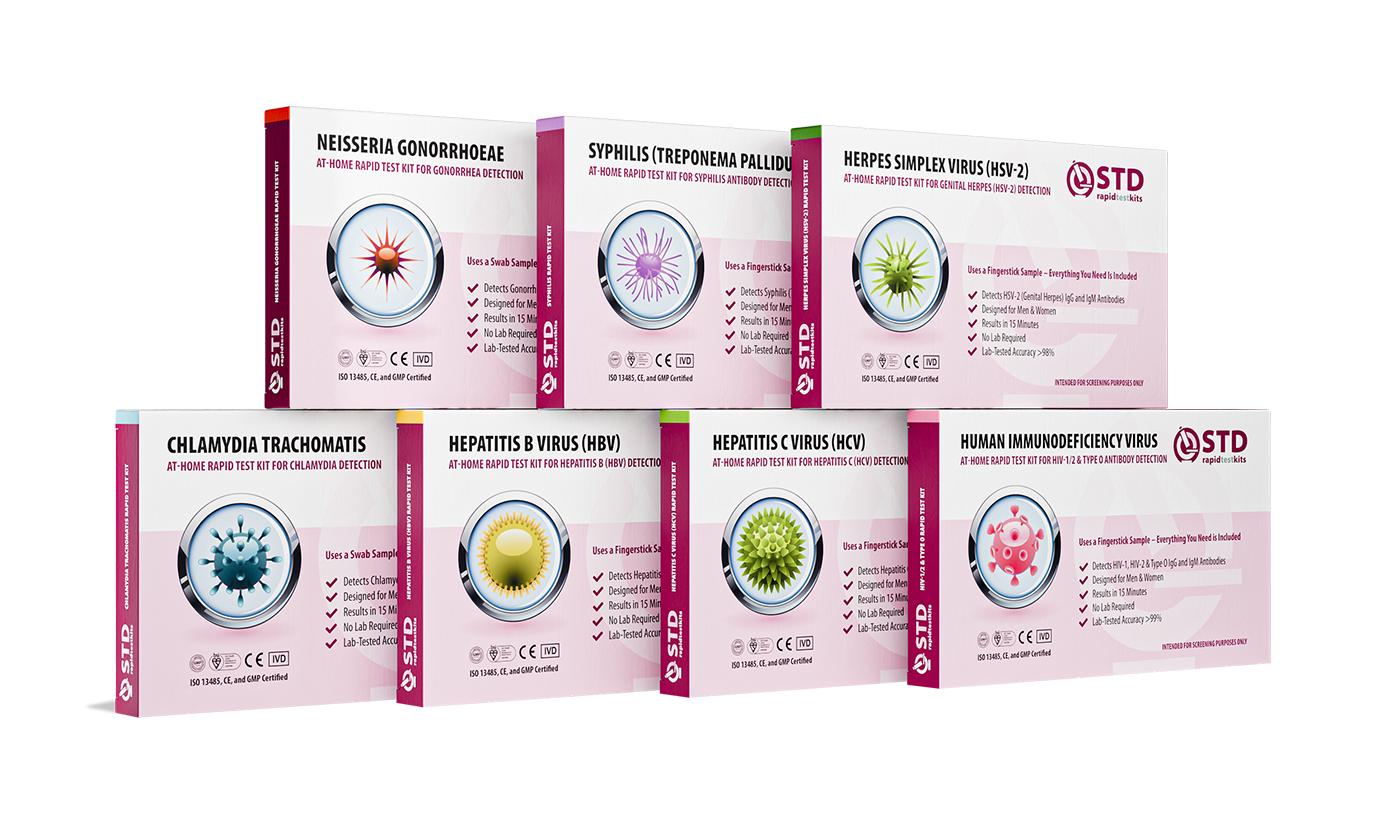
 For Men & Women
 Results in Minutes
 No Lab Needed
 Private & Discreet
Order Now $129.00 $343.00
For all 7 tests
Window Periods and Why Timing Matters
Let’s say you hooked up with someone new last weekend and you’re panicking. You want to get tested right now, but is it too soon? Maybe. This is where the concept of “window periods” becomes important. A window period is the time between when you’re exposed to an STD and when a test can actually detect it. For chlamydia, that window is usually 7 to 14 days. Testing too early can produce a false negative, not because the infection isn’t there, but because your body hasn’t shed enough DNA or bacteria for the test to detect.
Here’s how it breaks down:
| STD | Window Period | Ideal Test Timing |
|---|---|---|
| Chlamydia | 7–14 days | 14 days after exposure |
| Gonorrhea | 7–14 days | 14 days after exposure |
| Syphilis | 21–42 days | 6 weeks after exposure |
| HIV (4th gen test) | 18–45 days | 4–6 weeks after exposure |
Figure 2: Understanding window periods helps prevent false negatives and improves test accuracy. Chlamydia is detectable after 1–2 weeks, but testing too soon may miss it.
You can still test earlier, though. Getting tested now can help you feel better if you're worried or have been in a high-risk situation. You can always get tested again in two weeks. People who want to know what's going on quickly but still want to catch any delayed positives often use this double-testing method.
And yes, at-home tests are reliable, especially when you follow timing guidelines. NAAT-based kits (the same kind labs use) are highly accurate for chlamydia detection when taken 14+ days after exposure. You can order a combo test to cover chlamydia, gonorrhea, and more, all from home.
Why You Might Need to Retest (Even If You Already Did)
Let’s go back to Tamara for a moment. After her positive result, she took antibiotics and felt relief. But three months later, she tested positive again. Her first reaction? “I thought the meds didn’t work.” In reality, it wasn’t treatment failure, it was reinfection. Her partner never got tested. They had unprotected sex again. And just like that, the infection came back.
This is one of the most common reasons chlamydia keeps circulating: one partner treats it, the other doesn’t, and transmission keeps going like a ping-pong match. The CDC recommends that all partners from the last 60 days be tested and treated if exposure occurred. They also recommend retesting three months after treatment, even if you’ve had no new partners. Why? Because reinfection is common, and most people don’t realize how easily it can happen.
Another reason to retest is if you got tested too early after a new partner. Maybe it was Day 5, and the test came back negative. But if symptoms show up later, or if you just want peace of mind, a follow-up test at Day 14+ can give you a more accurate picture. Testing isn’t just a one-and-done. It’s a process, especially if your relationships, partners, or behaviors shift over time.
Still not sure if it’s time to retest? Use this simple gut check: if you're asking yourself that question, the answer is probably yes. You can get a discreet at-home kit delivered straight to your door, no awkward pharmacy pickup, no waiting room glances.
People are also reading: Why Your Quiet Suburb Is the New STD Hotspot
How to Actually Protect Yourself (No Judgment, Just Strategy)
Let’s drop the purity culture nonsense for a minute. The goal isn’t to avoid all risk, it’s to manage it with clarity and care. Most people who get chlamydia aren’t reckless. They’re normal. They had oral sex without a condom. They assumed monogamy meant safety. They skipped a test because they felt fine. The truth is: condoms reduce risk, but don’t eliminate it. Testing is care. Honesty is safety. And prevention includes your whole story, not just what happens in bed.
If you’re sexually active with new or multiple partners, the CDC recommends getting tested for chlamydia at least once a year. For people under 25, or those with higher exposure, more frequent screening might make sense, especially if you’ve had unprotected sex, new symptoms, or a partner who tested positive.
Here’s where the strategy gets personal. Testing after each new partner, even if you feel fine, helps close the gap where asymptomatic infections thrive. Talking with partners about testing (before sex, not after) builds a safety culture that benefits everyone. And if your vibe is more “we’re casual, but I care,” suggesting you both test together can shift the whole tone, from fear to mutual respect.
Check Your STD Status in Minutes
Test at Home with Remedium6-in-1 STD Test Kit
 For Men & WomenResults in MinutesNo Lab NeededPrivate & Discreet
Order Now $119.00 $294.00
For all 6 tests
Home Tests vs Clinic Tests: What’s the Difference?
In one corner, you’ve got discreet packaging, no awkward waits, and results in your inbox. In the other, a clinical environment, lab techs, and possibly a pelvic exam. So what’s the real difference between at-home and in-clinic chlamydia testing?
Let's begin with the science. The same method that hospitals and public health clinics use for STD tests is also used in most at-home STD kits. These tests look for the bacteria's genetic material, not just antibodies. This means they can find active infections with a high level of accuracy. You send in a sample (usually urine or a vaginal swab) and get the results in a few days. Results for rapid tests are available right away, but they may not be as accurate.
A wider exam is often part of tests at the clinic. Your doctor may do more tests if you have more than one symptom or a co-infection. But a lot of people, especially those who aren't sick, like how fast and private home testing is. Yes, it is true. It works. And it works with people who don't always have time to wait.
You can order a stand-alone chlamydia test kit or choose a combo kit that checks for multiple STDs at once, because infections don’t always travel alone.
What If You Test Positive? (Here’s the Plan)
First, breathe. A positive result doesn’t mean you’re dirty, broken, or doomed. It means you're human, and now you have the information to take care of yourself. Chlamydia is curable. A short course of antibiotics can clear it. Most people feel better quickly. What matters most is catching it early and informing any recent partners, even if it feels awkward.
Contacting partners can feel scary, but it’s also powerful. You’re not just passing on bad news. You’re giving them a chance to protect their own health. Some clinics even offer anonymous partner notification services if you need support. But more often than not, people appreciate honesty, especially when it comes with a clear, calm tone like: “I tested positive for chlamydia and you might want to get tested too. It’s treatable, and I wanted you to know.”
After treatment, wait 7 days before having sex again, and consider retesting at 3 months, even if your partner was also treated. Reinfection is real, and you deserve clarity, not just a temporary fix. If you’re not sure where to begin, this site can help you get a test, a plan, and peace of mind from home.
Case Study: When No Symptoms Still Mean an Infection
Kai, 32, had just ended a monogamous relationship and wanted a fresh start. He felt fine, no pain, no discharge, no red flags. Still, something about dating again after a breakup made him curious enough to test. “It was more about being a responsible partner,” he said. The result? Positive for chlamydia. He hadn’t cheated. Neither had his ex. Somewhere along the way, someone they trusted hadn’t tested. That’s how transmission often works, not because people are lying, but because they’re assuming.
“I would’ve never known. If I hadn’t tested just to be safe, I would’ve passed it to someone else without realizing it.”
His story is a reminder: testing isn’t about panic. It’s about partnership, peace of mind, and prevention. You don’t need a symptom to justify self-care. You just need to care.
FAQs
1. Can you really have chlamydia and feel completely normal?
Oh, 100%. That’s the catch. Most people who have chlamydia don’t feel anything, no burning, no discharge, nothing to clue you in. You could be carrying it for weeks (or longer) and never know unless you test. That’s why it keeps spreading, it hides in silence.
2. I hooked up last weekend, when can I actually test?
If it’s been less than a week, you might want to hold off just a bit. Chlamydia usually shows up on a test about 7 to 14 days after exposure. So if you test too early, you could get a false negative and think you’re in the clear when you’re not. Most people aim for that sweet spot at day 14 for the most accurate read.
3. Will chlamydia just go away on its own?
Nope. It’s not a “wait it out” situation. Even if it doesn’t cause symptoms, it can still damage your body, think fertility issues, chronic pelvic pain, or testicle swelling. The good news? A simple round of antibiotics clears it fast. No judgment, just treatment.
4. What if I only had oral sex, can I still get it?
Yep. Oral sex is definitely a risk for chlamydia, especially if there’s throat or genital exposure. And don’t let the whole “but it was quick” idea fool you. It doesn’t take long to pass it. Protection helps, but it’s not foolproof.
5. What happens if I ignore it because I feel fine?
Here’s the deal: untreated chlamydia can cause some real damage behind the scenes. In people with uteruses, it can lead to pelvic inflammatory disease (PID), scarring, and fertility issues. In people with penises, it can inflame the testicles or mess with sperm health. It’s sneaky but serious.
6. Are those at-home chlamydia tests legit?
Absolutely. The ones that use NAAT testing (which many at-home kits do) are the same technology used in clinics. Just make sure you follow the instructions and wait until the window period hits. You’ll get accurate, private results, without waiting rooms or awkward small talk.
7. How do I even tell someone I tested positive?
Start simple and stay calm. Something like: “Hey, I tested positive for chlamydia and you should probably get checked too.” It’s not about blame, it’s about care. Most people like the honesty, especially when it comes with no shame and a clear plan.
8. Can I go back to having sex right after treatment?
You’ve got to give it a little time, wait at least 7 days after finishing antibiotics. That gives your body time to clear the infection and helps protect your partner from reinfection. If you jump back in too soon, you’re playing STI ping-pong.
9. Should I retest even if I got treated already?
If it’s been three months, yes, especially if you’ve had any sexual contact since treatment. Reinfection is way more common than people think, often because a partner wasn’t treated or someone assumed they were fine without testing.
10. What does chlamydia feel like if you do get symptoms?
It varies. Some folks feel a mild burn when they pee, some get weird discharge, others feel pelvic heaviness or testicle pain. But a lot of people just feel “off”, not sick, not normal. If something’s bugging you and you’ve been sexually active, testing is never a bad call.
You Deserve Answers, Not Assumptions
The truth is that chlamydia is common, can be treated, and is often not seen. That’s a dangerous mix, but it’s also manageable. Testing is the bridge between fear and clarity. Whether you’re symptom-free or just unsure, getting checked isn’t about judgment. It’s about being proactive with your health and respectful to your partners. You deserve to know what’s going on with your body, and to act on it with confidence.
Don’t leave it up to guesswork. This discreet at-home combo test kit screens for the most common STDs, including chlamydia, with speed, privacy, and doctor-level reliability.
How We Sourced This Article: We combined current guidance from leading medical organizations with peer-reviewed research and lived-experience reporting to make this guide practical, compassionate, and accurate.
Sources
1. CDC – 2023 National Overview of STIs
2. CDC – Sexually Transmitted Infections Surveillance Report, 2023
3. Facilitators and Barriers to Chlamydia and Gonorrhea Testing: Scoping Review
4. Barriers to Chlamydia Testing in General Practice: Qualitative Study (2025)
5. Applying the COM-B Model to Chlamydia Testing Barriers: Systematic Review
6. NHS – Chlamydia Information Page
About the Author
Dr. F. David, MD is a board-certified infectious disease specialist focused on STI prevention, diagnosis, and treatment. He blends clinical precision with a no-nonsense, sex-positive approach and is committed to expanding access for readers in both urban and off-grid settings.
Reviewed by: Jenna Lopez, MPH | Last medically reviewed: September 2025
This article is only for information and should not be used as medical advice.


