







Quick Answer: Both silicone and water-based lubes lower the risk of HIV by preventing microtears and condom breakage. Silicone lasts longer and stays slick when you put pressure on it. Water-based is easier to clean and better for sensitive skin. Don't use products that don't have oil or lube in them, because they make things more slippery, cause irritation, and make condoms more likely to break.
Who This Guide Is For (And Why It Matters)
This guide is for anyone who has ever stopped in the middle of a hookup and thought, "Is this enough lube?" It's for people who have used spit, hotel lotion, or nothing at all. It's for gay and bi men who want to have fun and stay safe, for women who felt bad afterward but didn't say anything, for couples who are interested in anal play, and for everyone who deserves safer sex, without shame or silence.
Whether you're on PrEP, living with HIV, using condoms religiously, or just trying to understand the risks, this article will unpack how lubrication affects HIV transmission, what kinds are safest, and why the details matter more than most people realize. We’ll cover how different lubes interact with condoms, what science says about their effects on your body, and how to choose one that fits your sex life, not just your budget.
What Actually Counts as an STD Test?
Let’s take a moment to ground this in reality. HIV is not a guessing game, it requires accurate testing to know where you stand. While lube doesn't replace testing, understanding how it interacts with protection methods like condoms can reduce your need for emergency screenings or anxiety-ridden waiting periods. But just so we're clear: there is no “lube test.” What we do have are reliable, fast HIV and STD tests you can take from home or at a clinic.
A fingerstick or oral swab is usually used to find antibodies and/or antigens in at-home HIV tests. For other STDs, like chlamydia or gonorrhea, urine samples or swabs from the vagina or rectum are used. Regular testing is important if you have sex, especially if anal sex is a regular part of your life. And if you feel burning, bleeding, or pain afterward, it's time to get tested. You can look into private options at STD Rapid Test Kits or get a combo package that checks for more than one STI at a time.

People are also reading: Queer, Unvaccinated, and At Risk: How HPV Hits Gay Men Hardest
Window Periods: Why Timing Changes Everything
If you're worried about an HIV exposure related to a bad lube choice, you need to know about window periods. This is the time between potential exposure and when a test can accurately detect infection. It's not instant. HIV, for example, may take 18 to 45 days to show up on an antigen/antibody test, and 10 to 33 days on a NAAT (nucleic acid test). So if something went wrong, if a condom broke, if the sex was dry, if you felt tearing, you may need to wait a couple of weeks before testing will be reliable.
| STD | Test Type | Sample | Window Period | When to Retest |
|---|---|---|---|---|
| HIV | Antigen/Antibody, NAAT | Blood, oral fluid | 18–45 days (Ag/Ab), 10–33 days (NAAT) | 6 weeks, or sooner with NAAT |
| Chlamydia | NAAT | Urine or swab | 7–14 days | 2 weeks post-exposure |
| Gonorrhea | NAAT | Urine or swab | 7–14 days | 2 weeks post-exposure |
| Syphilis | Antibody | Blood | 21–35 days | 6 weeks post-exposure |
Figure 1. Estimated window periods for major STDs. Lubrication-related damage can accelerate risk, but timing still determines test reliability.
Rapid Test vs Lab Test: Which to Trust When You’re Worried
There’s a reason people panic and Google things like “does bad lube cause HIV?” or “condom broke with no lube.” The anxiety hits hard, and fast. So what’s the best test if you’re spiraling after a high-friction hookup?
At-home rapid tests offer speed and privacy. Some give results in under 20 minutes and don’t require mailing anything. Others are mail-in kits that ship discreetly to your door, then back to a CLIA-certified lab. These are best when you’re within a few weeks of exposure and want a clinical-grade answer without the clinic.
Lab-based tests, especially NAAT or antigen/antibody blood tests, are the gold standard if you’re testing within the first two weeks post-exposure. They can detect viral material earlier than antibody-only tests. If you’re in that high-anxiety phase right after a dry or painful encounter, this might be your best route. Either way, re-testing at the 30-day mark is often recommended.
| Test Method | Speed | Privacy | Accuracy (Early) | Best When |
|---|---|---|---|---|
| At-Home Rapid (Oral or Fingerstick) | 15–20 minutes | High | Moderate | Past 30 days, no symptoms |
| Mail-In Lab Kit | 1–5 days | High | High | Past 2 weeks, low resources |
| Clinic NAAT / Ag-Ab | Same day to 3 days | Low–Moderate | Very High | Recent exposure, symptoms |
Figure 2. Comparing HIV/STD test options when worried about lubrication failure or high-friction sex.
When the Lube (or Lack of It) Makes Testing Necessary
Let’s be blunt: when lube fails, or isn’t used at all, you’re not just risking discomfort. You’re risking mucosal damage. And damaged tissue is how viruses like HIV sneak in. People assume “the condom didn’t break” means “I’m safe,” but that’s not always true. Dry sex can create invisible microtears that condoms alone can’t always protect against, especially if the condom shifts, slips, or is misapplied. That’s why your choice of lube isn’t cosmetic. It’s clinical.
Consider Ray and Malcolm. One night, caught up in the moment, they grabbed the first lube they found in the drawer. It was oil-based, thick, slick, and seemingly perfect. Except it wasn’t. By morning, Malcolm noticed the condom had torn at the base. They’d used latex, which oil breaks down. Neither had symptoms, but they tested two weeks later just in case. Ray came back negative. Malcolm did not. This isn’t fear-mongering. It’s physics, chemistry, and the kind of oversight anyone can make if no one ever taught them otherwise.
Here’s where we pause to say: you’re not stupid. You’re not reckless. If no one explained the difference between silicone and water-based lubes, or told you which ones erode condoms, that’s not your fault. But now you know. And that knowledge, paired with the right test at the right time, can shift everything.
Do You Need to Retest After a Lube Mistake?
Not every accident means infection, but not every symptom shows up either. That’s what makes HIV tricky, it can be invisible for weeks. If you’ve had anal sex with no lube, or used a lube that damaged a condom, retesting may be necessary even if your first test came back negative. The reason? Window periods and false security.
Here’s a scene that’s far more common than people admit. Amira hooks up with someone new. They use a condom but no lube. It’s rough. There’s some soreness afterward, but no bleeding, so she dismisses it. Two weeks later, a test comes back negative. Relief. But three weeks after that, her partner tells her he just tested positive for HIV. She retests. This time, the result is different.
The CDC recommends retesting for HIV at 30 days and again at 90 days after possible exposure. If the initial test was taken too early, especially if symptoms haven’t developed or were misread, you may be walking around thinking you’re in the clear when you’re not. Lube-related microtears make it easier for HIV to enter the bloodstream, especially if the viral load of your partner is high or if there are co-infections (like syphilis or gonorrhea) increasing inflammation and vulnerability.
It’s also worth noting: people on PrEP should still be tested regularly. If you’ve missed doses and had rough or unprotected anal sex, a follow-up test helps confirm PrEP is still doing its job. And for those not on PrEP? This is your sign to consider it. A test today can protect your tomorrow.
The Friction Factor: How Lube Changes the HIV Equation
Let's talk about science. Friction, to be more specific. Unlike the vagina, the anus doesn't make its own lubricant. Not only is anal sex without lube uncomfortable, it's also risky. Friction causes tiny abrasions that make the mucosal lining more permeable. If HIV is in semen, blood, or pre-ejaculate, those small tears are all it needs to get in.
Using lube makes things a lot less rough. But not all lubes are the same. Water-based lubes are easy to find, safe to use with condoms, and easy to clean, but they can dry out quickly. Silicone lubes last longer, need to be applied less often, and work better when there is a lot of friction. They don't absorb as much body fluid, so they're especially useful during long sessions or in wet places like showers.
The danger comes from using nothing, or using the wrong thing. Oil-based substances like lotion, Vaseline, coconut oil, or even cooking grease (yes, people try it) can degrade latex and nitrile condoms. That degradation isn’t always visible. You won’t hear a snap or see a tear. But it’s happening at a molecular level. And that’s enough for HIV to get through.
In multiple studies, condoms used with proper lube had significantly lower breakage and slippage rates. The Journal of the International AIDS Society found that breakage rates during anal sex dropped when water- or silicone-based lubricants were used properly, compared to dry sex or oil-based substitutes. That drop wasn’t small. It was clinically significant, and potentially life-changing.
Check Your STD Status in Minutes
Test at Home with Remedium8-in-1 STD Test Kit
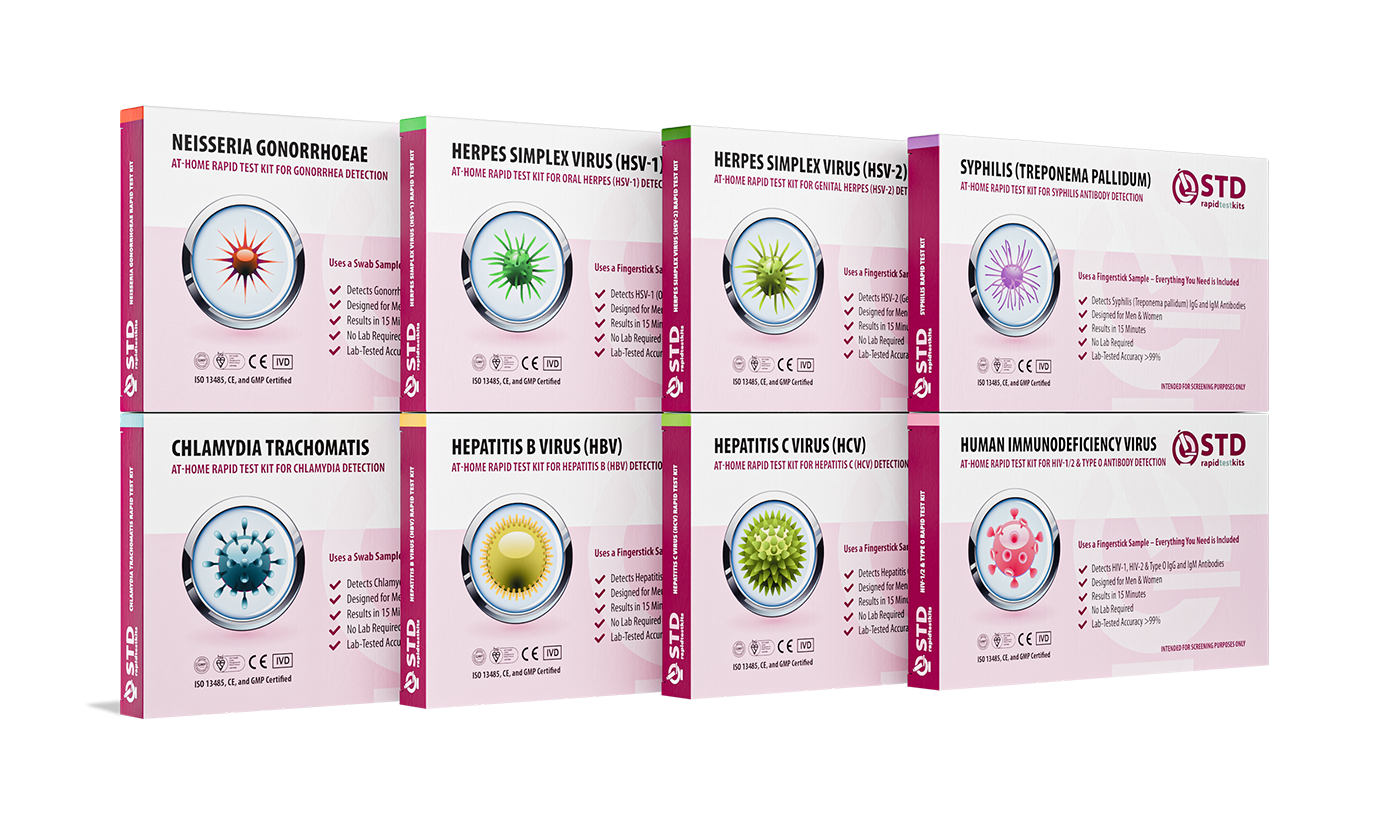
 For Men & Women
 Results in Minutes
 No Lab Needed
 Private & Discreet
Order Now $149.00 $392.00
For all 8 tests
How to Pick the Right Lube (Without Losing Your Mind)
So how do you choose? Standing in a drugstore aisle or scrolling online can feel like a game of Russian roulette. Dozens of brightly colored bottles promise “tingle,” “glide,” “warming,” “cooling,” “extra pleasure,” “organic,” “vegan,” “natural,” “flavored,” and “toy safe.” But what you really need to ask is: Will this keep my body protected?
Focus on three things: compatibility, osmolarity, and ingredients. Compatibility means the lube won’t destroy the condom. Both water-based and silicone-based lubes are generally safe with latex and nitrile. Osmolarity is about how the lube interacts with your cells, some lubes are hyperosmolar, which can actually pull water out of your cells and cause irritation or even epithelial damage. Look for “iso-osmolar” or “low osmolarity” if possible.
Then there’s the ingredient list. Short is better. Avoid glycerin if you’re prone to yeast infections. Skip fragrances and unnecessary additives. If it burns, stings, or makes you feel itchy, stop using it, no matter how fun the label looks.
For people with sensitive bodies, some of the most trusted brands include formulas like Good Clean Love, Überlube, and Sliquid Sassy. These aren't endorsements, they’re just products with solid track records in both lab studies and user experiences. On the flip side, some popular drugstore brands have been flagged in research for having high osmolarity or irritating ingredients. The science isn’t always black and white, but if a lube makes you feel raw afterward, it’s not the right one for you.
What If You Test Positive After a Lube Fail?
Let’s say you’ve done everything you thought was right. You used a condom. You grabbed the lube. And yet, days or weeks later, your test comes back positive. The mind spirals. The shame hits. But here’s what we need to say, loud and clear: testing positive is not a moral failure. It's not a punishment. It's a health event, and one that happens to millions of people worldwide.
If your HIV result is positive, the first step is confirmatory testing. That might mean a lab-based test to rule out false positives. After that, you’ll be connected to care, whether that’s starting antiretroviral therapy (ART), talking to a provider about your mental health, or beginning the process of partner notification.
There are resources to help. Some clinics offer anonymous partner notification services. Others offer telehealth. Some people choose to tell their partners themselves, using scripts or support groups to guide the conversation. None of this has to be done alone. And none of it defines your worth.
Most importantly: HIV is no longer a death sentence. With proper treatment, you can live a full, long life. People with undetectable viral loads do not transmit the virus sexually. That’s not hope. That’s science. And it starts with knowing your status, even if you got there because of a broken condom or a lube mistake.
If you're not sure where to begin, this combo at-home test kit checks for the most common STDs discreetly and quickly. It's a first step toward clarity, and toward control.
Privacy, Shipping, and Discreet Support
Let’s talk logistics. Because even if you’re ready to get tested or switch up your lube routine, you might not be ready to have that box show up on your doorstep with “STD TEST” stamped on the side. That’s why discreet shipping matters, and why privacy isn’t just a marketing feature. It’s a barrier-breaker.
When you order from a provider like STD Rapid Test Kits, you get more than a test. You get a sealed, unbranded package with no external markings. No one needs to know what’s inside unless you tell them. Whether you’re living with roommates, staying at a hotel, or ordering to a pickup locker, these kits are built to blend in. You can open them privately, take the test in your own space, and follow the instructions without rushing or fear.
That discretion extends to results. Some at-home kits provide digital results through secure portals. Others mail hard copies in plain envelopes. Either way, the power to disclose, or not, is yours. And that control is crucial when you’re dealing with something as sensitive as sexual health. No awkward pharmacy pickup. No judgmental clinic receptionist. Just clarity, confidence, and the ability to move forward on your terms.
Need support after results? Many companies now partner with telehealth services that can walk you through next steps, prescriptions, treatment, referrals, or emotional check-ins. Because privacy shouldn’t end when the test is done. It should follow you through the whole experience.

People are alsor reading: STDs That Hide in Saliva and Under Nails
Myths That Make Lube Riskier Than It Should Be
One of the reasons lube doesn’t get talked about enough is that people assume they already understand it. “It’s just for pleasure.” “Only bottoms need it.” “Spit works just as well.” These myths don’t just distort the conversation, they put people at risk.
Let’s start with spit. No, it is not an effective lubricant. It dries quickly. It can introduce bacteria. And it does not reduce friction in the same way a water- or silicone-based product does. Using spit may feel spontaneous, but it increases the chance of tissue damage and discomfort, especially during anal sex. If your only option is spit or nothing, spit may feel better than raw friction, but it is not protective in the ways that matter most.
Then there’s the idea that “only the receptive partner” needs to care about lube. Wrong. HIV doesn’t care who’s topping or bottoming, it cares about exposure. And friction creates exposure on both ends. Condoms can fail in any position. If you’re penetrating and you feel the condom sticking, slipping, or grinding, you’re putting yourself and your partner at risk. Lube isn’t a courtesy, it’s protection for everyone involved.
Another common myth is that “oil is natural, so it must be safer.” This couldn’t be more false. Natural doesn’t mean condom-safe. Coconut oil, baby oil, massage oil, these can all break down latex. Some even damage the vaginal or rectal mucosa. And once that barrier is compromised, viruses like HIV have a much easier path into the bloodstream. If you want “natural,” look for certified water- or silicone-based lubes made without glycerin, parabens, or artificial scents, not something from the kitchen shelf.
The final myth? That lube is optional. For vaginal sex, sometimes that’s true. For anal sex, it’s not. The rectum produces no natural lubrication. None. Without added moisture, friction builds fast. Discomfort follows. Then tears. Then bleeding. And if there’s HIV in the equation, that becomes an open invitation. So yes, lubricant is essential. And choosing the right kind could literally be the difference between safe and sorry.
FAQs
1. Is silicone really better than water-based when it comes to HIV risk?
Not always better, just different. Silicone lubes tend to last longer without drying up, which can be a game-changer during anal sex where friction is intense and there’s zero natural lubrication. But if you’re super sensitive or prone to irritation, a clean water-based lube might feel gentler. The real takeaway? Both are far safer than going dry or grabbing something from your bathroom cabinet that wasn’t made for genitals.
2. Okay, but is spit really that bad as lube?
Here's the deal: spit dries up fast. It also contains enzymes and bacteria that can irritate sensitive tissue. Is it better than nothing in a heat-of-the-moment scenario? Maybe. But using spit is like using paper towels instead of an umbrella in a storm, it kinda works for five seconds, but you're gonna get soaked. For actual protection against HIV and microtears, you need a real, condom-compatible lube.
3. I’ve used coconut oil as lube for years, is that dangerous?
If you’re not using condoms, maybe not. But if you are? Yeah, that’s a problem. Coconut oil and other oils (baby oil, body lotion, etc.) break down latex, making it way more likely to tear mid-action. And even if the condom looks fine afterward, the damage could already be done. "Natural" doesn’t mean safe. Use oils for massages. Use lube for sex.
4. How do I know if I had a microtear during sex?
You probably won’t feel it happening. That’s the tricky part. Afterward, you might feel sore, raw, or notice some mild stinging when you wipe. Maybe a bit of spotting. Most people don’t realize tiny tears are there, until an STD gets in. This is why lube matters even if everything *seems* fine after. You can’t protect what you can’t feel.
5. Do I need to test for HIV if we used a condom and lube?
If the condom stayed on and didn’t break, and you used a legit water- or silicone-based lube, your risk is low. But “low” doesn’t mean “zero.” If your partner’s status is unknown or you just want peace of mind, get tested. Think of it like checking your bank account after a big night out, you hope everything’s fine, but you check anyway.
6. What’s up with “osmolarity”? Why does it matter in lube?
Osmolarity is basically a fancy term for how concentrated the ingredients are in your lube. Some lubes are so packed with stuff that they actually pull moisture *out* of your cells, kind of like a reverse moisturizer. That can dry you out, cause irritation, and make tissues more vulnerable to infection. If your lube feels burny or weird, it might be too harsh. Go for “iso-osmolar” if you see it, or brands labeled body-safe and gentle.
7. I like flavored lube. Is that bad?
Flavored lube is fun, until it’s not. Most are designed for oral sex, not for putting up your butt or in your vagina. They can contain sugar or sweeteners that mess with your pH, invite yeast infections, or just straight-up burn. If you're using it for oral only, cool. But for anything internal? Stick with something plain, clean, and unscented.
8. Can I use silicone lube with condoms and toys?
Silicone lube is usually great with condoms, just double-check the label. But if you’re using silicone sex toys, you might want to skip it. Silicone-on-silicone can make toys sticky or degrade their surface. Water-based is safer for toy play. Pro tip: keep both on hand and use what fits the moment.
9. I felt fine after sex. Why would I need to test?
Because HIV doesn’t always come with a rash or fever. Because tears can be microscopic. Because the condom might’ve slipped and you didn’t even notice. Most people who test positive say the same thing: “I didn’t feel anything.” Testing isn’t about feeling sick, it’s about getting ahead of what you can’t see yet. And these days, you can test from home, no drama.
10. If I test positive and it started with a lube mistake, is it my fault?
Hell no. The blame game doesn’t belong here. Lube mistakes happen. Condom mistakes happen. Being human isn’t a crime. What matters is what you do next. Testing, treatment, talking to partners, these are actions, not confessions. You’re not broken. You’re just someone who deserves good information and better support moving forward.
You Deserve Answers, Not Assumptions
If you’ve ever questioned whether your lube mattered, this article should make it clear: it absolutely does. HIV doesn’t need a major accident to spread. Sometimes all it takes is a few microscopic tears and a moment of contact. But that’s not a reason to panic, it’s a reason to prepare.
Water-based and silicone-based lubricants give you options. Condoms protect you when used correctly. Testing gives you clarity. And knowledge arms you against shame, fear, and misinformation. You don’t need to be perfect. You just need to be equipped.
If something doesn’t feel right, if the lube stung, if the condom slipped, if the sex was rougher than expected, there’s a next step. This at-home combo test kit checks for HIV, chlamydia, gonorrhea, and more, all from your own space. It’s discreet, doctor-trusted, and designed for people just like you, curious, cautious, and done taking chances in the dark.
How We Sourced This Article: We combined current guidance from leading medical organizations with peer-reviewed research and lived-experience reporting to make this guide practical, compassionate, and accurate. In total, around fifteen references informed the writing; below, we’ve highlighted six of the most relevant and reader-friendly sources. Every external link in this article was checked to ensure it leads to a reputable destination and opens in a new tab, so you can verify claims without losing your place.
Sources
3. Study: Water-Based Lubricants
About the Author
Dr. F. David, MD is a board-certified infectious disease specialist, who focuses on STI prevention, diagnosis, and treatment. He blends clinical precision with a no-nonsense, sex-positive approach and is committed to expanding access for readers in both urban and off-grid settings.
Reviewed by: Dr. Jamie Olvera, MPH | Last medically reviewed: September 2025
This article is for informational purposes and does not replace medical advice.


