STDs that Can Kill: The Lethality of Certain Sexually Transmitted Infections
STIs still remain one of the major challenges to public health throughout the world; every year, millions of new cases are diagnosed by the world medical community.
Although the overwhelming majority of such infections can be treated with efficiency, thereby preventing them from progressing to serious, long-term health consequences, some STIs do possess lethal potential in the case of undiagnosed and untreated conditions. The article now aims at exploring these deadly infections in the light of HIV, Syphilis, and Hepatitis B & C, along with the necessity of safe sexual behavior and regular testing of STIs.
01 October 2024
8 min read
5921
Overview: The Global Problem of STIs
STIs are a staggering public health problem, with millions of new infections recorded annually. Although a significant percentage of STIs are curable and do not develop into grave long-term health problems, some of them can be potentially life-threatening if not diagnosed on time and treated appropriately.
Amongst the formidable foes that stampedes humankind in sexually transmitted infections is the Human Immunodeficiency Virus, otherwise known as HIV. This notorious viral intruder attacks with a rather unique modus operandi—it targets the body's immune system and systematically weakens it. This virus accomplishes this by crippling the body's natural defense mechanism against an assortment of diseases and infections, making it very difficult for the infected individual to keep at bay even the most everyday diseases.
The mechanism through which HIV works is complex. It primarily affects one single type of WBC, a subgroup of lymphocytes known as CD4 cells—more commonly called T cells—which form part of the essential component of the body's immune response. It inserts its genetic material into these cells, and these then become manufacturing factories for more HIV viruses.
The virus gradually destroys such vital immune cells, rendering the body victim to opportunistic infections and cancers and marking the disease's furtherance into its furthest, most advanced stage, known as AIDS.
Without treatment, HIV invariably progresses to AIDS. ART has transformed HIV from what had been a terminal disease into a chronic but manageable disease. If left untreated, however, it continues its relentless attack on the body's immune system until it reaches its final destructive stage—a condition called AIDS. This ultimately fatal condition remains a major health problem worldwide and continues to take thousands of lives annually despite the availability of medical interventions.
AIDS is the most advanced stage of the HIV infection. It is at this point that the body's immune system is so degraded it cannot protect itself from opportunistic infections. These include diseases the body, under normal conditions, could fight off or keep latent but which, in the weakened state of a sufferer with AIDS, turn lethal.
Basically, HIV/AIDS is not only a health issue but also a social and economic problem at the global level, impacting demographic trends, the workforce, life expectancy, and even national security for those countries hardest hit. Thus, grasping the implications of HIV, its mode of transmission, its effects on the body, and the potential risk of progression to AIDS is crucial for controlling its spread and impact.
Syphilis may not represent the high-profile dangerous sexually transmitted infections, but by no means its venom should be underestimated. This bacterial infection, usually transmitted by intimate contact, often acts like a silent invader—which might be relatively harmless but when left to progress it can wreak havoc.
Syphilis is an infection caused by the bacterium Treponema pallidum. If left undiagnosed and untreated, the natural course of the disease generally includes several progressive stages. The initial infection can involve just one lesion, a painless sore called a chancre, which typically occurs at the site of exposure. This is called primary syphilis. The chancre heals without treatment in three to six weeks. However, the bacterium remains in the body and begins to multiply slowly and silently, causing damage without symptoms.
If left untreated in its primary stage, the disease advances to secondary syphilis, which is characterized by skin rashes among other systemic signs and symptoms. This stage, too, may go away without treatment, advancing the individual to a latent stage where no signs are observable but the bacteria are alive inside the body. Concerningly, if left untreated, about one-third of all individuals during this latent stage will advance to tertiary syphilis.
It is with tertiary syphilis that the real damage will occur. That is when the insidious enemy unmasks its lethal power, launching an attack on many organs that can result in serious health consequences.
It may involve the bad damage of heart, brain, and nervous system, possibly with neurosyphilis, cardiovascular syphilis, or gummatous syphilis with soft tumor-like globular inflammation masses called gummas. If the inflicted damage is not cured with medication or it becomes untreated, death may occur.
For example, neurosyphilis can cause stroke, mental dysfunction, and the loss of motor skills. Cardiovascular syphilis can result in aneurysms, heart valve disease, and inflammation of the blood vessels. These complications, though, can occur years or even decades after initial infection. Thus, this bacterial invader may be a slow and insidious attacker.
Hepatitis B and C: Silent but Deadly
Check Your STD Status in Minutes
Test at Home with Remedium Hepatitis B & Hepatitis C Test Kit
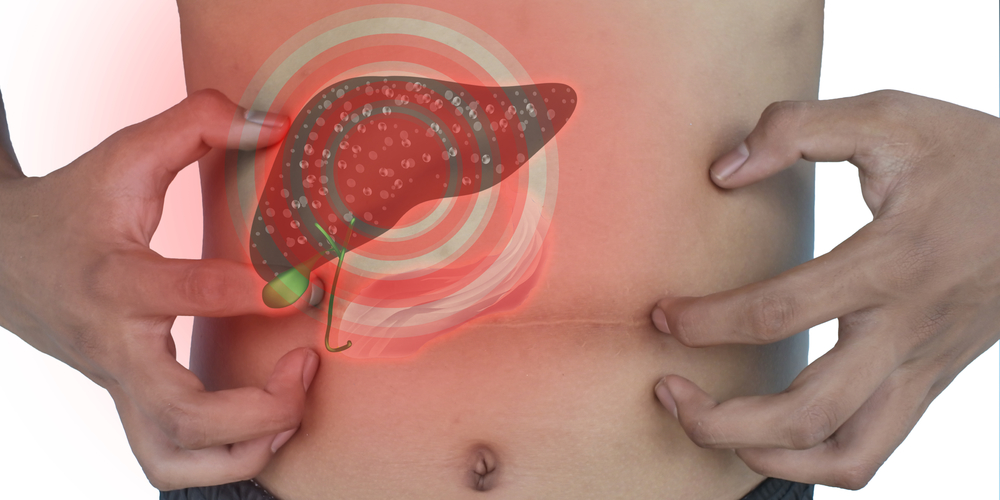
Hepatitis B and C are especially insidious foes among the legions of noxious sexually transmitted infections. The chief war waged by these viral infections is against the liver; it does so silently, mostly undetected until severe damage has been inflicted.
They are serious diseases, but caused by similar viruses. Hepatitis B and C progress to chronic infections among the majority of the infected population. It attacks liver cells, otherwise known as hepatocytes, by slow invasion, arousing an inflammatory response throughout and progressively destroying liver function.
Hepatitis B results from the Hepatitis B virus, which may be in either an acute or chronic infection. Acute Hepatitis B refers to a condition when this particular disease is of a transient nature that occurs within the first six months following exposure to the HBV virus. On the other hand, chronic Hepatitis B is a viral infection which results long-term due to the inability of the body's immune system to clear the virus from it. Similarly, Hepatitis C, which is caused by the Hepatitis C virus, also causes both acute and chronic illnesses of the liver. Chronic Hepatitis C infection may have no noticeable symptoms for years but is progressive in destroying the liver and ultimately causes cirrhosis and even liver cancer in the severest cases.
In their advanced stages, these infections cause considerable damage to the liver, cirrhosis being one condition wherein scarring of the liver is irreversible. Along with the deterioration of health in the liver is the deterioration of its capacity to carry out important functions like detoxifying the blood, synthesizing essential proteins, and promoting digestion. These diseases may eventually result in liver failure—a condition wherein the liver basically stops working and can become fatal.
These conditions, in some cases, could culminate into hepatocellular carcinoma, a common kind of liver cancer, showing the lethal potential of untreated Hepatitis B and C. Early detection and timely treatment for these infections, therefore, cannot be overemphasized.
Despite these dire implications, both Hepatitis B and C are manageable with the right medical care. Antiviral medications have completely changed the treatment of Hepatitis B and Hepatitis C; most patients are reaching the state of disease control and even a cure. However, such positive outcomes can only be achieved by early diagnosis and timely interference.
The Grim Reality: High-Profile Fatal STI Cases
History is replete with examples of famous people who died from STIs. The death of actor Rock Hudson in 1985 from AIDS-related complications sent shockwaves around the world. The 1986 death of a model named Gia Carangi from complications of HIV/AIDS likewise drove the point home that some STIs could prove fatal if left untreated.
The Need for Preventive Measures
Although many STIs are treatable and do not always result in serious long-term complications, others—like HIV, syphilis, and hepatitis B and C—have grave health consequences if not treated or treatment is delayed. Under certain circumstances, it might even lead to death.
It is very crucial that safe sex practices be observed and testing for STIs should be done regularly to reduce such risks. The two most important activities of our whole struggle against this worldwide STI menace are awareness and prevention.
A realization of the hazards from these infections and possible deaths from untreated STIs is very essential in assuring sexual health and protecting individuals from life-threatening situations. Screenings, vaccinations whenever possible, and protected sex are all countermeasures everyone should be pursuing to prevent these harmful infections.
This calls for responsibility on the part of the whole community. Success in this fight against such hazardous STIs requires comprehensive knowledge, proactive health practice, and an unrelenting commitment to prevention.







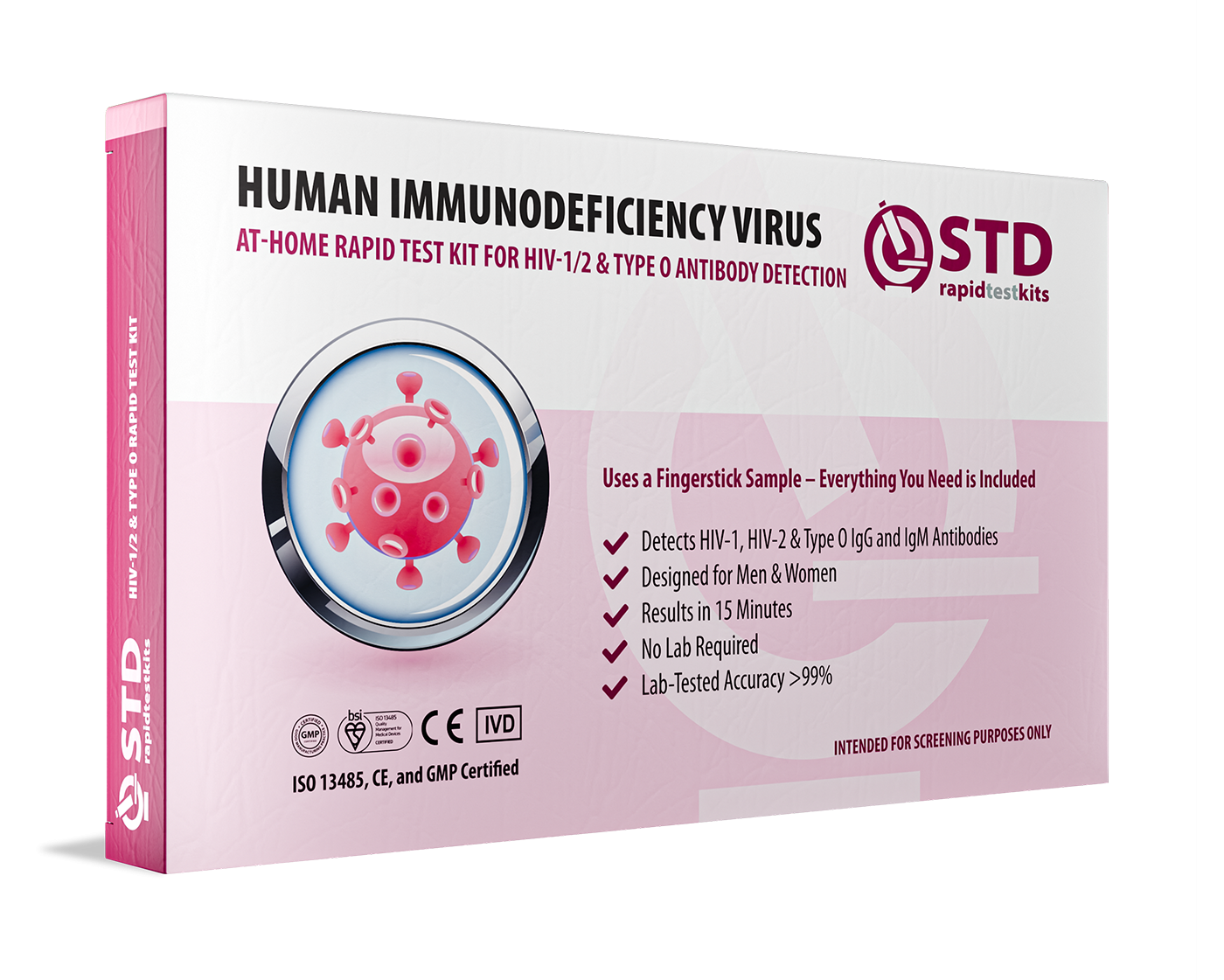
 For Men & Women
 Results in Minutes
 No Lab Needed
 Private & Discreet