

Published: July 2025 | Last updated: April 2026 | Editorial review and quality control: Martina N.
HIV rarely arrives alone. In men, a new HIV infection is often diagnosed alongside another sexually transmitted infection, and the second infection is usually the reason the visit happens. A painful sore gets blamed on shaving. A throat ache gets called a cold. A rash gets pinned on a herpes flare. The HIV test, the one that would actually change the picture, gets pushed to next time.
Co-infections do two things at once. They make HIV easier to catch on a cellular level, and they make HIV harder to spot on a clinical level. This article explains both halves of that problem and walks through what to test for, when, and why one positive STI result is a reason to ask for the full panel rather than to stop asking.
Can co-infections really hide HIV symptoms in men?
Yes. Early HIV often presents as a vague flu-like illness with fatigue, low fever, and swollen lymph nodes, and those signs blur into syphilis, herpes, or gonorrhea symptoms when both infections are present. Antibody tests can also miss HIV during the first 3 to 12 weeks after exposure (<a href="https://www.cdc.gov/hiv/testing/" target="_blank" rel="noopener">CDC HIV testing window periods</a>), so any positive STI result should trigger an HIV test now and a follow-up test 4 to 12 weeks later.
Key Takeaways
- Men with another sexually transmitted infection are meaningfully more likely to acquire HIV if exposed, because sores, inflammation, and immune-cell activity all make transmission easier (CDC on HIV risk factors).
- Any positive syphilis, gonorrhea, chlamydia, or HSV-2 result is a reason to test for HIV immediately and again at 4 to 12 weeks, even if you feel fine.
Why HIV often hides behind another STI
The behaviors that transmit HIV also transmit syphilis, gonorrhea, chlamydia, and herpes. That overlap is not accidental. Public-health agencies call this a syndemic because the infections feed each other in the same population, rather than treating each STI as a stand-alone event (CDC on STIs and HIV risk).
The clinical consequence is straightforward. A man walks into urgent care because of a painful bump or a discharge. The visible problem gets diagnosed and treated. The invisible one, acute HIV with mild fatigue and a low-grade fever, gets attributed to the flu, work stress, or a leftover symptom of the STI being treated. Weeks later, when seroconversion produces a clearer rash or persistent lymph-node swelling, HIV finally enters the picture. By then, several weeks of high-viral-load transmission risk have already passed.
Gay and bisexual men face overlapping STI transmission routes, and the same exposure event frequently carries risk for more than one infection (NIH HIVinfo: HIV and gay and bisexual men).
A positive syphilis, gonorrhea, chlamydia, or herpes result is a strong signal that the same exposure event could have transmitted HIV. Treat the diagnosed infection on schedule, and order an HIV test the same week. If the exposure was within the last 3 months, plan a follow-up HIV test at the appropriate window so the negative result is real rather than premature.
The co-infections that share HIV's path in men
Four sexually transmitted infections show up alongside HIV often enough that clinicians screen for them together. Each one interacts with HIV differently.
- Syphilis. Open chancres on the genitals, anus, or mouth are direct entry points for HIV through mucous membranes. Inflammation around the sore concentrates immune cells that HIV uses to replicate. The CDC reports that having syphilis raises the risk of HIV acquisition meaningfully when exposure occurs (CDC on STIs and HIV risk).
- Gonorrhea. Triggers a strong local immune response. The CD4+ T cells that arrive to fight gonorrhea are the same cells HIV preferentially infects. The infection itself can be silent in men, especially in pharyngeal or rectal sites, so symptom-based screening misses these cases entirely.
- HSV-2 (genital herpes). Even between visible outbreaks, HSV-2 produces small breaks in the skin and increases local immune activity. During an active outbreak, both HIV transmission risk and viral shedding rise.
- Chlamydia. Often asymptomatic in men, and it damages the urethral and rectal mucosa, raising both acquisition and onward-transmission risk.
Two more infections matter beyond the classic STI panel. Hepatitis C frequently co-occurs in men whose exposure involves shared injection equipment, and tuberculosis remains the single biggest cause of death globally for people living with HIV (WHO tuberculosis fact sheet). Tuberculosis falls outside the classic STI category. An HIV diagnosis in any region with active TB transmission should still prompt a clinic TB screen.
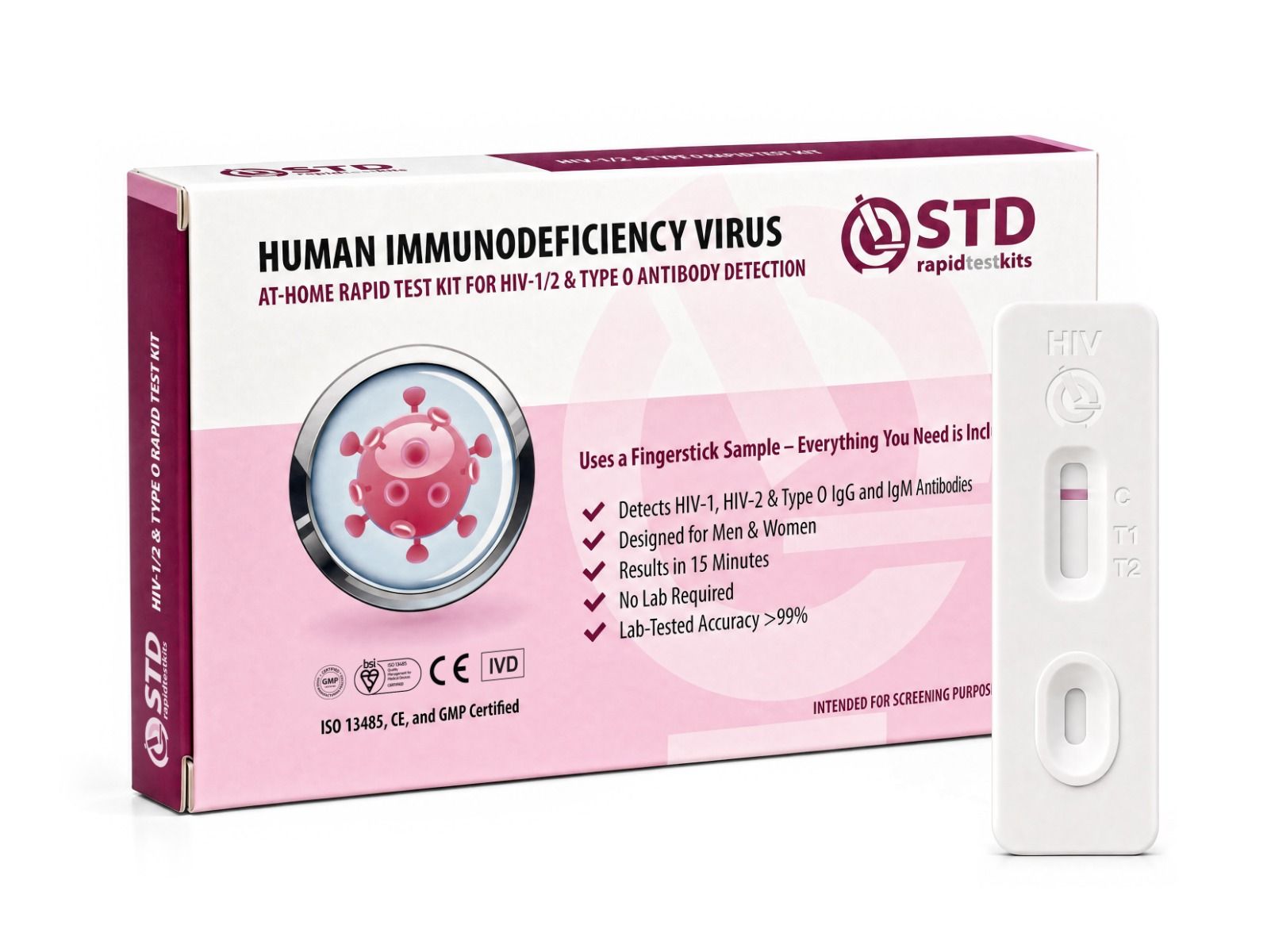
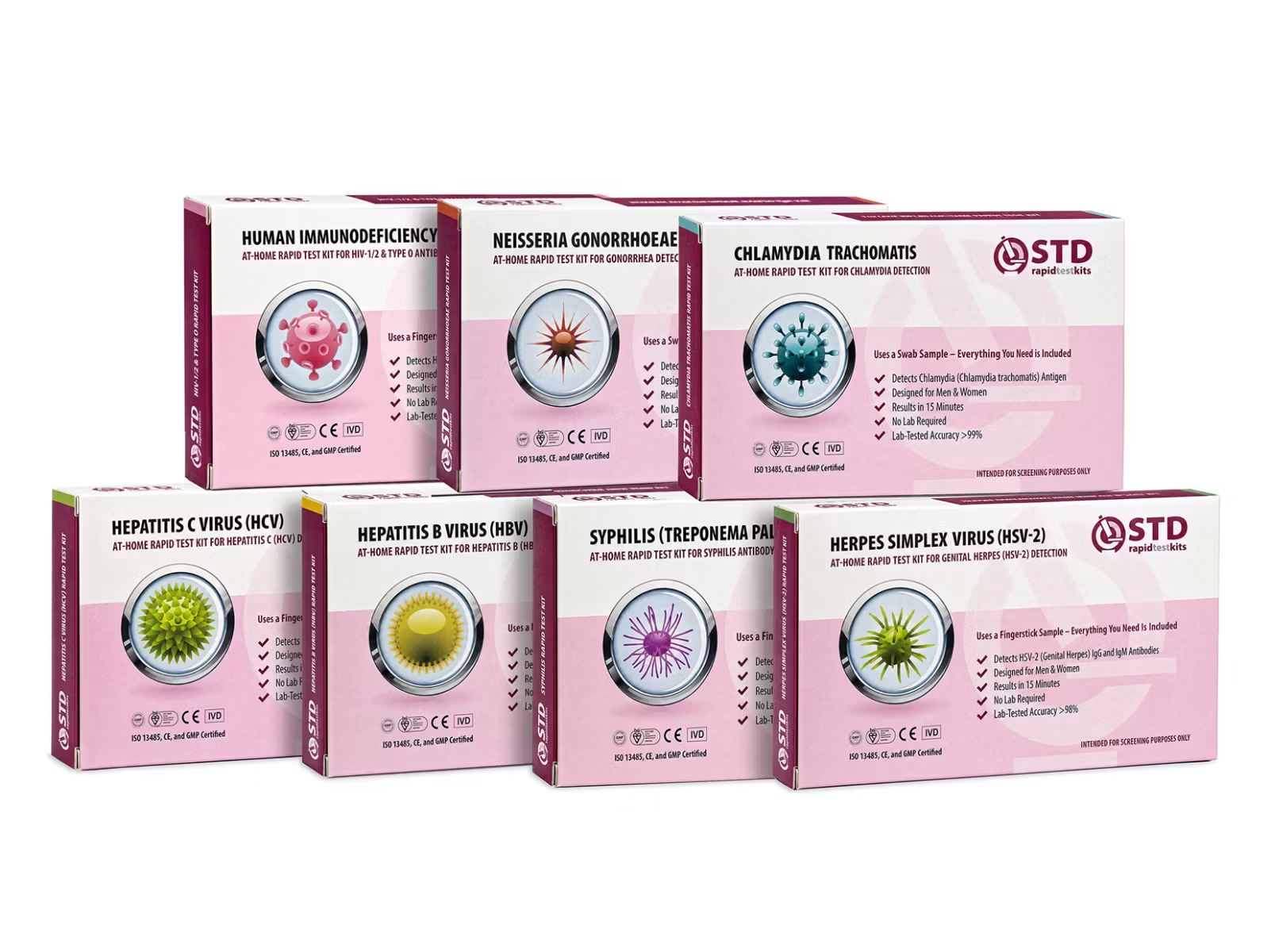
This article is published by stdrapidtestkits.com, which sells at-home rapid lateral-flow STI test kits, including a fingerstick HIV antibody test and combination panels covering HIV, syphilis, gonorrhea, chlamydia, hepatitis B, hepatitis C, and herpes. We recommend products that fit the reader's situation, never by commission. We do not sell at-home tuberculosis tests, and acute HIV in the first two weeks after exposure is best caught with clinic NAT/RNA testing rather than a home antibody kit.
How co-infections accelerate HIV at the cellular level
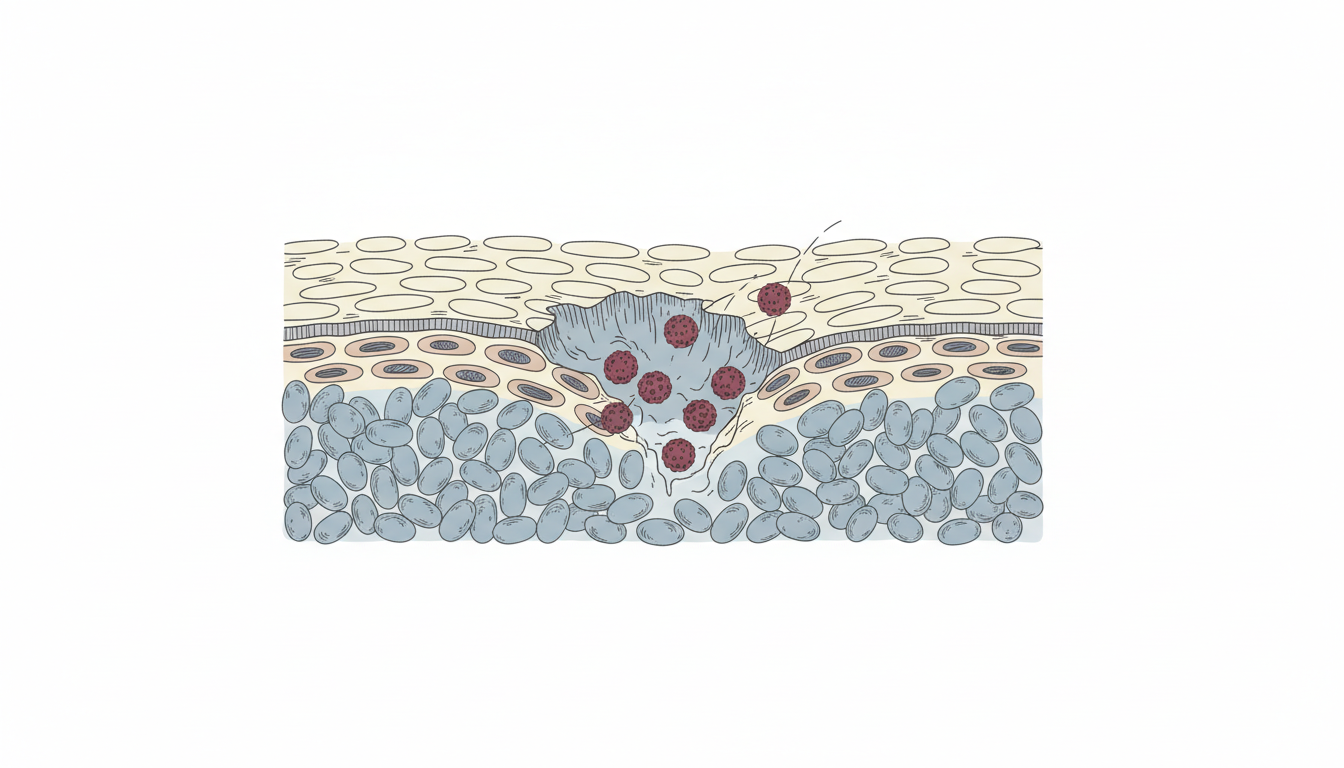
The increased acquisition risk associated with another STI is not a vague statistical correlation. It tracks specific biology.
HIV needs three things to establish a productive infection: a route into the body, a high local concentration of CD4+ T cells, and time before the immune system mounts a coordinated antibody response. STIs supply all three. A syphilis chancre is a literal route. Gonorrhea and chlamydia inflammation pulls CD4+ cells to the genital and rectal mucosa. Herpes outbreaks suppress local cell-mediated immunity for several days at a time. Each of these conditions, individually, raises per-exposure transmission probability.
The same biology runs in reverse for someone already living with HIV. An untreated STI raises HIV viral load in genital secretions, which means a partner is exposed to a higher dose of virus during the same act. This is why HIV care guidelines emphasize STI screening every 3 to 6 months for men with multiple partners or condomless sex, even when their HIV is undetectable on antiretroviral therapy.
What early HIV actually looks like in men
The textbook description of acute HIV is a flu-like illness 2 to 4 weeks after exposure: fever, fatigue, sore throat, swollen lymph nodes, headache, sometimes a non-itchy maculopapular rash on the trunk. About two-thirds of newly infected adults experience at least some of these symptoms (HIV.gov on symptoms of HIV), though they are mild enough that many people attribute them to whatever is going around at the time.
When another STI is present, the noise gets louder. Fatigue gets blamed on a herpes outbreak. A swollen lymph node gets blamed on a syphilis chancre nearby. A sore throat gets called pharyngitis from gonorrhea. None of these attributions is unreasonable in isolation. The problem is they push the HIV test out of the conversation.
Signs that should specifically prompt an HIV test in a man with another active STI:
- Fever above 100.4 F (38 C) for more than 48 hours
- Unexplained weight loss of more than a few pounds
- A non-itchy rash on the trunk, palms, or soles
- Persistent diarrhea lasting longer than a week
- Mouth ulcers or oral thrush in someone not on antibiotics
- Lymph-node swelling in two or more separate body regions
None of these is HIV-specific. Each one can have other causes. Together, in someone with a recent unprotected exposure or a positive STI test, they are a reason to test now and to test again at the standard window-period intervals.
If two or more of the signs above appear in someone with a recent unprotected exposure or a positive STI result, test for HIV this week and book the window-period follow-up before leaving the visit. Persistent fever and a non-itchy trunk rash together are a classic acute-HIV picture and warrant a clinic NAT/RNA test rather than waiting for an antibody result.
When to test for HIV after another STI
The biggest practical mistake is testing once, getting a negative result, and treating that as the answer. HIV antibody tests have a window period, the gap between infection and detectable antibodies, that varies by test technology.
The CDC's testing-window guidance covers three test types (CDC HIV testing):
| Test type | Earliest reliable detection | Where it's typically used |
|---|---|---|
| Nucleic acid test (NAT or RNA) | 10 to 33 days after exposure | Clinic, when acute HIV is suspected |
| Antigen/antibody lab test (4th generation) | 18 to 45 days after exposure | Clinic blood draw |
| Antibody-only rapid test (fingerstick or oral) | 23 to 90 days after exposure | Home rapid kit, clinic point-of-care |
The two-test rhythm after a positive STI result
If a man has just been diagnosed with syphilis, gonorrhea, chlamydia, or HSV-2, the practical testing rhythm is straightforward. Take the first test now and book the follow-up before you leave the visit, so the date does not slip.
The two-test rhythm
- Test now. A current HIV test rules out an existing infection from any prior exposure. If the most recent risk event was more than 3 months ago, a rapid antibody test gives a reliable answer at this visit.
- Test again at the relevant window. If the most recent unprotected exposure was within the last 3 months, repeat at 4 to 6 weeks for an antigen/antibody combination test, or at 12 weeks for an antibody-only rapid test, to clear the window.
- Ask about clinic NAT testing if symptoms appeared within 4 weeks of exposure. Acute HIV produces detectable RNA before antibodies seroconvert. NAT testing is not widely available at routine walk-in settings, so call ahead or visit a sexual-health clinic or emergency department directly to request it.
Why full-panel screening beats single-infection testing
A full STI panel for a man typically covers HIV, syphilis, gonorrhea, chlamydia, hepatitis B, hepatitis C, and HSV-2. Each test answers a different question, and a negative result on one does not predict the others.
The most common gaps in routine screening:
- Pharyngeal and rectal swabs are skipped. Gonorrhea and chlamydia in the throat or rectum are usually asymptomatic. Genital-only swabs miss them entirely. For men who have receptive oral or anal sex, three-site testing is the only complete option, and it requires a clinic visit since at-home rapid kits use genital swabs only.
- Syphilis testing is skipped after a single negative result. Early syphilis can produce a negative non-treponemal test before the immune response fully develops. A repeat test 2 to 4 weeks later closes that gap.
- HSV-2 antibody testing is omitted unless there is a visible lesion. Asymptomatic HSV-2 is common, and shared seropositivity changes both transmission risk and counseling.
An at-home combination panel is a reasonable starting point for men who want a baseline before booking a clinic visit, and it covers the highest-yield infections in one collection. It does not replace pharyngeal or rectal testing for men with corresponding exposures.
Tuberculosis, hepatitis, and the wider co-infection picture
Sexually transmitted infections are the most common HIV co-infections in men in the United States. Two non-STI infections also matter so much for HIV outcomes that they belong in any honest discussion.
Tuberculosis. TB is the leading infectious cause of death among people living with HIV worldwide (WHO TB fact sheet). HIV weakens the cellular immune response that normally keeps latent TB dormant. Reactivation TB in HIV-positive men can present with cough, night sweats, weight loss, and fever, the same constellation that overlaps with many other illnesses. New HIV diagnoses, especially in men born in or recently traveled to high-prevalence regions, should include a TB screen in clinic. We do not sell an at-home TB test, and a positive interferon-gamma release assay or skin test needs follow-up imaging that has to happen in person.
Hepatitis B and C. Both viruses are blood-borne and sexually transmissible. Hepatitis B has an effective vaccine and is part of routine adult vaccination guidance for men with risk factors (CDC hepatitis B). Hepatitis C has no vaccine, though highly effective curative treatment is available. Both progress faster to liver damage in someone living with HIV, which is why the standard new-HIV-diagnosis workup includes hepatitis B surface antigen, hepatitis B surface antibody, and hepatitis C antibody testing.
Standard workup includes hepatitis B surface antigen, hepatitis B surface antibody, and hepatitis C antibody testing. Add a TB screen if you are in or from a high-prevalence region. These require a clinic visit; at-home rapid kits do not cover TB or the full hepatitis panel.
How stigma keeps men from getting the tests they need
Co-infections delay diagnosis biologically. Stigma delays diagnosis behaviorally. Men avoid HIV testing for reasons that are independent of risk: fear of what a positive result means for relationships and identity, anticipated judgment from providers, the cultural narrative that HIV is someone else's problem, and the simple emotional weight of asking the question.
The patterns differ across groups, and the outcome is the same.
- Gay and bisexual men get tested more often than the general male population, yet report higher rates of test fatigue and provider awkwardness around comprehensive screening.
- Heterosexual men are statistically less likely to assume they are at risk, and may rely on a partner's test results rather than testing themselves, missing the gap that an undisclosed exposure can create.
- Men of color are diagnosed at later stages and screened less frequently, a disparity documented in CDC surveillance data (CDC HIV risk and testing data among MSM).
At-home testing addresses the access half of the problem. It removes the receptionist conversation, the waiting room, and the cost of a clinic visit from the first step. Confirmation, vaccination, and treatment still require an in-person visit.
An at-home rapid kit removes the access barriers that keep men from a first answer: no scheduling, no front desk, no waiting room. Clinical confirmation of any reactive result, plus vaccination and treatment, still happens in clinic. The home kit is the start of the conversation; the clinic visit is where it gets resolved.
What to do after a positive STI test
The practical sequence, in order:
- Treat the diagnosed infection on the timeline your clinician gives you. Antibiotic-treatable infections (syphilis, gonorrhea, chlamydia) clear with a single course in most cases. Viral infections (HSV-2, hepatitis B) need ongoing management.
- Order or schedule the rest of the panel. HIV is the priority test, with hepatitis B, hepatitis C, and remaining STIs filling out the picture. An at-home combination panel covers most of these in one collection.
- Schedule the window-period retest. If the most recent unprotected exposure was less than 3 months ago, put the follow-up date on a calendar before you leave the appointment.
- Notify partners through whichever channel feels possible. Many local health departments offer anonymous partner-notification services if direct contact is not feasible.
- Talk to a clinician about PrEP. If a man has tested negative for HIV but had a recent risk exposure, post-exposure prophylaxis (PEP) within 72 hours, or pre-exposure prophylaxis (PrEP) for ongoing risk, are evidence-based options that significantly reduce future acquisition risk.
None of these steps requires perfect emotional readiness. They each work whether or not the day they happen feels good.
Within 2 to 4 weeks after HIV infection, about two-thirds of people will have flu-like symptoms.
FAQs
- Can co-infections make HIV symptoms harder to recognize?
- Yes. Syphilis, gonorrhea, and HSV-2 can produce fatigue, fever, swollen lymph nodes, or rashes that overlap with acute HIV. The visible STI usually gets diagnosed first, and HIV gets attributed to whatever is going around. A positive STI result is a reason to test for HIV directly rather than to assume the symptom picture is fully explained.
- What are the most common infections that show up alongside HIV in men?
- Syphilis, gonorrhea, chlamydia, and HSV-2 are the four classic sexually transmitted co-infections. Hepatitis B, hepatitis C, and tuberculosis matter beyond the STI panel and are part of the standard workup after a new HIV diagnosis.
- Can I test negative for HIV right after another STI diagnosis and still have HIV?
- A negative HIV test taken the same day as an STI diagnosis does not close the window on a recent exposure. The cutoff depends on the test: antigen/antibody combinations are reliable by day 45; antibody-only rapid tests by day 90. Book the follow-up before you leave the visit so the date does not slip.
- If I have gonorrhea or chlamydia, do I have HIV?
- CDC guidance is to test for HIV at the same visit when any STI is diagnosed, regardless of perceived risk. A gonorrhea or chlamydia result raises HIV acquisition risk meaningfully, so test now and schedule the window-period follow-up before you leave.
- What early HIV symptoms get missed most often in men?
- Mild fatigue, low-grade fever, a sore throat, a non-itchy trunk rash, and lymph-node swelling in more than one body region. Each can be explained away. Together, in someone with a recent unprotected exposure, they should prompt a test.
- How do co-infections change the course of HIV in someone already infected?
- Untreated STIs raise HIV viral load in genital secretions, which raises onward transmission risk. Hepatitis B or C in someone living with HIV accelerates liver damage. Active tuberculosis, especially without antiretroviral therapy, is the most common cause of death in HIV worldwide.
- Can HIV symptoms be confused with another STI?
- Routinely. The acute-HIV rash is non-specific and can be mistaken for a syphilis rash, an allergic reaction, or a viral exanthem. Pharyngitis can be HIV, gonorrhea, mono, or strep. Symptom-based diagnosis is unreliable. Testing is the only way to separate them.
- What is the best at-home test after a possible HIV exposure?
- For an exposure more than 3 months ago, a rapid antibody fingerstick test gives a reliable answer. For a recent exposure within the last 3 months, an antigen/antibody lab test or a clinic NAT/RNA test detects HIV earlier than home antibody kits, and at-home testing should be paired with a follow-up at the right window.
Your next step if exposure history covers multiple risks
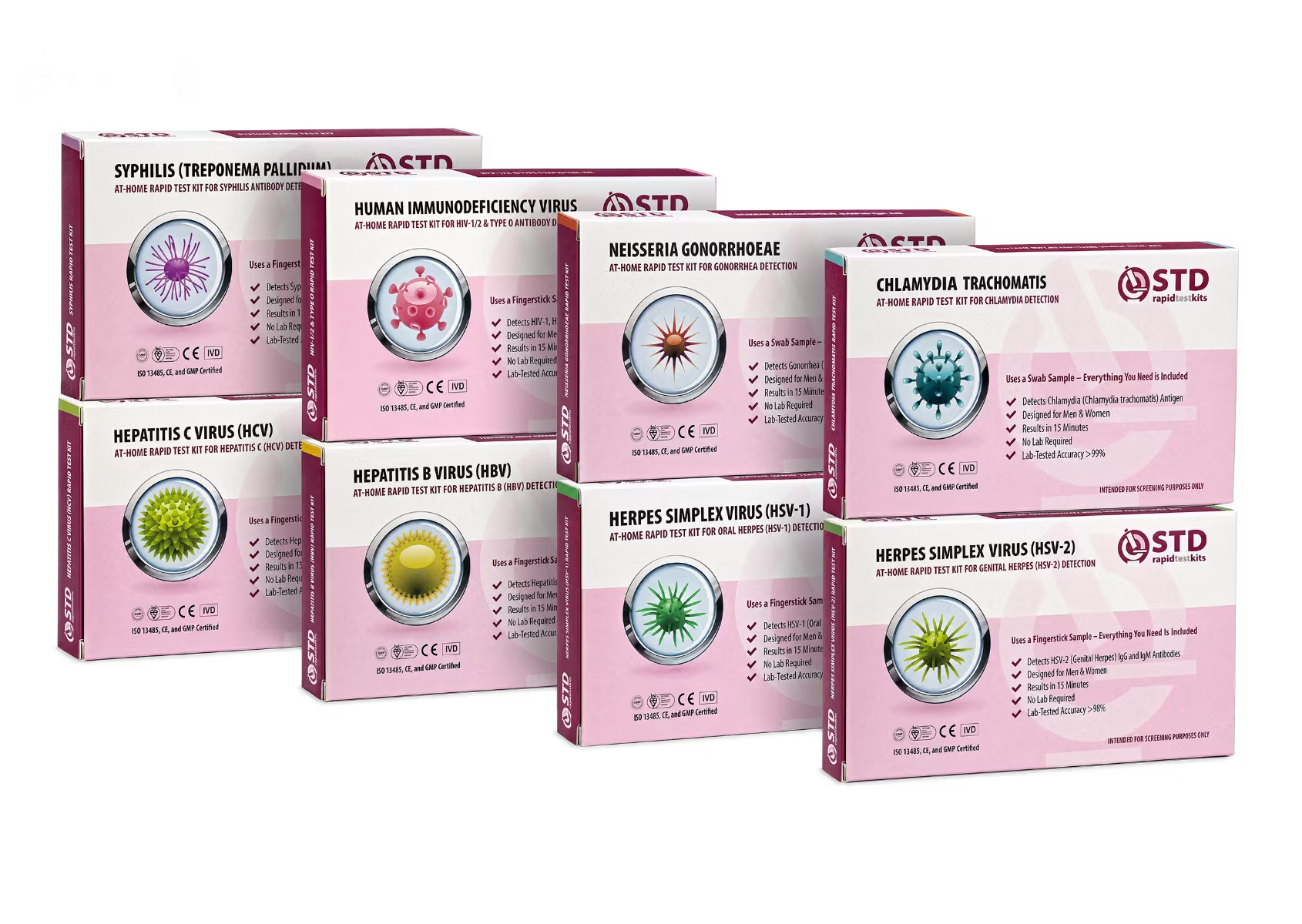
If your recent exposure history spans several categories of risk, swab-collected and blood-collected, multiple partners, or several months of uncertainty, a broader baseline panel collects more answers in one go. The 8-in-1 below adds extra coverage on top of the standard 7-test panel for men whose situation calls for the wider net.
- U.S. Department of Health and Human Services, HIV.gov. Symptoms of HIV, including the acute infection window and the about-two-thirds figure for flu-like symptoms 2 to 4 weeks after exposure.
- U.S. Centers for Disease Control and Prevention. HIV causes and risk factors page covering how other sexually transmitted infections raise HIV acquisition and transmission risk.
- U.S. Centers for Disease Control and Prevention. HIV testing guidance and window-period information for nucleic acid, antigen/antibody, and antibody-only tests.
- U.S. National Institutes of Health, HIVinfo. Stages of HIV infection fact sheet covering acute, chronic, and AIDS phases.
- U.S. National Institutes of Health, HIVinfo. HIV and gay and bisexual men, covering overlapping STI transmission routes and screening guidance.
- World Health Organization. Tuberculosis fact sheet, including TB as the leading infectious cause of death among people living with HIV worldwide.
- U.S. Centers for Disease Control and Prevention. Hepatitis B information for clinicians and the public, including vaccination guidance for adults with risk factors.
- U.S. Centers for Disease Control and Prevention. HIV risk, prevention, and testing behaviors among men who have sex with men, NHBS surveillance data documenting racial/ethnic disparities in screening and diagnosis stage.
