





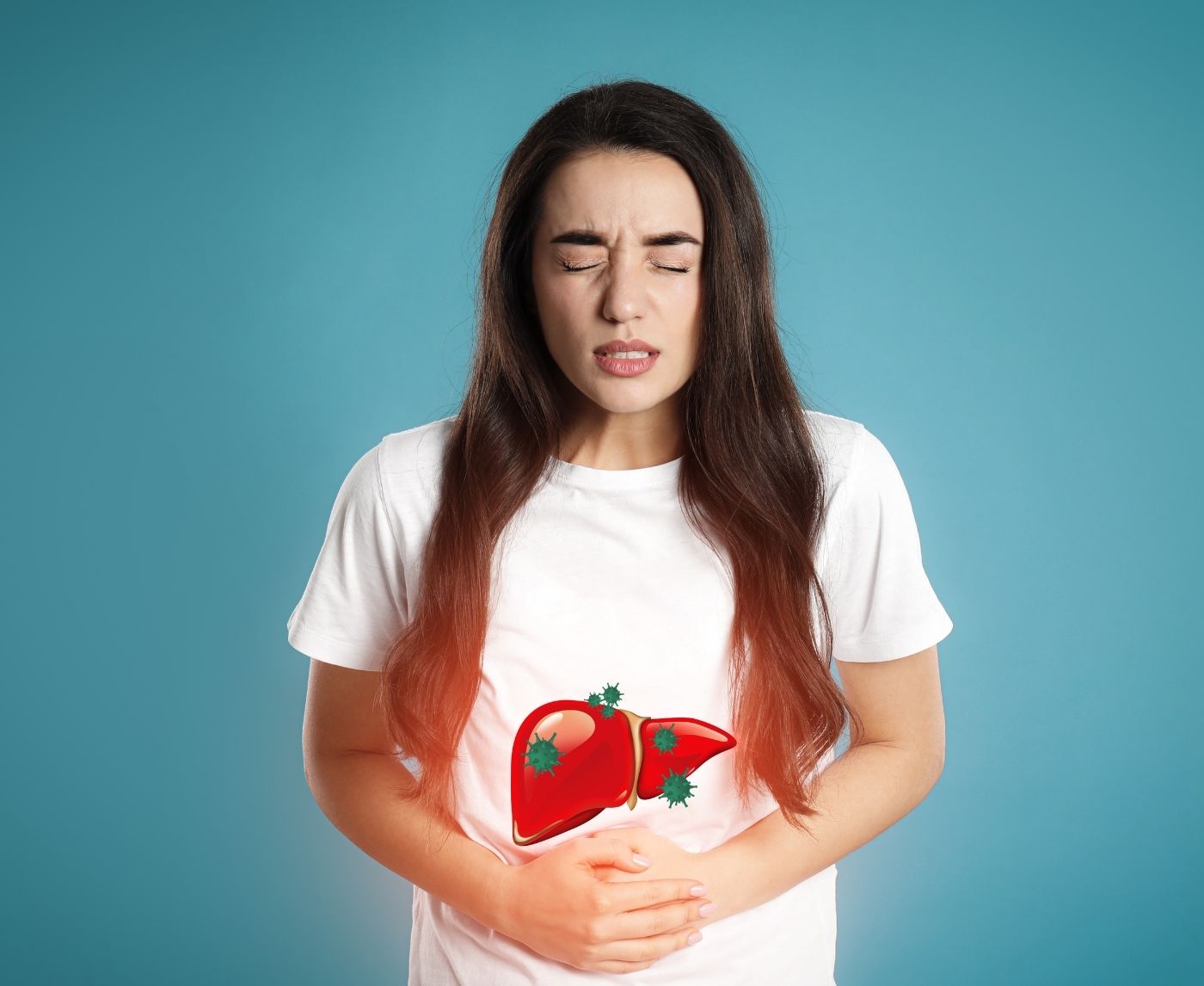

Quick Answer: The best time to test for hepatitis B is 6 to 12 weeks after exposure, when most tests reach peak accuracy. Testing earlier is possible, but you may need to retest.
Why This Matters (Even If You Feel Fine)
Let’s get this out of the way: most people with hepatitis B don’t have obvious symptoms right away. Some never get any symptoms at all. That means you could feel totally fine, test too early, and still be carrying a virus that affects over 250 million people worldwide [WHO].
This guide is for you if:
- You’ve had recent unprotected sex, especially with a new or unknown-status partner
- You’re worried about a needle stick, shared razor, or tattoo
- You’ve already tested but want to make sure it wasn’t too soon
- You’re planning to retest and want to get the timing right
Testing isn’t just about you. It’s about partners, prevention, and peace of mind. And knowing the right timing? That’s step one in taking control.
People are also reading: Burning to Pee but Tested Negative for UTI? Here's What Else It Could Be
What Is the Hepatitis B “Window Period”?
The window period is the time between when you were exposed to hepatitis B and when a test can reliably find it. Think of it this way: The virus gets into your body, but it takes time for your body to make antibodies or for the virus to become detectable. You could test negative during this time, even though you are sick and contagious. That's why HBV can be hard to detect.
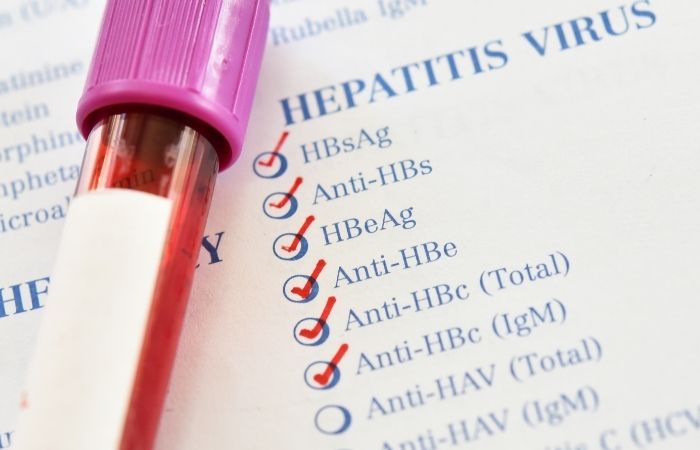
Here’s the thing about hepatitis B testing, it’s not one-and-done, because your body leaves different footprints at different times. Imagine it like three clues showing up at a crime scene. The first is the HBsAg, a surface protein from the virus itself. That’s usually the earliest red flag, popping up about a month after exposure.
Next comes the Anti-HBc, an antibody your immune system makes once it realizes something’s off, think six to twelve weeks in. And finally, there’s the Anti-HBs, which shows up much later. That one doesn’t mean “you’re infected,” it means “you fought it off or got immunity from the vaccine.”
Here’s why that matters: if you test too early, you might catch none of those clues. Your report looks squeaky clean, but you’re still in the danger window. That’s why retesting isn’t overkill, it’s just how you make sure you didn’t miss the evidence when it was too soon to see.
So, what's the issue? If you test too early, your result may look normal, but you’re still inside the danger zone. That’s why retesting matters.
Visual Breakdown: Hepatitis B Testing Timeline
| Time Since Exposure | What’s Happening in the Body | Test Detection | Should You Test? |
|---|---|---|---|
| 0–7 days | Virus enters bloodstream, no antibodies or antigens yet | Too early for all tests | No, wait unless severe symptoms |
| 2–4 weeks | HBsAg may begin to appear | Early rapid test may detect infection | Test if needed, but plan to retest later |
| 6–8 weeks | HBsAg and Anti-HBc appear in most infections | Most accurate test window begins | Yes, best for initial screening |
| 12 weeks+ | All key markers are usually detectable | Peak accuracy for confirmation | Yes, ideal time to test if only testing once |
Figure 1. Hepatitis B window period timeline. Most people will test positive between 6 and 12 weeks post-exposure if infected.
“But I Feel Sick Now, Should I Wait?”
This is where things get emotional. One user on Reddit wrote, “I had chills and nausea three days after sex. I was sure I had hepatitis. But the test came back negative.” What they didn’t realize is that those early symptoms probably had nothing to do with hepatitis B, and even if they did, the test wouldn’t catch it yet.
Symptoms usually show up 6 weeks to 6 months after exposure. But in many cases, especially with acute infection, there may be no symptoms at all. Common early symptoms (if they appear) include:
- Fatigue
- Loss of appetite
- Yellowing of the eyes (jaundice)
- Dark urine
- Nausea or abdominal pain
Testing based on symptoms alone is risky. You may feel sick for unrelated reasons. Or you may feel nothing and still be infected. That’s why window periods, not symptoms, should guide your test timing.
Check Your STD Status in Minutes
Test at Home with RemediumHepatitis B Test Kit
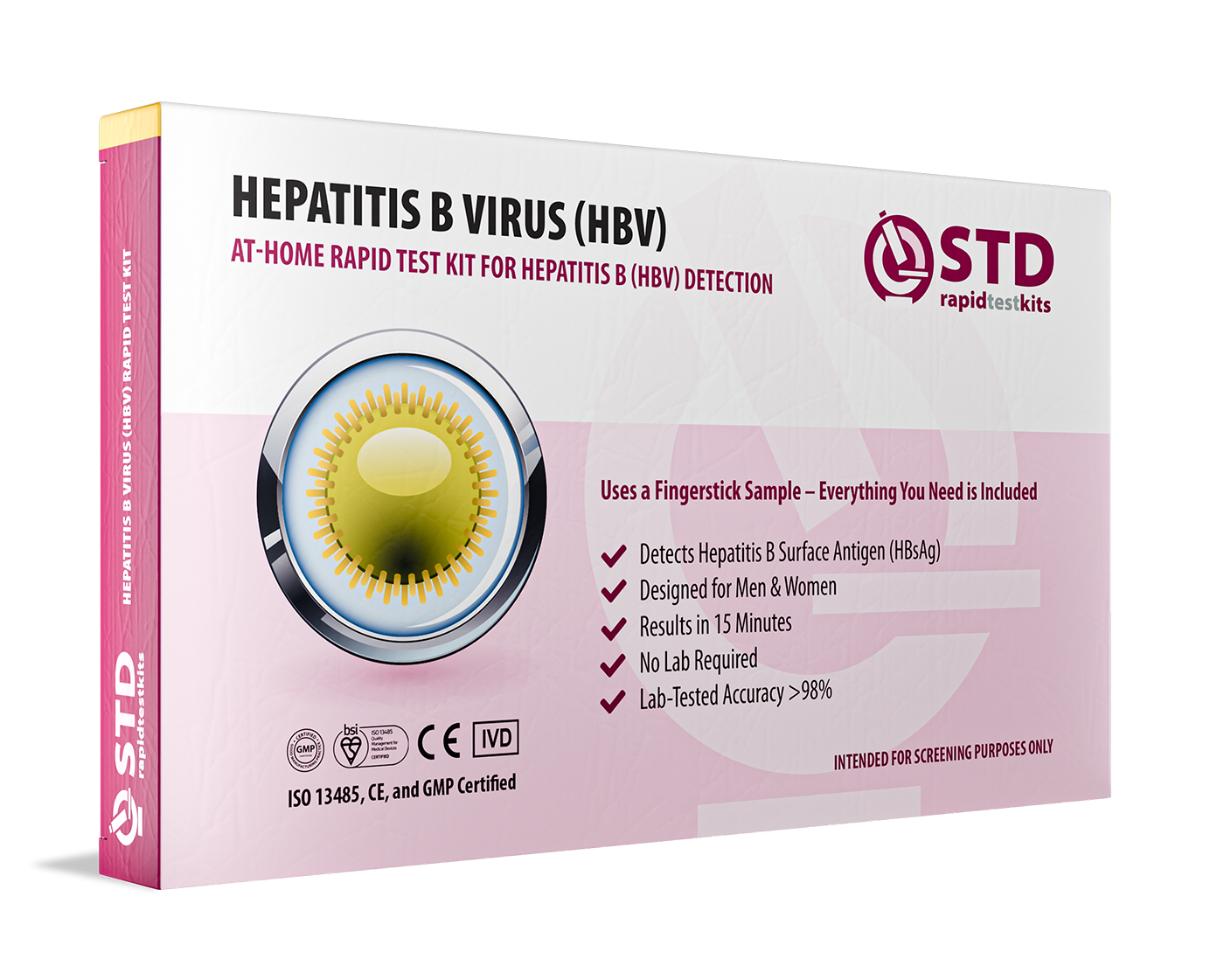
 For Men & Women
 Results in Minutes
 No Lab Needed
 Private & Discreet
Order Now $33.99 $49.00
What Kind of Test Should You Take?
Not all hepatitis B tests are created equal, and timing isn't the only variable. What type of test you use also affects your odds of getting a reliable result. The three main test types are:
| Test Type | Detection Marker | Speed | Best Use |
|---|---|---|---|
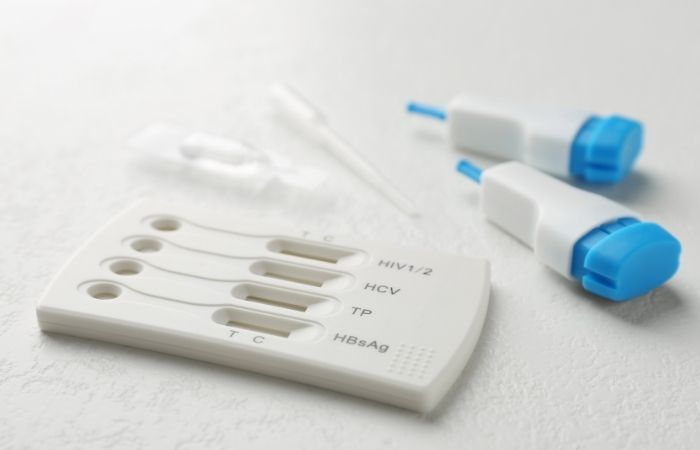
| Rapid Test (Fingerstick) | HBsAg or antibodies | Results in ~15 minutes | Quick screening after 4–6 weeks |
| Lab-Based Blood Test (ELISA) | HBsAg, Anti-HBc, Anti-HBs | 1–3 days turnaround | Most accurate, full panel |
| Mail-In At-Home Kit | Varies (usually antibody-based) | 1–5 days after lab receives sample | Best for privacy + convenience |
Figure 2. Hepatitis B test types, timelines, and best use cases. Note that some rapid tests are antigen-only, while full panels check for multiple markers.
If you're testing from home, it's critical to choose a kit that targets HBsAg, the earliest sign of infection.
What Kind of Exposure Counts? (And When to Worry)
Not every encounter carries the same risk. Here's how different exposure types influence whether and when you should test for hepatitis B:
| Exposure Scenario | Risk Level | Test Timing Recommendation |
|---|---|---|
| Unprotected vaginal or anal sex with new partner | High (especially if no vaccination) | Test at 6–8 weeks; retest at 12 weeks |
| Oral sex | Low, but not zero | Test if symptoms appear; consider testing at 8–12 weeks if partner is known HBV-positive |
| Shared needles (drugs, tattoos, piercings) | Very High | Test at 4–6 weeks; retest at 12 weeks |
| Shared razors or toothbrushes | Moderate | Test at 6–12 weeks if blood contact suspected |
| Household exposure to HBV-positive person | Moderate–High | Test if symptoms develop; consider 6-week screen + 12-week follow-up |
| Sexual assault or unknown exposure | High (plus emotional trauma) | Test ASAP; repeat at 6 and 12 weeks under provider guidance |
Figure 3. Hepatitis B exposure types and suggested test windows based on CDC and WHO guidance.
It's also important to know your vaccination status. If you’ve had the full three-dose HBV vaccine series, your risk is dramatically lower, but not impossible. Rare vaccine breakthroughs or past incomplete vaccination can still result in infection.
“I Tested Negative. Can I Relax?”
This is one of the most dangerous assumptions people make. Let’s walk through a real-life scenario:
Case Study: Alex, 29, had a one-night stand with someone who later admitted they’d tested positive for hepatitis B a year ago. Alex got tested five days later, negative. They figured they dodged a bullet.
But 10 weeks later, Alex started feeling run-down. Blood tests revealed a positive HBV infection. The first test had been too early. That early false negative delayed treatment and exposed Alex’s new partner without knowing it.
Moral of the story? A negative result too early doesn’t mean you’re in the clear. If you test before the window closes, plan a retest at the 12-week mark. You can feel calm, but stay proactive.
Need a discreet, doctor-trusted option that fits your timeline? This combo test kit screens for multiple STDs, including hepatitis B, and ships with full instructions and private packaging.
If your head keeps spinning, peace of mind is one test away.
People are also looking for: I Tested Positive for an STD and Thought My Life Was Over
Can You Get a False Negative for Hepatitis B?
Yes, and it happens more often than people think. A false negative result means the test says you're in the clear, but the virus is actually there. The biggest reason? Testing too early in the window period.
Here’s how that plays out:
You’re exposed. You panic. You test a few days later. The result comes back negative, but your body hasn’t produced enough surface antigen (HBsAg) or antibodies to be detected yet. So the test says you're fine. Weeks later, symptoms appear, or a retest reveals the truth.
False negatives can also happen due to:
- Using the wrong test type (e.g., antibody test too early)
- Improper sample collection
- Low viral load in early infection
- Immunosuppression (e.g., if you have HIV, cancer, or are on immune-modulating drugs)
Peer-reviewed research confirms that serological markers (like antibodies) vary widely in how early they show up. That’s why multiple tests, and timing, matter.
Retesting: When, Why, and How Often
Let’s break it down into three common retesting timelines based on your situation:
| If You... | Initial Test Timing | When to Retest |
|---|---|---|
| Tested within 7 days of exposure | Too early for most markers | Retest at 6 and 12 weeks |
| Tested at 6–8 weeks | Good detection for HBsAg | Optional confirmatory test at 12 weeks |
| Are immunocompromised or pregnant | May affect test sensitivity | Follow provider recommendation; usually retest at 12 weeks |
| Are starting new relationship or planning pregnancy | Test regardless of symptoms | Retest after 3 months if high risk |
Even if your first test comes back negative, you should think about retesting if:
- Your symptoms change
- Your partner has a positive test result.
- You don't know what the result will be or are worried about it.
Keep in mind that testing isn't a one-time thing. It's a point in time, especially for STDs that take longer to show up or have a longer incubation period.
What If You Test Positive for Hepatitis B?
First, stop. Take a deep breath. If you test positive, it doesn't mean you're dirty or going to die. You have power because you have information. Most of the time, acute hepatitis B goes away on its own with rest and monitoring. But getting it early helps protect partners and lower the risk of liver damage.
Next, do this:
- Check the result: If you used a rapid test, get a follow-up test in the lab.
- Let your partners know: Be honest and direct, or look into anonymous notification tools like TellYourPartner.org.
- Get help from a provider: They might suggest keeping an eye on liver enzymes, testing for a long-term infection, or giving you antivirals.
- Practice safety: Use condoms, don't touch blood, and don't share personal items like razors or toothbrushes.
Lina, 35, had a routine screening before getting pregnant and tested positive. She didn't have any symptoms and couldn't remember being around anyone who was sick recently. But her doctor was able to protect her baby with vaccines and immunoglobulin at birth because they found out about it early on.
This is what testing can do: shift fear into action, uncertainty into clarity.
Check Your STD Status in Minutes
Test at Home with RemediumHepatitis B & Hepatitis C Test Kit
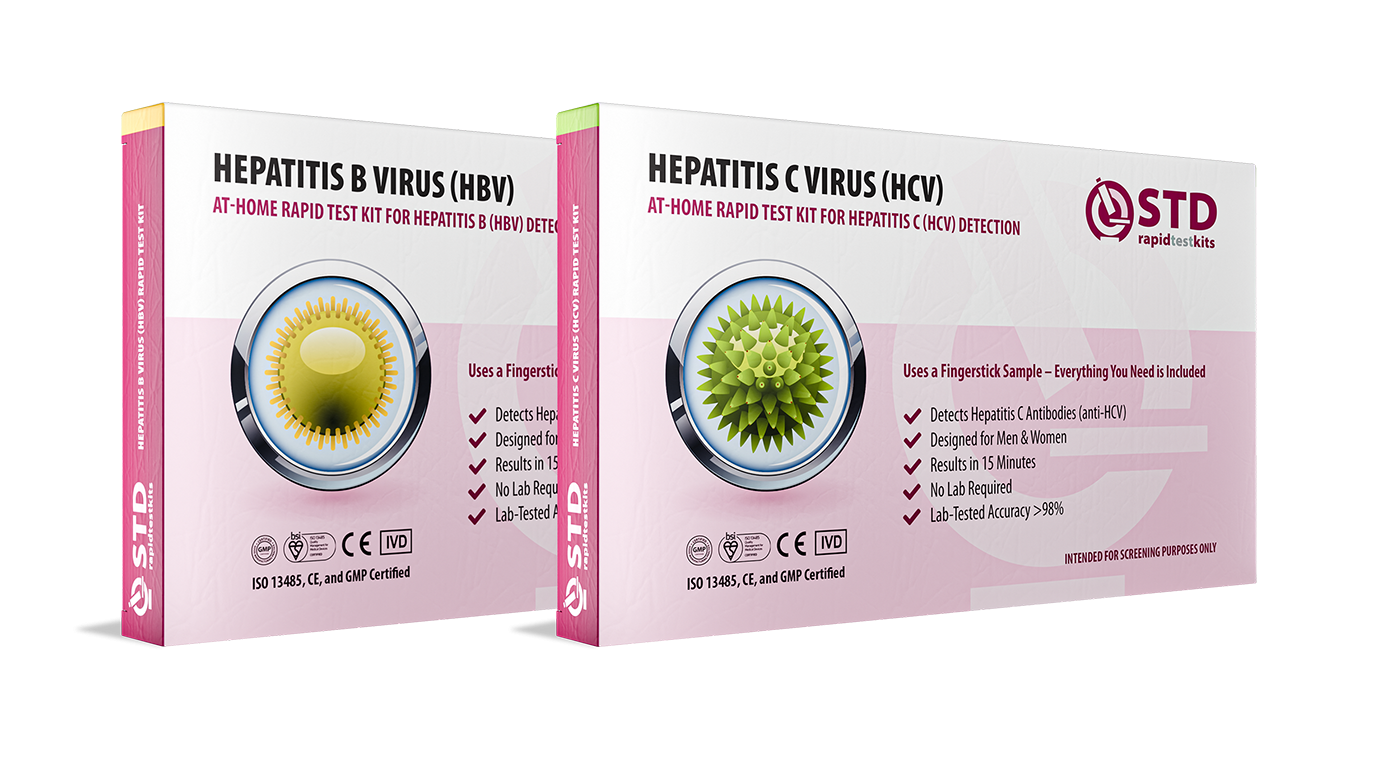 For Men & WomenResults in MinutesNo Lab NeededPrivate & Discreet
Order Now $49.00 $98.00
For all 2 tests
How to Protect Others (and Yourself)
Whether you test positive or just had a scare, there’s a lot you can do to protect your health and reduce risk going forward:
- Vaccinate: The hepatitis B vaccine is safe, effective, and protective for life in most people. If you haven’t had it, get it.
- Use barrier protection: Condoms aren’t just for pregnancy prevention. They reduce transmission of all STDs, including HBV.
- Disclose wisely: You don’t have to tell everyone. But partners and healthcare providers deserve to know.
- Retest after new exposures: Testing once a year (or after each new partner) is smart sexual health hygiene.
And if you're not sure where to start, we’ve got you covered.
FAQs
1. Can you test too early for hepatitis B?
Absolutely! It’s truly one of the most prevalent mistakes that people tend to make. Imagine attempting to catch a glimpse of your reflection in a fogged-up mirror. In this scenario, the virus could very well be present, yet your body hasn't developed a strong enough signal, those crucial antigens or antibodies, for the test to detect it. It's a bit like waiting for the fog to clear before you can truly see what's there. This is precisely why undergoing testing between 6 to 12 weeks after potential exposure provides you with a significantly clearer and more definitive answer.
2. How soon do hepatitis B symptoms show up?
Anywhere from 6 weeks to 6 months, but here’s the kicker: most people don’t get symptoms at all. You could be carrying the virus and feel totally normal. Or you might mistake the signs (like fatigue or nausea) for a bad burrito or PMS. That’s why relying on how you feel isn’t enough.
3. Is a negative result always accurate?
Only if the timing is right. A test taken too soon might give you a false sense of security. It doesn’t mean you’re in the clear, it means the virus might still be hiding below the radar. If in doubt, retest at the 12-week mark. It’s not paranoia. It’s smart self-care.
4. I already tested negative, do I really need to test again?
If you tested early (within the first month), yes. If your partner tested positive, double yes. If your gut says something still feels off, trust it. The window period is real, and a follow-up test at 12 weeks can confirm what your first one might’ve missed.
5. Can I get tested for hepatitis B at home?
You bet. There are reliable at-home kits that test for hepatitis B surface antigen (HBsAg). They’re fast, discreet, and perfect if you don’t want to explain your sex life to a stranger in a white coat. Just make sure you wait long enough post-exposure, no kit can beat biology.
6. I’m vaccinated, should I still get tested?
If you’ve had all three doses and developed immunity, you’re likely in the clear. But if your vaccination was incomplete, or you’re not sure if it “took,” a test can offer peace of mind. Bonus: if your test shows antibodies, you know you’re protected.
7. What does a false negative mean?
It means the test missed the virus. It happens if you test during the window period, use the wrong test type, or have a low viral load early on. It’s frustrating, but not final. That’s why retesting exists. Think of it like spellcheck for your immune status.
8. Can hepatitis B be spread through oral sex?
It’s not the highest-risk activity, but it’s not risk-free either, especially if there are cuts, bleeding gums, or exposure to semen or vaginal fluids. Most transmission comes from unprotected vaginal or anal sex, but don’t ignore other routes. If you’re unsure, test.
9. What should I do if I test positive?
First, don’t spiral. Hepatitis B isn’t a moral failing, it’s a virus, not a verdict. You’ll need confirmatory testing, and depending on the result, your provider might suggest monitoring or medication. Also: tell your partners (you can do it anonymously), and protect others going forward. It’s not about shame. It’s about care.
10. Can hepatitis B go away on its own?
In many cases, yes. Acute hepatitis B often clears in healthy adults without medication. But about 1 in 20 cases becomes chronic, especially if your immune system is weakened. That’s why follow-up testing and medical check-ins matter, even if you’re feeling fine.
You Deserve Answers, Not Assumptions
It's not wrong to want to clear things up after having sex, breaking a condom, or getting a tattoo on a whim. Hepatitis B is bad, but so is your right to feel safe. If you test on time, it means you're doing it out of care, not fear. You're choosing to be healthy instead of worried.
Don't wait and wonder; get the answers you need.This test kit for home use quickly and discreetly checks for the most common STDs. Now is the time to find out where you stand.
How We Sourced This Article: We combined current guidance from leading medical organizations with peer-reviewed research and lived-experience reporting to make this guide practical, compassionate, and accurate. In total, around fifteen references informed the writing; below, we’ve highlighted six of the most relevant and reader-friendly sources. Every external link in this article was checked to ensure it leads to a reputable destination and opens in a new tab, so you can verify claims without losing your place.
Sources
2. CDC: Hepatitis B Information for the Public
3. HepB.org: Testing and Diagnosis Guide
4. Clinical Overview of Hepatitis B | CDC
5. CDC Hepatitis B: Diagnosis & Testing
6. WHO Guidelines: Summary of Markers of HBV Infection & Window Periods | NCBI Bookshelf
About the Author
Dr. F. David, MD is a board-certified infectious disease specialist focused on STI prevention, diagnosis, and treatment. He blends clinical precision with a no-nonsense, sex-positive approach and is committed to expanding access for readers in both urban and off-grid settings.
Reviewed by: M. Renata Thompson, RN, MPH | Last medically reviewed: September 2025
This article is for informational purposes and does not replace medical advice.


