

Published: September 2025 | Last updated: April 2026 | Editorial review and quality control: Martina N.
A positive STD test rearranges your nervous system before it rearranges anything else. The phone screen feels heavy, your ears ring, and your brain pulls up every fear-based health class you ever sat through, every late-night Reddit thread, every joke a stranger ever made about “clean” people and the rest. Most of those mental scripts are wrong. Your life is not over, your dating life is not over, and the practical next steps from here are far less dramatic than panic suggests.
This article is published by stdrapidtestkits.com, which sells at-home STI testing kits. Recommendations below are based on what fits the situation a reader is actually in, not commercial benefit. The medical guidance is summarized from current public-health sources cited inline.
Is a positive STD result actually a life-changer?
Most STDs are either curable in a single antibiotic course or fully manageable with daily medication. Chlamydia, gonorrhea, syphilis, and trichomoniasis are cured with short antibiotic regimens. HIV and herpes are not curable but are kept under stable control with daily medication; people living with HIV on effective treatment do not transmit the virus through sex. A positive result means you have an infection that needs treatment or management. It does not mean your job, future, or relationships are at risk. The three concrete next steps are: confirm the result, start treatment with a clinician, and notify recent partners.
Key Takeaways
- Most common STDs are curable with a short antibiotic course; chronic infections like HIV and herpes are stable with daily medication and rarely cause the long-term harm fear suggests.
- Your test result is private medical information protected under HIPAA. Employers, family, and insurance companies are not automatically notified.
The shock is normal. The story your brain tells you is mostly wrong.
A positive result triggers something close to fight-or-flight: cortisol floods your system, your chest tightens, and the diagnosis fuses, in seconds, with every cultural script you ever absorbed about sexually transmitted infections. Most of those scripts were written to scare teenagers, not inform adults.
People who test positive often describe two waves. The first is acute panic, with catastrophic thoughts about partners leaving, jobs lost, futures wrecked. The second, hours or days later, is grief and shame. Both waves pass faster when correct information pushes back against them.
Statistically, you are part of an extraordinarily ordinary group. CDC analyses of 2018 U.S. surveillance data estimated nearly 68 million prevalent sexually transmitted infections at a single point in time, or roughly one in five people (CDC, Sexually Transmitted Infections; figures from the 2021 CDC Prevalence, Incidence, and Cost Estimates report). Your result puts you inside a population the size of California plus Texas, not on the margins of one.
An estimated 68 million Americans were living with a sexually transmitted infection on any given day in 2018, or roughly 1 in 5 people in the country. The most concentrated burden falls in the 15 to 24 age band, where about half of all new annual infections occur. A diagnosis places you inside that population, not on its margins.
What a positive result tells you, and what it does not
A positive STD result is a narrow technical statement. The test detected one specific pathogen in one body sample at one moment in time. It tells you about a treatable medical condition. The test result is a single data point about one pathogen; character, relationships, and future are separate questions entirely.
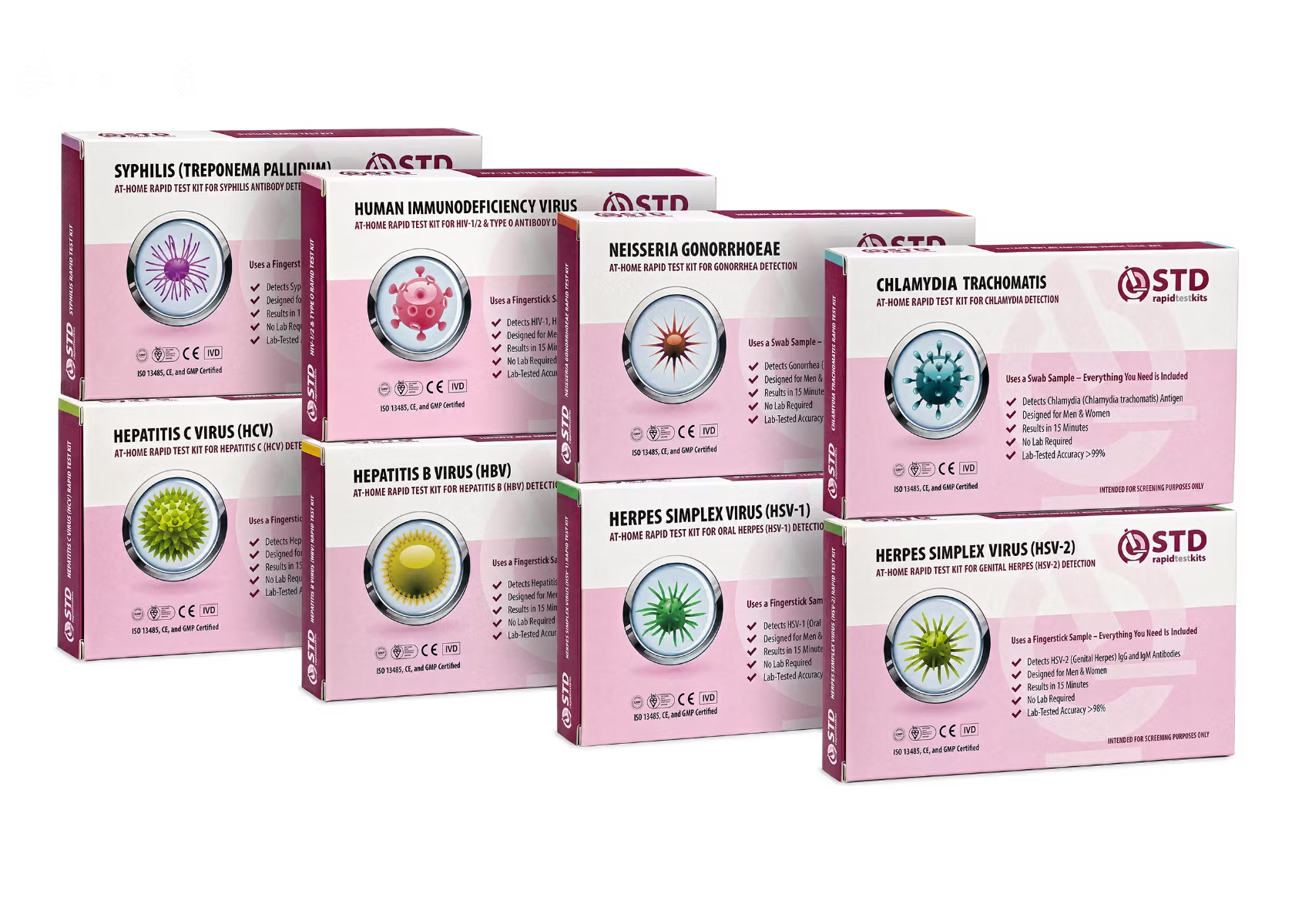
The four most common positive results carry very different practical follow-ups, so the right next step depends on which infection you tested positive for.
| Infection | What the positive result implies | Curable or chronic |
|---|---|---|
| Chlamydia | Active bacterial infection. Treat with a 7-day antibiotic course. Retest in 3 months per CDC. | Curable |
| Gonorrhea | Active bacterial infection. Treat with a single intramuscular injection of ceftriaxone. Retest in 3 months. | Curable |
| Syphilis | Bacterial infection at one of four stages. Treat with benzathine penicillin G; follow-up blood tests confirm response. | Curable in early stages |
| Trichomoniasis | Parasitic infection. Treat with a short oral antibiotic course (metronidazole or tinidazole). | Curable |
| HSV-1 / HSV-2 | Antibody test indicates past or present herpes virus exposure. Manage with daily antivirals or episodic dosing for outbreaks. | Chronic, manageable |
| HIV | Indicates HIV infection. Confirm with a second-line lab test and start daily antiretroviral therapy. | Chronic, fully treatable |
| High-risk HPV (women) | A high-risk HPV strain detected. Follow surveillance schedule with provider; most clear naturally. | Mostly self-clearing; surveillance protects against cervical cancer |
| Hepatitis B / C | Active or past viral infection. Confirm with provider. Hep C is now curable with direct-acting antivirals; Hep B is chronic but vaccine-preventable. | Hep B chronic; Hep C curable |
How accurate was the test, and should you confirm it?
Different test technologies have different strengths. At-home rapid lateral-flow tests are designed for speed, privacy, and screening. They use the same kinds of samples (a vaginal or penile swab, or a fingerstick blood drop) as some lab platforms, but the chemistry is different. Laboratory testing for chlamydia and gonorrhea typically uses nucleic-acid amplification (NAAT/PCR), which is the analytical gold standard for sensitivity. Antibody-based blood tests for HIV, syphilis, and herpes become reliable only after the body has had time to produce detectable antibodies; CDC notes that antibody tests for HIV, for example, can usually detect infection 23 to 90 days after exposure (CDC, HIV testing window periods).
What this means in practice:
- If your positive result came from an at-home rapid test and you have no symptoms, a clinical confirmatory test is reasonable due diligence, especially for HIV and syphilis where antibody-based screens can occasionally produce a false positive that confirmatory testing rules out.
- If your positive result came from a clinic NAAT for chlamydia or gonorrhea, the result is highly reliable. Treatment should not wait for re-confirmation.
- If you tested very early after a possible exposure, a negative result is the one more likely to be wrong (false negative due to window period). A positive result inside that window is generally trustworthy.
Confirmatory testing is the standard medical workflow for any preliminary positive, especially for chronic infections like HIV. Treating it as part of the process, rather than as denial of the result, gives you a documented answer to act on.
Treatment, by infection
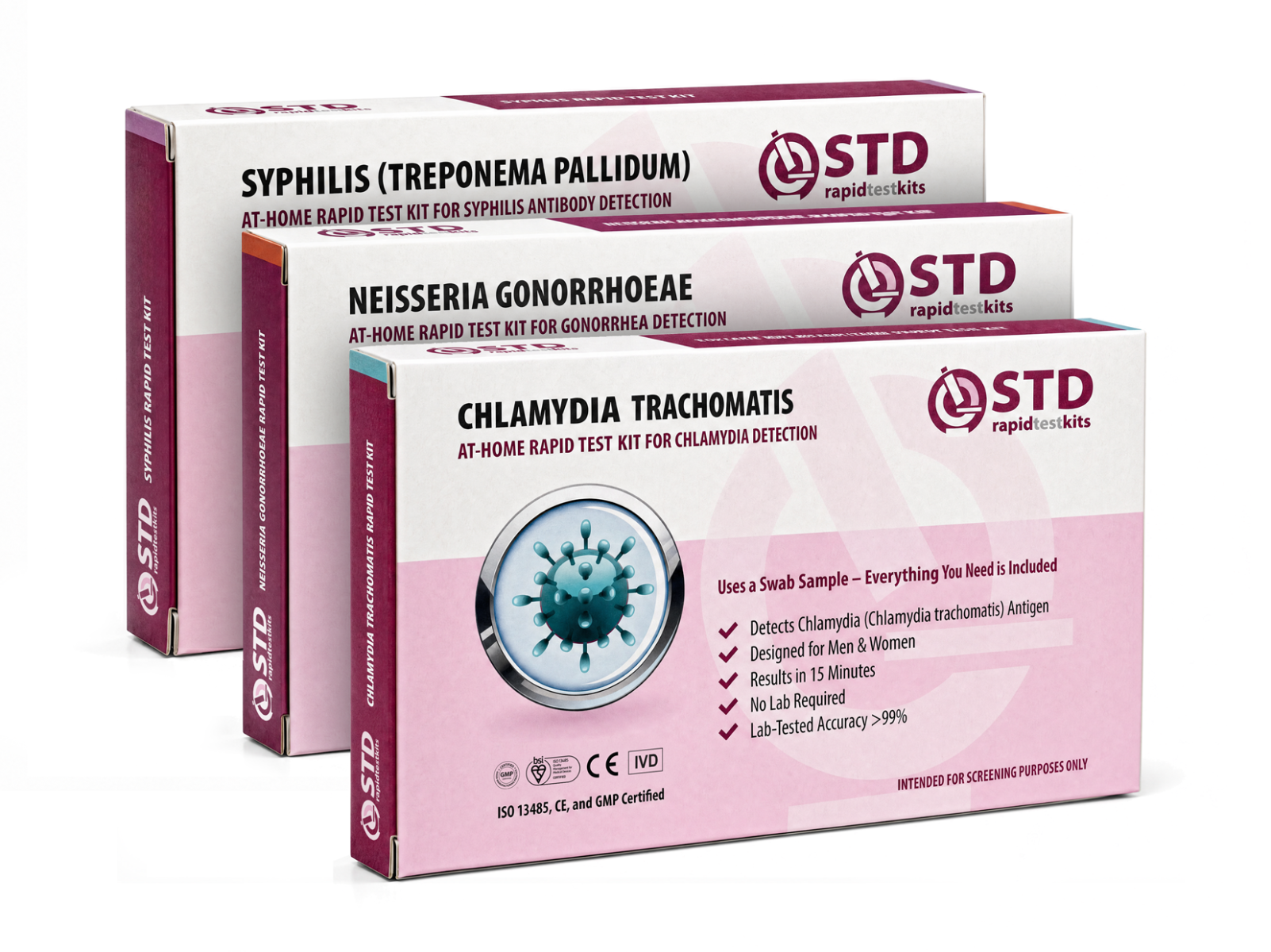
The next sentence is the one that changes most people's day: treatment for the most common STDs is short, effective, and rarely the medical event the diagnosis felt like. The table below summarizes standard treatment regimens drawn from current CDC STI Treatment Guidelines (CDC, STI Treatment Guidelines).
For HIV specifically, the long-term picture has changed dramatically over the last decade. People living with HIV who take daily antiretroviral therapy as prescribed and maintain an undetectable viral load do not transmit the virus through sex. This is the consensus of the CDC, WHO, and decades of large prospective studies, summarized as Undetectable equals Untransmittable, or U=U (CDC, HIV treatment). A new HIV diagnosis today is not the diagnosis it was in 1995.
| Infection | Standard treatment | Curable? | When to retest |
|---|---|---|---|
| Chlamydia | Doxycycline 100 mg twice daily for 7 days (preferred); alternative single-dose azithromycin 1 g | Yes | 3 months post-treatment per CDC |
| Gonorrhea | Ceftriaxone 500 mg intramuscular injection (single dose) | Yes | 3 months post-treatment |
| Syphilis (early stage) | Benzathine penicillin G 2.4 million units intramuscular (single dose) | Yes | Repeat blood test at 6 and 12 months |
| Trichomoniasis | Metronidazole 500 mg twice daily for 7 days (women) or single 2 g dose (men) | Yes | 3 months post-treatment |
| Genital herpes (HSV-2) | Daily suppressive antivirals (acyclovir, valacyclovir, or famciclovir) or episodic dosing for outbreaks | No, manageable | Not routinely needed |
| HIV | Daily single-tablet antiretroviral therapy (ART) | No, fully treatable to undetectable | Viral load monitored every 3 to 6 months |
The fears that do not happen: jobs, lists, exposure
The most persistent post-diagnosis anxieties are about social and professional consequences that, in the United States, are largely shielded by federal law.
Your employer is not notified. Test results are private medical information protected under HIPAA. Healthcare providers, including labs and clinics, cannot release your STD status to an employer, school, or family member without your written consent (HHS, HIPAA for Individuals). The single exception is communicable-disease reporting to public-health departments for some infections (HIV, syphilis, gonorrhea, chlamydia). That reporting is anonymized statistical surveillance, not a list shared with anyone you know.
There is no STD database shared with employers, airlines, dating apps, or insurers. The internet myth of a national registry simply does not exist.
Insurance is the quieter issue. If you used insurance to test, the visit may appear on an Explanation of Benefits (EOB) statement mailed or emailed to the policy holder. For people on a parent's or spouse's plan, paying out of pocket or using an at-home kit avoids the EOB trail entirely. The test result itself remains confidential; the billing record is what creates visibility.
Clinicians are not allowed to shame you. If a provider reacts judgmentally, that signals you should switch providers, not that you should hide. Healthcare professionals are trained to treat sexual-health conditions like any other infection. Most do.

Telling partners: less dramatic than rehearsed, more important than skipped
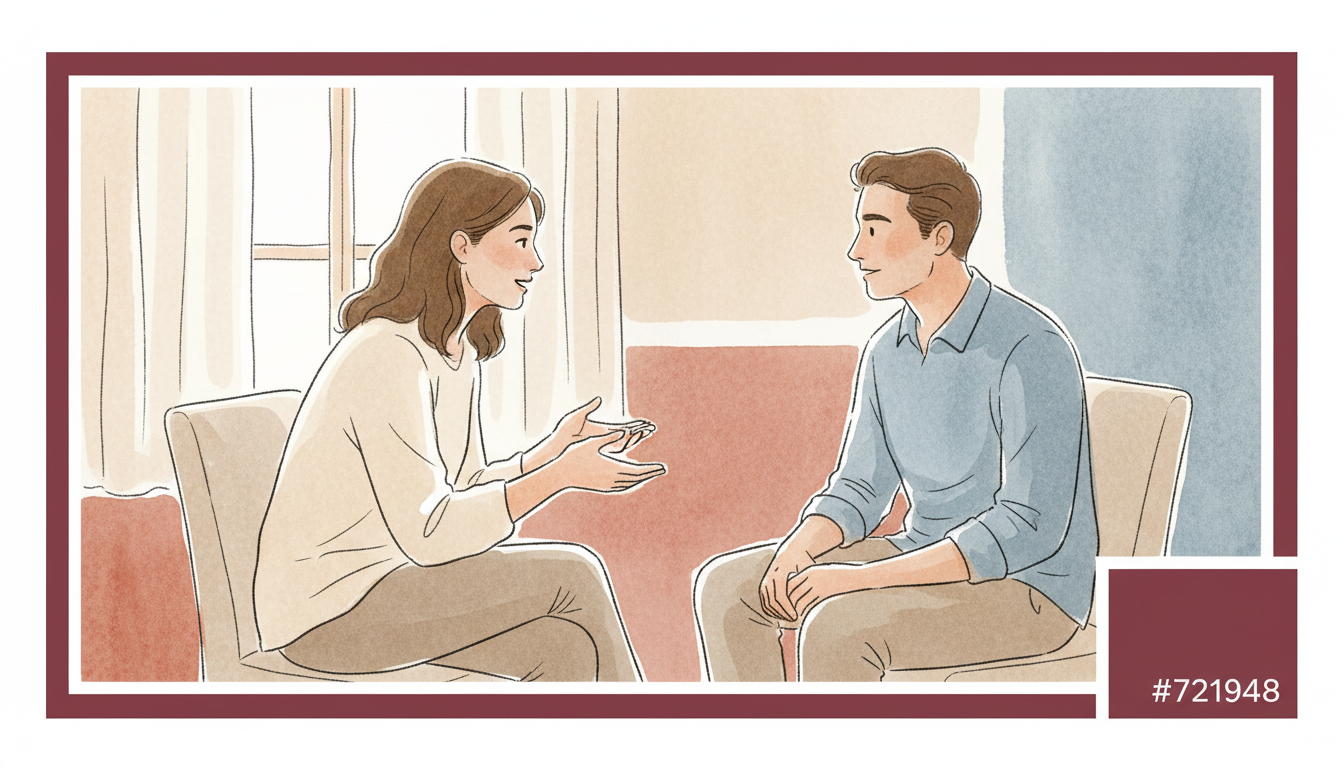
Disclosure is the part most people dread and most people overestimate the difficulty of. The actual conversation is usually short and practical. Most partners respond with questions and a plan rather than accusations or exit lines. The goal is not a perfect script. It is giving the other person enough information to make their own testing and treatment decisions.
A workable structure is direct: “I tested positive for [infection]. It is curable / manageable. You should get tested, and here is the test that fits what we did together.” That is the entire conversation in many cases. For curable infections, partners need to know so they can be treated and avoid reinfecting you back. For chronic infections, ongoing partners need information to make ongoing decisions about protection.
If a direct conversation feels unsafe or impossibly hard, anonymous partner notification services exist. TellYourPartner.org sends a notification by text or email without revealing your identity, and most state and county health departments offer the same service for free. For curable infections, telling recent partners is also an ethical step and, in some jurisdictions, a legally required one.
Three ways to notify a partner
- Direct: a short text or in-person conversation that names the diagnosis and what test the partner should ask for.
- Anonymous: TellYourPartner.org and most state and county health departments send free text or email notifications without revealing your identity.
- Through your provider: many clinicians will offer to contact partners on your behalf or write a script for you to deliver, including for expedited partner therapy where allowed.
The emotional fallout deserves its own care plan
The hardest part of a positive result is rarely the medication regimen. It is the inner narrative that shows up in the days after: “I'm gross now,” “no one will want me,” “I should have been more careful.” These are not medical facts. They are absorbed cultural messages about sex and shame, surfacing under stress.
For chronic infections like HSV-2 and HIV, peer-reviewed research has documented elevated rates of short-term anxiety and depression after diagnosis. That response is well-described and treatable. Talking to one trusted friend, joining a peer-moderated online community, or speaking with a therapist (in person or via telehealth) all measurably help. The American Sexual Health Association, Planned Parenthood's sexual health resources, and peer communities like Reddit's r/STD are common starting points.
The shame fades faster than people expect, particularly once they encounter accurate prevalence data. NHANES seroprevalence data published by CDC's National Center for Health Statistics put HSV-1 prevalence in U.S. adults aged 14 to 49 at 47.8 percent and HSV-2 at 11.9 percent during 2015 to 2016 (CDC NCHS, Prevalence of Herpes Simplex Virus Types 1 and 2). Most carriers do not know they have the virus. The version of herpes the internet describes (dramatic, isolating, dating-killing) is not the version the data describes.
Roughly one in five people in the U.S. had a sexually transmitted infection on any given day in 2018, totaling nearly 68 million infections.
Retesting: when, why, and what counts as “clear”
Retesting covers two separate scenarios: confirming a preliminary positive result with a clinical lab test, and verifying that a curable infection cleared after treatment.
For chlamydia and gonorrhea, the CDC recommends a follow-up test about 3 months after treatment, even if you feel completely fine. The rationale is reinfection from an untreated partner, which happens more often than treatment failure. For syphilis, your provider will repeat blood tests at intervals (usually 6 and 12 months) to confirm response to penicillin. For HIV, viral load is monitored every 3 to 6 months once treatment starts.
Yes, you can still have sex. The end of your dating life is not on the menu.
Having an STD does not erase your sexuality, your right to intimacy, or your capacity for great sex. For curable infections, the only required adjustment is finishing treatment and waiting before having sex again. The standard guidance is 7 days after a single-dose regimen, or 7 days after the last dose of a 7-day course (Mayo Clinic, Sexually Transmitted Diseases overview). After that, you are not infectious and the situation is, medically, behind you.
For chronic infections, partners and protocols become part of your sexual conversations. People living with HSV-2 reduce transmission risk through daily suppressive antivirals, condom use, avoiding sex during prodrome and outbreaks, and disclosure that lets partners make informed decisions. People living with HIV on effective ART, with a sustained undetectable viral load, do not transmit the virus through sex (the U=U principle).
The structural shift after a chronic diagnosis is communication, not abstinence. Many people describe their post-diagnosis sex lives as more honest and more deliberate than what came before, because the conversations they avoided in the past are now the conversations that build trust.
Why at-home testing exists, and what it solves
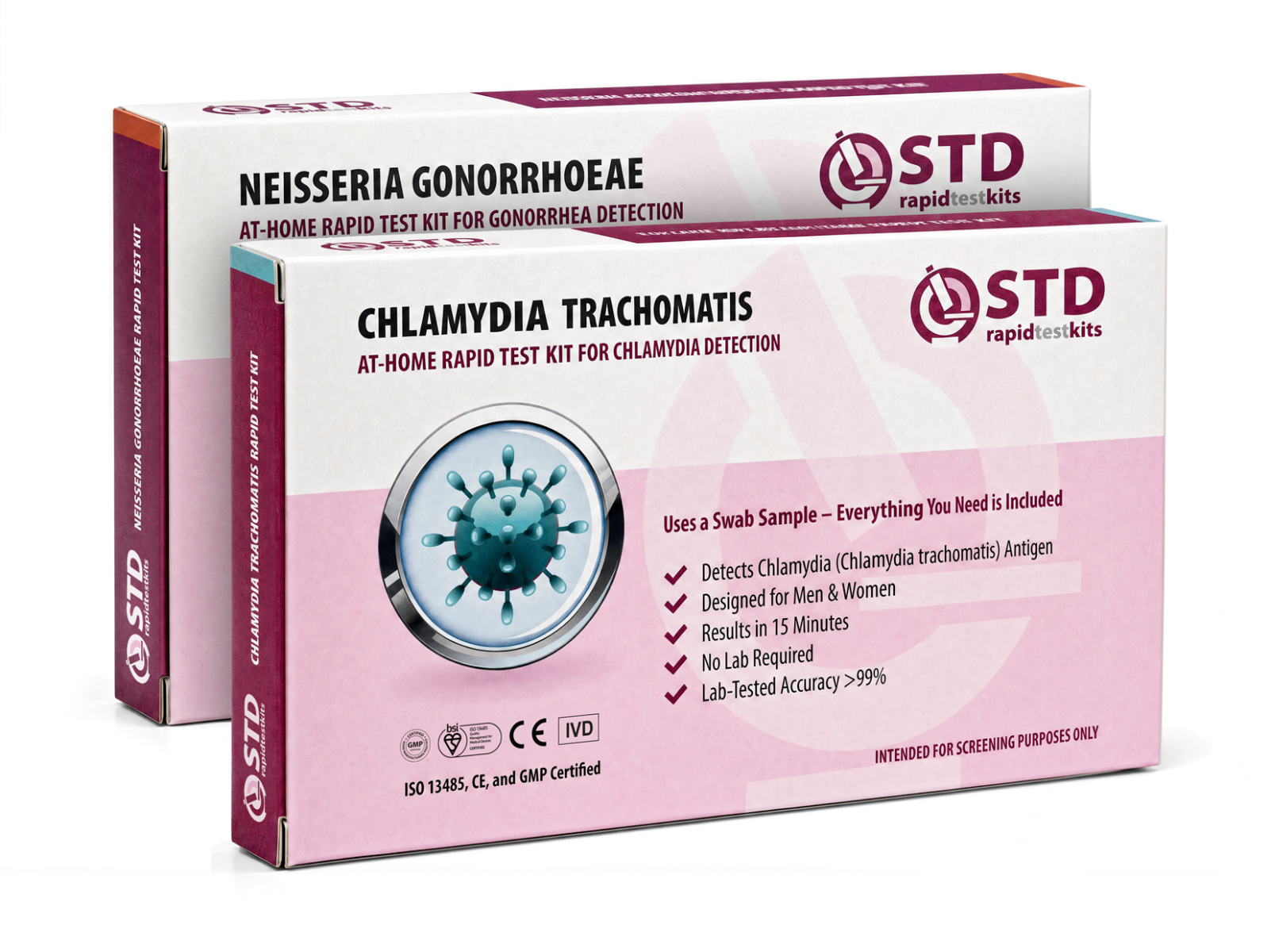
For many people the friction of testing is not the test itself. It is the visibility: walking into a clinic in a small town, sitting in a waiting room with the people you went to high school with, explaining symptoms to a receptionist. At-home rapid kits exist because that friction stops a meaningful number of people from testing at all.
Reputable at-home testing companies ship in unmarked discreet packaging, do not list “STD” on shipping labels or invoices, and do not share results with insurers, employers, or family members. The kit is a screening tool with the same privacy posture as buying a pregnancy test at a pharmacy.
At-home kits are best understood as a screening layer, not a replacement for clinical care. A positive result is a signal to start treatment with a clinician (telehealth or in person), and a negative result during a window period should be followed up with a later test. The strength of the home format is access; for the highest analytical sensitivity in equivocal cases, lab NAAT testing remains the reference standard.
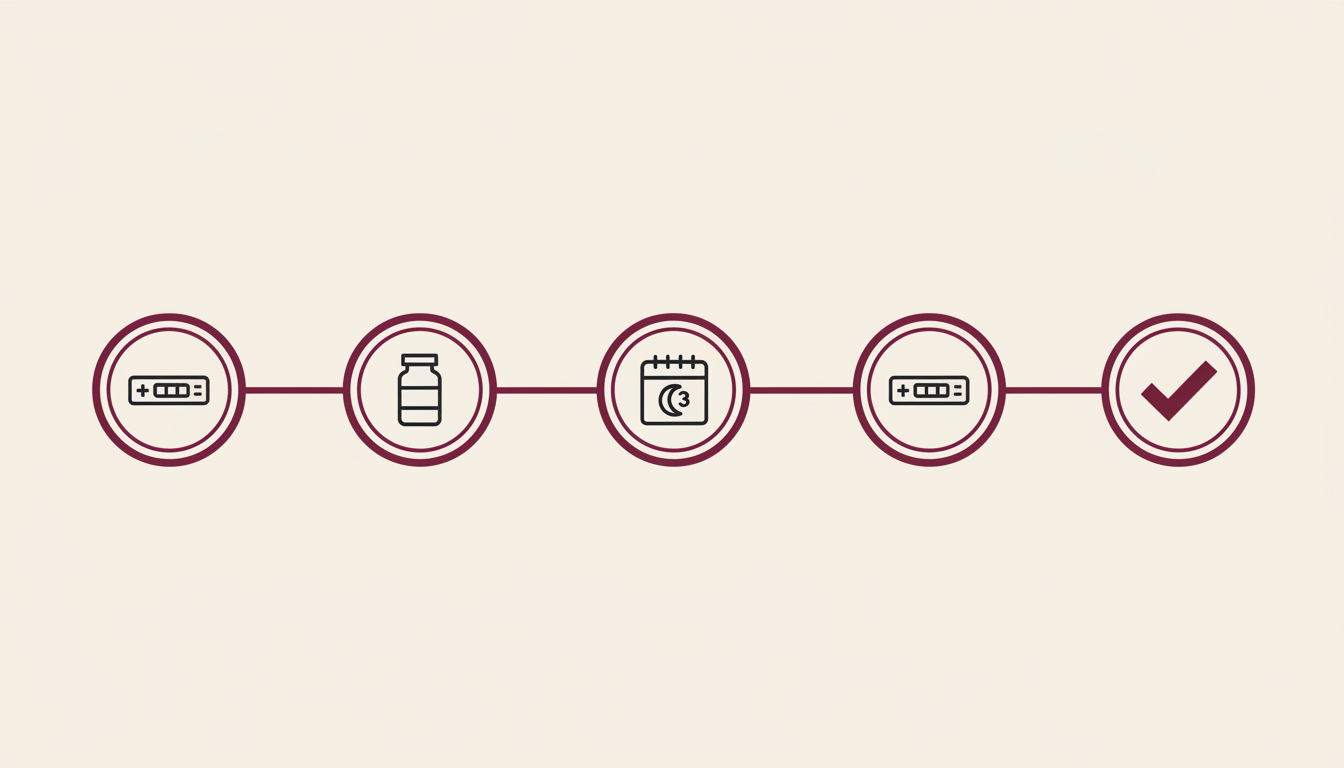
If your head is still spinning, the practical sequence is short:
- Confirm the result with a clinical or lab test if you used an at-home kit, especially for HIV or syphilis.
- Contact a clinician (telehealth or in-person) to start treatment.
- Notify recent partners directly or use an anonymous partner notification service.
- Schedule a follow-up retest at the recommended interval (usually 3 months for bacterial infections).
None of those steps require you to disclose anything to anyone outside that loop.
You are still you. The result reorganized your day, not your life.
Whatever you are feeling right now (panic, grief, anger, numbness, or even an uncomfortable kind of relief that the unknown finally has a name) is normal. It is also temporary. The medical workflow is short. Privacy is protected. Disclosure conversations are usually less dramatic than the rehearsals running in your head. And the long-term outcome for the most common infections, with reasonable care, is full resolution or stable management.
The medical workflow is short, and the 24-hour checklist above covers the first steps.
If you only remember three things
- Most common STDs are either curable in a single short course of treatment or stable on daily medication. The medical part is usually the shortest part.
- Your test result is private medical information protected under HIPAA. No employer, school, family member, or insurance plan is automatically notified.
- The 24-hour action plan is four steps long: confirm the result, start treatment, notify recent partners, and book the follow-up retest at the recommended interval.
Frequently asked questions
- Could the positive test result be wrong?
- Clinic NAAT results for chlamydia and gonorrhea are reliable enough to begin treatment immediately; do not wait for a second test. For HIV and syphilis antibody results, including at-home rapid kits, a confirmatory lab test is standard practice, not because the result is likely wrong, but because a documented second result is clinically required before starting long-term management. The weakest scenario is testing inside the window period, where a negative result can be wrong but a positive result is generally trustworthy.
- Do I have to tell my employer or my insurance company?
- No. Your STD test result is private medical information protected under HIPAA. Employers, schools, and family members are not notified. If you used insurance to pay for testing, an Explanation of Benefits (EOB) statement may be visible to the policy holder, which matters most for people on a parent's or spouse's plan. Paying out of pocket or using an at-home kit avoids the EOB entirely.
- How long do I have to wait to have sex again after treatment?
- For curable bacterial infections like chlamydia, gonorrhea, syphilis, and trichomoniasis, the standard guidance is to avoid sex for 7 days after a single-dose treatment, or 7 days after the last dose of a 7-day course. Your partner should also complete treatment in that window. Always follow your provider's specific instructions for your case.
- Will I have to tell every future partner I have an STD?
- It depends on the infection. For curable bacterial STDs, disclosure is only relevant during the window when you are still infectious; after successful treatment, there is no ongoing infection to disclose. For chronic infections like HSV-2 and HIV, disclosure to sexual partners is the ethical standard and, in some jurisdictions, a legal requirement. People living with HIV who maintain an undetectable viral load on treatment do not transmit the virus sexually.
- Can I still have children after a positive STD test?
- Yes, in nearly all cases. Most STDs do not affect fertility when treated promptly. Untreated chlamydia and gonorrhea can cause pelvic inflammatory disease and tubal-factor infertility in women, which is the main reason early treatment matters. HIV-positive parents on effective treatment can have HIV-negative biological children with proper prenatal management. Discuss your specific situation with a provider.
- Can I get reinfected with the same STD?
- Yes. Curable bacterial STDs do not produce protective immunity, so you can catch them again from an untreated partner. This is why the CDC recommends retesting at 3 months after treatment for chlamydia and gonorrhea, even if you feel fine. The 3-month retest catches reinfection more often than treatment failure.
- Is HIV still a death sentence?
- No. With consistent daily antiretroviral therapy, a person diagnosed with HIV today has a life expectancy approaching that of HIV-negative peers, and an undetectable viral load means the virus is not sexually transmissible (U=U). HIV care has changed dramatically since the 1990s, and most people on treatment live full lives with no progression to AIDS.
- What if I cannot afford treatment or follow-up testing?
- Most U.S. counties operate public sexual-health clinics that offer free or sliding-scale STD treatment and testing regardless of insurance status. Planned Parenthood, Title X-funded clinics, and the CDC's Get Tested locator (gettested.cdc.gov) are common starting points. Many curable STDs are treated with inexpensive generic antibiotics that pharmacies can fill for under $20 cash.
- U.S. Centers for Disease Control and Prevention. STI Treatment Guidelines, including standard regimens for chlamydia, gonorrhea, syphilis, trichomoniasis, and herpes.
- U.S. Centers for Disease Control and Prevention. Sexually Transmitted Infections topic hub, including links to the Prevalence, Incidence, and Cost Estimates report that supports the 68 million / one-in-five 2018 figures cited in this article.
- U.S. Centers for Disease Control and Prevention, National Center for Health Statistics. Prevalence of Herpes Simplex Virus Types 1 and 2 in Persons Aged 14 to 49: United States, 2015 to 2016 (NHANES Data Brief No. 304). Source for the 47.8 percent HSV-1 and 11.9 percent HSV-2 prevalence figures.
- U.S. Centers for Disease Control and Prevention. HIV Treatment: antiretroviral therapy, viral load monitoring, and the Undetectable equals Untransmittable (U=U) evidence base.
- U.S. Centers for Disease Control and Prevention. HIV Testing: window-period information for nucleic-acid, antigen/antibody, and antibody-only HIV tests; supports the antibody-test reliability claim in the accuracy section.
- U.S. Department of Health and Human Services. HIPAA for Individuals: protections on the disclosure of medical information including STD test results.
- Mayo Clinic. Sexually Transmitted Diseases overview: symptoms, treatment, and post-treatment guidance for the most common STIs.
