Published: September 2025 | Last updated: May 2026 | Editorial review and quality control: Martina N.
Prostatitis sits at an awkward intersection of urology and sexual health. Most men know the prostate as a gland that comes up at a routine physical after 50, but inflammation of the prostate can start much earlier, and a meaningful share of cases in younger men trace back to sexually transmitted infections that were never diagnosed or never fully treated.
This article covers what's actually in the literature: which infections reach the prostate, how clinicians distinguish acute bacterial prostatitis from chronic pelvic pain syndrome, what testing looks like at home versus in a clinic, and the practical prevention steps that move the numbers. It does not replace a clinician visit when symptoms are present, but it should help you decide what to do next.
Key Takeaways
- Bacterial STIs including chlamydia and gonorrhea can ascend the urethra and infect the prostate, producing acute bacterial prostatitis or contributing to chronic prostatitis symptoms in younger men.
- If urinary or pelvic symptoms appear after a possible exposure, get tested. Treatment is usually a course of antibiotics; what becomes painful and expensive is what gets ignored.
What is prostatitis, and how do STIs fit in?
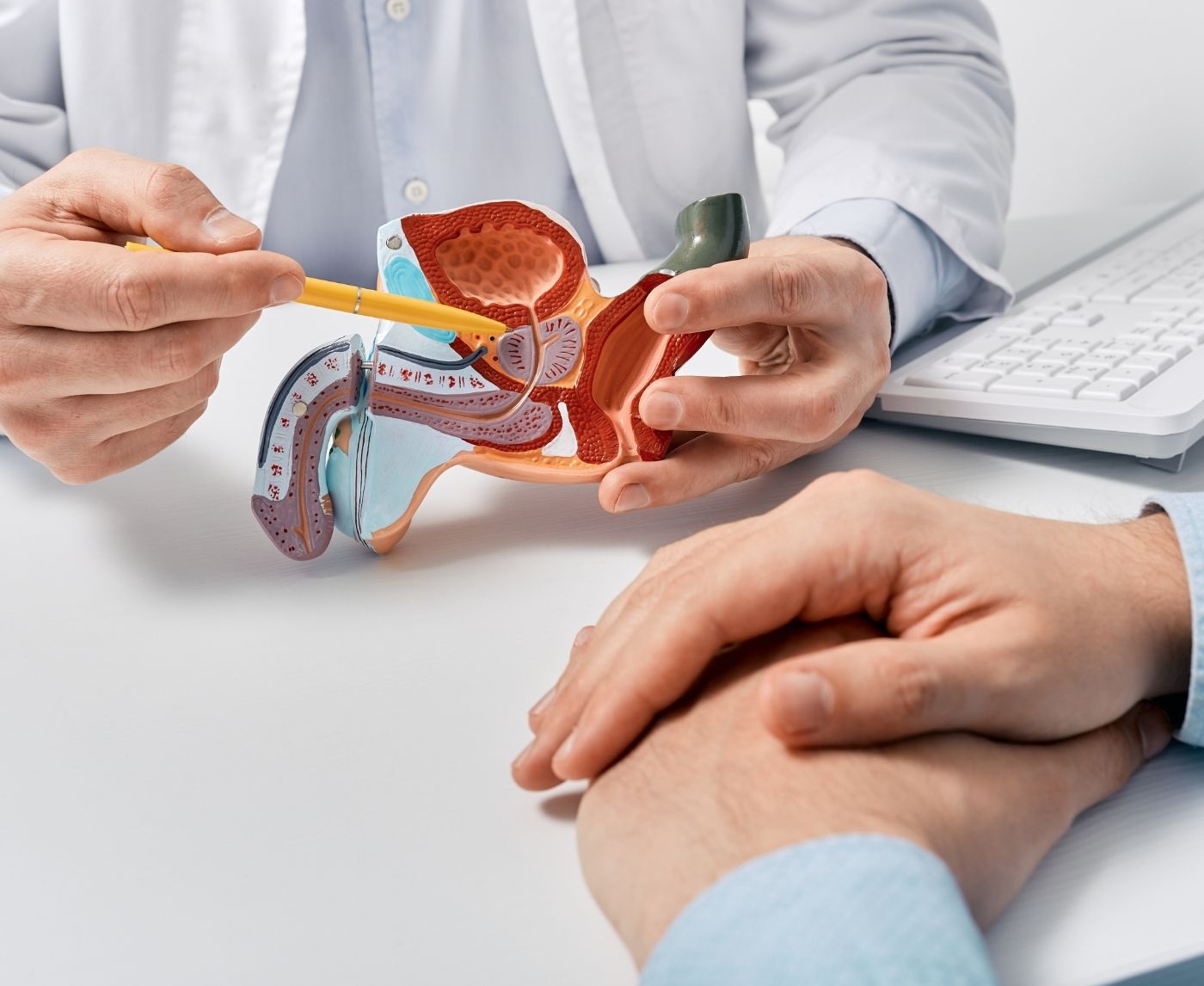
The prostate is a walnut-sized gland that sits just below the bladder and surrounds the upper part of the urethra. It produces a portion of the fluid in semen. Prostatitis means inflammation of that gland, and the National Institute of Diabetes and Digestive and Kidney Diseases identifies four recognized types.
Where STIs enter the picture is the first two categories. Bacterial pathogens commonly associated with sexually transmitted infections, including Chlamydia trachomatis, Neisseria gonorrhoeae, and the protozoan parasite Trichomonas vaginalis, can ascend the urethra and reach the prostate. When that happens, they cause an acute bacterial prostate infection that, if untreated, can become chronic. MedlinePlus from the National Library of Medicine identifies STIs among the recognized causes of acute prostatitis, particularly in younger sexually active men.
The four recognized types of prostatitis
- Acute bacterial prostatitis: sudden infection, often with fever and severe urinary symptoms.
- Chronic bacterial prostatitis: recurring or persistent bacterial infection of the gland.
- Chronic prostatitis / chronic pelvic pain syndrome (CPPS): the most common type, with persistent pain and urinary symptoms but no clearly identified bacterial cause.
- Asymptomatic inflammatory prostatitis: gland inflammation found incidentally during workups for other issues, without reported symptoms.
Which STIs reach the prostate, and how
The three pathogens most often implicated each behave a little differently in the male urinary tract.
- Chlamydia trachomatis. One of the most frequently diagnosed bacterial STIs in the United States per CDC chlamydia surveillance, chlamydia frequently produces no symptoms in men. That is part of why undiagnosed infections can persist long enough to ascend the urethra. When chlamydia reaches the prostate, it can cause acute prostatitis or contribute to chronic non-bacterial pelvic pain.
- Neisseria gonorrhoeae. Gonorrhea more often produces visible urethral symptoms (yellow or green discharge, painful urination) than chlamydia, but asymptomatic infection is common in men. Many carry gonorrhea without visible discharge or dysuria per CDC gonorrhea guidance, which is why testing after a possible exposure matters even without symptoms. Ascending infection involving the prostate or epididymis is a recognized complication when treatment is delayed.
- Trichomonas vaginalis. Less commonly screened in men, trichomoniasis is increasingly recognized as a contributor to non-gonococcal urethritis and, in some studies, chronic prostatic inflammation. MedlinePlus notes that most men with trichomoniasis do not have symptoms, which makes it easy to miss without targeted testing.
The mechanism is anatomical. In men, the urethra runs straight through the prostate gland (the section is called the prostatic urethra). Bacteria that establish themselves in the urethral lining have a short physical path to the gland tissue, especially when symptoms go untreated for weeks.
Symptoms that suggest STI-related prostatitis
Acute bacterial prostatitis usually announces itself. Symptoms develop within hours to a few days and commonly include:
- Painful or burning urination (dysuria)
- Frequent urination, especially at night
- Difficulty starting urination, or a weak or interrupted stream
- Pain in the pelvis, lower back, or perineum (the area between the scrotum and anus)
- Painful ejaculation
- Fever, chills, or a general flu-like illness in more severe cases
Chronic forms are quieter. Pain may come and go for months, urinary symptoms may be mild, and many men attribute the discomfort to stress, a strained muscle, or a long bike ride until it persists long enough to seek care. The Mayo Clinic prostatitis overview outlines this acute-versus-chronic symptom pattern.
An important nuance: if the underlying cause is an undiagnosed STI, classic STI symptoms may sit on top of the prostate symptoms (urethral discharge from gonorrhea, urethral burning from chlamydia). Equally often in men, no obvious STI symptoms appear at all, only the prostate signs above. That is why STI testing belongs in the workup whenever prostatitis appears in a sexually active man under 50, even when the urethral picture looks unremarkable.
What you don't need to worry about, and what you might
It is worth separating the real concerns from the inflated ones.
Prostate cancer. Acute or chronic bacterial prostatitis is not prostate cancer, and it does not cause prostate cancer. Some long-running observational studies have looked at whether decades of low-grade inflammation might modestly raise prostate cancer risk later in life, but this is not a question that should drive a 30-year-old's decision about whether to test for STIs today. Treating the infection treats the immediate problem and removes the inflammatory driver.
HIV. HIV is not a cause of bacterial prostatitis. However, men with untreated or poorly controlled HIV can experience more frequent or more severe bacterial infections of various tissues, including the prostate. If recent exposure history includes multiple potential STI sources, an HIV test belongs in the panel regardless of prostate symptoms.
Fertility. This is the realistic concern. Prostate fluid contributes to semen volume, pH, and the chemistry that supports sperm function. Chronic inflammation can change semen quality, motility, and viable count while the inflammation is active. Most current evidence suggests these effects largely reverse when the underlying infection is treated. The larger and more durable fertility risk is the partner-side complication: chlamydia is a leading cause of tubal-factor infertility in women per CDC reproductive-health data, which is one more reason that diagnosis and partner notification matter even when your own symptoms feel manageable.
Testing: what at-home kits cover, and what they don't
If you suspect an STI is driving urinary or prostate symptoms, testing is the next step. There are two complementary paths, and they answer different questions.
Lab-based testing. The clinical gold standard for chlamydia and gonorrhea in men is a nucleic acid amplification test (NAAT) run on a first-catch urine sample or a urethral swab. NAAT detects bacterial DNA directly and has high analytical sensitivity even in asymptomatic infections. If your clinician also suspects bacterial prostatitis, the workup may include a urine culture, prostate-specific antigen (PSA) bloodwork, sometimes expressed prostatic secretions, and a digital rectal examination of the gland. This level of evaluation is what diagnoses prostatitis specifically, not just the underlying STI.
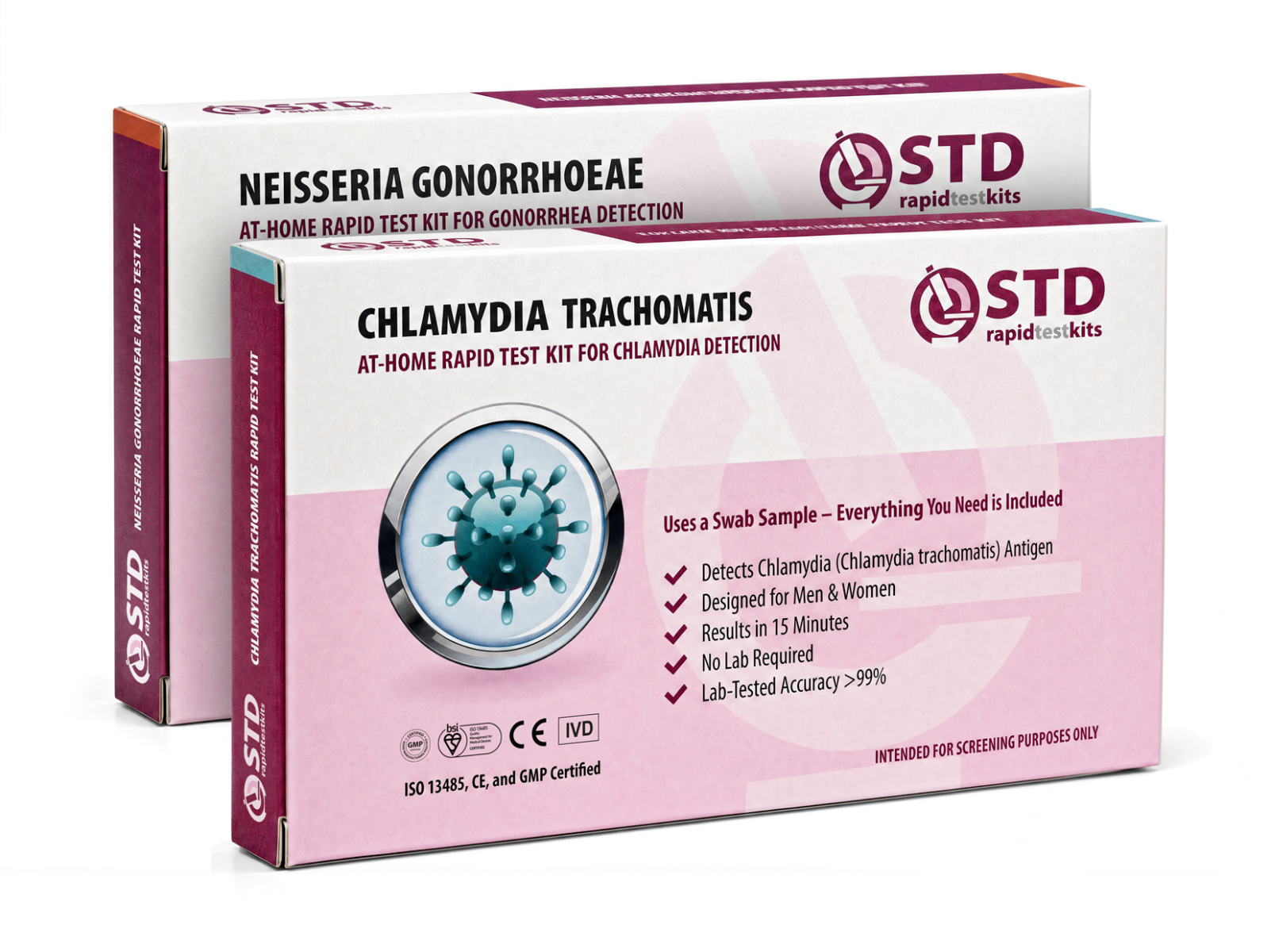
At-home rapid testing. Home test kits like the rapid lateral-flow cassettes we sell use a self-collected swab and produce a result in roughly 15 minutes. They are screening tools using lateral-flow immunoassay chemistry, not diagnostic substitutes for a urology workup or a lab NAAT. A positive home result is a strong reason to see a clinician promptly for confirmation, prescription, and prostate-specific evaluation. A negative result is reassuring within the window of the infection it covers, but it does not rule out prostatitis from a non-STI cause.
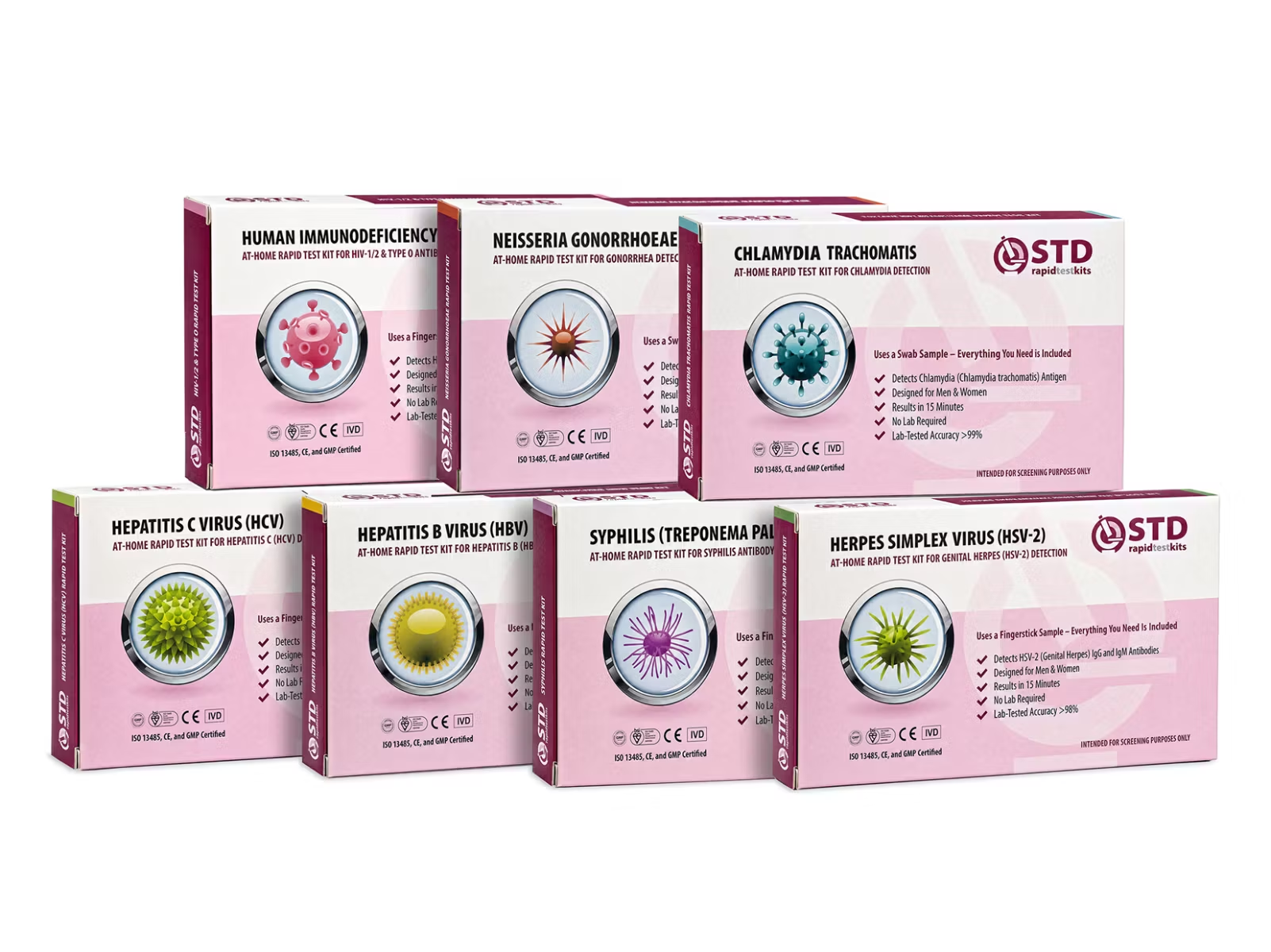
One scope note: our at-home trichomoniasis and HPV kits are validated for vaginal self-collection only. We do not sell a male-compatible home trichomoniasis test, so men who suspect trichomoniasis should see a clinic for urine NAAT. For chlamydia and gonorrhea, both single and combination home kits are available and useful as the first screening step.
This article is published by stdrapidtestkits.com, which sells at-home STI testing kits. We recommend products based on fit for the reader's concern, not on commercial benefit.
What treatment usually looks like
Treatment depends on which infection is involved and whether the prostatitis is acute or chronic. The CDC's 2021 STI treatment guidelines note that untreated chlamydial and gonococcal infections in men can progress to epididymitis and, in some cases, to ascending infection involving the prostate and other reproductive structures; early treatment shortens symptom duration and lowers complication risk.
For acute bacterial prostatitis caused by chlamydia or gonorrhea, the CDC guidelines recommend a targeted course of antibiotics. Doxycycline is the standard agent for chlamydia; ceftriaxone by injection is used for gonorrhea, often with empiric coverage for both organisms when exposure is suspected. When there is documented prostate involvement, the course may extend to several weeks because the gland is harder for antibiotics to penetrate than the urethra itself.
Chronic bacterial prostatitis typically requires a longer course, often four to six weeks of an antibiotic that crosses into prostate tissue effectively (fluoroquinolones and trimethoprim-sulfamethoxazole are common choices in adults without contraindications). Recurrence is possible, and a urology referral is reasonable if symptoms return after a full treatment course.
Chronic pelvic pain syndrome without a confirmed infection is treated differently. The approach may include alpha-blockers to relax bladder-neck muscles, anti-inflammatory medication, pelvic-floor physical therapy, and lifestyle measures (warm baths, dietary triggers, stress management). Antibiotics in CPPS without a positive culture have a mixed evidence base and are not first-line by default.
Partners of anyone diagnosed with a bacterial STI should also be tested and treated to prevent ping-pong reinfection. This applies whether or not the partner has noticeable symptoms.
| Scenario | Typical antibiotic class | Typical duration |
|---|---|---|
| Acute bacterial prostatitis from chlamydia or gonorrhea | Doxycycline (chlamydia) or ceftriaxone (gonorrhea), with empiric dual coverage when exposure is suspected | 2 to 4 weeks when the prostate is involved |
| Chronic bacterial prostatitis | Fluoroquinolone or trimethoprim-sulfamethoxazole (prostate-penetrating) | 4 to 6 weeks |
| Chronic pelvic pain syndrome (no confirmed infection) | Antibiotics are not first-line; alpha-blockers, anti-inflammatories, pelvic-floor physical therapy | Variable, often months of multimodal care |
Prevention steps that actually move the numbers
Most of the prevention advice in this space is well-worn, but the evidence behind it is solid. The CDC's STI prevention page lays out the same priorities.
- Use condoms consistently for vaginal, anal, and oral sex. Condoms substantially lower the risk of chlamydia, gonorrhea, and trichomoniasis transmission. They are imperfect against infections that spread from skin not covered by the condom (HSV, HPV), but they are the single most effective barrier for the bacterial STIs that reach the prostate.
- Screen on a sensible cadence. If you have new or multiple partners, an annual STI panel is a reasonable baseline. Screen more often if exposure patterns change. If a former partner notifies you of an STI, get tested even without symptoms, since asymptomatic carriage is common.
- Do not wait out urinary or pelvic symptoms. Painful urination, urethral discharge, or pelvic ache that persists more than a few days is a reason to get checked. Antibiotic-treated STIs are usually quick to resolve. The expensive and painful outcomes come from delay.
- Talk to partners about testing. An honest, blame-free conversation about recent STI testing reduces transmission more than any over-the-counter product on the market. Framing it as a shared responsibility makes the conversation easier.
- Vaccinate where possible. Hepatitis B and HPV vaccines reduce transmissible-infection burden over time. Per current ACIP guidance, HPV vaccination is routinely recommended through age 26, and shared clinical decision-making applies for adults through age 45.
When to escalate to a clinic visit
Some symptom patterns need clinic-level care promptly, not a screen-and-see-what-happens approach:
- Fever, chills, or severe pelvic pain alongside urinary symptoms (possible acute bacterial prostatitis with systemic involvement)
- Inability to urinate or significant urinary retention
- Blood in the urine or in semen
- Pelvic, lower-back, or perineal pain that persists for several weeks despite initial measures
- Recurrent prostatitis episodes after a completed antibiotic course
- Any positive home STI result, regardless of symptom severity
A urology referral is appropriate when symptoms persist past initial treatment, when chronic prostatitis is suspected, or when fertility is a near-term priority and semen analysis is needed.
Two patterns warrant same-day care, not a wait-and-see: fever or chills alongside pelvic pain (acute bacterial prostatitis with systemic involvement can progress to bloodstream infection in rare cases), and inability to urinate or significant urinary retention. The other items in the list above warrant a clinic visit within the week, not the same day.
Frequently asked questions
- Can chlamydia really cause prostatitis?
- Yes. Chlamydia is one of the recognized bacterial causes of acute prostatitis in men, particularly sexually active men under 50. The pathogen ascends the urethra and can reach the prostate. Treatment is a course of antibiotics, typically doxycycline per CDC STI treatment guidelines, with a longer course if the prostate itself is involved.
- How is STI-related prostatitis diagnosed?
- Diagnosis usually combines a urinalysis or urine culture, NAAT testing for chlamydia and gonorrhea, and sometimes analysis of expressed prostatic secretions or a digital rectal examination of the gland. Home rapid kits can flag the underlying STI. The prostatitis diagnosis itself is made by a clinician based on symptoms, examination, and the lab pattern.
- Will a home STI test tell me if I have prostatitis?
- No. Home tests screen for the underlying infections that can cause prostatitis. They do not diagnose prostate inflammation directly. If a home test is positive or if symptoms persist, the next step is a clinic visit for prostate-specific evaluation, not repeated home retesting.
- How long does treatment take?
- Uncomplicated chlamydial or gonococcal infection without prostate involvement responds quickly, often within a week or two. If the prostate is involved, antibiotics commonly extend to two to four weeks for acute prostatitis and four to six weeks for chronic bacterial prostatitis, because the gland is harder for antibiotics to penetrate.
- Can prostatitis affect fertility?
- Chronic prostatitis can temporarily affect semen quality, volume, and motility while inflammation is active, which may reduce fertility during that window. Treating the underlying infection usually reverses these effects. Persistent untreated bacterial STIs (in either partner) are the larger long-term reproductive concern.
- Is trichomoniasis prostatitis common in men?
- It is likely underdiagnosed. Trichomoniasis often produces no symptoms in men and is not routinely screened in standard panels. Research links Trichomonas vaginalis to non-gonococcal urethritis and chronic prostatic inflammation. Male readers who want to screen for trichomoniasis will need a urine NAAT at a clinic; our at-home range does not currently include a male-compatible trichomoniasis option.
- Should my partner be tested if I have prostatitis from an STI?
- Yes. If your prostatitis traces to a bacterial STI, partners need testing and treatment too, even without symptoms. Untreated partners are the most common cause of reinfection and continued transmission, regardless of how mild their symptoms appear.
- What if my home test is negative but symptoms continue?
- A negative home test rules out the specific infections that kit covers but does not rule out prostatitis from another cause, including non-infectious chronic pelvic pain syndrome. Persistent urinary or pelvic pain warrants a urology consultation rather than additional home retesting.
- U.S. Centers for Disease Control and Prevention. Sexually Transmitted Infections Treatment Guidelines, including recommended regimens and complications for chlamydia and gonorrhea in men.
- U.S. Centers for Disease Control and Prevention. Chlamydia: surveillance, symptoms, complications, and clinical considerations in men.
- U.S. Centers for Disease Control and Prevention. Gonorrhea: clinical guidance, asymptomatic infection in men, and complications from delayed treatment.
- MedlinePlus, U.S. National Library of Medicine. Trichomoniasis: most men with the infection have no symptoms, supporting the asymptomatic-screening rationale used in this article.
- U.S. Centers for Disease Control and Prevention. STI Prevention: condom use, screening cadence, partner notification, and vaccination.
- Mayo Clinic. Prostatitis: symptoms, causes, acute and chronic patterns, and diagnostic approach.
- MedlinePlus, U.S. National Library of Medicine. Acute prostatitis: bacterial causes, ascending infection from the urethra, and treatment.
- National Institute of Diabetes and Digestive and Kidney Diseases (NIDDK). Prostatitis (Inflammation of the Prostate): the four recognized types of prostatitis and their clinical features.
