







Quick Answer: Chlamydia is extremely common in teens, even those who don’t “seem” sexually active. It’s treatable, often symptom-free, and can be managed discreetly at home or through clinics. What matters most is acting quickly and keeping communication open.
This Isn’t Just a Phase: When Symptoms Break the Silence
Elijah, 17, thought it was just a UTI. He’d been feeling a weird burning when he peed, but was too embarrassed to say anything. His mom only found out after a school nurse visit turned into a referral for STD testing. “I didn’t even know guys could get that,” he said, staring at the floor. “I mean… I used a condom.”
Sound familiar? Most teens don’t know that chlamydia can show up with no symptoms at all, or only after it’s been quietly doing damage. When there are signs, they’re often brushed off as something else. For those who do notice, common symptoms include:
A burning sensation during urination. A strange discharge. Mild abdominal pain. Irregular bleeding in girls. Sometimes, just a gut feeling that something’s off.
But here’s the kicker: nearly 70% of females and 50% of males with chlamydia never show symptoms at all (CDC). That’s why it's often called the “silent infection.” It doesn’t care if your kid is on honor roll, or in youth group, or hasn’t had “real sex.” It spreads anyway, through oral, vaginal, and anal contact, and sometimes even shared toys or unwashed hands.
Let’s Talk About the Numbers (Because They’re Terrifying)
If it feels like teen STDs are getting worse, it’s because they are. In 2022, over 1.6 million cases of chlamydia were reported in the U.S., and adolescents aged 15–19 made up one of the largest groups. That’s not an urban myth, it’s a nationwide pattern. Many experts blame a perfect storm of factors:
Reduced school-based sex education. Social media hookup culture. Easier access to sex, but not to condoms. Gaps in healthcare. Shame around talking about sex. Misinformation. And yes, even COVID-19 disrupting clinic visits.
Chlamydia rates have been rising steadily for the last decade among teens and young adults. According to Planned Parenthood, 1 in 20 sexually active young people has it. And because most aren’t tested regularly, they’re spreading it without knowing.
The emotional toll is heavy. One anonymous parent wrote on a support forum, “When my daughter tested positive at 15, I thought I failed her. I thought this only happened to kids who were reckless. But all she did was trust the wrong boy, one time.”
This is where stigma does its worst damage, not in the infection itself, but in the silence it creates. And silence leads to delay. Delay leads to complications.
“But My Kid Isn’t Like That” , Debunking the Good Kid Myth
Let’s get brutally honest for a second: STDs don’t care if your kid is a “good kid.” They care about exposure, and teenagers, even the cautious ones, often don’t understand what counts as risk.
Many teens think oral sex is “safe” because it’s not “real sex.” They believe that if their partner looks clean, they must be clean. They think pulling out or “just once” doesn’t count. And they definitely underestimate how easily chlamydia spreads without symptoms.
In one study published in the Journal of Adolescent Health, over 60% of teens who tested positive for an STD had not intended to have “sex”, they described the encounter as “just messing around” PubMed. That's why shame-based language, "Why didn't you use protection?" or “I thought you were smarter than this”, only pushes them deeper into secrecy.
Instead, consider the facts: teen brains are still developing, especially when it comes to long-term consequences and emotional regulation. Add in hormones, peer pressure, and access to unsupervised digital spaces, and it’s not surprising that even “smart” kids make sexual health decisions that have real risks.
So no, this isn’t about failure. It’s about biology, access, and education. And now that you know, you’re in a position to help.

People are also looking for: Why STD Testing Isn’t Just for Women
Testing, Treatment, and Telling the Truth
So what now? The first thing to know is that chlamydia is treatable, and usually pretty easily. Most teens will receive either a one-time antibiotic dose (azithromycin) or a short course of doxycycline. But here’s the catch: treatment only works if you actually know you need it.
That means testing matters, even if your teen insists they feel fine. Home test kits, like the ones from STD Rapid Test Kits, can be a lifesaver, especially when your teen is too mortified to go to a clinic. They’re private, fast, and easy to use. Swab or pee, wait a few minutes, and you have an answer.
For parents, offering the kit gently is key. “I got this in case you’d rather do it at home. No pressure. It’s your body and your call. But I’m here if you want me nearby.” That simple phrase can mean the difference between support and shame.
After a positive result, the next step is to get an antibiotic prescription, either through a local provider or a telehealth service that handles STI treatment. In most states, minors can access treatment without parental consent, but you can offer to help them navigate it if they want backup.
And yes, your teen should avoid sex for at least 7 days after treatment ends, and let any recent partners know. Is that awkward? Absolutely. But it’s also non-negotiable. Reinfection is heartbreakingly common.
Does Everyone Have to Know?
Short answer: no. Long answer: maybe, depending on context.
In the U.S., most states allow minors to get STI testing and treatment without parental consent. And while that can feel like a threat to parental involvement, it’s actually a safety net, especially for teens who fear punishment or judgment at home. But if your teen has come to you with the truth, that’s already a sign they trust you. Don’t break that trust by over-disclosing.
You don’t need to tell the school. You don’t need to call every family member. You don’t need to involve the other parent unless your teen wants to (or it’s medically necessary). Keep the circle tight, and always ask: “Are you okay with me sharing this with X?”
And if your teen chooses not to tell you everything, respect that too. Sometimes, just knowing that you're in their corner is enough. “You don’t have to tell me the details. I just want to make sure you’re healthy and safe.” That’s it. That’s the assignment.
Emotional Fallout: Guilt, Fear, and Everything in Between
Let’s not sugarcoat it, this is hard. For your teen, the diagnosis might feel like proof they’re “dirty” or broken. For you, it might feel like a total derailment of the kid you thought you were raising. But both of you are wrong.
Chlamydia is not a moral failure. It’s a medical condition, one that hundreds of thousands of teens get every single year. And according to a 2023 CDC report, undiagnosed STDs cause infertility in an estimated 24,000 women annually CDC Infertility & STDs. That’s not just a stat. That’s a reason to act, not freak out.
One mom shared her story on a podcast: “My son came into my room and said, ‘Mom, I think I messed up.’ I didn’t yell. I didn’t cry. I just said, ‘Let’s figure this out together.’ He still thanks me for that moment. Because I didn’t make it worse.”
This is your opportunity to do the same. To show that your love isn’t conditional. That safety comes before shame. That they can make a mistake, face the consequences, and still be worthy of care.
Check Your STD Status in Minutes
Test at Home with Remedium8-in-1 STD Test Kit
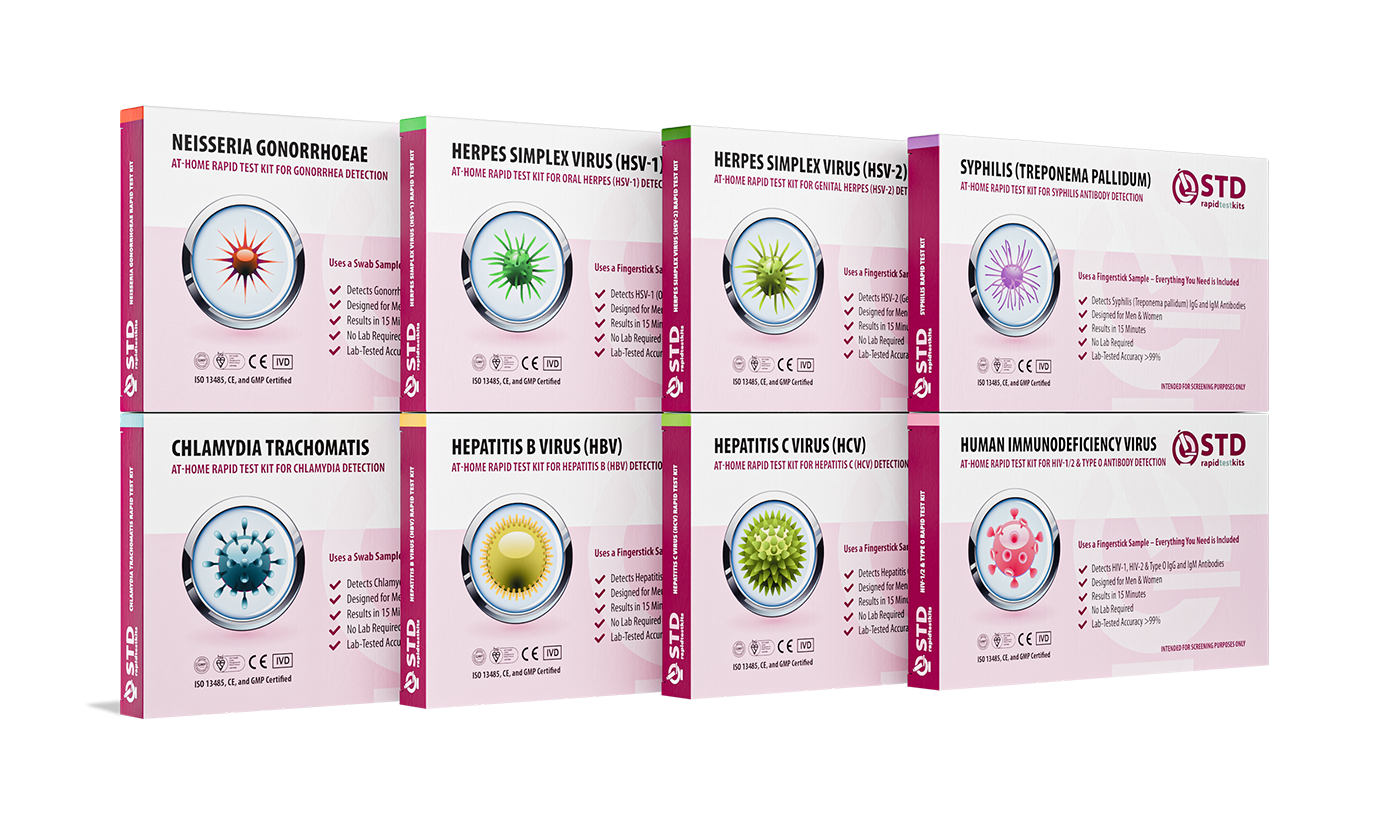
 For Men & Women
 Results in Minutes
 No Lab Needed
 Private & Discreet
Order Now $149.00 $392.00
For all 8 tests
Yes, Prevention Still Matters
After diagnosis and treatment, you’ll likely want to pivot to prevention. That’s natural, but tread lightly. A lecture about condoms isn’t going to land when your kid is still processing test results.
Instead, build prevention into your support. Ask what they wish they’d known. Offer to buy condoms, or talk through how to ask a partner about STI status. Explain that regular testing is part of healthy sexuality, not a punishment.
Remind them that oral sex counts as exposure too. That birth control doesn’t prevent STDs. That “but we only did it once” is still enough. Use real examples, not scare tactics. And if you don’t know the answers? Look them up together. That models curiosity, not shame.
Why Teens Avoid Testing (And What You Can Do Instead)
You might be thinking: “Why didn’t they just tell me sooner?” But for most teens, the idea of walking into a clinic, asking for an STD test, and explaining their sex life to a stranger is a nightmare. Add in the fear of being outed to parents or judged by providers, and it’s no wonder they stay silent.
One study in Pediatrics found that only one in five sexually active teens had ever been tested for an STD, even though they were at significantly higher risk than adults Pediatrics. That gap isn’t about ignorance. It’s about fear. About shame. About the feeling that once they get labeled “sexually active,” they lose control of the narrative.
But here’s where you come in. If you can normalize testing, make it as boring as brushing your teeth, you give your teen power. You don’t even have to make it a big deal. “Hey, I ordered a few of these home kits if you ever want one. Totally private. No judgment.” Then leave it on the shelf and walk away. That’s trust in action.
Rapid, Lab, or Clinic? Here’s the Difference (And Why It Matters)
Let’s break it down. There are three main ways to test for chlamydia: at-home rapid kits, mail-in lab tests, and clinic visits. All three have their place, but depending on your teen’s situation, one may be more realistic than the others.
Imagine this: your daughter doesn’t want anyone at school to know she went to Planned Parenthood. A clinic test might be off the table. But she’s also too scared to wait three days for mail-in results. That’s where a combo rapid test could save her sanity. Results in minutes. No waiting room. No billing surprises.
On the other hand, if symptoms are severe or test results are unclear, a clinic can offer a physical exam and confirmatory testing that a home kit can’t. The point is to know your tools, not to make your teen “earn” the right to care. No method is perfect, but every option is better than pretending nothing’s wrong.

People are also reading: Cold Sore After Oral Sex? Here’s How to Tell If It’s Herpes
Retesting Isn’t Punishment, It’s Protection
After treatment, there’s a golden rule: retest in about 3 months. Not because your teen did something wrong, but because chlamydia has a frustrating habit of coming back. That might be due to a partner who didn’t get treated. Or someone new. Or even an incomplete treatment course.
“I thought we were fine,” one 18-year-old shared. “We both took pills, but then we hooked up again like two days later. I guess we didn’t wait long enough.” She was right. The CDC recommends waiting seven full days after treatment before resuming any sexual activity, and retesting around 90 days later, especially in younger populations CDC Treatment Guidelines.
Think of retesting like a seatbelt. You hope you don’t need it. But you’d rather wear it than wish you had. No drama, no shame, just smart protection.
Let Them Choose How to Heal (But Stay Close)
Once the test is done and the meds are taken, your teen might want to move on immediately. Or they might spiral. Either way, you’re still the anchor. Offer gentle check-ins. “Do you want to talk about it?” or “Is there anything you need from me this week?”
Maybe they need help telling a partner. Maybe they want to see a therapist. Maybe they just want a night to watch dumb TV with you and pretend none of it ever happened. All of those are valid. All of those are healing. Just don’t disappear too quickly once the antibiotics kick in.
And if you’re struggling, that’s valid too. But reach sideways, to another parent, a doctor, or a helpline. Don’t put the emotional load on your kid. They’re already carrying enough.
Check Your STD Status in Minutes
Test at Home with RemediumChlamydia Test Kit
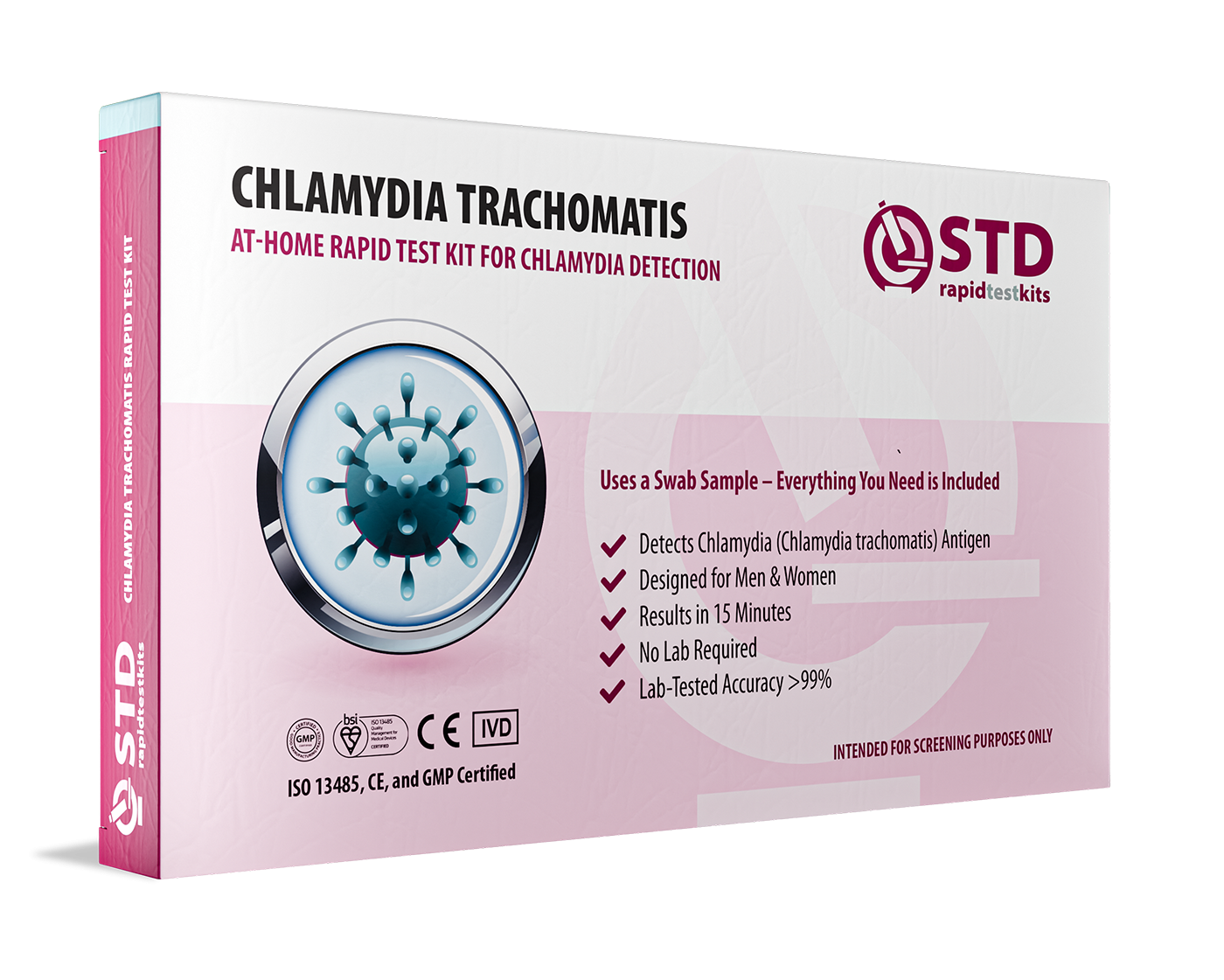 For Men & WomenResults in MinutesNo Lab NeededPrivate & Discreet
Order Now $33.99 $49.00
Take Control Without Taking Over
It’s tempting to go full “mama bear” or “dad detective” mode, to grill them about their partners, demand to see texts, or drag them to the pediatrician. But that usually backfires. Teens shut down. Secrets grow legs. And trust evaporates.
Instead, stay curious. Stay calm. Ask how you can support them without taking over. Offer options, not ultimatums. And remember: you’re modeling what care looks like. If you handle this with grace, they’re more likely to ask for help next time. That’s the real win.
Testing doesn’t have to be traumatic. Treatment doesn’t have to be shameful. And parenting through an STD diagnosis doesn’t make you a failure, it makes you present.
STD Rapid Test Kits offers multiple private, FDA-approved testing options, including discreet kits shipped straight to your door. Whether it’s for now or just in case later, keeping one on hand is a form of love, not fear.
FAQs
1. Can teens even get STDs like chlamydia?
Yes, and way more often than most people realize. In fact, chlamydia is most common in people under 25. Teens get it from oral, vaginal, or anal sex, and no, condoms aren’t foolproof. So even if your teen swears they were “careful” or “barely did anything,” exposure can still happen. It’s not about morality. It’s about biology.
2. Can I just get the meds for them myself?
We get the instinct, but not really. Most states protect minors' rights to confidential STI care. That means they have to consent to treatment themselves. But here’s the good news: your support can make the process smoother. Offer to help them make the call, or sit with them during a telehealth visit. Just don’t force it. Let them take the lead while you back them up.
3. What’s the actual treatment?
A round of antibiotics, either a single dose or a week-long course. That’s it. No surgery, no needles, no hospital visit. But they’ll need to avoid sex for seven days after taking the meds, or they risk passing it back and forth like a bad group project. Bonus tip: make sure any recent partners get treated too, or your teen could be right back at square one.
4. Does this mean my teen is sexually active?
It probably does. But here’s the thing, knowing that doesn’t need to change everything. Teens are curious. They experiment. Sometimes they trust the wrong person. That doesn’t mean they’re reckless, bad, or doomed. It means they’re normal. Focus on care, not interrogation.
5. Do I have to tell the other parent?
That depends on your relationship and what your teen wants. If the other parent is supportive, it might help to loop them in. If not, ask your teen how they’d like to handle it. “Do you want me to help you tell them, or keep this private for now?” Consent and trust apply here too.
6. Is school off-limits while they’re being treated?
Not at all. Chlamydia isn’t something they can cough on people. If they’re feeling okay physically and emotionally, there’s no reason to stay home. But a day off to process, cry, or just sleep? That’s more than reasonable. Healing is mental, too.
7. Can you get chlamydia from oral sex?
Yes, and this surprises a lot of people. Chlamydia can infect the throat, and many teens don’t realize that oral sex is still real sex. That “just messing around” moment can still lead to an infection. It’s not about scaring them, it’s about making sure they understand how it actually works.
8. Will this go on their record forever?
Sort of, but not in the way people fear. STD results do show up in medical charts, but they’re protected by privacy laws. They won’t be printed on a college transcript or pop up during job interviews. If they’re insured under your plan, you might see an explanation of benefits (EOB), but the details are often vague. If in doubt, ask your provider about confidentiality options.
9. Can I just order a test kit and leave it in their room?
Yes, and it might be one of the kindest things you can do. A discreet, at-home test kit takes the fear out of the clinic visit. No awkward questions. No paperwork. Just answers. This one is reliable, fast, and easy to use.
10. What if they refuse to talk about it at all?
Then don’t force the door open. Just keep it unlocked. Let them know: “You’re not in trouble. I’m here when you’re ready.” Then follow through, be the calm, steady presence. They might not come around today. But they’ll remember how you made them feel. That matters more than any perfect speech.
You’re Still a Good Parent. They’re Still a Good Kid.
This moment, right now, does not define your kid. Or you. It’s just a bump in the road, not the end of the path. Chlamydia is treatable. Relationships can be repaired. Trust can be rebuilt. You can both move forward stronger, not more afraid.
If you're still holding your breath, exhale. You’ve got this. And you’re not alone.
Don’t wait and wonder, get the clarity you deserve. This at-home combo test kit checks for the most common STDs discreetly and quickly.
How We Sourced This Article: We combined current CDC and WHO guidelines, peer-reviewed research, and real-world accounts from parents, teens, and clinicians to make this article as accurate, compassionate, and actionable as possible. We consulted over a dozen reputable sources and spotlighted six below for their clarity and authority. All external links were verified and open in a new tab so you can fact-check without losing your place.
Sources
1. CDC: Chlamydia - Fact Sheet
2. CDC: STDs & Infertility in Women
3. Planned Parenthood: Chlamydia Information
4. CDC: 2023 Chlamydia Treatment Guidelines
About the Author
Dr. F. David, MD is a board-certified infectious disease specialist focused on STI prevention, diagnosis, and treatment. He blends clinical precision with a no-nonsense, sex-positive approach and is committed to expanding access for readers in both urban and off-grid settings.
Reviewed by: Jen Wallace, NP | Last medically reviewed: September 2025
This article is for informational purposes and does not replace medical advice.


