







Burning, Itching, Discharge: Yeast Infection or STD?
Can You Get an STI from Semen Stains?
It is unlikely, but yes, one could get infected with an STI by coming into contact with semen stains. A number of different types of STIs are carried in body fluids like semen. Examples include HIV and gonorrhea. Generally, sexual exposure is how these diseases are passed on, but non-sexual exposure to infected body fluids could transmit some types of diseases.
However, this mode of transmission is not very probable. Usually, microorganisms causing STIs survive outside the human body for brief periods. Environmental conditions, such as temperature, humidity, and contact with air, might cause these pathogens to die rapidly; therefore, the chances of infection by this route become low.
It's worth noting that sometimes certain viruses and bacteria are able to survive longer given the right conditions, so it's not advisable to completely negate the risk. In this light, good personal hygiene and proper precautionary measures are crucial in safeguarding your health while staying in shared rooms, such as hotels.
Understanding STIs: Transmission, Symptoms, and Consequences
STIs are usually transmitted through different forms of sexual contact: vaginal, anal, and oral. The risk factors include unprotected sex, multiple sexual partners, or sex with a person having multiple sexual partners.
Symptoms of STIs can be very different, and no two people may have exactly the same symptoms. Usual symptoms include unusual discharges, burning sensations while urinating, sores, and rashes around the genital areas. Many STIs do not show any symptoms at all, which makes it even more urgent to practice safe sex and visit health centers periodically.
If left unattended, STIs could lead to dire consequences: chronic pain, infertility, or a rise in the risk of certain cancer types. Thus, the discovery and treatment of these infections have to be accomplished as early as possible, which is where the at-home rapid test kits come into play.
Safety Precautions in the Hotel Room
Some measures while in the hotel room can be taken to protect oneself from possible STIs. One of the important measures would involve abstaining from sexual activities within hotel rooms. If one has to, they must use either a condom or dental dam, as these barrier methods will tend to prevent the spread of most STIs.
Moreover, personal hygiene comes first. You can bring your own bedding and towels to ensure they do not have anything unwanted. Similarly, you should avoid hotel toiletries, for they could have been handled by previous guests.
Testing at Home with Rapid Test Kits for STIs
If you are uneasy about getting one of these STIs, there is a way to alleviate your anxiety. You may check yourself in the convenience of your home for the most prevalent STIs with rapid test kits. These are commercially available at local and online pharmacies. They are easy to administer, and results will be available within minutes, so that, if positive, you can seek the appropriate care without much more ado.
The rapid test kits are a great way to look after your sexual health in case of unprotected sex, symptoms developed, or just to make sure you are healthy. The privacy and convenience the kits offer really make them an invaluable tool in the early detection and treatment of STIs.
Check Your STD Status in Minutes
Test at Home with Remedium7-in-1 STD Test Kit
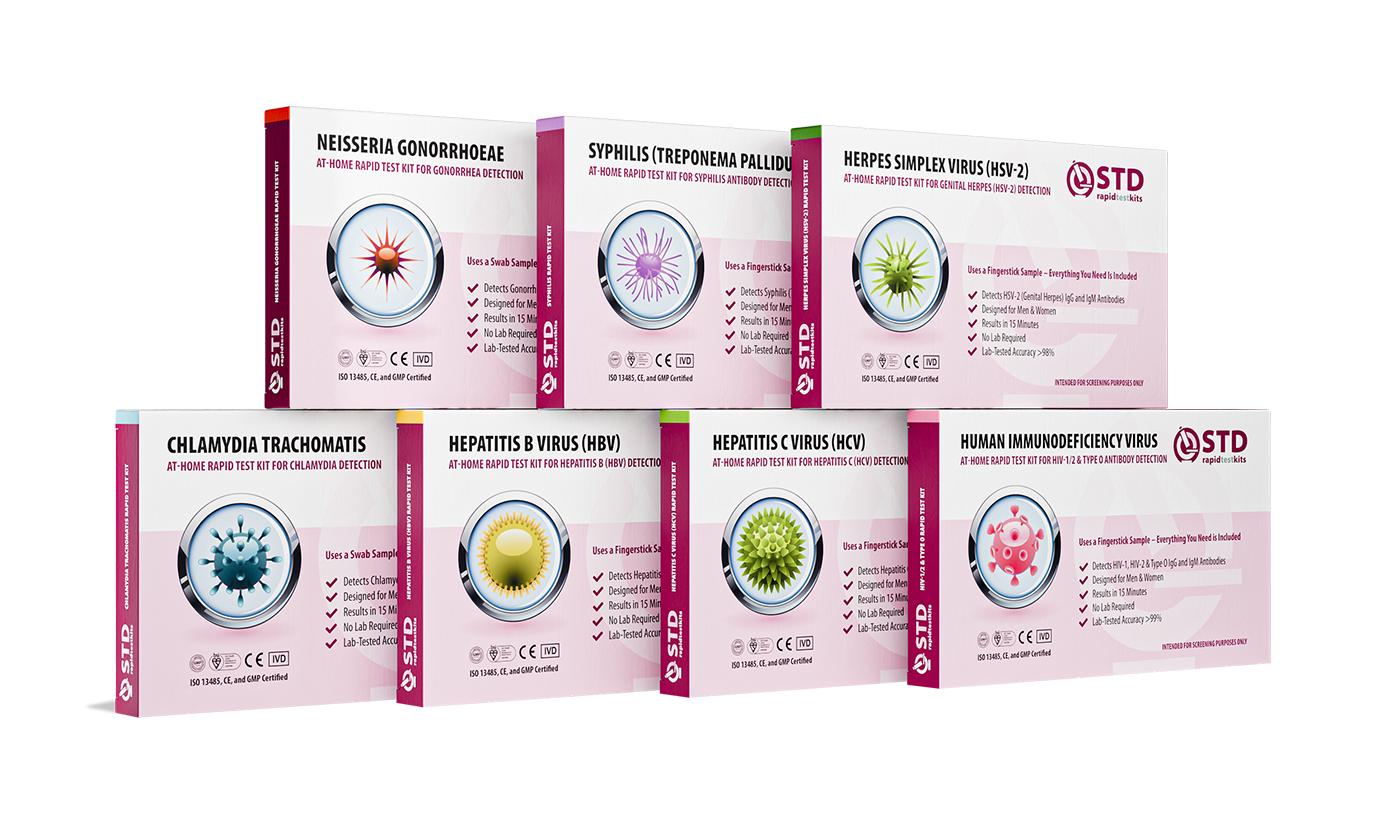
Claim Your Kit Today
Save 62%
 For Men & Women
 Results in Minutes
 No Lab Needed
 Private & Discreet
Order Now $129.00 $343.00
For all 7 tests
Prevention and Protection: Vaccines and Regular Check-ups Play a Significant Role
STIs, like Human Papillomavirus and Hepatitis B, can be vaccinated against. If you are eligible, you should definitely get vaccinated, which will significantly decrease the chances of developing these infections. Furthermore, regular testing for STIs helps to ensure early diagnosis, especially in sexually active individuals with multiple partners. These check-ups will help identify the asymptomatic infection that can be treated at an early stage to avoid complications.
Knowledge is Power: Educating Yourself about STIs
Knowing what STIs are, how they are transmitted, and how to prevent them can go a long way in reducing your risk for acquiring them. There are several resources available regarding STIs, including government health websites and sexual health organizations. These resources better prepare you to make decisions that will help protect your sexual health, as well as your health in general.
Hygiene and Safety of the Guest
While guests have some responsibility for protecting themselves, hotels also bear important responsibilities regarding the safety of their guests. This includes stringent cleaning and hygiene—a good disinfectant should be in place and linens and towels washed regularly. They should also make guests aware of cleaning protocols they adhere to.
Balancing Enjoyment with Precautions
The chance of getting an STI from semen stains in a hotel room is slim, considering the rates at which STIs fizzle out of the human body. But it's always better to be safe than sorry. Safe sex, good personal hygiene, and early detection using rapid test kits—the risk of you getting an STI is at an all-time low.
Traveling is supposed to be a rewarding and enjoyable experience. Do not allow fear of an STI to stand in your way. With proper information and precautions, you should be prepared to take on the world, confident that you have done everything you can to maintain good health.
References
-
"Sexually Transmitted Infections (STIs)". World Health Organization (WHO)
-
"Survival of human immunodeficiency virus (HIV), HIV-infected lymphocytes, and poliovirus in water". Pubmed
-
"Human Papillomavirus (HPV) Vaccination: What Everyone Should Know". Centers for Disease Control and Prevention (CDC)
-
"How do STIs spread?" Planned Parenthood
-
"The Truth about STIs". Johns Hopkins Medicine
-
"The lowdown on STI testing". Health Direct Australia
-
"Hotel Room Hygiene: A Look Behind Closed Doors". Hospitality Net
-
"Sexual health". NHS UK


